Related News
- 00
0000-00
How to Evaluate Terminal Efficiency Solution Suppliers for High-Throughput Operations - 00
0000-00
What to Consider When Buying Electric Port Machinery for Container Terminals - 00
0000-00
How to Select Container Handling Equipment for Middle East Ports and Terminals - 00
0000-00
How to Evaluate a Port Machinery Exporter for Large-Scale Terminal Projects - 00
0000-00
Evaluating a Dredging Equipment Manufacturer for Mining Plant Supply
Quay Crane Manufacturer Comparison: What to Check Before Requesting a Quote
Why does a quay crane manufacturer comparison matter before you request a quote?
A quay crane is not a routine equipment purchase. It affects berth productivity, vessel turnaround, maintenance planning, and future automation options.
That is why comparing each quay crane manufacturer before pricing discussions usually saves more than negotiating the lowest initial number.
In practice, the real decision sits between throughput, reliability, integration depth, and lifecycle cost. Price is only one layer.
PS-Nexus often frames this issue through a wider port lens. Crane performance is linked to yard flow, control systems, and global trade volatility.
If a manufacturer cannot support that wider operating picture, the quote may look competitive while the long-term result becomes expensive.
What should be clarified before sending the first RFQ?
A strong RFQ starts with internal clarity. Without it, every quay crane manufacturer will quote on different assumptions, making comparison unreliable.
The first checkpoint is vessel and terminal profile. Outreach, lift height, box mix, wind conditions, and berth geometry must be defined early.
The second checkpoint is operating philosophy. Manual operation, remote control, and semi-automation lead to very different hardware and software requirements.
A third point is power strategy. Energy consumption, regenerative systems, grid compatibility, and net-zero targets influence both crane design and total cost.
It also helps to decide which items are mandatory and which are optional. That prevents premium features from hiding inside a basic quote.
- Required outreach, backreach, and under-spreader height
- Rated load under twin-lift or tandem-lift conditions
- Expected annual moves and peak berth demand
- Automation interface needs with TOS, OCR, and AGV systems
- Local codes, seismic conditions, and environmental compliance targets
When comparing a quay crane manufacturer, which capabilities matter more than brochure specifications?
Brochure data shows nominal capacity. A better comparison looks at engineering maturity and delivery consistency under real terminal conditions.
Start with design track record. Has the quay crane manufacturer delivered similar cranes for comparable berth depth, vessel class, and climate exposure?
Then look at steel structure quality, anti-corrosion strategy, hoist system architecture, and the source of major electrical components.
Control architecture matters just as much. Many ports now need low-latency communication, remote diagnostics, and compatibility with smart terminal logic.
This is where the PS-Nexus perspective becomes useful. Port equipment no longer works in isolation from scheduling algorithms and asset orchestration.
A capable quay crane manufacturer should explain how the crane fits into a broader digital operating model, not just how it lifts containers.
A useful quote comparison should therefore separate headline specifications from operational readiness. The difference becomes obvious after detailed questioning.
Is the lowest quote from a quay crane manufacturer ever the best option?
Sometimes, but not often. Low pricing may reflect narrower scope, cheaper component choices, longer lead times, or limited commissioning support.
A common mistake is comparing total price without normalizing what each quay crane manufacturer actually includes in supply and performance guarantees.
More careful buyers build a comparison around total ownership. That includes preventive maintenance, energy use, spare parts exposure, training, and software updates.
Another hidden area is downtime risk. A cheaper crane that stops unexpectedly during peak calls can erase procurement savings very quickly.
This is especially relevant in terminals pursuing automated or semi-automated operations. System interruptions can spread far beyond a single machine.
- Check whether testing scope includes factory acceptance and site acceptance criteria
- Confirm who bears shipping, installation, and local compliance costs
- Review warranty exclusions for wear parts, software, and operator misuse
- Ask how long critical spare parts remain available after delivery
How do standards, automation, and future upgrades change the decision?
A quay crane manufacturer should not be evaluated only for current needs. Ports change faster than crane replacement cycles.
Larger vessels, denser yard planning, remote operation, and stricter energy targets all increase the value of upgrade flexibility.
That means checking compliance with relevant design, electrical, and safety standards from the start, not after commercial selection.
It also means asking whether the control platform can support future modules such as anti-sway enhancement, OCR links, or remote supervision.
PS-Nexus frequently highlights how terminal gear, control systems, and commercial demand are now connected. The crane is part of a digital port stack.
If the manufacturer cannot explain upgrade pathways, the initial quote may create a dead end in five years.
Energy strategy also deserves attention. Regenerative drives, monitoring systems, and efficient motion control can support both operating savings and sustainability targets.
What warning signs appear during the quotation stage?
The quotation stage often reveals more than the final number. Response quality itself is a practical filter.
One warning sign is vague technical language. If a quay crane manufacturer avoids firm answers on load cases or design assumptions, caution is justified.
Another sign is poor scope transparency. Missing details on commissioning, training, documentation, or interface responsibility usually create disputes later.
Watch for unrealistic lead times as well. Heavy terminal gear depends on fabrication slots, logistics coordination, and site readiness.
A reliable quay crane manufacturer should discuss constraints openly, including supply chain exposure for critical electrical and structural components.
It is also sensible to test service depth early. Ask who answers failure calls, how software support is handled, and where regional technicians are based.
What does a practical shortlist process look like?
A practical shortlist usually begins with three comparable candidates, not a broad list of names with uneven relevance.
Score each quay crane manufacturer against the same matrix. Weight technical fit, delivery confidence, integration readiness, service support, and lifetime economics.
Then challenge the assumptions behind the quote. A strong supplier welcomes technical clarification because it improves execution discipline later.
Before moving forward, prepare a final review sheet covering the points that most often change project outcomes.
- Does the crane match expected vessel growth over the asset life?
- Are digital interfaces ready for remote control and terminal integration?
- Is the maintenance model realistic for local operating conditions?
- Have exclusions, guarantees, and testing responsibilities been normalized?
- Does the manufacturer show stable long-cycle support capability?
A good quay crane manufacturer comparison does not end with price ranking. It ends with a clearer risk map and a better long-term fit.
The next useful step is to refine the RFQ around terminal realities, then compare offers using one technical and commercial framework.
That approach usually leads to stronger negotiations, fewer surprises, and a crane investment aligned with modern port operations.
Related News
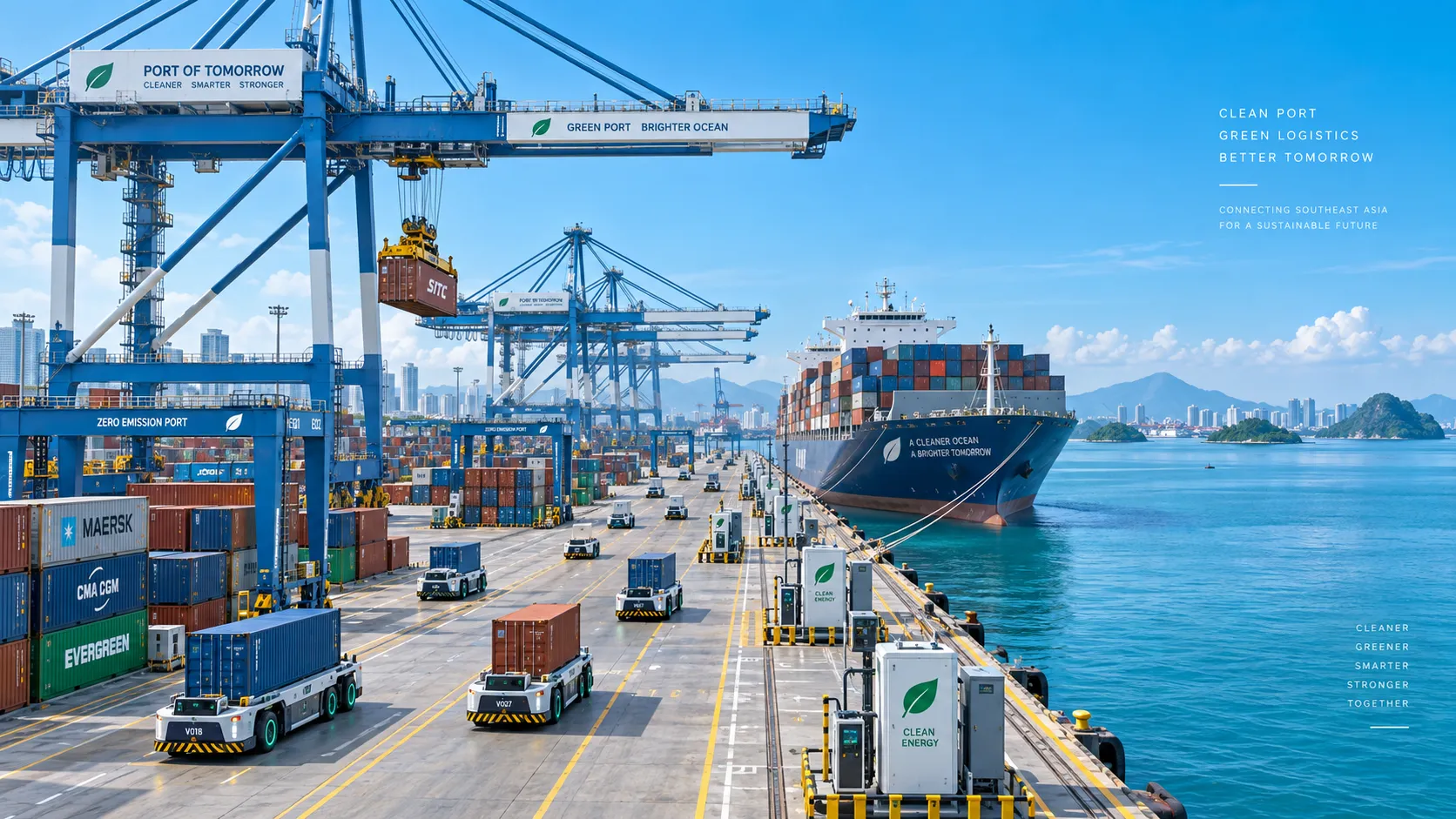
Smart Port Systems in Southeast Asia: Investment Priorities and Adoption Barriers
Smart port systems Southeast Asia: discover investment priorities, adoption barriers, and practical steps to build resilient, connected, high-performing terminals.

How to Evaluate Terminal Efficiency Solution Suppliers for High-Throughput Operations
Choose a terminal efficiency solutions supplier with confidence. Explore proven criteria for throughput, integration, lifecycle cost, safety, and reliable delivery.
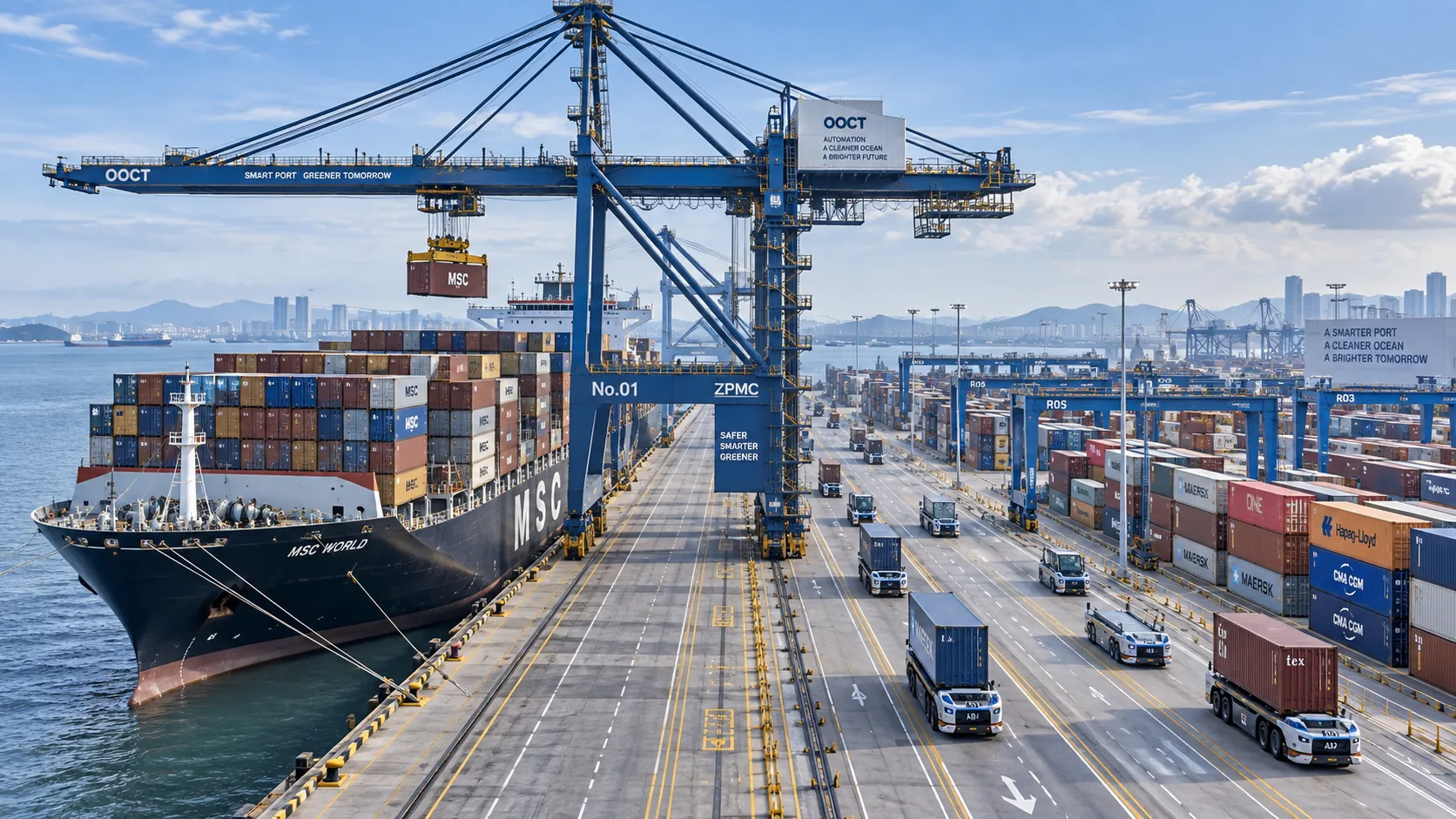
How to Specify a Quay Crane for Container Terminals by Vessel Size and Throughput?
Quay crane for container terminals: learn how to match outreach, lift height, capacity, automation, and cycle performance to vessel size and throughput goals.
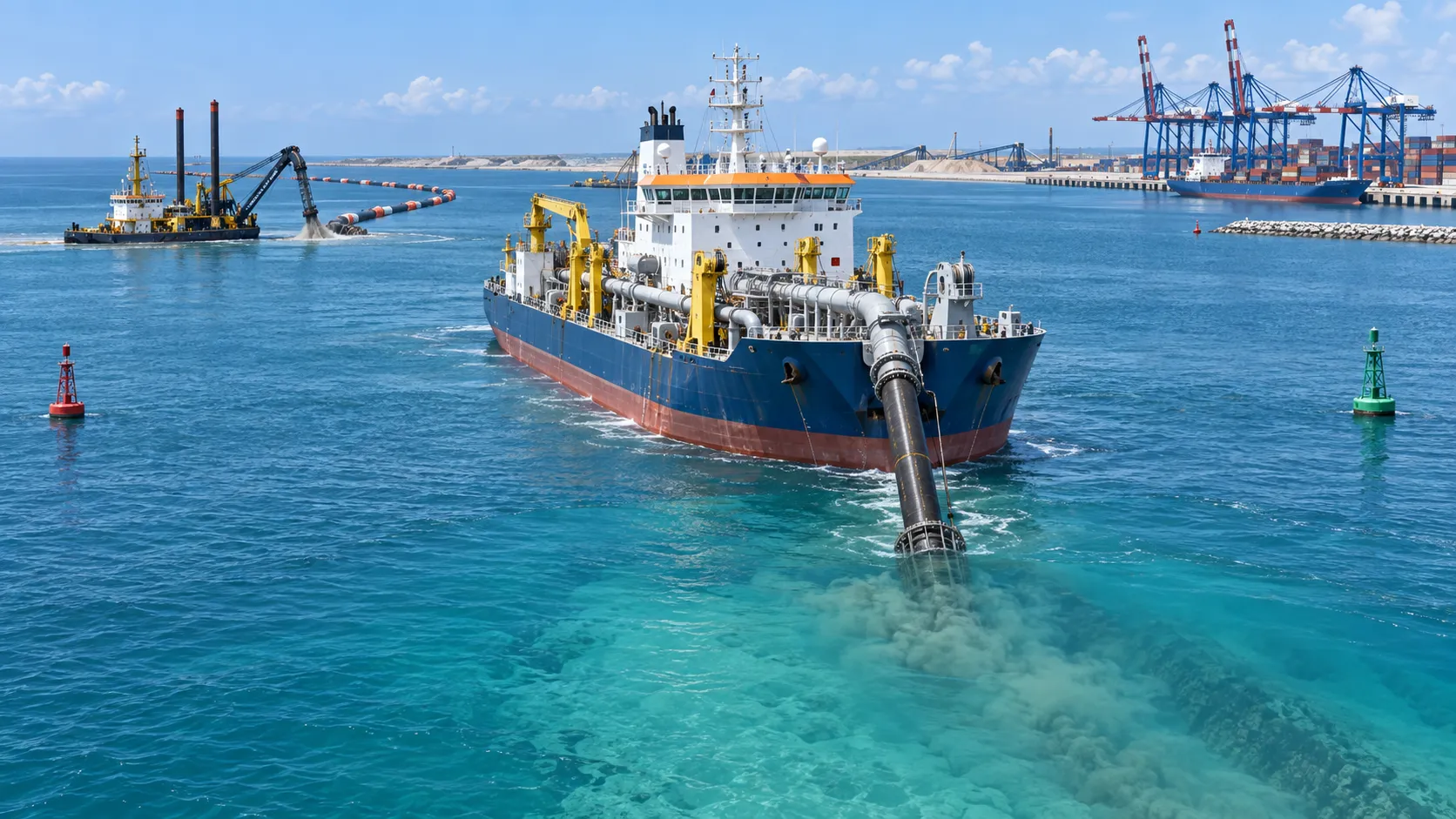
What Dredging Equipment Is Needed for Channel Deepening?
What dredging equipment is needed for channel deepening? Explore dredgers, pipelines, survey tools, and planning strategies for safer, more efficient port access.
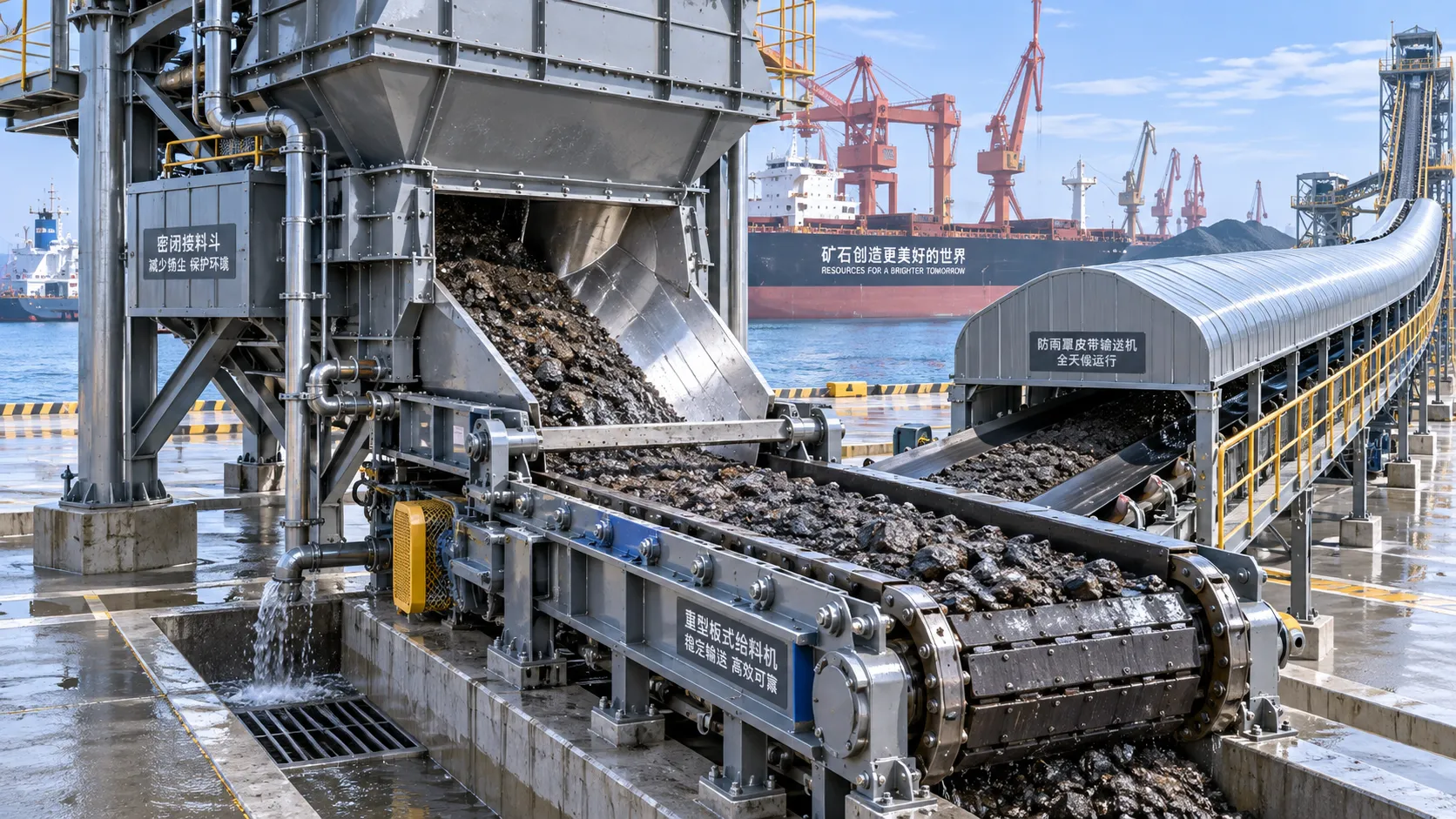
Which Bulk Handling Equipment Suits High-Moisture Cargo?
Which bulk handling equipment suits high-moisture cargo? Compare belt, apron, screw, drag, and slurry systems for reliable flow, less carryback, and higher terminal uptime.
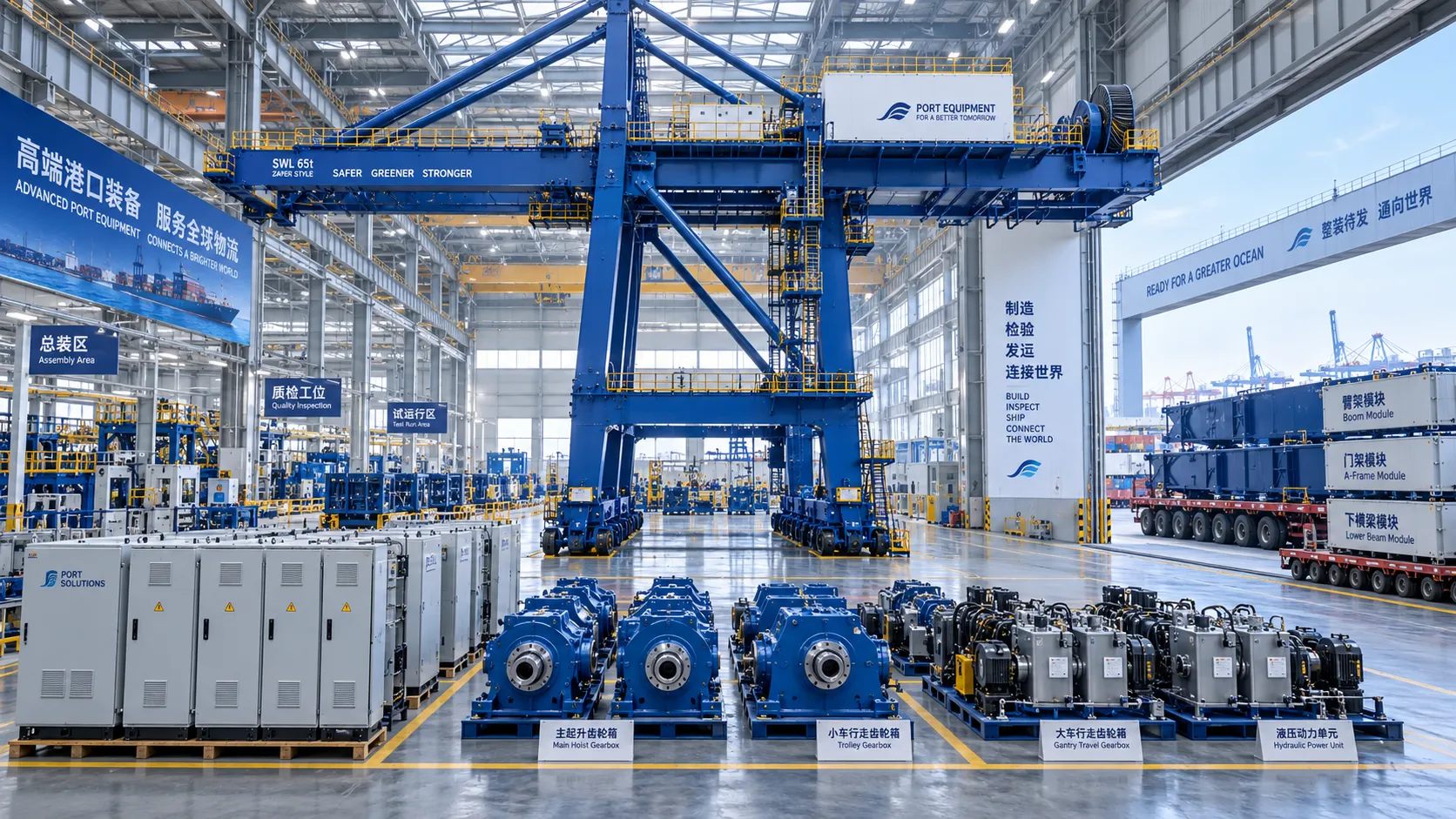
How Can Port Equipment Lead-Time Risk Be Managed?
How can port equipment lead-time risk be managed? Explore practical strategies to control critical paths, suppliers, transport, site readiness, and commissioning delays.
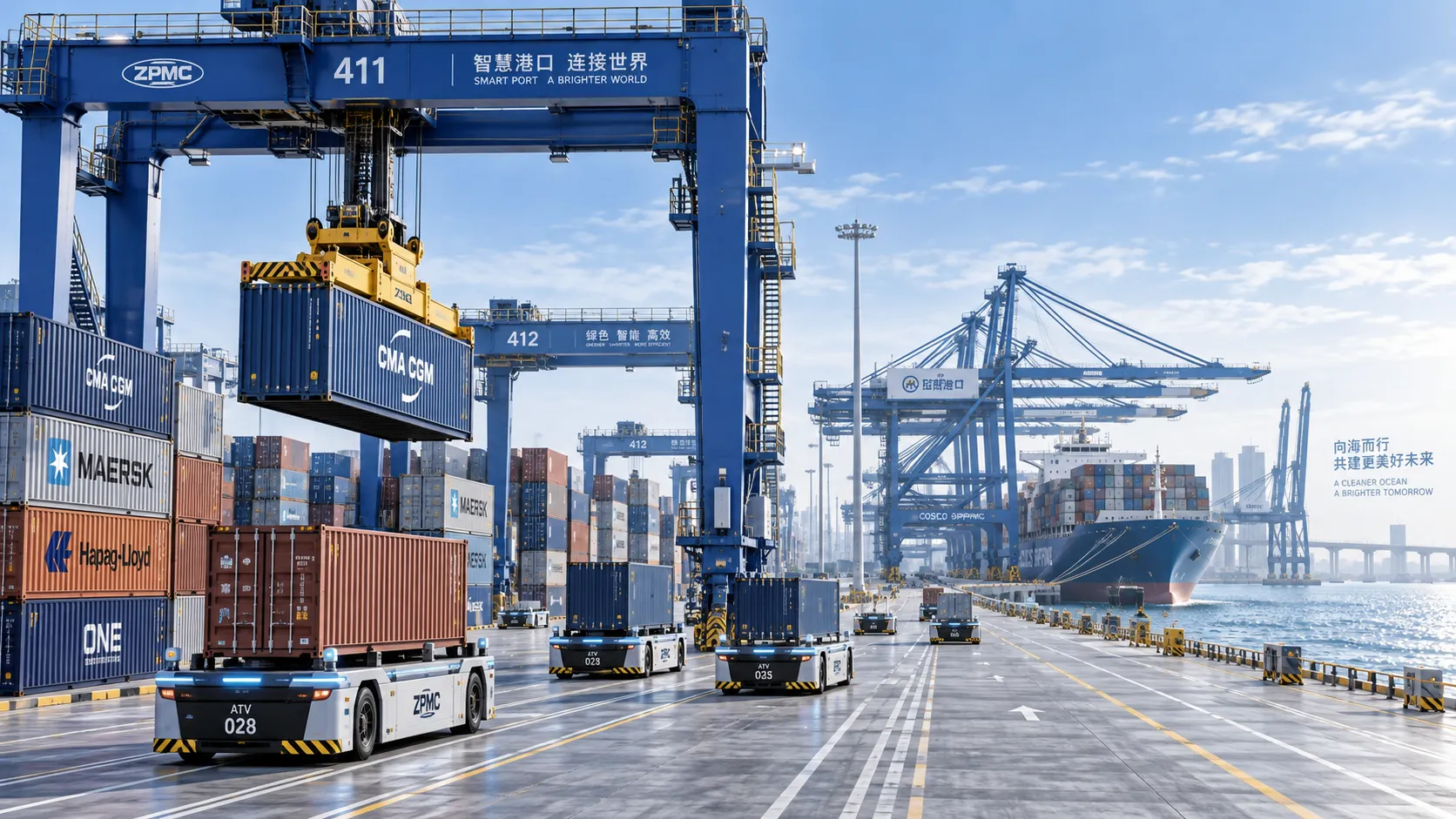
Terminal Automation Technologies That Raise Container Throughput Without Yard Disruption
Terminal automation technology that increases container throughput without disrupting yard flow. Explore smarter integration, resilient workflows, and phased deployment strategies.
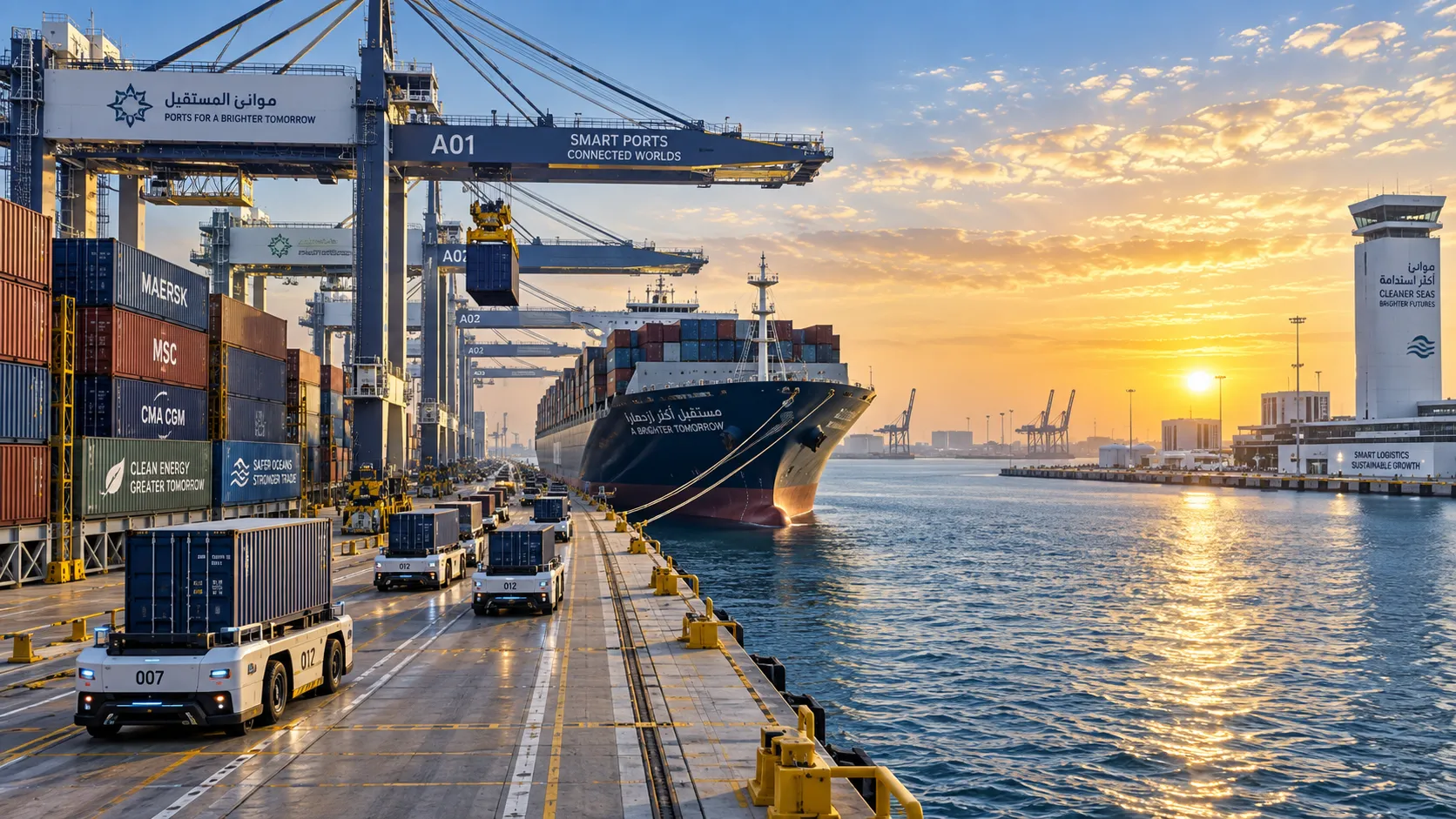
Middle East Port Automation: Key Market Drivers, Projects, and Investment Risks
Port automation systems Middle East: explore market drivers, flagship projects, integration challenges, and investment risks shaping smarter, resilient terminals.
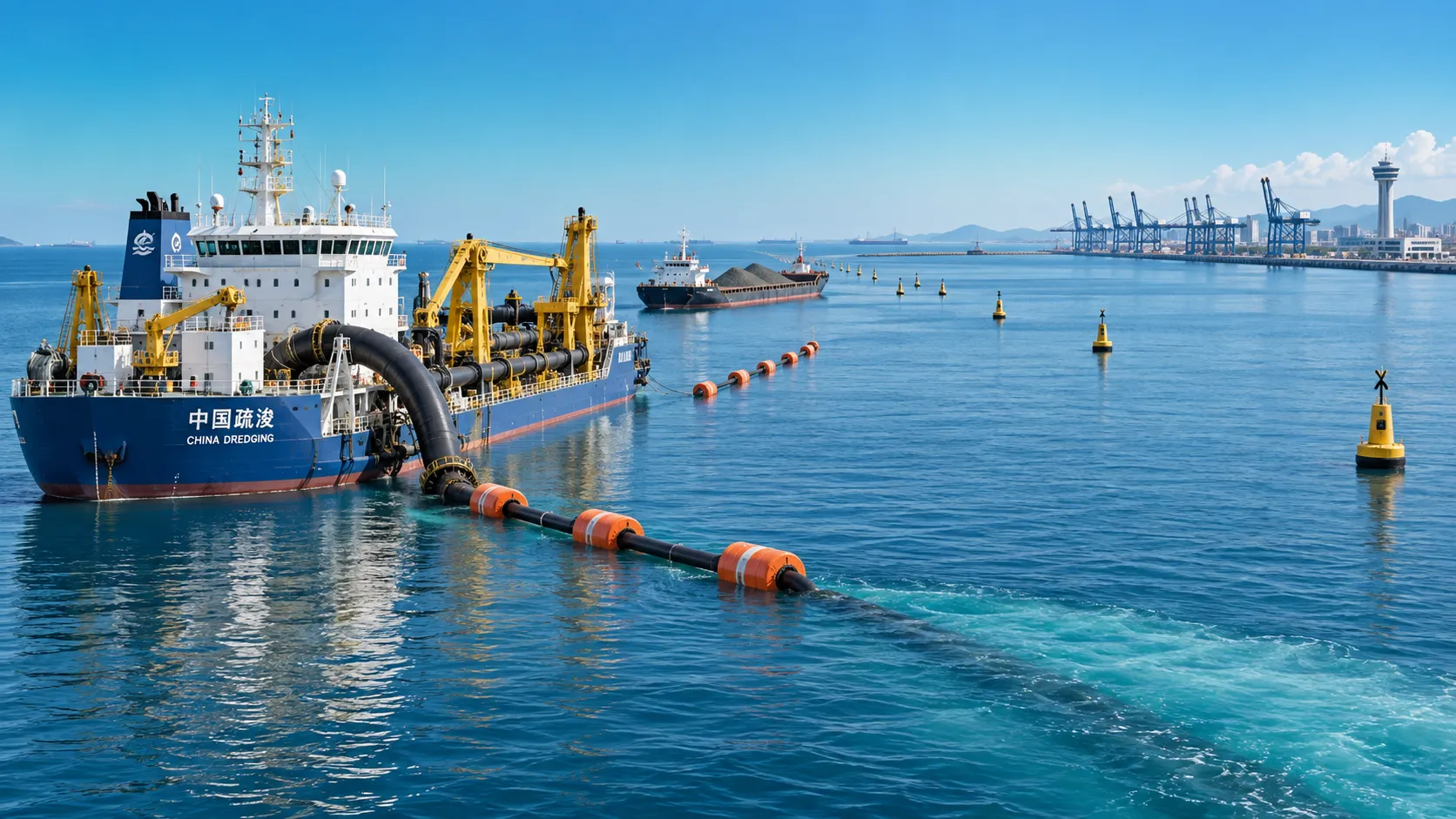
Planning Offshore Dredging Operations: Key Risks, Methods, and Project Controls
Offshore dredging operations demand smart planning. Explore key risks, proven methods, environmental controls, and project strategies for reliable delivery.