Related News
- 00
0000-00
How Can Port Equipment Lead-Time Risk Be Managed? - 00
0000-00
Maritime Logistics Operations: How Ports Can Reduce Container Dwell Time - 00
0000-00
What Does Logistics Node Monitoring Cost Across Warehouses and Transport Hubs? - 00
0000-00
How Can IoT Smart Port Solutions Improve Container Tracking and Yard Efficiency? - 00
0000-00
How Real-Time Port Logistics Intelligence Improves Container Yard Efficiency
How to Evaluate Integrated Port Logistics Solutions for Faster Cargo Flow?
How to Evaluate Integrated Port Logistics Solutions for Faster Cargo Flow?
For project managers and engineering leads, evaluating integrated port logistics solutions means balancing terminal equipment, automation systems, cargo visibility, and dredging support to accelerate throughput without raising operational risk. This guide outlines the key criteria that matter most—from data integration and scheduling efficiency to infrastructure adaptability and long-term ROI—so you can make faster, smarter decisions for seamless cargo flow.
If you are comparing solutions for a port, inland terminal, or marine-linked logistics node, start with one practical question: where is cargo actually getting delayed? Too many evaluations stay at the software-demo level and never get close to the physical flow constraints. A polished dashboard will not fix poor yard handoff logic, crane waiting time, weak truck appointment discipline, or a channel depth problem that keeps vessel windows unstable.
That is why the best evaluation process for integrated port logistics solutions starts on the ground. Walk the berth, yard, gate, and rail or barge interface. Ask where planners are overriding the system by hand. Ask where operators are waiting for instructions. Ask where cargo visibility breaks between vessel ETA, yard slotting, and landside dispatch. The answer usually tells you what the solution really needs to integrate, not just what the vendor wants to sell.
Check the flow, not just the feature list
A common mistake is evaluating modules one by one: TOS, gate system, yard planning, AGV scheduling, maintenance dashboard, dredging monitoring, and so on. In real operations, cargo does not move in modules. It moves through dependencies.
- Can the solution connect berth planning with yard allocation before discharge starts?
- Does truck appointment data influence stacking and retrieval logic, or is it only displayed?
- Can reefer, hazardous cargo, out-of-gauge units, and customs-hold containers be handled without manual workarounds?
- If rail, barge, or feeder connections matter, are those interfaces native to the workflow or treated as external exceptions?
If the vendor cannot show how one decision affects the next handoff, the integration may be shallow. For faster cargo flow, orchestration matters more than screen count.
Look hard at data integration quality
Most projects fail quietly here. The system goes live, interfaces exist, and yet planners still rely on calls, spreadsheets, and radio updates because the data arrives late, incomplete, or in the wrong format.
When reviewing integrated port logistics solutions, ask for the actual interface map. Not a slide. A real list of upstream and downstream systems: TOS, ERP, WMS, PCS, OCR, weighbridge, gate automation, crane PLC layers, maintenance systems, AIS-fed vessel updates, and any dredging or hydrographic monitoring inputs if nautical access affects berth reliability.
Then test three things:
- Latency: how quickly does a real event appear where the next team needs it?
- Data ownership: who is the master source for container status, equipment condition, and vessel plan revisions?
- Exception handling: what happens when messages fail, fields mismatch, or sensor readings drop out?
Vendors often perform well in a clean demo environment. Ask them to walk through broken-message recovery and resynchronization. That is closer to real life.
Scheduling logic needs to fit your operation, not an idealized terminal
Automated scheduling is one of the strongest selling points in modern integrated port logistics solutions. It is also where expectations get inflated. A scheduling engine may look impressive in a high-volume transshipment model and still be the wrong fit for a mixed terminal handling containers, breakbulk, and irregular truck peaks.
Ask how the system prioritizes conflicting objectives. Throughput, rehandle reduction, truck turnaround, crane productivity, energy use, and berth window adherence do not always point in the same direction. If the vendor cannot explain the trade-off logic in plain language, your operations team will struggle to trust it.
This is especially important for terminals adding AGVs, automated stacking cranes, or remote-controlled quay cranes. Low-latency control and path-planning performance matter, but so does recovery behavior. What happens after a blocked lane, a failed lift confirmation, or a weather-related slowdown? In engineering reviews, resilience usually matters more than peak-speed claims.
Make sure the yard model reflects physical reality
A lot of cargo delay is created in the yard, then blamed on the berth or gate. So inspect how the solution models space, density, and mobility. You want to know whether the system understands stack height limits, segregation rules, reefer points, dangerous goods zoning, maintenance closures, and traffic conflicts between manned and unmanned equipment.
One useful check: ask the vendor to simulate a congested week, not a normal week. Include rolled containers, customs inspections, late vessel changes, and landside bunching. If the model only works when everything arrives on plan, it is not much of a decision tool.
Do not separate waterside access from cargo-flow planning
This point gets missed outside specialist teams. Faster cargo flow is not only a terminal software problem. If berth availability depends on draft constraints, tidal windows, or ongoing dredging activity, those conditions belong in the evaluation.
For ports with active channel maintenance or expansion work, ask whether the broader solution environment can incorporate dredging schedules, hydrographic survey updates, and berth restriction notices into planning decisions. Not every platform will support this directly, and that is fine, but the operational process still has to account for it. If vessel arrival assumptions are unstable, every downstream optimization becomes less reliable.
This is where an intelligence-led approach, such as the kind tracked by PS-Nexus across terminal gear, control systems, and dredging engineering, becomes useful: the winning setup is usually the one that links marine access conditions with equipment scheduling instead of treating them as separate reporting streams.
Interoperability is more valuable than a closed all-in-one promise
Project teams are often tempted by a single vendor stack because procurement looks simpler. Sometimes that works. Sometimes it creates a long lock-in cycle around tools that are only average in key areas.
A better question is whether the solution can coexist with the equipment and systems you already trust. Ports rarely start from zero. They inherit cranes from different OEMs, mixed fleet generations, legacy PLC environments, local customs interfaces, and region-specific community systems. A good platform does not need everything to be new. It needs clean interoperability, version control discipline, and a workable upgrade path.
Ask for documented support for standard industrial and enterprise interfaces where relevant, but do not accept vague claims. Certification, protocol support, and cyber requirements should be checked against project documentation and site architecture because implementation details vary by terminal and jurisdiction. If a vendor says a connection is “standard,” ask who has already deployed it and under what operating conditions. If that evidence is not available, treat it as 【to be verified】.
Cybersecurity and remote operations cannot be an afterthought
As soon as your integrated port logistics solutions touch automated handling, remote crane control, or distributed sensor networks, security becomes an uptime issue, not just an IT issue. Segmentation between OT and IT, access control, incident logging, patch management, and vendor remote support rules need to be clear before award, not during commissioning.
You do not need marketing language here. You need architecture diagrams, support procedures, and accountability. Also ask how security controls affect latency-sensitive operations. In remote and semi-automated terminals, the wrong architecture can protect the system and still make it slower to operate.
Judge implementation capacity, not only product maturity
Some solutions are solid on paper and still underperform because the implementation team cannot translate local operating logic into a stable deployment. This matters even more in brownfield terminals where legacy assets, civil constraints, and phased cutovers shape the real timeline.
Press on the delivery model:
- Who configures the operational rules: vendor consultants, local integrators, or your own team?
- How are SAT and FAT structured for mixed manual-automated workflows?
- What is the fallback plan if a cutover phase misses readiness criteria?
- How long will on-site stabilization support remain after go-live?
An experienced team will answer these without improvising. That usually tells you more than the sales presentation.
ROI should be tied to operational baselines you can defend
Be careful with generic ROI claims. For decision-making, use your own baseline: berth moves per hour, yard rehandle ratio, truck turn time, rail connection reliability, unplanned equipment downtime, labor redeployment assumptions, and any dredging-linked berth availability factors if they influence vessel throughput.
Then ask which benefits are directly measurable within the proposed scope and which depend on later phases, additional equipment, or process changes. Many business cases blend immediate software gains with future automation benefits that are not yet funded. Split them apart. It makes approval discussions cleaner and post-implementation reviews fairer.
Where data is uncertain, say so. It is better to mark an assumption as 【to be verified】 than to approve a model everyone knows is optimistic.
A short decision checklist that actually helps
- The solution addresses your real bottleneck, not a generic port digitization agenda.
- Interfaces are mapped system by system, with clear master data ownership.
- Scheduling logic has been tested against disruption, not only steady-state flow.
- Yard behavior reflects actual space, cargo classes, and equipment conflicts.
- Marine access constraints and dredging-related dependencies are accounted for where relevant.
- Cybersecurity and remote support arrangements are reviewed at architecture level.
- The implementation team has a credible cutover and stabilization plan.
- ROI assumptions are linked to operational baselines you can verify later.
If you can get through that list with solid evidence, you are probably looking at a solution worth serious consideration. If several answers still depend on future clarification, pause the decision and force those issues into the formal evaluation. In port projects, cargo flow rarely slows down because one component is bad. It slows down because the links between planning, equipment, access, and execution were never evaluated as one system.
That is the standard to hold when comparing integrated port logistics solutions: not whether the platform sounds advanced, but whether it can move real cargo faster under the conditions your terminal actually lives with.
Related News
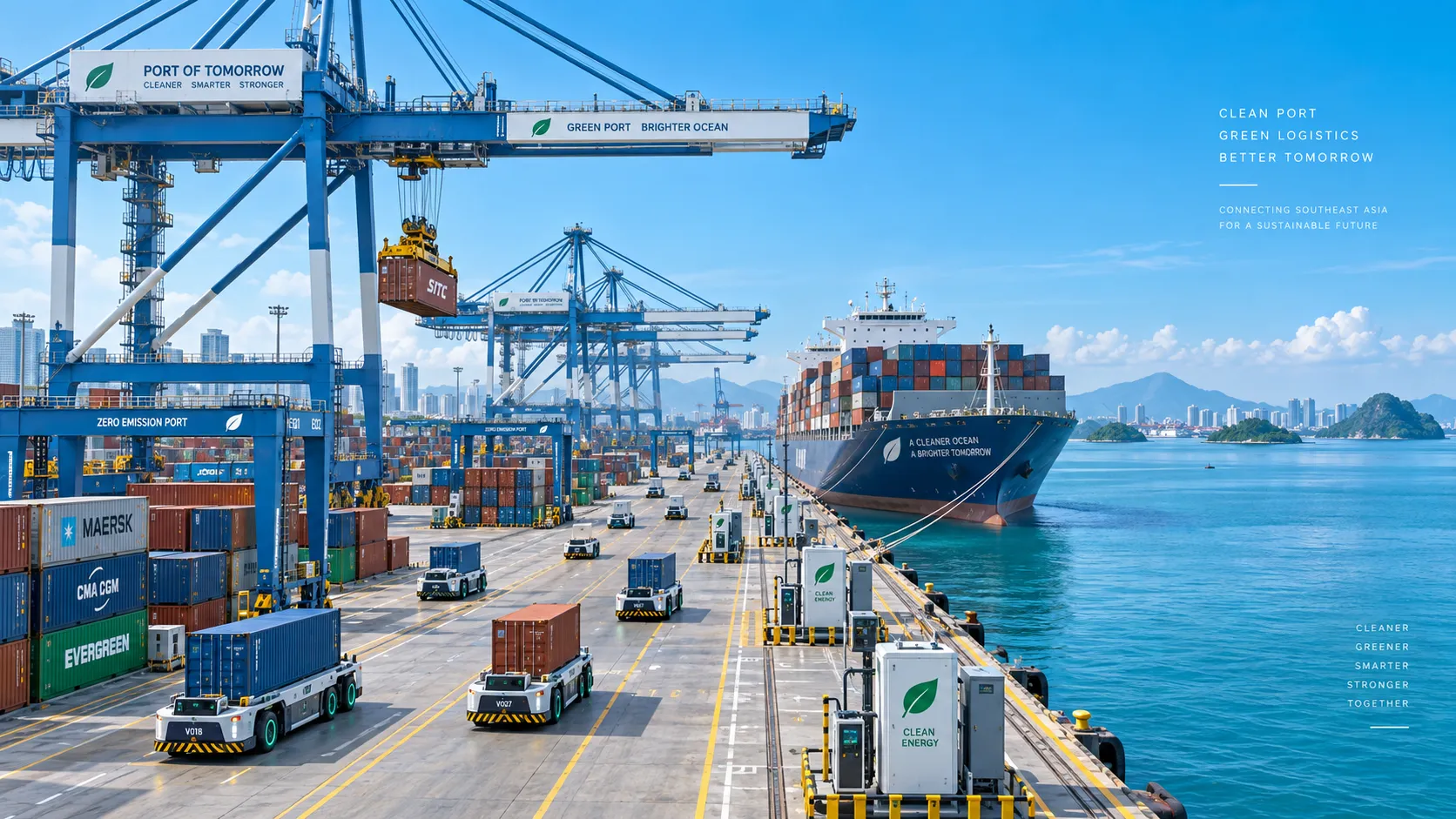
Smart Port Systems in Southeast Asia: Investment Priorities and Adoption Barriers
Smart port systems Southeast Asia: discover investment priorities, adoption barriers, and practical steps to build resilient, connected, high-performing terminals.

How to Evaluate Terminal Efficiency Solution Suppliers for High-Throughput Operations
Choose a terminal efficiency solutions supplier with confidence. Explore proven criteria for throughput, integration, lifecycle cost, safety, and reliable delivery.
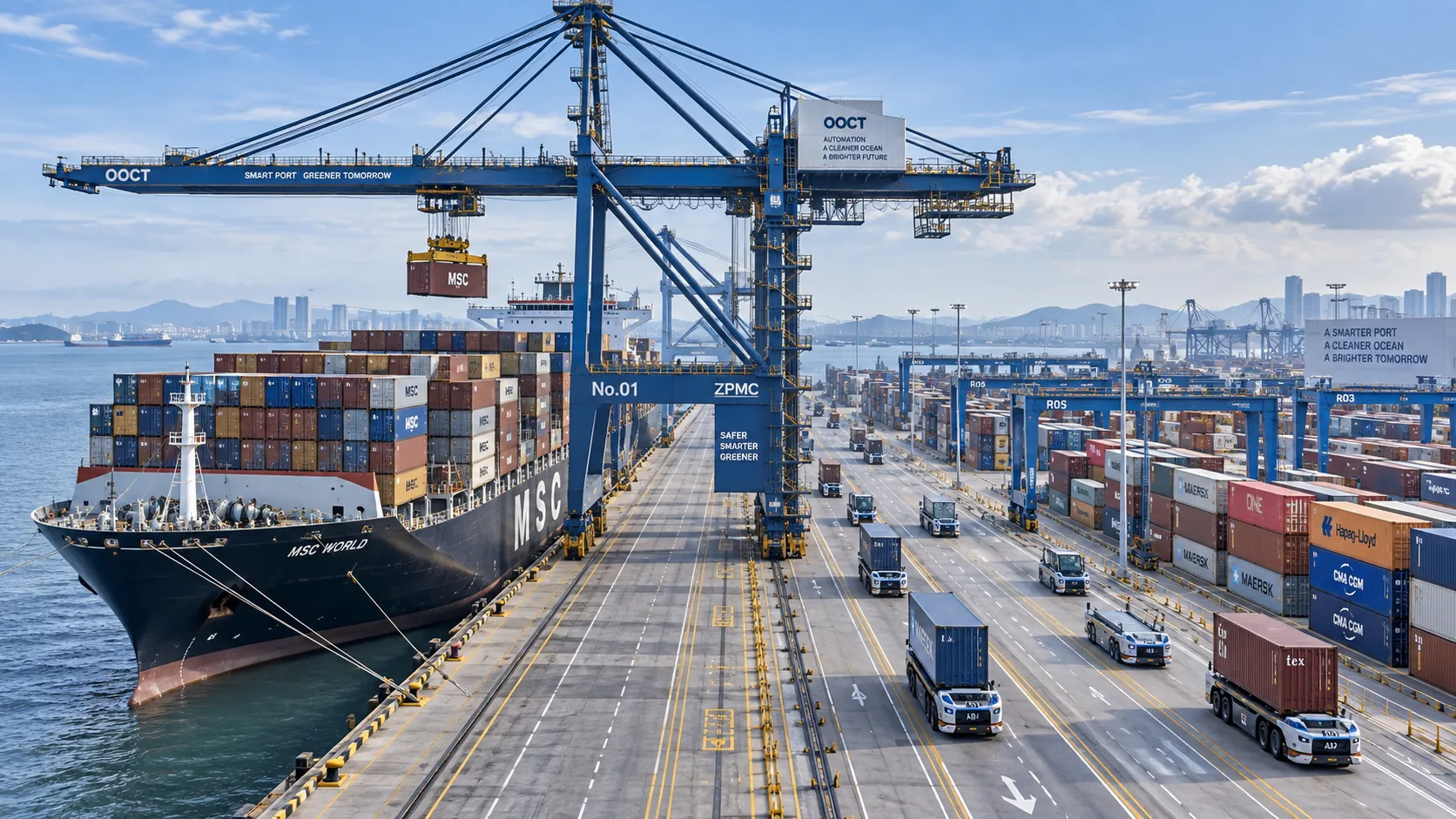
How to Specify a Quay Crane for Container Terminals by Vessel Size and Throughput?
Quay crane for container terminals: learn how to match outreach, lift height, capacity, automation, and cycle performance to vessel size and throughput goals.
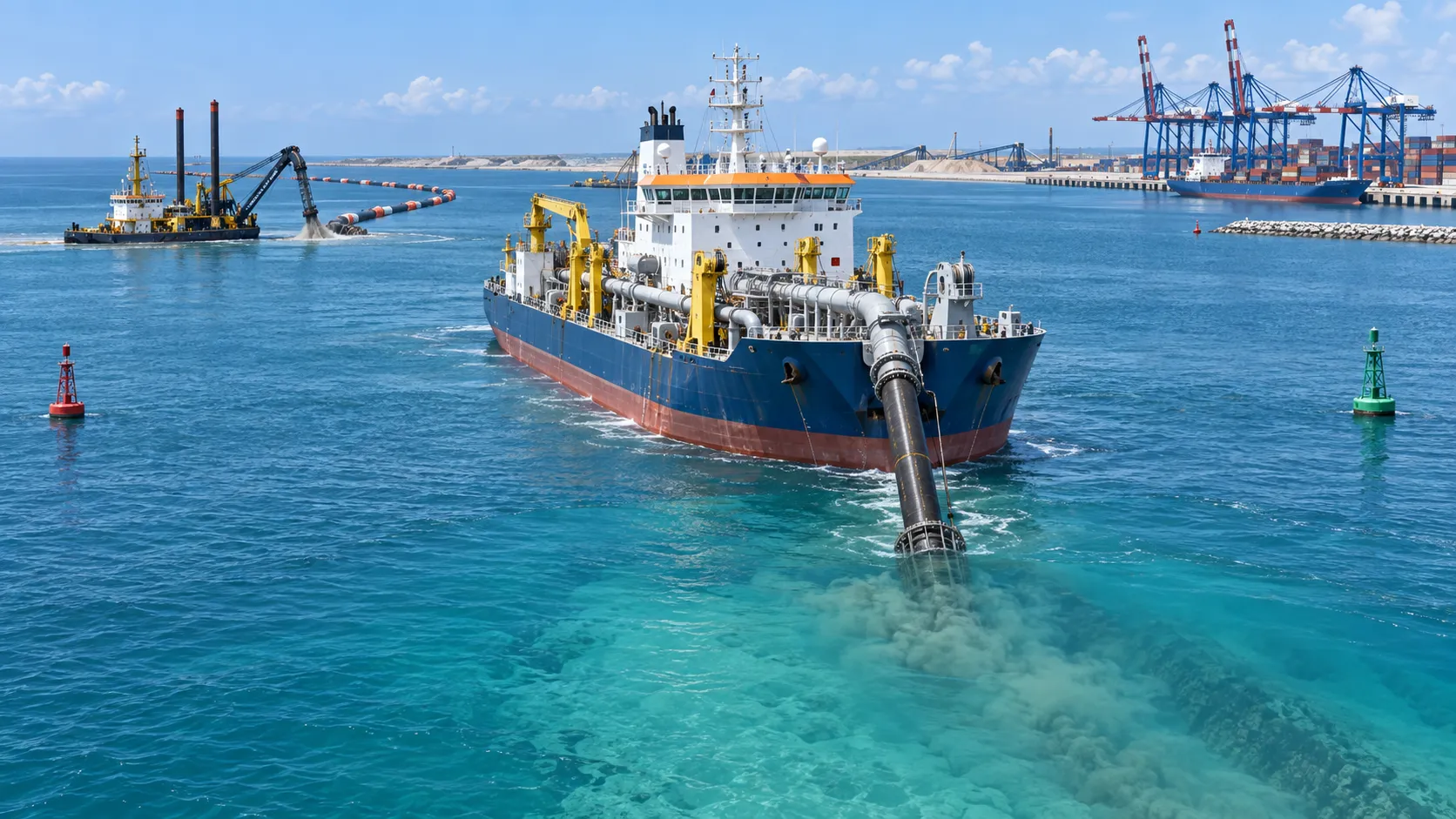
What Dredging Equipment Is Needed for Channel Deepening?
What dredging equipment is needed for channel deepening? Explore dredgers, pipelines, survey tools, and planning strategies for safer, more efficient port access.
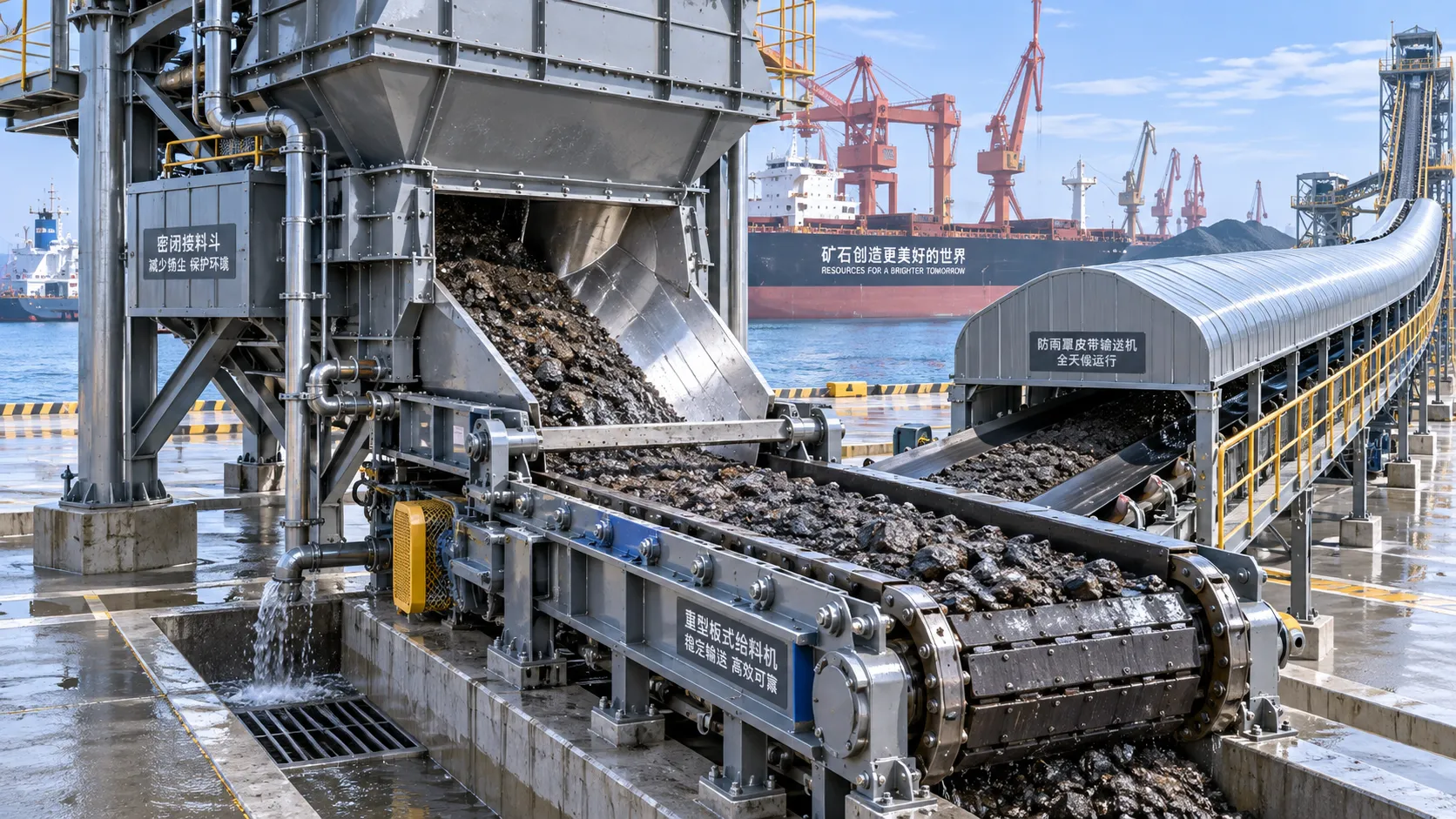
Which Bulk Handling Equipment Suits High-Moisture Cargo?
Which bulk handling equipment suits high-moisture cargo? Compare belt, apron, screw, drag, and slurry systems for reliable flow, less carryback, and higher terminal uptime.
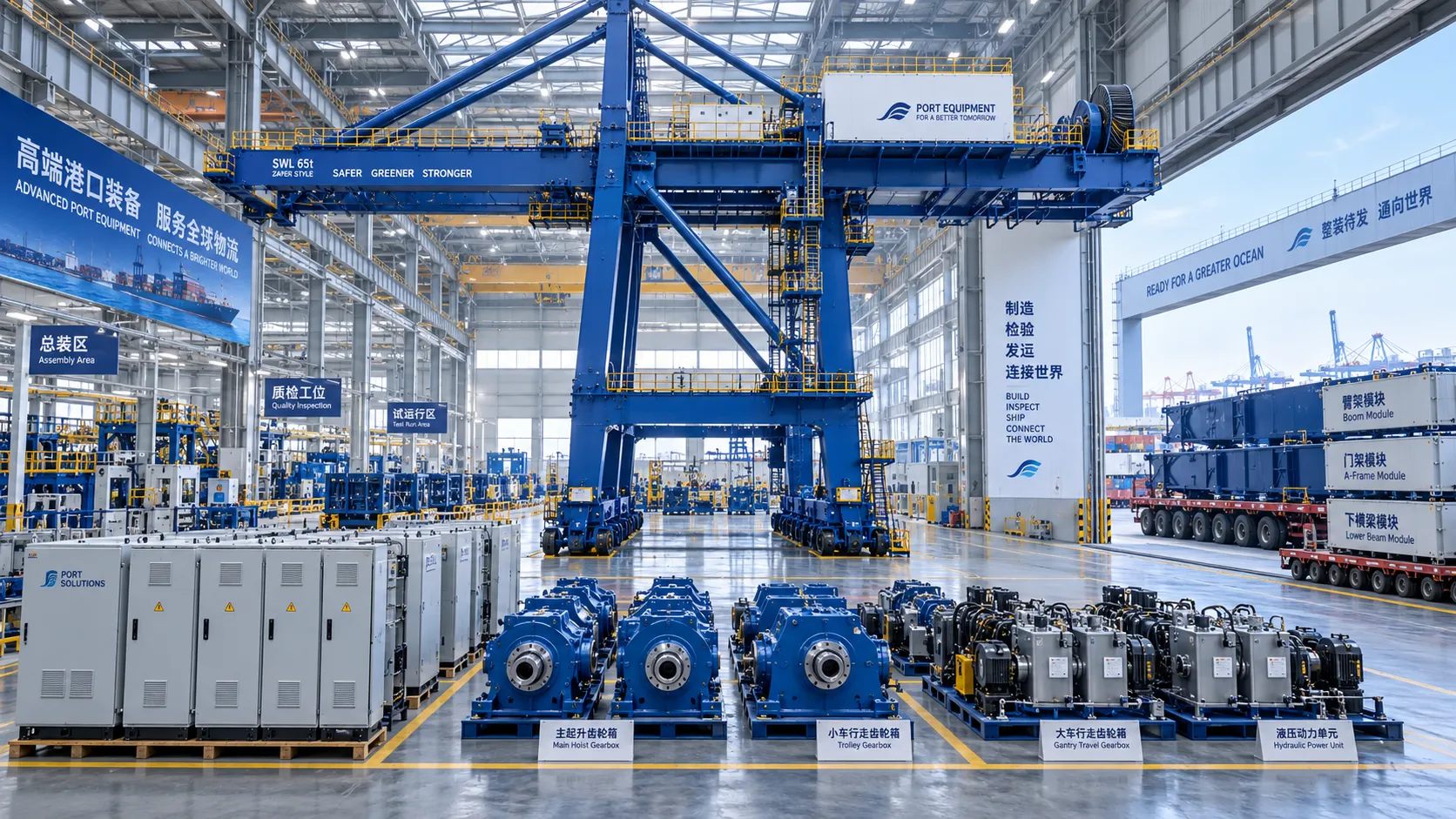
How Can Port Equipment Lead-Time Risk Be Managed?
How can port equipment lead-time risk be managed? Explore practical strategies to control critical paths, suppliers, transport, site readiness, and commissioning delays.
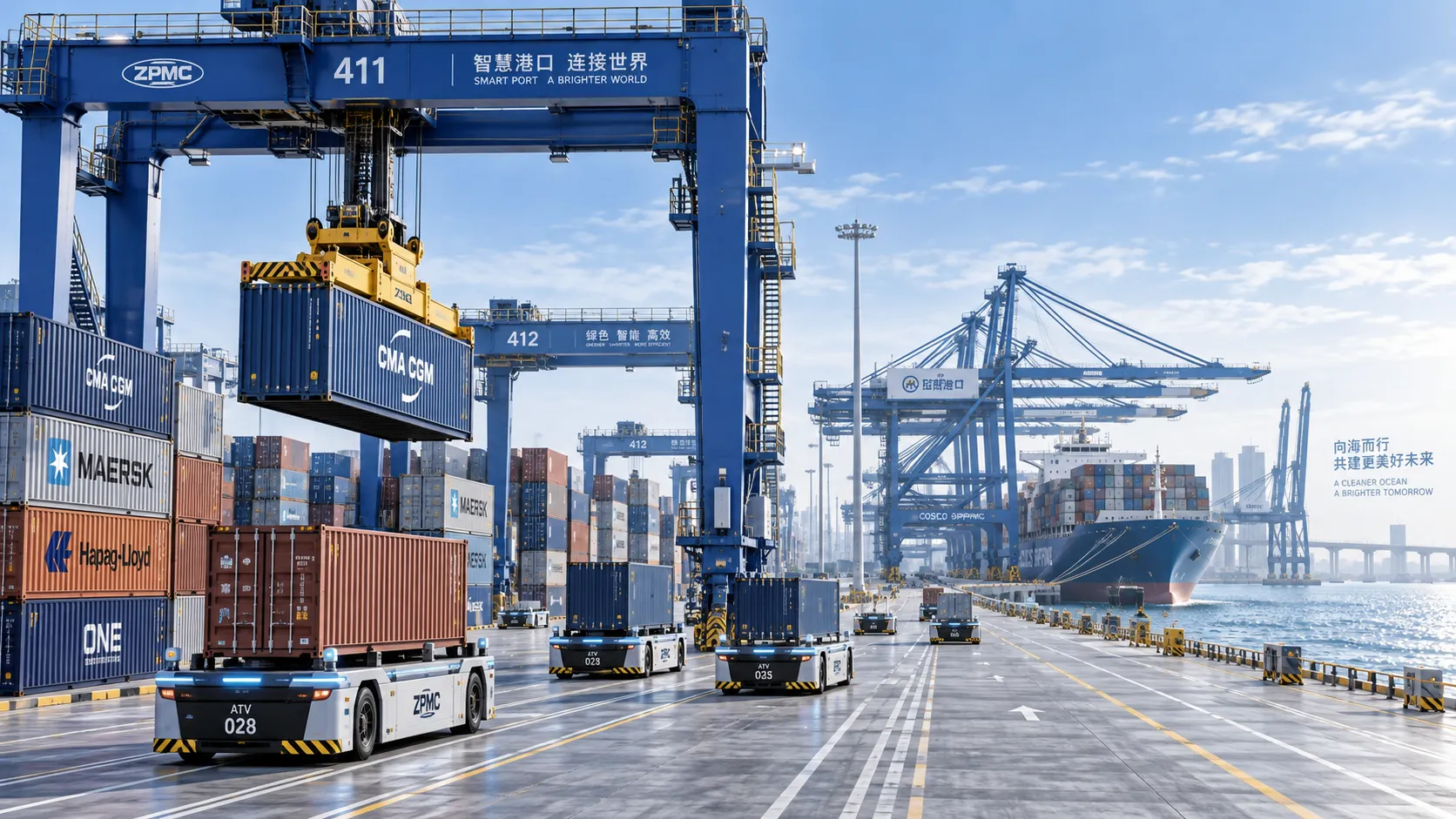
Terminal Automation Technologies That Raise Container Throughput Without Yard Disruption
Terminal automation technology that increases container throughput without disrupting yard flow. Explore smarter integration, resilient workflows, and phased deployment strategies.
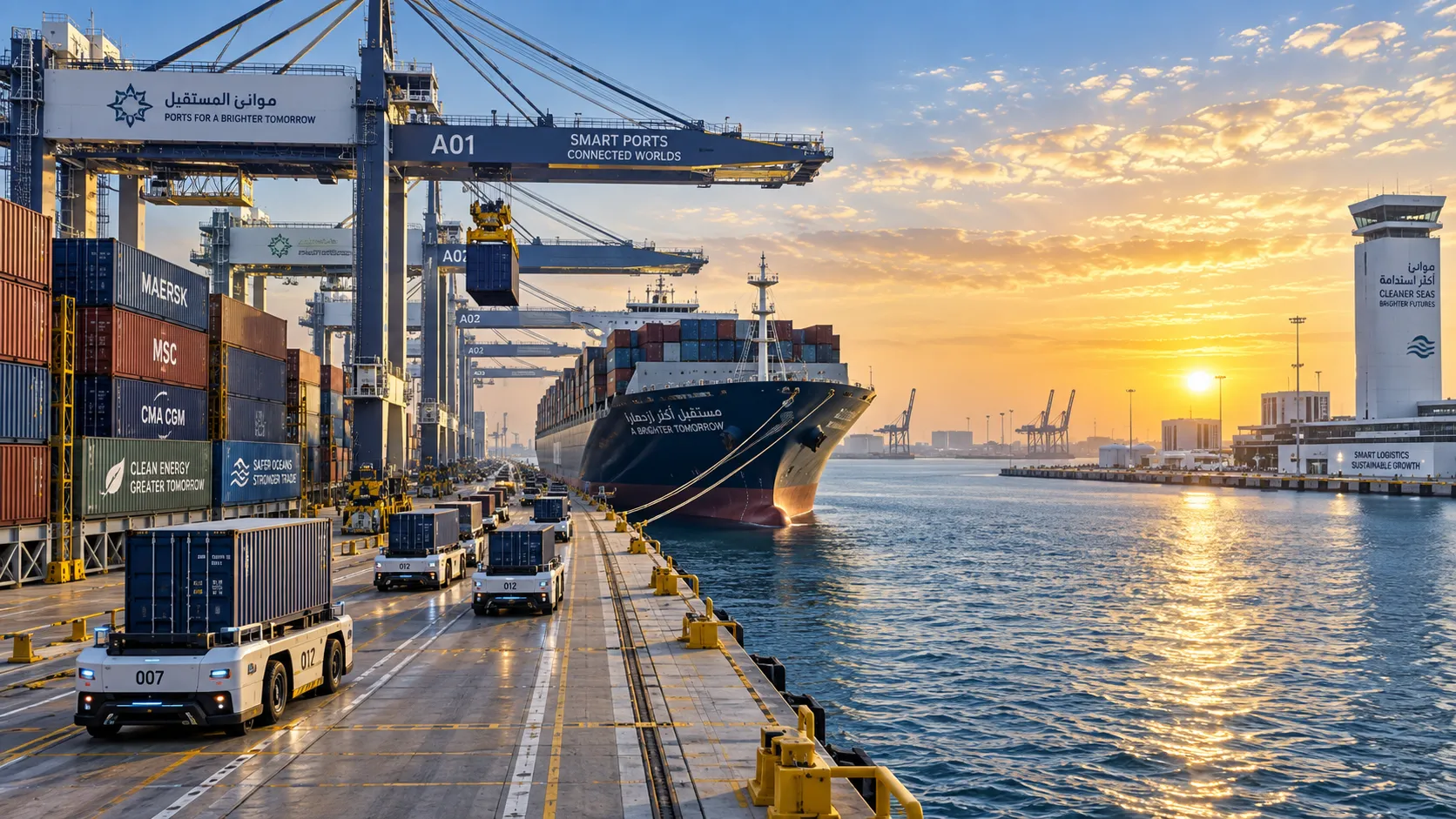
Middle East Port Automation: Key Market Drivers, Projects, and Investment Risks
Port automation systems Middle East: explore market drivers, flagship projects, integration challenges, and investment risks shaping smarter, resilient terminals.
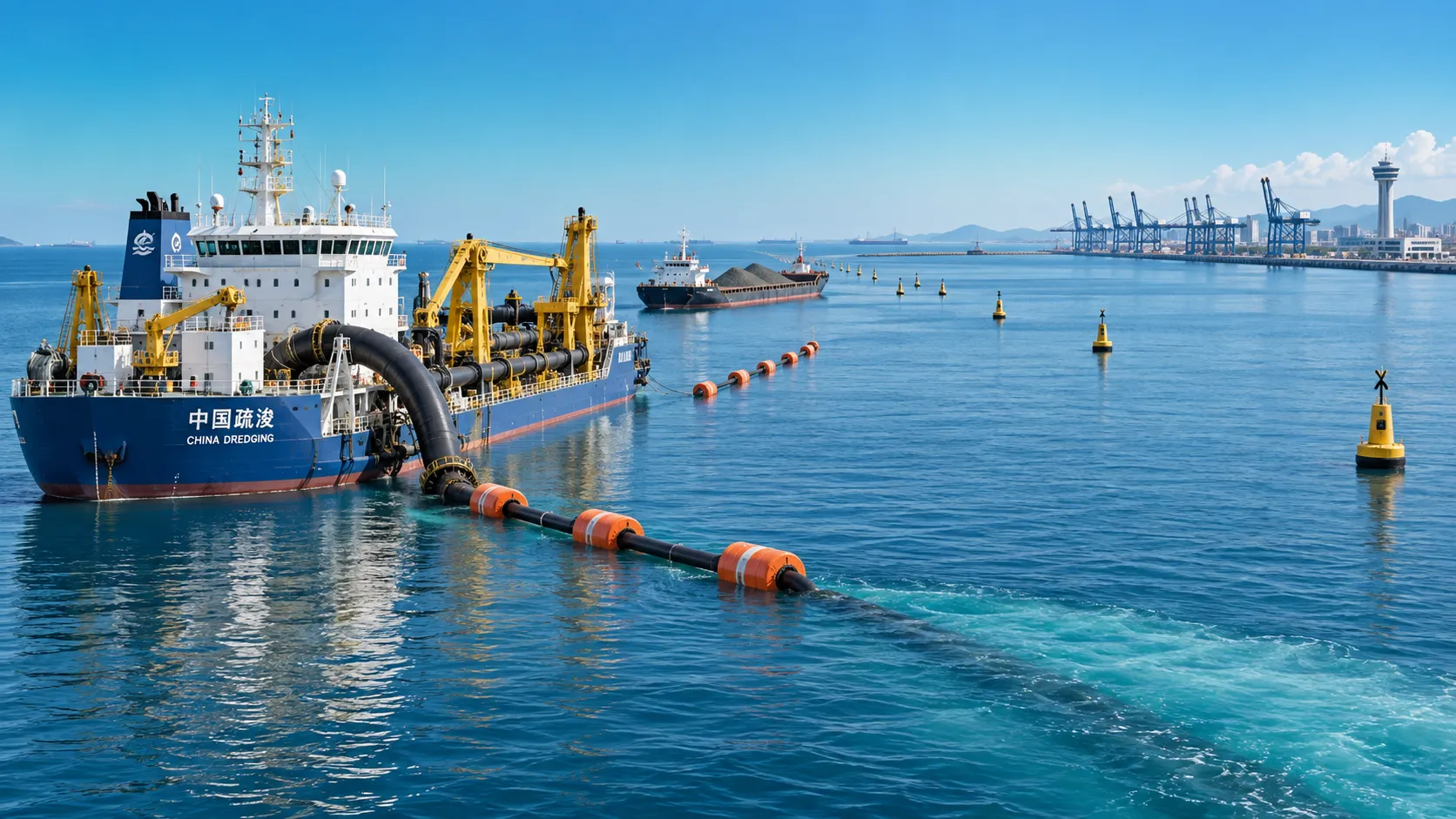
Planning Offshore Dredging Operations: Key Risks, Methods, and Project Controls
Offshore dredging operations demand smart planning. Explore key risks, proven methods, environmental controls, and project strategies for reliable delivery.