Related News
- 00
0000-00
What Affects Container Terminal Efficiency in Southeast Asia? - 00
0000-00
How to Use Maritime Trade Intelligence to Identify Promising Export Markets - 00
0000-00
Container Yard Optimization: How to Reduce Rehandles During Peak Operations - 00
0000-00
Shipping Rate Analytics for Terminals: Evaluating Data Quality and Coverage - 00
0000-00
Heavy Machinery Logistics for Ports: Planning Lifts, Routes, and Delivery Windows
0000-00
How to Use Maritime Trade Intelligence to Identify Promising Export Markets
A rise in cargo traffic can point to an export opportunity, but it can also reflect transshipment, inventory rebuilding, or a temporary change in shipping routes. A promising market needs stronger evidence: sustained demand for your product, a practical route to the buyer, and enough margin after delivery costs.
Using maritime trade intelligence for market research means connecting those conditions. Shipment records help reveal what a market buys; vessel services and port performance show how you could supply it; infrastructure developments indicate where future demand may emerge. The aim is to build a shortlist of destinations where a commercial offer has a credible chance of succeeding.
Define the export opportunity before comparing countries
Start with a specific product and buying situation. “Construction equipment in growing economies” is too broad to evaluate. Replacement components for bulk handling machinery, container yard equipment for terminal expansion, and control systems for existing cranes have different buyers, delivery requirements, and purchasing cycles.
Write a brief market hypothesis that identifies:
- The product: its customs classification, technical scope, and likely substitutes.
- The buyer: an importer, distributor, terminal operator, engineering contractor, or public procurement body.
- The demand trigger: routine replacement, capacity expansion, operational upgrades, or a new project.
- The delivery model: containerized cargo, bulk shipment, roll-on/roll-off transport, or oversized project cargo.
- The commercial limits: acceptable delivery time, minimum margin, service coverage, and payment exposure.
These boundaries determine which signals matter. A spare-parts supplier may value regular shipments and a large installed equipment base. A dredging equipment exporter may learn more from funded channel-deepening projects, contract awards, and contractor activity than from aggregate import growth.
Build the demand picture from product-level trade
Begin with imports in the relevant product category. Compare several periods, including comparable seasonal periods, to see whether demand persists. Examine value and physical quantity together where the reporting units are consistent. Rising import value with flat volume can reflect higher prices or a change in product mix rather than increased consumption.
Customs classifications require care. A broad heading may combine equipment with very different applications. A narrow code may miss relevant components recorded elsewhere, while national tariff subdivisions can differ beyond internationally harmonized levels. Read the descriptions before treating datasets as comparable.
Then examine the structure behind the totals. Repeated purchases by several importers suggest a different opportunity from one large delivery to a single project. Growth spread across multiple suppliers may indicate expanding demand; growth captured by one supplier could reflect an exclusive agreement, financing package, or technical specification.
Use shipment-level records, where available, to investigate buyer activity, shipment frequency, and supplier relationships. Their coverage varies by jurisdiction and transport mode, and the named consignee may be a forwarder or intermediary. Treat these records as evidence of trading activity, then establish who actually purchases and uses the product.
Separate gateway activity from destination demand
A busy port does not necessarily serve a large local market. Containers may transfer between vessels without entering the domestic economy. Imports may also move through a gateway to neighboring countries, while goods entering free zones may later be re-exported.
Compare port throughput with product imports, re-export patterns, inland transport links, and buyer locations. Avoid adding gateway-country imports to neighboring-country imports when the same cargo may appear in both trade flows.
This distinction changes the sales strategy. A regional distribution hub may offer access to multiple countries through one partner. A destination with direct end-user demand may support closer customer relationships but require separate distribution and service arrangements.
Test whether growth has a durable commercial cause
Once a market shows demand, investigate what created it. Trade diversion can produce impressive figures without creating lasting opportunities. Cargo may shift because another port is congested, a route becomes disrupted, or buyers temporarily rebuild stock.
Look for independent signals that support the same explanation. Sustained product imports, recurring buyer purchases, and investment in the relevant consuming industry make a stronger case than a single throughput increase.
Project timing deserves particular attention in port equipment markets. An announced terminal expansion signals potential demand, but purchasing may still be distant. Design decisions, funding, procurement, construction, and commissioning create different opportunities. A supplier needs to know when specifications can still be influenced and when approved vendor lists or contracts already limit access.
Translate port connectivity into a workable delivery route
Country-level shipping connectivity is useful for screening, but the relevant question is whether your cargo can travel reliably from its actual origin to the customer’s site.
Map the route through loading port, any transshipment points, discharge terminal, customs clearance, and inland delivery. Assess sailing frequency, connection risk, cargo restrictions, and recovery options after a missed departure. A route with a shorter published transit time may still create longer delivery delays if sailings are infrequent or connections are fragile.
Match the transport assessment to the product. Containerized spare parts depend on suitable services and practical local distribution. Oversized terminal machinery may require lifting capacity, suitable berths, heavy transport permits, and a feasible route beyond the quay. Dredging equipment can introduce additional mobilization and assembly requirements.
Port expansion and dredging also need careful interpretation. Deeper access can improve vessel options, but it does not automatically resolve yard congestion, gate delays, or inland bottlenecks. Assess the whole delivery chain before assigning commercial value to an infrastructure upgrade.
Calculate the margin at the customer’s location
A market can have strong demand and still be unattractive to serve. Compare destinations using the same delivery basis and a clearly defined allocation of costs.
Build a landed-cost estimate covering export preparation, origin handling, ocean transport, insurance, destination charges, applicable duties, clearance, inland transport, and expected inventory costs. Separate recoverable taxes from permanent costs while recognizing their effect on cash requirements. Use the Incoterm and named place to establish responsibilities, then account for costs outside that quoted scope.
For heavy equipment, include installation, commissioning, training, spare parts, warranty support, and local service where the sales model requires them. These obligations can determine profitability more than the ocean freight rate.
Test a normal operating case and a disruption case. Consider a higher freight quote, a missed connection, or delayed collection. The purpose is to see whether the offer remains commercially viable under plausible operating conditions. A destination that only works with unusually favorable freight and immediate clearance deserves a lower priority.
Obtain route-specific quotations for shortlisted markets. Published freight indicators provide context, but they do not capture every shipment’s dimensions, equipment needs, terminal charges, or inland arrangements.
Use port investment intelligence to identify the right offer
For suppliers serving maritime infrastructure, trade flows show only part of the opportunity. Equipment demand also depends on how ports plan to operate and which constraints they intend to remove.
A terminal adding berth capacity may need cranes and supporting yard equipment. An operator seeking greater throughput within an existing footprint may prioritize scheduling, control systems, or changes to container handling. A deeper channel may support larger vessels while creating separate requirements for berth readiness and cargo handling capacity.
The useful task is to connect each development to a purchasing need. Ask what operational problem the investment addresses, which equipment or engineering services it requires, who controls procurement, and where your offer fits within the wider system.
PS-Nexus’s coverage of terminal gear, bulk handling machinery, specialized container handling, port automation, and dredging provides a relevant framework for following these relationships. Sector reporting can help connect logistics developments with potential equipment demand. A project announcement still needs to be translated into a defined buyer, procurement stage, technical fit, and delivery window.
Rank markets without hiding uncertainty in a score
Apply exclusion criteria before scoring attractive features. A destination should not reach the final shortlist if the product lacks a viable import pathway, the cargo cannot reach the site, or essential service obligations cannot be met.
For the remaining markets, compare four dimensions:
- Demand quality: persistence, relevant product mix, buyer breadth, and understandable demand drivers.
- Ability to win: competitive alternatives, customer requirements, procurement access, and partner availability.
- Delivery economics: achievable margin, route reliability, cash requirements, and support costs.
- Evidence strength: dataset coverage, recency, and agreement between independent signals.
Weight these dimensions around the business model. A replacement-parts exporter may prioritize repeat demand and delivery reliability. A project equipment supplier may place greater emphasis on procurement timing, technical compatibility, financing, and commissioning support.
Keep evidence confidence visible alongside commercial attractiveness. A market supported mainly by broad trade categories and early announcements should carry less confidence than one supported by recurring relevant shipments and identifiable buyers. Scoring helps compare judgments; it cannot compensate for missing evidence.
Turn the shortlist into a commercial validation plan
Consider a hypothetical exporter of bulk handling components. One destination shows a sharp machinery import increase linked to a single terminal project. Another shows steadier component purchases across several operators and a practical shipping route. The first may suit a focused project bid; the second may offer a stronger basis for distributor development and recurring sales. The preferred market depends on the exporter’s sales model and ability to support each opportunity.
For every shortlisted destination, prepare a short decision brief containing the demand explanation, likely buyers, competitive alternatives, delivery route, landed economics, and unresolved commercial questions. Assign a concrete next action to each uncertainty: a buyer discussion, distributor assessment, logistics quotation, technical review, or procurement inquiry.
Set conditions for proceeding before committing substantial resources. These might include an acceptable delivered margin, access to the relevant purchasing team, a capable service partner, or evidence of repeat demand beyond one project. Also identify developments that would change the decision, such as postponed procurement or the loss of a workable shipping service.
The result should be a small set of opportunities with clear reasons to pursue them. Maritime intelligence earns its value when it tells a business where to investigate next, what it must prove, and which conditions would make an export market worth serving.
Related News
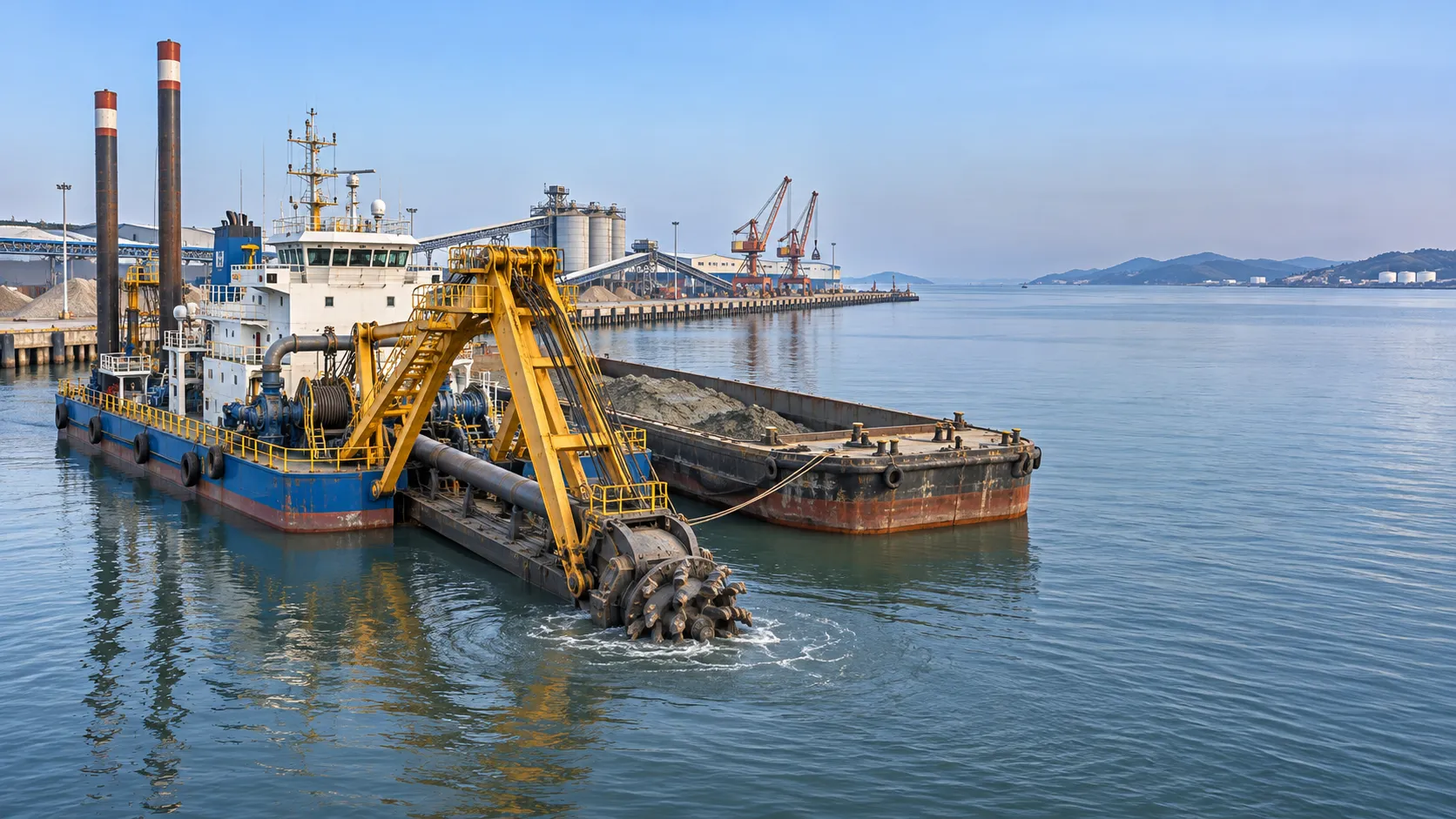
Marine Engineering Solutions for Dredging in Ports: Key Design Factors
Explore marine engineering solutions for dredging ports, from equipment selection and sediment management to safe navigation and survey verification.

How to Evaluate a Quay Crane Factory: Capacity, Quality and Delivery
Evaluate a quay crane factory with confidence. Learn how to verify production capacity, quality controls, delivery plans, and lifecycle costs before you commit.
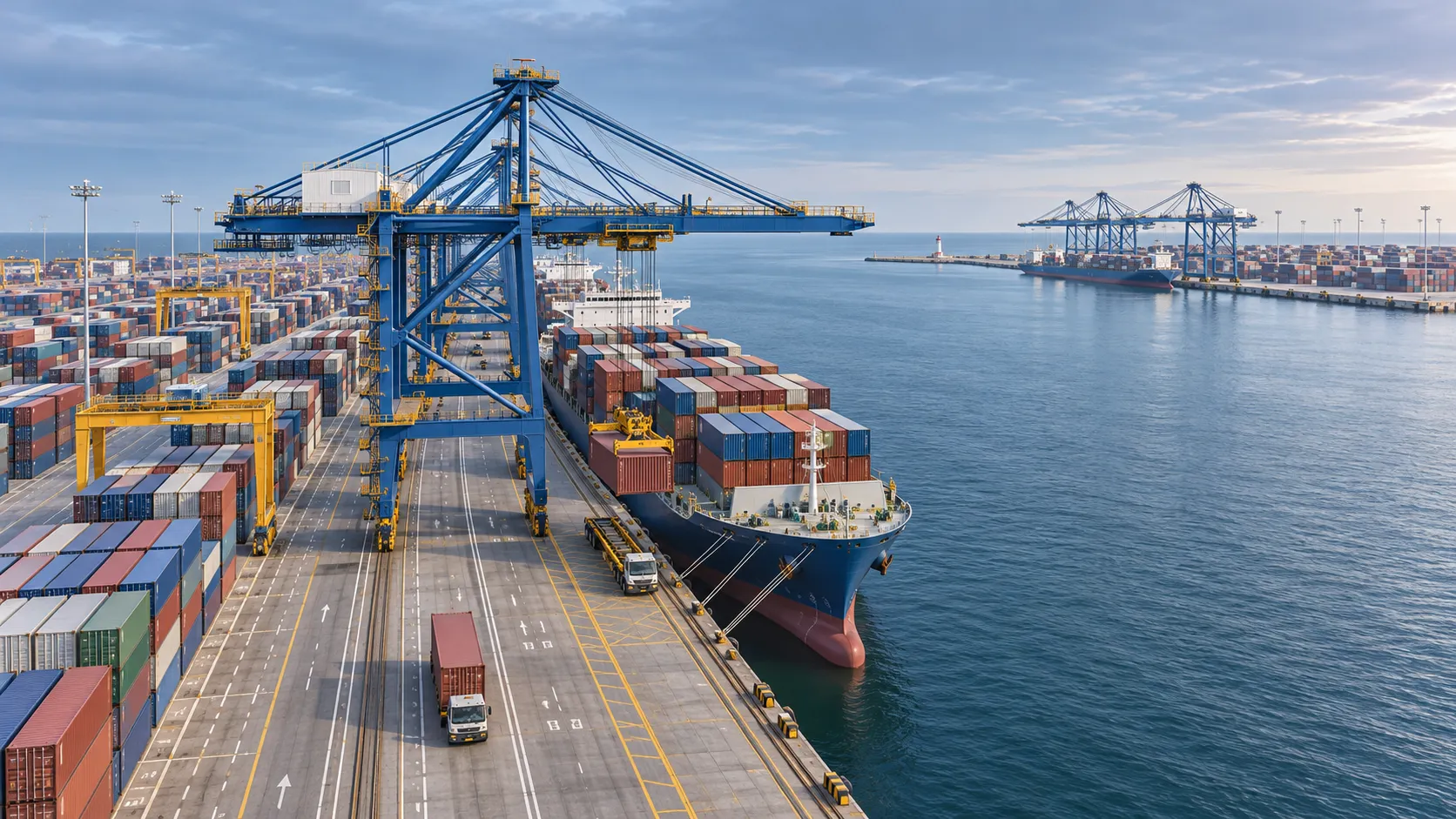
What Data Does a Smart Port Control Architecture Need to Operate?
What data is needed for a smart port control architecture? Discover the essential operational feeds, integration requirements and safety checks.
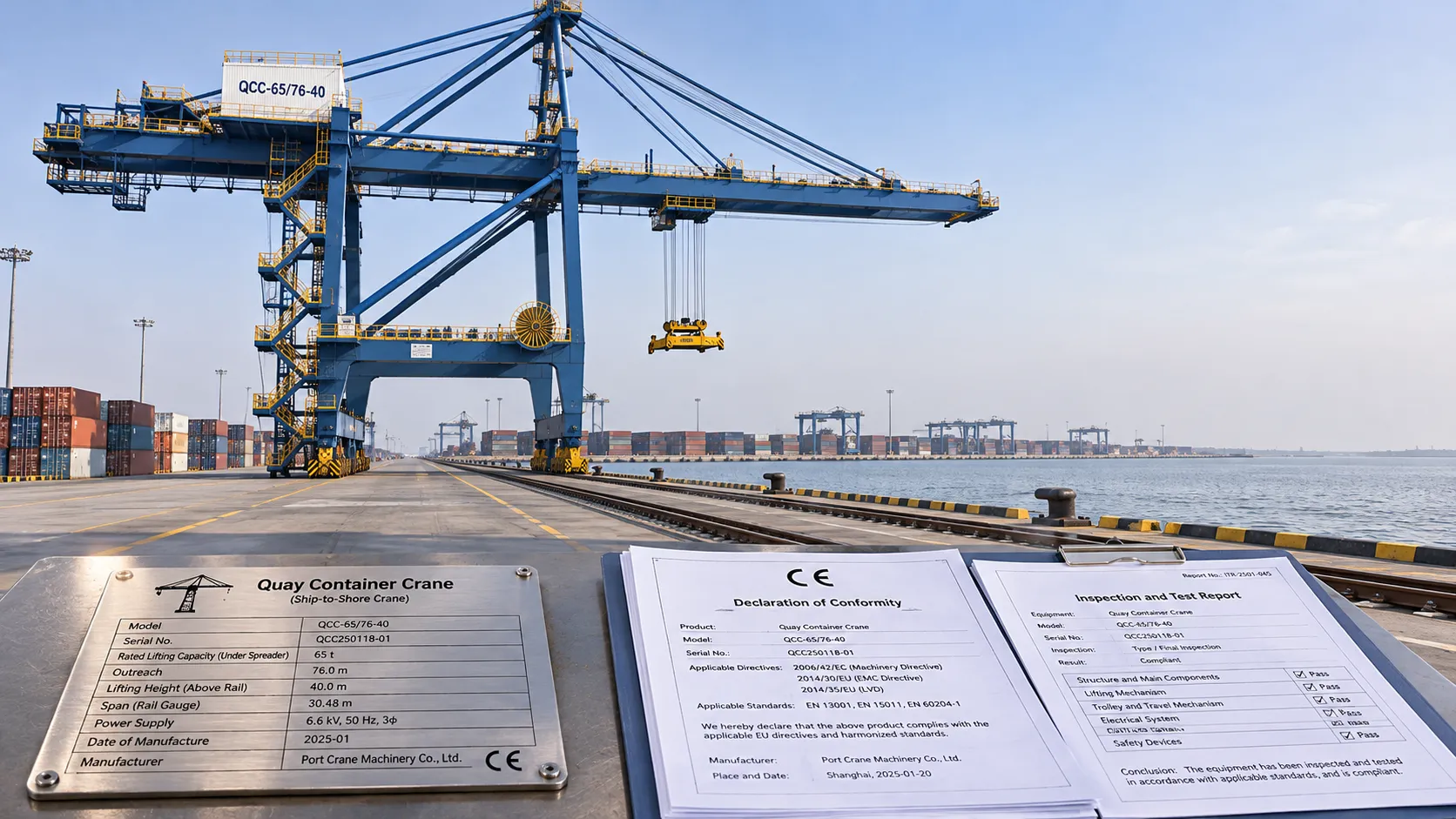
CE-Marked Quay Cranes: How to Verify Compliance Documents
Quay crane CE certified? Learn how to verify declarations, risk assessments and test records for the complete machine before acceptance.
Port Automation Systems in Latin America: Choosing the Right Solution
Explore port automation systems Latin America terminals can use to reduce congestion, assess integration risks, and choose the right solution with confidence.

Scalable Automated Port Systems: Planning for Terminal Capacity Growth
Discover how scalable automated port systems support phased terminal growth, reduce bottlenecks and guide smarter capacity investments.

Europe's Coastal Economies: Key Industries, Jobs and Climate Risks
Explore coastal economics in Europe: discover key industries and jobs, the climate risks they face, and how coastal communities can adapt.

Bulk Cargo Handling Equipment for Ports: Choosing by Cargo and Capacity
Choose bulk cargo handling equipment for ports with confidence. Compare cargo types, realistic throughput, equipment options, and lifecycle costs.
What Affects Container Terminal Efficiency in Southeast Asia?
Discover what affects terminal efficiency in Southeast Asia, from berth planning and yard congestion to inland access, and learn how to assess performance.