Related News
- 00
0000-00
What Affects Container Terminal Efficiency in Southeast Asia? - 00
0000-00
How to Use Maritime Trade Intelligence to Identify Promising Export Markets - 00
0000-00
Container Yard Optimization: How to Reduce Rehandles During Peak Operations - 00
0000-00
Shipping Rate Analytics for Terminals: Evaluating Data Quality and Coverage - 00
0000-00
Heavy Machinery Logistics for Ports: Planning Lifts, Routes, and Delivery Windows
0000-00
What Affects Container Terminal Efficiency in Southeast Asia?
Container terminal efficiency in Southeast Asia depends on how reliably containers move through an interconnected system, not simply on how fast quay cranes lift them. A terminal can unload a vessel quickly yet struggle with a congested yard, delayed truck appointments or insufficient connections to inland destinations. The slowest link can determine the result for the entire operation.
Vessel arrivals, berth availability, equipment condition, labor coordination, weather and channel access all affect performance. Their importance varies between terminals: a transshipment hub handling large volumes between vessels faces different pressures from a gateway port serving factories and distribution centers inland.
Efficiency starts before a vessel reaches the berth
A vessel’s time at a port includes more than the hours spent loading and unloading. It may wait at anchorage for a berth, pilot, tide or suitable operating conditions. Once alongside, work can be interrupted by equipment constraints, labor availability or changes to the cargo plan. A high crane rate therefore does not necessarily mean a short overall port stay.
Arrival patterns matter because terminal capacity is not used evenly throughout the day or week. When several large vessels arrive close together, they compete for berths, cranes, yard space and transfer equipment. A delay to one vessel can disrupt the planned sequence for others, even if the terminal has adequate capacity when demand is spread out.
Berth planning must also account for vessel size and the number of containers to be moved. A large call can require a long stretch of quay and several cranes, limiting the options for other ships. Allocating more cranes to one vessel can shorten its working time, but only if there is enough yard equipment and clear space to receive or deliver containers at the same pace.
This is particularly relevant to Southeast Asia’s network of major hubs and smaller feeder ports. A container may move between an ocean-going vessel and a regional feeder before reaching its final port. If the first vessel arrives late, the connecting vessel may have to wait, depart without the container or use an alternative connection. Terminal efficiency is therefore connected to schedule reliability beyond a single berth.
Crane productivity depends on the yard behind it
Quay cranes set an important upper limit on vessel-handling speed, but they cannot work effectively in isolation. After a container is lifted off a ship, it needs a transport vehicle, an available yard position and equipment to stack it. For exports, the process runs in reverse: the correct container must be retrieved and delivered to the crane when needed.
If yard vehicles arrive late or a container is not ready, a quay crane can sit idle despite being mechanically available. Adding a crane does not resolve a shortage of transfer vehicles, congested travel lanes or poorly sequenced yard work. The practical measure is not just how many cranes a terminal owns, but how consistently the entire handling chain can support them.
Yard layout affects the distance equipment travels and the number of times a container must be moved. Containers stacked according to expected departure time, destination or vessel plan are easier to retrieve than containers placed wherever space happens to be available. Poor placement creates rehandles: extra moves needed to access a container beneath or behind others. Each extra move consumes equipment time without advancing the container toward its destination.
Yard congestion can also become self-reinforcing. As available space falls, operators have fewer options for placing incoming containers close to the right area. Equipment travels farther, rehandles increase and retrieval slows. That in turn makes it harder to clear the yard. The precise point at which congestion becomes disruptive depends on yard configuration, cargo mix and operating practices; a single occupancy figure cannot describe every terminal’s condition.
Dwell time and cargo mix change the pressure on space
Dwell time is the period a container remains in the terminal between relevant handling events. For an import container, it may refer to the time between discharge and collection; for an export, it may cover the time between gate-in and vessel loading. Definitions differ, so comparisons require clarity about which events start and end the measurement.
Longer dwell times tie up yard positions. Even if the number of containers arriving each day stays the same, a slower flow out of the terminal leaves less room for new arrivals. Causes can include customs processing, documentation problems, cargo-owner decisions, truck availability or missed vessel connections. Some are within the terminal operator’s control; others are not.
Transshipment and gateway cargo also place different demands on the yard. Transshipment containers generally move between vessels and depend heavily on the timing of connecting services. Gateway containers pass through the terminal’s landside interface, making gate capacity, customs release and inland transport more significant. A terminal handling both flows must balance their competing requirements for space and equipment.
Special cargo adds further constraints. Refrigerated containers need suitable power connections and monitoring, while dangerous goods may require segregation and dedicated handling procedures. These requirements affect where containers can be placed and can make an apparently available yard position unsuitable for a particular box.
Equipment availability is different from equipment capacity
Published equipment counts describe what a terminal has, not necessarily what it can deploy at a given moment. Cranes, yard machines and vehicles need inspections, maintenance and repairs. An operation may have enough equipment on paper but insufficient working capacity during a vessel peak or after an unexpected breakdown.
Reliability matters because failures interrupt coordinated sequences. A disabled yard vehicle can delay a quay crane; an unavailable yard crane can block access to a container stack. The impact depends on whether spare equipment, alternative routes and trained personnel are available. Maintenance scheduling is therefore part of operational planning, not a separate issue from throughput.
Equipment suitability also matters. A terminal handling large vessels needs cranes with sufficient outreach and lifting capability for the ships it serves. Yard equipment must fit the stacking layout and container volumes. Introducing larger or more machines without adapting traffic routes, power supply or maintenance capacity can simply shift the bottleneck elsewhere.
Automation helps coordination, but does not remove constraints
A terminal operating system coordinates information about vessels, containers, yard positions and equipment tasks. Better information can reduce unnecessary moves, support berth and yard planning, and make it easier to respond when conditions change. Automated gates, remotely operated cranes and automated yard vehicles address different parts of the process; they are not interchangeable solutions.
The effect of automation depends on the quality and timing of the information it receives. A sophisticated system cannot plan accurately around an incorrect container status or a vessel arrival time that has not been updated. Interfaces with shipping lines, customs authorities, truck operators and other participants also matter because containers move through organizations as well as physical facilities.
Automation can make repetitive movements more consistent, but it requires reliable communications, equipment integration, maintenance capability and procedures for handling exceptions. A container with damaged identification, an unexpected inspection or a disrupted vessel plan still needs a workable response. Automation should therefore be understood as a way to improve selected processes, not as proof that a terminal is efficient.
Labor coordination remains important in both conventional and automated operations. Shift changes, equipment handovers, safety checks and the availability of qualified personnel influence when work can begin and how smoothly it continues. Remote operation changes some tasks but does not eliminate the need for planning, supervision and technical support.
Inland access can turn a terminal into a storage area
A gateway terminal is connected to roads, and in some locations rail or inland waterways, as well as to ships. If containers cannot leave at a pace consistent with arrivals, yard space fills and vessel-side performance eventually suffers. The delay may originate outside the terminal, but its effects appear inside it.
Truck turnaround time illustrates the interaction. A truck may spend time waiting to enter, completing checks, traveling to the collection point and waiting for a container to be retrieved. Congestion on the surrounding road network can add further delay. Appointment systems can spread demand, but they work best when cargo is released, information is accurate and sufficient handling capacity is available during the booked period.
Customs and other inspections are necessary parts of cross-border trade, yet fragmented information or late documentation can extend container dwell time. Faster physical handling does not compensate for a shipment that cannot be released. Conversely, efficient clearance has limited effect if transport providers cannot collect the container or reach the terminal gate.
Geography and weather shape usable capacity
Ports across Southeast Asia operate under different coastal and river conditions. Channel depth, tidal windows, currents and access routes can affect which vessels can enter, how heavily they can be loaded and when they can move. Berth depth alone is not enough: the approach channel, turning area and safe navigation requirements must also support the vessel.
Dredging can help maintain or improve navigable depth where sediment accumulates or larger vessels require deeper access. Its effect on terminal efficiency depends on the wider system. A deeper channel does not by itself provide more berth length, crane outreach or yard capacity. Equally, new terminal equipment cannot deliver its full benefit if ships face persistent access restrictions.
Heavy rain, strong winds and rough seas can interrupt crane operations, vessel movements or landside transport. The operational effect is not limited to the disruption itself. Work may resume with a backlog of vessels, trucks and yard tasks competing for the same resources. A terminal’s ability to recover depends on available capacity, revised schedules and coordination with connected transport services.
How to read terminal performance figures
No single indicator captures terminal efficiency. A useful assessment separates the stages of a container’s journey and checks whether improvements in one stage have created delays in another. Common measures include:
- Vessel waiting time: time before a berth becomes available or a vessel can proceed to it. The definition may or may not include all anchorage time.
- Port or berth time: time spent in port or alongside. These are different measures and should not be treated as equivalents.
- Crane productivity: container moves per crane-hour or per vessel-hour. The result depends on whether idle time, breaks and delays are included.
- Container dwell time: time spent in the terminal between specified events. Import, export and transshipment flows should be distinguished.
- Truck turnaround time: time associated with a truck visit, measured against a clearly defined entry and exit point.
- Reliability: the consistency of performance, including how long recovery takes after a disruption, rather than only the average under normal conditions.
Comparisons across Southeast Asian terminals require care. A transshipment hub and a gateway terminal do not handle the same traffic pattern; a terminal receiving large, concentrated vessel calls may have different peaks from one serving smaller, more frequent calls. Cargo mix, vessel size, operating hours, measurement boundaries and the period observed can all affect the figures.
Annual throughput is also a measure of volume, not a complete measure of efficiency. A high-volume terminal may have long waits, while a smaller terminal may move cargo reliably but have substantial unused capacity. The most informative question is where time and capacity are lost: at sea, at the berth, in the yard or at the inland connection. That distinction identifies whether a delay is caused by terminal operations, access infrastructure or the coordination of the wider transport chain.
Related News
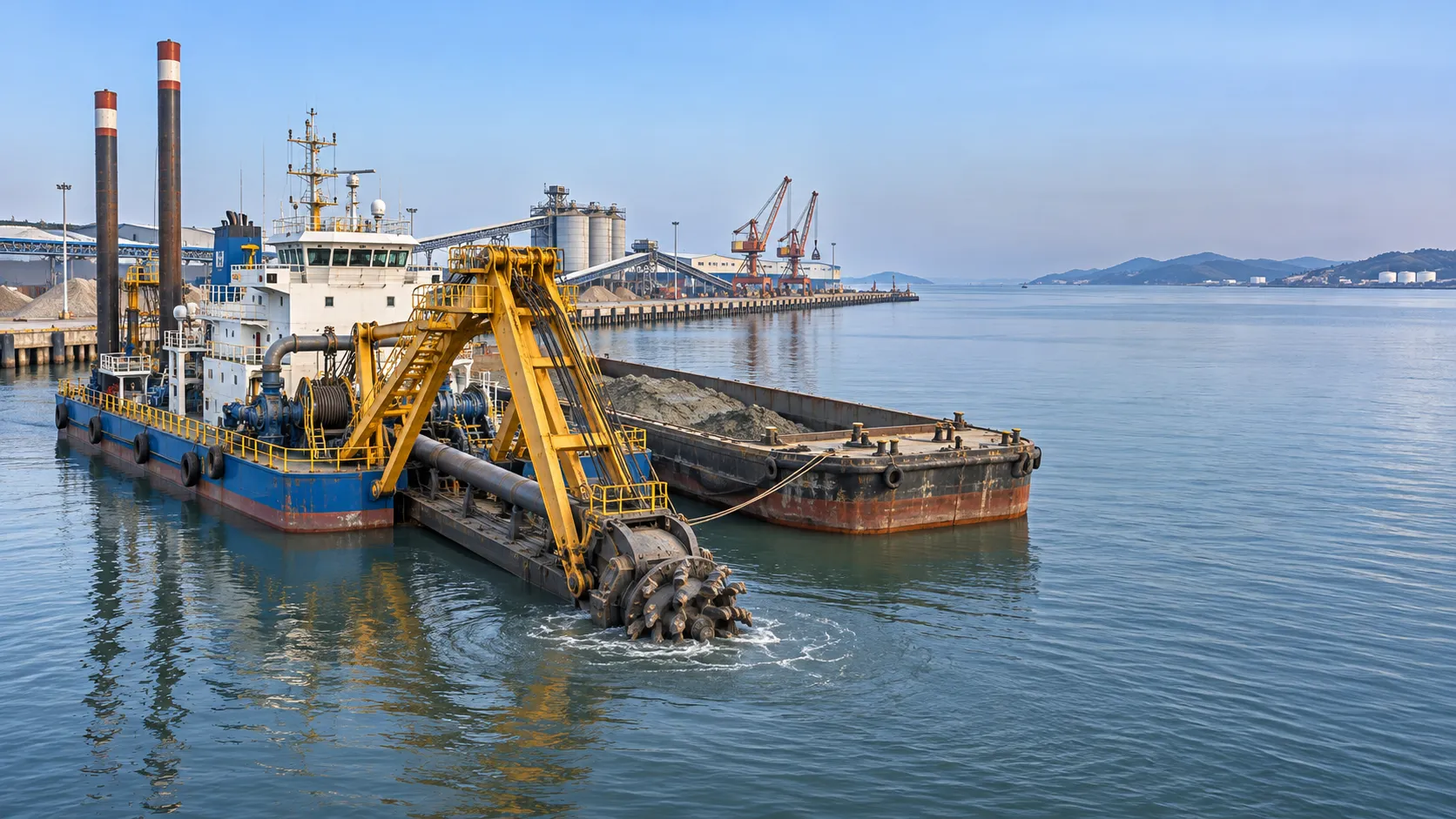
Marine Engineering Solutions for Dredging in Ports: Key Design Factors
Explore marine engineering solutions for dredging ports, from equipment selection and sediment management to safe navigation and survey verification.
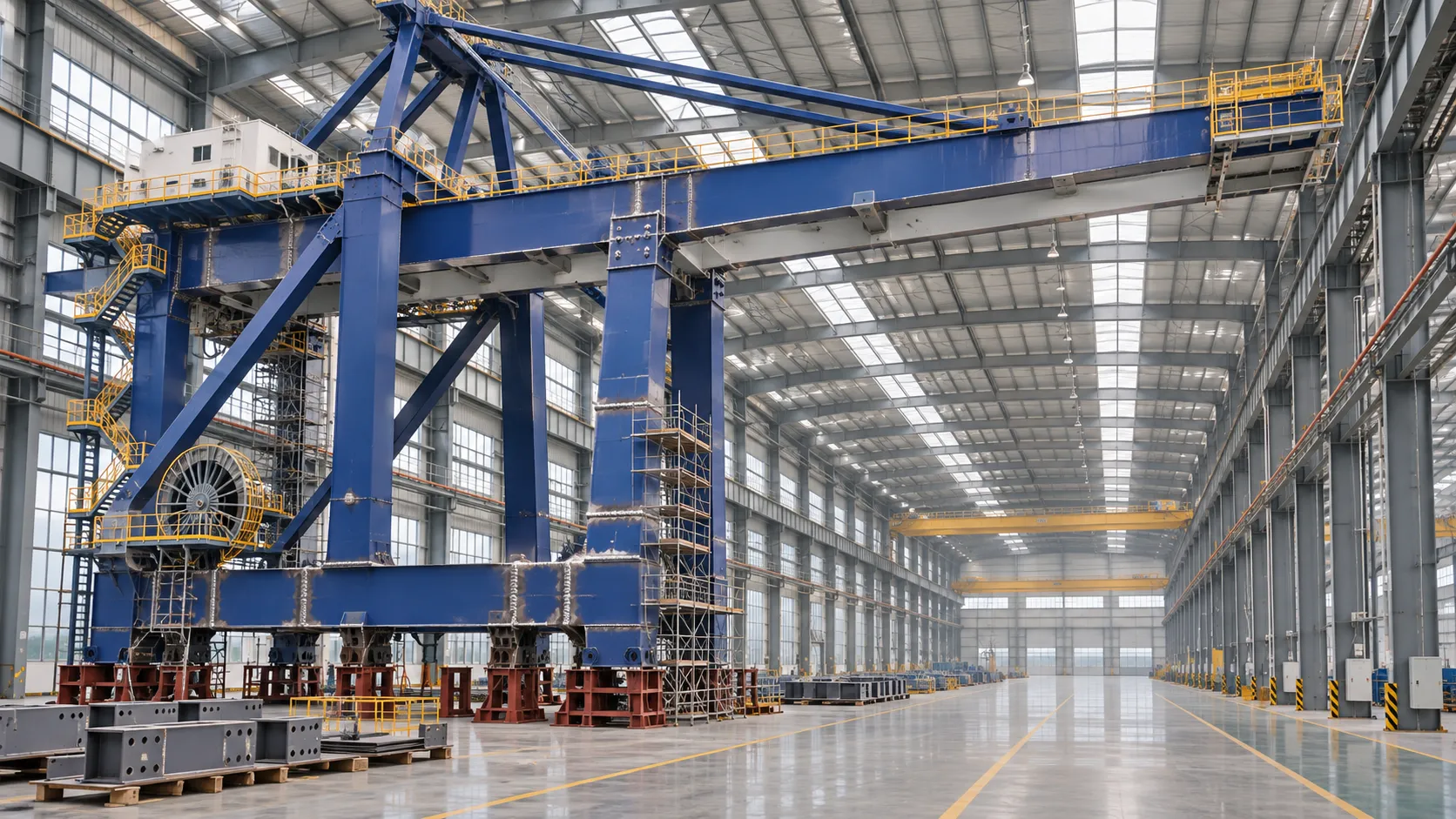
How to Evaluate a Quay Crane Factory: Capacity, Quality and Delivery
Evaluate a quay crane factory with confidence. Learn how to verify production capacity, quality controls, delivery plans, and lifecycle costs before you commit.
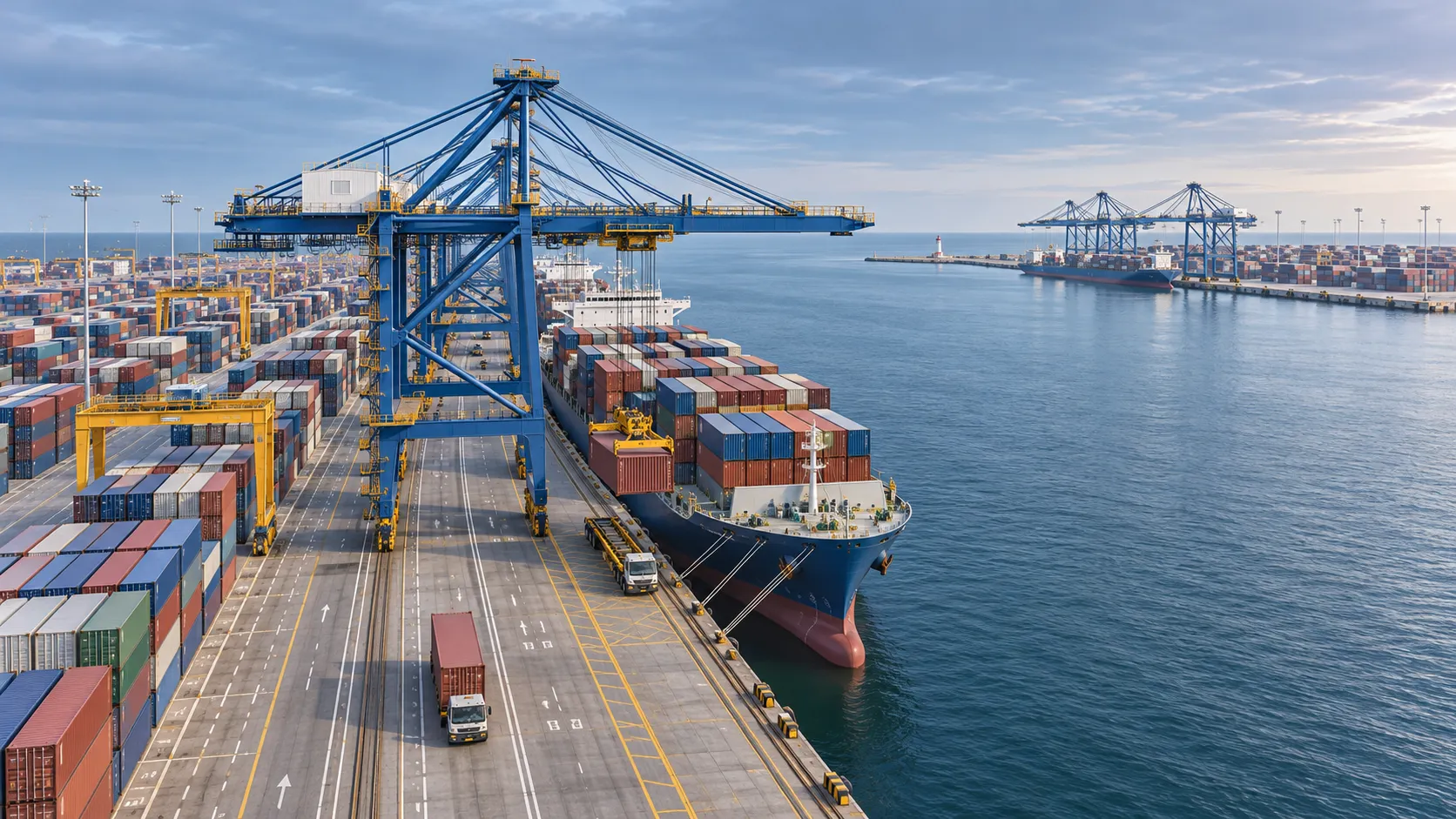
What Data Does a Smart Port Control Architecture Need to Operate?
What data is needed for a smart port control architecture? Discover the essential operational feeds, integration requirements and safety checks.
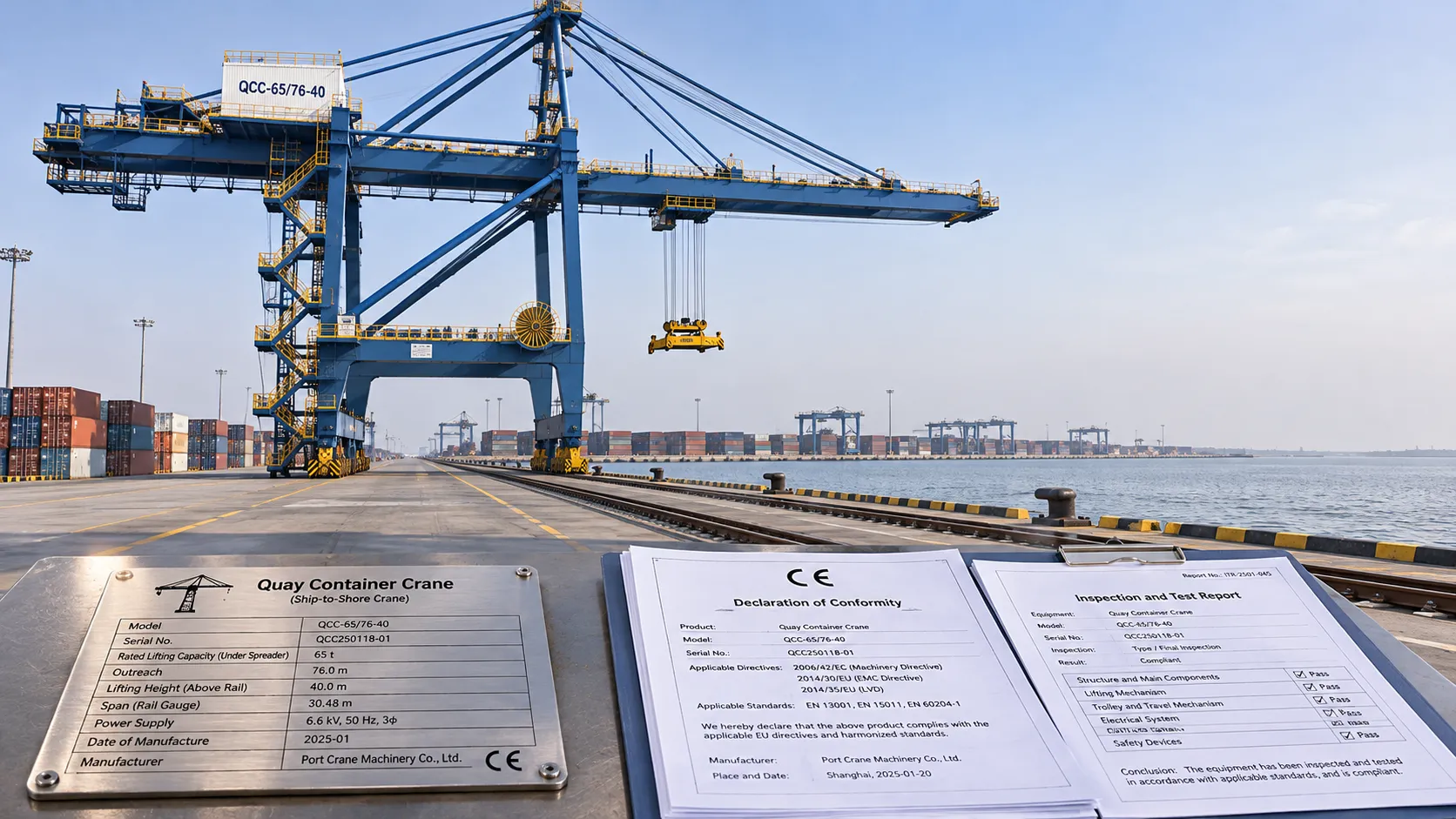
CE-Marked Quay Cranes: How to Verify Compliance Documents
Quay crane CE certified? Learn how to verify declarations, risk assessments and test records for the complete machine before acceptance.
Port Automation Systems in Latin America: Choosing the Right Solution
Explore port automation systems Latin America terminals can use to reduce congestion, assess integration risks, and choose the right solution with confidence.
Scalable Automated Port Systems: Planning for Terminal Capacity Growth
Discover how scalable automated port systems support phased terminal growth, reduce bottlenecks and guide smarter capacity investments.
Europe's Coastal Economies: Key Industries, Jobs and Climate Risks
Explore coastal economics in Europe: discover key industries and jobs, the climate risks they face, and how coastal communities can adapt.
Bulk Cargo Handling Equipment for Ports: Choosing by Cargo and Capacity
Choose bulk cargo handling equipment for ports with confidence. Compare cargo types, realistic throughput, equipment options, and lifecycle costs.
Choosing Path Planning Systems for Outdoor Robots in the Middle East
Compare path planning systems Middle East operators need for outdoor robots. Explore heat, dust, safety, and fleet integration criteria to choose with confidence.