Related News
- 00
0000-00
What Affects Container Terminal Efficiency in Southeast Asia? - 00
0000-00
How to Use Maritime Trade Intelligence to Identify Promising Export Markets - 00
0000-00
Container Yard Optimization: How to Reduce Rehandles During Peak Operations - 00
0000-00
Shipping Rate Analytics for Terminals: Evaluating Data Quality and Coverage - 00
0000-00
Heavy Machinery Logistics for Ports: Planning Lifts, Routes, and Delivery Windows
0000-00
Container Yard Optimization: How to Reduce Rehandles During Peak Operations
When vessel arrivals overlap and truck queues build, the fastest way to lose yard capacity is to keep moving containers that are not ready to leave. Each avoidable rehandle uses crane time, occupies a transfer position, and delays another job. Under peak pressure, these moves can turn a manageable workload into queues across several blocks.
Reducing rehandles starts with three connected decisions: stack containers according to their likely retrieval order, preserve enough accessible space to execute that order, and coordinate crane work with transport arrivals. Container yard optimization works best when these decisions share the same operational picture. Lower stacks alone will not solve the problem if trucks arrive unpredictably, and better dispatching cannot fully compensate for urgent boxes buried beneath long-stay cargo.
Find out why boxes are being moved twice
Before changing stacking rules, separate the causes of extra moves. A container shifted to uncover an import pickup has a different cause from one relocated because its assigned export vessel changed. Both consume capacity, but they require different responses.
Use terminal operating system records alongside operator observations to identify the recurring triggers:
- Retrieval conflicts: an earlier-needed container sits below cargo expected to leave later.
- Uncertain release timing: a box becomes available for collection sooner or later than its original placement assumed.
- Space pressure: temporary placements become repeated relocations as usable slots disappear.
- Execution conflicts: changes in crane availability, truck arrival, or vessel sequence make the planned retrieval order impractical.
Check how the terminal records these moves. Some systems distinguish housekeeping, reshuffles, and operational relocations; others combine them. A dashboard can show fewer retrieval rehandles simply because more moves have been classified as advance housekeeping. Keep the counting boundary consistent and include planned relocations when assessing total handling effort.
A useful starting measure is extra yard moves per completed delivery or vessel-loading move, calculated separately for each flow. Read it alongside truck turnaround, waterside waiting, and the age of uncompleted jobs. A falling rehandle ratio has limited value if the operation achieves it by postponing difficult containers.
Compare similar conditions where possible. A block handling released imports should not be judged directly against one absorbing uncertain discharge cargo. Look for concentrations by block, shift, dwell category, and retrieval trigger. The immediate objective is to identify which placement decisions repeatedly create extra work.
Stack by retrieval confidence, then by expected sequence
The practical stacking question is: how confidently can the operation predict which container will be needed first? Vessel loading sequences may provide a relatively structured demand signal. Import collections depend on release status, haulier readiness, appointments, and other conditions that can change independently.
Build placement rules around those differences. Where physical compatibility and handling arrangements permit, containers with similar departure windows can share a stack or working area. Within that group, avoid placing a later-needed box above an earlier-needed one. Broad categories such as “same shipping line” or “same destination” are useful only when they also support the expected retrieval sequence.
For imports, customs and commercial release status can help distinguish collection-ready boxes from those with uncertain availability. A valid appointment strengthens the signal, but its value depends on whether appointments reliably translate into arrivals. Treat a provisional booking differently from a truck that has checked in and can reach the block.
Export stacking requires similar care. Grouping by vessel and port of discharge may narrow the search area, yet the yard still needs to support the actual loading sequence. Late changes in stowage requirements, weight distribution, or vessel readiness can alter that sequence. Where permitted by the operating plan, retain flexibility for late arrivals and sequence changes instead of filling every accessible position early.
Consider a simple illustrative situation: three import containers are assigned to one stack. One has a confirmed near-term pickup, one remains on hold, and one has no collection signal. Placing the confirmed pickup beneath the other two creates a foreseeable retrieval conflict. Keeping it accessible may use a less compact arrangement, but avoids committing crane time to uncovering it during the collection peak.
The opposite error is spreading every uncertain box across separate stacks. Excessive segregation consumes slots, lengthens travel, and can force more urgent cargo into poor positions later. Use a manageable number of operational groups, with exceptions for cargo that has firm handling or storage requirements.
Physical and safety constraints remain binding. Container size, permitted stacking loads, equipment reach, reefer connections, dangerous goods segregation, and local operating rules can restrict the theoretically best slot. The allocation logic should filter out infeasible positions before comparing retrieval convenience.
Protect working space before peak demand arrives
A yard can have nominal storage capacity while lacking the accessible positions needed to retrieve containers efficiently. Empty slots scattered across unsuitable locations do not provide the same flexibility as usable space near the blocks facing the next demand surge.
Monitor occupancy at the level where work is executed: the block, bay, or operating zone, depending on the equipment layout. Terminal-wide averages can conceal a saturated import area beside lightly used space that cannot readily accept its cargo.
Ahead of an expected vessel overlap or gate surge, protect some suitable positions for retrieval work and incoming priority cargo. There is no universal reserve percentage. The requirement depends on stacking height, equipment access, arrival uncertainty, and the amount of cargo likely to need reshuffling. Use local operating history to establish warning levels, then adjust them as the cargo mix changes.
Reserved positions need clear operating rules. Specify which jobs may use them and when they can return to general allocation. Otherwise, a temporary relief area can fill with long-stay containers and disappear just as retrieval demand rises.
When a blocking container must move, choose its destination with the next retrieval in mind. The nearest available slot may create another obstruction minutes later. A slightly longer relocation can be worthwhile if it leaves both containers accessible and avoids disturbing a busy adjacent stack.
Pre-marshalling can also help, provided it targets a sufficiently reliable demand sequence. Moving selected export boxes into loading order before the vessel work intensifies may remove conflicts from the critical period. Rearranging an entire area against a tentative plan can waste moves and consume the flexibility needed for later changes.
Evaluate each proposed housekeeping move against four questions:
- Is the expected retrieval sequence reliable enough to justify acting now?
- Will the move prevent likely blocking or a significant service delay?
- Can it be completed without interrupting higher-priority work?
- Will the destination remain useful when the container is next required?
A housekeeping window is productive when it reduces expected total work or protects a critical service window. Keeping a crane busy is not sufficient justification.
Coordinate crane queues with vehicles that can actually arrive
Even a well-arranged stack can perform poorly when dispatching decisions ignore transport conditions. A crane may prepare a container for a vehicle still trapped in a queue, while a truck already at the block waits for a different box. Repeated changes in priority then disrupt the retrieval sequence and can trigger temporary placements.
Use vehicle readiness and realistic arrival information to refine job priorities. For internal transport, this means considering vehicle position, travel time, transfer-point availability, and the next work assignment. For external trucks, gate status and confirmed presence provide a stronger execution signal than an appointment alone.
The appropriate dispatch logic depends on the equipment. An RTG-served block, a rail-mounted crane module, and a reach-stacker area have different access restrictions and interference patterns. Account for crane travel, safe separation, transfer-lane capacity, and whether nearby work prevents a planned move.
Resist changing the entire queue whenever a new urgent job appears. Constant resequencing can leave containers partly prepared and equipment committed to jobs that no longer have priority. A short, locally appropriate commitment window helps operators finish imminent work, while exceptions accommodate safety issues, genuine service risks, and confirmed changes in vessel demand.
Balance work across blocks by checking the whole move. Sending cargo to a quieter block may reduce one crane queue but increase transport distance or overload a shared roadway. Before diverting work, check receiving-block capacity, equipment capability, transfer access, and the consequences for later retrieval.
Supervisors also need to distinguish a stacking problem from an equipment outage. If a crane becomes unavailable, repeated relocations may provide little benefit when the actual constraint is insufficient handling capacity. Reassigning compatible equipment or controlling arrivals may address the disruption more directly.
Use live exceptions to intervene before congestion spreads
A useful peak-period dashboard should show where the plan is becoming difficult to execute. Occupancy and completed moves provide context, but operators also need the location of blocked priority containers, ageing retrieval jobs, available working positions, and mismatches between crane queues and vehicle arrivals.
Watch combinations of signals. Rising occupancy with stable service times may be manageable. Rising occupancy accompanied by more buried collection-ready containers and longer job waits indicates that placement and retrieval demand are moving out of alignment.
Turn those signals into specific responses. If accessible positions are disappearing, restrict discretionary allocations into the affected area and direct suitable incoming cargo elsewhere. If confirmed pickups are repeatedly buried, review the placement rule that grouped them with uncertain cargo. If vehicles queue while crane work waits elsewhere, examine dispatch timing and transfer-point constraints.
The quality of the underlying inventory matters. Incorrect slot records, delayed move confirmations, and missing hold updates can produce apparently efficient plans that operators cannot execute. Repeated location exceptions should trigger reconciliation through the terminal’s approved procedure. Additional optimization logic will have little value if the system cannot reliably identify where the containers are.
Keep an operational fallback available when data or communications degrade. Supervisors should know which sequencing decisions can continue locally, how completed moves are recorded, and how the inventory will be reconciled. Improvised parallel instructions can create conflicting jobs and further uncertainty during an already congested shift.
Test the change against the whole peak period
Begin with the recurring cause that creates the most avoidable work in a defined area. That might be import pickups buried beneath uncertain cargo, export stacks that conflict with loading order, or relief positions consumed before the gate peak. Change the relevant rule and record the operational exceptions.
Compare the result under reasonably similar workloads, accounting for occupancy, cargo mix, staffing, and equipment availability. Measure total extra moves as well as moves performed during the peak. Advance housekeeping may successfully shift work into a quieter period without reducing the total; that can still be worthwhile if it improves service and uses available capacity.
Check adjacent blocks and the following shift. A local improvement may leave longer travel, displaced queues, or deferred relocations elsewhere. Retain a change when its benefit survives those checks and operators can apply it consistently.
Before the next peak, the shift team should be able to identify the containers most likely to leave, the uncertainty that could change their order, and the working space available to absorb those changes. When those answers are visible in both the yard plan and the dispatch queue, fewer retrievals begin with an avoidable move.
Related News
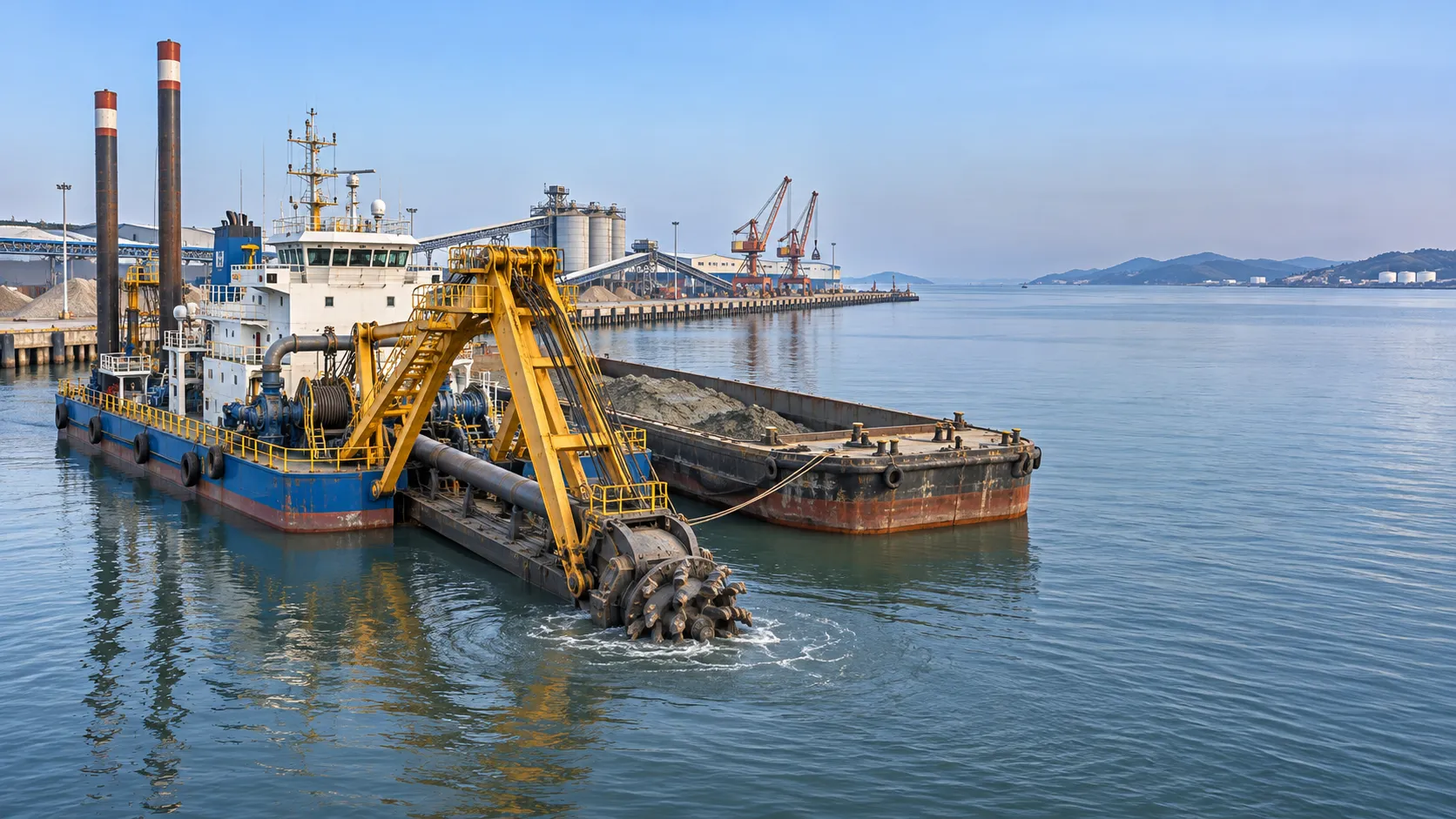
Marine Engineering Solutions for Dredging in Ports: Key Design Factors
Explore marine engineering solutions for dredging ports, from equipment selection and sediment management to safe navigation and survey verification.
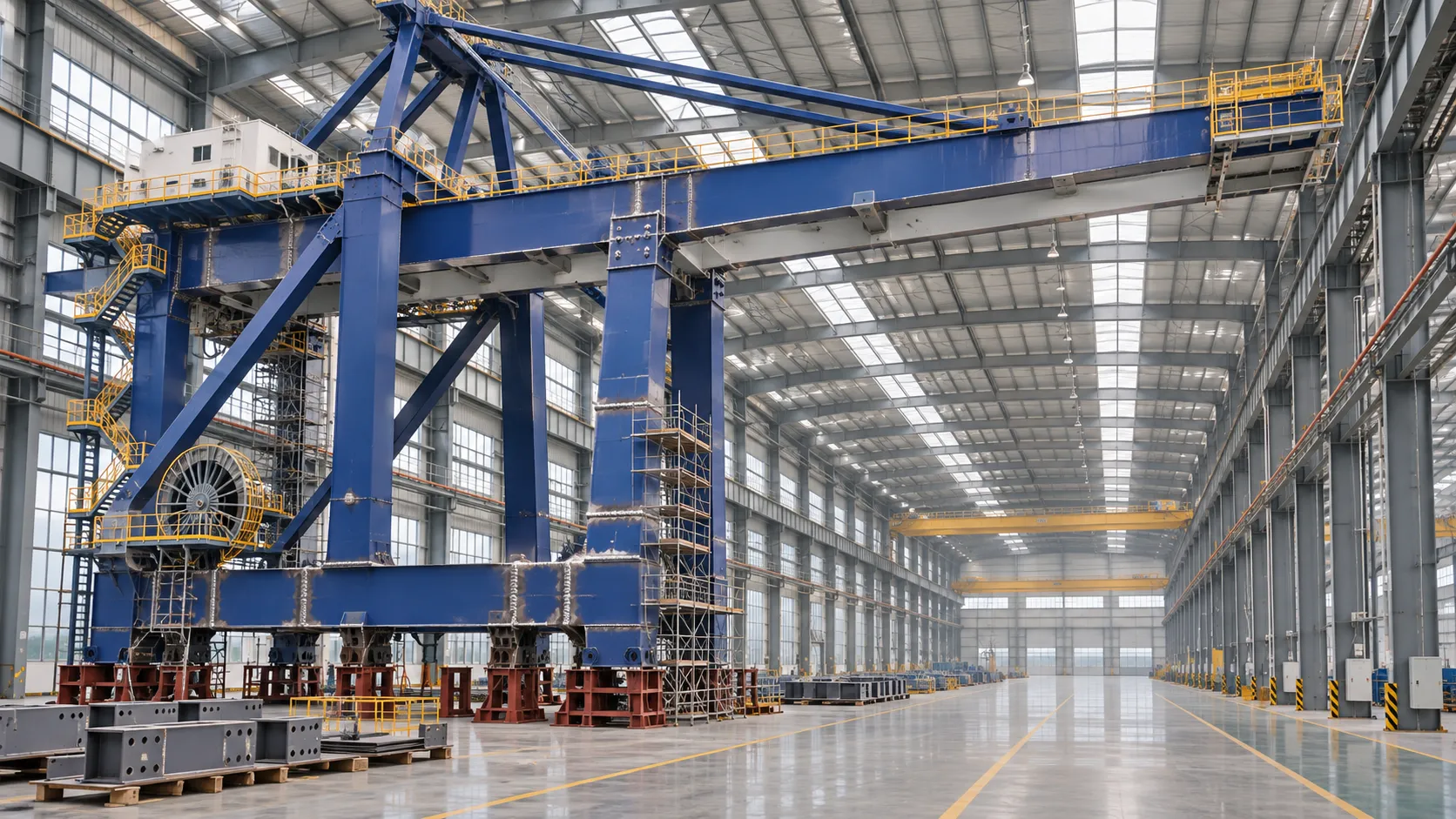
How to Evaluate a Quay Crane Factory: Capacity, Quality and Delivery
Evaluate a quay crane factory with confidence. Learn how to verify production capacity, quality controls, delivery plans, and lifecycle costs before you commit.
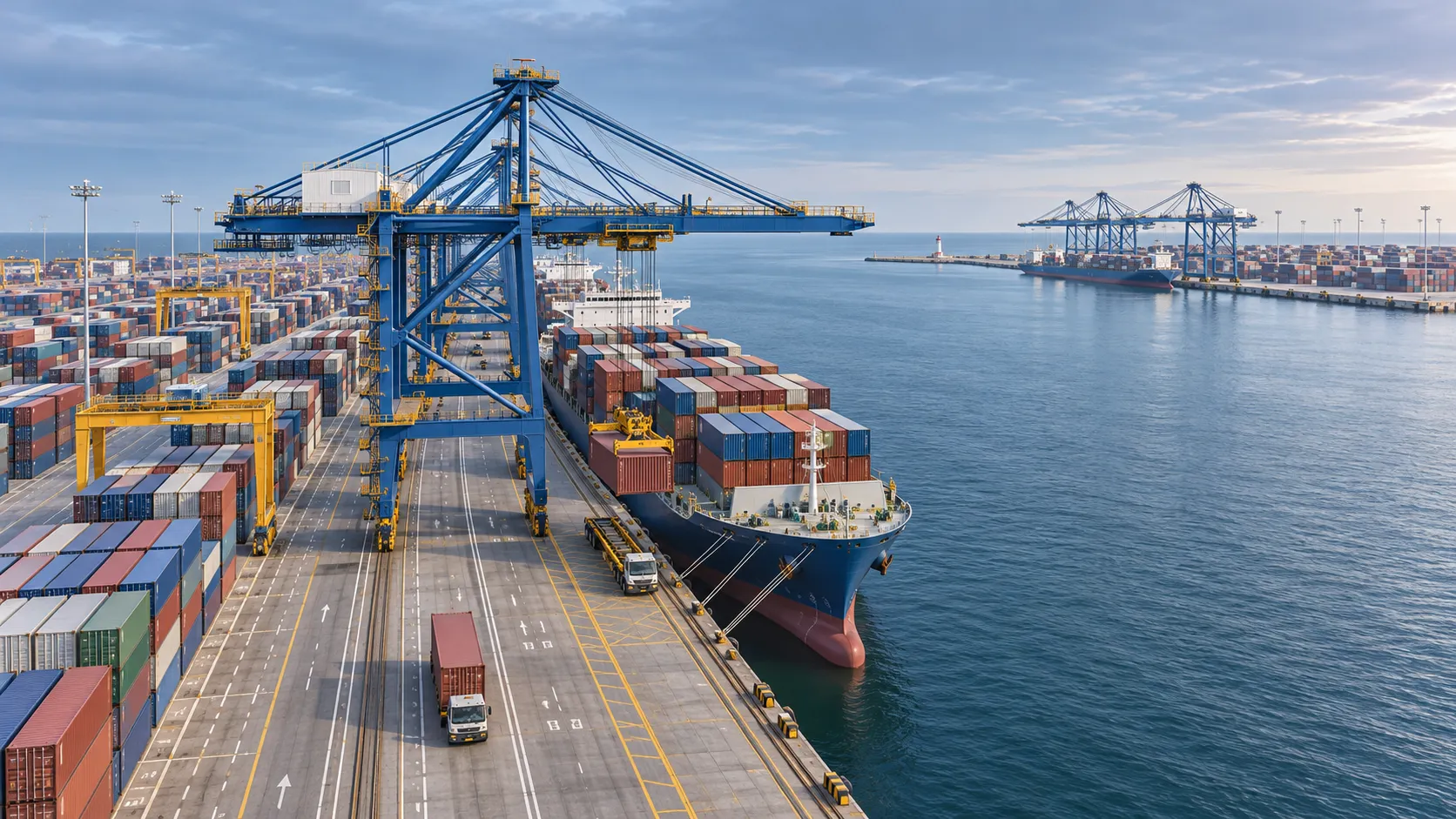
What Data Does a Smart Port Control Architecture Need to Operate?
What data is needed for a smart port control architecture? Discover the essential operational feeds, integration requirements and safety checks.
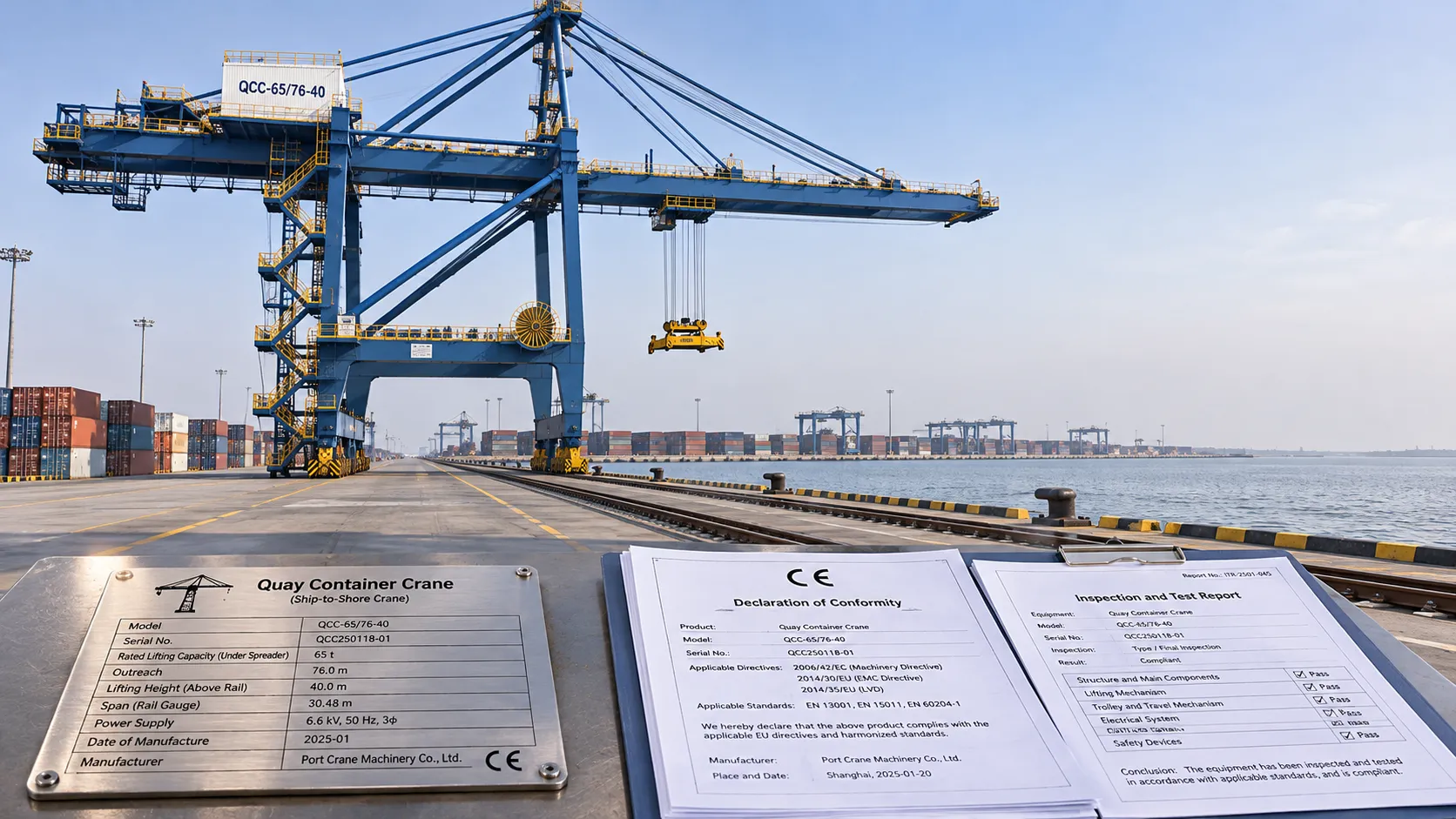
CE-Marked Quay Cranes: How to Verify Compliance Documents
Quay crane CE certified? Learn how to verify declarations, risk assessments and test records for the complete machine before acceptance.
Port Automation Systems in Latin America: Choosing the Right Solution
Explore port automation systems Latin America terminals can use to reduce congestion, assess integration risks, and choose the right solution with confidence.
Scalable Automated Port Systems: Planning for Terminal Capacity Growth
Discover how scalable automated port systems support phased terminal growth, reduce bottlenecks and guide smarter capacity investments.

Europe's Coastal Economies: Key Industries, Jobs and Climate Risks
Explore coastal economics in Europe: discover key industries and jobs, the climate risks they face, and how coastal communities can adapt.

Bulk Cargo Handling Equipment for Ports: Choosing by Cargo and Capacity
Choose bulk cargo handling equipment for ports with confidence. Compare cargo types, realistic throughput, equipment options, and lifecycle costs.
What Affects Container Terminal Efficiency in Southeast Asia?
Discover what affects terminal efficiency in Southeast Asia, from berth planning and yard congestion to inland access, and learn how to assess performance.