Related News
- 00
0000-00
Marine Engineering Solutions for Dredging in Ports: Key Design Factors - 00
0000-00
What Data Does a Smart Port Control Architecture Need to Operate? - 00
0000-00
CE-Marked Quay Cranes: How to Verify Compliance Documents - 00
0000-00
Port Automation Systems in Latin America: Choosing the Right Solution - 00
0000-00
Scalable Automated Port Systems: Planning for Terminal Capacity Growth
0000-00
Scalable Automated Port Systems: Planning for Terminal Capacity Growth
As container volumes grow and vessel calls become less predictable, project managers must plan terminal capacity without locking operations into inflexible infrastructure. Scalable automated port systems offer a pathway to phased expansion, combining equipment, control software, and data-driven scheduling to support future demand. The challenge is not simply deciding how many cranes or vehicles to buy. It is understanding where congestion will appear, which assets can be added later, and what must be built into the terminal before the first automated move.
Capacity planning starts with the bottleneck, not the equipment list
A terminal can report healthy annual throughput and still struggle during a cluster of vessel arrivals. Annual container volume is useful for investment planning, but it can conceal the peaks that determine berth queues, yard occupancy and truck turnaround. For an automation project, those peaks deserve at least as much attention as the annual forecast.
Start by mapping the flow from vessel arrival to landside departure. At the quay, the constraint may be berth availability, crane intensity or the time needed to reposition equipment between bays. In the yard, it may be container dwell time, the balance between import and export stacks, or rehandling caused by the way boxes are allocated. At the gate or rail interface, a short burst of arrivals can create queues that back up into the terminal even when average daily volumes look manageable.
These constraints interact. Adding quay cranes will not necessarily increase useful throughput if automated vehicles cannot clear containers from the waterside transfer points. Likewise, adding yard blocks may do little for vessel turnaround if the berth window is already the limiting factor. The practical question is not “How much capacity can each asset provide?” but “How much capacity can the whole chain sustain under the operating pattern we expect?”
Build a baseline using actual move records where available: vessel call patterns, crane working time, vehicle queues, yard occupancy, dwell times and gate peaks. Separate planned downtime from unplanned interruptions. If historical data is incomplete, document the assumptions and test how much the investment decision changes when those assumptions move.
Design the end state, then decide what to build now
A phased terminal is not a sequence of independent projects. Decisions made in the first phase can determine whether the second phase is straightforward or disruptive. Yard block geometry, pavement design, electrical distribution, network coverage and equipment access routes all deserve an end-state view, even when only part of the site is funded initially.
Take an automated stacking crane yard as an example. The immediate requirement may be a limited number of blocks, but later expansion could depend on reserved space for transfer zones, maintenance access and utility corridors. If those areas are occupied by temporary facilities, the future phase may require relocation during live operations. “Temporary” is an expensive word when the terminal cannot afford to close the affected area.
This does not mean installing every cable, charger or crane foundation upfront. It means comparing the cost of early provision with the risk and disruption of retrofitting. Oversizing a substation or building unused infrastructure can tie up capital for years; leaving no expansion route can be worse. The right answer depends on demand confidence, construction access, utility lead times and how easily the terminal can tolerate an outage.
Set expansion triggers before operations begin
A useful phasing plan defines the conditions that justify the next investment, rather than relying on a calendar alone. Triggers might include sustained yard occupancy during peak periods, recurring vehicle queues at transfer points, berth delays or forecast demand supported by customer commitments. Each trigger should have a measurement method and an owner.
Lead time matters as much as the threshold. If additional cranes, grid capacity or permits take longer to secure than the terminal can tolerate at its projected growth rate, the decision must be made before congestion becomes routine. Conversely, a temporary peak should not automatically prompt a permanent capital expansion.
Match fleet growth to the job, not just the forecast
Automated guided vehicles and other autonomous horizontal transport systems are often described as modular: buy more vehicles when throughput rises. In practice, the fleet shares roads, intersections, charging infrastructure, maintenance facilities and control-system capacity. Beyond a certain point, adding vehicles can increase conflicts and waiting rather than produce a proportional increase in completed moves.
Model the full vehicle cycle, including loading, travel, queuing, unloading, charging and recovery from faults. Pay particular attention to quay transfer areas and crossings where flows converge. Test a normal operating day, but also test a late vessel, an unavailable yard block and a charger or route taken out of service. Those scenarios reveal whether the system has usable spare capacity or merely an attractive theoretical maximum.
Equipment choice should follow the site. A greenfield terminal may have room for segregated automated routes and purpose-built transfer zones. A brownfield site may need to preserve manned vehicle access, existing pavement and operating berths during construction. In the latter case, a smaller automation boundary or a staged conversion can be more practical than attempting to automate every movement at once.
For electric fleets, charging strategy belongs in the operating concept, not in a late electrical package. Charging windows, charger location and grid connection affect dispatch decisions and the number of vehicles available during a peak. Battery technology and charging arrangements vary by equipment supplier, so assumptions should be verified against the proposed duty cycle and local conditions.
Treat software interfaces as capacity infrastructure
A terminal operating system, equipment control system and vehicle fleet manager must exchange more than job orders. They need a consistent view of equipment status, container location, exceptions and task completion. When that view is delayed or inconsistent, cranes wait for vehicles, vehicles arrive at unavailable transfer points, and operators spend time reconciling what the systems say with what is physically on the ground.
Define interface ownership early. The project team should know which system creates a task, which one may change its priority, how acknowledgements are handled and what happens when a message is lost or duplicated. Agree on a common equipment and location model before integration testing. A contract that simply requires systems to be “compatible” leaves too much room for disagreement.
Scalability also depends on access to change. Before selecting a solution, establish how new yard blocks, vehicles, equipment types and business rules will be added. Ask who can configure them, what support is required, and whether interface documentation and test environments will remain available. Proprietary technology is not automatically a bad choice, but its long-term effect on expansion cost and supplier dependence should be visible before award.
A simulation or digital twin can help compare layouts and scheduling rules, provided it is calibrated against credible operating data. It is not proof that the live terminal will perform as modeled. Include equipment outages, variability in container handling and realistic recovery procedures; otherwise, the model may simply confirm optimistic assumptions.
Plan degraded operations before commissioning
The most revealing question in an automation review is often: what happens when the normal sequence fails? A vehicle may stop in a route, a crane may lose communications, or a container position may not match the system record. The terminal needs a safe way to isolate the problem, recover the asset and restart work without creating a second backlog elsewhere.
Define recovery responsibilities across operations, maintenance, IT and suppliers. Remote crane operation needs dependable communications, but the design must also specify what equipment does when connectivity or control is lost. Cybersecurity, network segmentation, access management and restoration from backups should be considered alongside physical safety. Applicable safety requirements and local regulatory obligations need to be confirmed for the site and equipment configuration.
Commissioning should test the whole operating chain, not just individual machines. A crane that passes its standalone tests is not yet proven in a live sequence involving dispatch, vehicle arrival, container identification and exception handling. Acceptance criteria should distinguish equipment availability, integrated performance and operational readiness, with test conditions agreed before suppliers are under pressure to finish.
Keep marine access and construction interfaces in the business case
Terminal expansion does not stop at the quay wall. If the growth plan assumes larger vessels or more frequent calls, verify that berth depth, channel access, turning areas and marine operating restrictions support that assumption. Dredging or berth strengthening may sit outside the automation package, but a delay in either can leave expensive equipment waiting for the traffic it was intended to serve.
Construction sequencing deserves the same scrutiny. A contractor may need access through an active yard, while operations need to maintain safe separation from automated equipment and keep emergency routes open. Map possessions, utility shutdowns and temporary traffic arrangements against the vessel schedule. A technically sound expansion can become commercially unattractive if its construction repeatedly interrupts the capacity it is supposed to protect.
The wider industry perspective matters here. PS-Nexus covers terminal equipment, automation and dredging engineering as connected parts of maritime logistics; that is a useful lens for reviewing dependencies that may otherwise be split between project packages. For the next investment decision, bring marine, civil, electrical, controls and operations leads into the same capacity review. If they cannot agree on the next bottleneck and the evidence behind it, the project is not yet ready to commit to its next phase.
Related News
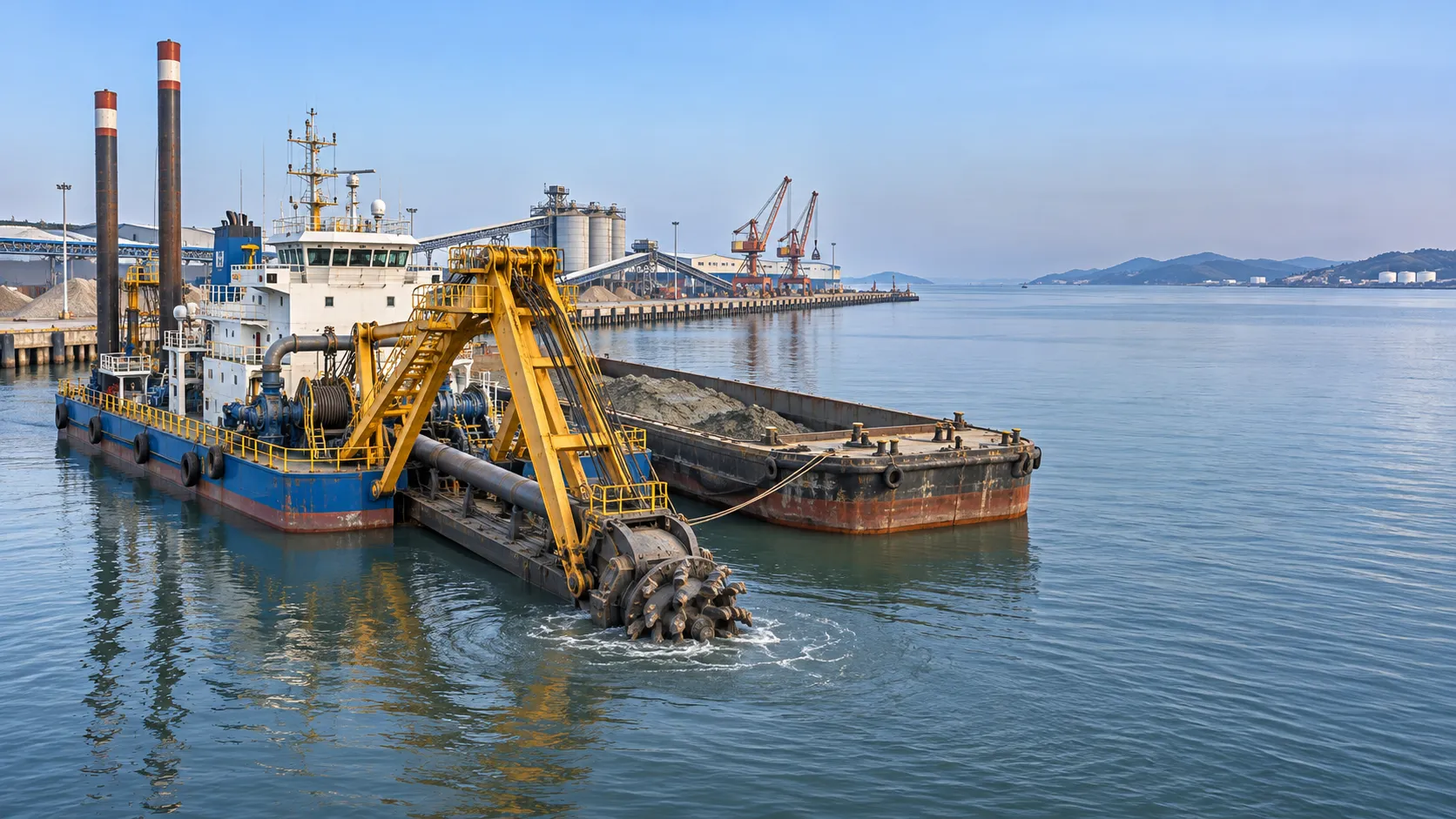
Marine Engineering Solutions for Dredging in Ports: Key Design Factors
Explore marine engineering solutions for dredging ports, from equipment selection and sediment management to safe navigation and survey verification.
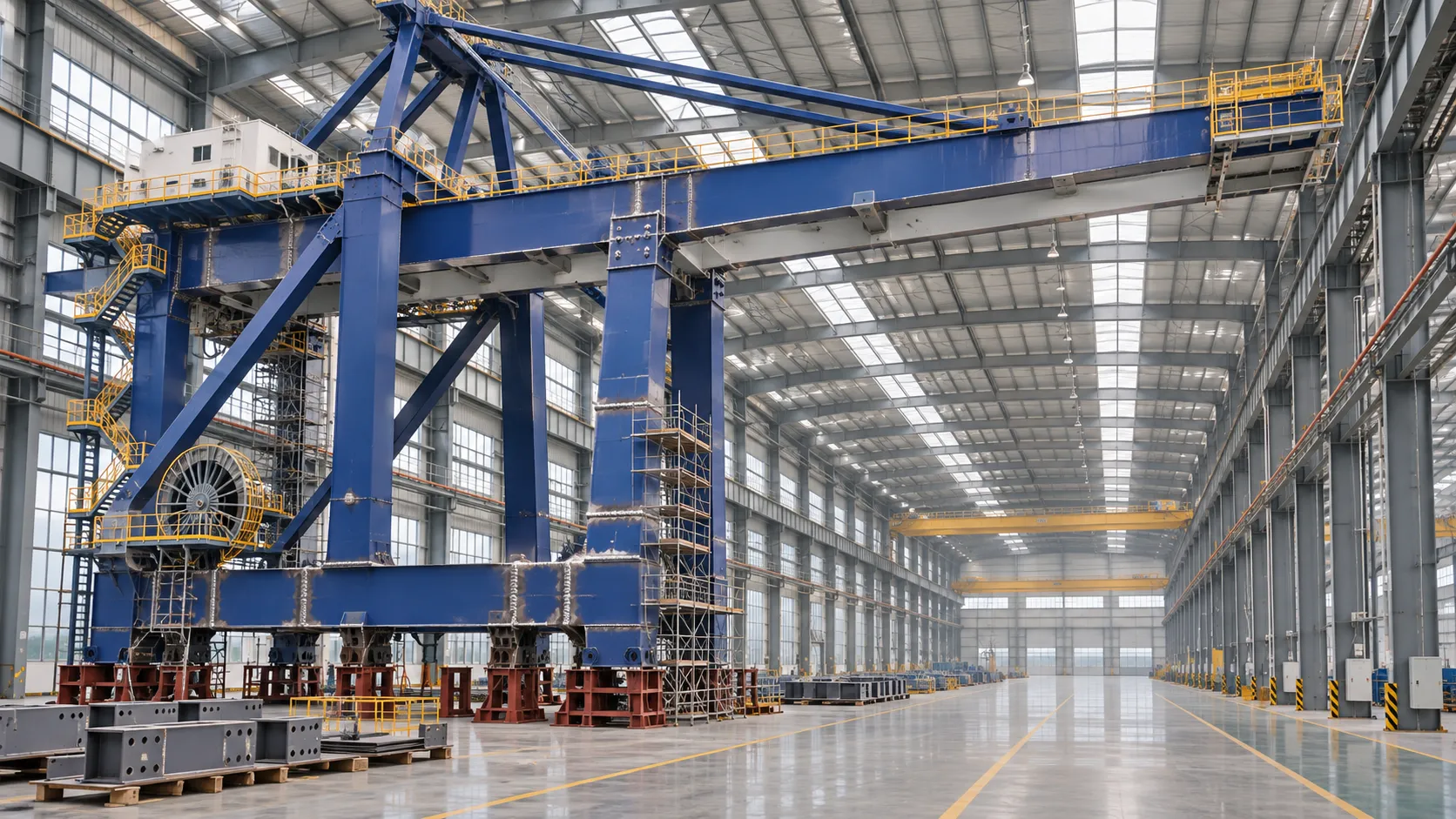
How to Evaluate a Quay Crane Factory: Capacity, Quality and Delivery
Evaluate a quay crane factory with confidence. Learn how to verify production capacity, quality controls, delivery plans, and lifecycle costs before you commit.
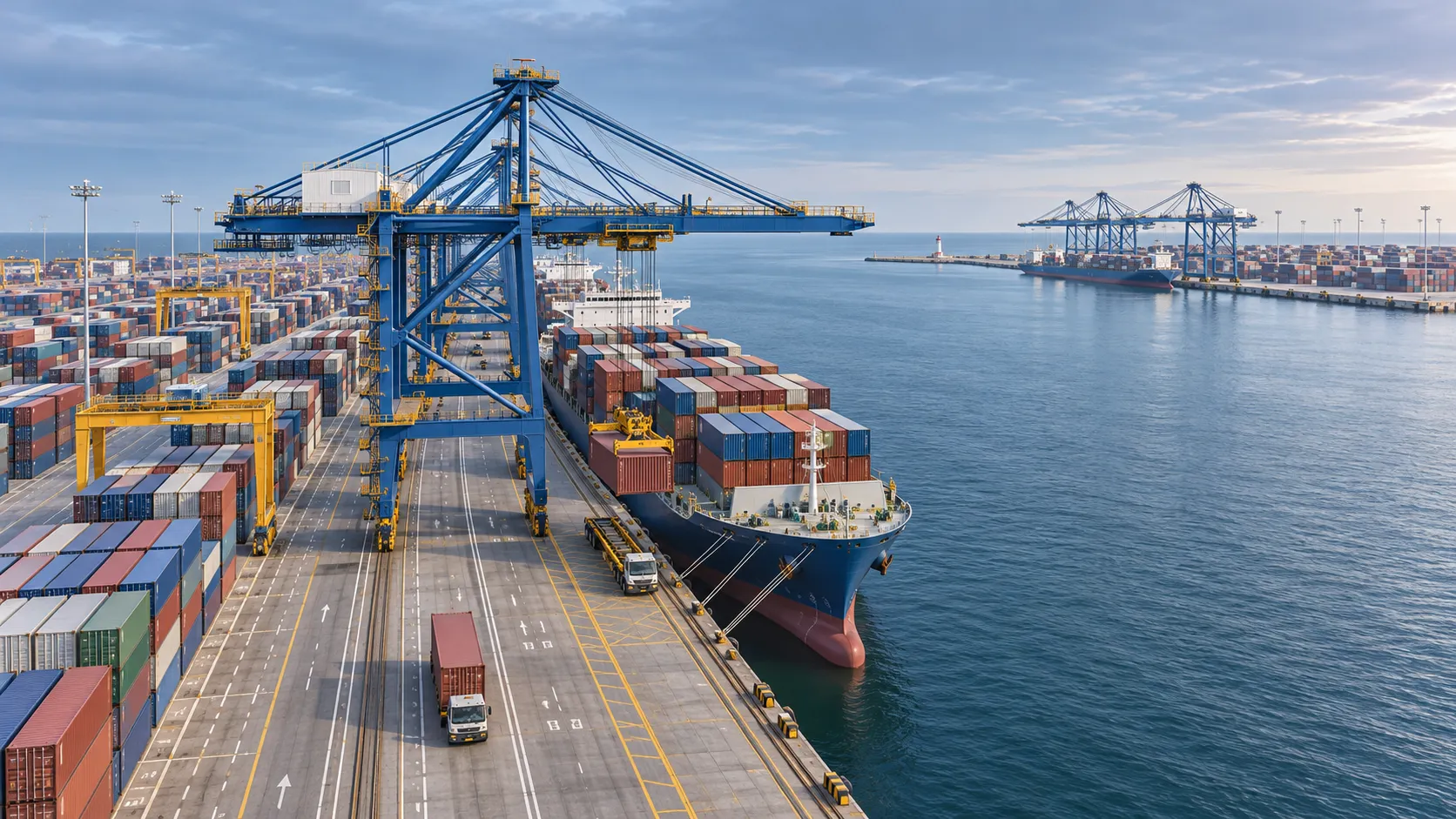
What Data Does a Smart Port Control Architecture Need to Operate?
What data is needed for a smart port control architecture? Discover the essential operational feeds, integration requirements and safety checks.
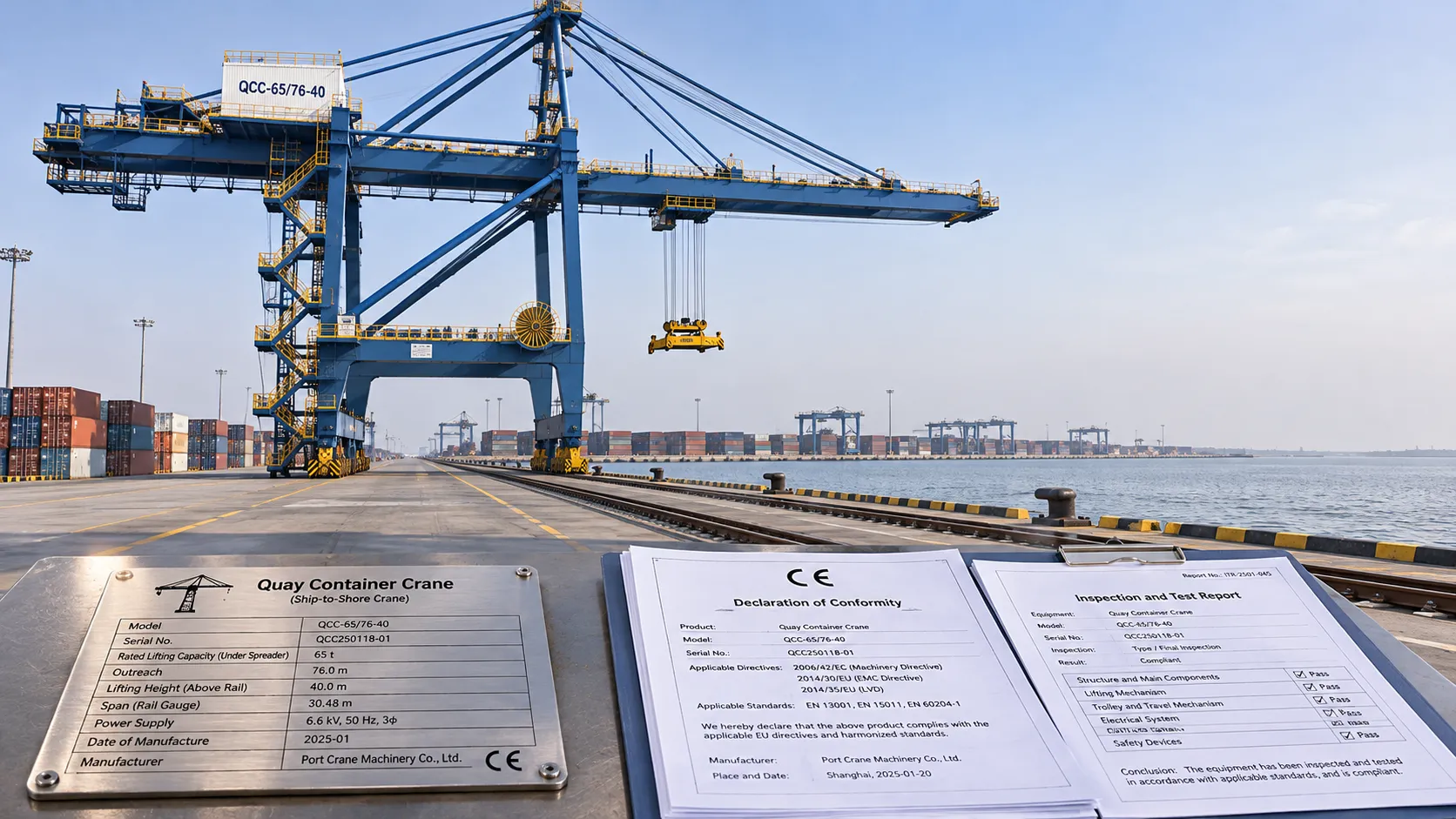
CE-Marked Quay Cranes: How to Verify Compliance Documents
Quay crane CE certified? Learn how to verify declarations, risk assessments and test records for the complete machine before acceptance.
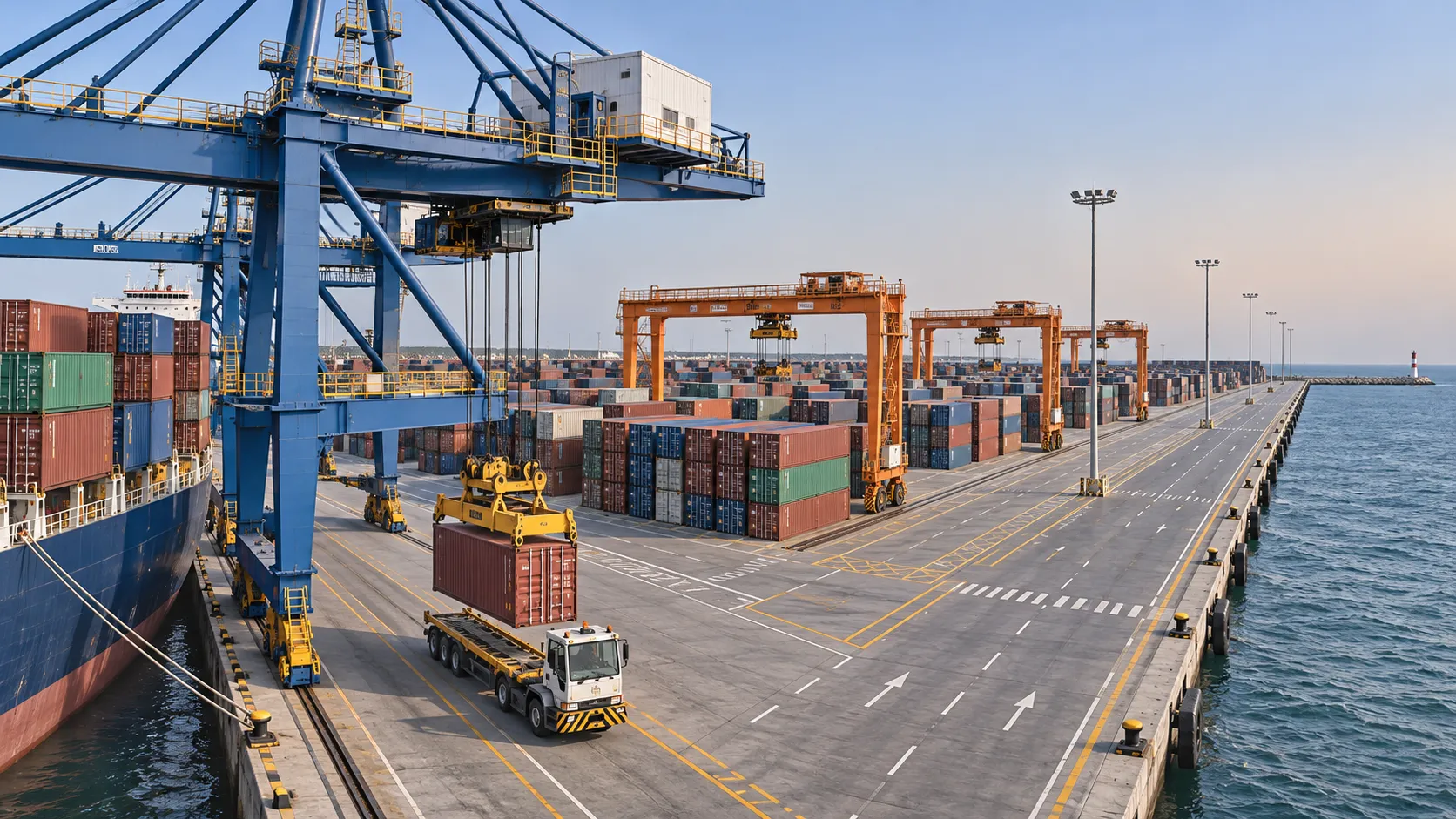
Port Automation Systems in Latin America: Choosing the Right Solution
Explore port automation systems Latin America terminals can use to reduce congestion, assess integration risks, and choose the right solution with confidence.
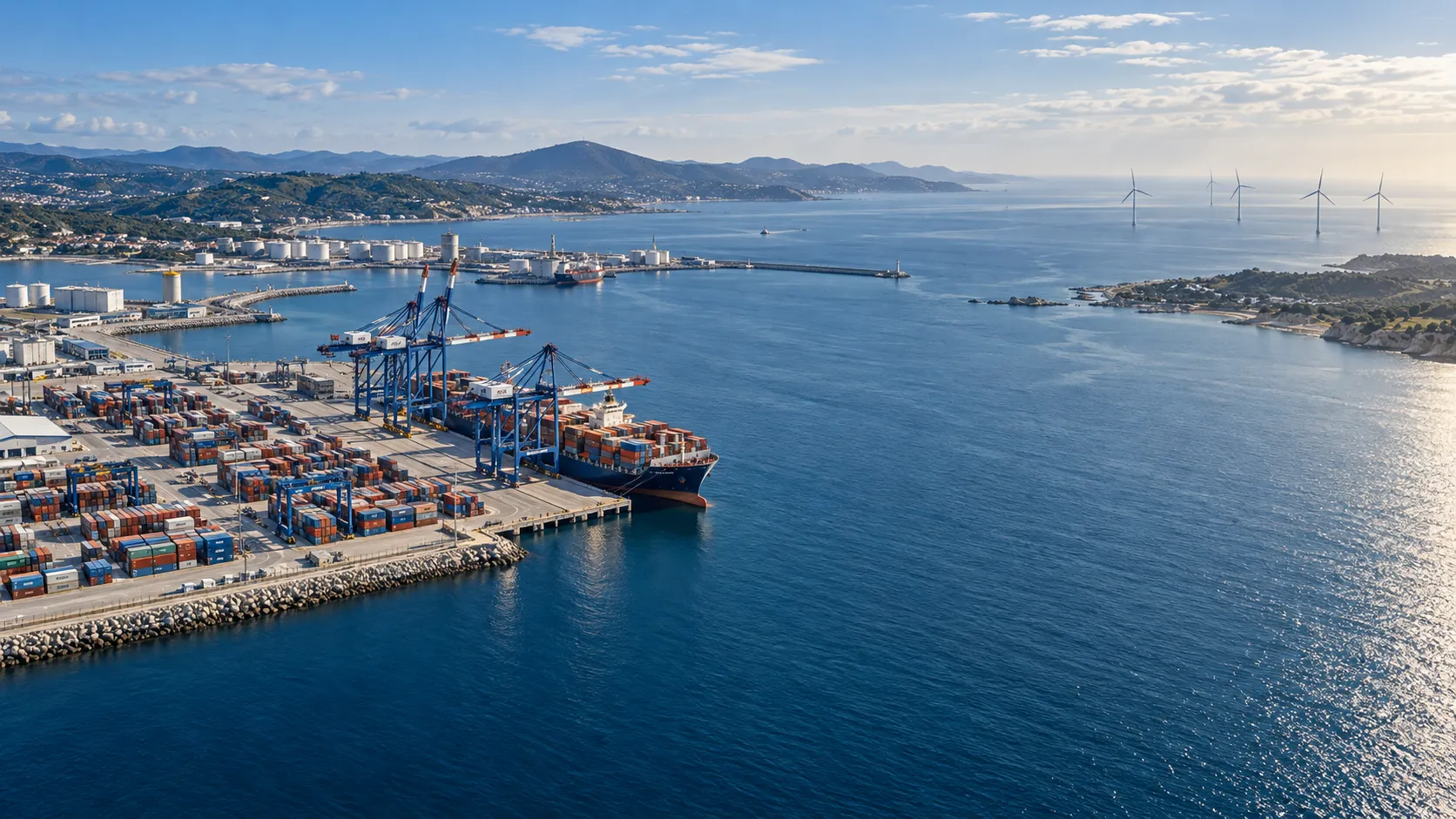
Europe's Coastal Economies: Key Industries, Jobs and Climate Risks
Explore coastal economics in Europe: discover key industries and jobs, the climate risks they face, and how coastal communities can adapt.
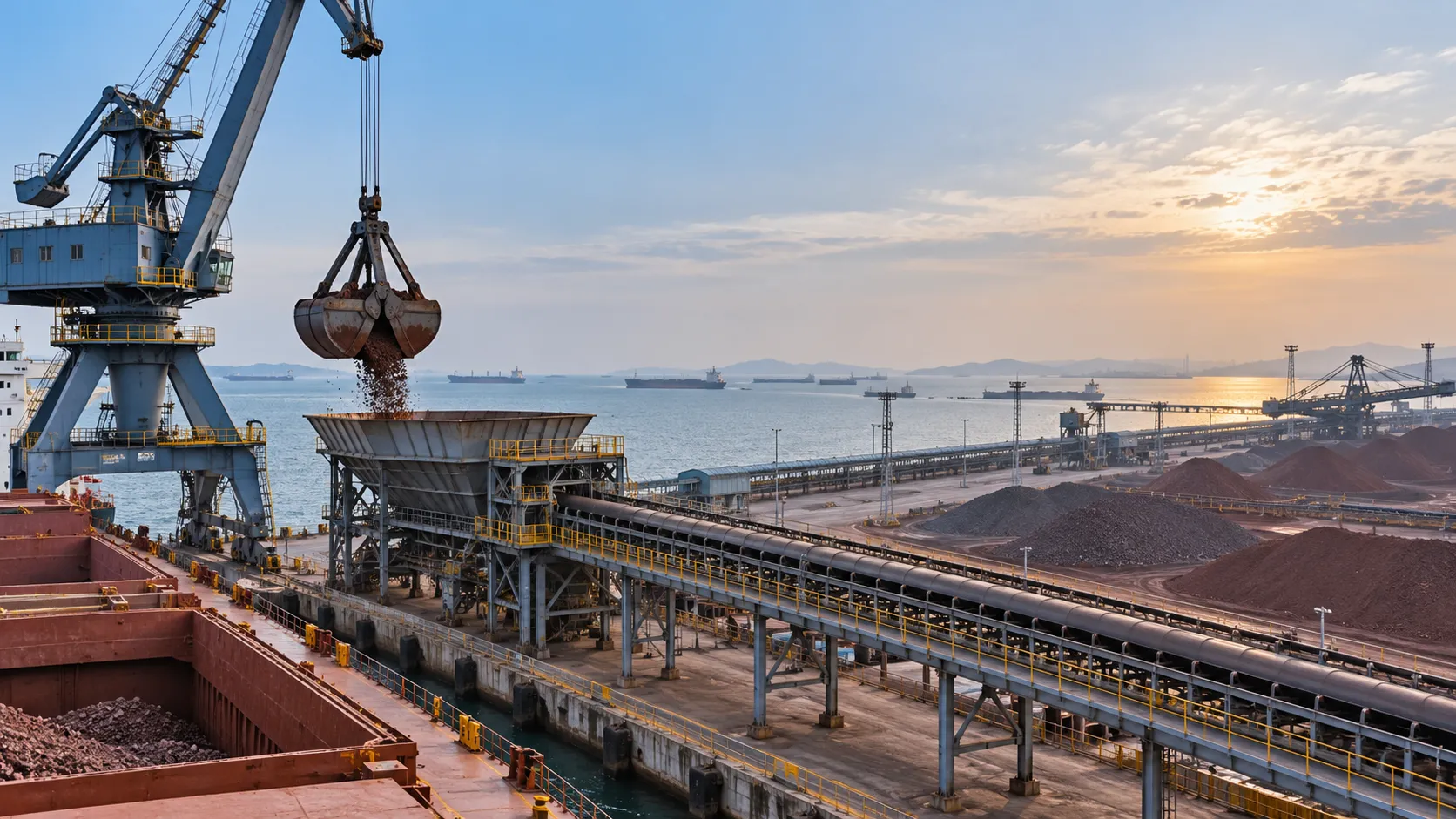
Bulk Cargo Handling Equipment for Ports: Choosing by Cargo and Capacity
Choose bulk cargo handling equipment for ports with confidence. Compare cargo types, realistic throughput, equipment options, and lifecycle costs.
What Affects Container Terminal Efficiency in Southeast Asia?
Discover what affects terminal efficiency in Southeast Asia, from berth planning and yard congestion to inland access, and learn how to assess performance.
Choosing Path Planning Systems for Outdoor Robots in the Middle East
Compare path planning systems Middle East operators need for outdoor robots. Explore heat, dust, safety, and fleet integration criteria to choose with confidence.