Related News
- 00
0000-00
How Can Port Equipment Lead-Time Risk Be Managed? - 00
0000-00
Maritime Logistics Operations: How Ports Can Reduce Container Dwell Time - 00
0000-00
What Does Logistics Node Monitoring Cost Across Warehouses and Transport Hubs? - 00
0000-00
How Can IoT Smart Port Solutions Improve Container Tracking and Yard Efficiency? - 00
0000-00
How Real-Time Port Logistics Intelligence Improves Container Yard Efficiency
Global Trade Intelligence in North America: What Importers Should Track in 2025
Global trade intelligence in North America is no longer just about freight rates
In 2025, the phrase global trade intelligence North America should not be read as a dressed-up version of shipment tracking. That is the first correction worth making. For importers, especially those evaluating suppliers, routing options, inventory exposure, or long-cycle procurement commitments, trade intelligence now sits at the intersection of port capacity, terminal equipment availability, automation maturity, dredging progress, inland transport reliability, regulatory friction, and cost volatility. Looking at only customs data or ocean rates misses the operational layer where disruption usually starts.
This matters because North America is not one logistics market. The US Gulf, the US East Coast, the US West Coast, Canada’s Pacific gateways, Great Lakes-linked industrial corridors, and Mexico’s port-manufacturing interface all behave differently. A container may be booked under the same ocean contract, but its actual risk profile changes depending on berth productivity, yard density, crane availability, rail handoff performance, channel depth constraints, and labor or compliance issues. Business evaluators who treat these as background details often discover the real cost of trade only after lead times slip or landed cost assumptions break.
What importers should mean by “intelligence”
In practical use, intelligence is not raw information. It is filtered, decision-ready context. An importer does not need every vessel call, every crane specification, or every policy headline. They need to know which signals change the reliability of supply and which ones are just noise.
For North American trade lanes, the useful signals usually fall into five groups. Port throughput is one, but only when read alongside terminal operating conditions. Equipment and automation readiness is another, especially at container terminals handling dense volumes and short dwell-time expectations. Dredging and channel works matter more than many buyers assume, because access depth and navigational constraints directly affect vessel size deployment and scheduling resilience. Freight and surcharge behavior remains important, but it should be interpreted as an outcome, not a standalone forecast tool. Then there is policy: customs enforcement, environmental rules, labor negotiations, sanctions screening, and trade remedy actions all create friction that can show up far from the border itself.
This is where an intelligence-led approach becomes more useful than a price-led one. A lower nominal freight quote is not necessarily cheaper if it routes through a terminal under yard pressure, a corridor with unstable rail evacuation, or a gateway whose expansion timetable has slipped.
Why terminal equipment and automation deserve closer attention
Importers do not buy quay cranes or automated guided vehicles, so these topics are often left to terminal operators and engineering teams. That is a mistake. Heavy terminal gear and control systems determine how much real capacity a port can convert from paper to practice. A terminal may advertise annual throughput, but actual performance depends on the condition and configuration of ship-to-shore cranes, rubber-tired or rail-mounted yard equipment, gate systems, stack management logic, and software orchestration across the yard and berth.
Automation is especially relevant in 2025 because its effects are uneven. In some terminals, automation improves predictability more than peak speed. That distinction matters. Business evaluators should ask whether an automated facility is mature enough to deliver consistent truck turn times, stable yard planning, and better exception handling, or whether it is still in a transition phase where software integration and process redesign create temporary bottlenecks. The label “automated terminal” by itself tells very little.
For sectors moving heavy machinery, industrial inputs, project cargo, or large-volume containerized components, the equipment layer also affects damage risk, rehandling frequency, and the ability to recover after weather or vessel bunching. When PS-Nexus tracks terminal gear and port control systems, the point is not engineering for its own sake. The point is that operational technology shapes commercial reliability.
Dredging, channel depth, and why “port expansion” is often misunderstood
One of the most common misunderstandings in trade analysis is to treat dredging and marine works as distant infrastructure stories with little effect on sourcing decisions. In reality, channel deepening, berth reinforcement, sediment management, and harbor access projects can alter vessel deployment patterns, waiting times, and route economics over multi-year periods.
Importers do not need to become dredging engineers, but they should understand the commercial meaning of these projects. A deeper or better-maintained access channel can support larger vessels or more reliable draft utilization. A delayed dredging program can limit that potential. Berth expansion may increase nominal capacity, yet the benefit may not arrive when expected if landside evacuation, yard configuration, or equipment commissioning lags behind marine construction. That is why broad statements like “this port is expanding” are too imprecise for evaluation work.
In North America, where gateway competition often turns on speed, resilience, and inland connectivity rather than geography alone, marine infrastructure status is a leading indicator. It helps evaluators judge whether a route is structurally improving or simply cycling through short-term congestion relief.
The policy layer is now operational, not just legal
Trade policy used to sit in a separate bucket from logistics execution. That separation is harder to defend now. Customs scrutiny, origin verification, sanctions compliance, environmental reporting, and product-specific import controls can change routing choices, buffer stock policy, supplier onboarding, and even packaging decisions. For some categories, the compliance question now shapes the logistics model before freight is booked.
North American importers should pay attention to policy not only when a new rule is enacted, but when enforcement intensity changes. The text of a regulation may remain stable while inspection patterns, document expectations, or scrutiny on transshipment risk become stricter. Evaluators who only watch headline announcements are often late. The better signal is whether policy pressure is beginning to slow release times, alter carrier behavior, or push sourcing into alternative hubs.
Environmental policy also deserves a practical reading. Net-zero commitments, emissions rules, cleaner equipment transitions, and shore-power or fuel-related infrastructure changes may not hit every importer evenly, but they can affect port investment priorities and operating costs. Some impacts arrive through fees and service changes rather than direct regulation of the importer.
What to track in 2025 without drowning in data
A workable monitoring framework needs selectivity. For business evaluation purposes, the strongest indicators are the ones that explain whether a gateway can absorb volatility.
Notice what is missing here: single-point obsession with spot freight. Rates still matter, but they are lagging indicators when compared with equipment availability, berth congestion, and policy friction.
Common errors in market reading
One error is assuming all North American gateways respond similarly to demand shocks. They do not. Another is treating announced infrastructure investments as immediate capacity gains. In reality, procurement, construction, equipment commissioning, software integration, workforce adaptation, and regulatory approvals all move on different timelines.
A third error is overvaluing visibility dashboards that show movement but not cause. A dashboard may confirm that containers are delayed. It may say little about whether the root cause is crane downtime, yard stack density, weather exposure, gate appointment imbalance, or inland congestion. The difference matters because each one calls for a different sourcing or routing decision.
There is also a persistent tendency to separate commercial evaluation from engineering reality. That divide is getting less useful. If a sourcing model depends on a port node with fragile operating assumptions, then terminal mechanics, digital control reliability, and marine access conditions are not technical side notes. They are part of the commercial case.
How stronger evaluators use trade intelligence
The stronger approach is comparative rather than descriptive. Instead of asking, “What is happening at this port?” ask, “Which gateway, corridor, or supplier configuration gives us the best mix of continuity, flexibility, and downside protection?” That shifts analysis away from headline watching and toward scenario judgment.
For some importers, that means mapping dependency on a single terminal or inland rail path. For others, it means watching whether automation investment is translating into operational consistency. For industrial and project-driven procurement, it may mean reading dredging and berth development as an input to future route viability. None of this requires forecasting every disruption. It requires distinguishing structural signals from temporary noise.
That is where a specialized intelligence lens becomes valuable. Platforms focused on maritime logistics, heavy port equipment, automation architecture, and dredging engineering can reveal operational constraints that broad market summaries miss. In North America, where trade decisions are increasingly shaped by infrastructure quality and execution discipline, that depth is not a niche advantage. It is part of competent evaluation.
In 2025, importers should read global trade intelligence North America as a way to understand how ports actually function under pressure. The useful question is not whether trade is moving, but under what conditions it keeps moving well. Once that becomes the frame, signals from terminal gear, control systems, marine works, and policy enforcement stop looking peripheral. They become the evidence base for better sourcing judgments.
Related News
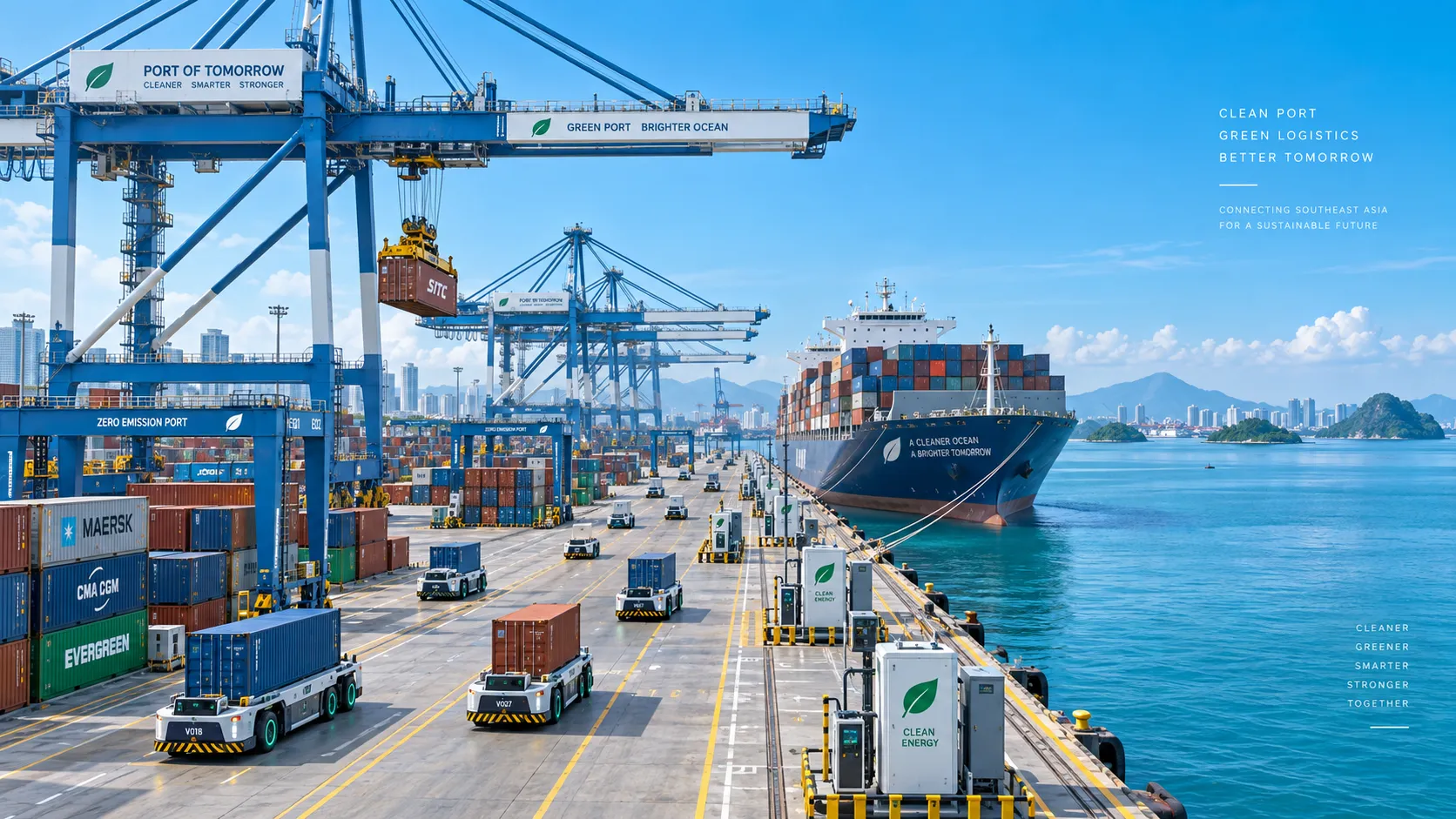
Smart Port Systems in Southeast Asia: Investment Priorities and Adoption Barriers
Smart port systems Southeast Asia: discover investment priorities, adoption barriers, and practical steps to build resilient, connected, high-performing terminals.
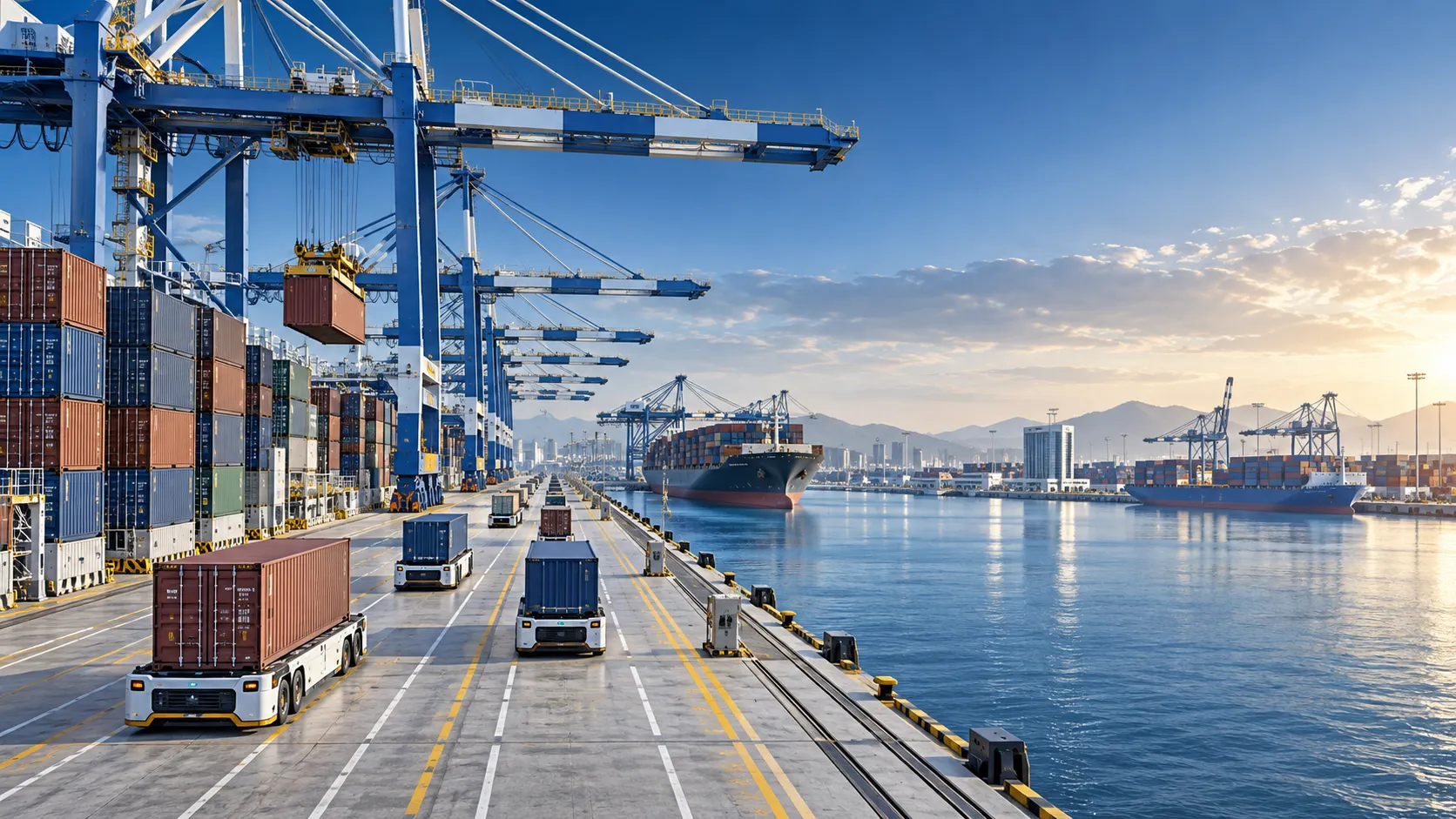
How to Evaluate Terminal Efficiency Solution Suppliers for High-Throughput Operations
Choose a terminal efficiency solutions supplier with confidence. Explore proven criteria for throughput, integration, lifecycle cost, safety, and reliable delivery.
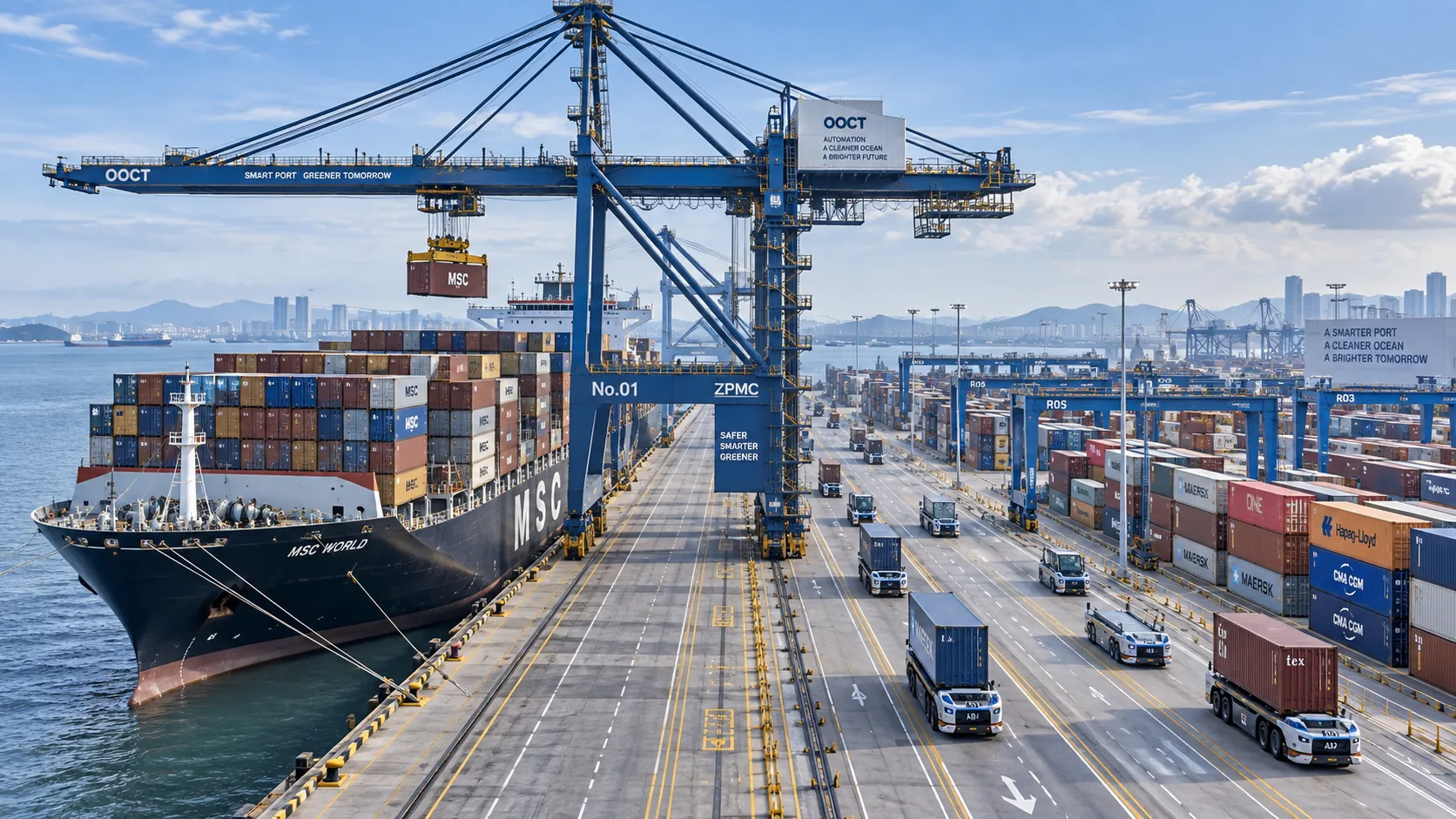
How to Specify a Quay Crane for Container Terminals by Vessel Size and Throughput?
Quay crane for container terminals: learn how to match outreach, lift height, capacity, automation, and cycle performance to vessel size and throughput goals.
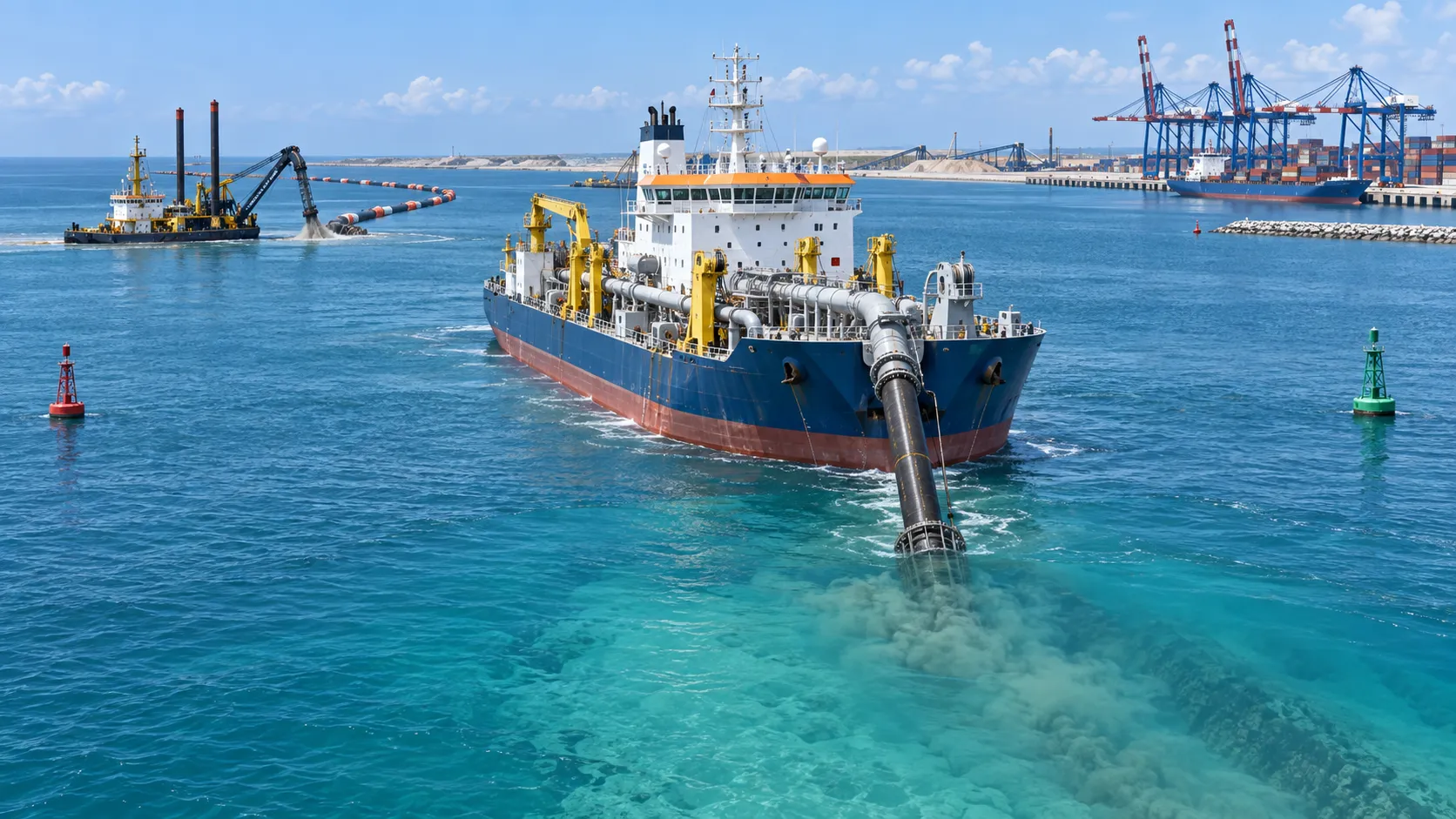
What Dredging Equipment Is Needed for Channel Deepening?
What dredging equipment is needed for channel deepening? Explore dredgers, pipelines, survey tools, and planning strategies for safer, more efficient port access.
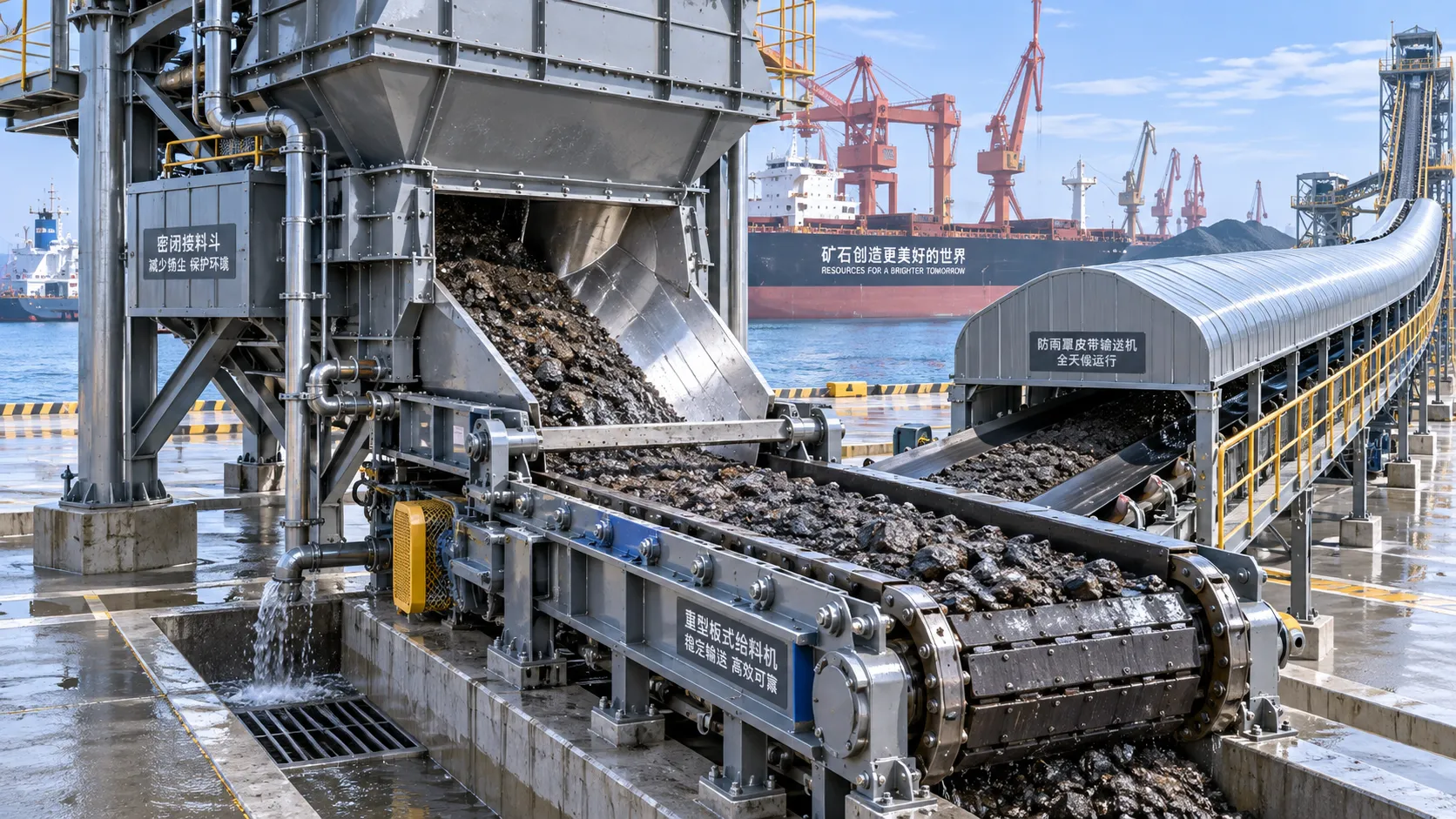
Which Bulk Handling Equipment Suits High-Moisture Cargo?
Which bulk handling equipment suits high-moisture cargo? Compare belt, apron, screw, drag, and slurry systems for reliable flow, less carryback, and higher terminal uptime.
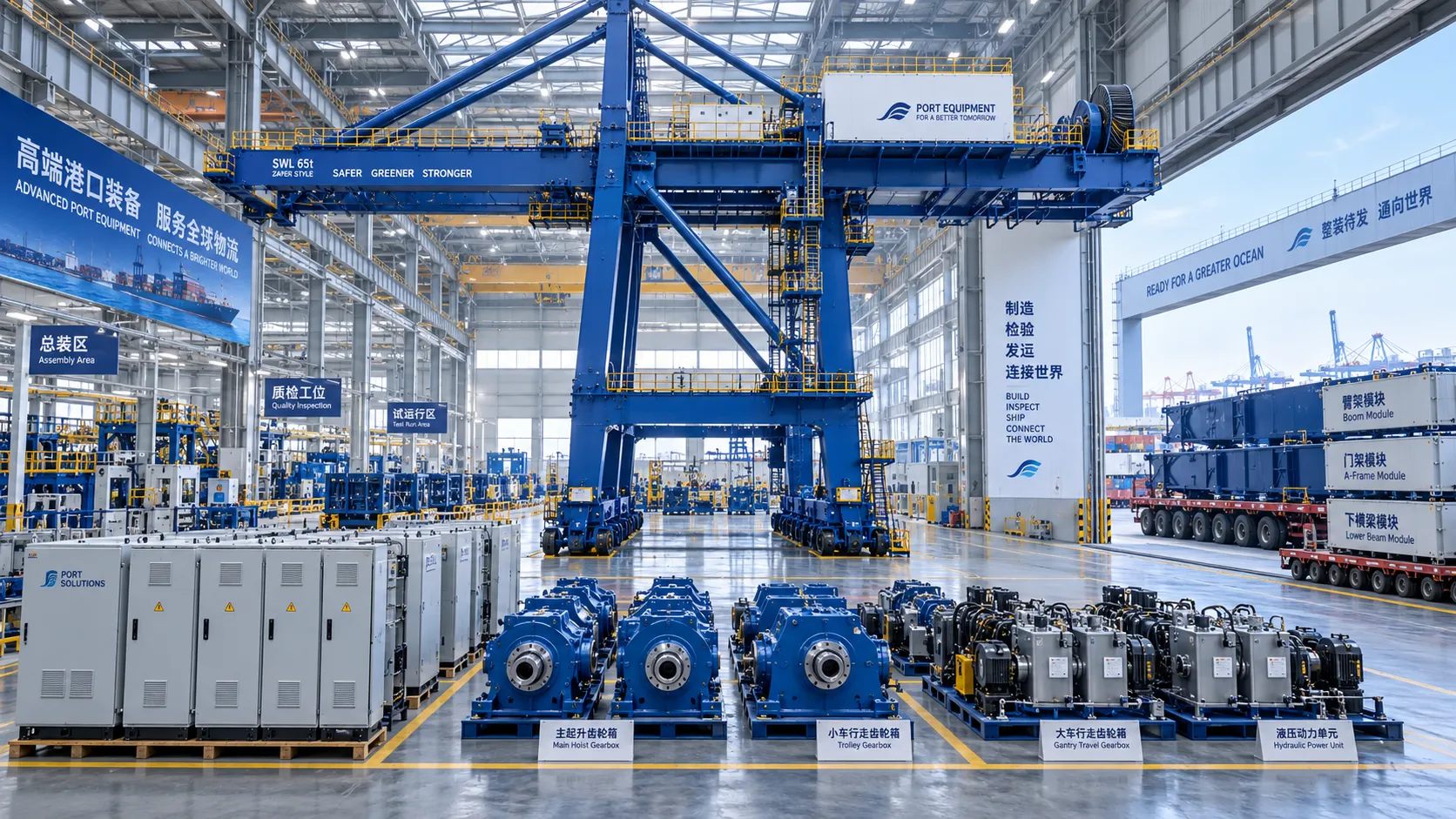
How Can Port Equipment Lead-Time Risk Be Managed?
How can port equipment lead-time risk be managed? Explore practical strategies to control critical paths, suppliers, transport, site readiness, and commissioning delays.
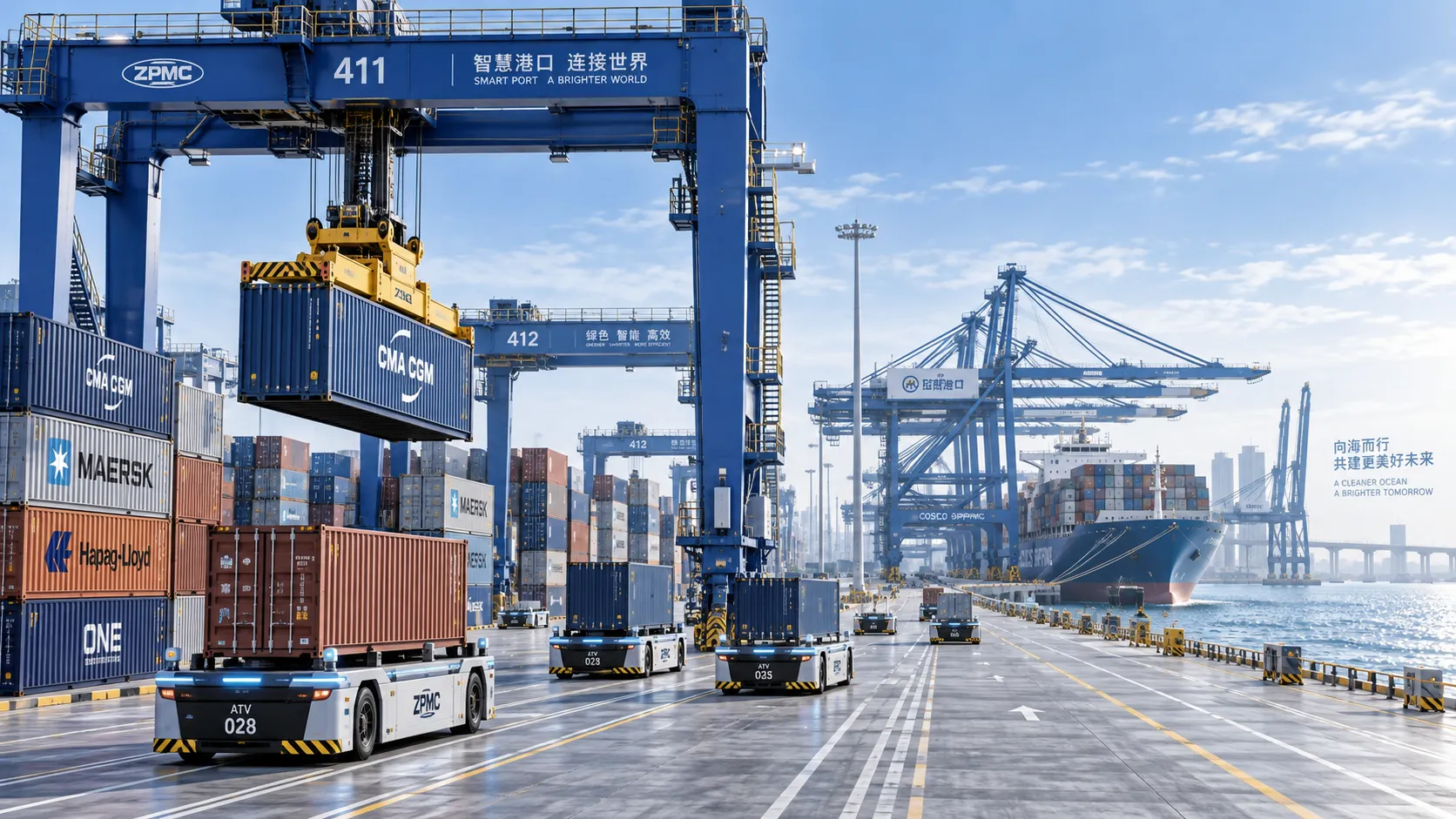
Terminal Automation Technologies That Raise Container Throughput Without Yard Disruption
Terminal automation technology that increases container throughput without disrupting yard flow. Explore smarter integration, resilient workflows, and phased deployment strategies.
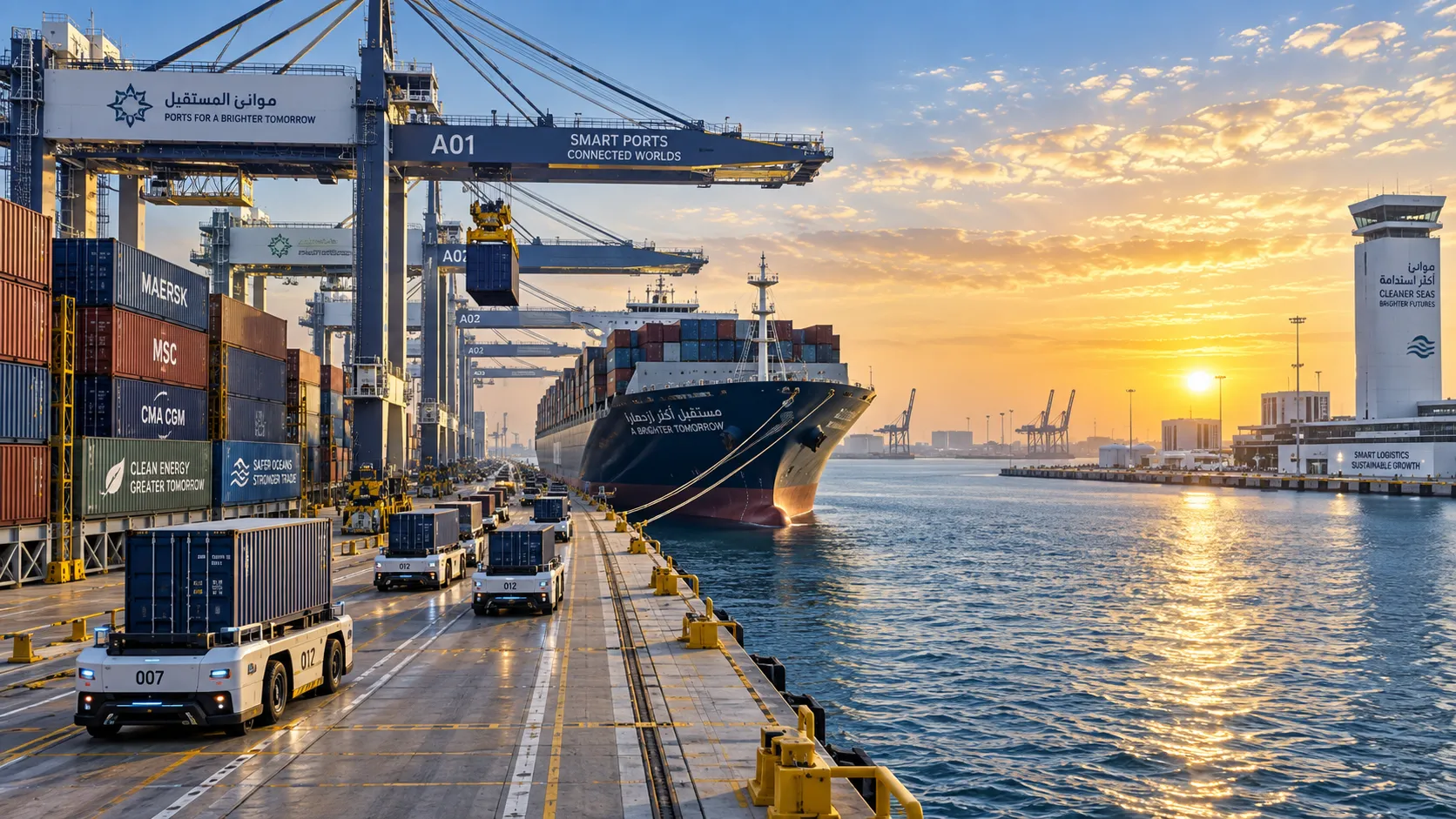
Middle East Port Automation: Key Market Drivers, Projects, and Investment Risks
Port automation systems Middle East: explore market drivers, flagship projects, integration challenges, and investment risks shaping smarter, resilient terminals.
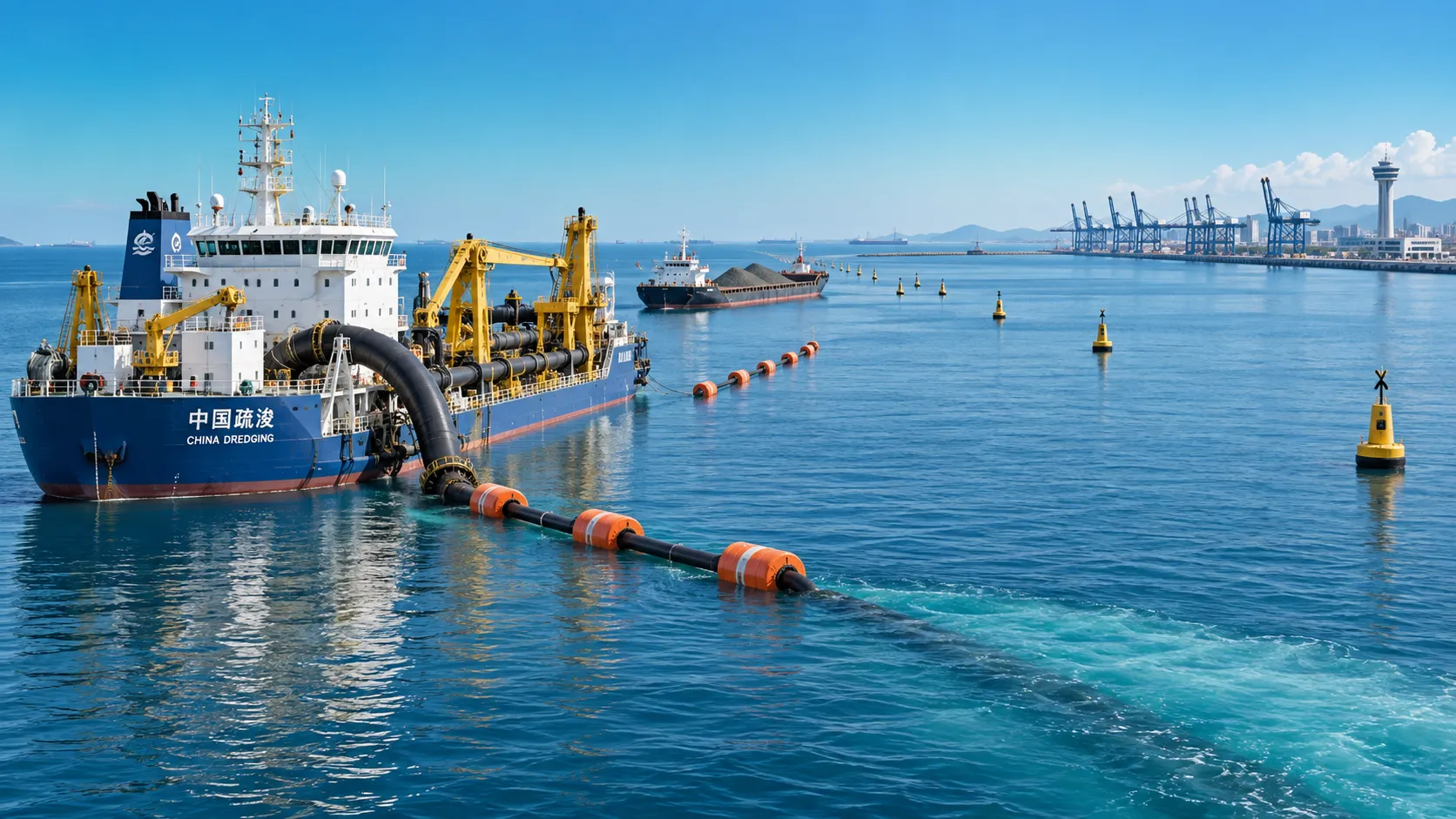
Planning Offshore Dredging Operations: Key Risks, Methods, and Project Controls
Offshore dredging operations demand smart planning. Explore key risks, proven methods, environmental controls, and project strategies for reliable delivery.