Related News
- 00
0000-00
How to Evaluate Terminal Efficiency Solution Suppliers for High-Throughput Operations - 00
0000-00
What to Consider When Buying Electric Port Machinery for Container Terminals - 00
0000-00
How to Select Container Handling Equipment for Middle East Ports and Terminals - 00
0000-00
How to Evaluate a Port Machinery Exporter for Large-Scale Terminal Projects - 00
0000-00
Evaluating a Dredging Equipment Manufacturer for Mining Plant Supply
How to Evaluate Terminal Efficiency Solution Suppliers for High-Throughput Operations
How to Evaluate Terminal Efficiency Solution Suppliers for High-Throughput Operations
For procurement teams managing high-throughput terminals, selecting the right terminal efficiency solutions supplier is a strategic decision that affects throughput, uptime, safety, and long-term operating costs. From automated container handling and intelligent yard scheduling to bulk material systems and remote equipment control, suppliers must demonstrate more than product capability. The real question is whether their equipment, software, service model, and implementation discipline can work together under the pressure of daily terminal operations.
A terminal is not a collection of isolated assets. A quay crane delay can create yard congestion; an unreliable positioning system can reduce automated guided vehicle availability; a weak maintenance-data interface can turn a minor mechanical issue into an unplanned stoppage. For that reason, supplier evaluation should begin with the operating system of the terminal, not with a catalogue comparison or the lowest initial quotation.
Start With the Actual Constraint on Throughput
“Efficiency” means different things in different terminal environments. A container terminal may be constrained by berth productivity, crane cycle time, yard density, truck turnaround, or the ability of its terminal operating system to respond to changing vessel plans. A bulk terminal may face bottlenecks in reclaiming, conveying, ship loading, dust control, or the reliability of transfer points. In dredging-related logistics projects, the limiting issue may be pump availability, sediment characteristics, discharge distance, or access to maintenance support in remote coastal areas.
Before approaching suppliers, define the constraint in operational terms. That may include peak moves per hour, tonnes handled per hour, vessel turnaround targets, equipment availability expectations, queue time, energy use per move, or planned maintenance windows. The target should reflect normal and stressed conditions. A solution that performs well in a controlled demonstration may not suit a terminal facing irregular vessel arrivals, weather interruptions, mixed cargo profiles, or restricted yard space.
This definition protects the procurement process from a common error: buying a highly capable machine or automation module that improves one task while shifting congestion elsewhere. Suppliers should be able to discuss the broader flow of cargo, vehicles, operators, data, and maintenance resources. If the conversation stays limited to a single equipment specification, the supplier may not yet understand the operational problem.
Assess System Fit, Not Just Equipment Performance
Heavy terminal gear remains central to terminal performance, but modern operations depend increasingly on how machinery communicates with control systems. Quay cranes, rail-mounted gantry cranes, rubber-tyred gantries, straddle carriers, automated guided vehicles, conveyors, stacker-reclaimers, and dredging equipment all produce operational data. The value of that data depends on whether it can be used reliably by the terminal’s existing systems.
A supplier should therefore explain how its solution will interact with the terminal operating system, equipment control layer, fleet management tools, maintenance platform, safety systems, and remote-control environment. Buyers should ask practical questions: Which interfaces are required? Who owns the integration design? What happens if a communications link is interrupted? Can operators take manual control safely? How are software updates tested before deployment? These issues matter especially when introducing automation into a brownfield terminal, where legacy equipment and mixed-generation controls are common.
Interoperability also affects future procurement freedom. A terminal should avoid becoming dependent on a single vendor simply because data formats, control logic, or equipment access are unnecessarily closed. Some degree of proprietary technology may be unavoidable, particularly in specialized automation systems, but the commercial and operational implications should be clear before contract award. Request documentation on system architecture, interface responsibilities, data access rights, cybersecurity provisions, and change-control procedures.
Examine Reliability Through Serviceability
High-throughput operations rarely fail because a supplier overlooked headline capacity. They more often lose performance through recurring faults, slow fault diagnosis, unavailable spare parts, or maintenance tasks that are difficult to complete during limited shutdown windows. Reliability claims should therefore be tested against serviceability.
Ask suppliers to describe the components most likely to require inspection, replacement, calibration, or software intervention. A useful response is specific: access points, expected maintenance routines, recommended critical spares, diagnostic tools, remote support limits, and the skills required from the terminal maintenance team. A vague assurance that a system is “low maintenance” offers little basis for a lifecycle-cost decision.
For automated handling equipment, this review should cover sensors, positioning hardware, battery or charging systems where applicable, onboard controls, wireless networks, and safety-related devices. For bulk handling equipment, buyers should look closely at wear components, belt and idler arrangements, chute design, dust exposure, lubrication requirements, and access for inspection. In marine dredging equipment, pump wear, monitoring instrumentation, hydraulic systems, and the logistics of servicing equipment offshore or in coastal locations deserve early scrutiny.
The supplier’s local or regional support capability matters as much as the design itself. Procurement teams should establish where technical personnel are based, how escalation is managed outside normal working hours, what parts are stocked within the region, and whether the supplier relies on a distributor for field support. The right answer varies by location and project criticality, but an unverified service promise is a material risk.
Compare Total Cost of Ownership Rather Than Purchase Price
The lowest capital quote can be expensive if it requires extensive site modification, frequent specialist intervention, proprietary consumables, or a large inventory of long-lead-time spares. Conversely, a higher initial price may be justified if the design reduces energy demand, simplifies maintenance, supports predictable lifecycle planning, or avoids costly interfaces with existing infrastructure.
A workable total cost of ownership review should separate at least five cost areas: acquisition and installation; civil, electrical, and network modifications; operating energy and consumables; maintenance labour and spare parts; and expected downtime exposure. Training, software licensing, cybersecurity maintenance, remote support, and future upgrade obligations should not be hidden in general overheads. They are often material in long-life automation projects.
Request a transparent commercial structure rather than a single bundled figure. Buyers need to know which costs are fixed, which depend on volume or operating hours, and which may change when equipment configuration or software scope changes. If performance guarantees are offered, examine their definitions carefully. Throughput, availability, and productivity can be measured in several ways; the contract should state operating assumptions, exclusions, data sources, acceptance procedures, and the treatment of interruptions caused by upstream or downstream operations.
Test Delivery Capability Before Signing
Terminal projects are sensitive to sequencing. Equipment delivery may depend on berth access, civil works, electrical readiness, network commissioning, training schedules, and operating windows that cannot disrupt vessel calls. A technically strong terminal efficiency solutions supplier can still create operational disruption if its project controls are weak.
Ask for a project execution plan tailored to the proposed scope. It should identify design review points, factory testing where relevant, shipping responsibilities, site acceptance activities, interfaces with other contractors, training milestones, and handover requirements. The aim is not to demand a perfect forecast at tender stage. It is to see whether the supplier understands the dependencies that determine whether equipment becomes productive on schedule.
Technical references can be useful, but they should be comparable in operating complexity. A supplier with experience in a greenfield automated terminal may not automatically be the right fit for a phased brownfield upgrade. Similarly, a supplier of standard conveyor equipment may need different engineering depth when handling abrasive, moisture-sensitive, or variable bulk commodities. Buyers should evaluate references for relevance, not just quantity.
Treat Safety, Cybersecurity, and Energy as Operating Requirements
Safety should be built into the operational design, particularly where people work near automated vehicles, remote-controlled cranes, conveyors, or dredging machinery. Suppliers need to demonstrate how hazard identification, emergency states, safe access, alarms, training, and recovery procedures are addressed. Requirements will depend on the terminal, equipment type, and applicable local rules, so these points need project-specific verification rather than generic assurances.
Cybersecurity is equally operational. A terminal control network can affect equipment movement, visibility, scheduling, maintenance diagnostics, and remote access. Procurement documents should identify network boundaries, access management, patching responsibilities, incident response expectations, and the handling of operational data. The issue is not whether every supplier has the same architecture; it is whether the proposed architecture can be governed safely by the terminal owner.
Energy performance also deserves a more detailed discussion than a general commitment to electrification or lower emissions. Evaluate the local power supply, peak demand, regenerative capability where relevant, charging strategy, duty cycle, grid constraints, and maintenance implications. A lower-emission design may be attractive, but its practical value depends on the terminal’s electrical infrastructure and operating pattern.
Use Intelligence to Challenge Assumptions
Procurement decisions improve when technical proposals are viewed alongside wider trade and infrastructure conditions. Vessel call patterns, cargo mix, shipping-rate volatility, regional labour availability, spare-parts routes, and port expansion plans can all alter the business case for automation or heavy equipment investment. A solution designed for current volumes may need a credible expansion route if the terminal expects larger vessels, denser yards, or more variable cargo flows.
This is where specialist market intelligence can be more useful than supplier marketing material. PS-Nexus follows the connection between mega port terminal gear, bulk handling machinery, specialized container handling, automation and control systems, and dredging engineering. Its Strategic Intelligence Center examines the practical links between mechanical capacity, algorithmic scheduling, low-latency communications, equipment monitoring, and the changing structure of maritime logistics. For buyers, that perspective is valuable because terminal efficiency is rarely delivered by one machine alone.
The final decision should rest on evidence that the supplier can meet a defined operating need, integrate with the wider terminal environment, support the asset over its useful life, and present costs in a form that can be audited. Shortlist suppliers that are willing to expose assumptions, clarify interfaces, and discuss failure modes as openly as performance targets. In high-throughput operations, that level of transparency is often a better indicator of partnership quality than the most impressive headline specification.
- heavy terminal gear
- automated container handling
- maritime logistics
- mega port terminal
- bulk handling machinery
- specialized container handling
- control systems
- dredging equipment
- remote-controlled cranes
- quay crane
- automated guided vehicles
- terminal efficiency
- bulk handling equipment
- terminal efficiency solutions
- terminal efficiency solutions supplier
Related News
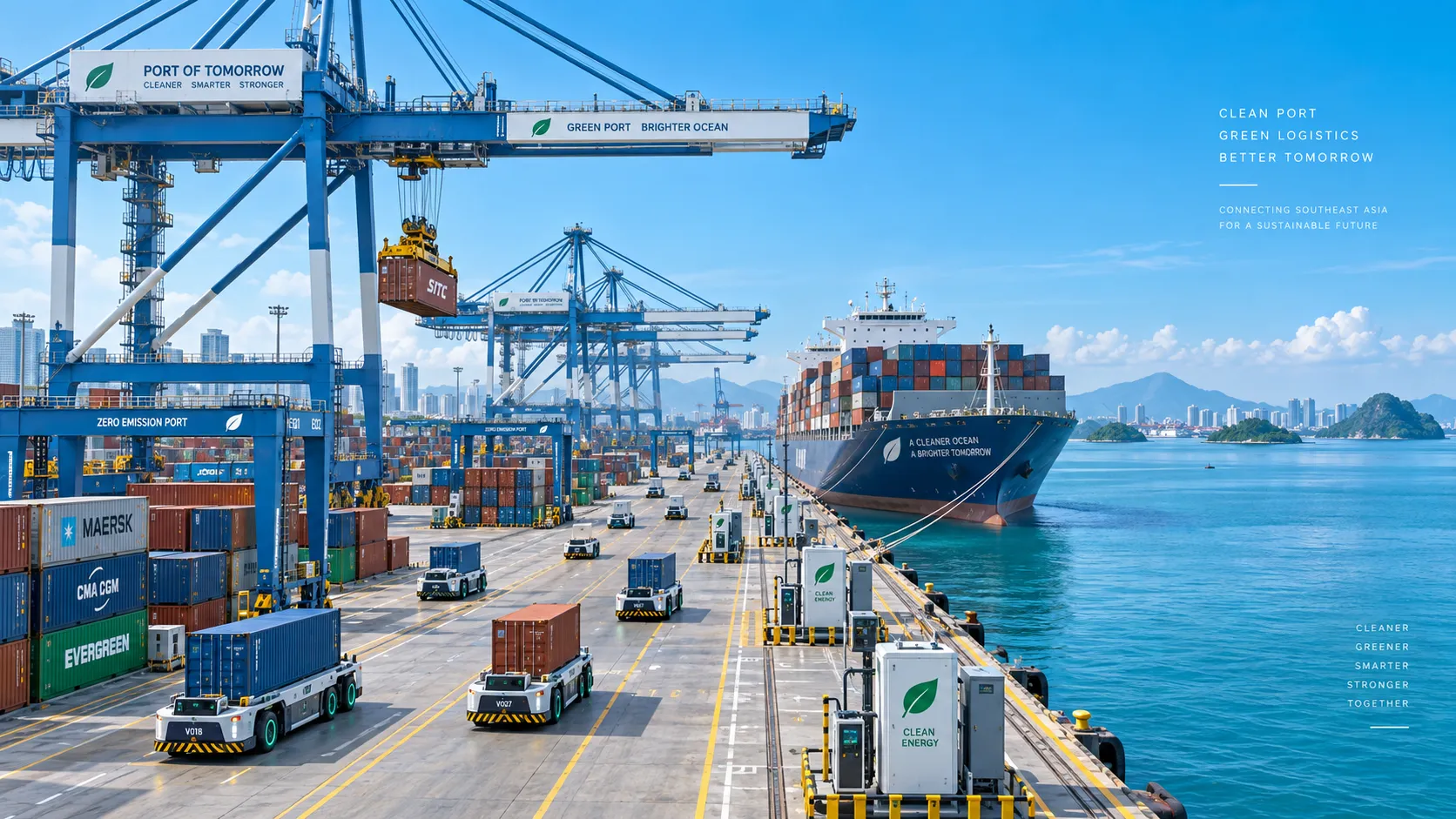
Smart Port Systems in Southeast Asia: Investment Priorities and Adoption Barriers
Smart port systems Southeast Asia: discover investment priorities, adoption barriers, and practical steps to build resilient, connected, high-performing terminals.
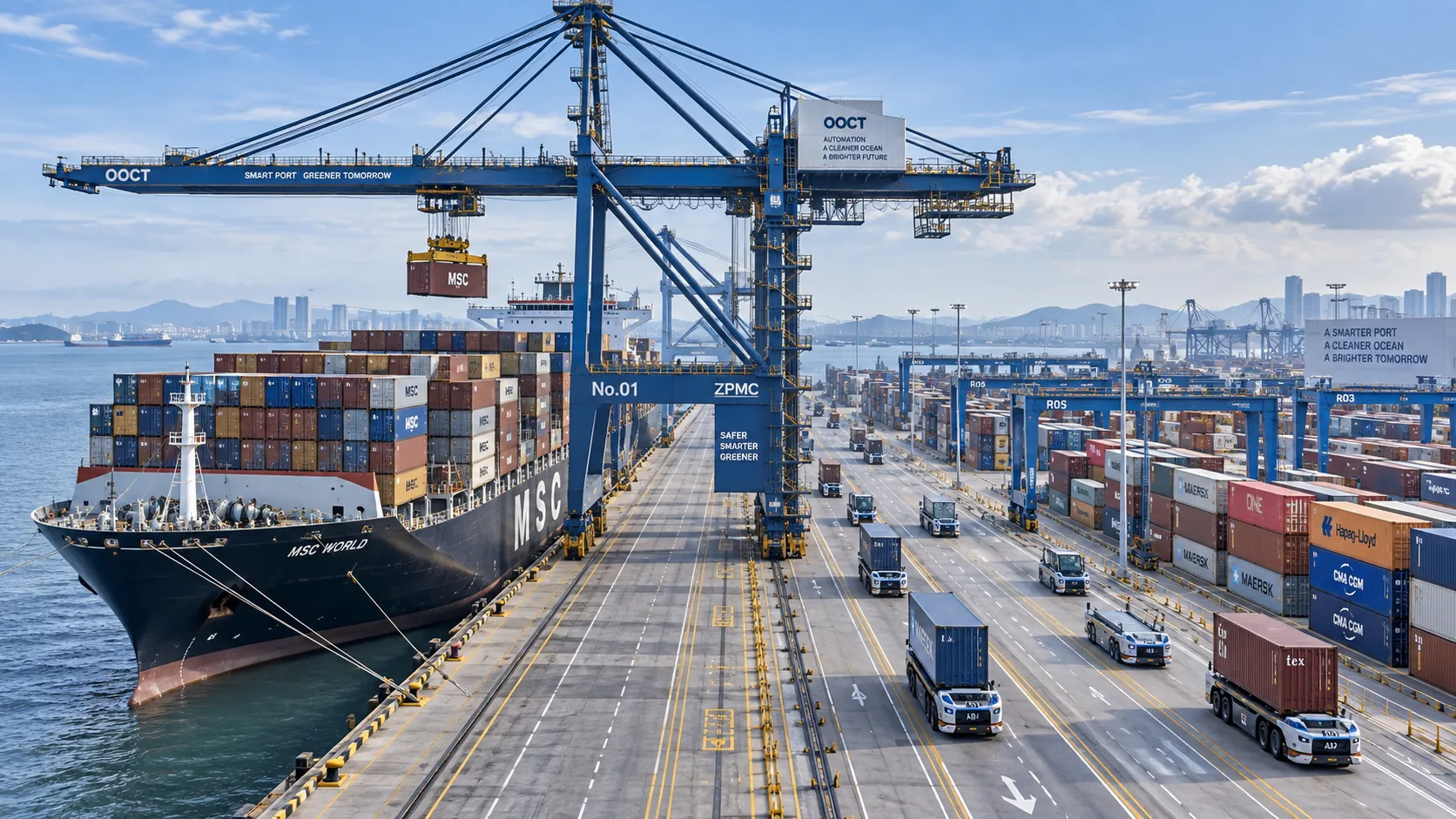
How to Specify a Quay Crane for Container Terminals by Vessel Size and Throughput?
Quay crane for container terminals: learn how to match outreach, lift height, capacity, automation, and cycle performance to vessel size and throughput goals.
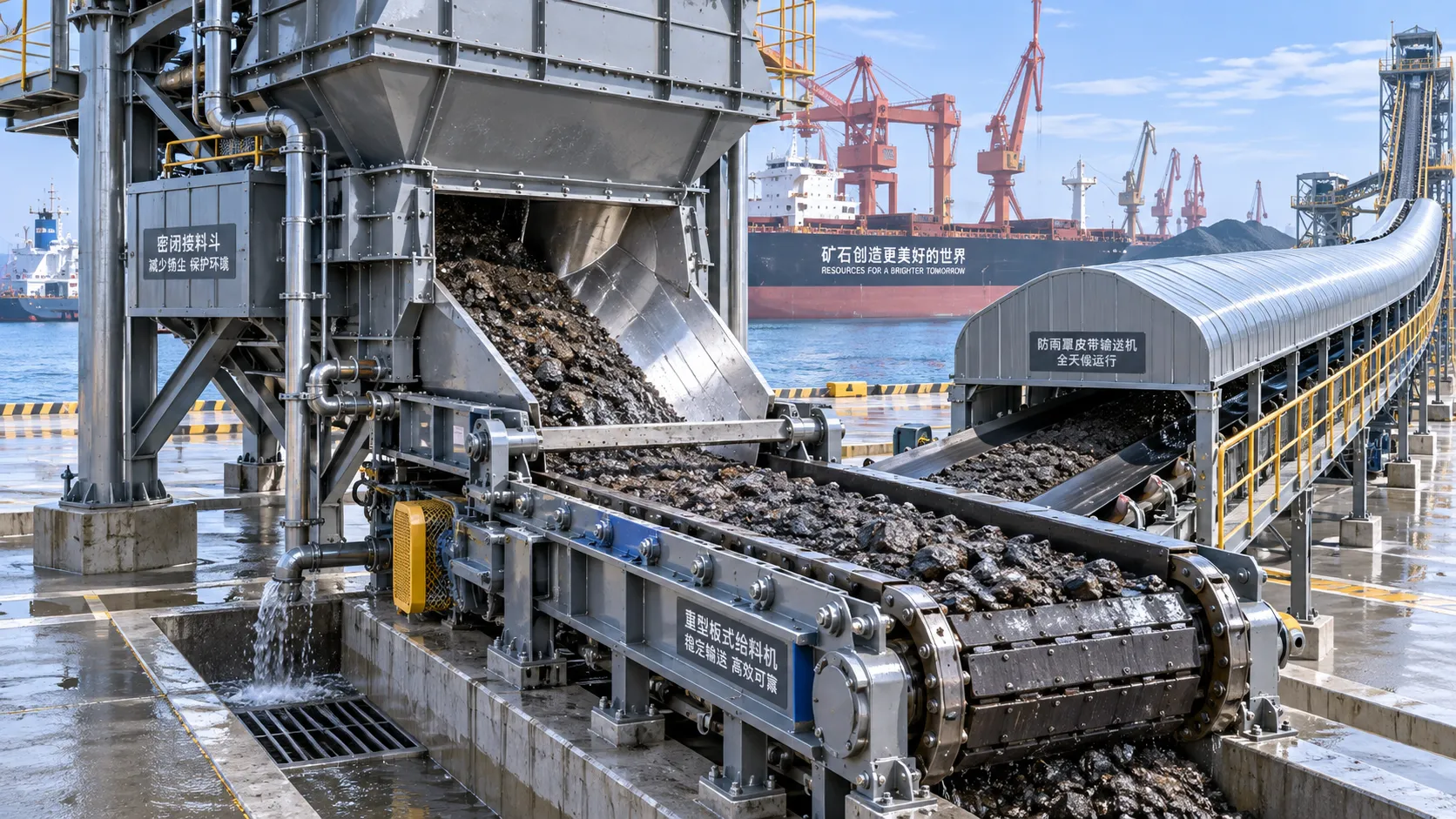
Which Bulk Handling Equipment Suits High-Moisture Cargo?
Which bulk handling equipment suits high-moisture cargo? Compare belt, apron, screw, drag, and slurry systems for reliable flow, less carryback, and higher terminal uptime.
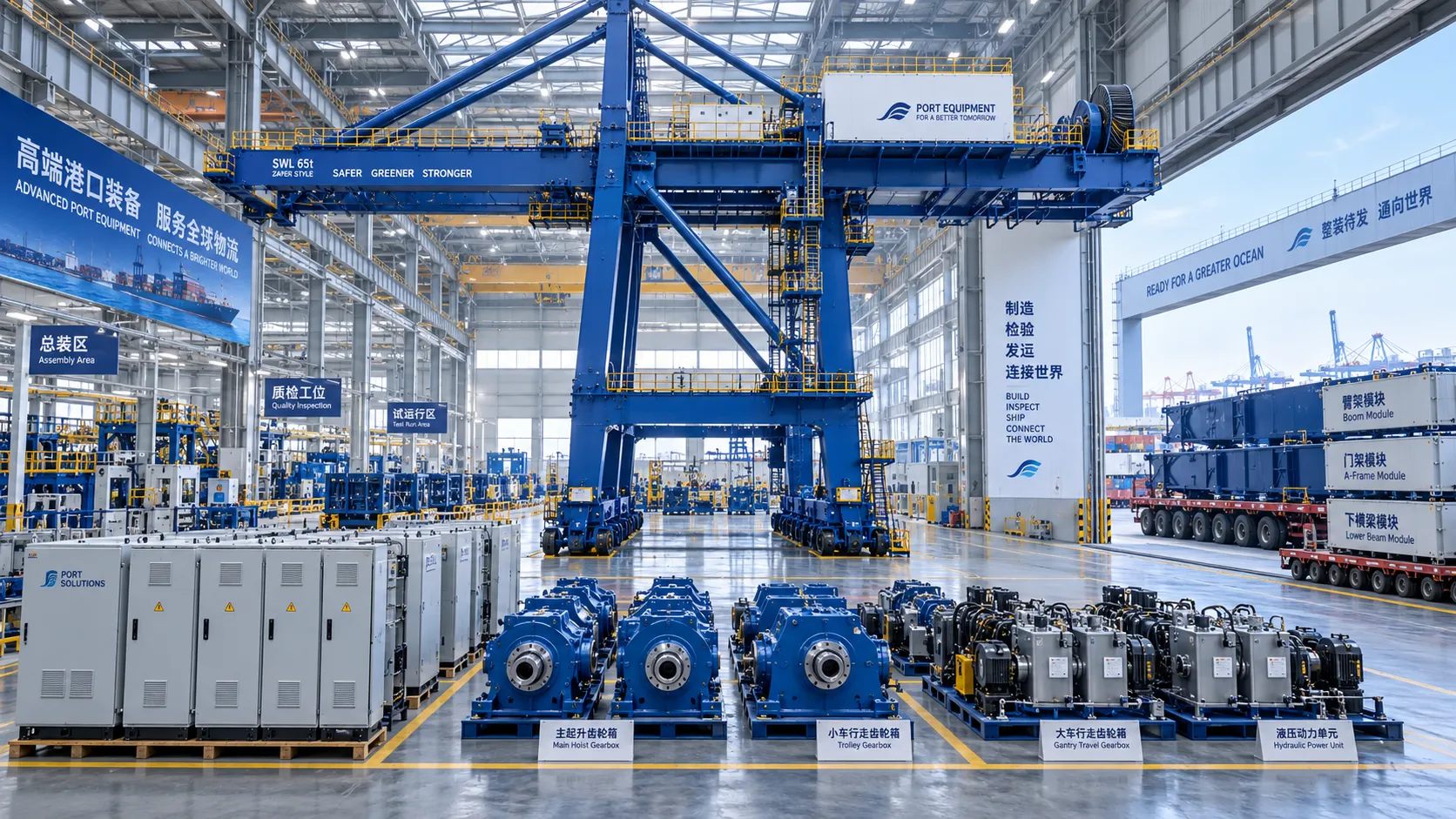
How Can Port Equipment Lead-Time Risk Be Managed?
How can port equipment lead-time risk be managed? Explore practical strategies to control critical paths, suppliers, transport, site readiness, and commissioning delays.
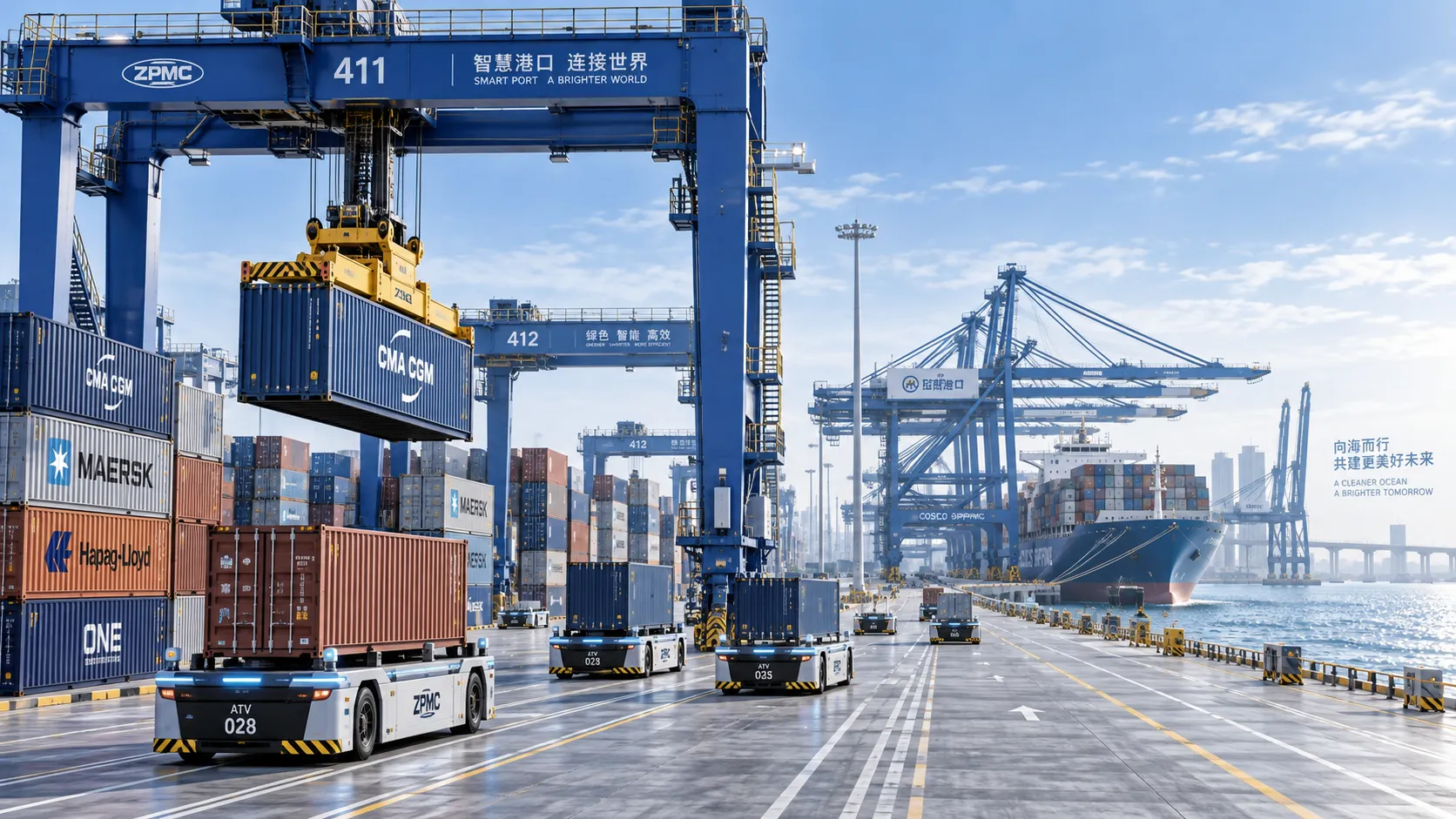
Terminal Automation Technologies That Raise Container Throughput Without Yard Disruption
Terminal automation technology that increases container throughput without disrupting yard flow. Explore smarter integration, resilient workflows, and phased deployment strategies.

Middle East Port Automation: Key Market Drivers, Projects, and Investment Risks
Port automation systems Middle East: explore market drivers, flagship projects, integration challenges, and investment risks shaping smarter, resilient terminals.
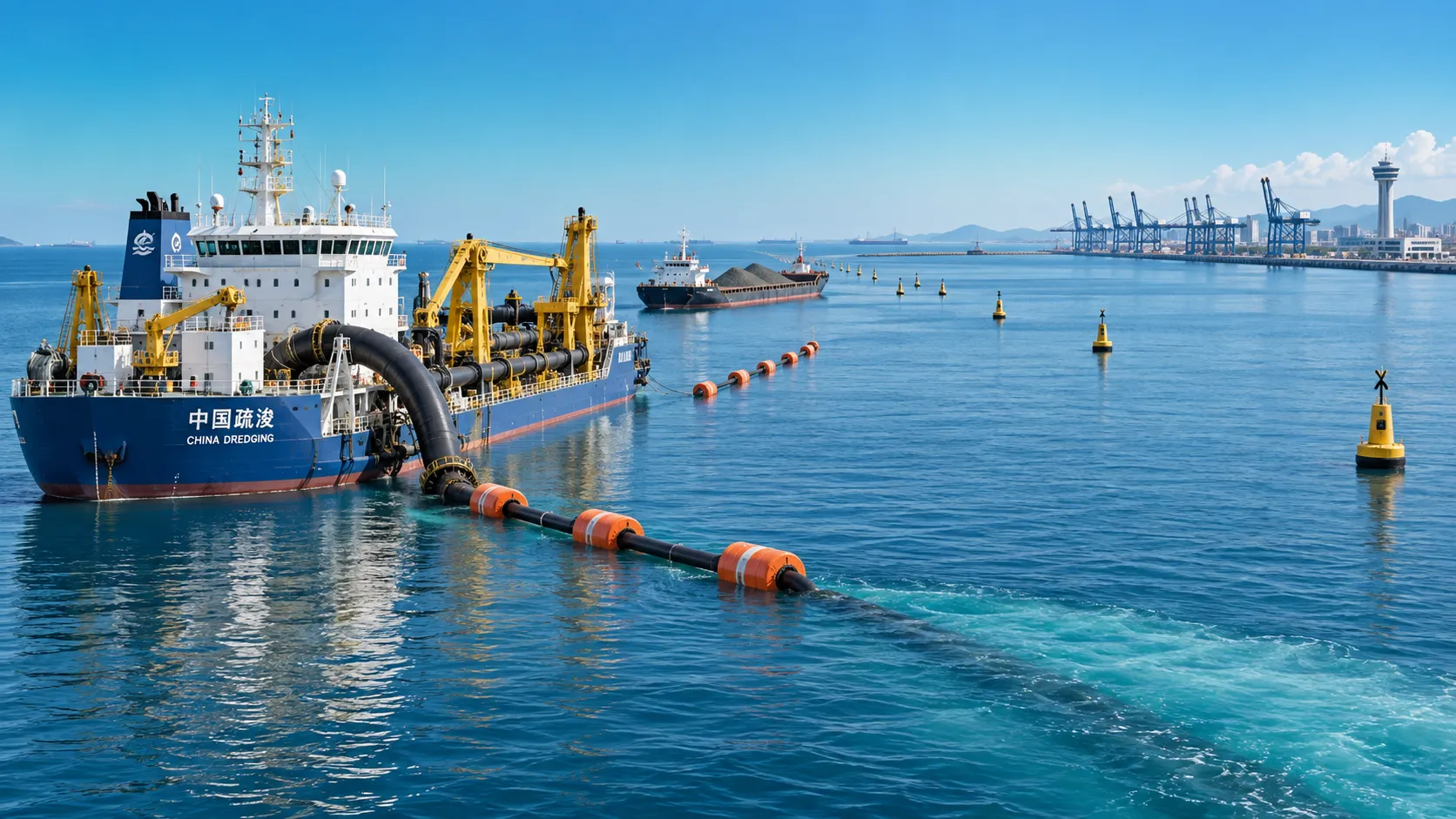
Planning Offshore Dredging Operations: Key Risks, Methods, and Project Controls
Offshore dredging operations demand smart planning. Explore key risks, proven methods, environmental controls, and project strategies for reliable delivery.
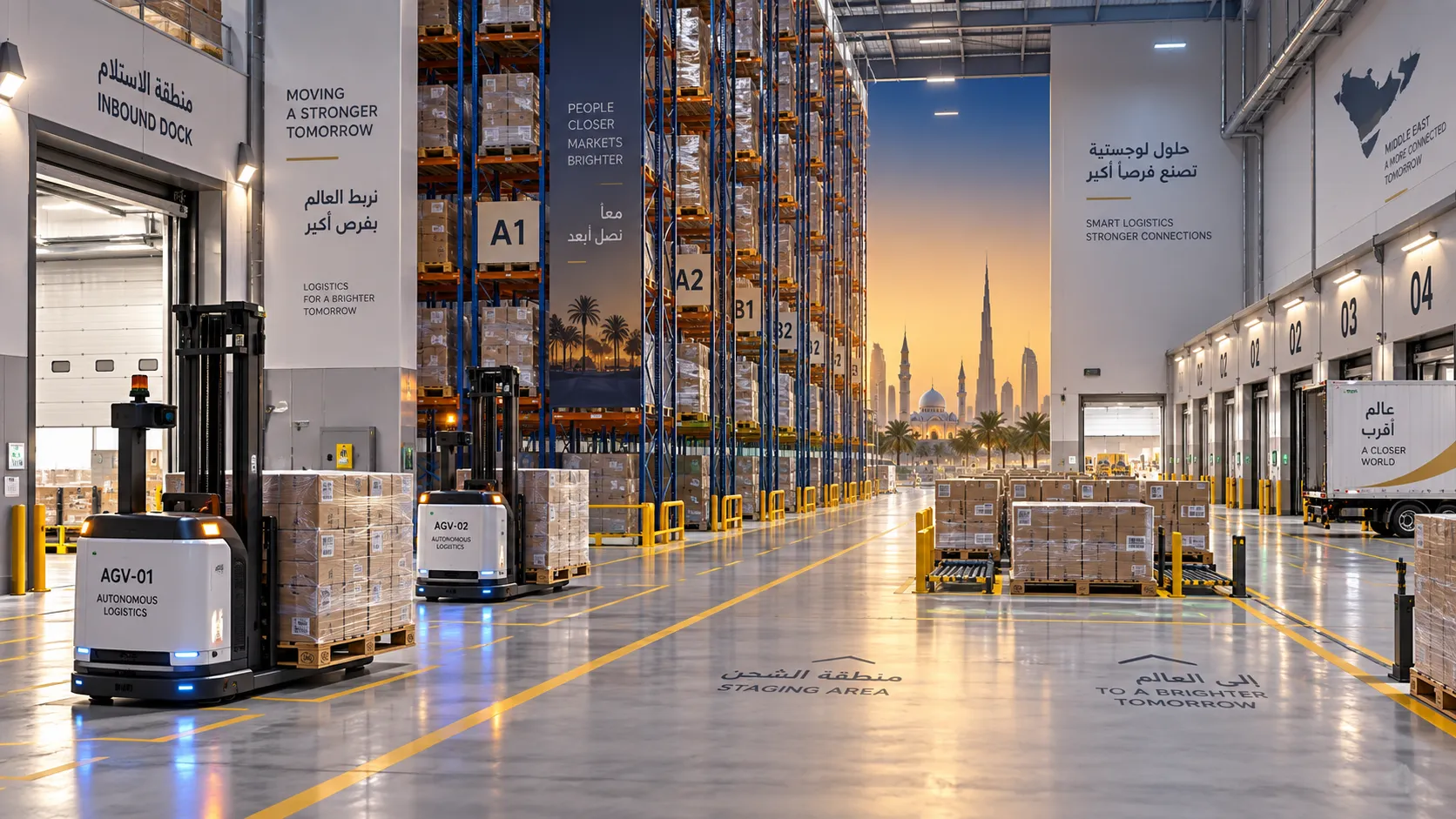
Where Do Automated Guided Vehicles Deliver the Fastest Warehouse Gains in the Middle East?
Automated guided vehicles Middle East: discover where AGVs deliver the fastest warehouse gains, from high-volume distribution centers to port logistics, manufacturing, and cold storage.

Smart Port Systems Pricing: How to Compare Lifecycle Costs and ROI by Terminal Scale
Smart port systems pricing explained: compare lifecycle costs, integration risks, and ROI by terminal scale to make smarter, resilient investment decisions.