Related News
- 00
0000-00
Smart Port Systems in Southeast Asia: Investment Priorities and Adoption Barriers - 00
0000-00
Middle East Port Automation: Key Market Drivers, Projects, and Investment Risks - 00
0000-00
How Coastal Cities Can Prioritize Blue Economy Projects for Jobs and Ecosystem Gains - 00
0000-00
How Harbor Construction Solutions Address Wave Loads, Scour, and Vessel Berthing - 00
0000-00
What Is Driving Maritime Infrastructure Growth in Southeast Asia?
Smart Port Systems in Southeast Asia: Investment Priorities and Adoption Barriers
Across Southeast Asia, the port is no longer simply the place where cargo changes transport modes. It is becoming a live operating system for trade: a place where vessel arrivals, quay cranes, yard vehicles, customs releases, energy consumption, and inland connections must be coordinated in near real time.
This is why smart port systems Southeast Asia have moved from an innovation topic to a board-level investment question. Rising container volumes, more volatile shipping schedules, pressure on terminal land, and decarbonization commitments are converging at a moment when many ports must expand capacity without being able to expand their physical footprint at the same pace.
For enterprise decision-makers, the central issue is not whether automation is valuable in principle. It is where to place capital first, how to avoid disconnected technology purchases, and how to modernize operations without creating unacceptable disruption. The strongest programs are rarely defined by the number of automated machines on site. They are defined by the quality of integration between equipment, control systems, data governance, people, and commercial priorities.
A Region of Different Port Realities
Southeast Asia is often discussed as one logistics market, but its ports operate in very different conditions. Major transshipment hubs manage dense vessel networks and demand exceptionally reliable berth, crane, and yard orchestration. Gateway ports serve fast-growing domestic manufacturing and consumer markets, where road congestion, customs coordination, and intermodal reliability can be as important as waterside productivity. Smaller regional ports may have a clearer need for digital visibility than for full-scale automation.
That diversity matters. A smart terminal model designed for a high-volume, deep-water hub cannot be copied unchanged to a developing multipurpose port handling containers, bulk cargo, project freight, and coastal shipping. The business case must begin with the operating bottleneck rather than the technology category.
In one terminal, the priority may be automated gate processing and truck appointment management. In another, it may be optical character recognition, remote crane operations, or an integrated terminal operating system that eliminates manual handoffs between planning teams. For bulk terminals, smart conveyor monitoring, stockyard optimization, predictive maintenance, and cargo flow visibility may provide a more immediate return than autonomous vehicles.
Why Investment Momentum Is Building
Trade growth remains a major driver, but it is not the only one. Port operators are also responding to a more demanding operating environment. Shipping lines expect quicker turnaround and better data exchange. Cargo owners want reliable milestones rather than vague arrival estimates. Governments are looking for supply chain resilience, stronger customs visibility, and lower transport emissions. Meanwhile, terminal operators must control labor, fuel, maintenance, and congestion costs even when freight markets and vessel schedules are unstable.
Digital systems offer a way to make these pressures visible before they become expensive. A connected port community platform can show where documentation is delaying a release. A yard optimization engine can identify emerging rehandle pressure. Condition-monitoring data can flag a crane component before an unexpected stoppage affects berth productivity. These capabilities do not remove operational complexity; they give management a better chance to act while options remain available.
There is also a strategic dimension. Ports are competing not only on berth depth and crane count, but on the predictability of the logistics ecosystem surrounding them. A terminal that shares trusted operational data with shipping lines, truckers, freight forwarders, inland depots, and border agencies becomes harder to bypass. In this sense, smart port investment is increasingly an investment in commercial relevance.
Where Capital Should Go First
Many investment plans begin with visible hardware: automated stacking cranes, automated guided vehicles, remote-controlled ship-to-shore cranes, or electrified handling fleets. These assets can transform terminal performance, especially where land is constrained and throughput is high. Yet they perform best when supported by a solid digital and operational foundation.
A more durable investment sequence usually starts with the systems that create operational truth. Decision-makers should consider four connected layers.
1. The operational data layer
Ports commonly have data trapped in equipment controllers, maintenance tools, terminal operating systems, spreadsheets, security systems, and separate customer portals. Before advanced analytics can be trusted, organizations need a clear approach to data ownership, quality, standards, and exchange. This does not always require replacing every legacy platform. It does require identifying the operational data that matters most: container status, equipment availability, berth plans, yard inventory, gate movements, power use, and exceptions.
Application programming interfaces, event-driven data exchange, and common data definitions are less glamorous than new machinery, but they are often where scalability begins. If each new application requires custom manual reconciliation, the port has digitized individual functions without creating an intelligent operation.
2. Terminal orchestration and scheduling
Scheduling is the practical heart of smart port systems. Berth allocation, crane deployment, vessel stowage information, yard zoning, truck arrivals, and labor planning are interdependent. A gain in one area can create friction elsewhere if decisions are made in isolation.
Investment in advanced planning tools, digital twins, and AI-assisted optimization can be particularly valuable when schedules change rapidly. The goal is not to hand every decision to an algorithm. It is to give planners a constantly updated view of constraints and scenarios: what happens if a vessel arrives six hours late, a crane becomes unavailable, or a peak gate period overlaps with a yard reshuffle?
For Southeast Asian terminals managing weather disruption, tidal constraints, feeder connections, and dense regional shipping patterns, this ability to simulate and re-plan can be more valuable than a static productivity target.
3. Intelligent equipment and remote operations
Automation hardware should follow a clearly defined operating case. Remote operation of quay cranes may improve safety and reduce exposure to demanding working environments. Automated yard cranes can improve stacking density and consistency. Autonomous or semi-autonomous horizontal transport can reduce repetitive movements across large terminals. In dredging and marine engineering, connected pump monitoring, positioning systems, and predictive diagnostics can improve equipment utilization and maintenance planning.
However, equipment automation should not be evaluated only on theoretical labor savings. Decision-makers need to assess cycle-time reliability, energy demand, maintenance competence, spare-parts support, cyber resilience, and the ability to operate during partial system failure. A highly automated terminal with weak exception handling can become less resilient than a well-managed conventional facility.
4. Energy, emissions, and asset health
Electrification is changing the investment equation for terminal equipment. Electric rubber-tyred gantry cranes, battery-powered vehicles, shore power readiness, smart charging controls, and energy management platforms can help ports reduce fuel exposure and meet tightening environmental expectations. But decarbonization projects require more than replacing diesel assets.
Operators need to understand grid capacity, charging windows, battery degradation, equipment duty cycles, and the cost of peak demand. Linking energy data to equipment scheduling is essential. Charging a fleet at the wrong time can create operational bottlenecks or unnecessary electricity costs; charging decisions integrated into shift planning can protect both productivity and emissions goals.
The Adoption Barriers That Matter Most
The biggest barriers to smart port adoption are rarely a lack of available technology. Southeast Asia has access to mature terminal software, automation suppliers, industrial sensors, connectivity providers, and analytics platforms. The challenge is making them work as a coherent operating model.
Legacy environments and fragmented procurement
Many terminals have expanded in phases, adding equipment, software, and subcontracted services over years. The result is a patchwork of protocols and workflows. A new system may technically connect to older assets, but the integration can be costly, brittle, or dependent on a small number of specialists.
Fragmented procurement makes this worse. If automation, IT, maintenance, cybersecurity, and operations teams each buy solutions independently, the organization can end up with multiple dashboards but no shared decision layer. Procurement should therefore include interoperability requirements, data-access rights, lifecycle support, and clear responsibility for integration—not just equipment specifications and initial price.
Connectivity and cybersecurity exposure
Remote equipment control, connected sensors, cloud platforms, and port community systems all increase the importance of secure, low-latency connectivity. Private 5G, industrial Wi-Fi, fiber networks, edge computing, and redundant communications may all have a place, depending on terminal design and criticality.
Yet more connectivity also expands the attack surface. Ports are critical infrastructure, and an outage can affect shipping, customs, trucking, and local industry simultaneously. Cybersecurity cannot be treated as an IT checklist applied after commissioning. It needs to be built into network segmentation, vendor access controls, patch management, identity governance, backup procedures, and incident drills. Operational technology teams must be involved because a security control that ignores real-time equipment requirements may create its own safety or productivity risk.
Workforce transition and trust
Automation changes jobs before it eliminates them. Crane operators may become remote operators. Maintenance teams may need to interpret sensor data and support software-driven equipment. Planners may shift from manual allocation to supervising optimization tools and resolving exceptions.
Resistance often grows when employees hear only that a system will “improve efficiency.” They need to understand what work will change, what training is available, and where human judgment remains essential. The most successful transitions tend to involve supervisors, operators, maintenance specialists, and safety teams early in the design process. They are the people most likely to spot the exceptions that are invisible in a project presentation.
Unclear return on investment
A large automation project can have a long payback period, especially when civil works, power upgrades, integration, training, and transition operations are included. This does not make the project unattractive, but it means the investment case must be more complete than a simple comparison of headcount and equipment capacity.
Executives should measure benefits across throughput, berth reliability, yard density, equipment availability, energy use, maintenance cost, safety exposure, truck turnaround time, and customer service. They should also recognize strategic value: the ability to handle larger call sizes, preserve service quality during labor shortages, meet shipper reporting requirements, or connect to wider digital trade corridors.
A Practical Path: Build in Modules, Not in Silos
For many operators, a phased program offers a safer route than an all-at-once transformation. The first phase can focus on process visibility and data discipline: mapping operational events, cleaning master data, integrating critical systems, and establishing performance baselines. This creates the conditions for targeted improvements in gates, yards, maintenance, or vessel planning.
The next phase can introduce decision support and selective automation where bottlenecks are proven. Only then should the organization consider broader autonomous workflows or large-scale equipment replacement, unless a greenfield development justifies designing the full operating model from the beginning.
At each stage, management should test a simple question: does this investment improve the port’s ability to make and execute decisions under disruption? If the answer is no, the project may still be useful, but it should not be confused with a core smart port capability.
What Decision-Makers Should Ask Before Committing
- Which operational constraint is limiting growth today: berth capacity, yard congestion, gate flow, equipment reliability, labor availability, or information delay?
- Which data source will be considered authoritative when systems disagree?
- Can the proposed solution exchange data with terminal, customs, shipping line, and inland logistics systems without permanent custom work?
- What happens when automation fails, communications are interrupted, or vessel schedules change abruptly?
- Does the workforce plan include training, new roles, and transition procedures alongside technology deployment?
- How will productivity, resilience, energy performance, and customer experience be measured after go-live?
These questions may slow the early procurement process, but they prevent a far more costly outcome: investing in isolated technology that adds complexity without improving terminal control.
The Strategic Outlook for Smart Port Systems Southeast Asia
The next wave of port competition in Southeast Asia will be shaped by coordination. Physical infrastructure remains indispensable—deep channels, reliable quay walls, high-capacity cranes, efficient bulk handling systems, and well-designed yards cannot be replaced by software. But the performance of those assets will increasingly depend on how intelligently they are connected.
For operators, investors, equipment suppliers, and logistics partners, the opportunity lies in creating ports that are not merely automated, but adaptable. That means combining mechanical capacity with digital scheduling, resilient communications, transparent data exchange, and people capable of managing exceptions when trade does not follow the plan.
PS-Nexus tracks this intersection of terminal machinery, automation architecture, marine engineering, and global trade dynamics because the strategic decisions are now inseparable. A crane, an AGV route, a dredging pump, and a berth plan may appear to belong to different technical disciplines. In a smart port, they are all part of one operational conversation—and the ports that learn to manage that conversation well will be better positioned for the region’s next chapter of growth.
Related News
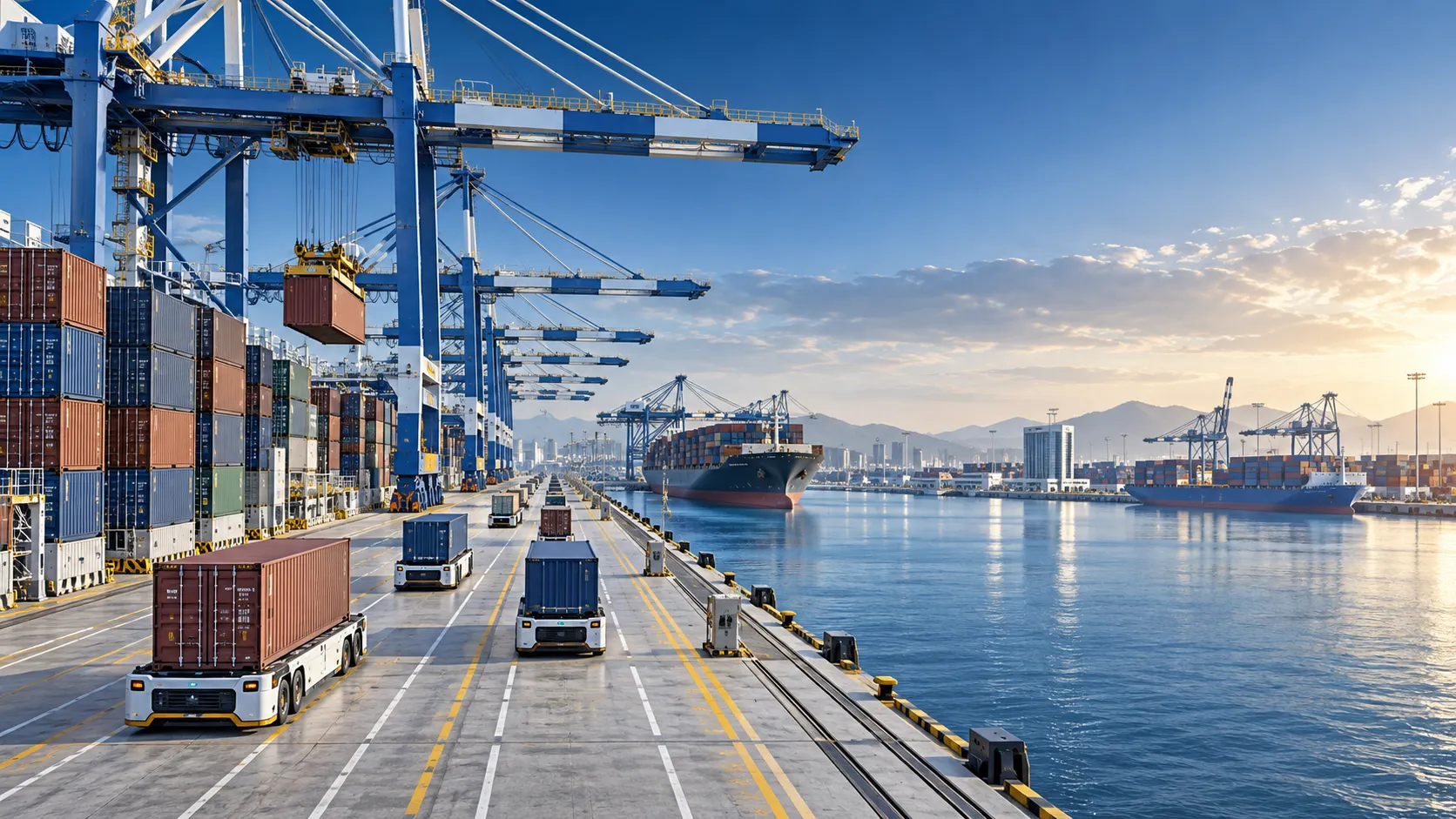
How to Evaluate Terminal Efficiency Solution Suppliers for High-Throughput Operations
Choose a terminal efficiency solutions supplier with confidence. Explore proven criteria for throughput, integration, lifecycle cost, safety, and reliable delivery.
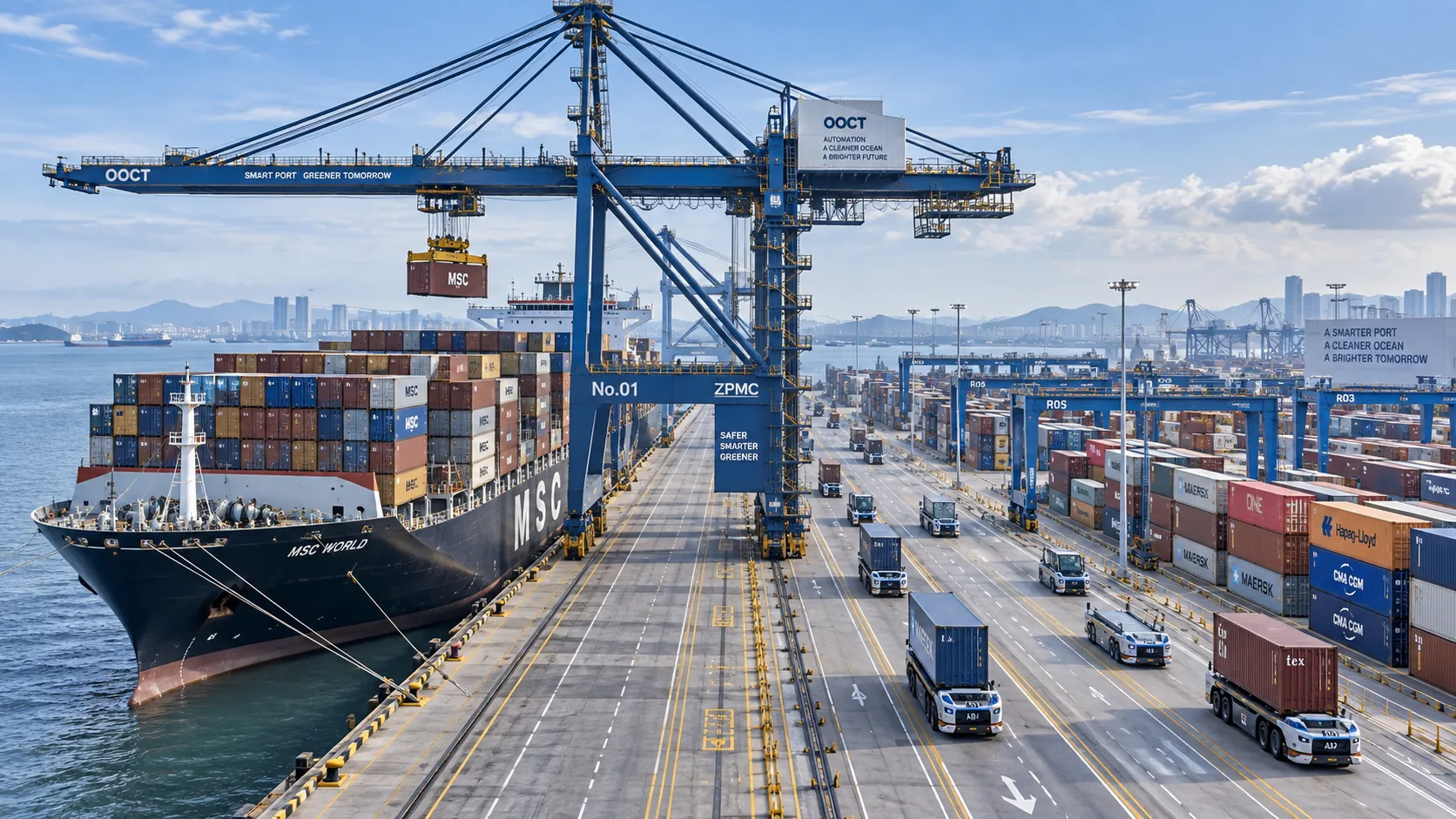
How to Specify a Quay Crane for Container Terminals by Vessel Size and Throughput?
Quay crane for container terminals: learn how to match outreach, lift height, capacity, automation, and cycle performance to vessel size and throughput goals.
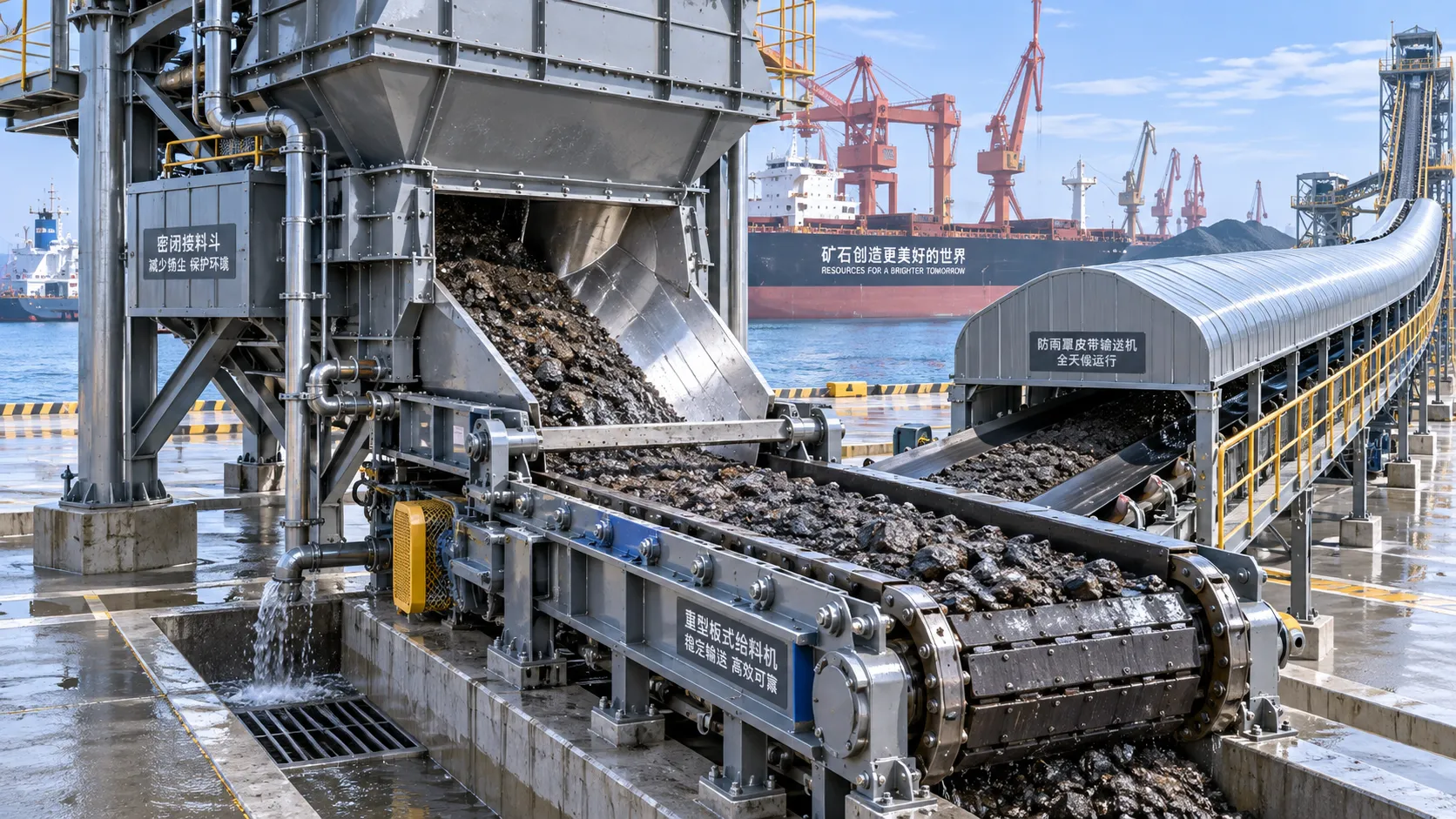
Which Bulk Handling Equipment Suits High-Moisture Cargo?
Which bulk handling equipment suits high-moisture cargo? Compare belt, apron, screw, drag, and slurry systems for reliable flow, less carryback, and higher terminal uptime.
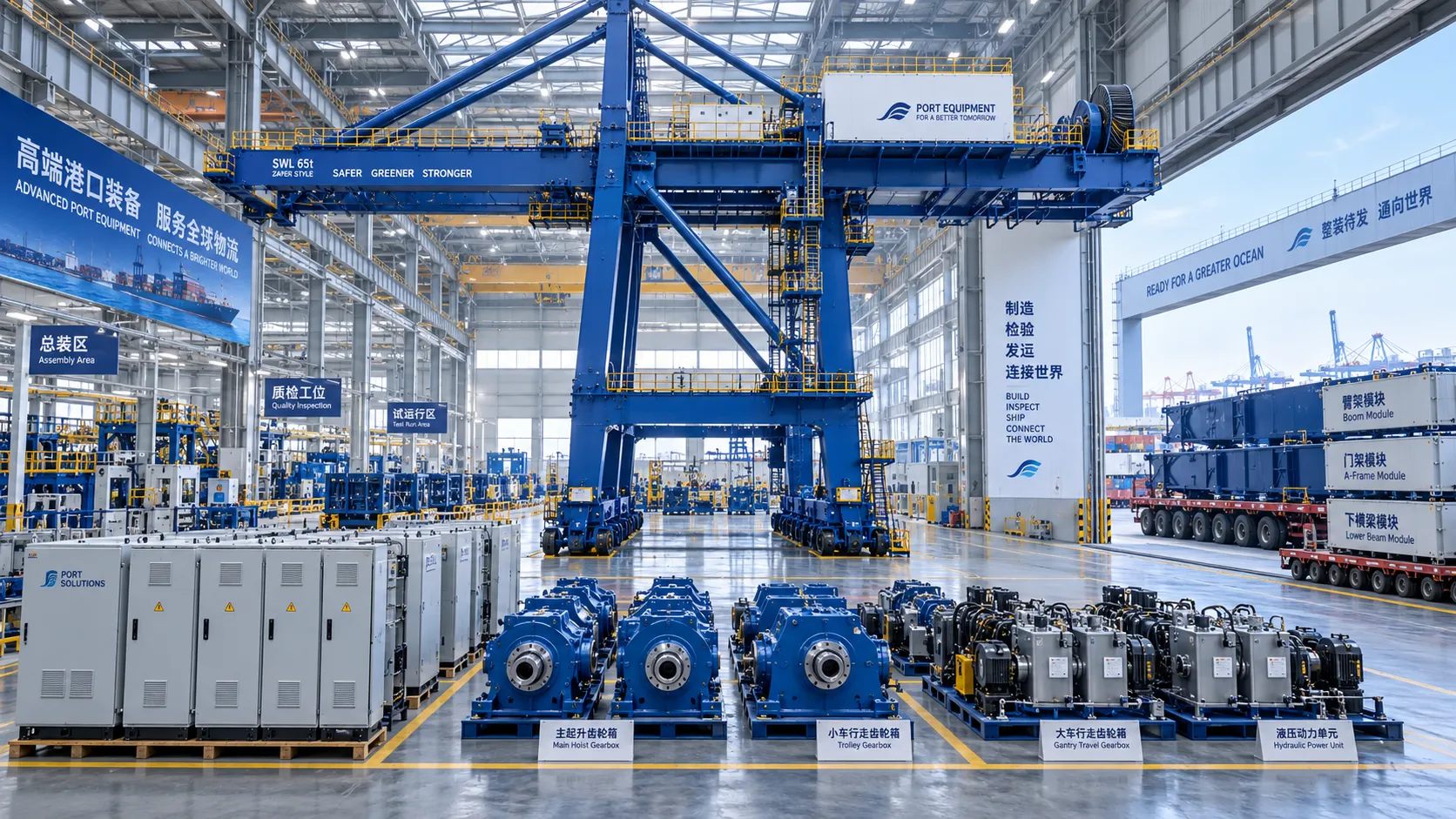
How Can Port Equipment Lead-Time Risk Be Managed?
How can port equipment lead-time risk be managed? Explore practical strategies to control critical paths, suppliers, transport, site readiness, and commissioning delays.
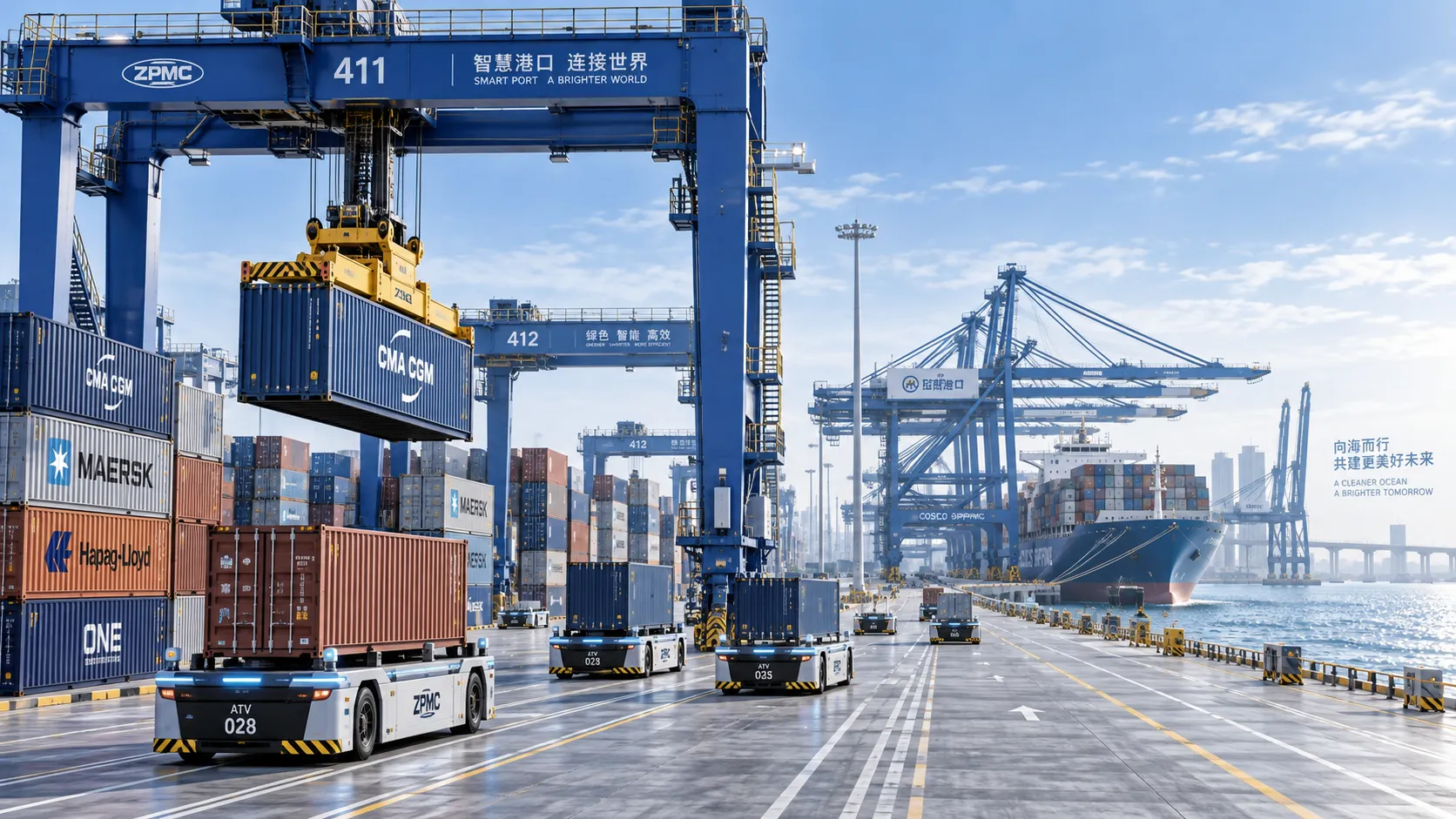
Terminal Automation Technologies That Raise Container Throughput Without Yard Disruption
Terminal automation technology that increases container throughput without disrupting yard flow. Explore smarter integration, resilient workflows, and phased deployment strategies.
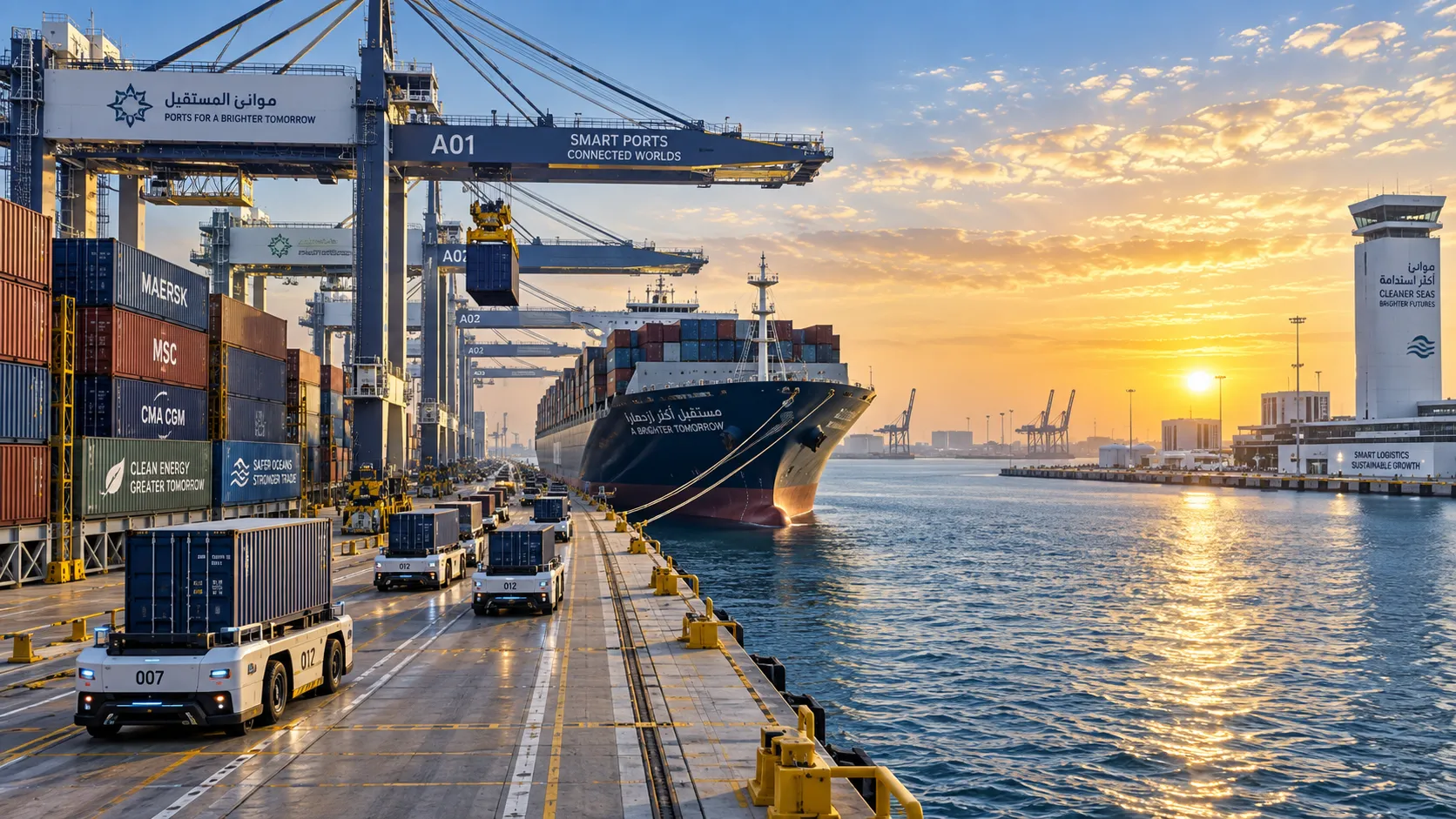
Middle East Port Automation: Key Market Drivers, Projects, and Investment Risks
Port automation systems Middle East: explore market drivers, flagship projects, integration challenges, and investment risks shaping smarter, resilient terminals.
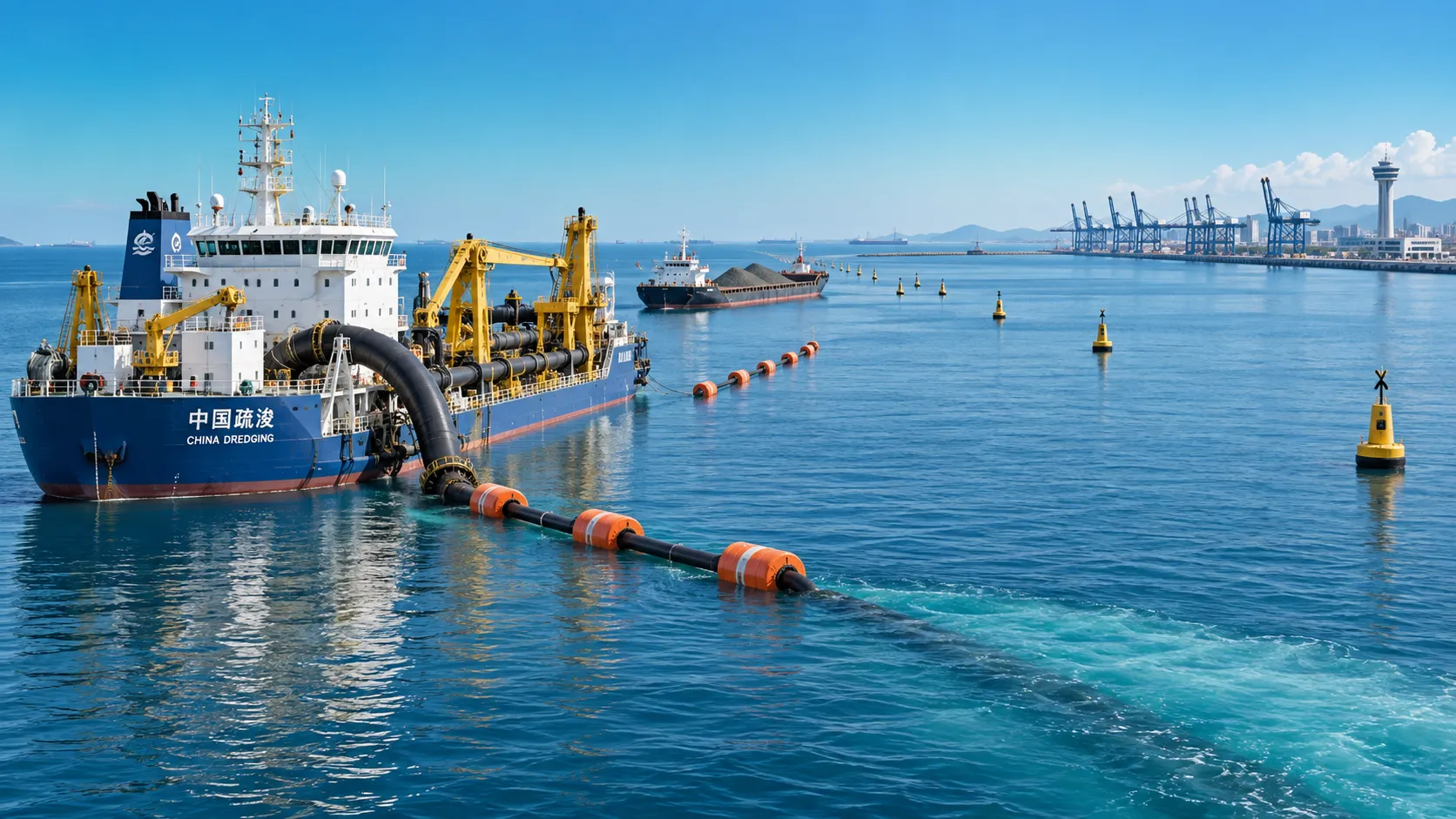
Planning Offshore Dredging Operations: Key Risks, Methods, and Project Controls
Offshore dredging operations demand smart planning. Explore key risks, proven methods, environmental controls, and project strategies for reliable delivery.
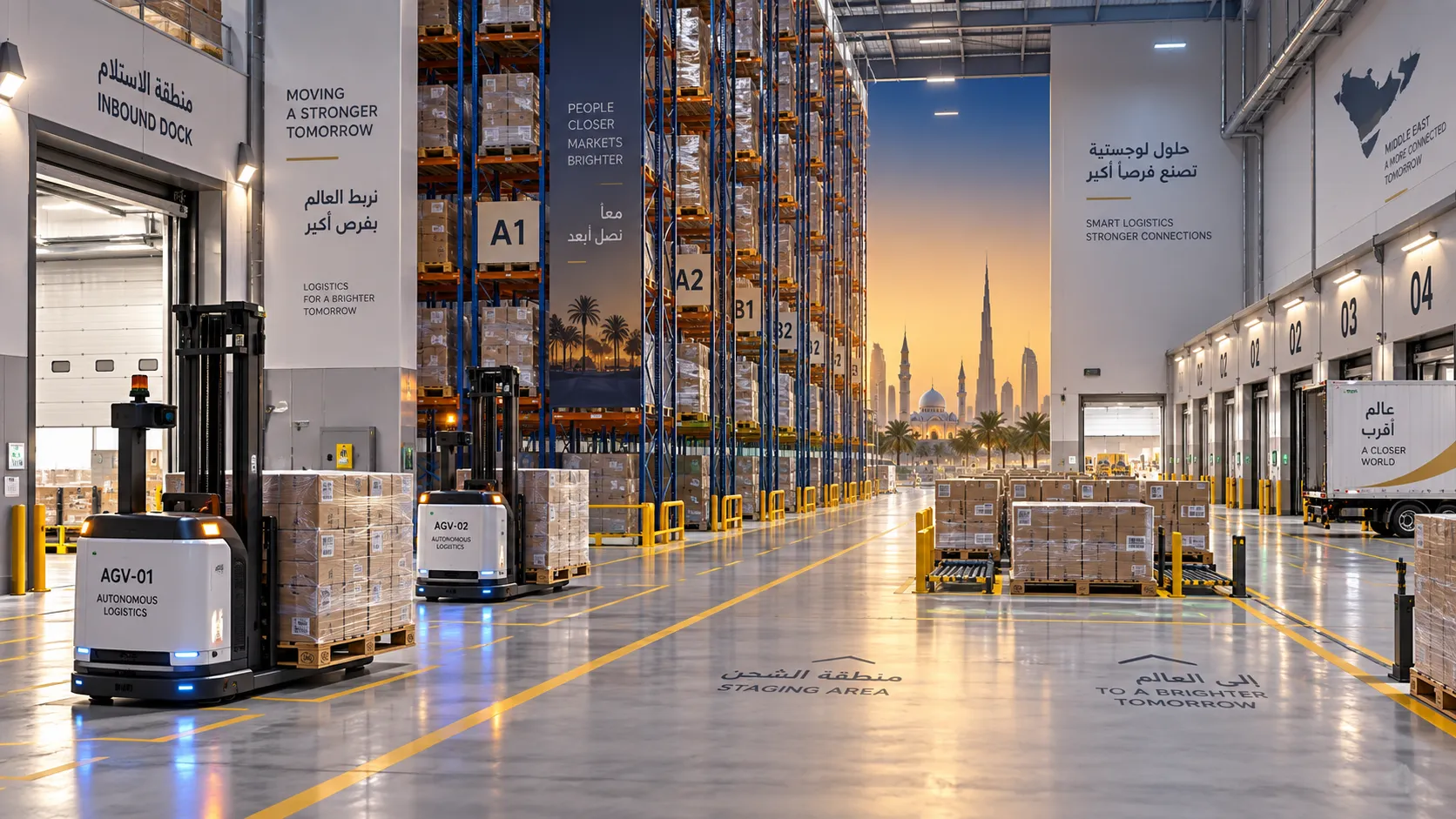
Where Do Automated Guided Vehicles Deliver the Fastest Warehouse Gains in the Middle East?
Automated guided vehicles Middle East: discover where AGVs deliver the fastest warehouse gains, from high-volume distribution centers to port logistics, manufacturing, and cold storage.
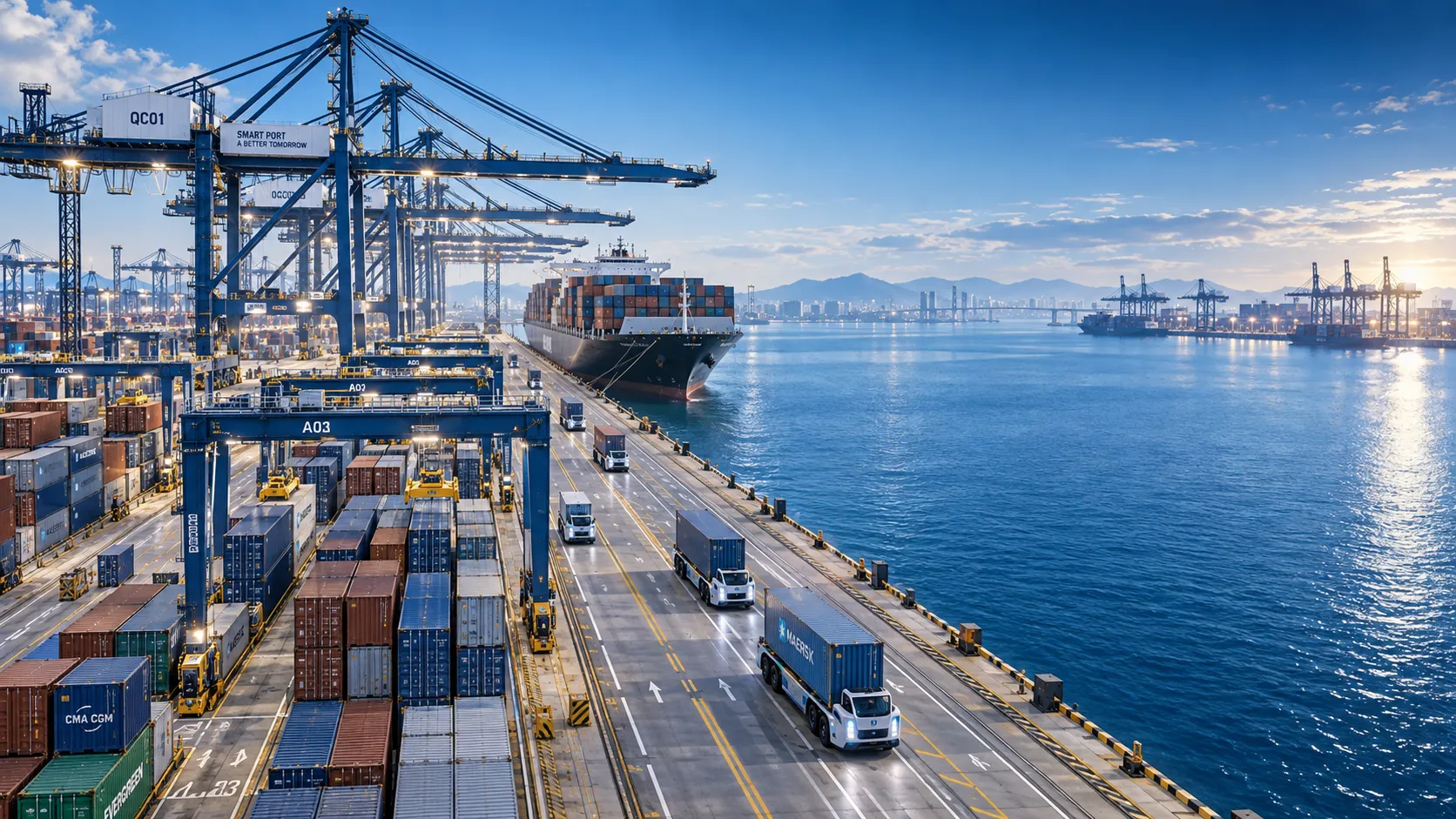
Smart Port Systems Pricing: How to Compare Lifecycle Costs and ROI by Terminal Scale
Smart port systems pricing explained: compare lifecycle costs, integration risks, and ROI by terminal scale to make smarter, resilient investment decisions.