Related News
- 00
0000-00
Smart Port Systems in Southeast Asia: Investment Priorities and Adoption Barriers - 00
0000-00
Middle East Port Automation: Key Market Drivers, Projects, and Investment Risks - 00
0000-00
How Coastal Cities Can Prioritize Blue Economy Projects for Jobs and Ecosystem Gains - 00
0000-00
How Harbor Construction Solutions Address Wave Loads, Scour, and Vessel Berthing - 00
0000-00
What Is Driving Maritime Infrastructure Growth in Southeast Asia?
How Harbor Construction Solutions Address Wave Loads, Scour, and Vessel Berthing
A berth can look complete at handover and still carry a hidden problem. The quay wall is straight, the deck is clean, the mooring fittings are installed, and vessels are already expected to use the facility. Then a seasonal storm arrives, a long-period swell enters the basin, or a deeper-draft vessel makes contact slightly off the intended approach line. Fender reactions rise, deck joints begin to work, fill material settles near the wall, and localized seabed erosion becomes visible around the toe.
These conditions are frustrating because they are rarely caused by one obvious failure. Wave climate, soil behavior, structural stiffness, drainage, bathymetry, vessel movements, and construction tolerances interact. If they are assessed separately, a project can meet individual design assumptions while still creating a weak interface between the berth, the foundation, and the seabed. Effective harbor construction solutions begin by treating those interfaces as one operating system rather than a set of unrelated civil works.
The first warning is often operational, not structural
In many ports, the earliest sign of trouble is not a visible crack. It may be an increase in berth occupancy restrictions during rough weather, repeated fender inspections after ordinary calls, more frequent dredging near a quay corner, or a vessel master reporting uncomfortable surge while alongside. These observations should not be dismissed as routine marine variability. They can point to a mismatch between the site’s actual behavior and the assumptions used during planning.
A berth is subjected to several types of loading at once. Waves create direct pressure on exposed structures and can induce cyclic movement in armor, piles, and backfill. Currents and propeller wash can remove bed material. Mooring lines transmit fluctuating forces as a vessel moves with waves and wind. Berthing introduces short-duration but substantial energy, especially where approach control, tug assistance, vessel geometry, or fender alignment varies. The difficult part is that one action can intensify another: scour can reduce foundation support, reduced support can alter structural response, and altered response can change how berthing loads are distributed.
Before selecting a repair detail or adding more concrete, it helps to establish which mechanism is actually governing the risk. A large wave return wall will not correct a toe scour problem. A heavier fender panel will not resolve inadequate anchorage behind the facing system. Extra rock placed without understanding flow patterns may simply migrate and create a new maintenance issue elsewhere.
Start with the operating envelope, not the drawing set
Design drawings remain important, but they show intended geometry rather than current conditions. The practical starting point is to define the berth’s real operating envelope: vessel types, arrival headings, draft ranges, tide conditions, loading states, tug practices, expected occupancy, local wave directions, and periods when cargo operations must continue. This information frames every later decision.
For example, a berth designed around nominal vessel contact energy may experience different forces when vessels arrive in ballast, when current acts across the approach, or when a long vessel contacts fenders unevenly due to hull geometry. Similarly, a basin that appears sheltered on a chart may admit long-period wave energy through an entrance alignment that only becomes significant under certain offshore conditions. A solution should be checked against those operating conditions, not merely against a generic marine loading category.
Useful baseline information normally includes recent bathymetric surveys, visible-condition records for fenders and marine structures, details of previous maintenance dredging, soil and groundwater information, tide and current observations, and available vessel-call records. Where signs of movement exist, inspection may also need to consider deck settlement, coping-beam cracking, corrosion at connections, joint opening, pile alignment, and drainage performance behind retaining elements.
The goal is not to create an oversized investigation. It is to avoid making a permanent intervention based on an incomplete story. A short, focused field program often reveals whether the concern is concentrated at one berth pocket, one corner transition, one pile line, or one recurring vessel interface.
Wave action must be translated into local structural behavior
Wave load assessment is sometimes reduced to a design wave height. That is rarely enough for an exposed or semi-sheltered harbor structure. Wave period, direction, water level, reflection, diffraction around breakwaters, and basin resonance can change the pressures reaching a quay face. A smaller but longer-period wave can produce vessel motions that matter more for berth operations than a larger short-period sea.
The appropriate response depends on where the energy is acting. For a rubble-mound breakwater or revetment, the concern may be armor stability, crest overtopping, filter integrity, and toe protection. For a vertical quay wall, attention shifts toward wave reflection, uplift, cyclic pressure, deck drainage, and the behavior of backfill and joints. For pile-supported structures, wave and current loading may act directly on piles while also influencing the seabed around them.
When reviewing possible harbor construction solutions, it is useful to separate “reduce the incoming energy” from “increase the structure’s resistance.” Offshore or entrance-side measures may alter exposure but can affect navigation, sediment transport, and maintenance dredging. Local measures, such as modifying a return wall, improving deck drainage, strengthening connections, or protecting vulnerable faces, can be more targeted but may not solve broader basin agitation. The right choice follows the load path.
Physical or numerical modeling can be justified where geometry is complex, vessel motion is sensitive, or proposed changes could redirect wave energy toward another critical area. These tools are most valuable when used to compare specific alternatives and operational conditions, rather than as a substitute for sound site data. The outputs should be reviewed alongside constructability: access from water, work windows, navigation safety, underwater tolerances, and the ability to inspect the finished work.
Scour is a foundation issue disguised as a dredging issue
Scour often receives attention only after a survey shows an unexpectedly deep pocket. By that point, the question should not be limited to how much material has been lost. The more important questions are where the erosion began, whether it is active, and what structural element depends on the affected soil.
At a berth, scour may develop from tidal currents accelerating around a corner, flow through gaps in a structure, vessel propeller wash, thruster use during maneuvering, reflected wave action, or discharge from drainage outlets. It can occur at the toe of a quay wall, around pile groups, beneath a suspended slab edge, beside dolphins, or at transitions between hard and soft bed protection. The geometry of adjacent dredged channels matters as well; a steep slope or recently deepened pocket can change local flow and sediment behavior.
There is a common temptation to place rock immediately where the deepest depression appears. Rock protection may be appropriate, but its effectiveness depends on gradation, layer thickness, filter design, edge restraint, and the condition of the underlying bed. If a filter is missing or poorly matched, finer material can be drawn upward through voids. If the protection ends abruptly, scour may shift to its edge. If propeller wash is the primary mechanism, the protective zone must cover the actual jet footprint rather than only the visibly eroded center.
A durable approach examines the seabed as part of the structural system. Survey the affected area beyond the obvious hole. Compare repeat surveys where available. Identify changes in vessel maneuvering or dredging geometry. Confirm whether buried toe elements, pile caps, sheet-pile embedment, or utility crossings are exposed or at risk. Then select protection that remains stable under the expected hydraulic actions and can be inspected after storms or maintenance activities.
Transitions deserve disproportionate attention
Many failures begin at a transition: the end of an armor apron, the junction between a quay and a slope, the interface between a piled jetty and reclaimed land, or the point where a dredged pocket meets natural seabed. These locations experience changing stiffness, changing flow, and sometimes uncertain construction tolerances. A design review that focuses only on the central portion of a structure can miss the area most likely to initiate progressive damage.
Connection details should therefore be examined early. This includes overlap between protection layers, anchoring at edges, compatibility between geotextiles and granular filters, and allowance for settlement. If settlement is anticipated, rigid protection may require a different support arrangement than flexible protection. The aim is not to prevent every movement; it is to ensure that movement does not open a path for erosion or load redistribution.
Berthing forces are about alignment, energy, and load transfer
Fenders are often viewed as replaceable equipment, but they are part of the structural load chain. Energy from a vessel must pass through the fender system, the panel, the brackets or chains, the anchors, the facing structure, and ultimately the supporting foundation. A fender can be correctly rated in isolation yet perform poorly if the panel does not align with the vessel hull, if reaction loads concentrate at one connection, or if the supporting concrete has deteriorated.
The review should begin with the vessels that will actually use the berth. Hull form, bow flare, draft variation, tidal range, bollard arrangement, expected approach angle, and the possibility of eccentric contact all affect fender performance. A system intended for broad side contact may behave differently when a vessel first touches near a panel edge. At corner berths, vessel movement can introduce combined compression, shear, and torsion that are not evident from a simple straight-line layout.
Berthing energy is only one part of the assessment. Mooring loads and vessel motions alongside may govern the long-term fatigue demand on fittings and connections. Where surge, heave, or yaw is present, mooring lines can cycle and transfer repeated loads to bollards, hooks, dolphins, and deck reinforcement. If operational teams compensate by changing mooring patterns or restricting calls, that information should be fed back into the engineering review.
Good harbor construction solutions coordinate fender selection with structural verification and operational procedures. This may involve adjusting panel spacing, improving local reinforcement, upgrading anchorage, modifying protective facings, or revisiting approach guidance and allowable conditions. The strongest option is not always the largest fender. It is the arrangement that controls vessel contact forces while maintaining a reliable, inspectable load path into the berth structure.
A practical sequence for choosing an intervention
Once the governing mechanisms are clearer, alternatives can be evaluated without jumping straight to a preferred material or contractor method. Begin by defining the consequence of inaction. Is the issue mainly a maintenance burden, an operational restriction, a risk to structural capacity, or a combination of these? The answer influences the urgency, acceptable work window, and level of redundancy needed.
Next, compare options against the conditions that will determine whether they remain effective:
- Can the measure resist the expected wave, current, propeller, and berthing actions without transferring the problem to an adjacent area?
- Does it work with the existing foundation, wall type, pile arrangement, and drainage path?
- Can it be installed within tidal, marine-access, and operational constraints?
- Will it remain inspectable, repairable, and compatible with future dredging or berth upgrades?
- Does the design account for construction tolerances, underwater placement accuracy, and likely settlement?
These questions often reveal why apparently simple repairs fail during implementation. A robust rock apron may be difficult to place accurately beside active piles. A cast-in-place strengthening detail may require access or dewatering that interrupts cargo operations. A prefabricated element may reduce marine work time but require precise survey control and connection preparation. The technical choice and the construction method should be developed together.
Temporary controls also matter. If work is performed near an active berth, define limits for vessel movements, tug use, dredging, dropped-object prevention, turbidity management where relevant, and survey verification after each stage. Temporary works should not create a new navigational hazard or destabilize the very seabed being protected.
Verification should continue after installation
Marine works are difficult to judge from the surface. A completed deck edge or visible armor layer does not confirm that underlying filters, toe keys, anchors, or pile-zone protection were placed as intended. Verification should match the risk: survey comparison for seabed levels, underwater inspection where access permits, confirmation of as-built positions, material records, and checks of fender alignment and connection condition.
It is also sensible to establish a monitoring trigger before the first severe event or high-use period. The trigger might relate to a change in bed level, repeated fender damage, movement at a joint, unusual vessel-motion reports, or a shift in dredging demand. Setting these observations in advance prevents the common cycle of noticing deterioration late, debating whether it is new, and delaying a response while evidence disappears.
For long-life port assets, the most useful record is not a single completion report. It is a maintained history that links survey results, inspections, vessel operations, repairs, and environmental events. That history helps distinguish isolated damage from a recurring load mechanism and gives future engineering teams a stronger basis for intervention.
When the issue needs specialist review
Some conditions should not be managed through routine maintenance alone: exposed pile foundations, rapid or recurring scour, progressive settlement behind a wall, damaged fender anchors, structural cracking near heavily loaded connections, or berth behavior that changes noticeably under moderate weather. These symptoms may involve geotechnical, hydraulic, structural, and operational factors at the same time.
The most reliable path is to bring those disciplines together early, with a shared view of the berth’s current use and physical condition. Wave loads, scour, and vessel berthing are not separate design topics once a harbor is in service. They are linked forces acting on the same asset. Recognizing that connection allows construction and rehabilitation decisions to protect availability today while avoiding a more disruptive repair later.
Related News
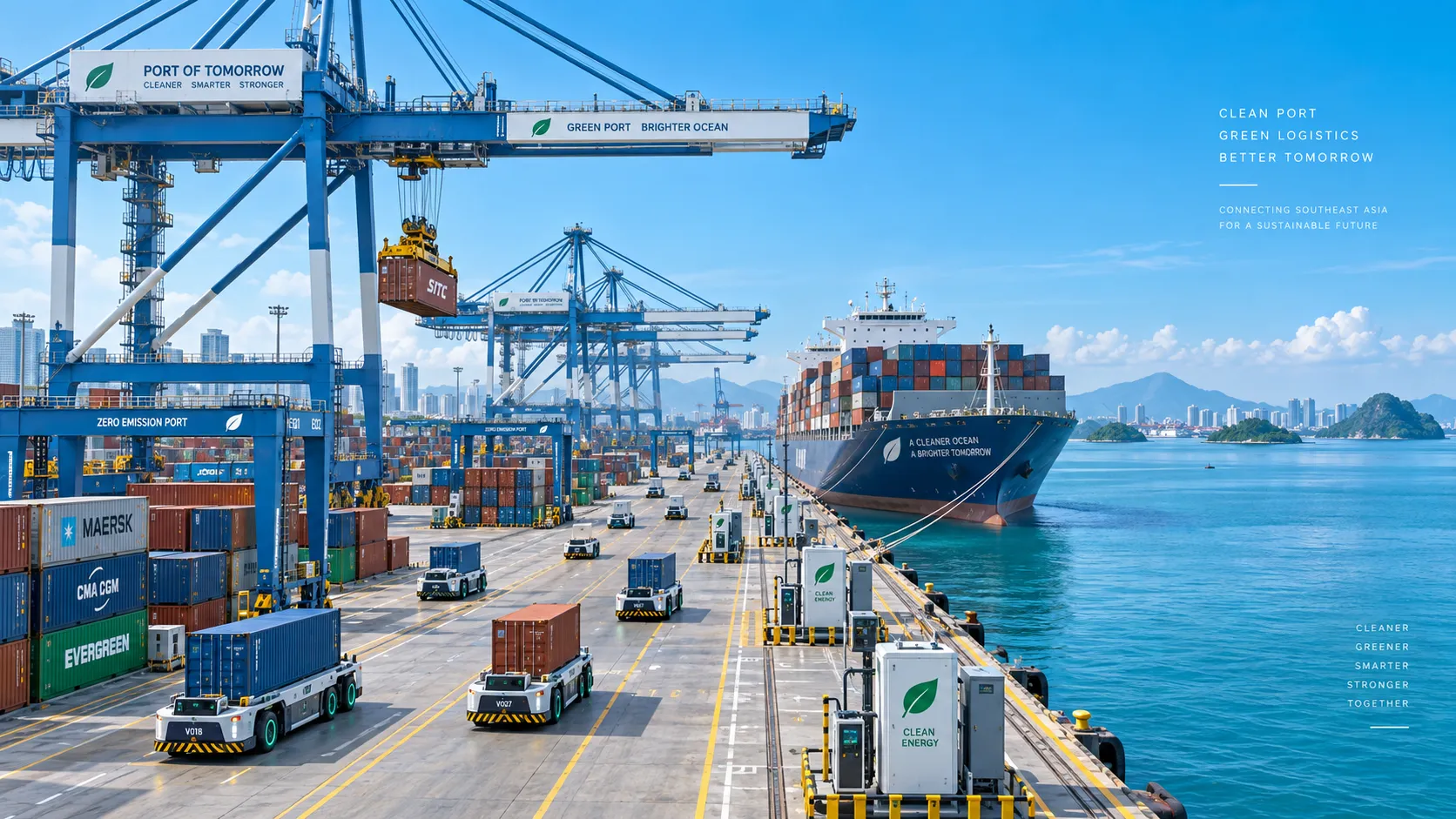
Smart Port Systems in Southeast Asia: Investment Priorities and Adoption Barriers
Smart port systems Southeast Asia: discover investment priorities, adoption barriers, and practical steps to build resilient, connected, high-performing terminals.

How to Evaluate Terminal Efficiency Solution Suppliers for High-Throughput Operations
Choose a terminal efficiency solutions supplier with confidence. Explore proven criteria for throughput, integration, lifecycle cost, safety, and reliable delivery.
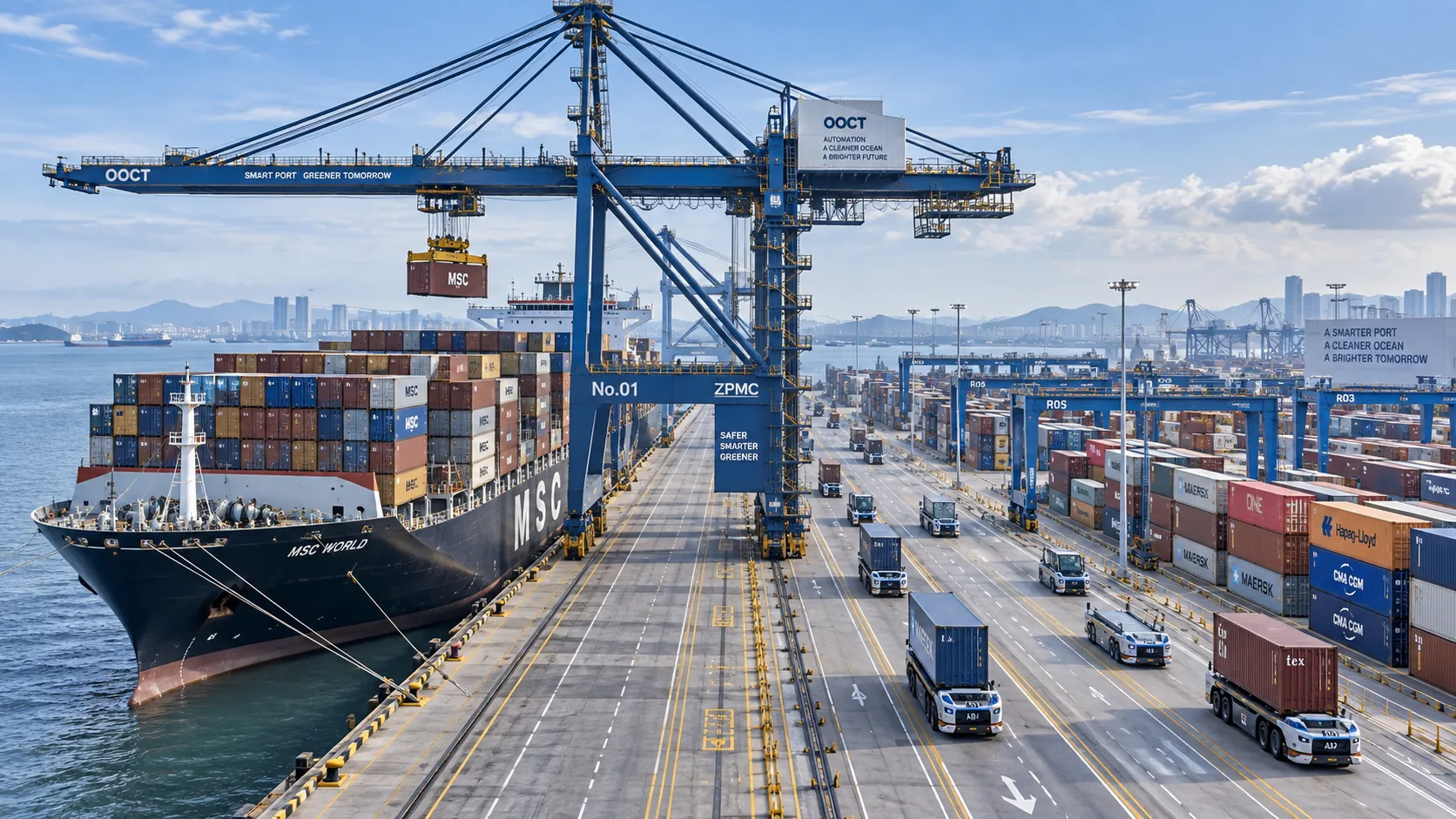
How to Specify a Quay Crane for Container Terminals by Vessel Size and Throughput?
Quay crane for container terminals: learn how to match outreach, lift height, capacity, automation, and cycle performance to vessel size and throughput goals.
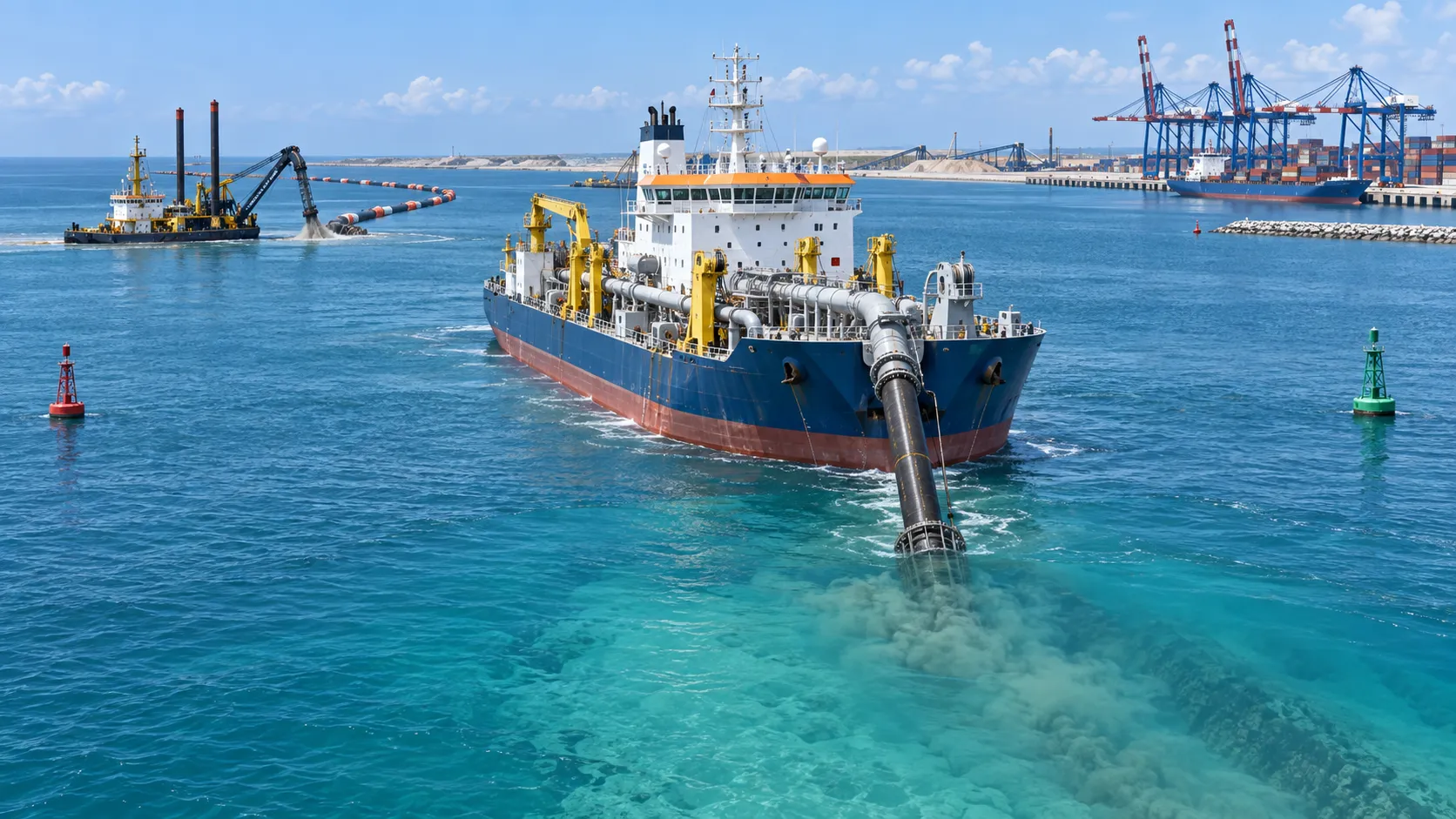
What Dredging Equipment Is Needed for Channel Deepening?
What dredging equipment is needed for channel deepening? Explore dredgers, pipelines, survey tools, and planning strategies for safer, more efficient port access.
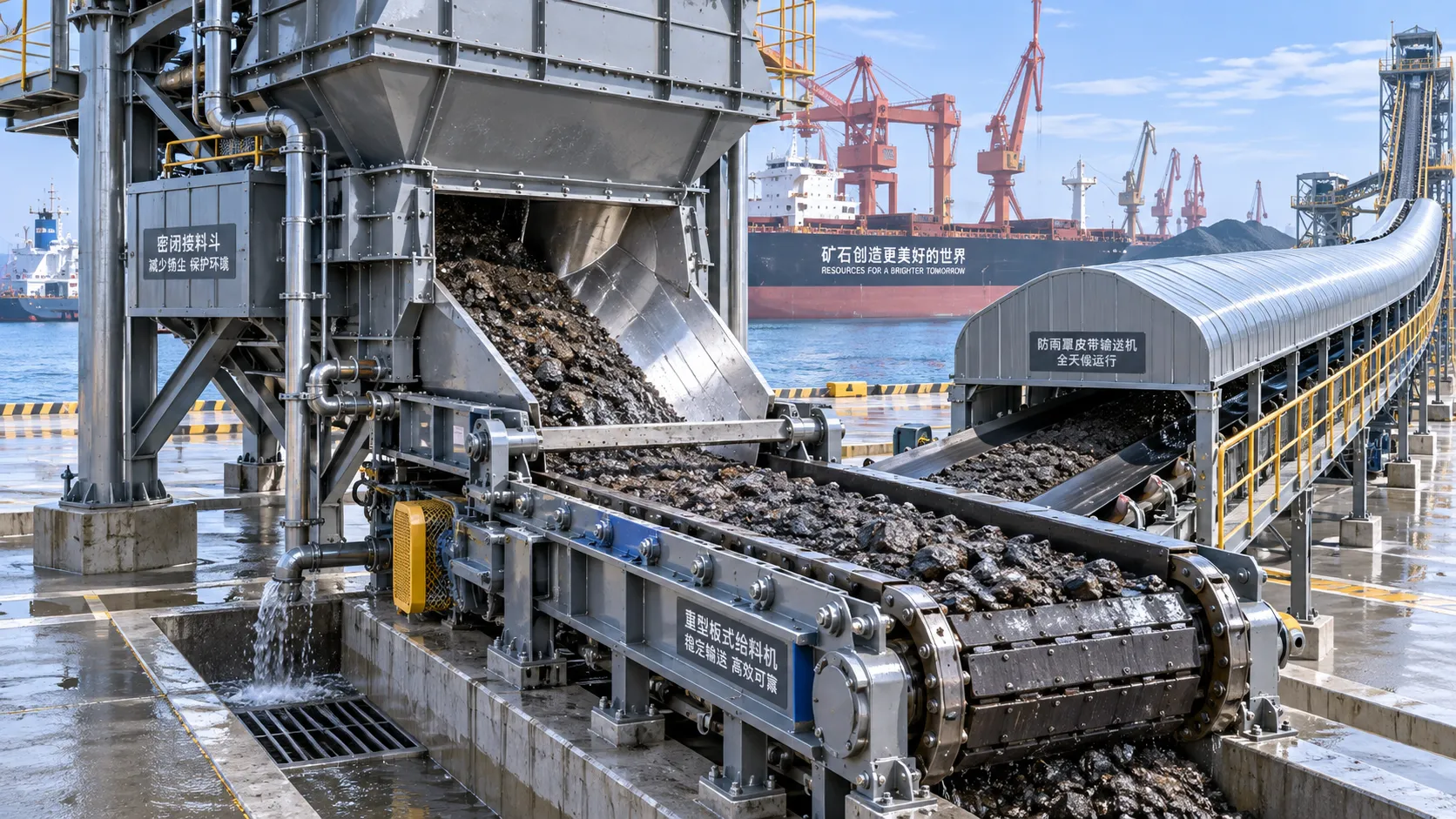
Which Bulk Handling Equipment Suits High-Moisture Cargo?
Which bulk handling equipment suits high-moisture cargo? Compare belt, apron, screw, drag, and slurry systems for reliable flow, less carryback, and higher terminal uptime.
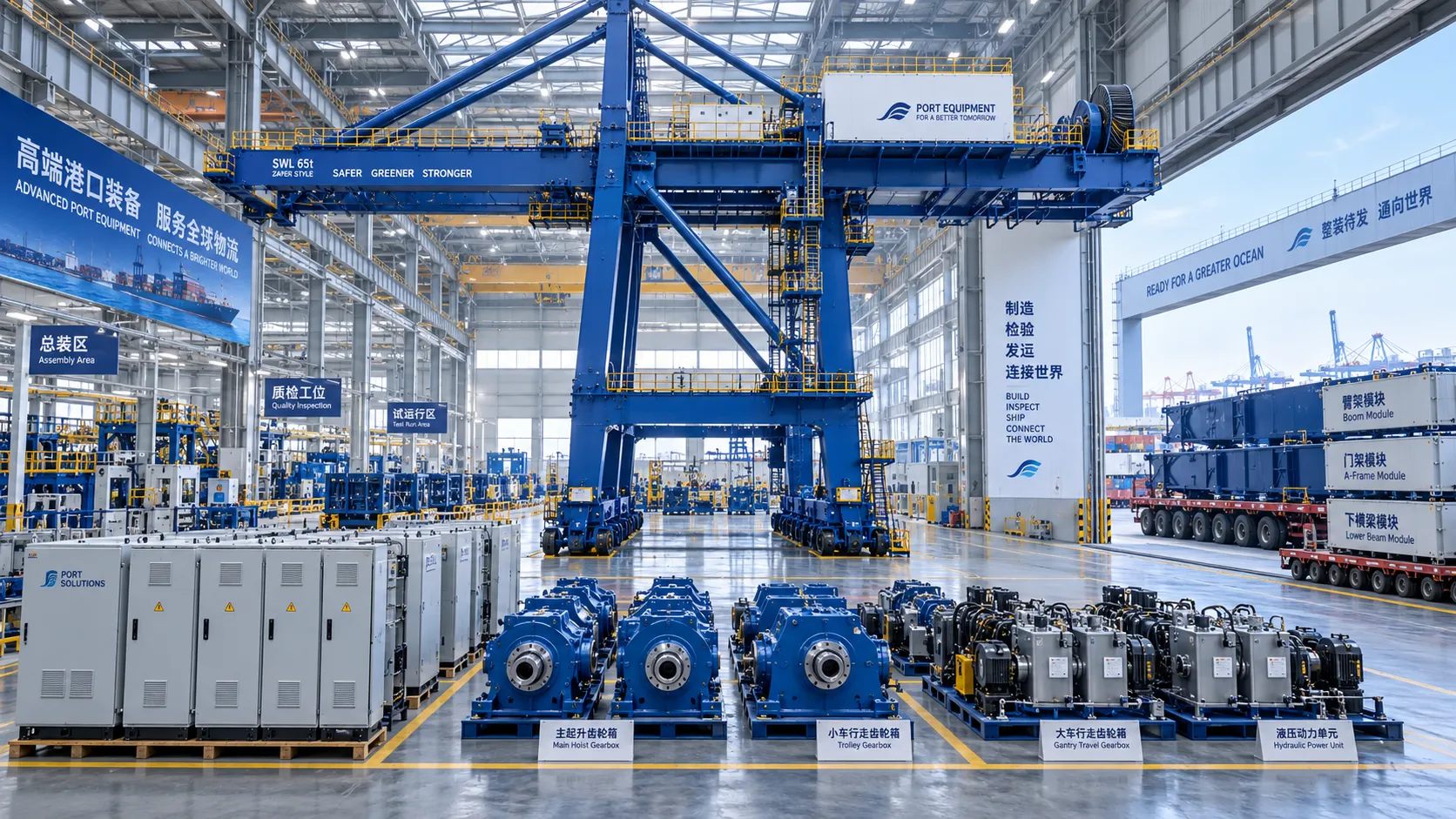
How Can Port Equipment Lead-Time Risk Be Managed?
How can port equipment lead-time risk be managed? Explore practical strategies to control critical paths, suppliers, transport, site readiness, and commissioning delays.

Terminal Automation Technologies That Raise Container Throughput Without Yard Disruption
Terminal automation technology that increases container throughput without disrupting yard flow. Explore smarter integration, resilient workflows, and phased deployment strategies.
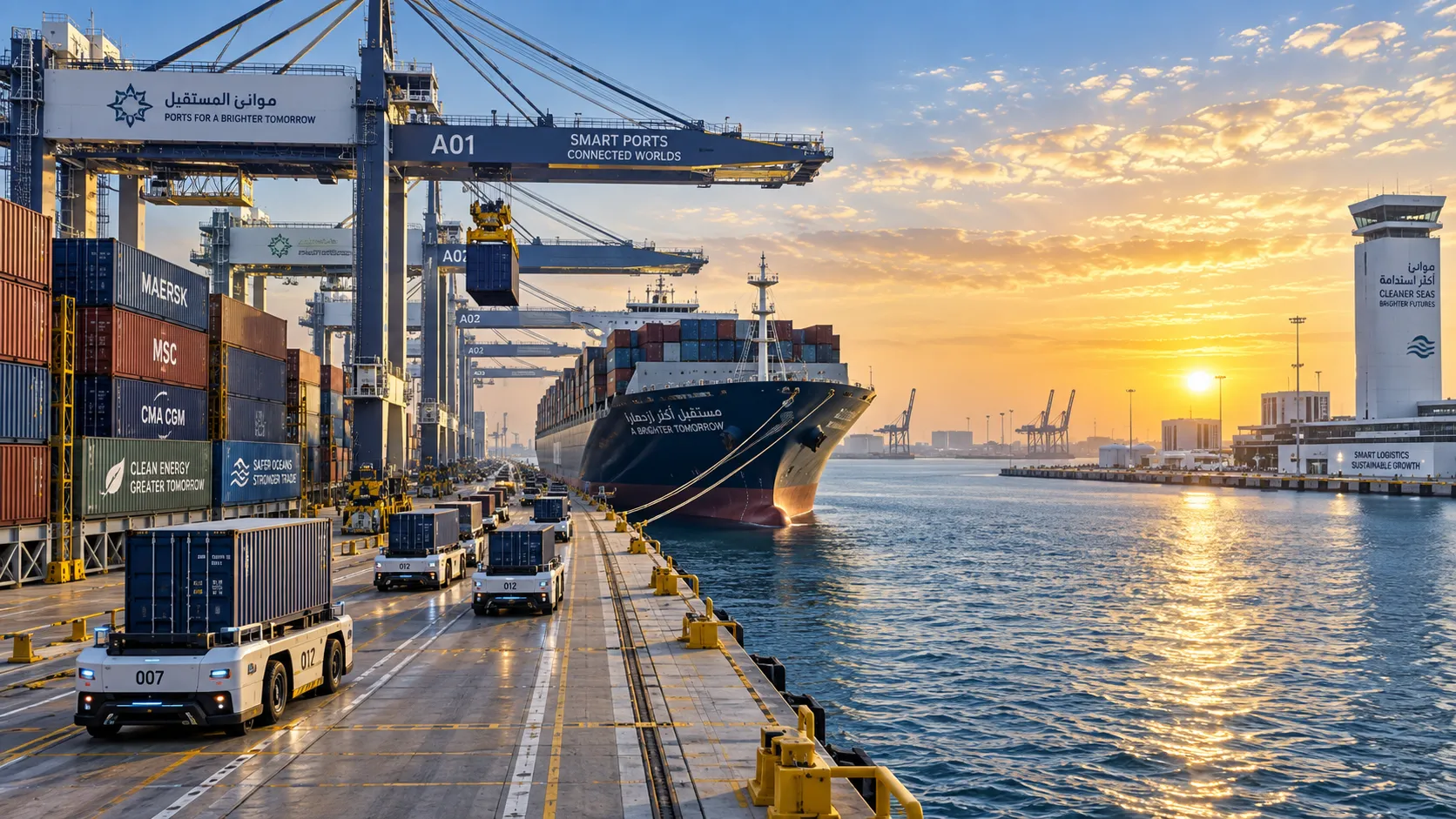
Middle East Port Automation: Key Market Drivers, Projects, and Investment Risks
Port automation systems Middle East: explore market drivers, flagship projects, integration challenges, and investment risks shaping smarter, resilient terminals.
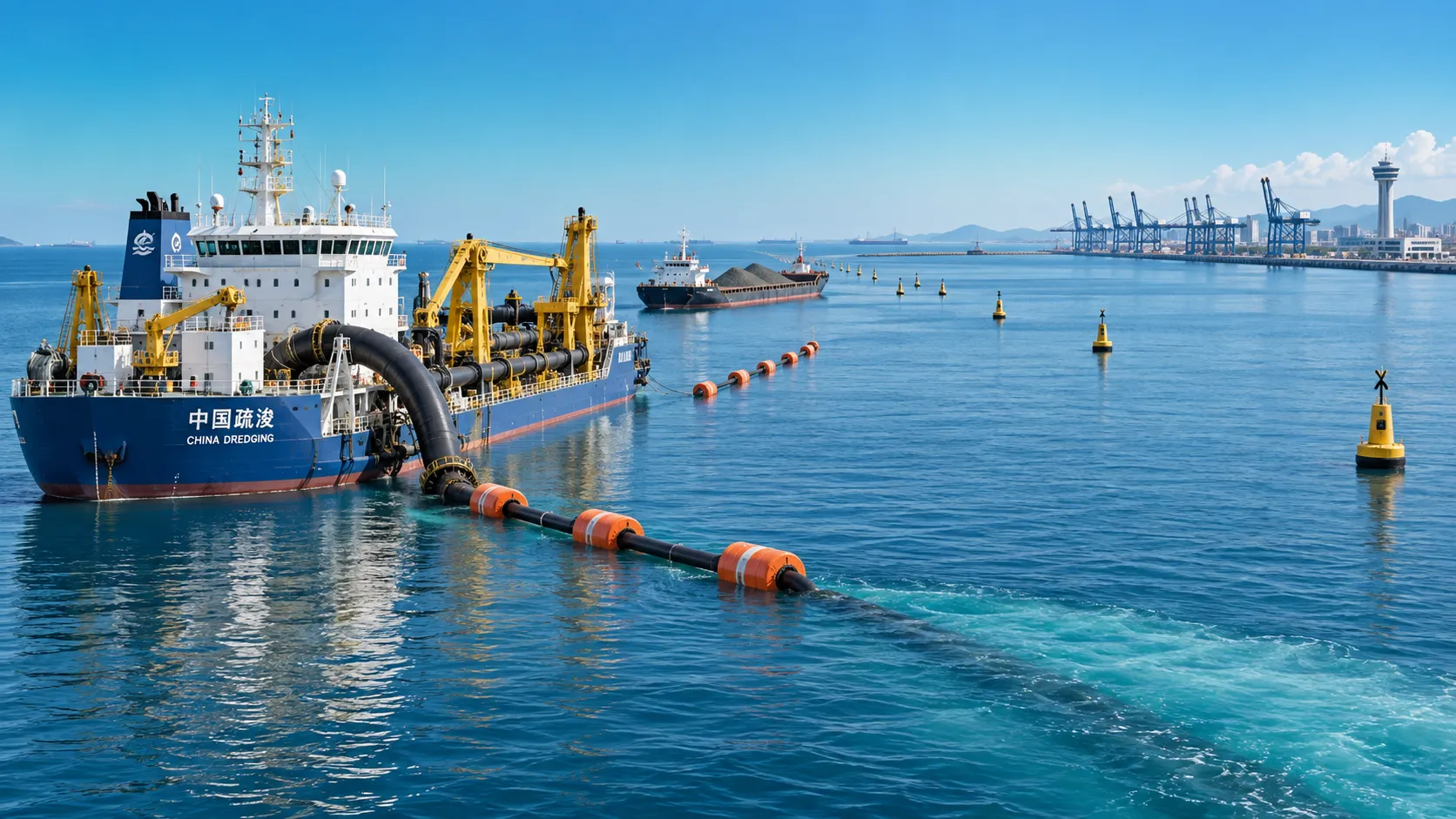
Planning Offshore Dredging Operations: Key Risks, Methods, and Project Controls
Offshore dredging operations demand smart planning. Explore key risks, proven methods, environmental controls, and project strategies for reliable delivery.