Related News
- 00
0000-00
Automated Port Systems in Latin America: Investment Priorities for Container Terminals - 00
0000-00
Smart Operations in the Middle East: Where Industrial Investment Is Growing - 00
0000-00
Port Equipment Market Outlook: Demand Drivers Shaping Crane and Handling Equipment Sales - 00
0000-00
Smart Port Systems in Southeast Asia: Investment Priorities and Adoption Barriers - 00
0000-00
Resilient Port Infrastructure Planning: Which Upgrades Deliver Long-Term Value?
Automated Port Systems in Latin America: Investment Priorities for Container Terminals
Automation in Latin American container terminals is no longer best understood as a choice between a conventional port and a fully unmanned one. The more immediate investment question is whether a terminal can remove its most consequential operating constraints—unreliable gate flows, limited yard visibility, crane-cycle variability, equipment conflicts, safety exposure, or weak planning integration—without creating a technology estate that the organization cannot sustain.
That distinction matters because the region contains very different terminal environments. A high-volume transshipment hub, an import-dominated gateway serving a congested urban corridor, and a smaller terminal handling irregular vessel calls do not have the same automation case. Cargo mix, concession obligations, land availability, rail connectivity, labor arrangements, power resilience, and the maturity of existing terminal operating systems all change the investment logic.
For automated port systems in Latin America, the strongest near-term priority is therefore selective, interoperable automation: investments that improve decision quality and equipment utilization before, or alongside, major changes to physical handling systems. Full yard automation can be commercially justified in particular conditions, but it is not the default answer to every throughput or labor challenge.
The investment case starts with flow reliability, not technology ambition
Container terminal economics are shaped by variability. Vessel schedules shift; call sizes can be uneven; inland trucking arrivals may cluster around limited gate hours; customs or documentation exceptions interrupt cargo release; and weather, road congestion, or equipment downtime can propagate across the operation. Automation creates value when it reduces the operational consequences of that variability.
A terminal should therefore identify the constraint that most directly affects service, revenue protection, and cost before selecting a system. If quay cranes are waiting for boxes because the yard cannot deliver the right container sequence, the issue may be dispatching logic, container-location accuracy, or the interface between yard planning and execution. If gate queues create truck delays and local disruption, the priority may be appointment management, optical character recognition, exception processing, and integration with port community or customs processes. If the yard is physically saturated, software alone cannot create capacity; stacking strategy, equipment configuration, dwell time, and potentially civil works must be assessed together.
This is where automation projects often lose discipline. A terminal may specify autonomous vehicles, remote cranes, or a control tower because these are visible symbols of modernization, while the underlying data and process architecture remains fragmented. The result can be an expensive layer placed over inconsistent master data, manual overrides, and unmeasured exceptions. A less dramatic investment in equipment telemetry, accurate inventory records, yard optimization, and operational command systems may produce a more dependable base for later mechanization or autonomy.
Digital control layers are becoming the first strategic priority
The most transferable automation investments are frequently those that create a common operational picture. A terminal operating system remains the transactional core, but automated operations require more than a system of record. They need real-time equipment status, position data, task execution feedback, maintenance condition signals, gate-event data, and rules for resolving conflicts across quay, yard, gate, and rail activities.
For a brownfield terminal, priority spending commonly concentrates on the layers that make decisions executable:
- Reliable container identification and location accuracy across vessel, yard, gate, and interchange processes;
- Equipment telemetry that distinguishes planned availability from actual availability and condition;
- Integrated planning and execution tools that can re-plan when vessel sequences, truck arrivals, or equipment states change;
- Communications infrastructure with sufficient coverage, latency, redundancy, and cybersecurity controls for operational use;
- Exception-management workflows that specify when automated decisions can proceed and when human intervention is required.
The final item is especially important. A terminal does not become automated merely because a system generates tasks. Automation succeeds when routine work is handled consistently and exceptions are visible early enough for control-room staff to act. Damaged containers, misdeclared cargo, chassis mismatches, customs holds, unplanned reefer work, and equipment alarms are not peripheral issues. They are the conditions under which poorly designed automation can create disruption.
Investment should consequently include operational redesign, data governance, and systems integration—not only hardware and software licenses. A control room cannot compensate for conflicting source data or unclear authority over task priorities. Nor can a vendor interface substitute for a terminal-wide architecture defining which system owns each operational event.
Remote operation can offer a more practical bridge than immediate full autonomy
Remote-controlled quay cranes and yard cranes occupy an important middle ground between conventional operations and fully automated handling. They can move personnel away from certain high-exposure operating positions, centralize supervision, and create a platform for standardized work practices. They also allow terminals to introduce new operating models without necessarily replacing every piece of existing equipment at once.
However, remote operation is not simply a cab-to-control-room relocation project. Crane mechanics, anti-sway performance, camera placement, lighting, communications resilience, human-machine interface design, and recovery procedures all affect productivity and safety. The terminal must also decide how remote operators will manage non-routine situations such as damaged boxes, obscured twistlocks, poor visibility, or unexpected vessel and truckside conditions.
In Latin America, this bridge model can be relevant where terminals have productive installed crane fleets but need greater operating consistency, improved safety conditions, or more flexible staffing models. Its value depends on local operating rules and workforce arrangements, which must be addressed early. Workforce engagement should not be treated as a late-stage communications task. Changes in task allocation, qualifications, supervision, maintenance responsibilities, and shift design directly influence whether remote operations can stabilize after commissioning.
Where aging cranes require major modernization, the business case should compare remote-operation retrofits with replacement, not assess the automation package in isolation. The relevant comparison is lifecycle performance: residual mechanical life, spare-parts availability, expected energy consumption, control-system compatibility, downtime during conversion, and the cost of maintaining mixed fleets.
Yard automation requires a site-specific answer to density and variability
Automated stacking cranes, automated rail-mounted gantry systems, and autonomous horizontal transport can deliver highly structured yard operations. Yet their economics are sensitive to terminal layout and traffic patterns. They are usually most compelling where land is scarce, volumes are sufficiently stable, the terminal can standardize processes, and the yard design permits disciplined separation between automated equipment and external vehicles.
Many Latin American terminals operate within inherited footprints. They may have irregular block geometry, limited expansion room, shared road interfaces, mixed import-export storage patterns, reefer concentrations, or equipment fleets accumulated over several investment cycles. These conditions do not make automation impossible, but they increase the importance of engineering reality. A concept that works in a greenfield layout may require extensive civil, electrical, drainage, paving, fencing, and traffic-separation work in an active brownfield terminal.
Autonomous guided vehicles and autonomous trucks deserve similar scrutiny. Their appeal lies in predictable horizontal transport and potential coordination with automated cranes. Their performance, however, depends on lane design, charging or fueling strategy, fleet-sizing assumptions, localization reliability, recovery from blocked routes, and the discipline of interfaces with manned equipment. Introducing autonomous transport into a yard with uncontrolled vehicle crossings and frequent ad hoc movements can shift complexity rather than remove it.
The central question is not whether a terminal can automate the yard. It is whether the site can operate a more standardized yard model consistently enough to capture the benefit. A terminal with highly volatile dwell patterns, multiple special cargo requirements, and frequent manual interventions may first need to improve segmentation, inventory discipline, and planning rules. Automation should reinforce a workable operating model, not be expected to invent one.
Gate automation is often underweighted despite its supply-chain impact
For many gateway terminals, the gate is where terminal performance becomes visible to cargo owners, truck operators, customs authorities, and surrounding communities. A vessel operation may be technically efficient while the overall supply chain remains unreliable because appointments are poorly managed, documentation exceptions are discovered too late, or drivers spend excessive time navigating inspection and interchange processes.
Automated gates can combine optical character recognition, license-plate recognition, container-code capture, damage imaging, weight or dimension checks where applicable, self-service kiosks, and digital appointment systems. The physical technology is only one part of the investment. The more difficult issue is designing an exception flow that does not simply relocate delays from the lane to an office or parking area.
Effective gate projects require clear rules for pre-advice quality, booking windows, late arrivals, hazardous cargo, holds, empty returns, reefer instructions, and discrepancies between digital records and physical assets. They also depend on coordination outside the terminal boundary. A gate system cannot independently solve city-road congestion, fragmented trucking schedules, or delayed customs decisions. It can, however, provide cleaner data on where delay occurs and support more predictable interchange when external participants can use the information.
For this reason, gate automation often merits earlier investment than highly visible yard robotics. Its return may be measured not only in labor productivity, but in reduced rehandles, fewer transaction errors, better asset traceability, more reliable truck turn processes, and improved relationships across the port logistics ecosystem.
Electrical and communications resilience are now core automation assets
Automation increases the operational consequences of infrastructure failure. A conventional terminal can sometimes maintain partial activity through radio procedures, manual checks, and localized decisions. An automated terminal depends more directly on reliable power, networks, positioning, servers, cybersecurity controls, and disciplined failover arrangements.
Investment planning should treat electrical distribution, backup generation, uninterruptible power supply design, network segmentation, fiber routes, wireless coverage, and environmental protection for field equipment as operational assets rather than support functions. The appropriate design depends on the automation level and local conditions, but the principle is consistent: a single avoidable point of failure can undermine a much larger capital program.
Cybersecurity must be built into procurement and operations from the beginning. Automated terminal environments connect operational technology, enterprise networks, equipment suppliers, remote access tools, and sometimes external data platforms. Asset inventories, access control, patching responsibilities, supplier remote-support protocols, log retention, incident response, and restoration procedures should be contractual and operational requirements. Cyber risk is not limited to data loss; it can interrupt equipment dispatch, gate processing, and safe control of machinery.
Investment sequencing matters more than a single automation label
Automation is often described in binary terms, but terminal modernization is better treated as a portfolio of linked decisions. A useful sequence begins with a credible operational baseline: crane productivity by operating condition, equipment availability, yard accuracy, truck-cycle variability, unplanned moves, reefer exceptions, energy use, maintenance backlog, and the causes of service failures. The purpose is not to create a larger dashboard; it is to identify which constraint is both material and controllable.
The next stage is to establish the digital and physical prerequisites for controlled execution. That can include network modernization, equipment interfaces, data cleansing, terminal operating system upgrades, control-room capability, and revised standard operating procedures. Once the terminal can measure and manage routine work reliably, it can make more informed choices about remote operation, automated stacking, automated gates, or autonomous transport.
Phasing also limits commercial risk. Large terminal projects interact with concession periods, vessel-service commitments, construction windows, financing conditions, and equipment lead times. A modular program can preserve options when cargo patterns change or when a core system needs longer stabilization than expected. It also provides decision points at which management can test whether the expected operational gains are appearing before committing to the next capital-intensive layer.
The relevant return is resilience-adjusted, not simply labor-adjusted
Labor savings are often included in automation business cases, but they are rarely sufficient on their own to justify a complex transformation. The fuller value case may include higher equipment availability, fewer unproductive moves, better stacking density, lower damage exposure, more stable berth-to-gate execution, improved maintenance planning, safer work design, and greater predictability for shipping lines and cargo interests.
These benefits should be balanced against costs that are easily understated: civil works, electrical upgrades, systems integration, simulation and testing, operational transition, training, spare-parts strategy, cybersecurity, vendor-support dependence, and lower productivity during commissioning. The cost of operating mixed manual and automated processes can also be substantial if interfaces are poorly designed.
Decision quality improves when each proposed investment is tested against a practical question: does it eliminate a bottleneck, or does it merely automate an activity whose output is constrained elsewhere? A sophisticated automated yard will not resolve berth congestion caused by insufficient quay capacity. A new terminal operating system will not overcome chronic equipment unreliability. An automated gate will not create inland capacity where none exists. Automation has the greatest value when its scope matches the actual constraint.
What will separate durable projects from expensive demonstrations
The most credible automated port systems in Latin America will be those built around local operating conditions while remaining open to future integration. They will avoid treating a vendor’s reference architecture as a substitute for a terminal-specific operating model. They will define data ownership, performance obligations, recovery procedures, and lifecycle support before commissioning. And they will assess automation not as an isolated technology purchase, but as a change to how assets, people, information, and exceptions are coordinated.
Capital should flow first toward the capabilities that make terminal operations visible, predictable, and controllable. From there, remote cranes, automated gates, smart maintenance systems, autonomous transport, and highly automated yards can be evaluated on their operational merits. The strategic priority is not to claim the highest automation level. It is to build a terminal that can absorb disruption, use constrained land and equipment more effectively, and deliver reliable container flow under the conditions it actually faces.
Related News
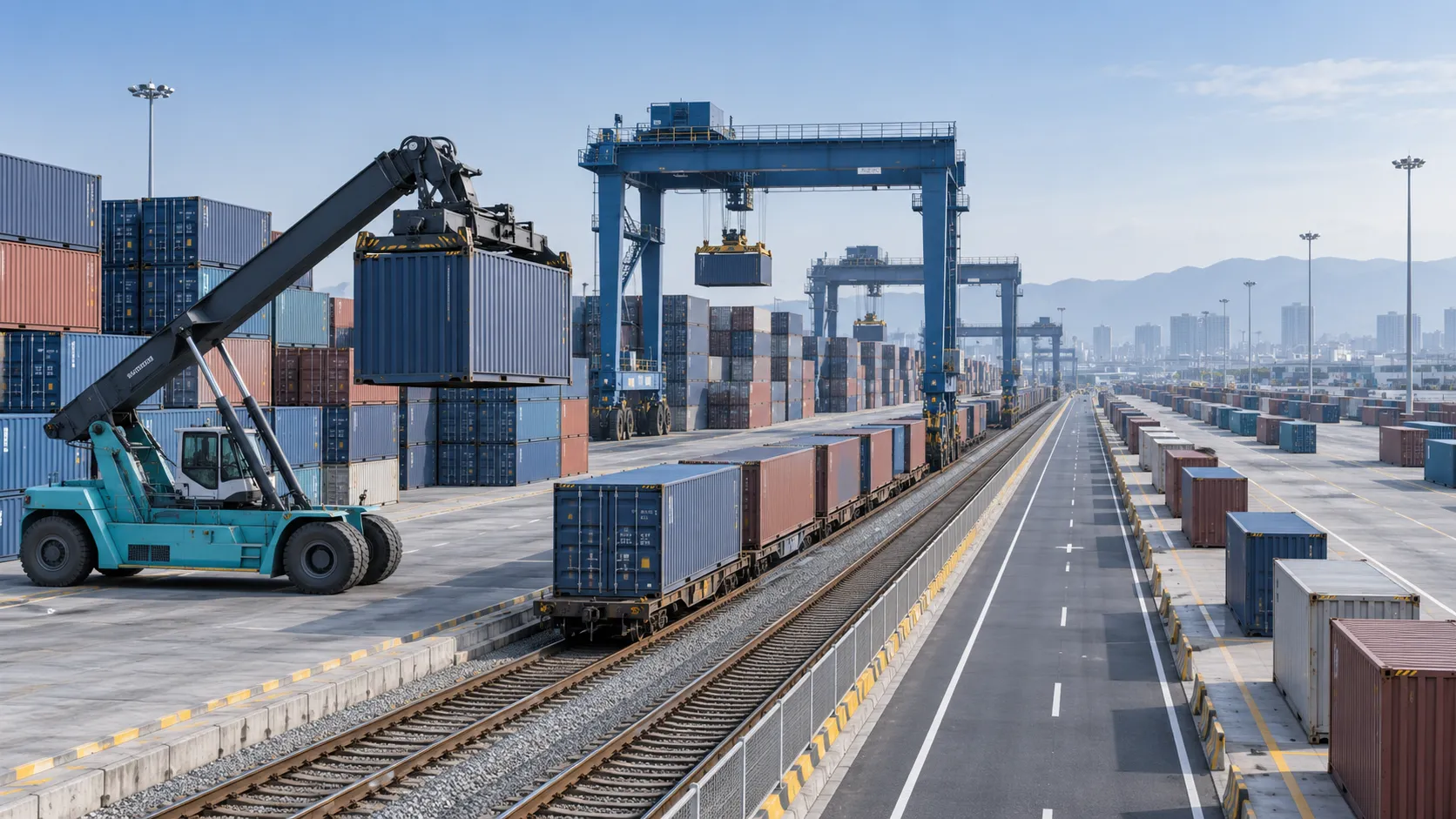
Selecting Intermodal Yard Equipment for Fast, Safe Container Transfers
Container handling equipment for intermodal yards: compare reach stackers, RTGs, automation, safety planning, and lifecycle costs to build faster, safer container flow.
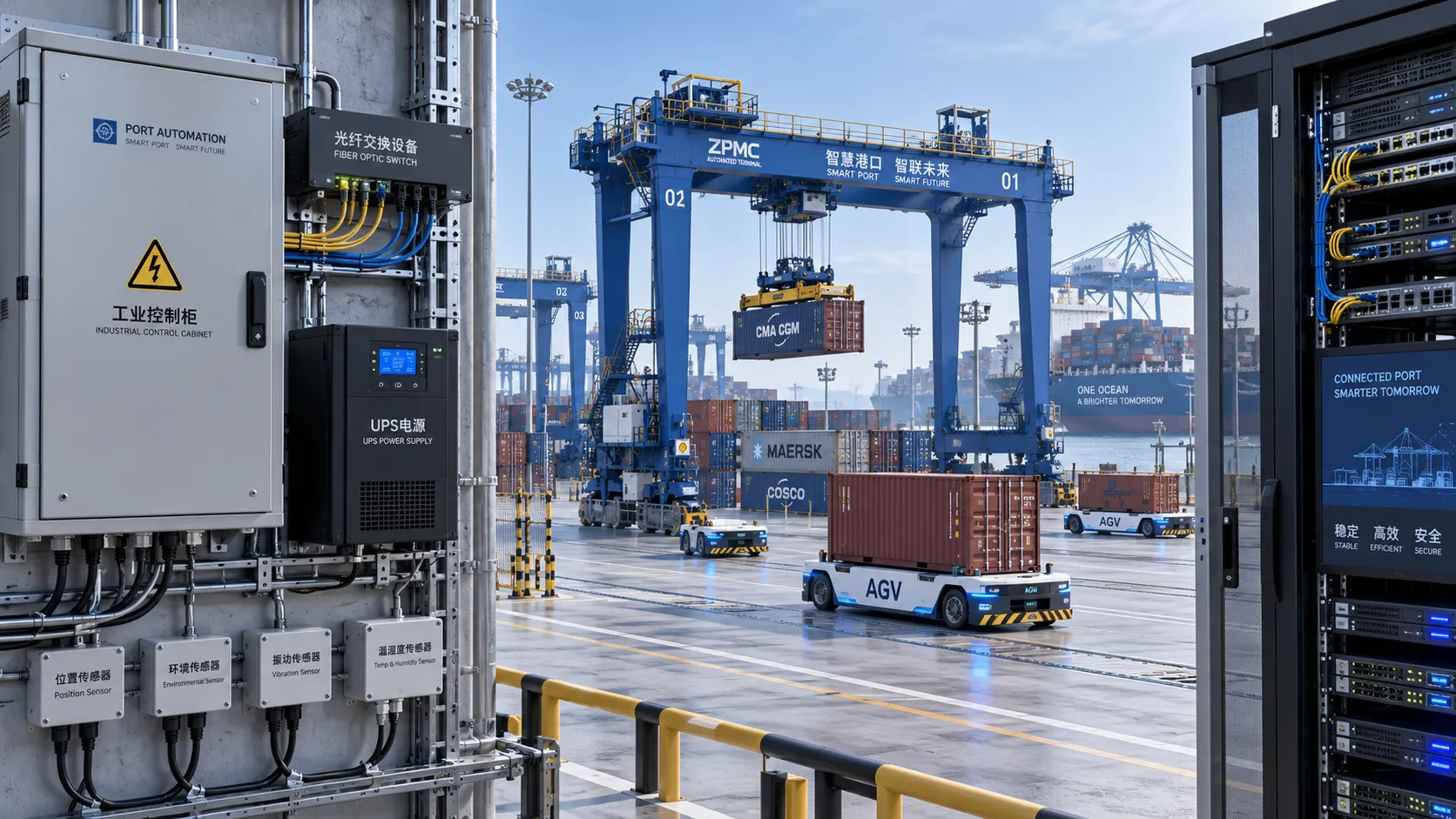
Terminal Control System Costs: Budgeting Hardware, Integration, and Lifecycle Support
Terminal control systems cost explained: budget hardware, integration, safety, cybersecurity, commissioning, and lifecycle support for resilient terminal operations.
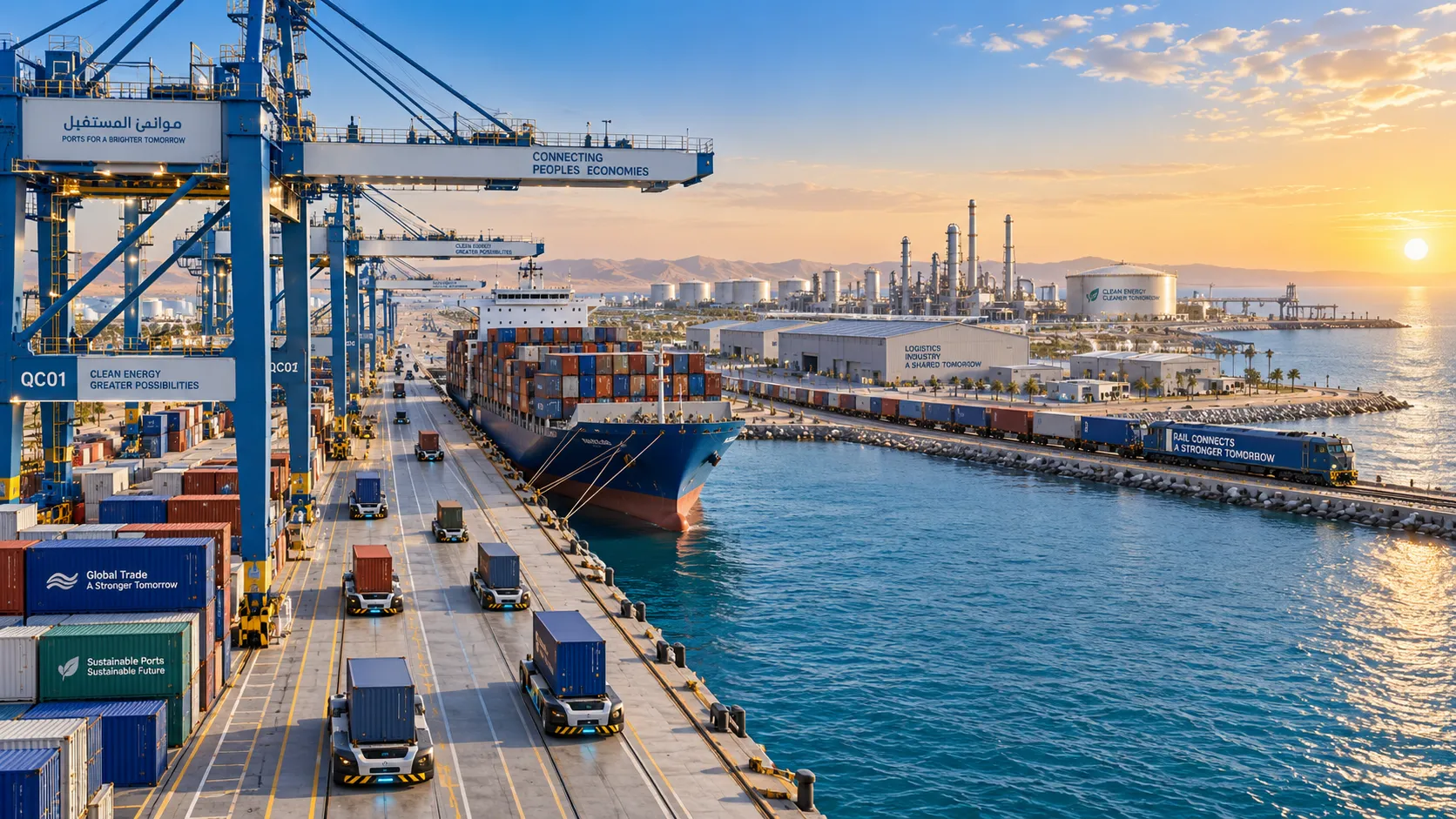
Smart Operations in the Middle East: Where Industrial Investment Is Growing
Smart operations Middle East investment is reshaping ports, industrial corridors, and logistics networks through connected data, automation, resilience, and smarter asset performance.
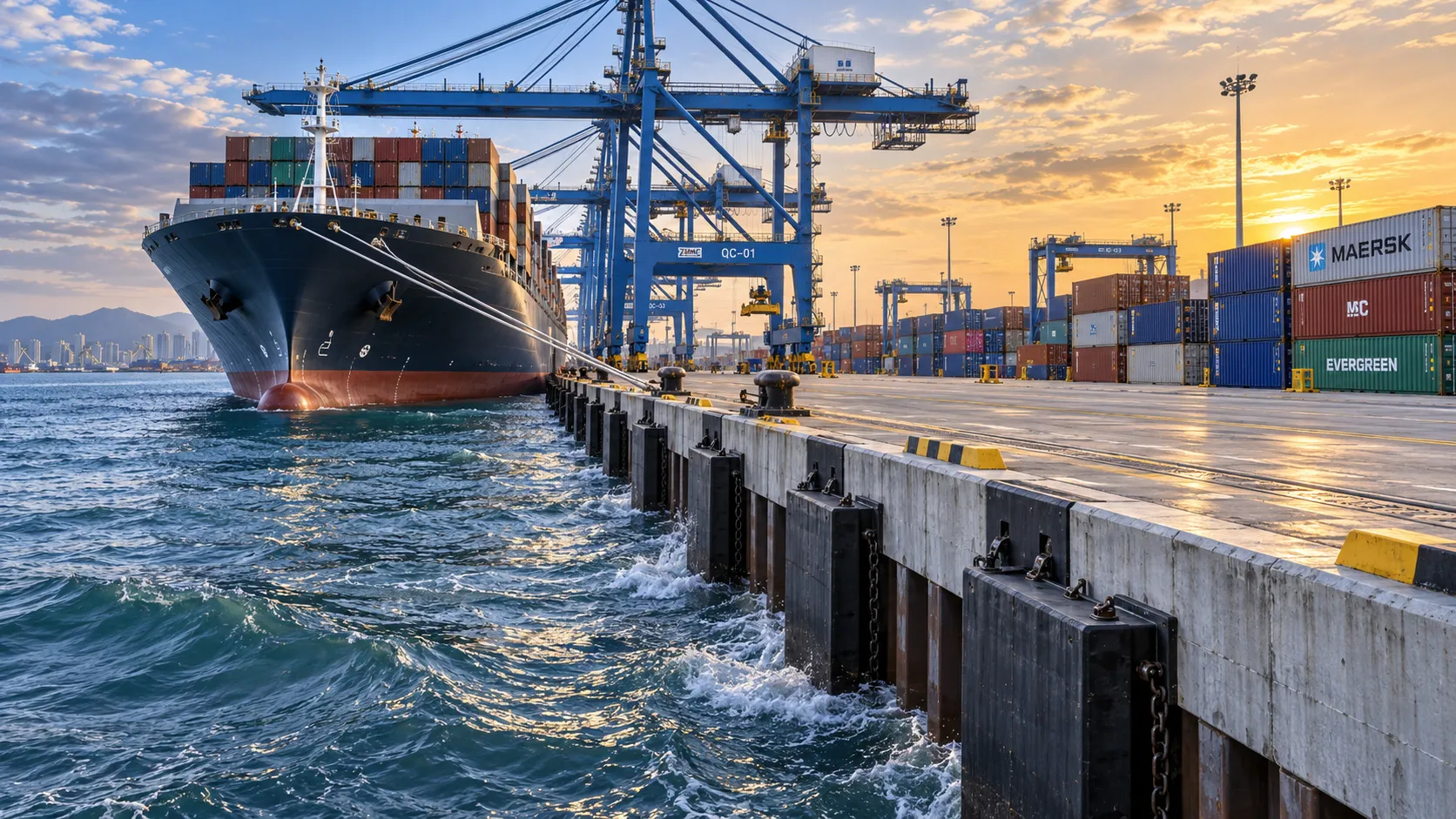
How to Select Harbor Structures for Quay Walls Under Berthing and Wave Loads
Harbor structure for quay wall selection: evaluate berthing energy, wave loads, soil conditions, durability, and lifecycle risk to build safer, adaptable terminals.
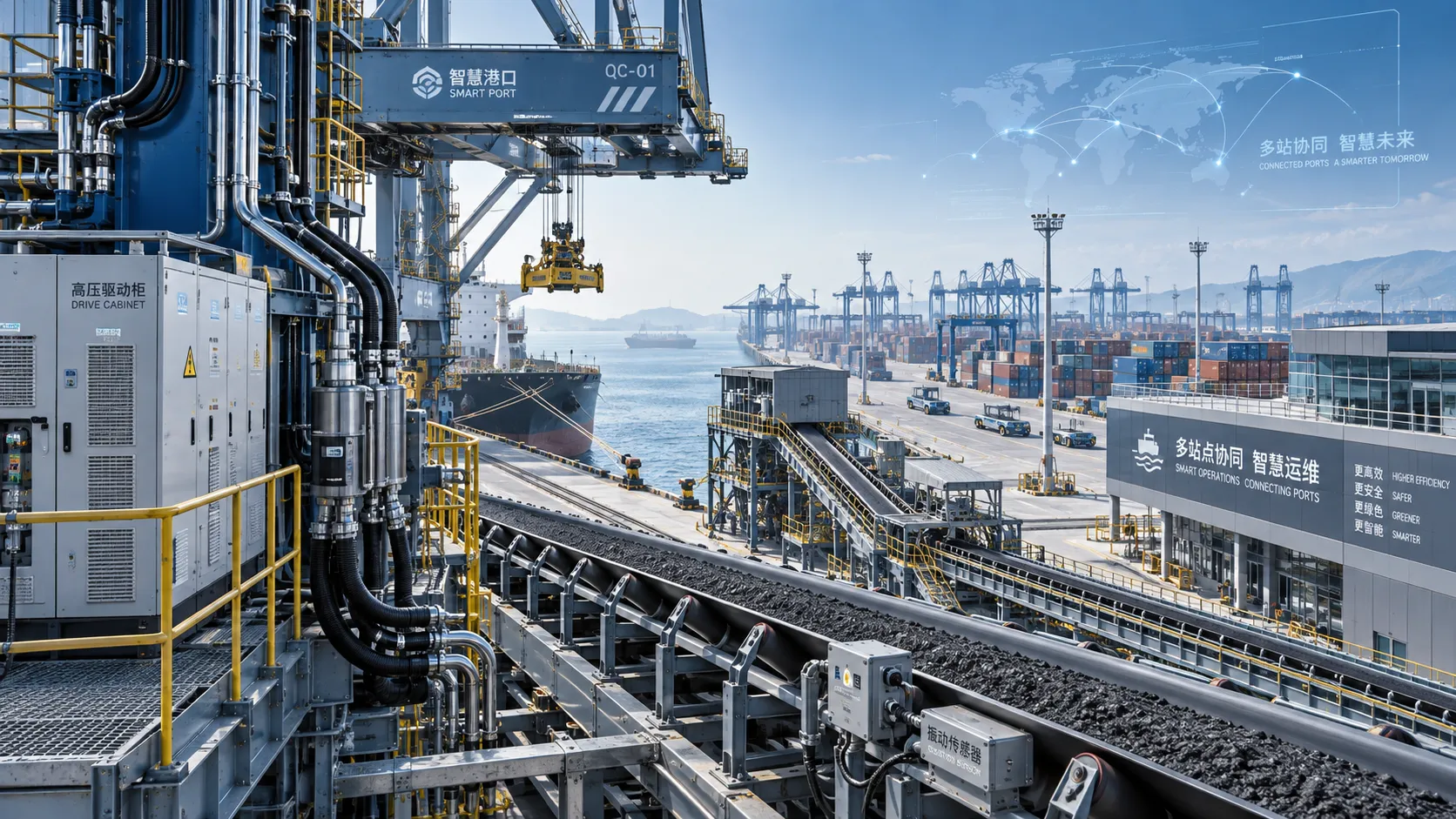
Selecting Smart Terminal Software for Multi-Site Field Service Operations
Smart terminal solutions software helps multi-site field service teams unify asset history, mobile maintenance, integrations, and reporting for safer, faster terminal operations.
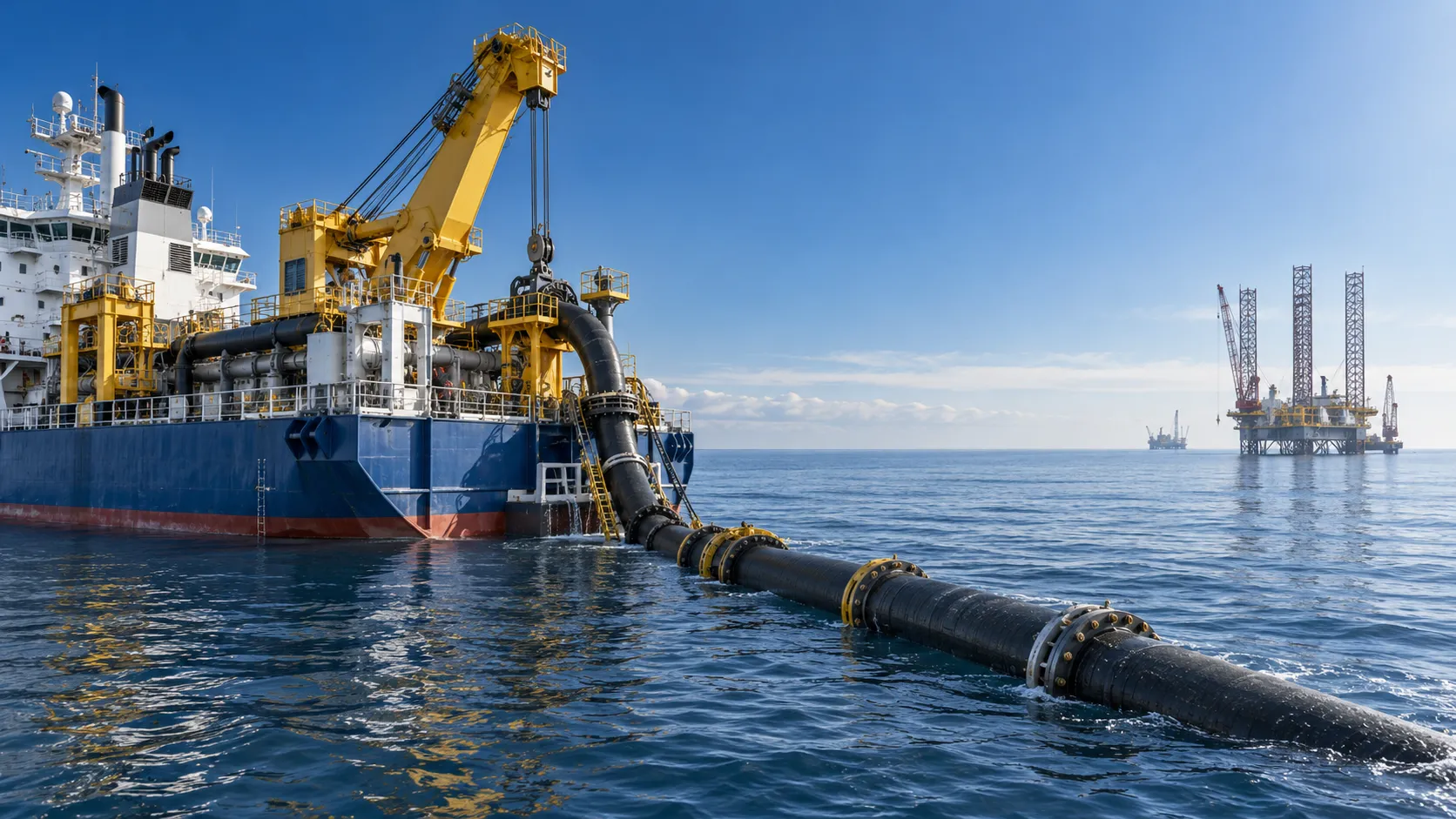
How to Specify Heavy-Duty Marine Engineering Equipment for Offshore Projects
Heavy duty marine engineering equipment: learn how to specify reliable offshore assets for safety, uptime, integration, lifecycle cost, and project success.
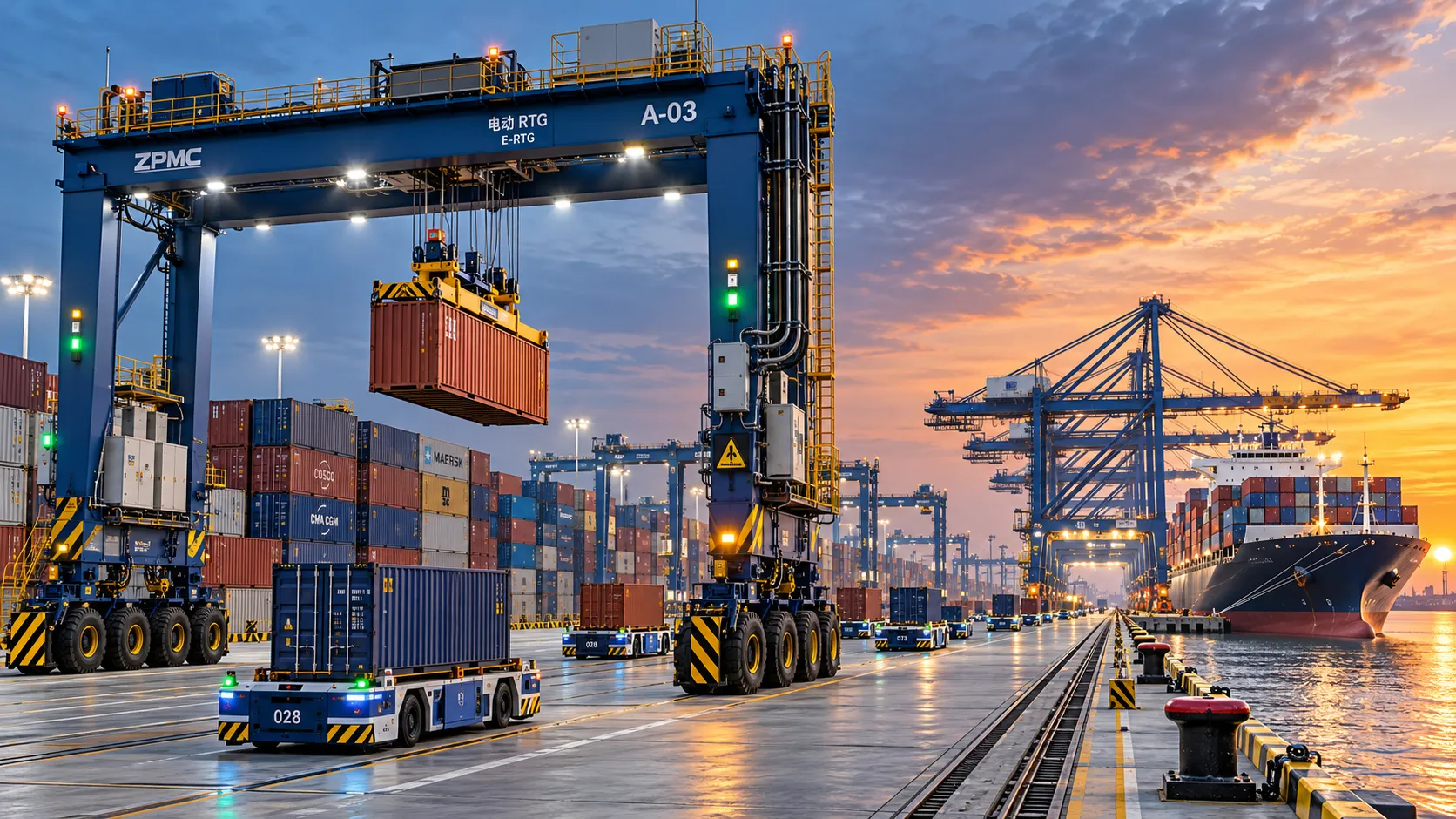
How to Evaluate a Container Handling Equipment Exporter for Port and Yard Projects
Choose the right container handling equipment exporter with a practical guide to compliance, automation, service support, delivery reliability, and lifecycle value.
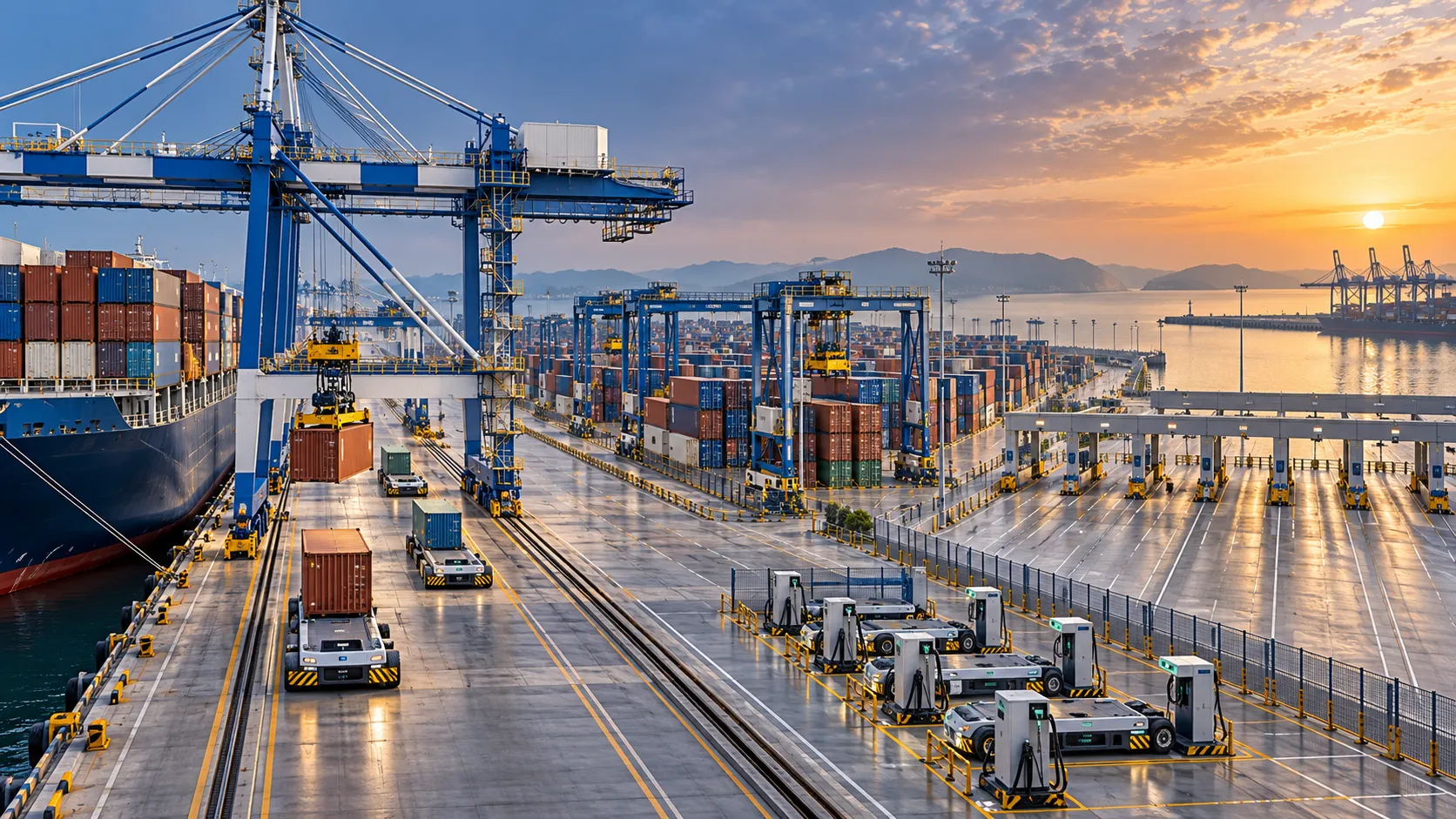
How to Select Automated Terminal Systems for High-Throughput Cargo Terminals
Automated terminal systems for cargo terminals: learn how to select scalable, resilient solutions that boost throughput, streamline integration, and control lifecycle risk.
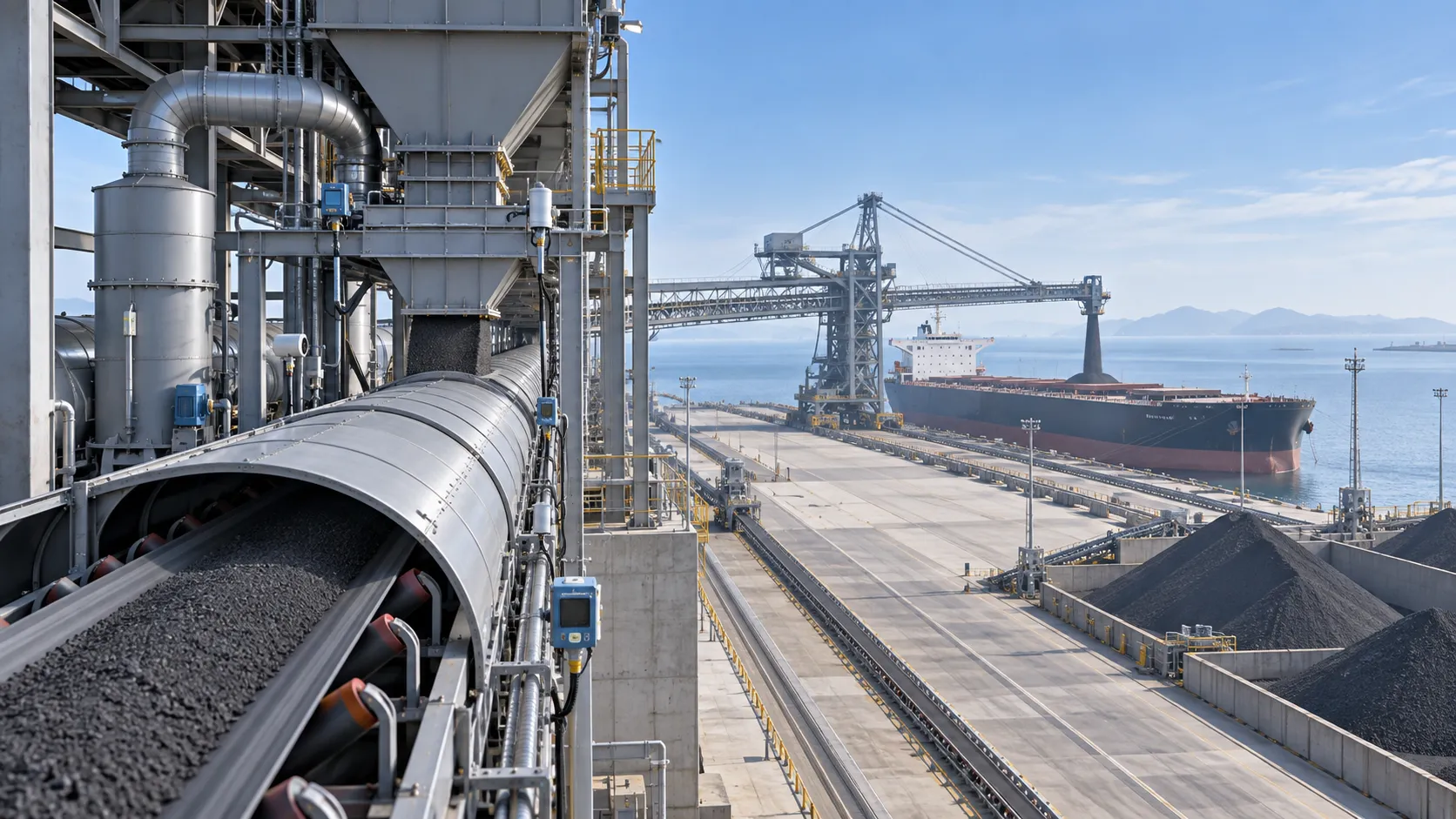
How Automated Bulk Cargo Handling Reduces Dust, Spillage, and Port Downtime
Automated cargo handling for bulk cargo cuts dust, spillage, and port downtime through stable flow control, smart sensing, and coordinated recovery.