
Related News
- 00
0000-00
Port Equipment Market Outlook: Demand Drivers Shaping Crane and Handling Equipment Sales - 00
0000-00
Smart Port Systems in Southeast Asia: Investment Priorities and Adoption Barriers - 00
0000-00
Resilient Port Infrastructure Planning: Which Upgrades Deliver Long-Term Value? - 00
0000-00
Can Electric Port Machines Help Meet Net-Zero Targets? - 00
0000-00
Middle East Port Automation: Key Market Drivers, Projects, and Investment Risks
Resilient Port Infrastructure Planning: Which Upgrades Deliver Long-Term Value?
The upgrades that create lasting value are rarely the most visible ones. A new quay crane, deeper berth, or automated yard can be justified, but only when it removes the constraint that is actually limiting the port. In resilient port infrastructure planning, the strongest investments protect operational continuity first, then improve capacity, cost control, and flexibility.
A terminal may appear capacity-constrained when its real problem is unreliable power, poor yard flow, insufficient maintenance access, shallow approach channels, fragmented operating data, or an inability to recover after weather disruption. Adding equipment before resolving those constraints can increase capital expenditure without improving vessel turnaround or cargo availability.
The practical question is therefore not, “Which port upgrade is most advanced?” It is, “Which upgrade preserves service and produces useful capacity under the operating conditions this port is likely to face over its asset life?”
Start with the Failure Point, Not the Asset Category
Port infrastructure is an interconnected system. Berth productivity depends on crane availability, crane performance depends on power and maintenance, yard productivity depends on transfer equipment and control logic, and all of it depends on vessels being able to reach the terminal safely. A weak link in any part of this chain can absorb the value of an expensive upgrade elsewhere.
Before issuing tenders, map the operational sequence from marine access to gate exit. Identify where flow slows during normal peaks, where it fails during disruption, and where recovery takes too long. The answer may differ by cargo type. A container terminal may be restricted by yard dwell and dispatch coordination, while a bulk terminal may be constrained by conveyor reliability, dust controls, stockpile reclaim capacity, or shiploader uptime.
It is also important to distinguish between a recurring bottleneck and a temporary surge. A facility that struggles only during short seasonal peaks may need better scheduling, off-dock capacity, or targeted equipment redundancy rather than a permanent civil expansion. Conversely, repeated delays caused by berth depth, inadequate electrical infrastructure, or structurally limited pavement cannot be solved by operational discipline alone.
Upgrades That Usually Deliver Durable Value
Long-term value generally comes from investments that serve more than one operating scenario. They should improve everyday performance while also helping the terminal absorb weather events, equipment outages, energy constraints, trade shifts, or changing vessel calls.
1. Electrical Infrastructure That Supports Equipment Renewal
Electrifying terminal equipment can reduce local emissions and simplify energy management, but the business case is stronger when it is treated as a site infrastructure project rather than an equipment purchase. The relevant costs include substations, cable routes, charging or power-delivery arrangements, protection systems, civil works, controls integration, and the operational impact of installation.
For rubber-tired gantry cranes, yard tractors, mobile harbor cranes, or other handling fleets, the best approach depends on duty cycle, travel pattern, available grid capacity, and the tolerance for charging or connection time. A system that works on a low-utilization fleet may create queues or lost moves in a tightly sequenced yard.
Electric-ready infrastructure has value even when fleet replacement must occur in phases. It avoids rebuilding pavements and electrical routes each time a new equipment class is introduced. However, do not overspecify the initial installation around one vendor’s current hardware. Reserve space, cable pathways, and control interfaces for alternative equipment configurations.
2. Control Systems That Improve Recovery, Not Just Automation
Automation is often evaluated through labor reduction or moves per hour. Those measures matter, but a control system’s resilience value is its ability to keep the terminal coherent when conditions change. That includes equipment dispatch, exception handling, maintenance visibility, gate coordination, and the ability to switch safely to degraded operating modes.
A terminal operating system, equipment control layer, and maintenance platform should not be bought as isolated software products. Procurement should test how they exchange data, how alarms are prioritized, who owns the interfaces, and what happens if a connected system becomes unavailable. A polished dashboard is not evidence that the operating model is reliable.
For automated container handling, the difficult work is often outside the vehicles themselves. Reliable positioning, traffic segregation, wireless coverage, remote intervention procedures, container identity accuracy, and yard layout discipline determine whether automated equipment can sustain flow. A small pilot can be valuable, but only if it tests these operating dependencies rather than merely demonstrating vehicle movement.
PS-Nexus tracks developments in remote crane communications, automated vehicle path planning, and port control architecture. That intelligence is most useful before a technology specification is locked, when a terminal can still compare operating models and identify the interfaces that will remain important as equipment evolves.
3. Yard Layout and Pavement Designed for Change
Yard expansion is not automatically yard resilience. Adding blocks without revisiting circulation, handoff points, reefer capacity, inspection areas, empty-container flows, and landside access can make a terminal larger but harder to operate.
An adaptable yard design creates options. It may include pavement designed for higher wheel loads, utility corridors that can be extended without major excavation, modular support buildings, flexible stacking areas, and clear separation between automated and conventional traffic. The objective is not to preserve every possible future use; it is to avoid permanent constraints that make a later operating change disproportionately expensive.
Capacity planning should also account for the quality of capacity. A yard may have nominal slots yet lack usable space when imports dwell longer, empties accumulate, or a disrupted vessel schedule creates uneven cargo release. Investments in visibility, appointment management, and internal transport discipline can sometimes release more practical capacity than another block of stacking area.
4. Marine Access and Dredging Resilience
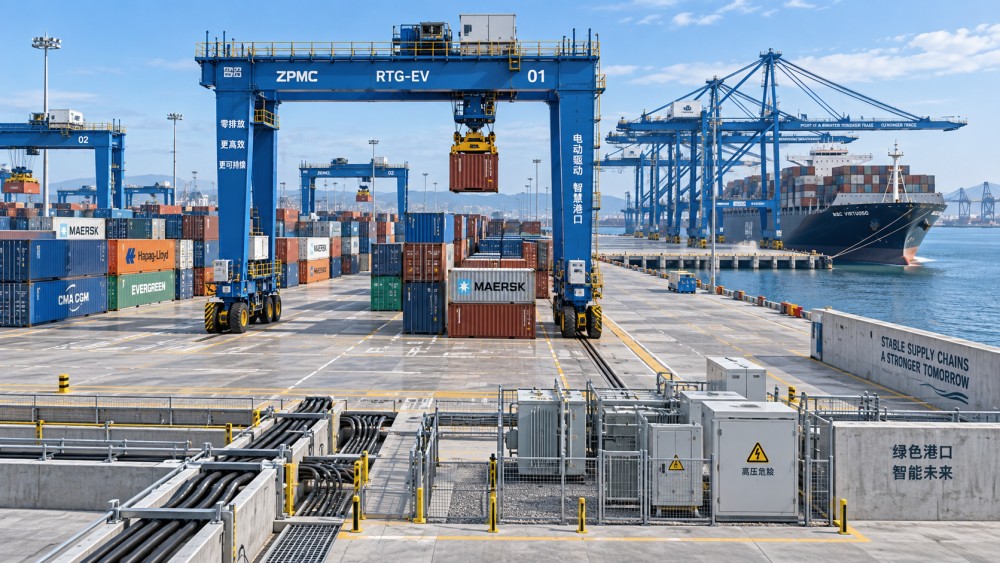
Channel depth, berth pockets, turning basins, and sediment management can determine whether a terminal can serve its target vessel profile at all. Dredging projects are capital-intensive and operationally sensitive, so the decision should be based on a sustained access requirement rather than a single forecast of larger ships.
The durable value lies in a complete access strategy: hydrographic monitoring, sediment behavior, disposal or beneficial-use planning, equipment availability, and the relationship between maintenance dredging and berth utilization. Deepening a channel without protecting the ability to maintain that depth can create a temporary capability rather than a dependable commercial offer.
Marine works also need to be evaluated alongside quay structure, fendering, mooring arrangements, tug access, and landside evacuation capacity. A larger vessel call can be commercially attractive while still generating congestion if the terminal cannot discharge, stack, and release the additional cargo within its existing operating window.
5. Asset Condition Monitoring and Maintainability
Maintenance is sometimes treated as an operating expense that sits outside infrastructure planning. That separation is costly. High-value terminal assets need practical access for inspection, lifting, component replacement, diagnostics, and safe isolation. A design that minimizes initial construction cost but complicates maintenance can produce years of avoidable downtime.
Condition monitoring has the most value when it changes maintenance decisions. Sensor data from crane drives, conveyor components, pumps, electrical systems, or dredging equipment should feed a clear process for inspection, intervention, spares planning, and root-cause analysis. Collecting more data without changing how maintenance is scheduled simply creates another system to support.
When comparing suppliers, assess the availability of service support, critical spare parts, documentation quality, remote diagnostic access, and the ability to maintain the equipment without disrupting adjacent operations. These issues often influence lifecycle cost more than a modest difference in purchase price.
Compare Projects by Value Under Stress
A conventional return calculation can favor the project with the clearest immediate throughput gain. That is incomplete for port assets with long lives and high consequences of interruption. A better comparison asks how each option performs under routine demand, peak demand, equipment outage, extreme weather, electrical disturbance, and changes in cargo mix.
Use Lifecycle Cost, Not Purchase Price, as the Commercial Baseline
For resilient port infrastructure planning, lifecycle cost should include more than acquisition, installation, and energy use. It should account for training, integration, planned maintenance, critical spares, software support, cybersecurity responsibilities, civil modifications, downtime during commissioning, and the cost of operating in a reduced-capacity mode.
Some costs are difficult to place into a simple financial model, but they should still influence selection. A proprietary control platform may appear efficient at launch yet limit future equipment choices. A low-cost crane design may require specialized spare parts or extended shutdowns for routine repairs. A dredging solution may have a favorable initial scope but create a weak long-term sediment-management position.
Require bidders to explain assumptions rather than merely submit a total figure. Ask what site conditions they have assumed, which interfaces are excluded, what operating data is needed for final sizing, and which activities require terminal shutdowns. A complete answer is more valuable than a low headline number built around omissions.
Phasing Can Reduce Risk, but Only When the End State Is Defined
Phased delivery is often sensible because ports must remain operational while they are upgraded. It allows a terminal to learn from early deployment, spread capital commitments, and avoid replacing equipment before its useful life ends. Yet phasing fails when each stage is designed independently.
Set the intended end-state architecture before starting the first phase. This does not mean choosing every future asset now. It means establishing the standards that prevent later conflicts: data interfaces, communications coverage, electrical capacity corridors, traffic rules, structural load assumptions, cyber responsibilities, and maintenance access requirements.
A phased automation program, for example, should define how conventional equipment, remotely controlled equipment, and automated equipment will coexist during transition. The same principle applies to quay upgrades and dredging: temporary works, construction logistics, and operational contingencies should be planned around the final operating concept.
Questions to Resolve Before Committing Capital
- What event currently causes the greatest loss of throughput or service continuity?
- Is the constraint marine access, berth productivity, yard flow, landside release, power availability, data coordination, or equipment reliability?
- Will the upgrade remain useful if cargo mix, vessel patterns, or operating technology changes?
- What supporting works are required for the asset to perform as promised?
- Can the terminal operate safely during construction and commissioning?
- What manual or reduced-capacity procedure is available when automation, power, communications, or a major asset is unavailable?
- Which supplier dependencies will remain after commissioning, and how will they affect future expansion or maintenance?
The most defensible projects are those that solve a proven constraint while leaving the port with more choices, not fewer. A resilient terminal does not need to automate every process or build for the largest possible vessel. It needs infrastructure that matches its commercial role, can be maintained under real operating conditions, and continues to function when the operating plan is disrupted.
That is where capital planning becomes a competitive decision rather than a construction program: invest in the assets, interfaces, and marine foundations that make dependable cargo flow possible over time.
Related News
Selecting Smart Terminal Software for Multi-Site Field Service Operations
Smart terminal solutions software helps multi-site field service teams unify asset history, mobile maintenance, integrations, and reporting for safer, faster terminal operations.
How to Specify Heavy-Duty Marine Engineering Equipment for Offshore Projects
Heavy duty marine engineering equipment: learn how to specify reliable offshore assets for safety, uptime, integration, lifecycle cost, and project success.
How to Evaluate a Container Handling Equipment Exporter for Port and Yard Projects
Choose the right container handling equipment exporter with a practical guide to compliance, automation, service support, delivery reliability, and lifecycle value.
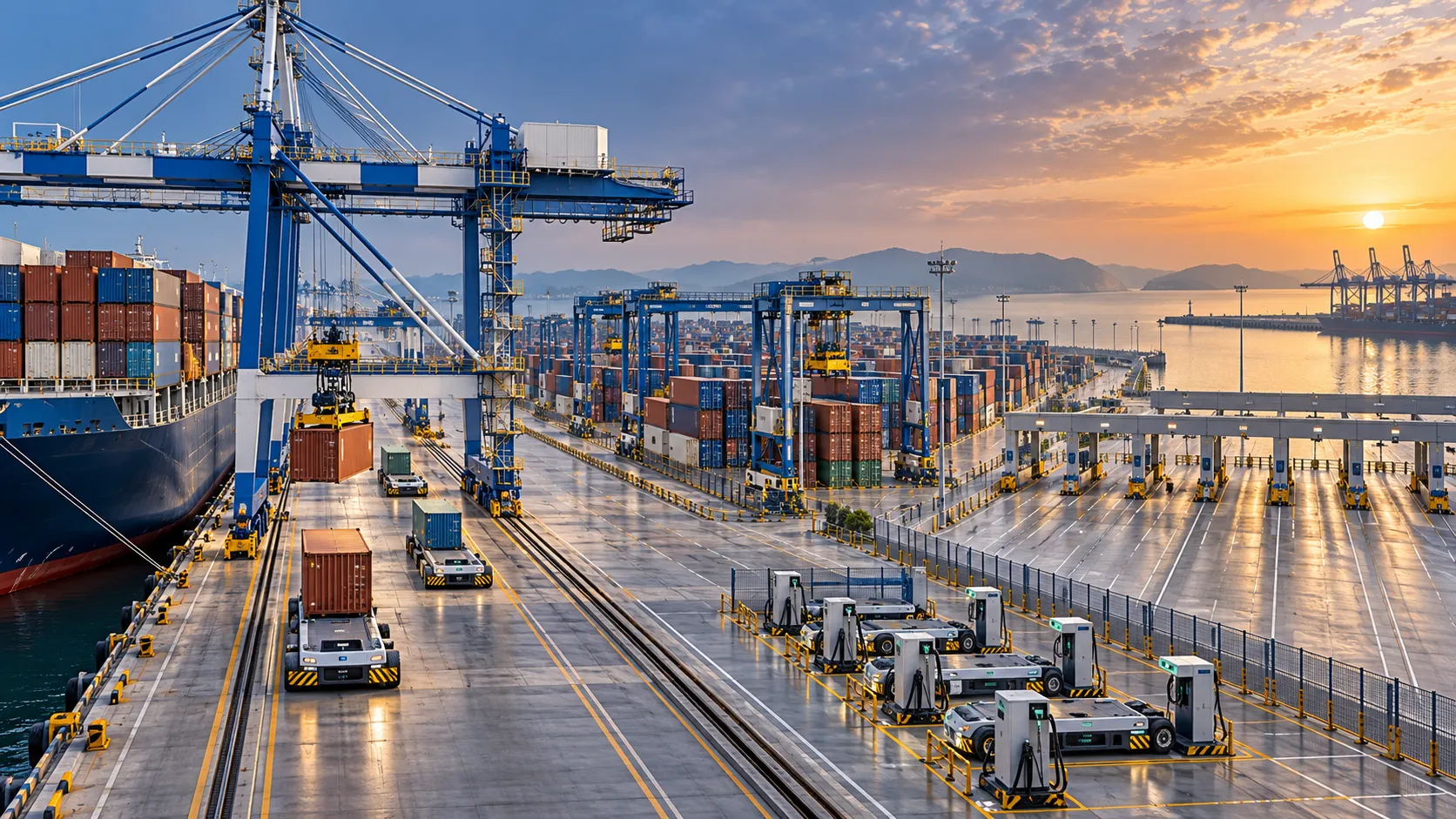
How to Select Automated Terminal Systems for High-Throughput Cargo Terminals
Automated terminal systems for cargo terminals: learn how to select scalable, resilient solutions that boost throughput, streamline integration, and control lifecycle risk.
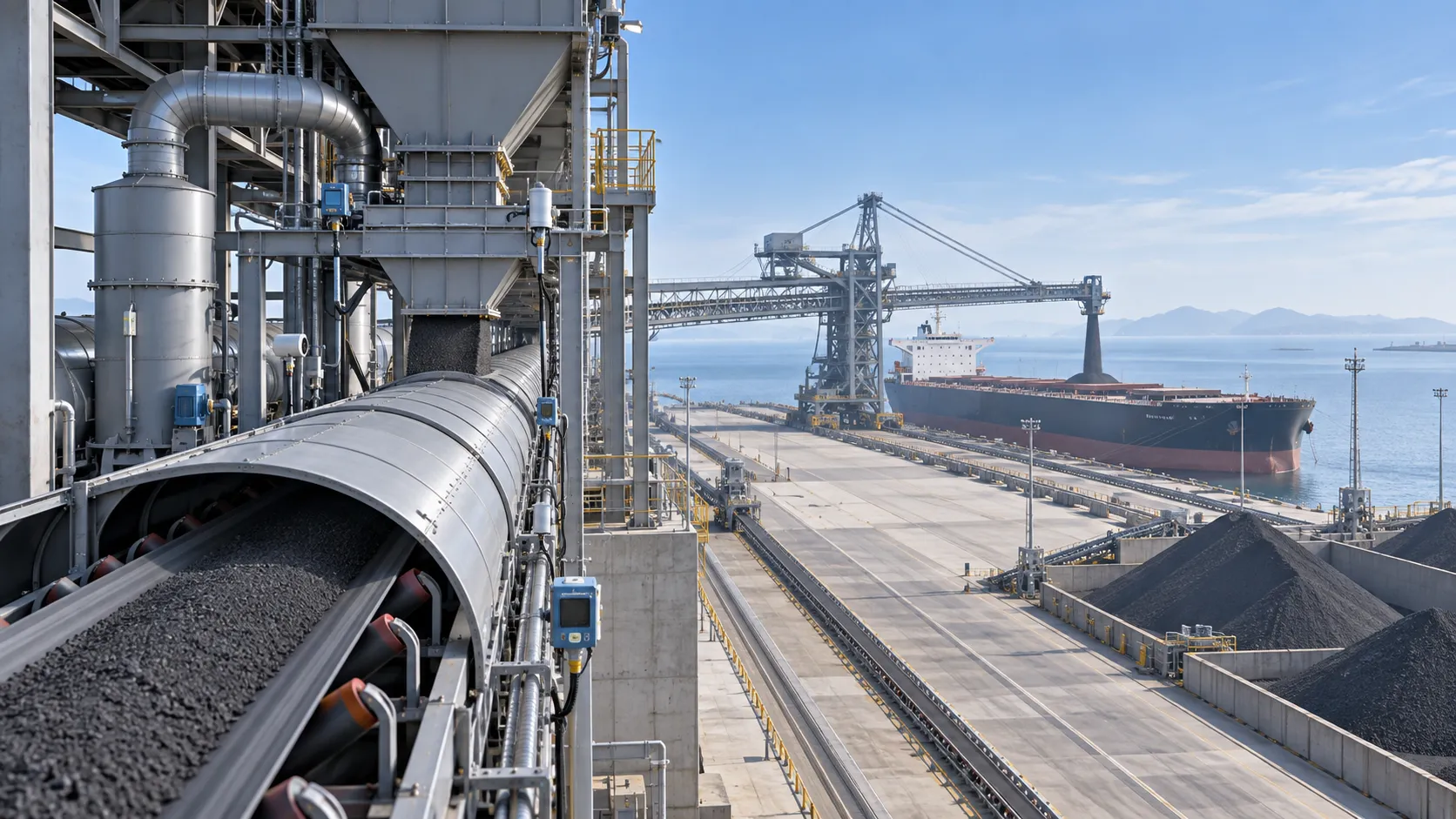
How Automated Bulk Cargo Handling Reduces Dust, Spillage, and Port Downtime
Automated cargo handling for bulk cargo cuts dust, spillage, and port downtime through stable flow control, smart sensing, and coordinated recovery.
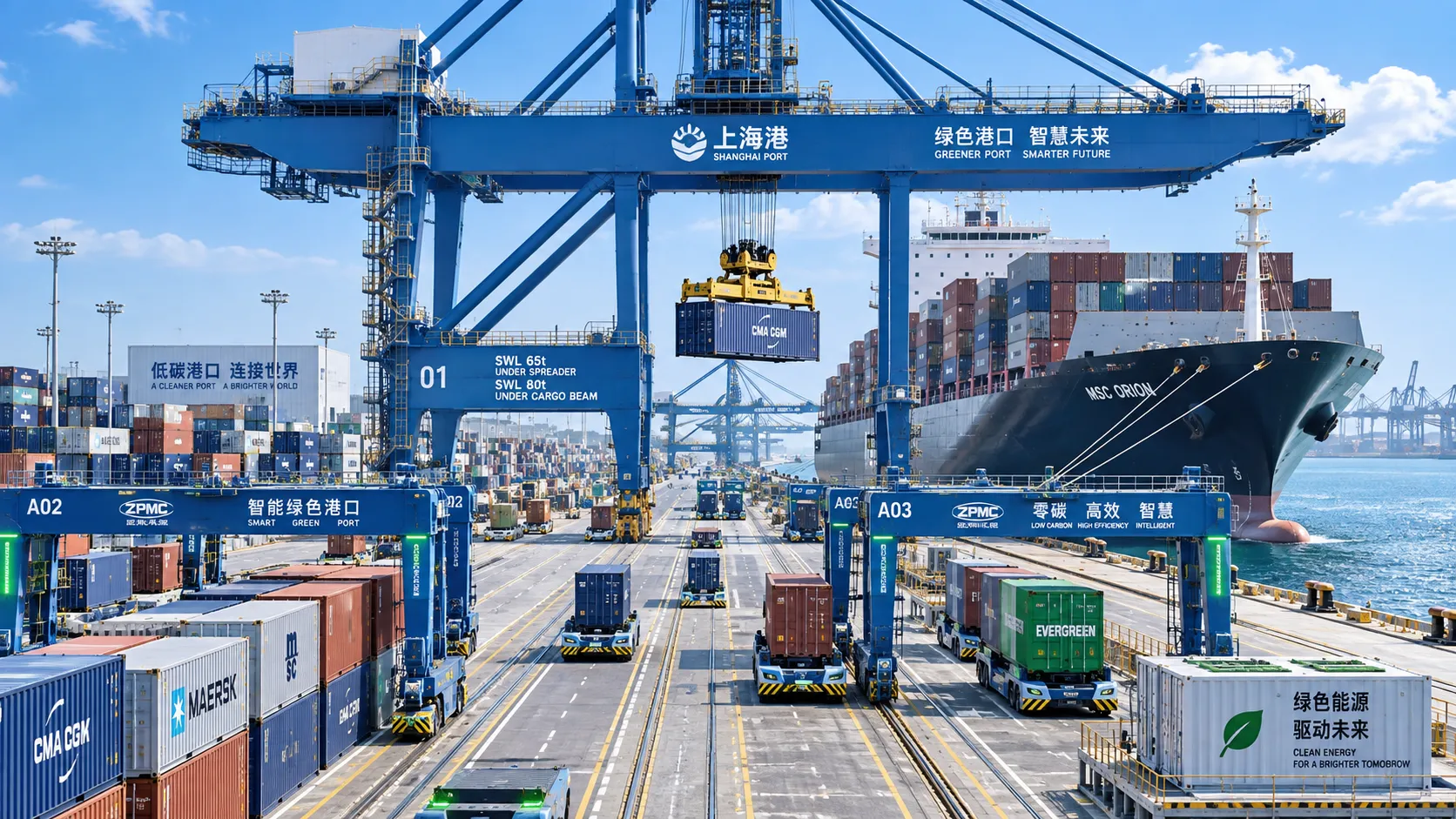
Port Equipment Market Outlook: Demand Drivers Shaping Crane and Handling Equipment Sales
Port equipment market outlook: Explore demand drivers for cranes, automation, electrification, bulk handling, and aftermarket services that create profitable sales opportunities.
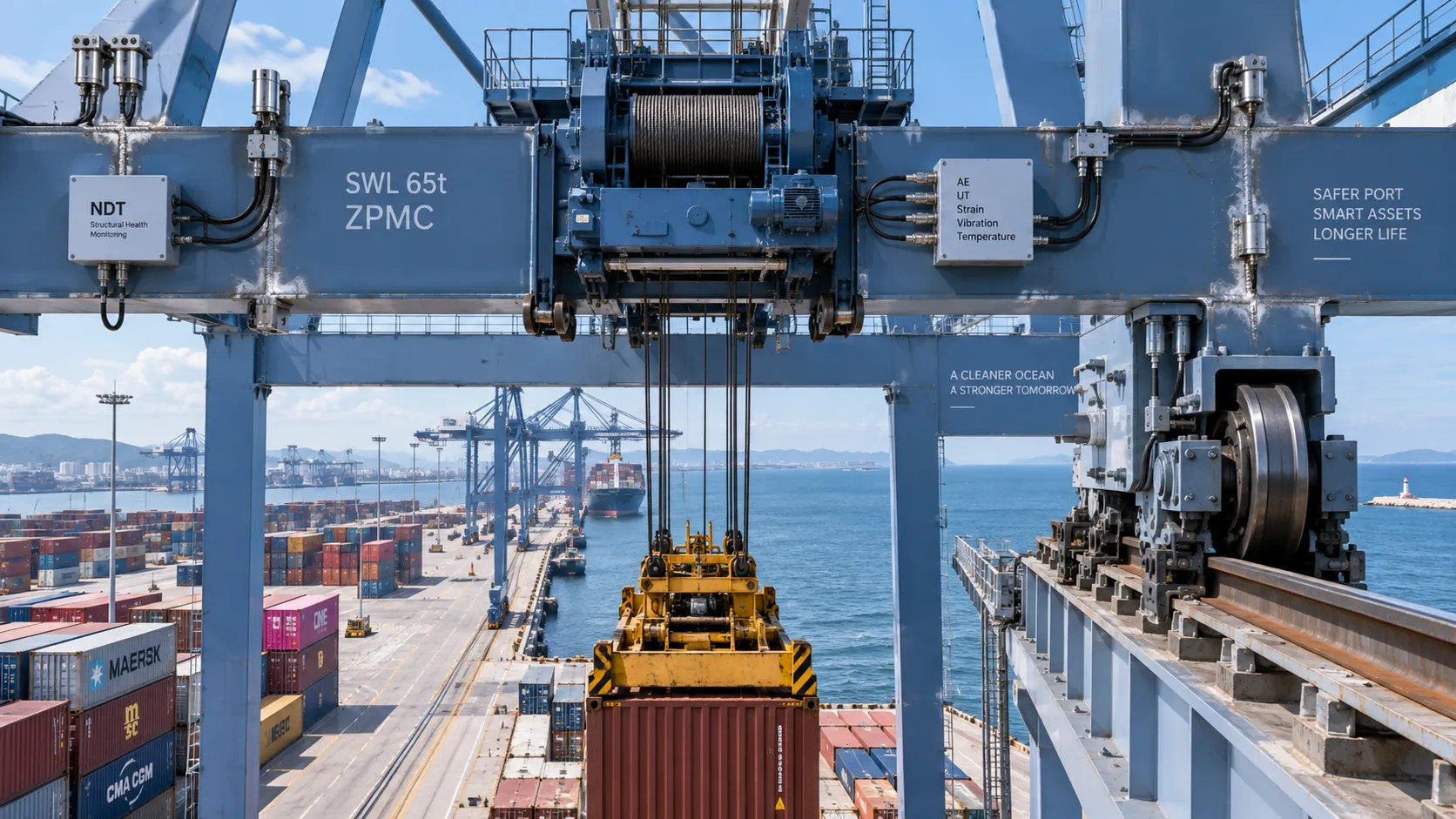
Technical Evaluation of Port Assets: Assessing Reliability, Condition, and Residual Life
Technical evaluation of port assets: assess reliability, condition, and residual life with actionable insights for safer operations and smarter investment decisions.
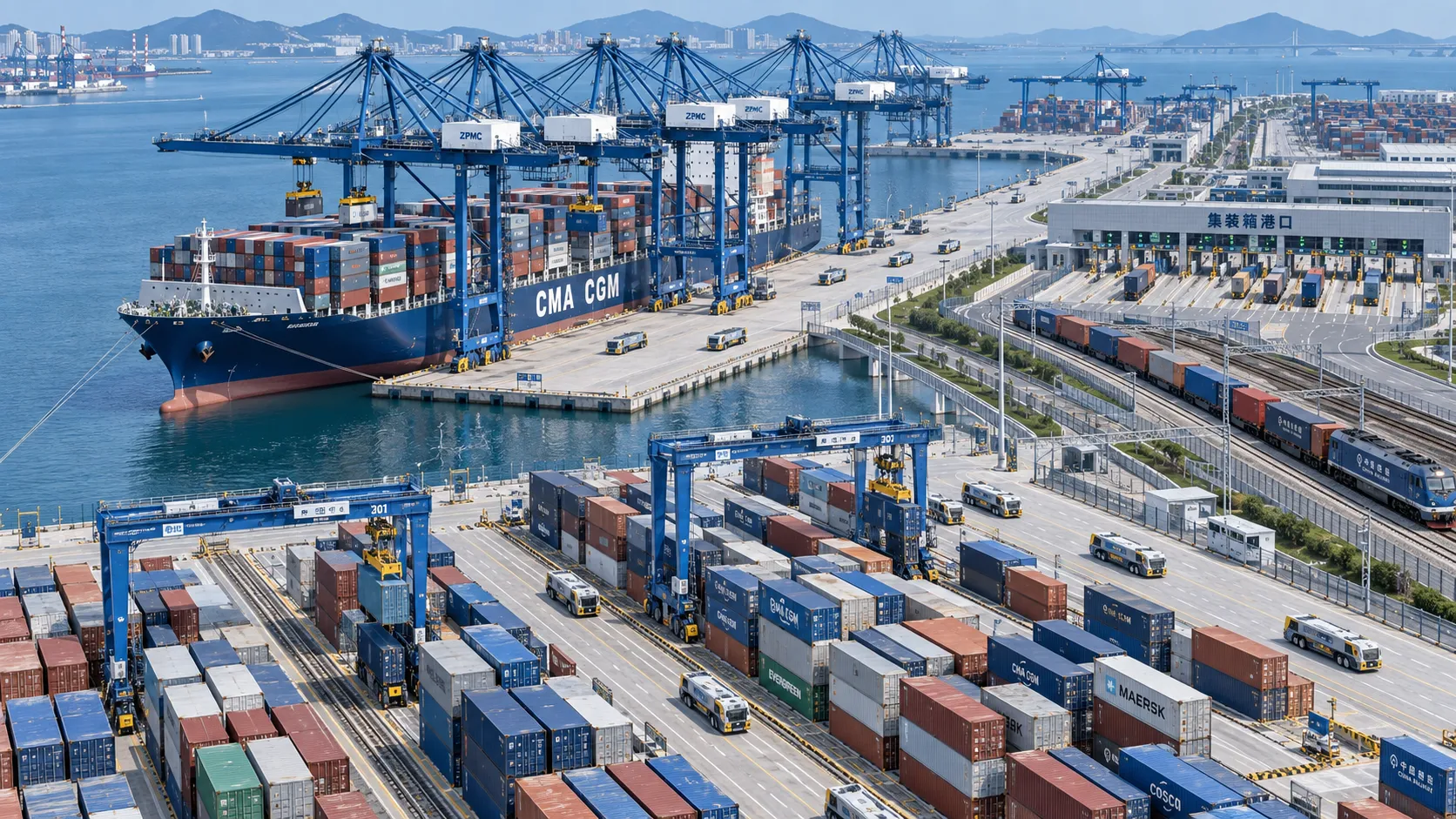
What Should a Port Capacity Plan Measure Before a New Berth or Crane Investment?
Port capacity planning: discover the metrics that reveal whether a new berth or quay crane will improve throughput, service reliability, and investment returns.
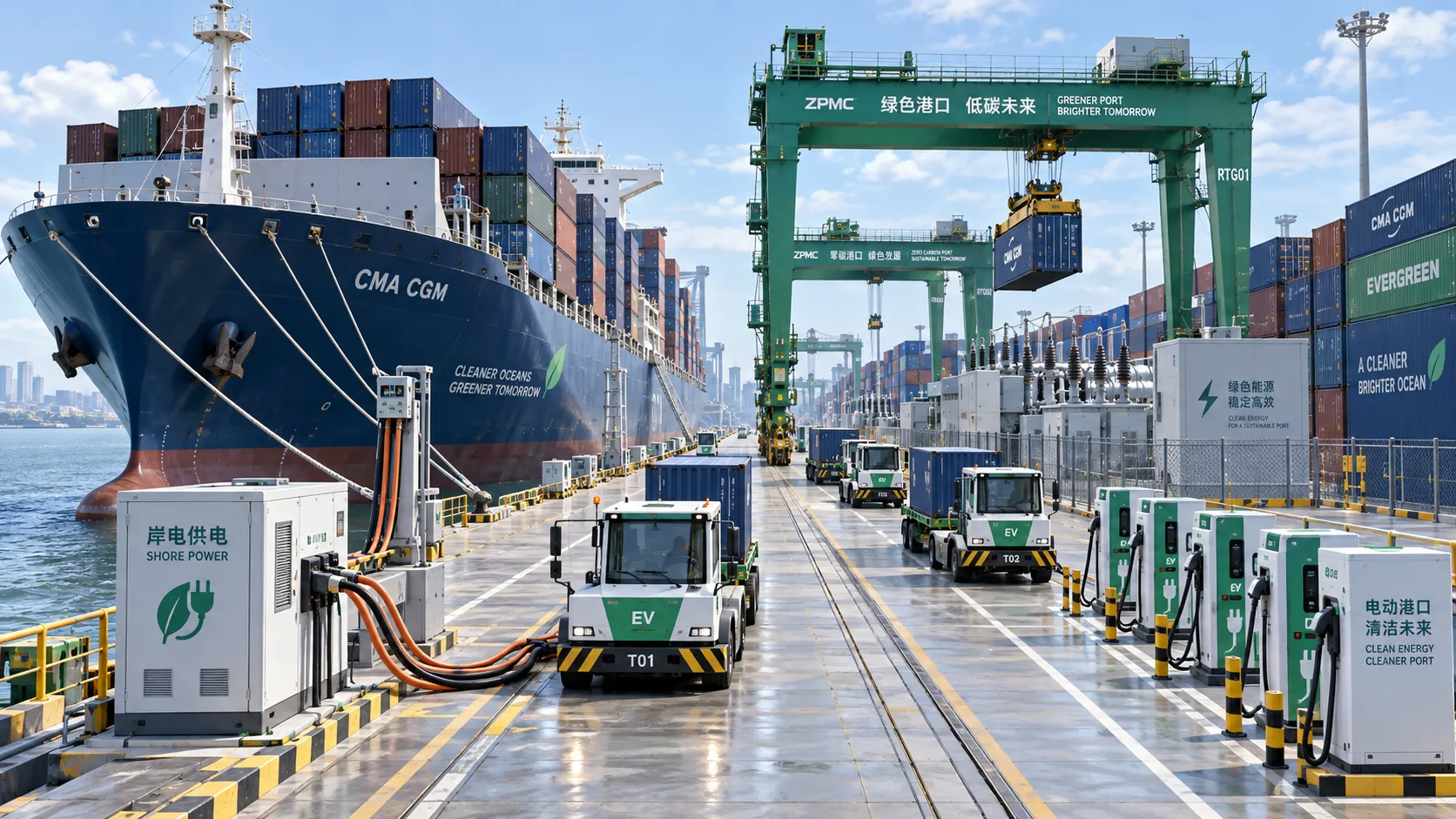
Port Emissions Reduction Services: Building a Shore Power and Equipment Retrofit Plan
Port emissions reduction services help terminals build practical shore power and equipment retrofit plans that cut emissions, protect throughput, and scale with confidence.