Related News
- 00
0000-00
What Should a Port Capacity Plan Measure Before a New Berth or Crane Investment? - 00
0000-00
Work Vessel Procurement Risks: Verifying Build Scope and Delivery Terms - 00
0000-00
How Do Maritime Disruptions Affect Port Equipment Procurement? - 00
0000-00
How Can Port Equipment Lead-Time Risk Be Managed? - 00
0000-00
Maritime Logistics Operations: How Ports Can Reduce Container Dwell Time
What Should a Port Capacity Plan Measure Before a New Berth or Crane Investment?
What Should a Port Capacity Plan Measure Before a New Berth or Crane Investment?
Before approving a new berth or quay crane, port leaders should determine whether marine access, berth time, crane output, yard space, or landside flow is the actual constraint.
A sound port capacity planning process measures the complete cargo journey, not only annual throughput. Investment succeeds when it removes the limiting resource across realistic operating conditions.
For executives, the central question is straightforward: will this asset create dependable additional capacity, improve service quality, and generate returns under plausible trade scenarios?
The answer rarely comes from a single utilization percentage. It requires linked measurements covering vessel calls, berth occupancy, equipment performance, storage dwell time, gate operations, and capital risk.
Start With the Bottleneck, Not the Asset
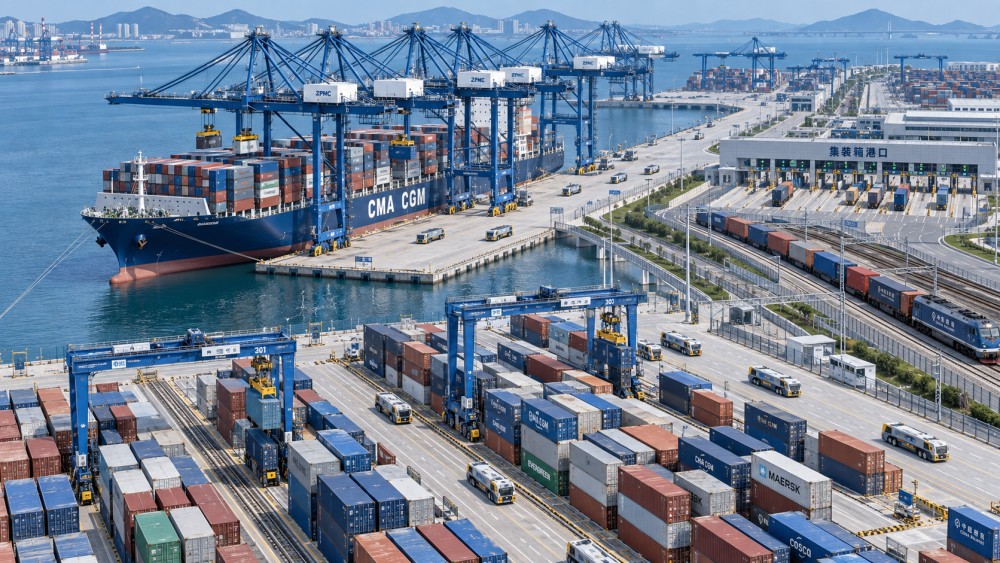
Many terminals begin with a preferred solution, such as another berth or larger crane fleet. Effective port capacity planning begins by testing the problem before choosing equipment.
A berth may appear congested because cranes are slow, containers remain in the yard too long, pilots face draft restrictions, or gate appointments are poorly synchronized.
Adding quay length will not solve a yard saturation problem. Adding cranes will not create useful capacity if vessel windows, labor availability, or container evacuation remain constrained.
Decision-makers should ask which resource reaches an unacceptable operating threshold first during peak demand. That resource defines the practical capacity limit and investment priority.
The analysis should distinguish between occasional disruption and structural congestion. Weather events, delayed arrivals, and labor disruptions need contingency measures, while recurring overload requires infrastructure or process change.
It is also important to separate nominal capacity from dependable capacity. Nominal capacity assumes favorable conditions, whereas dependable capacity reflects normal variability, maintenance, and operational buffers.
Ports that invest against dependable capacity generally protect customer service more effectively. They also avoid building expensive assets that remain underused because another constraint persists.
Measure Demand by Vessel Call and Cargo Flow
Annual TEU, tonnage, or vessel calls provide a useful starting point, but they cannot explain when demand arrives, how long it stays, or which resources it consumes.
A port capacity plan should measure call size, vessel class, arrival pattern, cargo mix, service frequency, seasonal peaks, and the degree of schedule bunching.
Two terminals with identical annual throughput can have very different capacity requirements. One may receive evenly distributed calls, while another experiences concentrated weekly peak windows.
Peak-week and peak-day analysis is particularly important for hub terminals, transshipment operations, commodity ports, and gateways serving volatile regional supply chains.
Executives should review the largest expected vessel calls rather than relying only on average call size. Larger ships create concentrated berth, crane, labor, and yard demand.
Cargo segmentation also matters. Import containers, export containers, transshipment boxes, refrigerated cargo, dangerous goods, empty containers, and project cargo follow different dwell and handling patterns.
For bulk terminals, planners should separately assess vessel parcel size, stockpile requirements, reclaiming rates, rail or conveyor flow, and weather-related handling limitations.
Demand forecasts should be built as scenarios, not a single forecast line. Base, upside, downside, and disruption cases provide a clearer view of investment resilience.
Assess Berth Capacity Through Service Reliability
Berth occupancy is one of the most visible indicators in port capacity planning, but it must be interpreted alongside vessel waiting time and schedule reliability.
High berth occupancy may be acceptable for predictable operations with flexible vessel windows. It becomes risky when carriers require reliable turnaround and tight connection schedules.
Measure berth occupancy by berth, vessel type, service string, tidal condition, and time period. A terminal-wide average can conceal severe congestion at a critical berth.
Useful indicators include average waiting time, maximum waiting time, berth window compliance, berth productivity, berth idle time, and the percentage of calls delayed by access constraints.
Planners should model the relationship between occupancy and delay rather than assume a universal target. The acceptable threshold depends on traffic variability and customer service commitments.
Marine constraints deserve equal attention. Channel depth, air draft, turning basin geometry, pilot availability, tug capacity, tidal windows, lock availability, and weather limits can restrict berth value.
A new berth that cannot reliably receive intended vessels during operating windows may deliver far less capacity than its design specification suggests.
Dredging requirements should therefore be included in the investment case. Initial deepening, maintenance dredging, sediment disposal, environmental permits, and navigation safety can materially affect lifecycle economics.
Test Whether Quay Crane Capacity Is Truly Limiting
A new quay crane is justified when crane intensity, crane availability, productivity, and vessel working time demonstrate a persistent equipment-related bottleneck.
Gross moves per hour are useful, but executives should focus on net vessel productivity. Net performance reflects productive output after operational delays and resource coordination losses.
Measure crane moves per hour by vessel class, work shift, operator arrangement, container type, hatch configuration, and weather condition. Average performance can mask difficult operating conditions.
Crane intensity is equally important. It shows how many cranes can work productively on a vessel at once without interference, unsafe spacing, or diminishing returns.
Adding cranes may not improve turnaround if the berth cannot support crane rail extension, power supply, maintenance access, or sufficient working positions on larger vessels.
Availability must include planned maintenance, unplanned downtime, spare parts lead times, electrical reliability, software integration, and operator qualification requirements.
For automated or remote-operated cranes, planners should assess communication latency, control room staffing, cybersecurity architecture, recovery procedures, and integration with terminal operating systems.
A crane investment case should compare alternatives. These can include performance upgrades, automation retrofits, maintenance reforms, reconfigured work rules, or fleet balancing across existing berths.
Calculate Yard Capacity as Time, Space, and Accessibility
Yard congestion is frequently the hidden cause of poor vessel productivity. Containers that cannot be received, positioned, or retrieved quickly reduce the value of berth-side assets.
Yard capacity should not be measured simply by total ground slots. It depends on stacking height, segregation rules, equipment reach, rehandle levels, and accessible working space.
Track average and peak yard occupancy by block, container category, dwell-time band, and operational zone. A terminal can appear balanced overall while one critical block is saturated.
Import dwell time is often a major driver of capacity. Longer dwell times consume slots, increase rehandles, slow truck turnaround, and create higher operating cost per container.
Export stacks require different planning because cut-off times cause arrival peaks before vessel loading. Reefer, hazardous, oversized, and customs-held containers need dedicated capacity assumptions.
Measure yard equipment travel time, lifting productivity, rehandle ratio, block accessibility, maintenance downtime, and handoff delays between quay, yard, rail, and gate operations.
Automation may increase storage density and consistency, but it also requires robust process design. Poor exception management can reduce the expected benefits of automated stacking systems.
Before expanding quay infrastructure, leaders should test whether dwell-time reduction, appointment reform, off-dock storage, or yard layout changes could release lower-cost capacity.
Include Gate, Rail, and Inland Connectivity in the Model
Port capacity ends at the terminal boundary only in simplified models. In practice, unreliable gates, rail interfaces, and inland corridors can create terminal congestion.
Measure truck turnaround time, queue duration, appointment compliance, gate transaction time, chassis availability, customs inspection delays, and peak-hour arrival concentration.
For rail-connected terminals, assess train dwell, crane cycles, track occupancy, wagon availability, cut-off reliability, and the ability to evacuate import volumes after vessel discharge.
Inland flow analysis matters because containers blocked at the terminal consume yard capacity. This can eventually delay quay operations and reduce berth productivity.
Decision-makers should identify whether capacity investments need complementary spending beyond the quay. Gate automation, rail expansion, digital scheduling, and road access may protect the primary investment.
Shared planning with customs authorities, trucking communities, rail operators, and logistics parks improves forecast quality. It also reveals constraints that terminal data alone cannot explain.
Use Scenario Modelling to Compare Investment Options
Port capacity planning should evaluate future conditions through operational scenarios, not a static spreadsheet based on one throughput forecast and one productivity assumption.
Scenarios should test demand growth, carrier consolidation, vessel upsizing, trade route changes, weather disruption, equipment outages, labor constraints, and extended container dwell times.
For each scenario, model vessel waiting time, berth occupancy, crane demand, yard occupancy, gate queues, rail flow, emissions, and expected service performance.
Discrete-event simulation can be especially valuable where vessel arrivals, variable handling rates, equipment interactions, and stochastic delays create complex operational behavior.
However, simulation is only as credible as its assumptions. Management should challenge data sources, productivity ranges, maintenance assumptions, and the treatment of operational variability.
The preferred option may be a phased approach. Smaller interventions can validate demand and operational assumptions before a terminal commits to a full berth expansion program.
Options analysis should compare new infrastructure with process improvement, technology upgrades, outsourcing arrangements, off-dock capacity, and demand-management measures.
This comparison prevents capital from being treated as the default solution. The goal is not to build the largest asset, but to create the most reliable capacity per invested dollar.
Evaluate Financial Returns and Strategic Value Together
Capital approval requires more than proving physical need. Leaders must understand revenue potential, operating cost changes, cash-flow timing, and the strategic consequences of delaying investment.
Financial analysis should estimate incremental throughput, tariff revenue, handling margin, maintenance costs, energy consumption, labor effects, dredging obligations, and terminal system integration costs.
Include sensitivity analysis for cargo growth, utilization, pricing, construction cost escalation, interest rates, exchange exposure, and commissioning delays. Port infrastructure often has long delivery horizons.
A new berth may attract larger services or protect an anchor customer relationship. A crane investment may improve turnaround sufficiently to secure carrier preference and schedule resilience.
These strategic benefits should be identified clearly, but not assumed without evidence. Customer commitments, market demand, and competitive terminal behavior should support the commercial case.
Decision-makers should also account for the cost of inaction. Congestion can lead to missed calls, lower berth productivity, customer diversion, demurrage exposure, and reputational damage.
Lifecycle cost should remain visible throughout evaluation. Low acquisition cost can be outweighed by maintenance complexity, high energy demand, limited spare support, or poor automation compatibility.
Build Resilience, Safety, and Decarbonization Into Capacity Decisions
Capacity investments will operate for decades, so the plan should consider future environmental requirements, climate exposure, energy systems, workforce safety, and digital resilience.
Measure the emissions impact of vessel waiting, equipment fuel use, shore power readiness, electrification requirements, and expected changes in electricity demand from automated equipment.
Climate assessment should examine sea-level rise, storm surge, wind restrictions, heat stress, rainfall drainage, sediment movement, and the vulnerability of power and communications infrastructure.
Safety metrics should include crane collision risk, truck-pedestrian separation, hazardous cargo controls, emergency access, maintenance exposure, and human factors in remote-control environments.
Cybersecurity is now an operational capacity issue. Terminal operating systems, crane controls, gate platforms, and remote equipment require tested recovery plans and secure integration.
Investments that improve resilience can produce financial value by reducing downtime, protecting service commitments, lowering insurance exposure, and extending useful asset life.
A Practical Decision Framework for Port Leaders
Before authorizing a new berth or crane, require a capacity plan that identifies the present constraint, validates future demand, and tests operational performance under uncertainty.
The plan should show where congestion occurs, how often it occurs, what it costs, and which intervention removes it with the strongest operational and financial outcome.
It should also specify the dependencies around the investment. These may include dredging, utility upgrades, yard expansion, software integration, labor capability, permits, and inland transport capacity.
A credible recommendation explains what happens if the project is delayed, phased, resized, or replaced by lower-capital operational improvements.
Most importantly, the analysis should make trade-offs visible. Faster vessel turnaround, higher storage density, lower emissions, improved safety, and capital discipline may not move together automatically.
Port capacity planning is therefore a strategic management tool, not only an engineering calculation. It connects infrastructure choices with service reliability, commercial position, and long-term resilience.
Conclusion: Measure the Whole Terminal System
A new berth or quay crane creates value only when it addresses the real limiting condition in the terminal system and remains effective under future operating scenarios.
Executives should measure demand patterns, berth reliability, crane productivity, yard accessibility, landside flow, marine constraints, financial returns, and resilience before committing capital.
When these measures are assessed together, ports can avoid isolated investments, prioritize high-impact interventions, and build capacity that supports profitable, reliable, and sustainable trade growth.
Related News
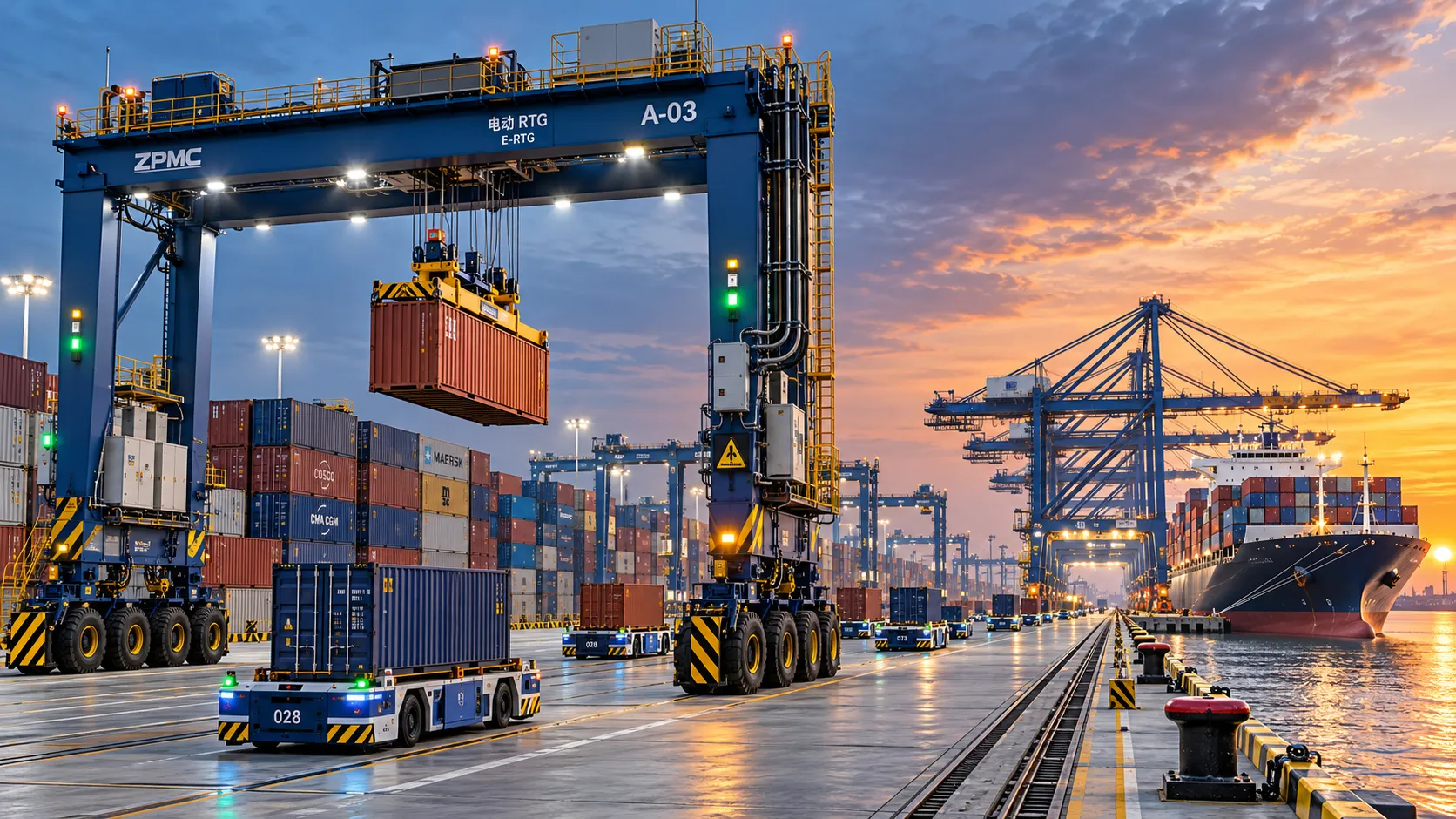
How to Evaluate a Container Handling Equipment Exporter for Port and Yard Projects
Choose the right container handling equipment exporter with a practical guide to compliance, automation, service support, delivery reliability, and lifecycle value.
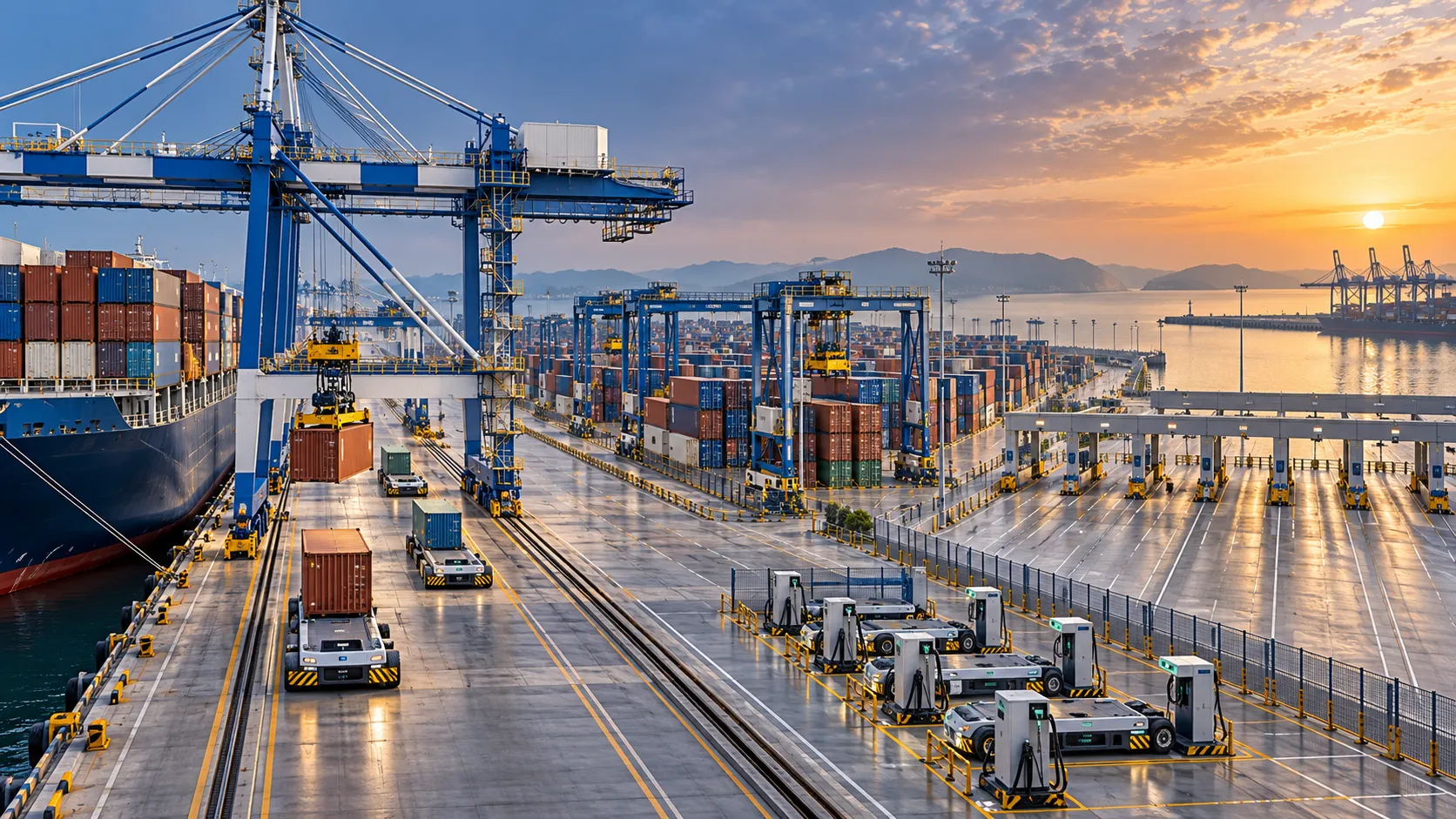
How to Select Automated Terminal Systems for High-Throughput Cargo Terminals
Automated terminal systems for cargo terminals: learn how to select scalable, resilient solutions that boost throughput, streamline integration, and control lifecycle risk.

How Automated Bulk Cargo Handling Reduces Dust, Spillage, and Port Downtime
Automated cargo handling for bulk cargo cuts dust, spillage, and port downtime through stable flow control, smart sensing, and coordinated recovery.
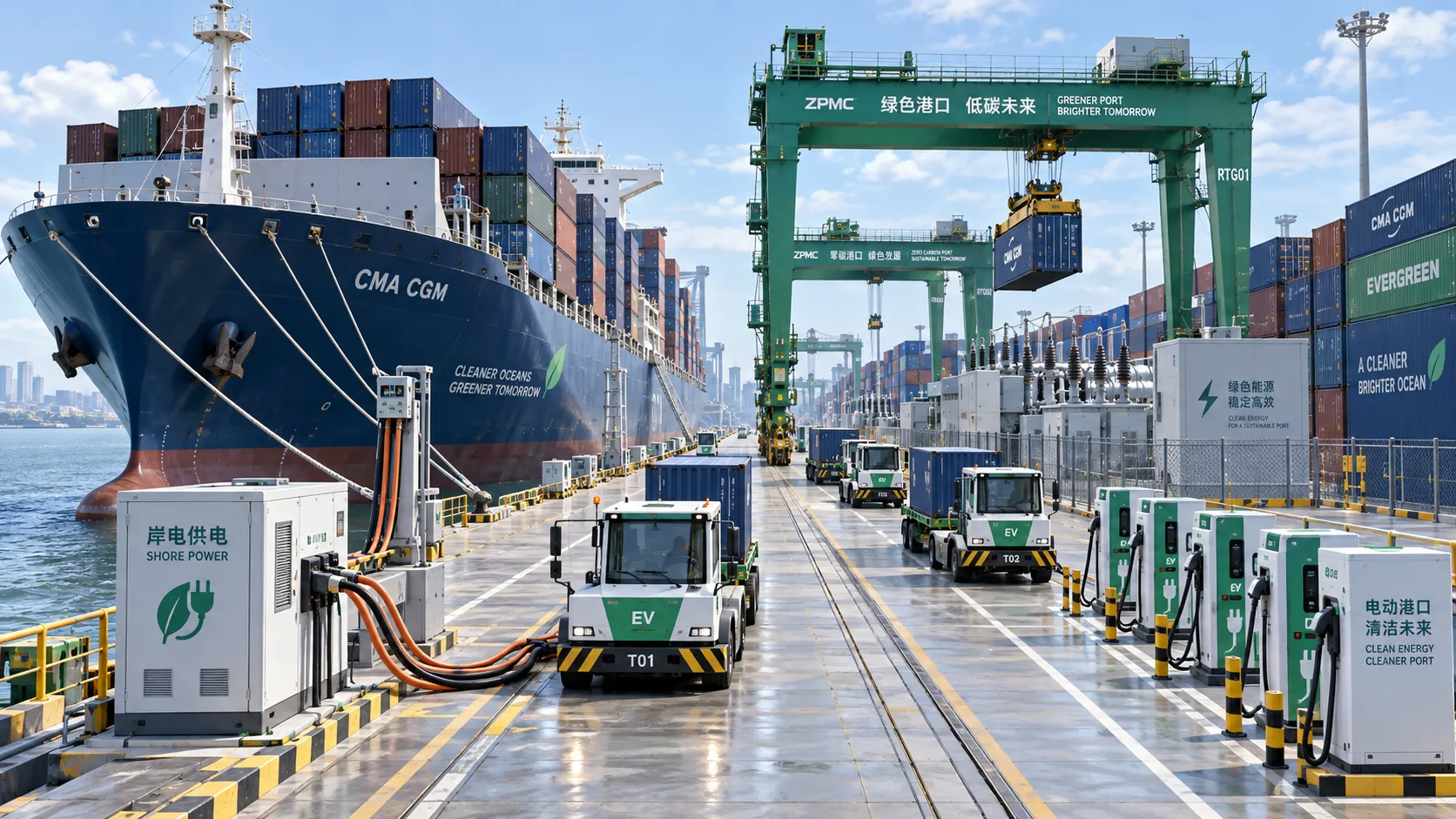
Port Emissions Reduction Services: Building a Shore Power and Equipment Retrofit Plan
Port emissions reduction services help terminals build practical shore power and equipment retrofit plans that cut emissions, protect throughput, and scale with confidence.
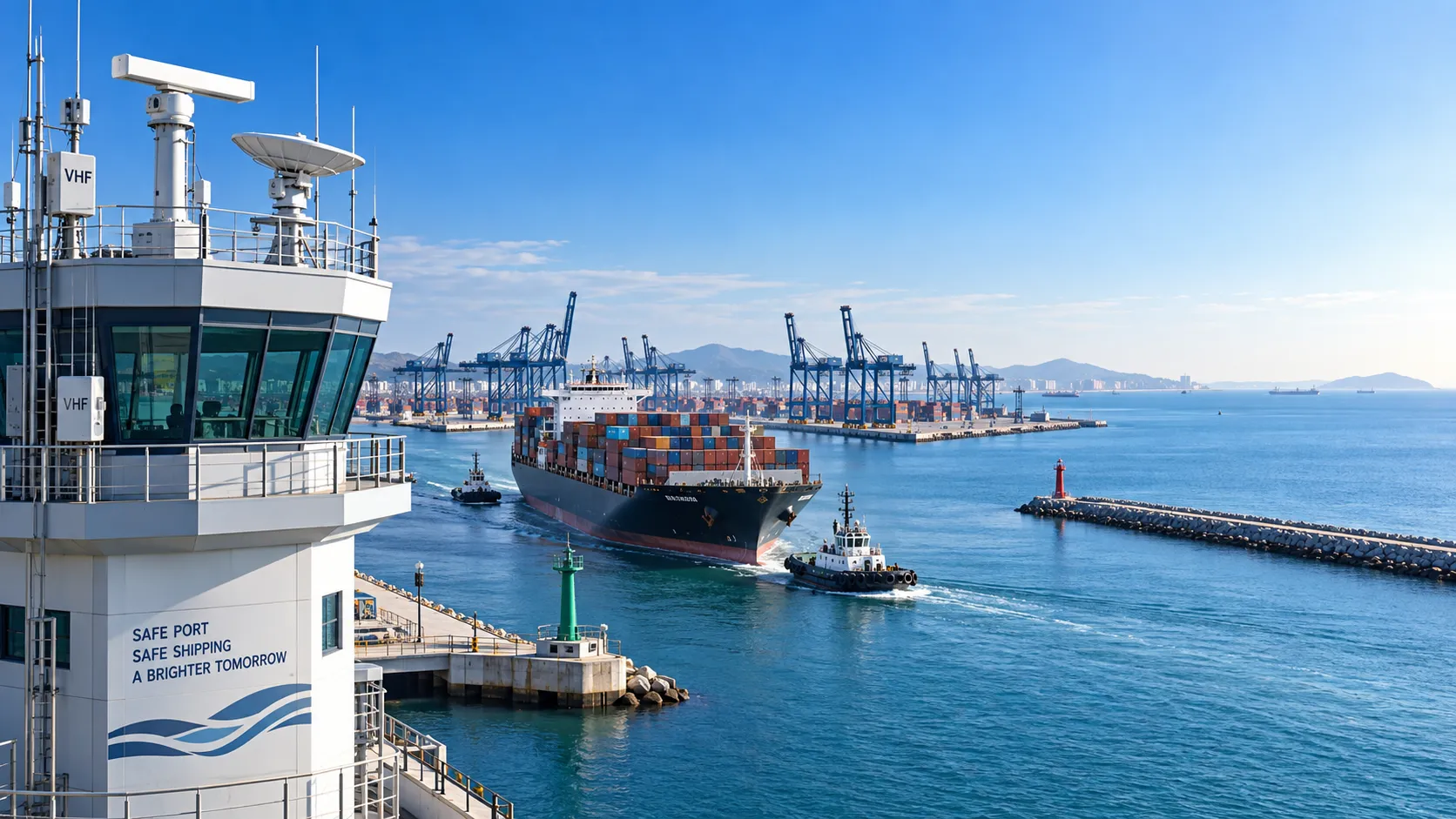
Selecting Port Control Systems for Vessel Traffic: Coverage and Fail-Safe Design
Port control systems for vessel traffic: learn how to assess coverage, redundancy, fail-safe recovery, cybersecurity, and operator workflows for safer port operations.
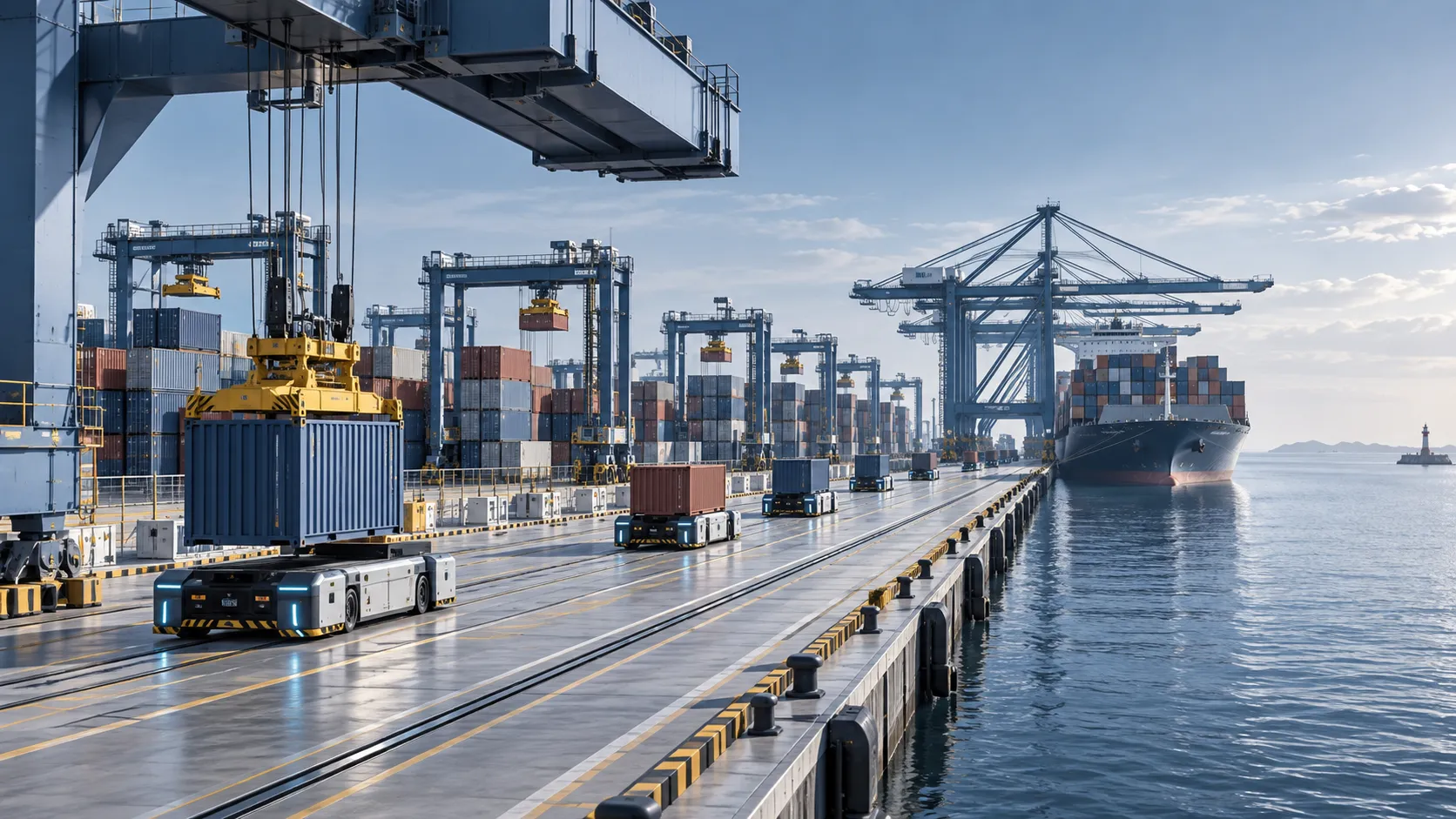
Selecting Automated Cargo Handling Systems for Terminal Throughput and Yard Limits
Automated cargo handling systems for maritime terminals: learn how to balance berth throughput, yard limits, automation software, and lifecycle costs for smarter terminal decisions.
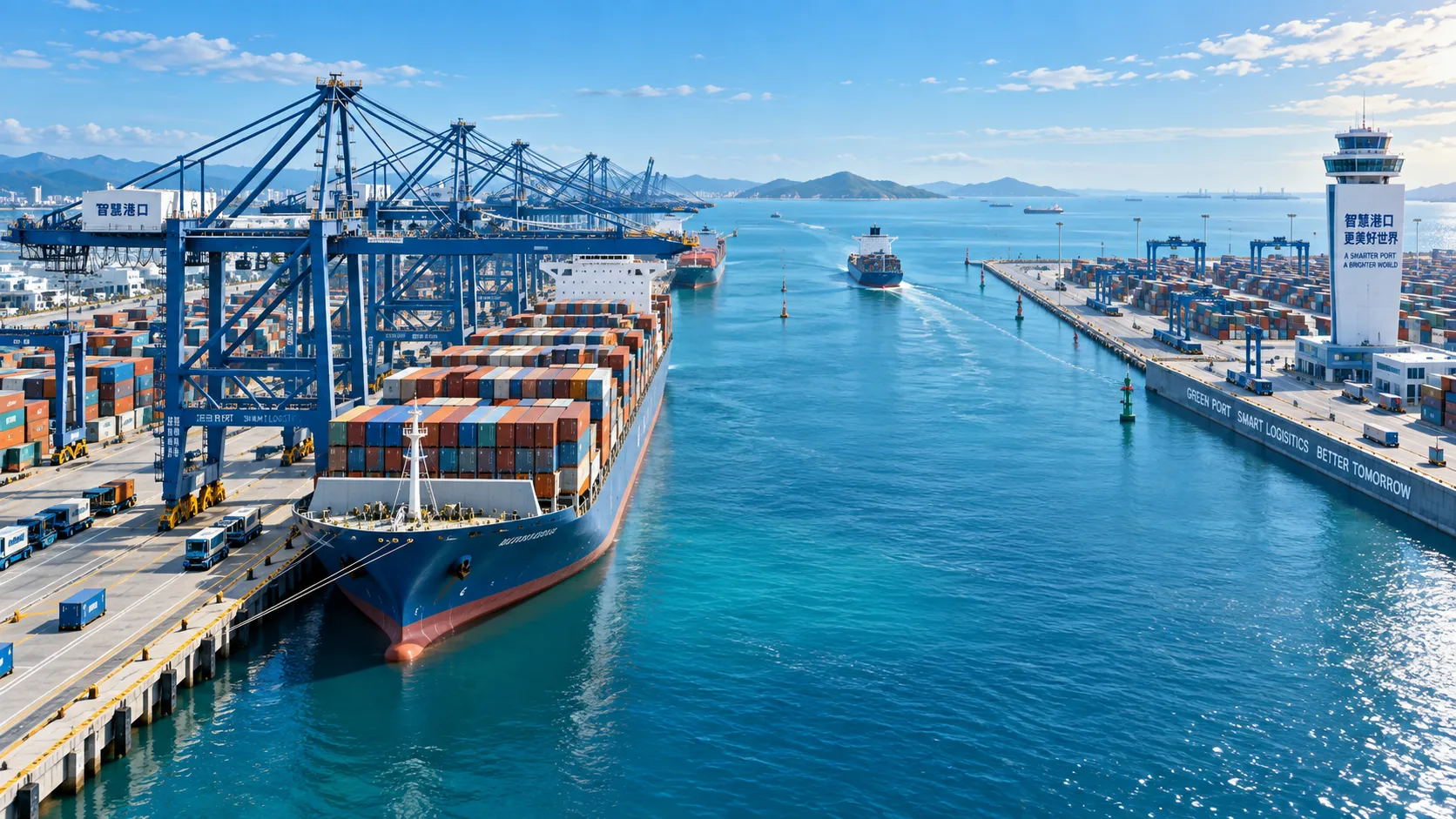
Smart Port Solutions for Berth Planning: Reducing Vessel Wait Times and Conflicts
Smart port solutions for berth planning reduce vessel wait times, prevent conflicts, and optimize quay, crane, and yard resources for faster turnarounds.
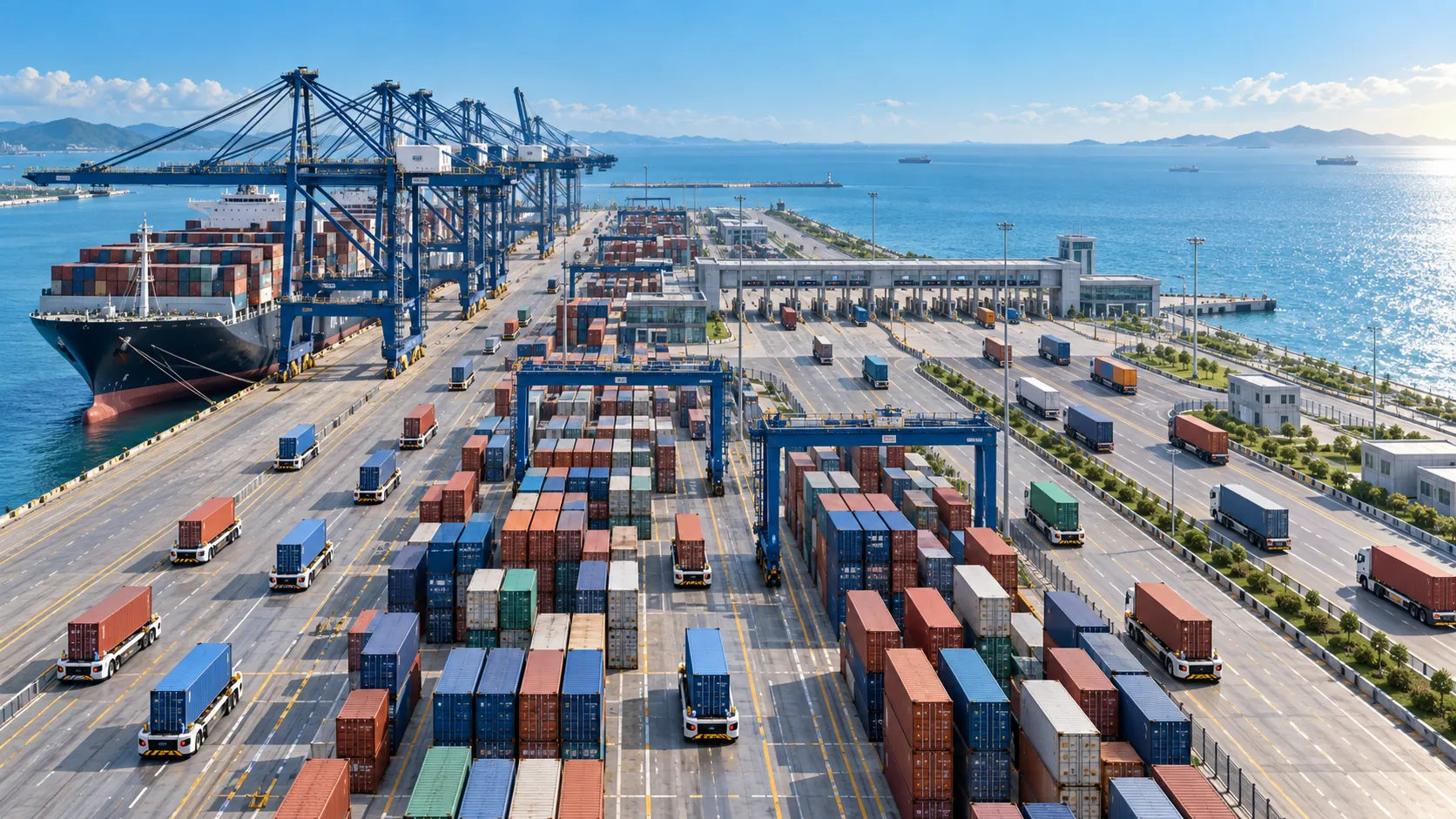
How AI Scheduling Improves Berth, Yard, and Gate Coordination at Terminals
Terminal automation systems with AI scheduling align berth, yard, and gate operations to reduce congestion, improve throughput, and strengthen terminal resilience.
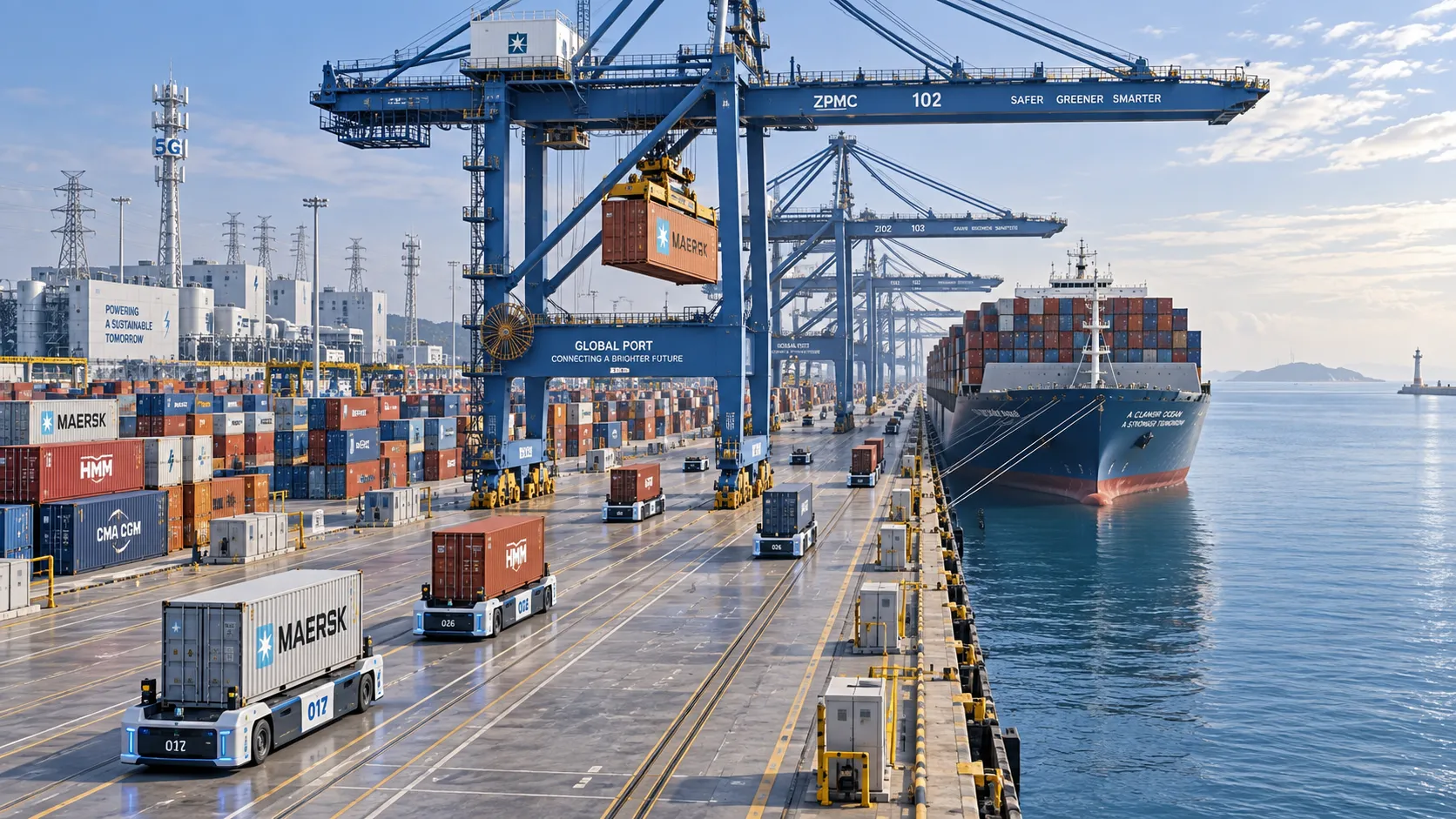
How to Evaluate a Port Logistics Solutions Supplier for Terminal Uptime and Scalability
Choose a port logistics solutions supplier with confidence. Learn how to assess uptime, scalability, service strength, integration, and lifecycle risk for resilient terminal growth.