Related News
- 00
0000-00
Smart Port Solutions for Berth Planning: Reducing Vessel Wait Times and Conflicts - 00
0000-00
How AI Scheduling Improves Berth, Yard, and Gate Coordination at Terminals - 00
0000-00
How to Specify a Quay Crane for Container Terminals by Vessel Size and Throughput? - 00
0000-00
How Should Dredging Equipment Performance Be Verified Before Acceptance? - 00
0000-00
Which Bulk Handling Equipment Suits High-Moisture Cargo?
Smart Port Solutions for Berth Planning: Reducing Vessel Wait Times and Conflicts
A berth plan fails long before a vessel reaches the quay when it treats arrival time, berth length, crane availability, and yard readiness as separate facts. Smart port solutions for berth planning bring those constraints into one operating view, allowing berth windows to be adjusted before a late arrival becomes a queue, a crane outage becomes an alongside delay, or an unsuitable berth assignment triggers a last-minute shift.
The immediate objective is practical: assign each vessel to a feasible berth and service window while protecting the work already committed to other vessels. A feasible assignment is not simply an empty stretch of quay. It must account for vessel dimensions, draft and tidal limits, mooring arrangement, cargo sequence, crane reach, shore-power or bunker requirements where relevant, safe separation, channel access, and the time needed to clear containers, bulk cargo, vehicles, or project cargo from the working area. When these conditions are visible together, berth planning becomes a controlled scheduling process rather than a series of manual exceptions.
Start with an operationally usable vessel picture
Estimated time of arrival is often the most visible planning input and one of the least reliable when viewed alone. A vessel may report a stable ETA while its speed profile, weather exposure, anchorage status, pilot availability, or preceding port departure indicates a different arrival range. Planning against a single timestamp creates false precision. Planning against a confidence window allows the terminal to reserve capacity without freezing the entire berth line.
A useful vessel picture combines voyage updates with the details that determine whether the vessel can actually be worked after berthing. These include length overall, beam, arrival and departure draft, air draft where bridge or loader clearance matters, cargo type, expected moves or tonnage, required cranes or loaders, dangerous-goods restrictions, preferred side alongside, and expected departure constraints. The details should be time-stamped and traceable. A draft stated before a cargo adjustment, for example, should not silently remain the basis for a tidal-window decision.
Different cargo operations produce different planning sensitivities. A container vessel may appear berth-ready because cranes are free, yet its discharge sequence can overwhelm a yard block or rail interface. A bulk carrier may have berth space and unloading machinery available, but its working window can be limited by conveyor routing, stockpile capacity, dust-control conditions, or the need to switch commodities. Project cargo and heavy-lift calls introduce another layer: lift plans, crane ground-bearing limits, exclusion areas, and transport staging can reduce usable quay length even when the berth is physically vacant.
Model the berth as a constrained time-and-space resource
Berth occupancy should be calculated from the full occupation interval, not from cargo handling time alone. The interval begins when a berth must be protected for approach, pilotage, tugging, mooring, and safety clearance. It ends only when unmooring, sailing clearance, and any required berth reset are complete. Fenders, hooks, access gangways, hatch-cover movements, ship-to-shore crane positioning, and cleanup can all consume capacity around the cargo operation.
Spatial conflicts need the same discipline. A berth that is nominally long enough may be unusable because adjacent vessels require separation, crane booms need a protected travel path, a ramp must remain clear, or a mooring line would interfere with a neighboring operation. For continuous quays, the planning model should represent usable berth segments rather than a single generic berth label. This makes it possible to identify whether a conflict comes from time overlap, physical overlap, or an operational exclusion zone.
Berth planning logic should therefore preserve both hard constraints and adjustable preferences. Hard constraints include safety limits, draft restrictions, incompatible cargo combinations, unavailable equipment, and prohibited berth-vessel combinations. Preferences can include minimizing shift moves, keeping a regular service at a familiar berth, reducing travel distance to a preferred yard block, or grouping similar cargo activities. When preferences are accidentally encoded as fixed rules, the schedule loses the flexibility needed to recover from disruption.
Use predictive scheduling to protect the next decision
A predictive schedule does not need to promise an exact completion time. Its value lies in exposing the range of likely outcomes and the conditions that move that range. For each call, the schedule should estimate berth-ready time, work start, expected work duration, departure-ready time, and sailing time. It should also identify the upstream assumptions behind each value: vessel arrival range, pilot and tug availability, crane assignment, labor or remote-control availability, yard capacity, cargo release status, and navigation limits.
The most useful planning horizon is rolling rather than static. Near-term decisions need fine detail because a small change can produce a direct berth conflict. Further out, the schedule can operate with broader windows and scenario branches. A vessel due several days later does not require a rigid slot if its departure port remains uncertain; it requires a provisional position that shows what other calls would be displaced if it arrives early or late.
Scenario comparison is especially valuable where a berth sequence has little slack. Consider two vessels planned for the same quay: one has a narrow tidal departure window, while the other has a flexible sailing time but requires a specific crane configuration. Giving priority solely to the earlier arrival may produce a long delay for both calls. A scheduling engine should test the alternatives: serve the tide-limited vessel first, exchange berths, alter crane allocation, or hold the flexible vessel at anchorage until a reliable work window exists. The preferred option is the one that respects physical constraints while minimizing total disruption across the active plan, not merely the wait time of the next vessel.
Connect berth decisions to the resources that determine turnaround
Berth allocation without equipment and landside coordination is only a partial schedule. A vessel can be alongside on time and still occupy the berth without productive work. The planning view needs live or frequently refreshed status from quay cranes, mobile harbor cranes, ship loaders, unloaders, conveyor lines, hoppers, yard transport, gate flow, storage areas, and maintenance activities. The appropriate level of detail differs by terminal, but every resource represented in the berth plan should have a clear operational meaning.
For container terminals, crane intensity must be tied to the actual work sequence. Assigning three cranes on paper may be unrealistic when bay spacing prevents productive simultaneous work, one crane is committed to a critical hatch sequence, or yard vehicles cannot sustain the expected exchange rate. An apparent berth delay caused by slow crane moves may actually originate in yard congestion, delayed equipment dispatch, a blocked interchange lane, or an unavailable container release. Reassigning the berth in response will not solve that root cause.
Bulk and general cargo terminals face a comparable distinction. Slow loading can stem from cargo not arriving at the quay, a constrained conveyor path, inconsistent material moisture, loader repositioning, or vessel trimming requirements. The berth scheduler needs these conditions as capacity modifiers, not as narrative notes attached to the call. A reduction in effective handling rate should automatically recalculate the expected berth release and test downstream conflicts.
Manage change through decision thresholds
Many berth plans become unstable because every update triggers a full reschedule. Constant replanning erodes confidence at the quay and creates avoidable coordination work. A better approach distinguishes between information that changes awareness and information that requires action. An ETA movement inside the reserved arrival range may update the forecast without changing the berth. A movement that threatens pilot availability, overlaps a protected clearance interval, or pushes a vessel beyond its tidal departure window should initiate a decision workflow.
Decision thresholds should be visible and agreed within the operating process. Examples include a vessel losing its feasible departure window, a planned crane becoming unavailable beyond a defined recovery period, berth utilization leaving insufficient separation for the next confirmed call, or yard occupancy approaching a level that limits discharge. The schedule should show the reason for the alert, the affected calls, and the available resolution paths. An alert saying only that a berth conflict exists forces manual investigation at the exact moment when time is scarce.
Change control also requires a record of why an assignment moved. Without this, recurring issues are easily misclassified. Repeated late berthing may be blamed on vessel punctuality when the actual pattern is delayed pilot boarding. Repeated overstays may be attributed to low productivity even though planned handling rates exclude shift handover and crane maintenance windows. A concise event history supports later improvement without turning the berth board into a reporting burden.
Separate apparent conflicts from real conflicts
Two vessels scheduled near each other are not automatically in conflict, and a visually open berth is not automatically available. The difference is determined by operational compatibility. A short overlap may be safe when the vessels use independent berth segments, separate mooring zones, and non-interfering equipment. Conversely, two calls assigned to different berths can conflict when they need the same pilot team, tug set, conveyor route, crane, or tidal access period.
This is why a berth planning solution should evaluate shared resources alongside berth occupancy. The resource model does not need to represent every terminal asset in minute detail. It should represent the bottlenecks that can invalidate a berth decision. In a container operation, that may include crane availability, yard transport capacity, and reefer-yard space. In a dry bulk operation, the critical elements may be ship loader position, conveyor availability, stockpile release, and dust-control operating conditions. The correct scope follows the sources of recurring delay.
Build reliable data governance into the operating routine
Automation amplifies both good and bad inputs. A berth optimization result is only credible when source ownership, update frequency, and status definitions are clear. ETA should indicate whether it originates from a vessel report, an AIS-derived prediction, an agent update, or a confirmed pilot arrangement. Equipment status needs to distinguish planned maintenance, active fault, restricted operation, and full availability. “Cargo ready” should not mean the same thing for every terminal; it may refer to documentation release, stockpile availability, customs clearance, or physical delivery to the terminal.
Data latency matters differently across the plan. A monthly berth capability file can support master data. It cannot support an imminent collision between two arrival windows. Near-term operational data should refresh quickly enough to preserve time for a meaningful intervention, while historical data should remain available to test whether assumptions about handling duration, berth reset, or navigation access match actual performance.
Human review remains necessary at the points where local conditions are not fully represented in the model. Sudden weather restrictions, an unusual cargo stowage plan, damaged mooring fittings, an emergency channel closure, or a vessel-specific handling concern may require a planner to override the recommended sequence. The override should capture the reason and its duration. That preserves operational judgment while preventing informal changes from disappearing from the schedule.
Implement in layers without freezing live operations
A practical deployment begins with a stable berth map, vessel and berth compatibility rules, and a shared definition of occupation time. Historical calls can then be used to compare planned and actual intervals, revealing whether the main uncertainty comes from arrival, service duration, departure readiness, or resource availability. This baseline is more useful than immediately pursuing an elaborate optimization model built on inconsistent timestamps.
Once the basic schedule is trusted, integrate the few data feeds that change near-term decisions most often. Arrival prediction, pilot and tug status, equipment availability, and terminal operating constraints usually provide a stronger first improvement than connecting every available data source. Add scenario testing and conflict alerts after the data meanings are settled. A visually sophisticated berth board with ambiguous inputs only accelerates confusion.
Reliable berth planning is measured by the quality of decisions made before the vessel waits, not by the appearance of a fully occupied schedule. When arrival uncertainty, quay geometry, equipment capability, cargo flow, and departure constraints are evaluated as one connected operating problem, terminals gain room to absorb disruption without simply moving delay from the anchorage to the berth.
Related News

How AI Scheduling Improves Berth, Yard, and Gate Coordination at Terminals
Terminal automation systems with AI scheduling align berth, yard, and gate operations to reduce congestion, improve throughput, and strengthen terminal resilience.
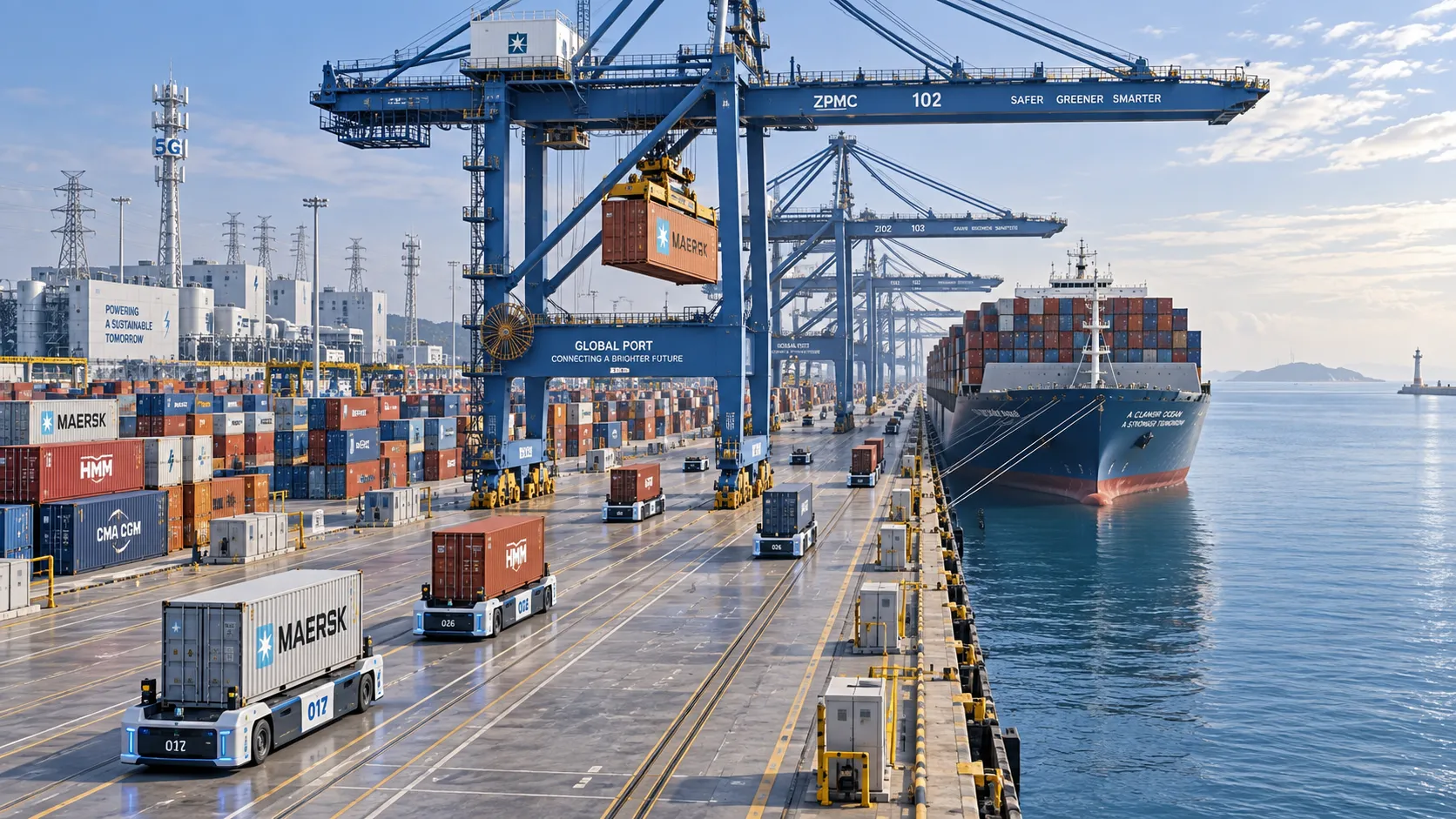
How to Evaluate a Port Logistics Solutions Supplier for Terminal Uptime and Scalability
Choose a port logistics solutions supplier with confidence. Learn how to assess uptime, scalability, service strength, integration, and lifecycle risk for resilient terminal growth.
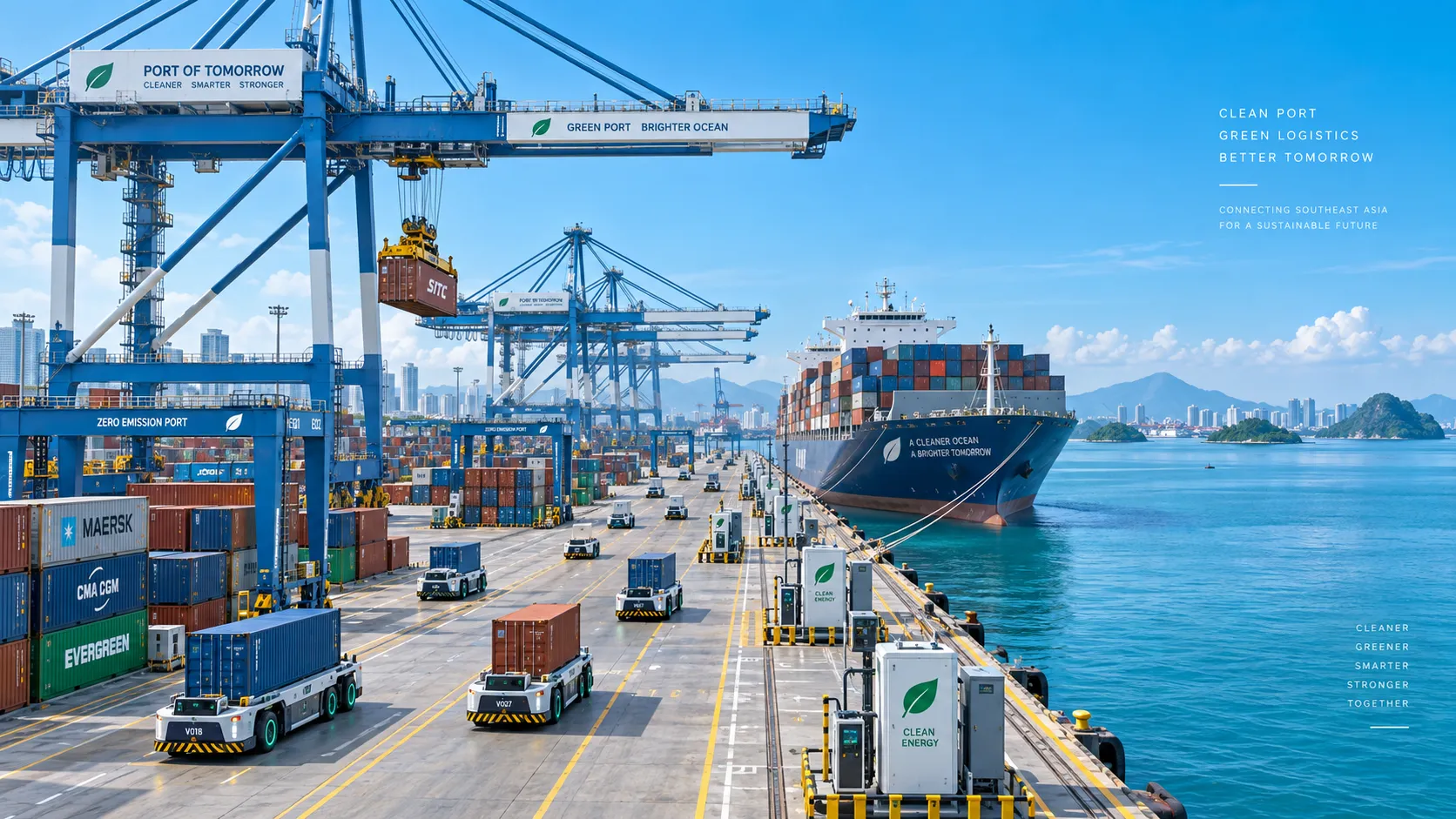
Smart Port Systems in Southeast Asia: Investment Priorities and Adoption Barriers
Smart port systems Southeast Asia: discover investment priorities, adoption barriers, and practical steps to build resilient, connected, high-performing terminals.

How to Evaluate Terminal Efficiency Solution Suppliers for High-Throughput Operations
Choose a terminal efficiency solutions supplier with confidence. Explore proven criteria for throughput, integration, lifecycle cost, safety, and reliable delivery.
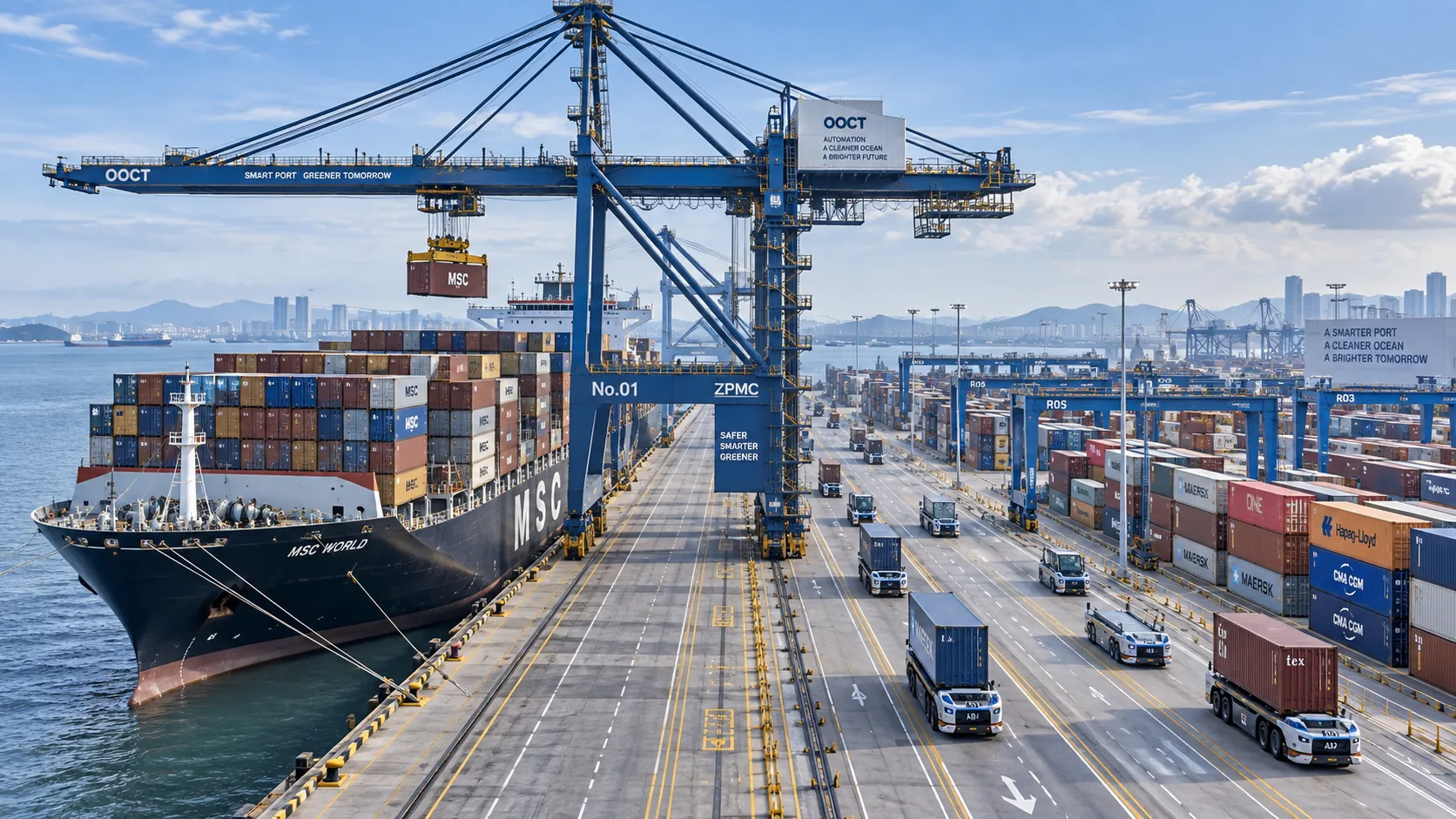
How to Specify a Quay Crane for Container Terminals by Vessel Size and Throughput?
Quay crane for container terminals: learn how to match outreach, lift height, capacity, automation, and cycle performance to vessel size and throughput goals.
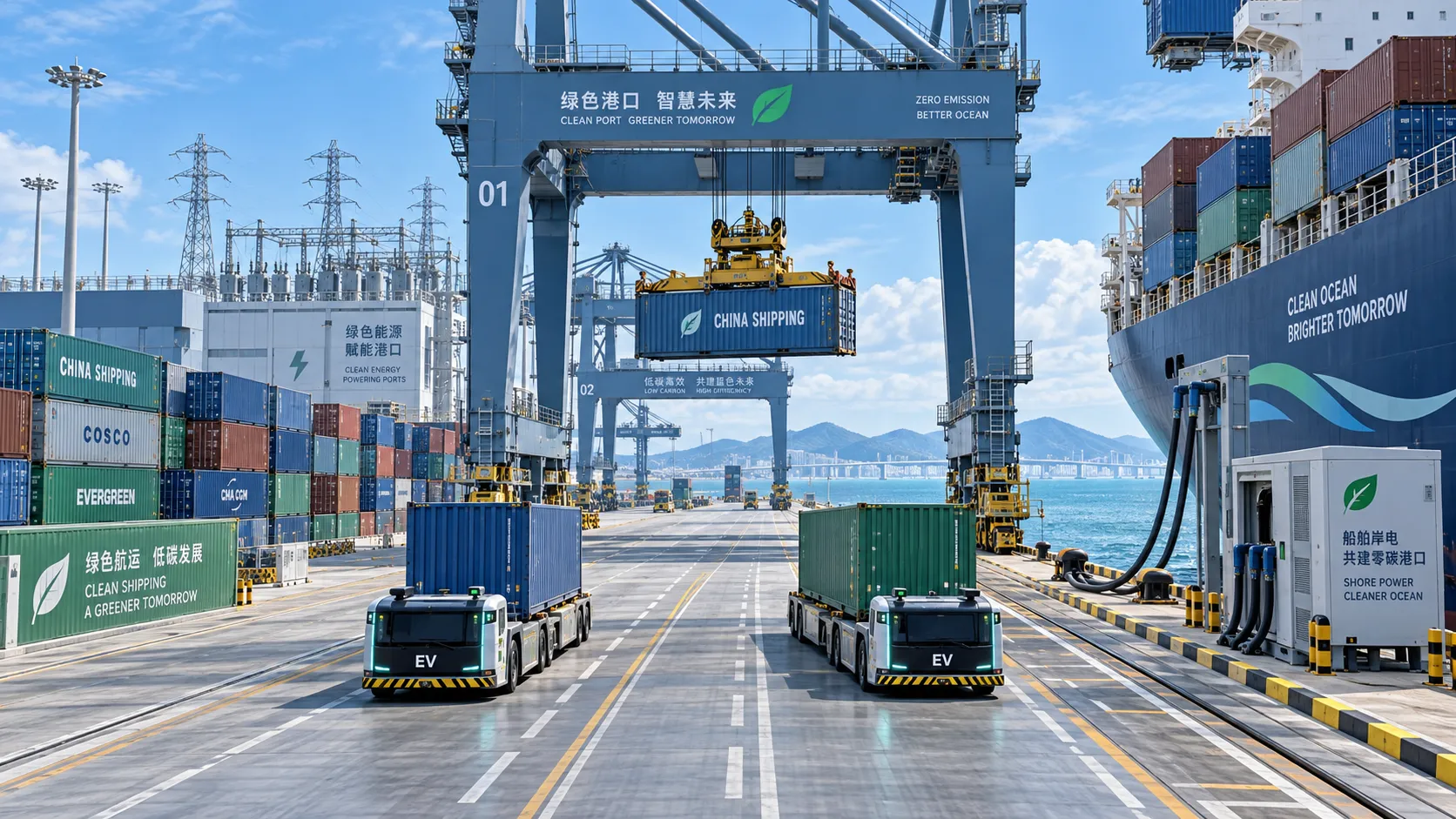
Can Electric Port Machines Help Meet Net-Zero Targets?
Do electric port machines help meet net-zero targets? Explore how smart electrification, clean power, charging, and automation can cut port emissions.
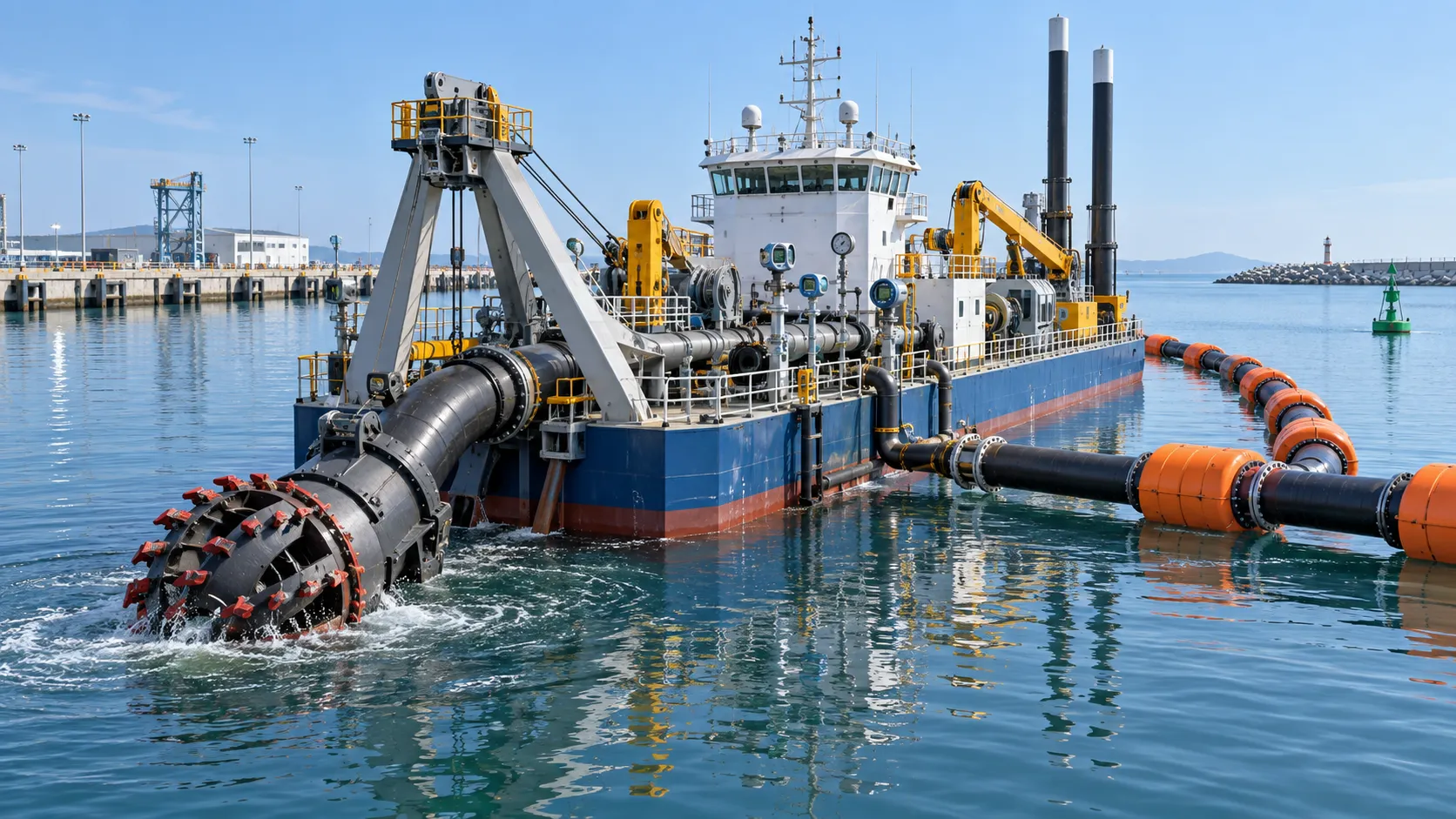
How Should Dredging Equipment Performance Be Verified Before Acceptance?
How do I verify dredging equipment performance before acceptance? Explore proven tests for production, pumps, safety, compliance, and reliable handover.

What Dredging Equipment Is Needed for Channel Deepening?
What dredging equipment is needed for channel deepening? Explore dredgers, pipelines, survey tools, and planning strategies for safer, more efficient port access.

Which Bulk Handling Equipment Suits High-Moisture Cargo?
Which bulk handling equipment suits high-moisture cargo? Compare belt, apron, screw, drag, and slurry systems for reliable flow, less carryback, and higher terminal uptime.