Related News
- 00
0000-00
How to Specify a Quay Crane for Container Terminals by Vessel Size and Throughput? - 00
0000-00
Which Bulk Handling Equipment Suits High-Moisture Cargo? - 00
0000-00
Terminal Automation Technologies That Raise Container Throughput Without Yard Disruption - 00
0000-00
Planning Offshore Dredging Operations: Key Risks, Methods, and Project Controls - 00
0000-00
Where Do Automated Guided Vehicles Deliver the Fastest Warehouse Gains in the Middle East?
Which Bulk Handling Equipment Suits High-Moisture Cargo?
Start With the Cargo Behavior, Not the Moisture Reading Alone
High-moisture cargo does not require one universal type of bulk handling equipment. A wet cargo may remain free-flowing, form a cohesive mass, bridge above an outlet, smear onto belts, or behave more like slurry than a bulk solid. The right system depends on which of those behaviors is occurring at the transfer point, in the hopper, and during storage.
For many terminals, the most dependable starting combination is a mass-flow hopper or bin, a positive-displacement feeder, and a covered conveyor system designed for cleaning and carryback control. Belt conveyors can still be suitable for damp materials, but they become a poor choice when cargo adheres heavily to idlers and return belts, or when the material repeatedly builds up at chutes. For very wet, fine, or slurry-like cargo, screw conveyors, drag chain conveyors, pumps, or enclosed pipe systems may be more appropriate than conventional belts.
The selection should therefore begin with a practical question: does the material still behave as a bulk solid after water is added, or has moisture changed its handling mechanism entirely?
Why High Moisture Changes the Equipment Decision
Water affects far more than cargo weight. It changes the relationship between particles, surfaces, and gravity. Fine coal, mineral concentrates, clay-bearing ores, biomass, fertilizer feedstocks, and industrial residues can become cohesive when wet. Instead of flowing steadily toward an outlet, the material may compact, adhere to walls, form a stable arch, or discharge in irregular surges.
In a port or terminal setting, these effects show up quickly. A grab unloads a wetter-than-expected cargo into a receiving hopper. Material sticks to the hopper walls, then releases in a large slug. The downstream belt sees an unstable loading profile. At the next transfer point, fines accumulate, wet carryback drops under the return run, and cleaning crews are required to keep walkways and rollers clear. The conveyor may remain mechanically intact, yet throughput becomes unreliable.
Equipment for wet cargo must deal with four linked problems:
- Reliable extraction from hoppers, bunkers, and stockpiles.
- Stable feeding into the next handling stage.
- Containment of sticky carryback and spillage along conveyors.
- Access for cleaning, inspection, and replacement of wear parts.
A system that addresses only the conveyor while leaving hopper discharge unresolved will continue to experience interruptions. Conversely, a robust feeder cannot compensate for poorly designed chutes that let wet material accumulate and fall back onto moving equipment.
Match the Equipment to the Material State
Damp but still free-flowing cargo: belt conveyors with stronger transfer design
Some high-moisture bulk cargo remains sufficiently granular to travel on a belt. Coarse aggregates, certain coals, wood chips, and some ores can fit this category, provided the moisture level does not create persistent adhesion. In these cases, belt conveyors remain attractive because they can cover long distances, support high capacities, and integrate readily with ship unloaders, stackers, reclaimers, and rail loading systems.
The conveyor must be specified as a wet-material system rather than a standard dry-bulk installation. Important features include enclosed transfer points, lined chutes with generous flow paths, correctly sized belt cleaners, return ploughs, accessible drip trays, and drainage where washdown or rainwater can collect. A belt that is adequate for dry cargo may become difficult to operate once wet fines begin to coat its surface.
Transfer chutes deserve particular attention. Sharp direction changes, narrow throats, dead pockets, and abrupt impact zones encourage buildup. For sticky cargo, a smoother material path with fewer internal ledges is usually more valuable than a compact chute layout. Replaceable liners should be selected for both wear resistance and release behavior; a very hard liner is not automatically the best answer if wet material adheres to it.
Covered conveyors are often justified where rainfall could further increase moisture, where runoff must be controlled, or where the cargo creates dusty residues after partial drying. Covers do not solve flow problems by themselves, but they reduce one source of variability.
Cohesive cargo that bridges or compacts: apron, belt, or screw feeders
When wet material repeatedly hangs in a hopper or releases in surges, feeder selection becomes central. A conventional gravity discharge chute relies on predictable flow. Cohesive cargo does not always provide it.
Apron feeders are generally well suited to heavy, lumpy, abrasive, or variable cargo discharged from a hopper or receiving station. Their robust pan construction can tolerate impact from grabs or loaders and can meter material under a substantial head load. They are often considered for wet ores, sticky coal, and materials that may contain large lumps. Their limitations are capital cost, structural weight, and the maintenance associated with chains, rollers, and drive components.
Belt feeders can work well where a controlled, relatively uniform bed of material must be drawn from a hopper. They are often gentler than apron feeders and can provide consistent volumetric extraction. However, they need careful sealing and cleaning because wet fines can migrate around skirts and collect beneath the return belt. They should not be selected solely because they resemble a standard conveyor; their hopper interface, loading condition, and belt support arrangement are different.
Screw feeders are useful for fine, damp materials that need positive extraction from a confined outlet. They can break up some localized buildup and meter cargo into a downstream process. Their suitability falls when large lumps, tramp material, high abrasiveness, or large capacity requirements are present. A screw feeder handling wet concentrate may perform well, while the same design can become vulnerable to torque overload or rapid wear with coarse, abrasive ore.
For difficult hopper discharge, the equipment should be evaluated together with the bin geometry. Steeper hopper walls, mass-flow shaping, low-friction liners, mechanical agitators, live-bottom arrangements, or controlled flow aids may be needed. Adding a larger feeder beneath a poorly configured hopper often treats the symptom rather than the restriction.
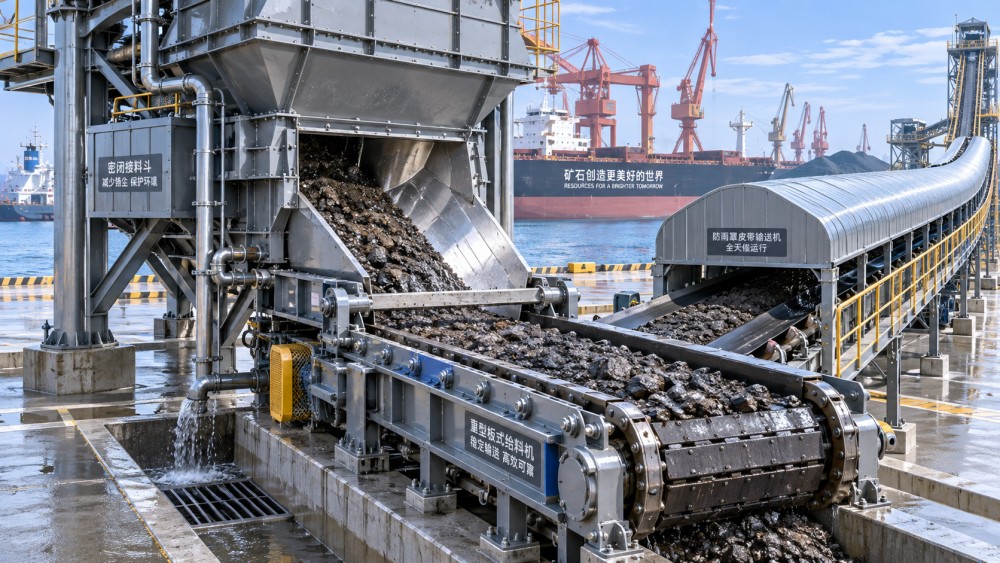
Sticky fines and sludge-like material: enclosed drag systems or pumping
At the wettest end of the spectrum, the cargo may no longer be well served by open belt conveying. Fine filter cake, dewatered sludge, some biomass residues, tailings-related materials, and very wet mineral fines can smear, cake, or slump. For these materials, an enclosed drag chain conveyor can offer better containment and more positive movement than a belt. It is particularly useful over short to medium distances where leakage control and compact layout matter.
Drag conveyors are not maintenance-free. Wet, abrasive material can wear chains, flights, and trough liners, while compacted material may raise drive loads. Their value lies in handling material within an enclosed path, with less exposure to wind and fewer locations for sticky cargo to fall from a return belt.
If the material has a sufficiently high liquid fraction, it may be more rational to treat it as a slurry. Pumps, pipelines, slurry tanks, and dewatering equipment then become part of the handling solution. This changes the engineering question. Operators must consider solids concentration, particle size, settling behavior, pump wear, pipeline velocity, and whether the terminal can manage recovered water. Trying to force a pumpable material through a dry-bulk conveyor train often creates a costly maintenance cycle.
The Hopper-to-Feeder Interface Determines Availability
Bulk handling discussions often focus on the visible machine: the conveyor, ship unloader, or stacker. High-moisture cargo exposes the importance of the interfaces between machines. The receiving hopper and feeder must absorb variable incoming loads while delivering a controlled stream downstream.
A useful evaluation involves observing or testing the cargo under realistic conditions: expected moisture range, temperature, particle-size distribution, fines content, storage time, and compaction under head load. Cargo that moves acceptably just after discharge may consolidate after sitting in a stockpile or bin. Material exposed to freezing conditions presents a separate issue, since frozen lumps can behave very differently from merely wet material.
Flow aids should be chosen carefully. Vibrators, air cannons, agitators, and liners can help under the right conditions, but they may also compact certain materials, increase structural fatigue, or create intermittent discharge. Their role is best determined after the material's flow behavior and hopper geometry are understood.
Do Not Treat Carryback as a Housekeeping Issue
With dry material, carryback may be viewed as a manageable nuisance. With wet cargo, it can become a primary availability and safety concern. Material carried around the head pulley can adhere to the return belt, detach unpredictably, accumulate below the conveyor, foul idlers, and raise the risk of belt mistracking. Cleanup also becomes more difficult because the material may bond to steelwork and access platforms.
A wet-cargo conveyor should have a deliberate carryback strategy. This usually includes a suitably positioned primary cleaner, a secondary cleaner where needed, adequate tension and structural support for the cleaning system, return ploughs before the tail pulley, and collection areas that can be cleaned without stopping adjacent operations unnecessarily. The arrangement must be maintainable. A cleaner that cannot be safely adjusted or replaced will rarely deliver its intended performance for long.
Water management matters as well. Rain, washdown water, cargo drainage, and condensate can turn localized residue into a spreading contamination problem. Drainage paths should not direct contaminated water toward electrical equipment, walkways, or sensitive areas of the terminal. Where environmental controls apply, runoff collection and treatment may need to be considered as part of the material handling layout.
Use Capacity Figures With Caution
Rated capacity is often expressed in tonnes per hour, but high-moisture cargo can make that figure misleading. Moisture increases bulk density in some materials, changes fill characteristics, and reduces the consistency of flow. A conveyor may have enough theoretical belt capacity while the feeder upstream cannot sustain the required extraction rate. A transfer tower may also become the practical bottleneck because the cargo cannot clear the chute at the assumed loading condition.
For selection work, compare equipment using the full operating window rather than a single nominal capacity. Consider minimum and maximum moisture, expected peak lump size, fines content, loading variability, storage duration, and the consequence of an interruption. A terminal handling a cargo intermittently may accept more manual cleaning than one feeding a continuous process or serving vessels on a tight berth schedule.
It is also useful to separate design capacity from recoverable capacity. Design capacity describes what the equipment can theoretically pass. Recoverable capacity reflects what the operation can maintain after cleaning requirements, stoppages, feeder surges, chute buildup, and access restrictions are accounted for. High-moisture cargo often creates a significant gap between the two.
A Practical Selection Path
Before committing to equipment, define the material in its worst credible handling condition. This should include wet fines, compacted material, and cargo that has been exposed to the storage and weather conditions expected at the site. Then map the actual route: vessel discharge or truck tipping, receiving hopper, feeder, conveyor transfers, storage, reclaim, and loadout. The most difficult point in that route should guide the system design.
- Use belt conveyors for damp cargo that remains free-flowing, while investing in transfer containment, cleaning, and access.
- Use apron feeders where heavy, lumpy, abrasive, or irregular wet cargo must be extracted reliably from a receiving hopper.
- Use belt feeders where controlled extraction of a more uniform wet bulk material is required.
- Use screw feeders or enclosed drag conveyors for finer cohesive materials where positive, contained movement is more important than long-distance transport.
- Use pumping and pipeline systems when the cargo behaves as a slurry and the water phase is integral to the transport method.
The strongest solution is usually a matched system rather than a single machine choice. High-moisture cargo rewards designs that allow material to flow, isolate it when it does not, and make buildup visible and accessible before it becomes an outage. For terminal operators, that is the difference between equipment that can move wet cargo in principle and a handling line that can keep moving it through an operating shift.
Related News
Smart Port Systems in Southeast Asia: Investment Priorities and Adoption Barriers
Smart port systems Southeast Asia: discover investment priorities, adoption barriers, and practical steps to build resilient, connected, high-performing terminals.
How to Evaluate Terminal Efficiency Solution Suppliers for High-Throughput Operations
Choose a terminal efficiency solutions supplier with confidence. Explore proven criteria for throughput, integration, lifecycle cost, safety, and reliable delivery.
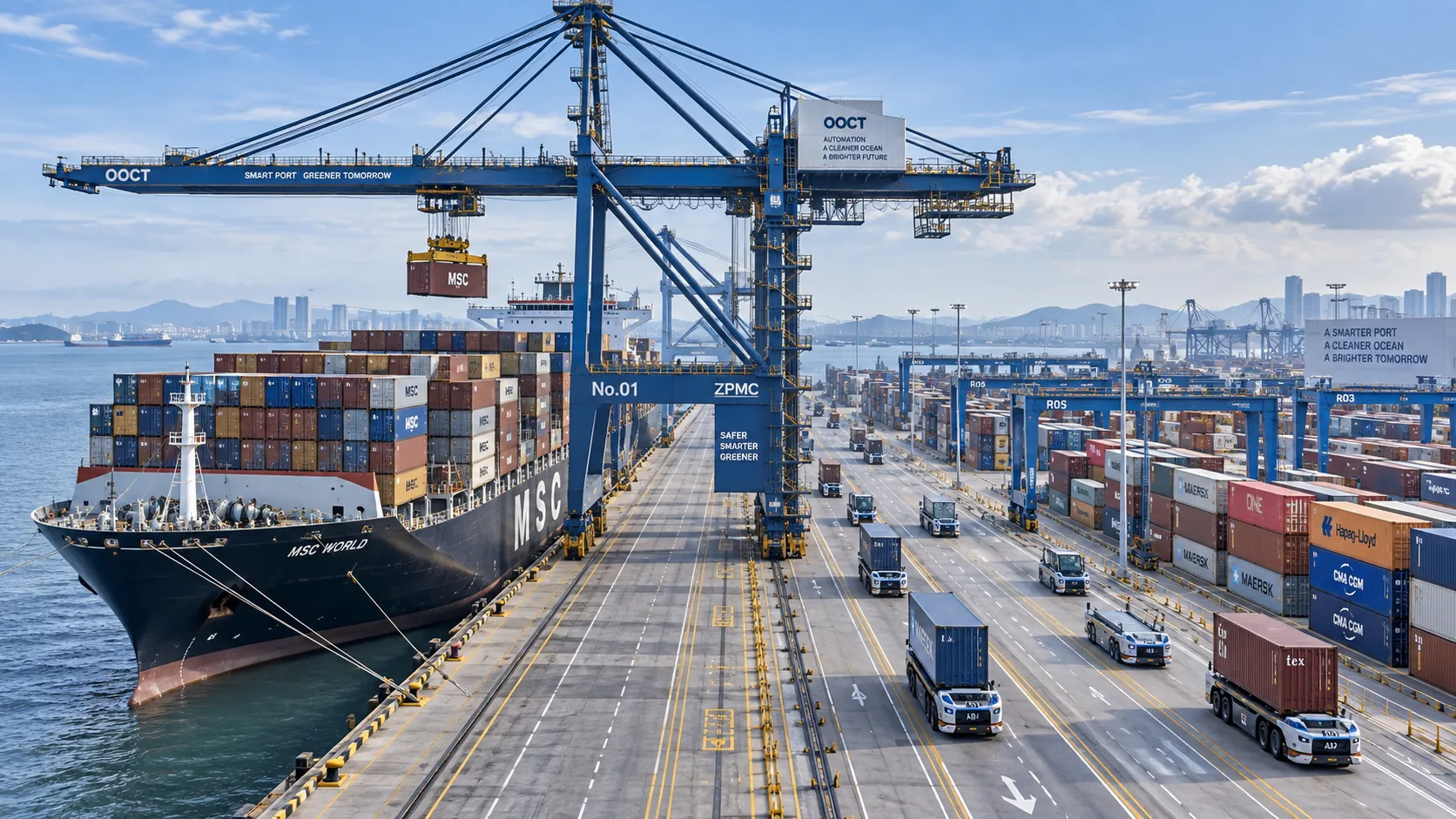
How to Specify a Quay Crane for Container Terminals by Vessel Size and Throughput?
Quay crane for container terminals: learn how to match outreach, lift height, capacity, automation, and cycle performance to vessel size and throughput goals.
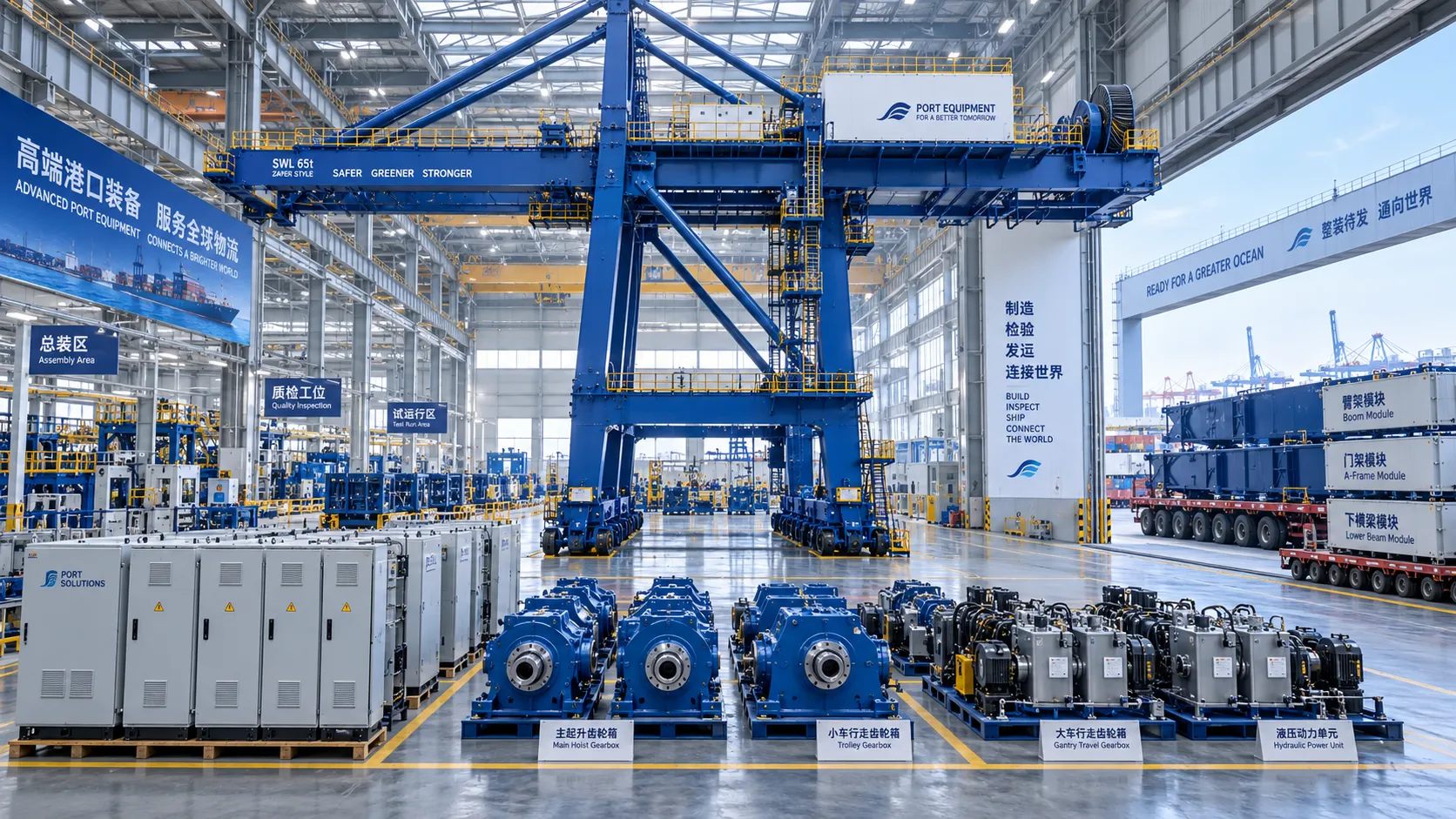
How Can Port Equipment Lead-Time Risk Be Managed?
How can port equipment lead-time risk be managed? Explore practical strategies to control critical paths, suppliers, transport, site readiness, and commissioning delays.
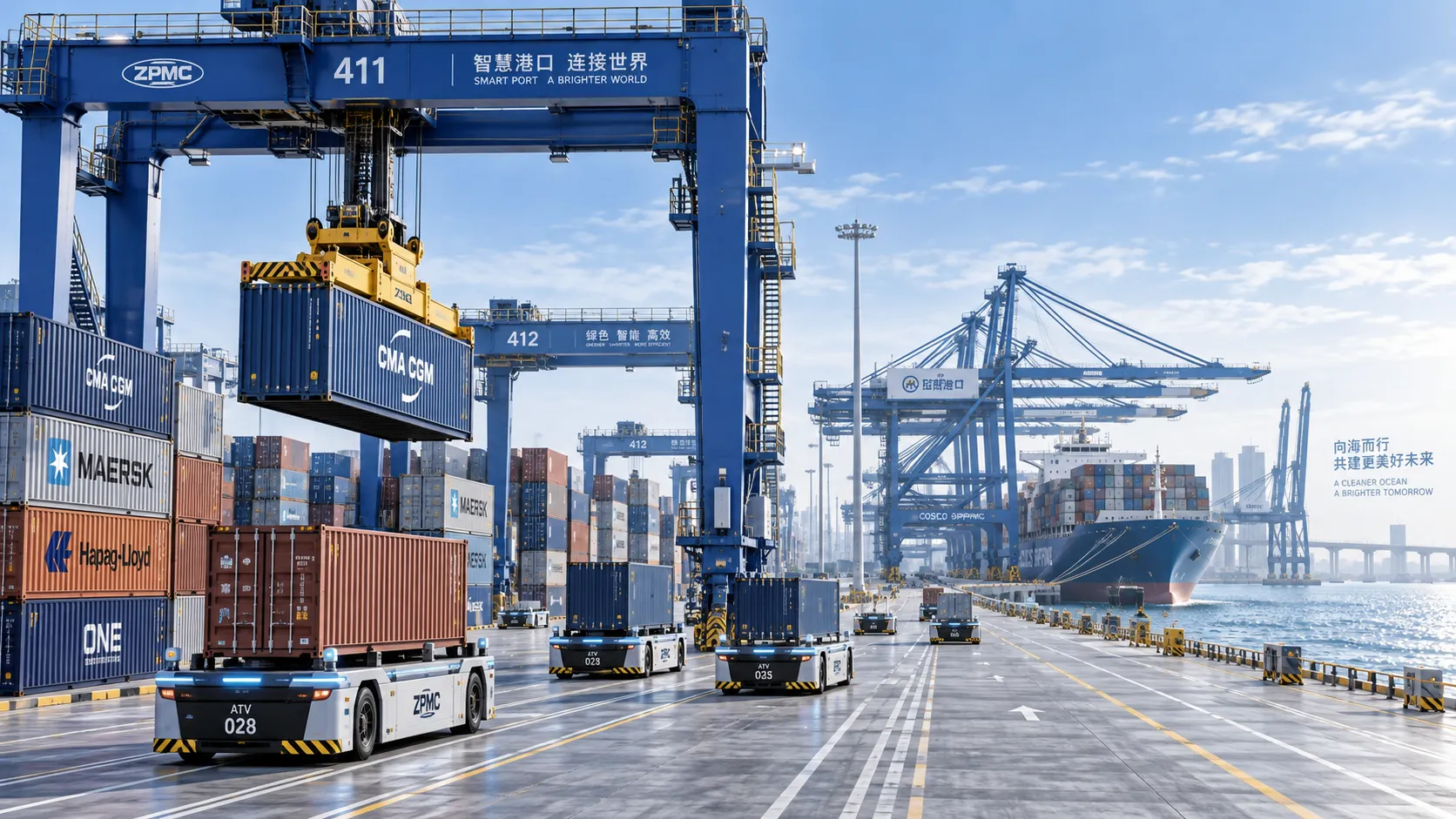
Terminal Automation Technologies That Raise Container Throughput Without Yard Disruption
Terminal automation technology that increases container throughput without disrupting yard flow. Explore smarter integration, resilient workflows, and phased deployment strategies.
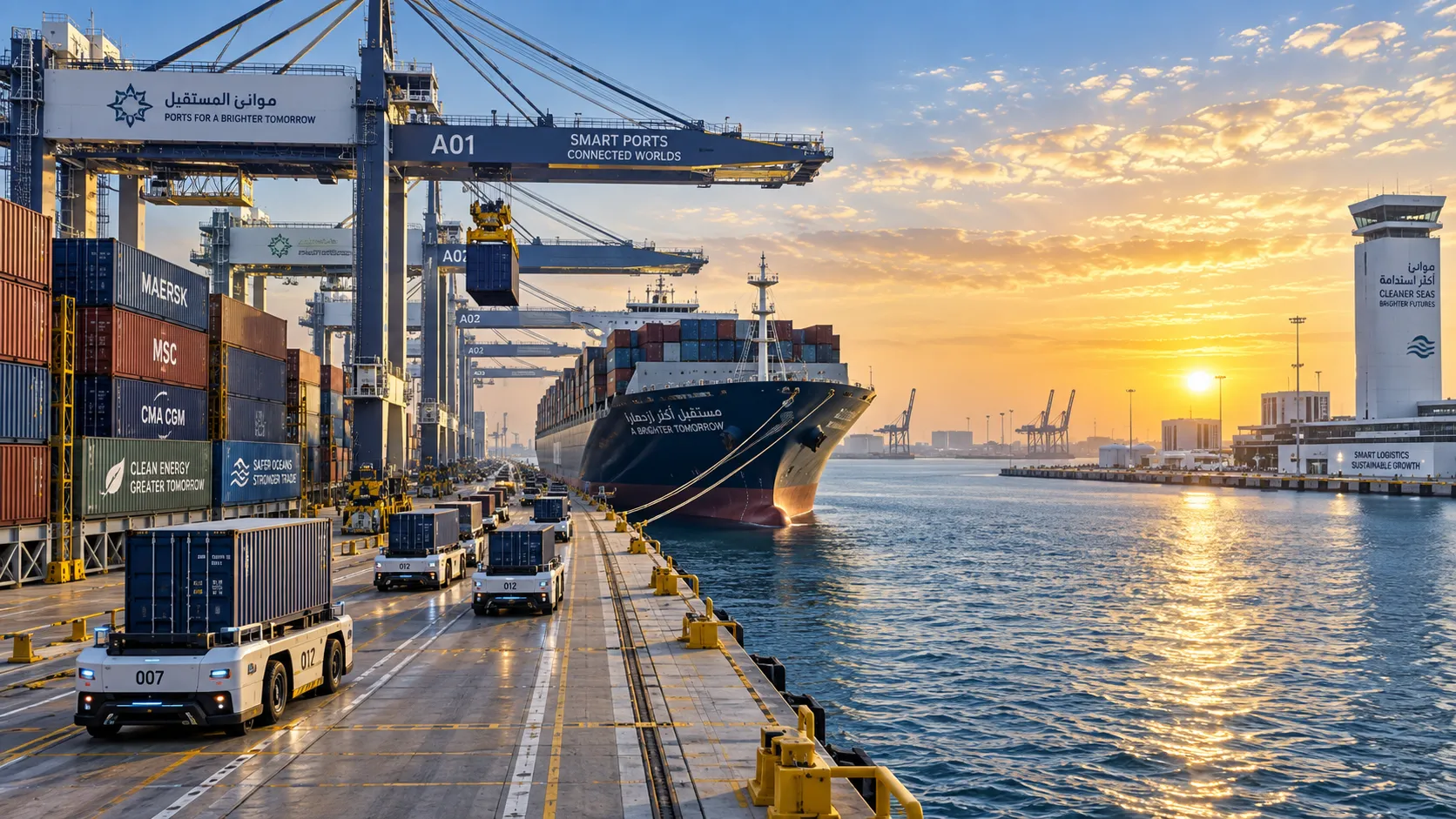
Middle East Port Automation: Key Market Drivers, Projects, and Investment Risks
Port automation systems Middle East: explore market drivers, flagship projects, integration challenges, and investment risks shaping smarter, resilient terminals.
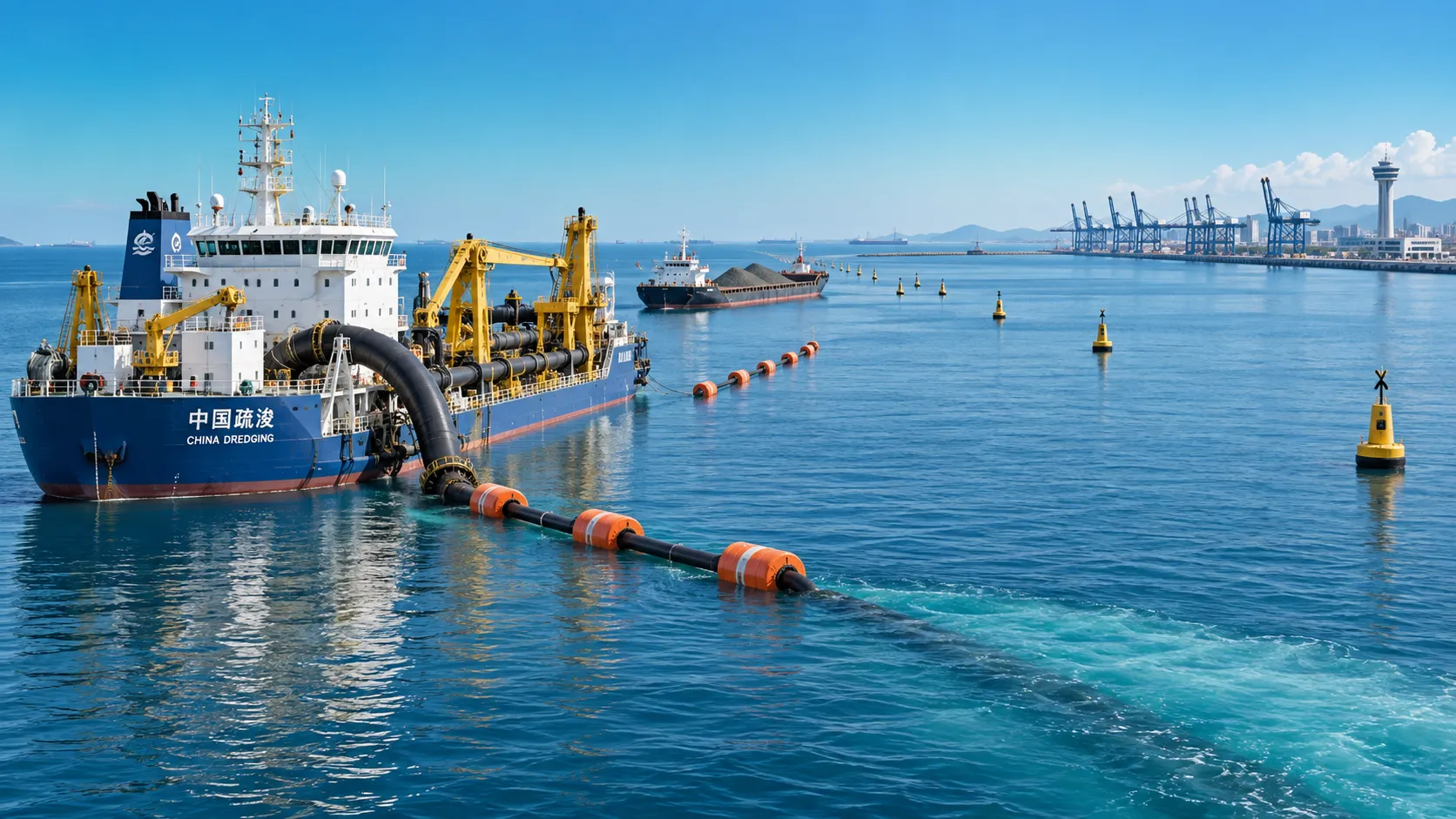
Planning Offshore Dredging Operations: Key Risks, Methods, and Project Controls
Offshore dredging operations demand smart planning. Explore key risks, proven methods, environmental controls, and project strategies for reliable delivery.
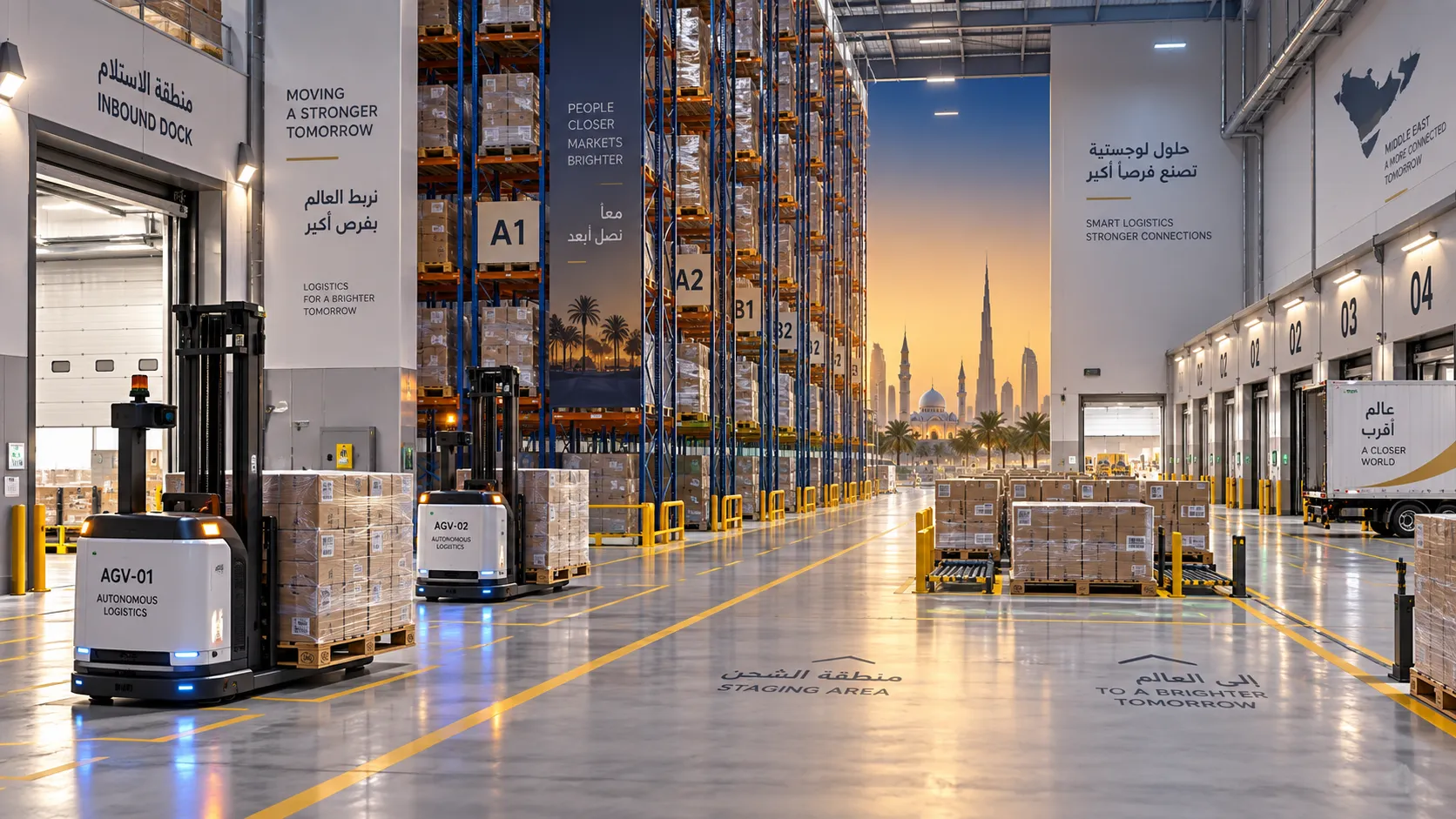
Where Do Automated Guided Vehicles Deliver the Fastest Warehouse Gains in the Middle East?
Automated guided vehicles Middle East: discover where AGVs deliver the fastest warehouse gains, from high-volume distribution centers to port logistics, manufacturing, and cold storage.
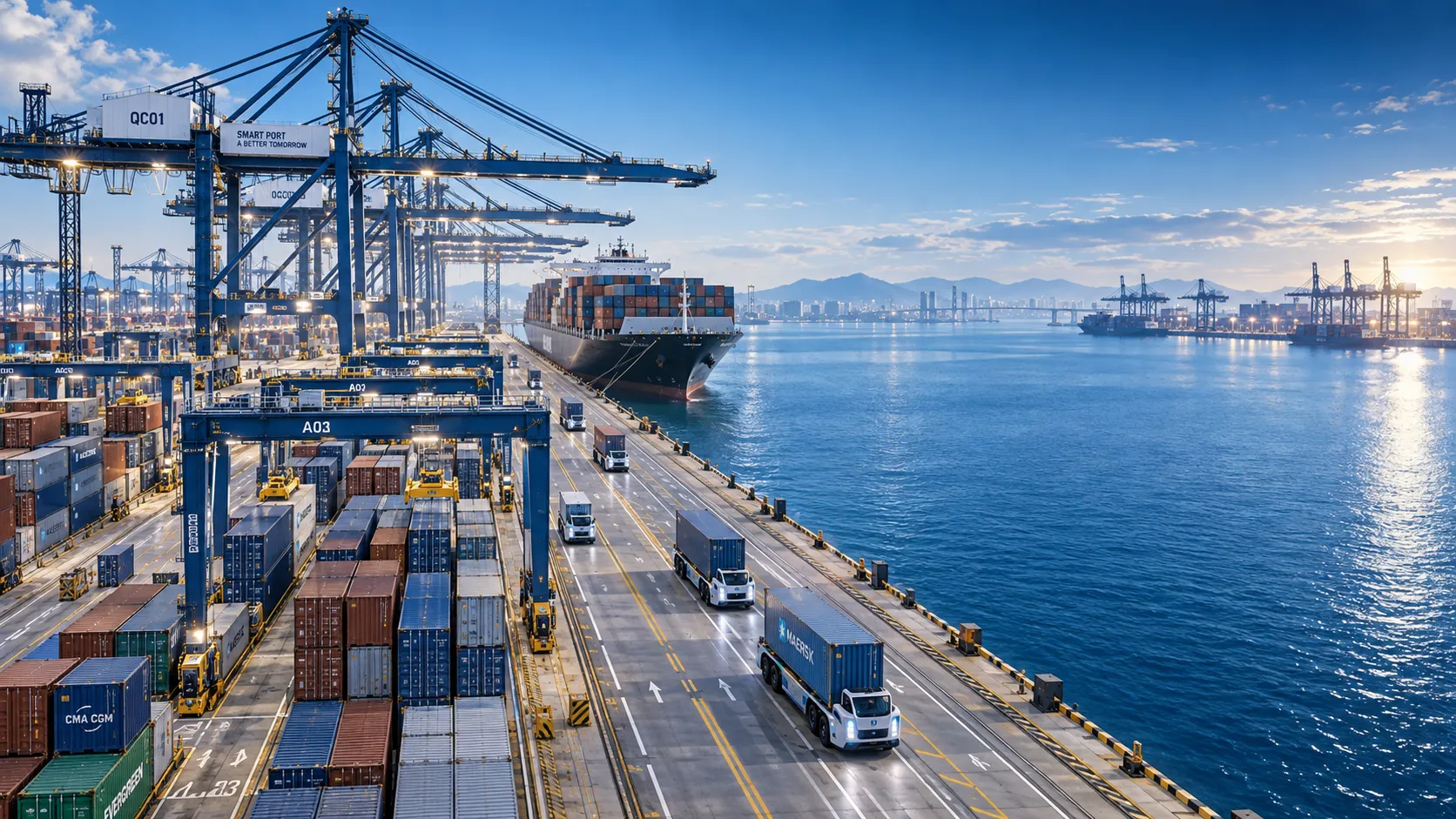
Smart Port Systems Pricing: How to Compare Lifecycle Costs and ROI by Terminal Scale
Smart port systems pricing explained: compare lifecycle costs, integration risks, and ROI by terminal scale to make smarter, resilient investment decisions.