Related News
- 00
0000-00
How to Evaluate a Port Logistics Solutions Supplier for Terminal Uptime and Scalability - 00
0000-00
How to Evaluate Terminal Efficiency Solution Suppliers for High-Throughput Operations - 00
0000-00
What to Consider When Buying Electric Port Machinery for Container Terminals - 00
0000-00
How to Select Container Handling Equipment for Middle East Ports and Terminals - 00
0000-00
How to Evaluate a Port Machinery Exporter for Large-Scale Terminal Projects
How to Evaluate a Port Logistics Solutions Supplier for Terminal Uptime and Scalability
How to Evaluate a Port Logistics Solutions Supplier for Terminal Uptime and Scalability
Selecting a port logistics solutions supplier is a strategic procurement decision that directly affects terminal uptime, operational resilience, and long-term expansion capacity.
For buyers, the central question is not which supplier offers the lowest initial price. It is which partner can sustain throughput when equipment fails, volumes rise, and operations change.
Automated container handling systems, terminal operating platforms, quay equipment, yard fleets, and control networks operate as one production system. Weak performance in any layer can constrain the whole terminal.
A credible evaluation therefore combines technical due diligence, service capability, commercial discipline, cybersecurity review, and a realistic assessment of the supplier's capacity to support future operating models.
Start With the Operational Outcome, Not the Equipment List
Procurement teams should first translate the terminal's business plan into measurable operational requirements. A supplier cannot be evaluated properly against a generic specification or a catalog comparison.
Define the required vessel turnaround time, moves per hour, yard dwell targets, gate processing capacity, availability thresholds, and planned cargo mix for the next five to fifteen years.
For container terminals, separate peak design throughput from average throughput. Systems that perform adequately during normal periods may become unstable during vessel bunching, weather recovery, or labor disruption.
Bulk, breakbulk, and dredging-related operations require equivalent clarity. Consider material characteristics, ship size, conveyor duty cycles, loading accuracy, environmental limits, and maintenance windows.
Ask whether the port logistics solutions supplier has designed for similar conditions rather than merely delivered comparable equipment. Operating context matters as much as nominal capacity.
A high-wind coastal terminal, a constrained brownfield yard, and a greenfield automated hub may use similar machines but need substantially different controls, redundancy, and service arrangements.
Build an evaluation matrix around outcomes. Include availability, recovery time, throughput under degraded conditions, energy consumption, safety performance, expansion readiness, and total lifecycle cost.
This approach prevents procurement from rewarding a technically impressive proposal that does not align with the terminal's actual commercial commitments or operating risk profile.
Test Uptime Claims Through Architecture and Evidence
Terminal uptime depends on the reliability of individual assets, but also on the architecture connecting equipment, software, power, communications, and operational decision-making.
Suppliers often present availability percentages without explaining assumptions. Buyers should ask whether figures reflect planned maintenance, weather delays, operator downtime, software incidents, or only mechanical failures.
Request documented availability data from comparable live sites. The evidence should distinguish fleet availability, system availability, and productive availability during peak operating periods.
Fleet availability measures whether machines are technically capable of working. Productive availability is more useful because it reveals whether those machines can complete planned terminal work.
Evaluate the failure modes that could interrupt operations. A single crane failure is manageable; a network fault, control-server outage, or power-quality issue can stop an entire automated area.
Review redundancy at every critical layer: power feeds, substations, wireless coverage, control rooms, servers, data storage, positioning systems, and communications between equipment and operating software.
Ask for a formal failure mode and effects analysis, including likely failure scenarios, detection mechanisms, isolation procedures, and estimated recovery times for each critical component.
Also examine graceful degradation. The strongest solution continues operating at reduced capacity when one subsystem fails, rather than requiring a complete shutdown for a localized fault.
For example, automated guided vehicles should retain safe routing options after a vehicle, charging station, or wireless zone becomes unavailable. The terminal should know its reduced operating envelope.
Require suppliers to explain how manual fallback works. Remote operation, local manual controls, alternative dispatch rules, and clear authority handoffs are essential during abnormal conditions.
Assess Equipment Reliability Beyond Nameplate Specifications
Heavy terminal equipment must be assessed against its expected duty cycle, environment, maintenance philosophy, and interface requirements. Nameplate lifting capacity alone says little about practical reliability.
For quay cranes, examine structural design margins, hoist duty classification, trolley performance, spreader compatibility, cable management, anti-sway behavior, and availability of critical wear components.
For yard systems, compare the operating constraints of rubber-tired gantry cranes, rail-mounted gantries, straddle carriers, shuttle carriers, automated stacking cranes, and hybrid vehicle fleets.
Each option creates different dependencies on pavement quality, grid power, charging infrastructure, lane discipline, automation maturity, and spare-parts inventory. The best choice is site-specific.
Procurement should request component-level reliability information where possible. Focus on gearboxes, drives, brakes, wheel assemblies, sensors, hydraulic systems, batteries, charging connectors, and safety devices.
Verify whether critical components come from established manufacturers with regional service networks. Proprietary parts can improve integration but may increase dependence on a single vendor.
Ask for a recommended spare-parts list classified by operational criticality. It should identify onsite stock, regional stock, lead times, shelf-life requirements, and alternative sourcing options.
Review maintenance access early. A machine that requires difficult elevated access, long isolation periods, or specialist tools may produce more downtime than its stated reliability suggests.
During factory acceptance testing, do not limit inspection to functionality. Test repetitive cycles, alarms, fault recovery, emergency modes, diagnostics, and integration with the intended terminal environment.
Examine Software, Automation, and Integration Competence
In increasingly automated terminals, software is not an accessory to equipment. It is a core operational dependency that determines dispatch quality, safety logic, visibility, and recovery capability.
A port logistics solutions supplier should demonstrate clear ownership of interfaces between terminal operating systems, equipment control systems, fleet management platforms, maintenance tools, and external data exchanges.
Ask which interfaces are standard, which require custom development, and who remains accountable when data does not flow correctly between third-party systems.
Integration risk is especially high in brownfield modernization projects. Existing cranes, legacy programmable controllers, gate systems, sensors, and terminal software may have inconsistent data models or undocumented limitations.
Require an interface responsibility matrix before contract award. It should identify data owners, protocol standards, testing responsibilities, acceptance criteria, change-control procedures, and escalation paths.
Evaluate the supplier's use of open, maintainable technologies. Complete openness is not always practical, but buyers should avoid platforms that prevent independent support or future system upgrades.
Key questions include whether application programming interfaces are documented, whether data can be exported, and whether the terminal can retain access after a support agreement ends.
Review the supplier's approach to algorithmic scheduling. Dispatch logic should be explainable enough for operators to understand priorities, identify bottlenecks, and safely intervene during disruptions.
Demand simulation results based on the terminal's realistic operating data. Simulation should include vessel schedules, yard density, equipment outages, maintenance periods, landside peaks, and degraded operating scenarios.
Do not accept a simulation as proof without checking its assumptions. A model that excludes exceptions, congestion, or manual interventions can overstate achievable automation performance.
Measure Scalability in Phases, Not Marketing Language
Scalability means more than adding machines later. It means expanding throughput, automation scope, data capacity, and operating complexity without destabilizing the terminal's existing production system.
Ask the supplier to present a phased expansion roadmap. It should cover civil works, power capacity, communications, software licenses, control-room capacity, spare parts, staffing, and training requirements.
For a greenfield project, review whether initial infrastructure is sized for future expansion. Underbuilt substations, fiber routes, equipment workshops, and charging areas are expensive to correct later.
For a brownfield terminal, assess how new equipment can be introduced without excessive interruption. The supplier should provide staging plans that protect ongoing vessel and gate operations.
Examine licensing models carefully. Per-vehicle, per-crane, per-module, transaction-based, and recurring cloud charges can materially change the economics of future expansion.
Scalability also depends on operational simplicity. A fleet may technically scale from twenty to one hundred vehicles, yet require disproportionate increases in exception management and control-room staffing.
Request reference cases that demonstrate expansion after initial commissioning. A supplier's ability to deliver phase one does not prove that its architecture remains stable at higher fleet density.
Consider interoperability with future technologies. This may include alternative battery systems, remote crane operation, optical character recognition, predictive maintenance platforms, digital twins, and evolving low-latency networks.
However, avoid paying for speculative features without a practical use case. Prioritize a modular architecture that preserves options while investing only in capabilities linked to a defined operating plan.
Validate Service Capacity Where the Terminal Operates
Service support is often the deciding factor between a capable supplier and a dependable long-term partner. Terminal downtime is governed by response speed, diagnosis quality, and parts availability.
Evaluate local and regional service capability separately. A global brand may have extensive engineering resources while lacking technicians, inventory, or authorized repair capacity near the terminal.
Ask for named support locations, staffing levels, relevant certifications, language capability, escalation coverage, and typical response records for comparable customers in the same region.
Service-level agreements should define more than a hotline response. They should specify remote diagnosis targets, onsite arrival times, critical-parts delivery commitments, workaround expectations, and incident reporting requirements.
For highly automated operations, require twenty-four-hour support aligned with vessel schedules. A support model based on normal office hours creates unacceptable exposure during weekend or night failures.
Confirm whether remote access is available and secure. Remote diagnostics can shorten recovery substantially, but the supplier's access controls must be consistent with terminal cybersecurity policies.
Review training as part of the service model. Operators, maintainers, planners, information technology staff, and emergency responders need role-specific competence before commissioning and after major upgrades.
Ask how knowledge is retained when supplier personnel rotate or local teams change. Updated manuals, fault libraries, training records, and periodic competency reviews reduce dependence on individual experts.
Compare Total Cost of Ownership and Contract Risk
The lowest capital price can produce the highest lifecycle expense when maintenance, energy use, software fees, parts dependency, and operational interruptions are considered over the asset life.
Build a total cost of ownership model covering acquisition, installation, civil works, utility upgrades, commissioning, training, preventive maintenance, corrective maintenance, software support, consumables, and end-of-life requirements.
Include the cost of lost productivity. Even conservative estimates of delayed vessel operations, yard congestion, gate disruption, and customer penalties can change the ranking of competing proposals.
Compare energy consumption under representative duty cycles rather than supplier averages. Electric equipment may reduce operating costs, but charging peaks, grid constraints, and battery replacement must be included.
Commercial terms should allocate risk to the party best positioned to manage it. Suppliers should remain accountable for their equipment, software, interfaces, documentation, and stated performance commitments.
Use measurable acceptance tests linked to terminal outcomes. These may include crane moves, vehicle cycle times, fleet availability, system recovery, safety events, energy consumption, and throughput under planned scenarios.
Avoid acceptance criteria that can be passed through isolated component testing while the integrated terminal remains unable to meet operational demand. Integrated testing must be contractual.
Consider performance guarantees, service credits, warranty extensions, liquidated damages, and bonus mechanisms carefully. Remedies should encourage problem resolution without creating disputes that delay recovery work.
Seek transparent pricing for change requests. Automation and integration projects evolve, so the contract should define rates, governance, approval thresholds, and documentation for scope changes.
Review Cybersecurity, Data Ownership, and Resilience
Operational technology cybersecurity is now a direct uptime issue. A compromised remote connection, unpatched controller, or poorly segmented network can halt equipment or create serious safety exposure.
Ask the supplier for its cybersecurity architecture, vulnerability-management process, software update policy, access-control design, incident-response procedures, and evidence of independent security testing.
Verify separation between business networks, operational technology networks, vendor remote-access channels, and safety-critical systems. Segmentation reduces the chance that one incident spreads across terminal operations.
Clarify data ownership before signing. The terminal should understand who owns machine data, maintenance records, performance history, operational data, and analytics derived from those sources.
Buyers should also define data portability. A future supplier transition should not require reconstructing years of maintenance history, equipment settings, or performance records from inaccessible systems.
Business continuity plans should cover cyber incidents, communications outages, cloud-service failures, and loss of external positioning signals. The supplier must explain how operations can continue safely.
Use References and Site Visits to Test the Supplier's Claims
Reference checks should be structured, not ceremonial. Speak with terminal operators, maintenance managers, information technology leaders, and procurement teams rather than relying only on executive testimonials.
Ask references where performance differed from the original promise, how quickly issues were resolved, whether change orders were controlled, and whether the supplier remained engaged after commissioning.
Site visits are particularly valuable when the proposed solution includes automation. Observe exception handling, maintenance work, control-room workload, truck interactions, and recovery after routine disruptions.
Look for practical signs of maturity: organized spare-parts storage, clear alarm management, confident local technicians, consistent operating procedures, and data that operators actually use.
Compare reference terminals honestly. Similar throughput, climate, cargo characteristics, labor model, yard configuration, regulatory environment, and integration complexity matter more than brand recognition.
Build a Procurement Decision That Protects Long-Term Operations
The strongest procurement process treats supplier selection as a lifecycle decision. It weighs immediate capability against the supplier's ability to keep the terminal productive through change and disruption.
Start with clearly defined operating outcomes, then test every proposal against uptime architecture, equipment reliability, software integration, expansion practicality, local service, and contractual accountability.
Shortlist suppliers that provide evidence, not just assurances. Comparable operating data, transparent assumptions, tested recovery procedures, detailed interfaces, and credible references are more valuable than polished presentations.
For procurement teams, the best port logistics solutions supplier is rarely the one with the broadest claims. It is the one that can demonstrate resilient performance under the terminal's actual conditions.
That standard creates a more defensible investment decision, reduces avoidable commissioning risk, and gives the terminal a practical foundation for higher throughput, automation, and sustainable long-term growth.
Related News
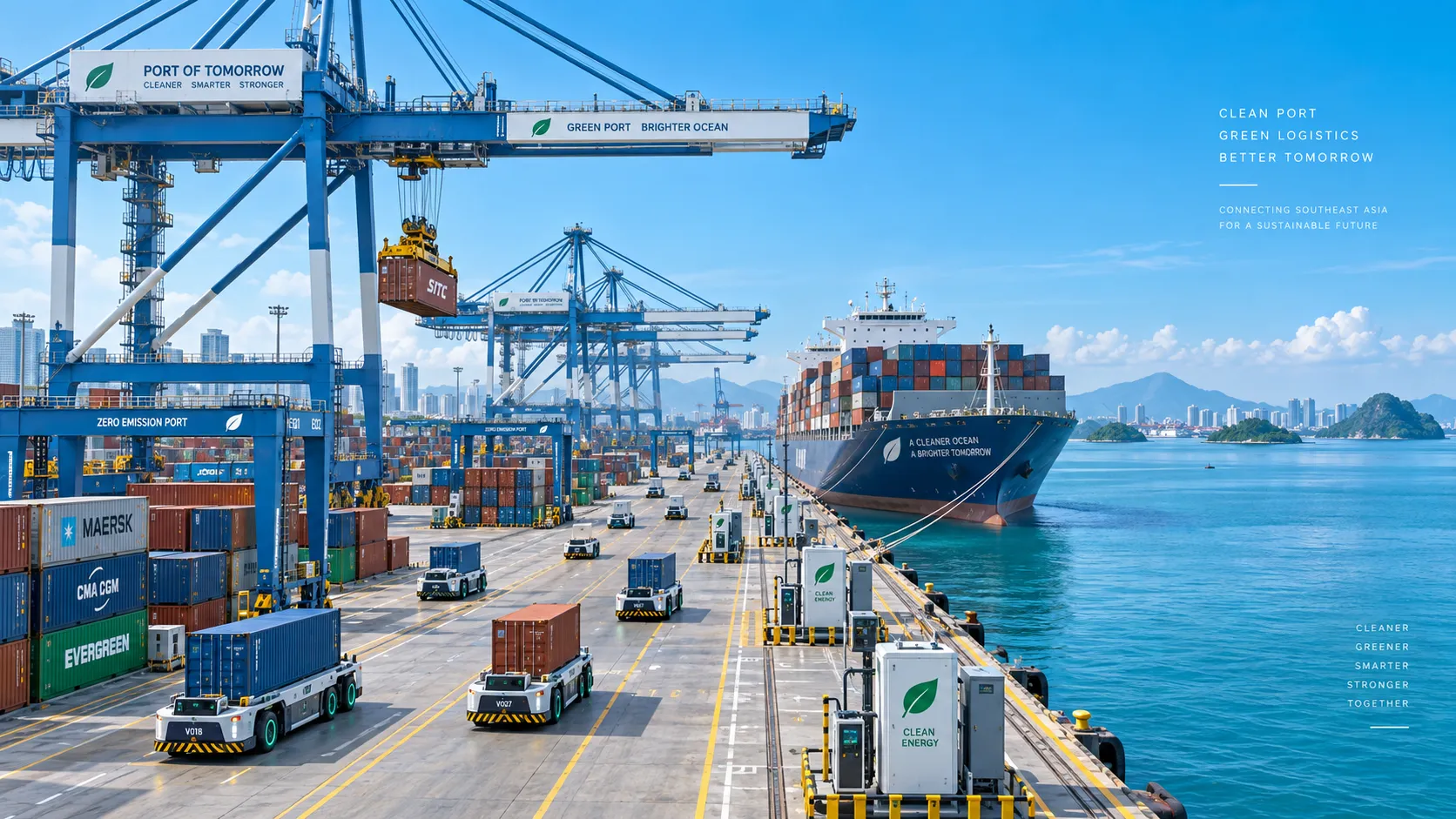
Smart Port Systems in Southeast Asia: Investment Priorities and Adoption Barriers
Smart port systems Southeast Asia: discover investment priorities, adoption barriers, and practical steps to build resilient, connected, high-performing terminals.

How to Evaluate Terminal Efficiency Solution Suppliers for High-Throughput Operations
Choose a terminal efficiency solutions supplier with confidence. Explore proven criteria for throughput, integration, lifecycle cost, safety, and reliable delivery.
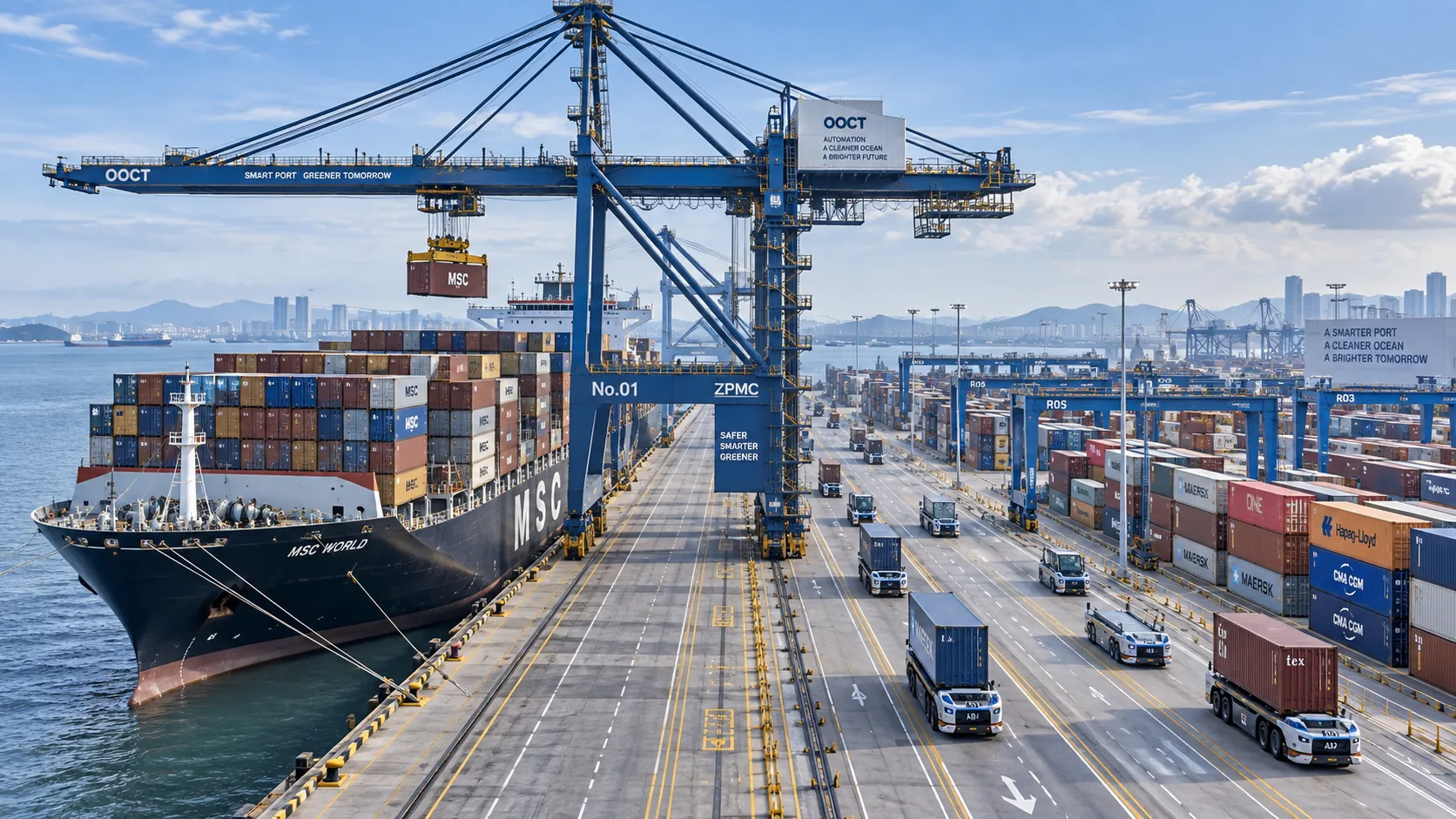
How to Specify a Quay Crane for Container Terminals by Vessel Size and Throughput?
Quay crane for container terminals: learn how to match outreach, lift height, capacity, automation, and cycle performance to vessel size and throughput goals.
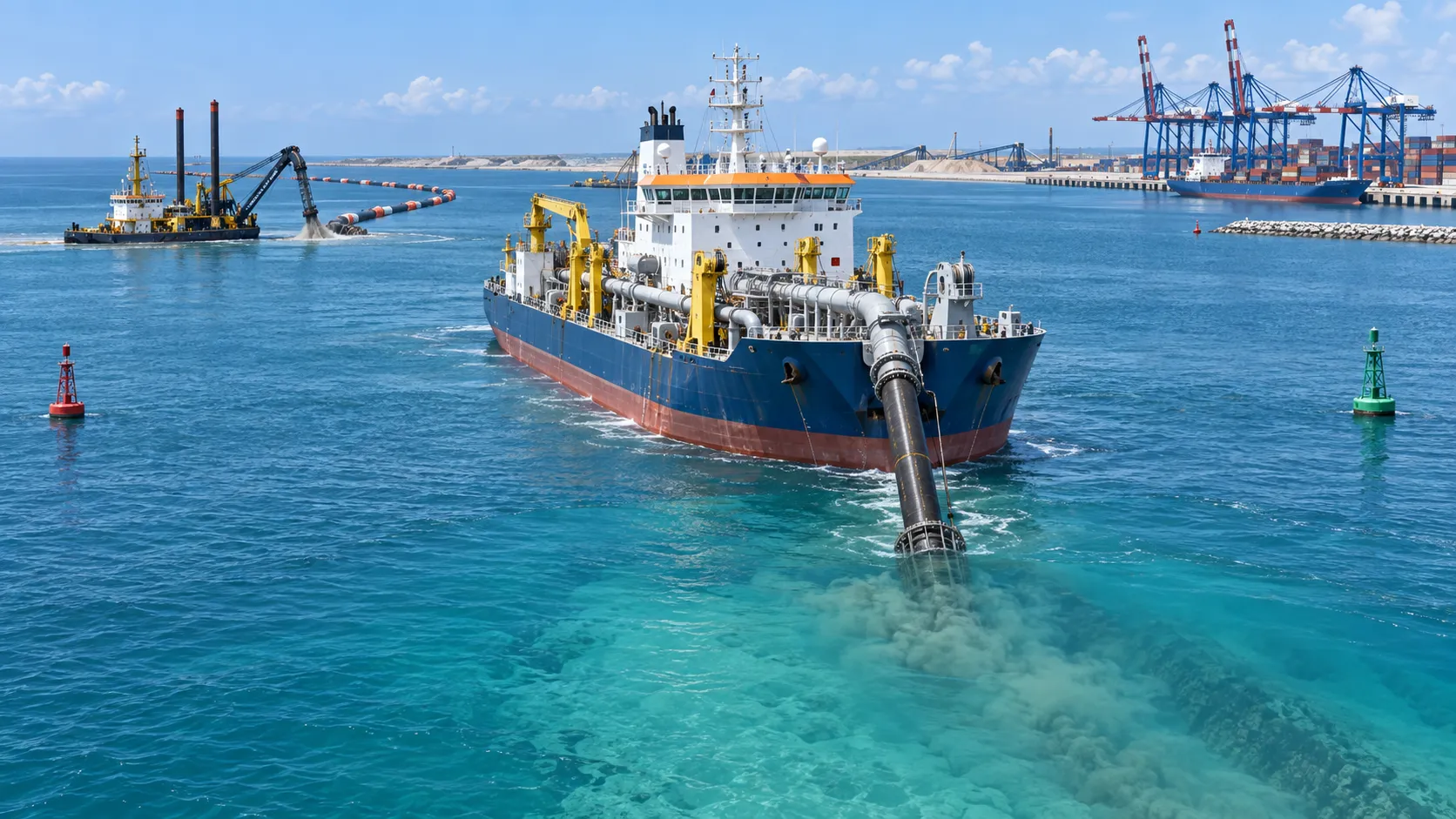
What Dredging Equipment Is Needed for Channel Deepening?
What dredging equipment is needed for channel deepening? Explore dredgers, pipelines, survey tools, and planning strategies for safer, more efficient port access.
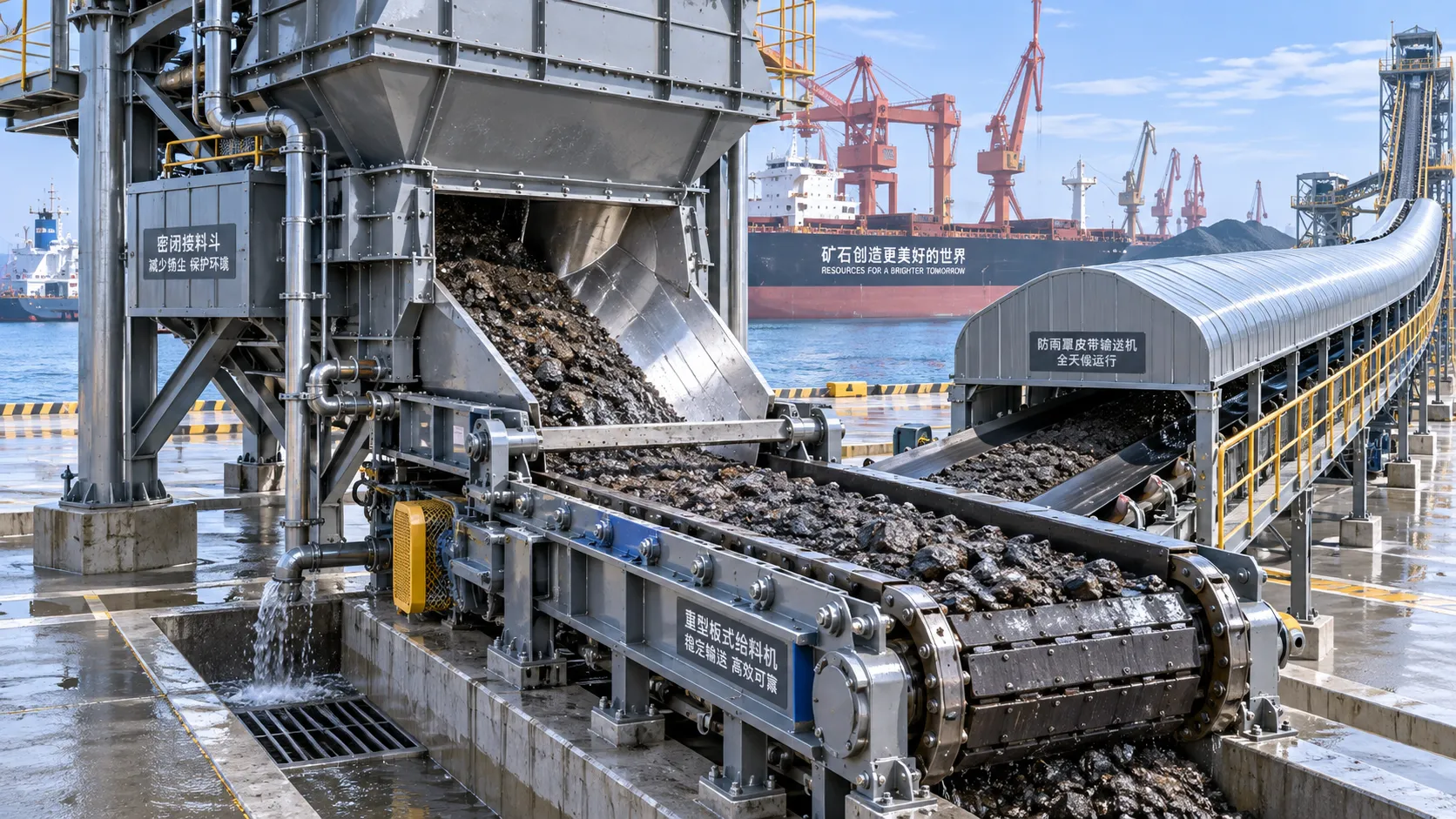
Which Bulk Handling Equipment Suits High-Moisture Cargo?
Which bulk handling equipment suits high-moisture cargo? Compare belt, apron, screw, drag, and slurry systems for reliable flow, less carryback, and higher terminal uptime.
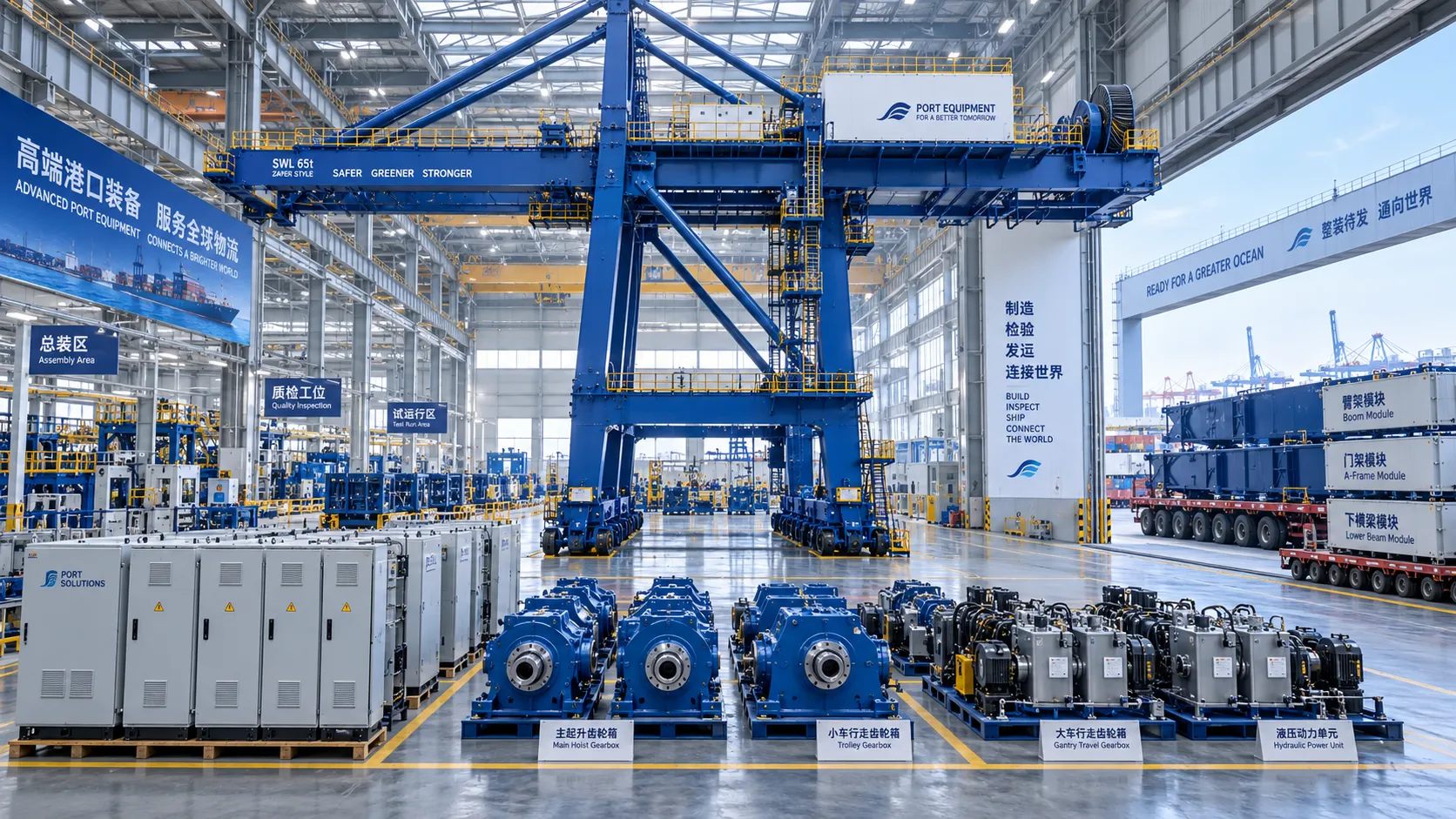
How Can Port Equipment Lead-Time Risk Be Managed?
How can port equipment lead-time risk be managed? Explore practical strategies to control critical paths, suppliers, transport, site readiness, and commissioning delays.
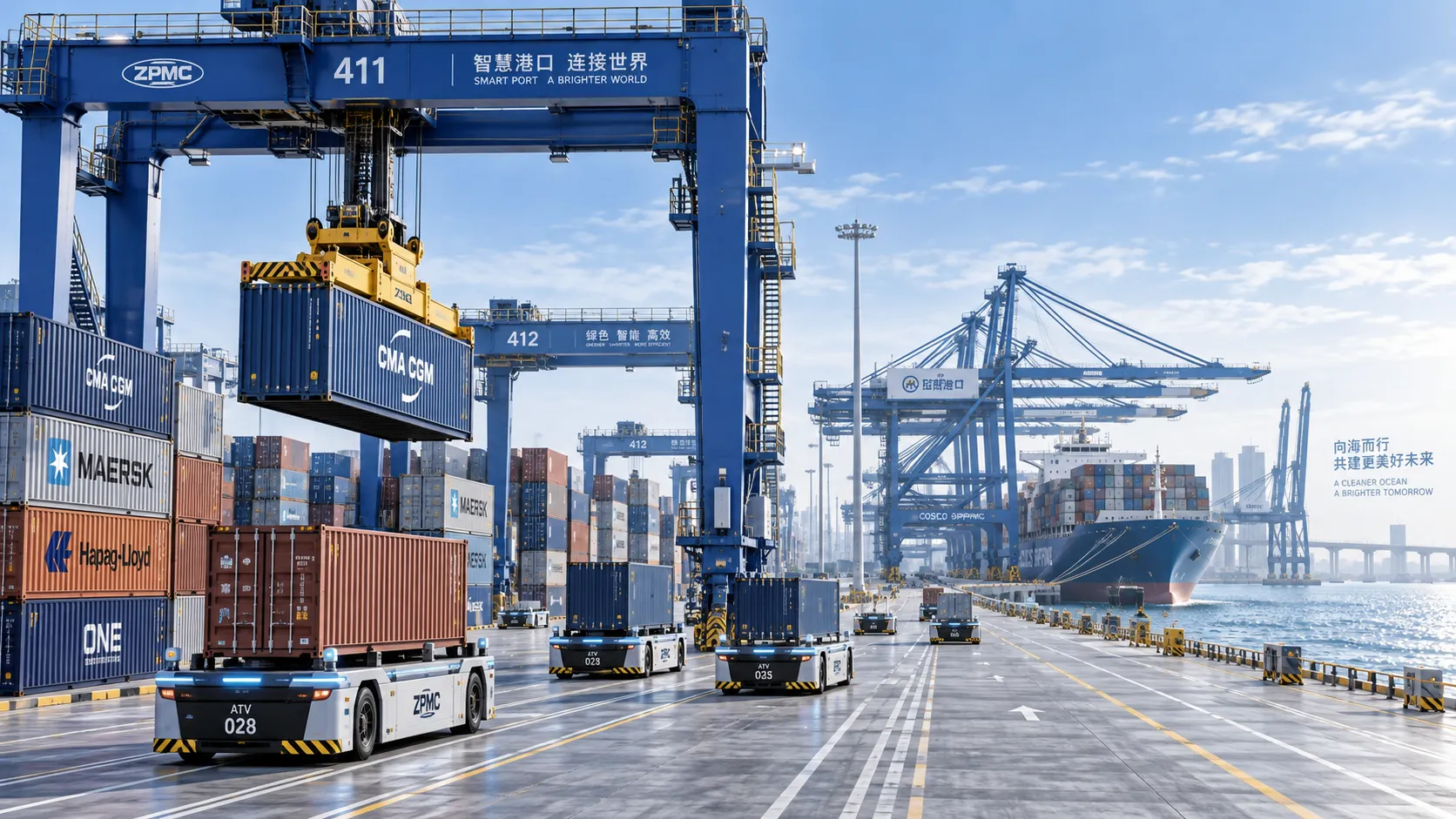
Terminal Automation Technologies That Raise Container Throughput Without Yard Disruption
Terminal automation technology that increases container throughput without disrupting yard flow. Explore smarter integration, resilient workflows, and phased deployment strategies.
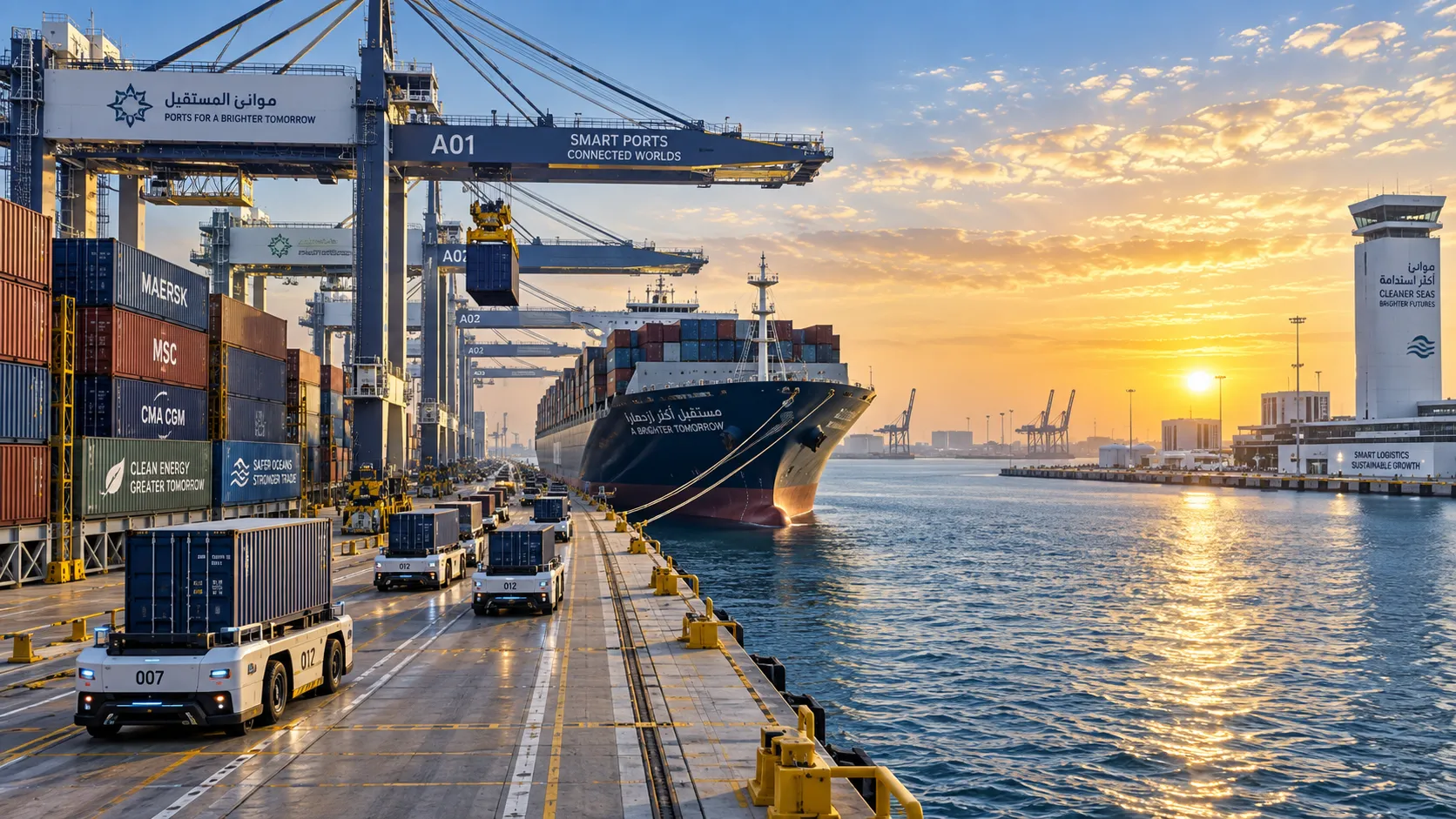
Middle East Port Automation: Key Market Drivers, Projects, and Investment Risks
Port automation systems Middle East: explore market drivers, flagship projects, integration challenges, and investment risks shaping smarter, resilient terminals.
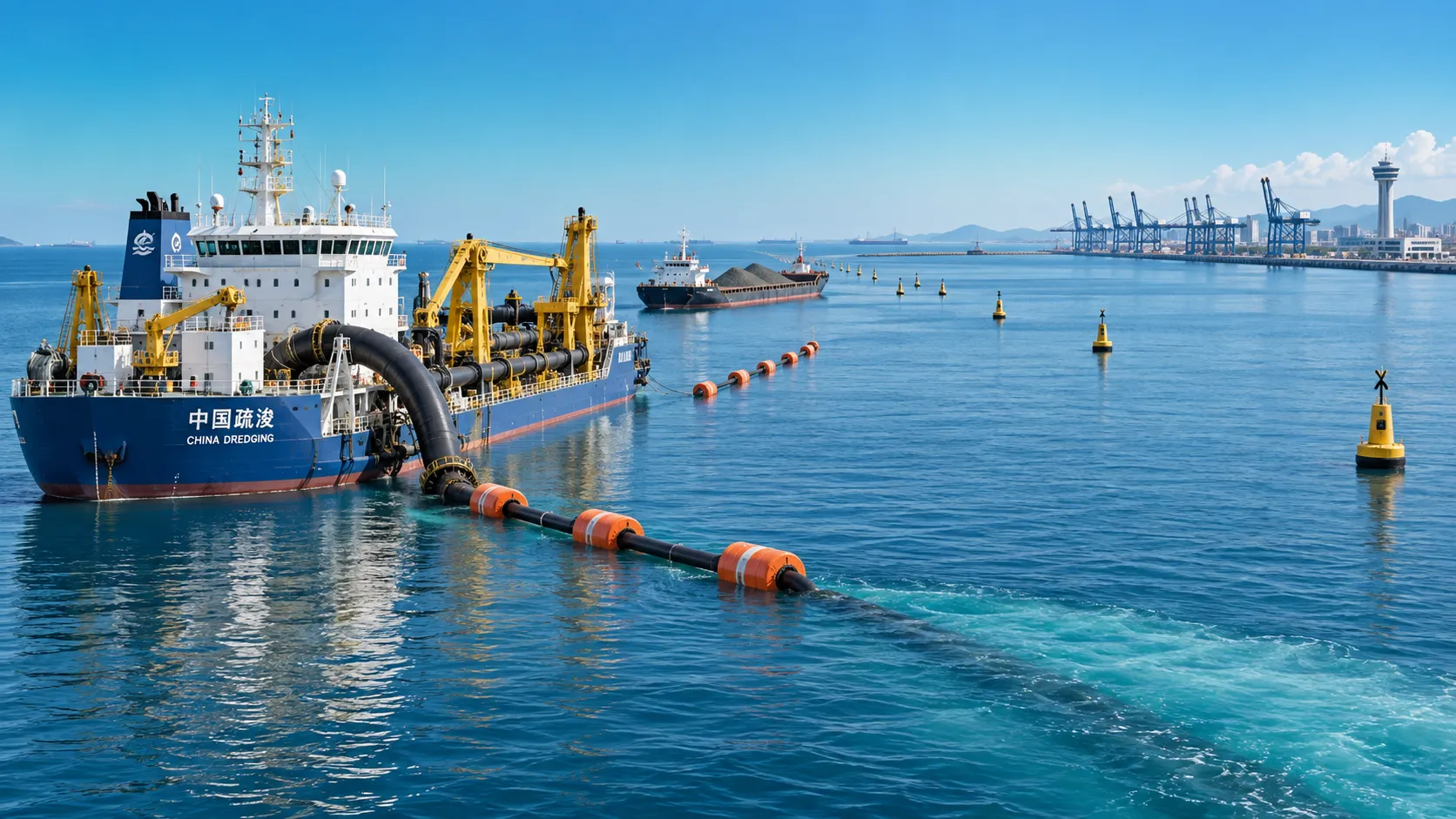
Planning Offshore Dredging Operations: Key Risks, Methods, and Project Controls
Offshore dredging operations demand smart planning. Explore key risks, proven methods, environmental controls, and project strategies for reliable delivery.