Related News
- 00
0000-00
How to Evaluate Terminal Efficiency Solution Suppliers for High-Throughput Operations - 00
0000-00
What to Consider When Buying Electric Port Machinery for Container Terminals - 00
0000-00
How to Select Container Handling Equipment for Middle East Ports and Terminals - 00
0000-00
How to Evaluate a Port Machinery Exporter for Large-Scale Terminal Projects - 00
0000-00
Evaluating a Dredging Equipment Manufacturer for Mining Plant Supply
What to Consider When Buying Electric Port Machinery for Container Terminals
What to Consider When Buying Electric Port Machinery for Container Terminals
Buying electric port machinery is a strategic investment for container terminals seeking lower emissions, higher productivity, and smarter asset utilization. Procurement teams must assess more than purchase price: equipment duty cycles, charging infrastructure, automation compatibility, maintenance support, total cost of ownership, and long-term throughput requirements all influence project success.
The hard part is that “electric” is not a single technical category. A battery-electric terminal tractor, an electrified rubber-tyred gantry crane, an automated stacking crane, and a shore-powered mobile harbor machine each place different demands on the terminal. Their economics also depend on how the yard operates, where idle time occurs, how power is supplied, and whether the terminal is preparing for partial automation or a wider operating-model change.
For buyers, the better question is not simply whether electric port machinery costs more than diesel equipment. It is whether the selected system can deliver the required moves per hour, remain available through peak periods, and avoid shifting cost or congestion from the fuel island to the charging network.
Start With the Operating Profile, Not the Equipment Brochure
An electric machine should be specified around its actual work pattern. This sounds obvious, yet procurement processes often begin with rated battery capacity, peak motor power, or a supplier’s standard configuration. Those figures matter, but they do not reveal whether the equipment fits a live terminal.
A useful operating profile should cover container volume by shift, typical and peak travel distances, lifting frequency, waiting time at quay and gate interfaces, ambient conditions, gradients, pavement quality, payload variation, and the expected duration of a vessel call. A tractor operating short, repetitive cycles with planned waiting time may be a strong candidate for opportunity charging. The same tractor assigned to longer, irregular transfer routes may need battery swapping, larger onboard energy storage, or a different fleet arrangement.
Duty cycle is especially important because electrification exposes scheduling weaknesses that diesel fleets can absorb more easily. If vehicles regularly queue at a single handover point, their charging windows may look available on paper but disappear during peak operations. Conversely, a well-designed dispatching system can turn predictable dwell periods into useful charging opportunities. Procurement, operations, maintenance, and terminal planning should therefore validate the duty-cycle model together before a tender is finalized.
Match the Energy Strategy to the Terminal Layout
Charging infrastructure is not an accessory to electric port machinery; it is part of the operating system. A lower-priced machine can become the more expensive choice if chargers, cable routes, substations, civil works, protection systems, and grid upgrades were underestimated. These elements should be included in the investment comparison from the start.
The main options usually include depot charging, opportunity charging at operating locations, battery exchange, cable-reel or busbar power for suitable crane applications, and hybrid arrangements. No one method is universally preferable. Depot charging may be practical where equipment has reliable off-shift downtime. Opportunity charging can support high-utilization assets, but only if charger locations do not interfere with traffic flows or safety zones. Battery exchange can reduce stopped time for certain mobile fleets, while adding battery inventory, lifting arrangements, storage rules, and a more complex maintenance process.
A purchasing specification should ask suppliers to state usable energy, expected charging behavior under the proposed operating conditions, battery thermal-management approach, connector or interface requirements, and limitations on charging frequency. It should also distinguish between machine-side charging capability and the terminal’s ability to provide the required electrical capacity at the right place and time.
Grid planning deserves early attention. A terminal may have adequate annual electricity supply but still face constraints during coincident charging peaks. The relevant review is not only total consumption. It includes load timing, local transformer capacity, power-quality implications, resilience during outages, and the controls needed to prevent simultaneous charging from exceeding site limits. Where future electrification is planned in phases, the electrical master plan should allow expansion without requiring repeated excavation or replacement of newly installed infrastructure.
Evaluate Throughput Risk Before Comparing Capital Cost
Container terminals make money through reliable flow, not through the lowest individual equipment invoice. The procurement team should test how an electric fleet behaves during peak vessel operations, yard rehandles, disrupted shift changes, and charger outages. A fleet plan that works at average demand but fails at the busiest operating hour can create costs far beyond the value of the machinery itself.
This is why availability guarantees require careful reading. Buyers should clarify what is included in availability: the machine only, the battery, the charging equipment, remote diagnostics, software connections, and any supplier-operated energy service. A charger fault that immobilizes several vehicles may be operationally more serious than a fault on one tractor. Response-time commitments, spare-parts locations, escalation procedures, and temporary-equipment arrangements should be examined as part of the commercial evaluation.
For cranes and other high-value assets, electrical conversion or new electric procurement should also be assessed against lifting cycles, grid connection stability, regenerative energy handling, and integration with existing crane controls. The question is not merely whether the machine can be electrified, but whether its power architecture supports safe, repeatable performance under the terminal’s intended operating envelope.
Build a Total Cost of Ownership Model That Reflects Reality
A credible total cost of ownership model should include far more than the purchase price and estimated fuel savings. At minimum, it should consider equipment acquisition, batteries where separately priced, chargers, electrical distribution, civil works, software, installation, operator and technician training, planned maintenance, consumables, spare parts, insurance implications where relevant, downtime exposure, and eventual battery handling or replacement obligations.
Energy cost assumptions should be transparent. Electricity tariffs may vary by time of use, contracted demand, location, and local grid arrangements. Diesel costs can also fluctuate, but replacing a variable fuel expense with an electricity system does not remove uncertainty; it changes the exposure. Buyers should run sensitivity checks rather than approving a business case based on one energy-price assumption.
Battery life should be handled with the same discipline. It is not enough to request a warranty duration. The contract should define the warranted condition, measurement method, operating restrictions, data access, remedies if performance falls below agreed terms, and responsibilities for removal or replacement. Battery degradation depends on use pattern, temperature, charging practice, and load. A warranty that appears generous may be less valuable if the defined operating profile does not resemble the terminal’s real workload.
Residual value is another area where caution is appropriate. Electric terminal equipment markets are still evolving, and resale assumptions can be difficult to validate, particularly for early-generation models or specialized battery systems. It is usually safer to treat projected residual value conservatively unless there is a credible, documented secondary-market pathway.
Do Not Separate Machinery Procurement From Automation Planning
Electric equipment increasingly arrives with software, telemetry, remote-service tools, and interfaces to fleet-management or terminal operating systems. That can improve visibility, but it also means that a machine purchase may become a systems-integration project. This is particularly relevant for automated guided vehicles, automated stacking equipment, remotely controlled cranes, and mixed fleets where conventional and electric machines must share traffic areas.
Before award, buyers should map the interfaces that matter: terminal operating system, fleet dispatching platform, charging-management system, maintenance software, access control, wireless network, and cybersecurity procedures. Ask who owns operational data, whether it can be exported in usable formats, how remote access is controlled, and what happens if a software subscription changes or a supplier relationship ends.
Interoperability should be treated as a procurement requirement rather than a future convenience. A terminal that becomes dependent on a proprietary charger protocol, battery architecture, or data environment may have fewer options when expanding its fleet. Full standardization is not always possible, especially in specialized equipment, but lock-in risks should be identified openly and priced into the decision.
Maintenance Capability Is a Commercial Issue
Electric drivetrains can reduce some mechanical maintenance needs, but they introduce high-voltage safety procedures, battery diagnostics, power-electronics troubleshooting, cooling-system checks, and charger maintenance. A terminal should not assume that an existing diesel maintenance team can absorb this work without training, tools, documentation, and revised safety controls.
The service model should be reviewed in practical terms. Which faults can local technicians resolve? Which require remote support or a specialist visit? Are critical components held locally, regionally, or at the manufacturer’s central warehouse? How quickly can a damaged charging connector, battery cooling component, control module, or traction inverter be replaced? The answers matter more than broad claims about low maintenance.
Terms for software updates also deserve attention. Updates can improve reliability or cybersecurity, yet poorly timed changes may affect operations. Procurement contracts should establish testing, approval, rollback, and notification procedures, particularly where machinery is connected to terminal control systems.
Use the Tender Process to Expose Assumptions
The strongest tender documents do not ask suppliers to promise “best performance.” They require comparable responses based on a defined terminal scenario. Provide route lengths, anticipated shift patterns, load expectations, traffic constraints, charging windows, environmental conditions, expected service coverage, and integration requirements. Then require bidders to identify every assumption behind their proposed fleet size, battery configuration, charger quantity, and infrastructure scope.
A structured evaluation can separate the decision into several areas: operational fit, energy and infrastructure requirements, lifecycle cost, system integration, safety and maintainability, supplier support, delivery risk, and contractual accountability. This prevents an attractive equipment price from obscuring an incomplete infrastructure allowance or a weak after-sales plan.
Where possible, a phased deployment can reduce uncertainty. A limited operational introduction may reveal charging bottlenecks, driver behavior, dispatching issues, or maintenance gaps before the terminal commits to a full fleet transition. However, a pilot should be designed around representative work, not an unusually easy route or lightly loaded shift. Otherwise, it provides reassurance without producing useful procurement evidence.
A More Informed Electrification Decision
Electric port machinery should be judged as part of a connected terminal system: mechanical capability, energy supply, traffic design, digital control, maintenance readiness, and commercial risk all interact. The right solution may be a full electric fleet, a targeted replacement of the most suitable assets, electrified crane operations, or a staged combination that preserves operational flexibility while infrastructure develops.
This systems view is central to the work followed by PS-Nexus across mega terminal gear, specialized container handling, and port automation. Heavy mechanical power and algorithmic scheduling increasingly shape the same investment decision. A charging plan affects fleet dispatch; fleet dispatch affects berth productivity; and the terminal’s automation architecture affects how much value can be extracted from connected equipment data.
Before issuing a final purchase order, confirm the operational scenario, electrical scope, interface responsibilities, service commitments, and lifecycle assumptions in one cross-functional review. If those elements align, electrification becomes a manageable infrastructure decision rather than a costly experiment built around an attractive machine specification.
Related News
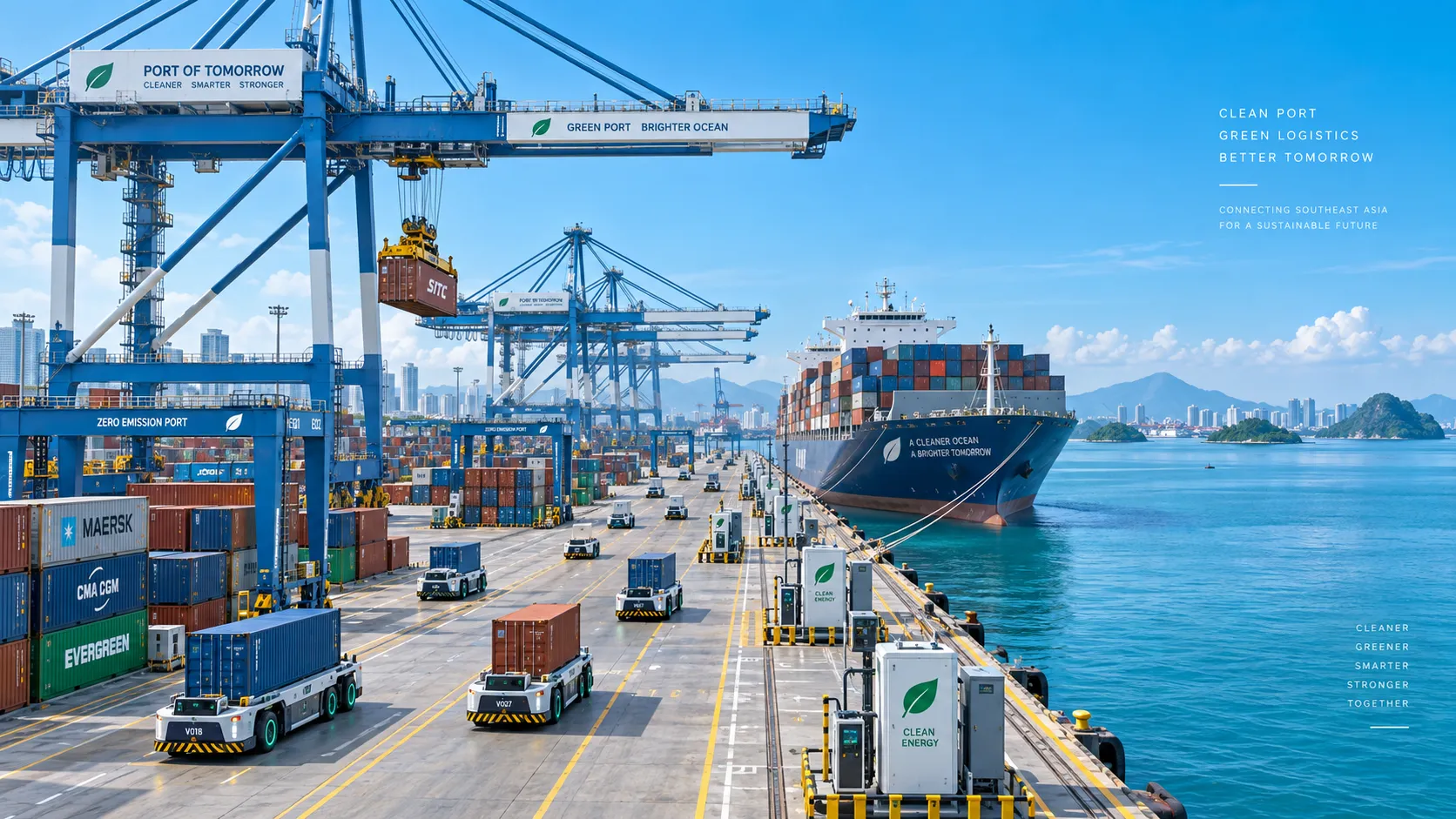
Smart Port Systems in Southeast Asia: Investment Priorities and Adoption Barriers
Smart port systems Southeast Asia: discover investment priorities, adoption barriers, and practical steps to build resilient, connected, high-performing terminals.

How to Evaluate Terminal Efficiency Solution Suppliers for High-Throughput Operations
Choose a terminal efficiency solutions supplier with confidence. Explore proven criteria for throughput, integration, lifecycle cost, safety, and reliable delivery.
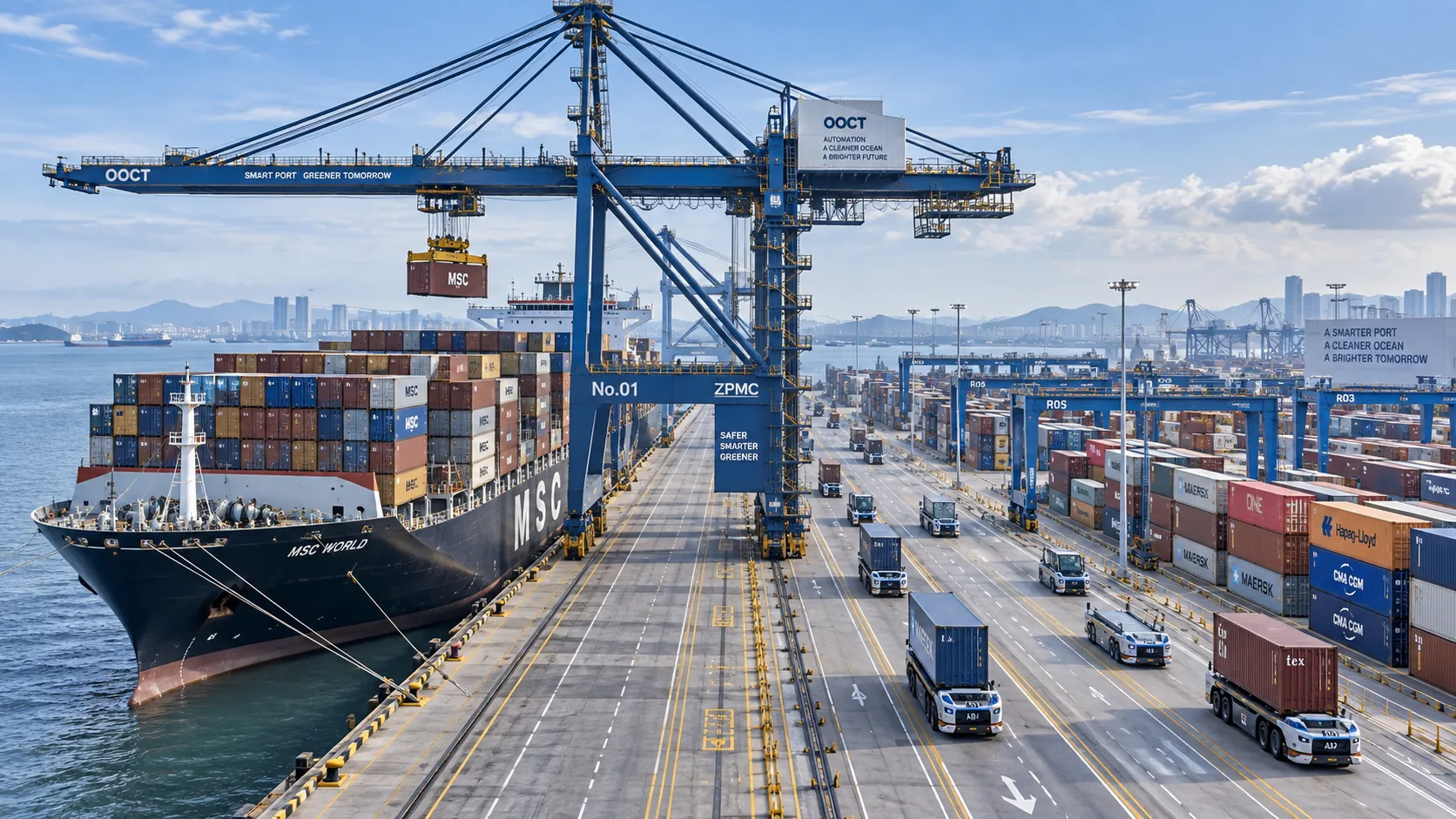
How to Specify a Quay Crane for Container Terminals by Vessel Size and Throughput?
Quay crane for container terminals: learn how to match outreach, lift height, capacity, automation, and cycle performance to vessel size and throughput goals.
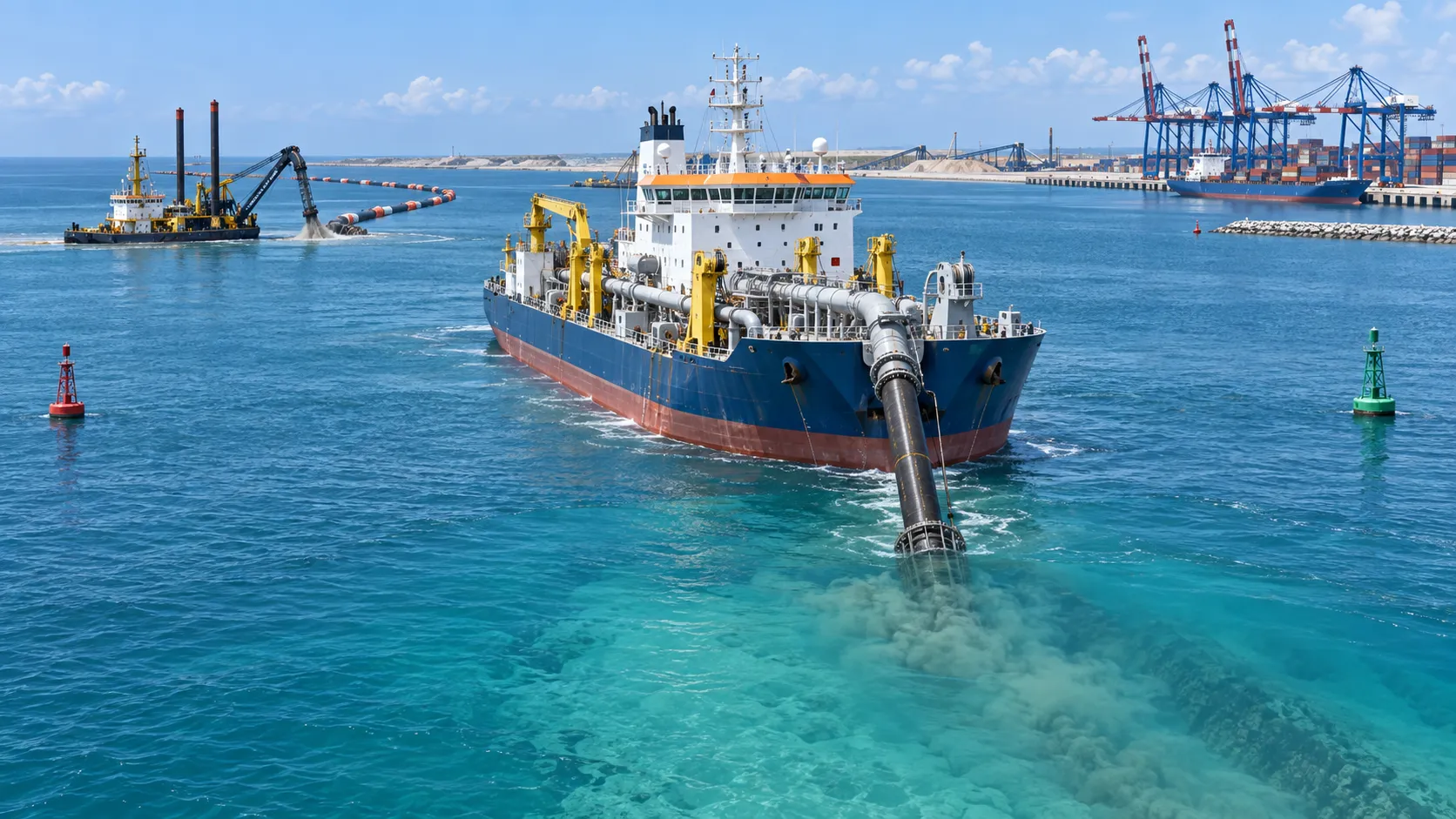
What Dredging Equipment Is Needed for Channel Deepening?
What dredging equipment is needed for channel deepening? Explore dredgers, pipelines, survey tools, and planning strategies for safer, more efficient port access.
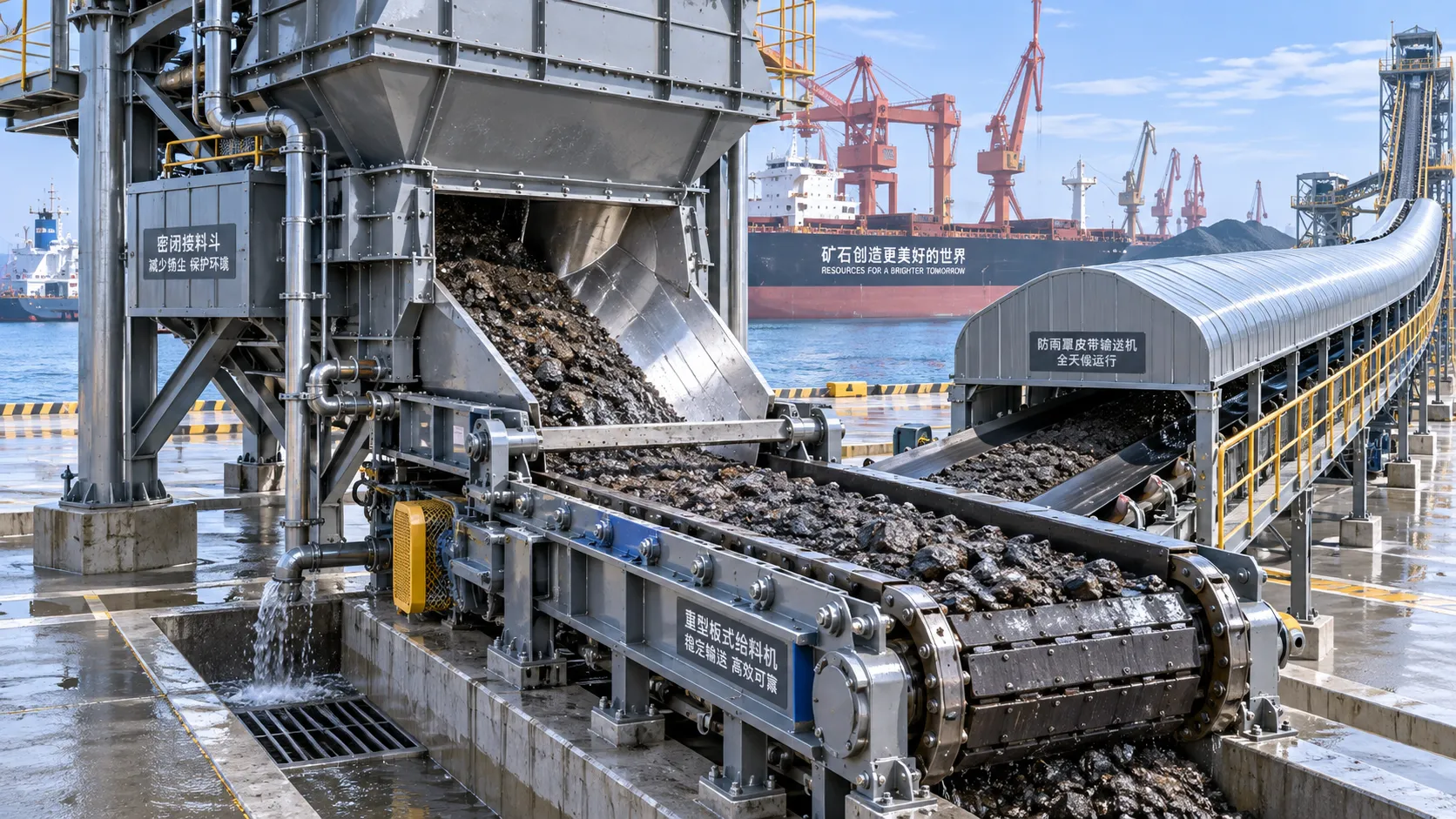
Which Bulk Handling Equipment Suits High-Moisture Cargo?
Which bulk handling equipment suits high-moisture cargo? Compare belt, apron, screw, drag, and slurry systems for reliable flow, less carryback, and higher terminal uptime.
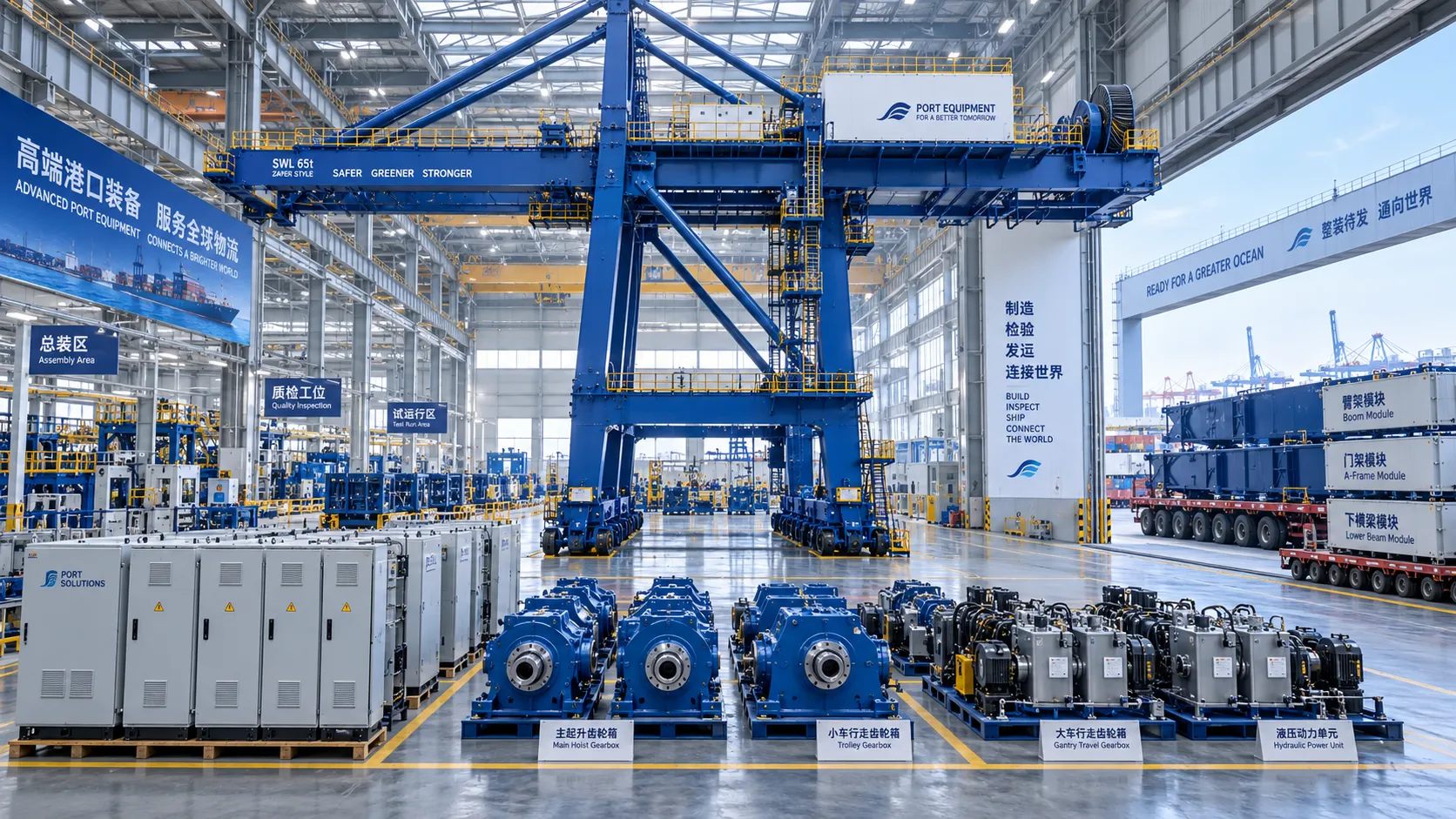
How Can Port Equipment Lead-Time Risk Be Managed?
How can port equipment lead-time risk be managed? Explore practical strategies to control critical paths, suppliers, transport, site readiness, and commissioning delays.
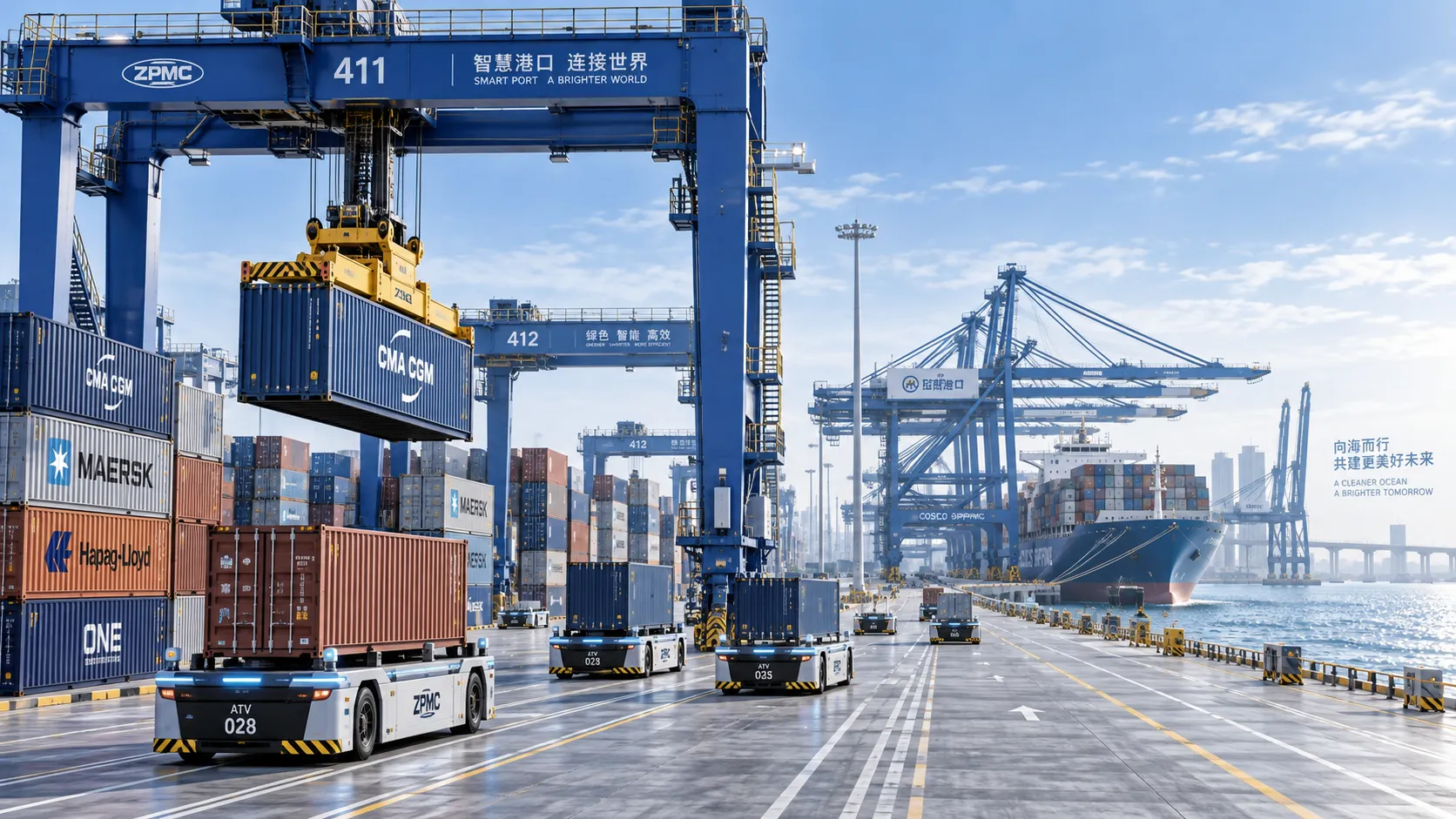
Terminal Automation Technologies That Raise Container Throughput Without Yard Disruption
Terminal automation technology that increases container throughput without disrupting yard flow. Explore smarter integration, resilient workflows, and phased deployment strategies.
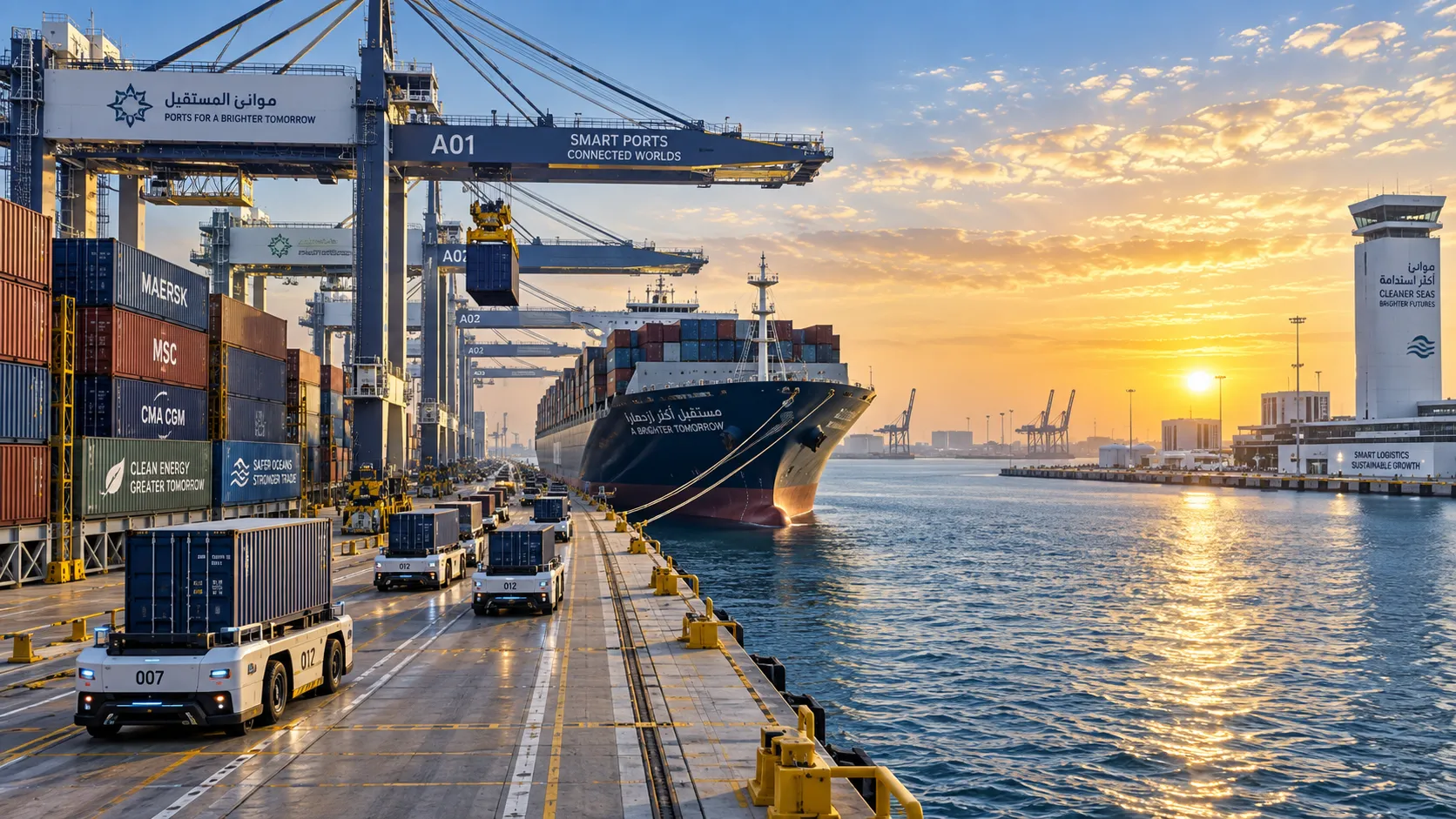
Middle East Port Automation: Key Market Drivers, Projects, and Investment Risks
Port automation systems Middle East: explore market drivers, flagship projects, integration challenges, and investment risks shaping smarter, resilient terminals.
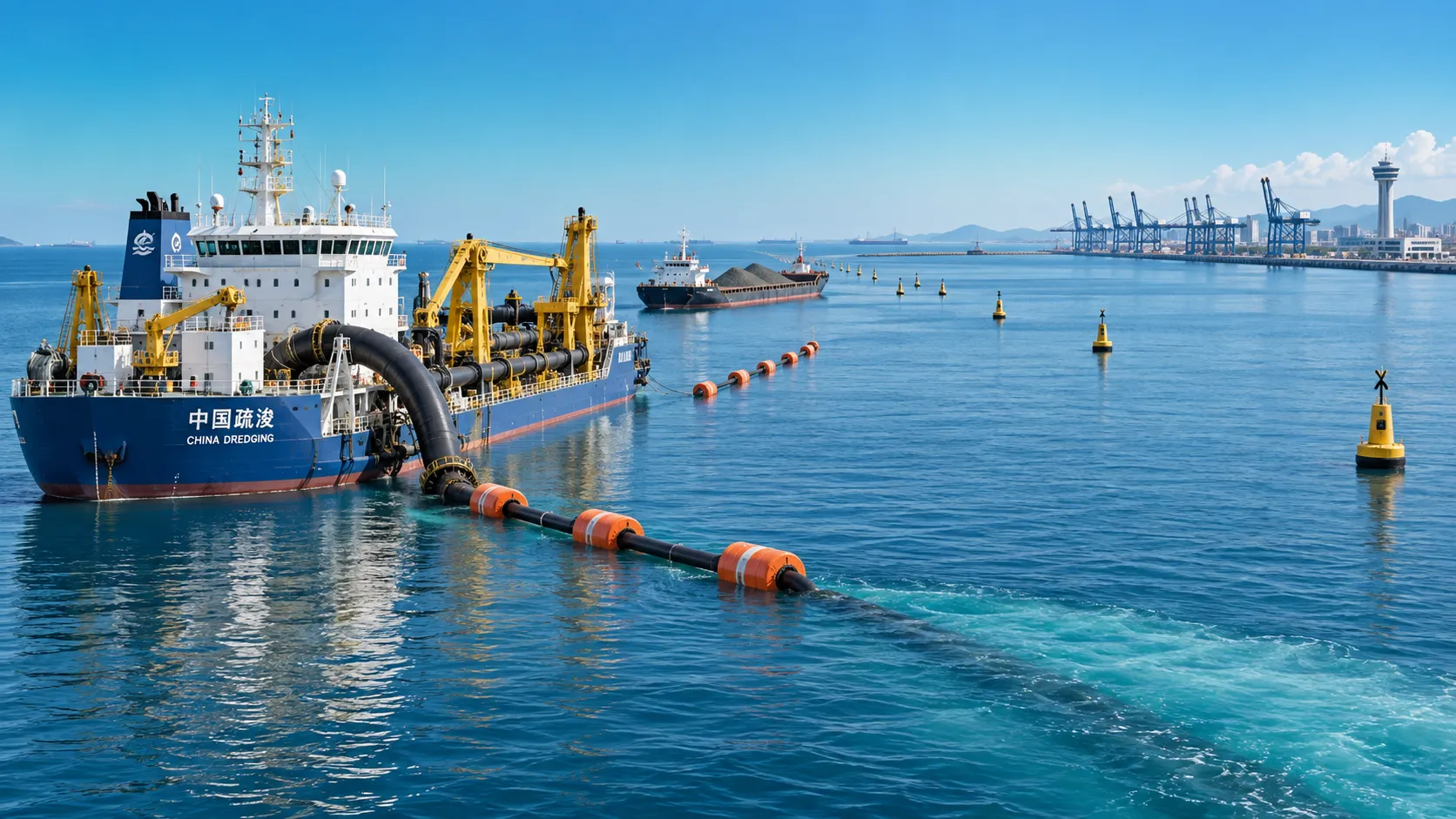
Planning Offshore Dredging Operations: Key Risks, Methods, and Project Controls
Offshore dredging operations demand smart planning. Explore key risks, proven methods, environmental controls, and project strategies for reliable delivery.