Related News
- 00
0000-00
How to Evaluate Terminal Efficiency Solution Suppliers for High-Throughput Operations - 00
0000-00
What to Consider When Buying Electric Port Machinery for Container Terminals - 00
0000-00
How to Select Container Handling Equipment for Middle East Ports and Terminals - 00
0000-00
How to Evaluate a Port Machinery Exporter for Large-Scale Terminal Projects - 00
0000-00
Evaluating a Dredging Equipment Manufacturer for Mining Plant Supply
Evaluating a Dredging Equipment Manufacturer for Mining Plant Supply
Mining plants that rely on dredging rarely fail because a brochure looked weak. They fail when equipment is mismatched to slurry behavior, pond geometry, duty cycle, or maintenance realities at site. For procurement teams, evaluating a manufacturer is less about comparing catalog claims and more about checking whether the supplier can translate mine conditions into a workable dredging package with predictable wear life, stable solids handling, and supportable spare parts.
That matters most in projects where dredging is tied to tailings recovery, process pond cleaning, sand or mineral extraction, or settling basin management. In these environments, small specification errors can become expensive operating problems: undersized pumps choke on solids concentration, overpowered systems waste fuel, cutter heads wear too quickly in abrasive feed, and pontoons or structures struggle in fluctuating water levels. A purchasing decision made too early on unit price can create years of downtime, high liner consumption, and difficult field modifications.
Why mining plant dredging supply is different from general dredging procurement
Mining dredging is often treated as a subcategory of marine or civil dredging, but plant buyers usually face a narrower operating window and harsher material conditions. Ore fines, tailings, silica-rich sand, and chemically affected process water can place very different demands on the pump, pipeline, seals, and structural materials than municipal silt removal or river maintenance.
A manufacturer being considered for mining plant supply should be judged on how well it addresses five practical questions:
- Can the system handle the expected solids size distribution and slurry density without unstable flow?
- Are wear components selected for abrasion, corrosion, or a combination of both?
- Is the dredger configured for the specific excavation method required at the plant?
- Can the equipment be transported, assembled, and maintained within site constraints?
- Will the supplier provide clear documentation for acceptance, spare parts, and future overhaul planning?
These questions sound technical, but they are procurement issues because they affect total acquisition cost, commissioning risk, operating continuity, and vendor dependence after delivery.
Start with the material, not the machine
Many procurement files begin with desired capacity, such as cubic meters per hour. That is useful, but incomplete. In mining dredging, the more decisive starting point is the material profile: particle size, solids concentration, slurry viscosity, abrasiveness, and whether the deposit is free-settling, compacted, layered, or mixed with debris.
A manufacturer that asks for feed material details early usually understands the application better than one that quotes from capacity alone. The reason is straightforward. A dredger moving fine sediment in a reclaim pond may perform acceptably with a different pump curve, suction arrangement, and wear package than one excavating compacted sand with angular particles. Even if the nominal throughput looks similar on paper, the operating behavior will not be.
Procurement teams should ask how the supplier determines:
- target solids concentration at the pump inlet and discharge,
- allowable particle size for the selected pump and impeller design,
- required cutter torque or excavation assistance, if cutting is involved,
- expected wear rate for liners, impellers, and pipe bends,
- pipeline velocity range to avoid settling or excessive erosion.
When a supplier cannot connect these factors to the proposed configuration, it becomes harder to trust the quoted output or maintenance interval.
Matching dredger type to mining duty
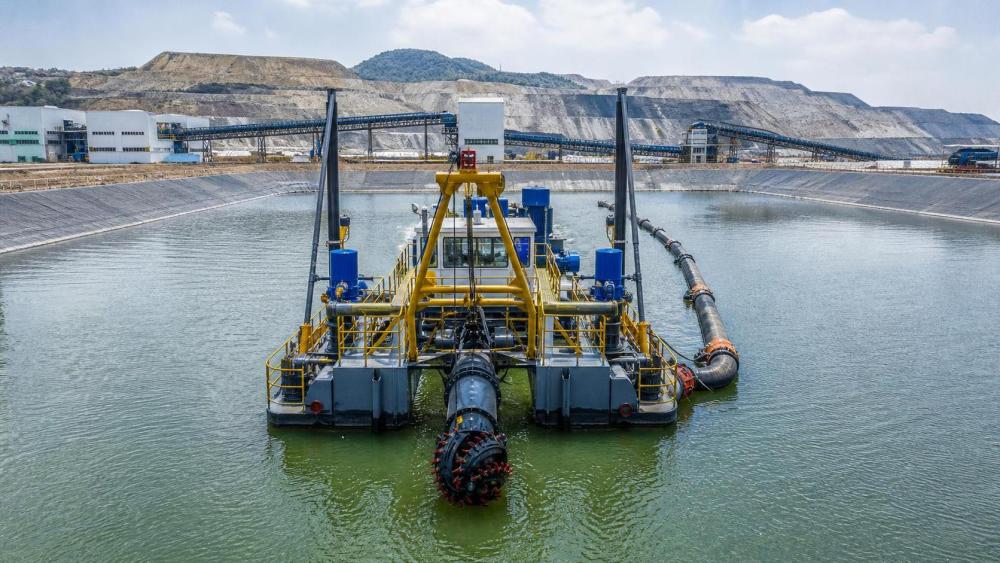
Not every mining plant needs the same dredging arrangement. A compact plant pond with soft settled fines may work with a simpler hydraulic dredger, while harder deposits or deeper cuts may require a cutter suction setup. Booster pumps, winch systems, discharge pipelines, and onboard power arrangements also depend on transport distance and site layout.
In supplier evaluation, buyers should focus less on product labels and more on duty alignment. A capable dredging equipment manufacturer should be able to explain why a certain dredger type suits a tailings pond, process water basin, sand stock area, or mineral extraction zone, and where its limitations begin. That discussion is often more useful than a long general product list, especially when reviewing suppliers serving China-based mining dredging plant projects or export markets sourcing from China.
A few examples of duty-driven differences:
- Soft sludge or fine tailings: suction efficiency, pump stability, and floating platform balance may matter more than aggressive cutting ability.
- Compacted sand or mineral-bearing layers: cutter design, swing force, installed power, and wear protection become much more important.
- Long discharge distance: pump head, booster compatibility, and pipeline system design can dominate the whole package economics.
- Restricted plant sites: modular transport dimensions, assembly method, and maintenance access may outweigh peak capacity.
Technical factors that reveal whether a supplier understands mining applications
Pump selection and hydraulic margin
The dredge pump is often the first component procurement teams compare, but the more revealing issue is how much hydraulic margin the supplier leaves for real operating variation. Mining slurries do not stay constant. Solids concentration can rise during productive periods, particle size can shift with deposit depth, and discharge resistance can change as pipeline routing evolves.
If a quoted system appears to achieve the required output only under narrow conditions, the plant may spend much of its time operating outside the efficient zone. Buyers should ask for the logic behind pump sizing, not only motor power. An oversized pump can also be problematic if it increases wear, energy use, or causes unstable excavation control.
Wear materials and replacement logic
Mining dredging consumes wear parts. The procurement task is not to eliminate wear, but to understand how predictable and manageable it will be. Suppliers should be able to specify what is protected by high-chrome alloys, hardened steel, rubber lining, or other wear-resistant materials, and why those choices suit the intended slurry.
More important than the material name is the replacement logic. Can liners be changed without major disassembly? Are common wear parts standardized across models? Are pipe bends, impellers, and cutter teeth available as separate stock items? Plants operating in remote areas often value maintainability more than theoretical peak output.
Structural design for floating stability and transport
Pontoons and frames are sometimes treated as secondary items, yet structural design affects both safety and operating consistency. A dredger used in a mining pond may face variable water levels, frequent repositioning, and uneven load distribution from pipe and cable arrangements. Poor balance can reduce suction performance, increase vibration, and complicate maintenance access.
Procurement review should include transport configuration as well. If the system must reach inland mine sites with road restrictions or limited crane capacity, a modular design can reduce installation risk. This is particularly relevant when buying from overseas suppliers, where the lowest factory price may be offset by difficult packing, oversized modules, or missing assembly planning.
Power and control philosophy
The choice between diesel, electric, or hybrid-oriented arrangements depends on site power availability, fuel logistics, environmental restrictions, and maintenance capabilities. Electric systems may simplify operation where stable power exists, but remote sites sometimes prefer diesel-driven units for mobility and independence. The right answer depends on the plant context rather than a universal preference.
Control systems should be judged for usability, not novelty. Operators need clear monitoring of pump load, engine or motor condition, winch operation, and alarms related to overheating, pressure, or blockage risk. Excessively complex controls can make troubleshooting harder if local technical support is limited.
Factory capability matters, but only when tied to deliverables
Buyers often ask whether a supplier is a genuine manufacturer or a trading intermediary. That question is valid, but the practical issue is whether the factory capability changes project outcomes. Procurement teams should look for manufacturing evidence that links directly to quality and delivery control: fabrication consistency for hull sections, machining quality for pump components, fit-up accuracy, coating execution, and documented pre-delivery checks.
For mining applications, some of the most useful review points are:
- weld quality control on load-bearing structures,
- machining tolerance management for rotating components,
- component traceability for wear parts and critical assemblies,
- shop testing scope before shipment,
- packaging and preservation for long-distance transport.
Factory scale by itself proves little. A smaller but technically disciplined producer may perform better than a large supplier whose quotation package leaves major questions unanswered. Procurement should tie manufacturing review to risk reduction: fewer commissioning surprises, better spare part consistency, and clearer accountability if performance issues arise.
Documentation that procurement should request before award
Technical review is easier when the supplier provides a structured document set. Missing documentation often signals future friction during inspection, customs handling, installation, or warranty discussions.
It is also sensible to request a recommended commissioning checklist and an initial spare parts package proposal. These are not minor extras. They reveal whether the supplier expects the equipment to operate in real mine conditions or only to pass handover.
Common procurement mistakes when sourcing from China-based suppliers
China is a major source of industrial equipment, including dredging systems, and many buyers look there for favorable manufacturing economics. The most common mistake is assuming that two visually similar dredgers have similar field performance. In mining service, differences in pump metallurgy, welding quality, power matching, and support documentation can become visible only after installation.
Another frequent error is separating the dredger from the rest of the slurry transport system during procurement. If pipeline configuration, booster requirements, floats, valves, and connection standards are left vague, the plant may receive a machine that cannot achieve the intended discharge distance without costly additions.
Lead time evaluation also deserves more attention. The quoted production schedule should be checked against the scope of fabrication, component sourcing, test preparation, and export packing. A short promised lead time may simply mean that some engineering decisions have not yet been resolved.
How to compare bids beyond purchase price
Bid comparison works better when procurement uses a weighted review instead of selecting from headline capacity and total price. The objective is to understand where each offer places risk.
Useful comparison points include:
- clarity of slurry and duty assumptions,
- pump sizing logic and expected operating range,
- wear component specification and replacement accessibility,
- inclusion or exclusion of pipeline and auxiliary systems,
- shipping split and site assembly complexity,
- spare parts standardization,
- acceptance testing scope,
- responsibility boundaries during commissioning support.
When one supplier appears significantly cheaper, the gap often comes from omitted auxiliaries, lighter wear protection, reduced testing scope, or less conservative hydraulic design. That does not automatically make the low bid unsuitable, but it should change how procurement evaluates risk reserves, spare planning, and contract language.
The final check: can the supplier support the operating life, not just the shipment
A dredging package for a mining plant is not fully evaluated when the drawing review is complete. The more important question is whether the supplier has framed the equipment as an operating system with consumables, inspection intervals, and foreseeable adjustment points. Procurement teams should pay attention to how the manufacturer discusses wear monitoring, spare part lead times, troubleshooting responsibilities, and the practical sequence for startup and early operation.
If the supplier can clearly connect mine conditions to dredger configuration, explain wear and hydraulic trade-offs, document fabrication and testing scope, and define what will be required after delivery, the procurement decision becomes more grounded. In mining dredging, that depth of technical alignment usually matters more than polished catalogs or broad claims about capacity.
Related News
Smart Port Systems in Southeast Asia: Investment Priorities and Adoption Barriers
Smart port systems Southeast Asia: discover investment priorities, adoption barriers, and practical steps to build resilient, connected, high-performing terminals.
How to Evaluate Terminal Efficiency Solution Suppliers for High-Throughput Operations
Choose a terminal efficiency solutions supplier with confidence. Explore proven criteria for throughput, integration, lifecycle cost, safety, and reliable delivery.
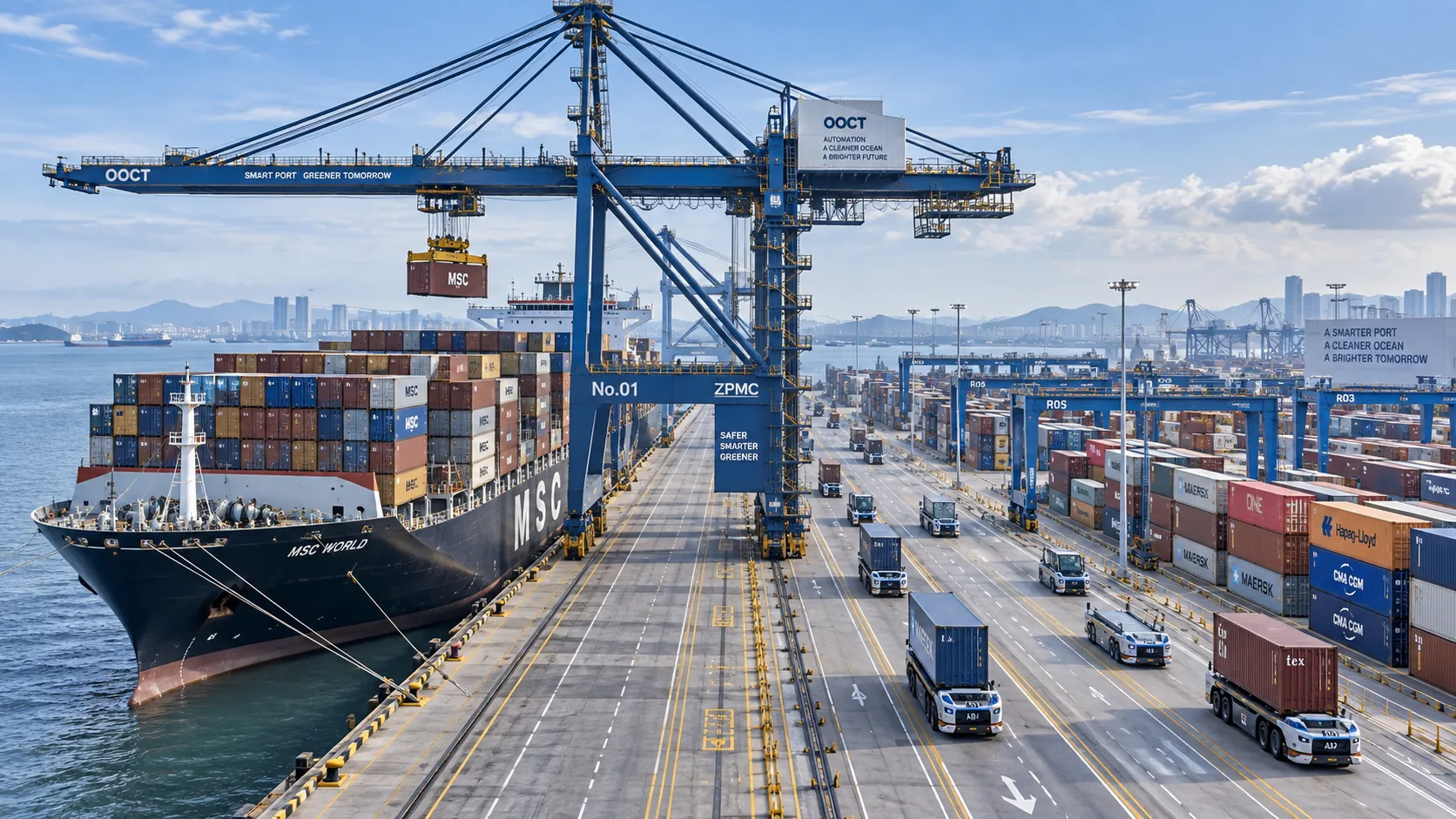
How to Specify a Quay Crane for Container Terminals by Vessel Size and Throughput?
Quay crane for container terminals: learn how to match outreach, lift height, capacity, automation, and cycle performance to vessel size and throughput goals.
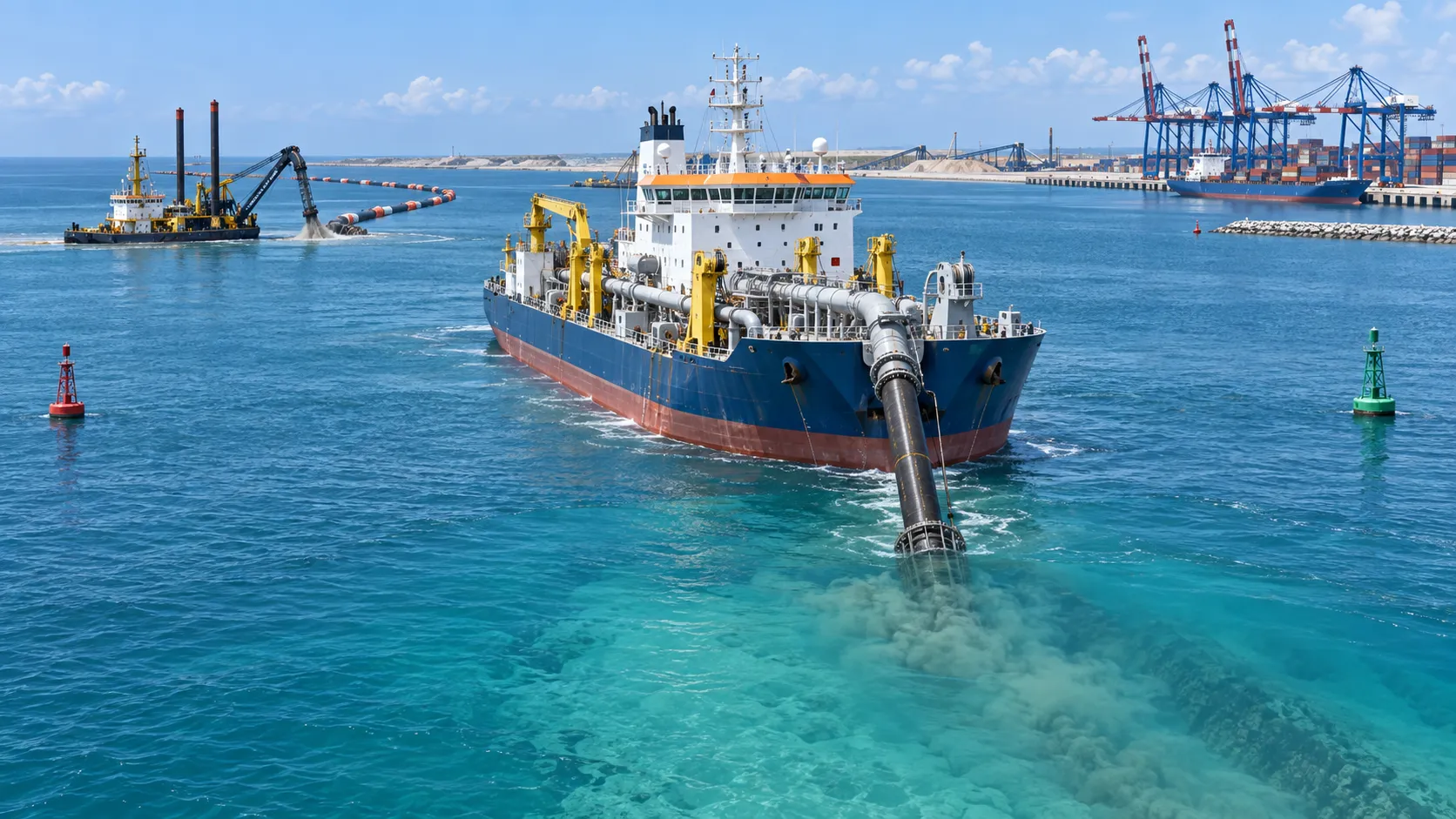
What Dredging Equipment Is Needed for Channel Deepening?
What dredging equipment is needed for channel deepening? Explore dredgers, pipelines, survey tools, and planning strategies for safer, more efficient port access.
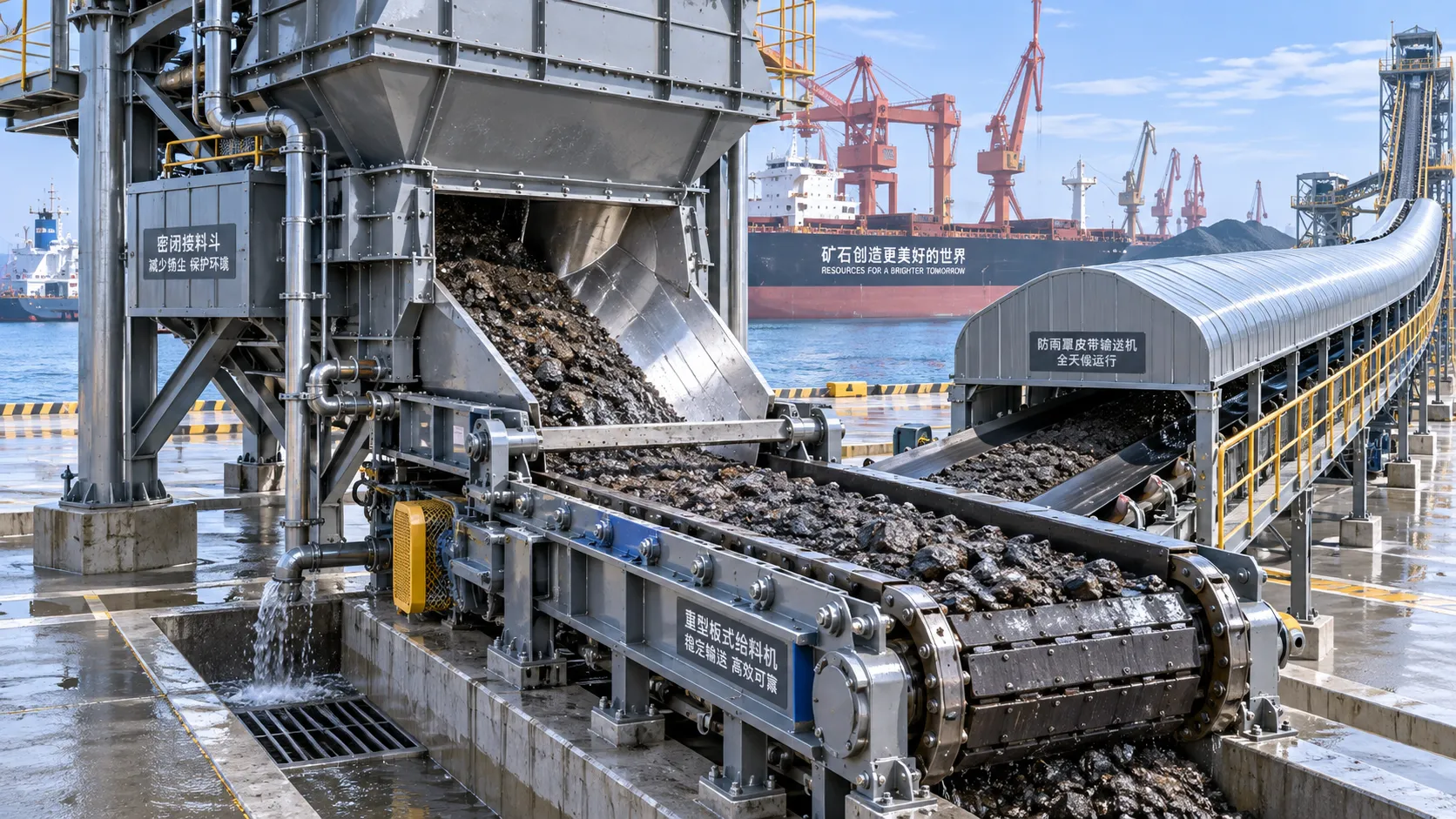
Which Bulk Handling Equipment Suits High-Moisture Cargo?
Which bulk handling equipment suits high-moisture cargo? Compare belt, apron, screw, drag, and slurry systems for reliable flow, less carryback, and higher terminal uptime.
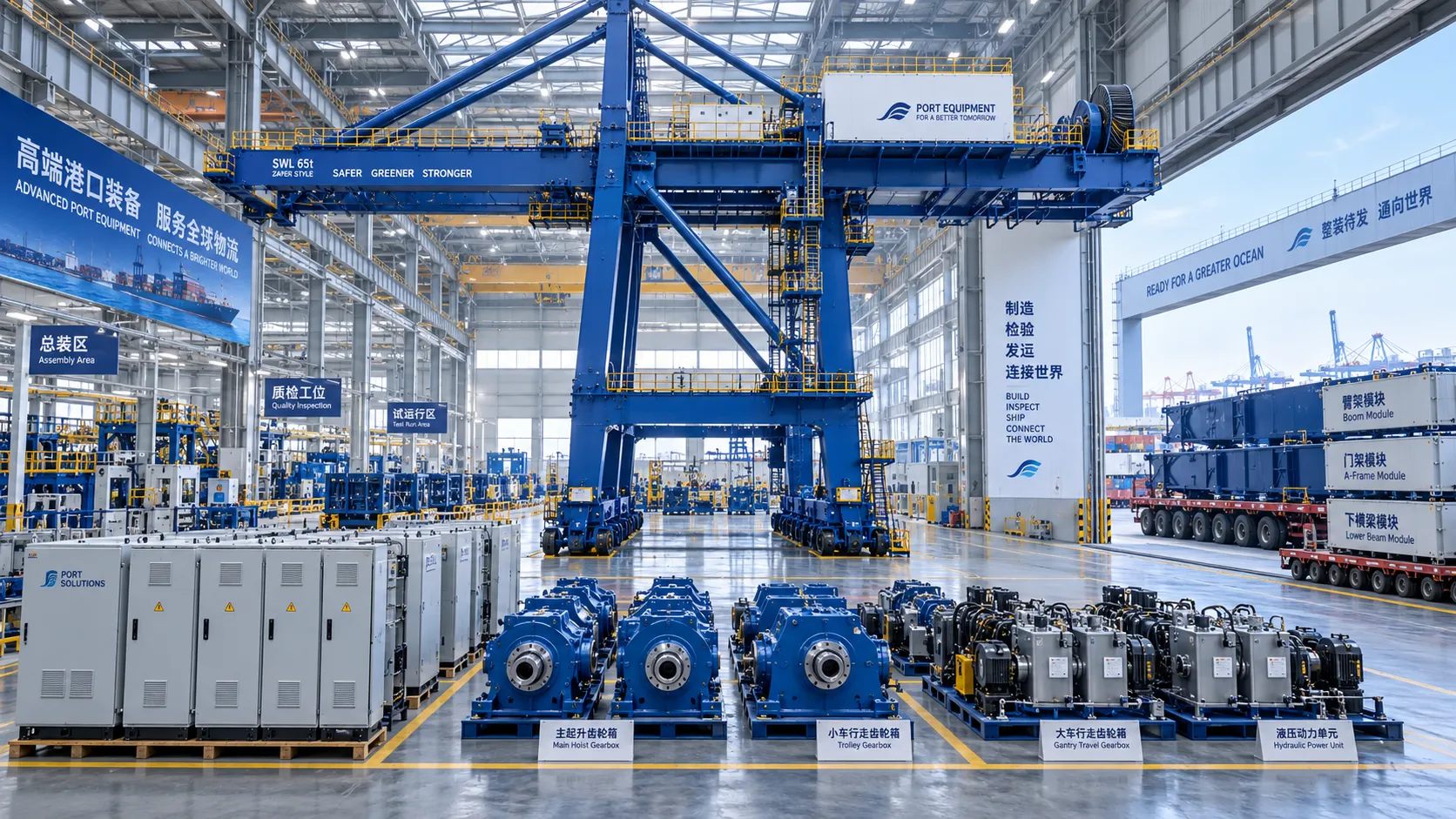
How Can Port Equipment Lead-Time Risk Be Managed?
How can port equipment lead-time risk be managed? Explore practical strategies to control critical paths, suppliers, transport, site readiness, and commissioning delays.
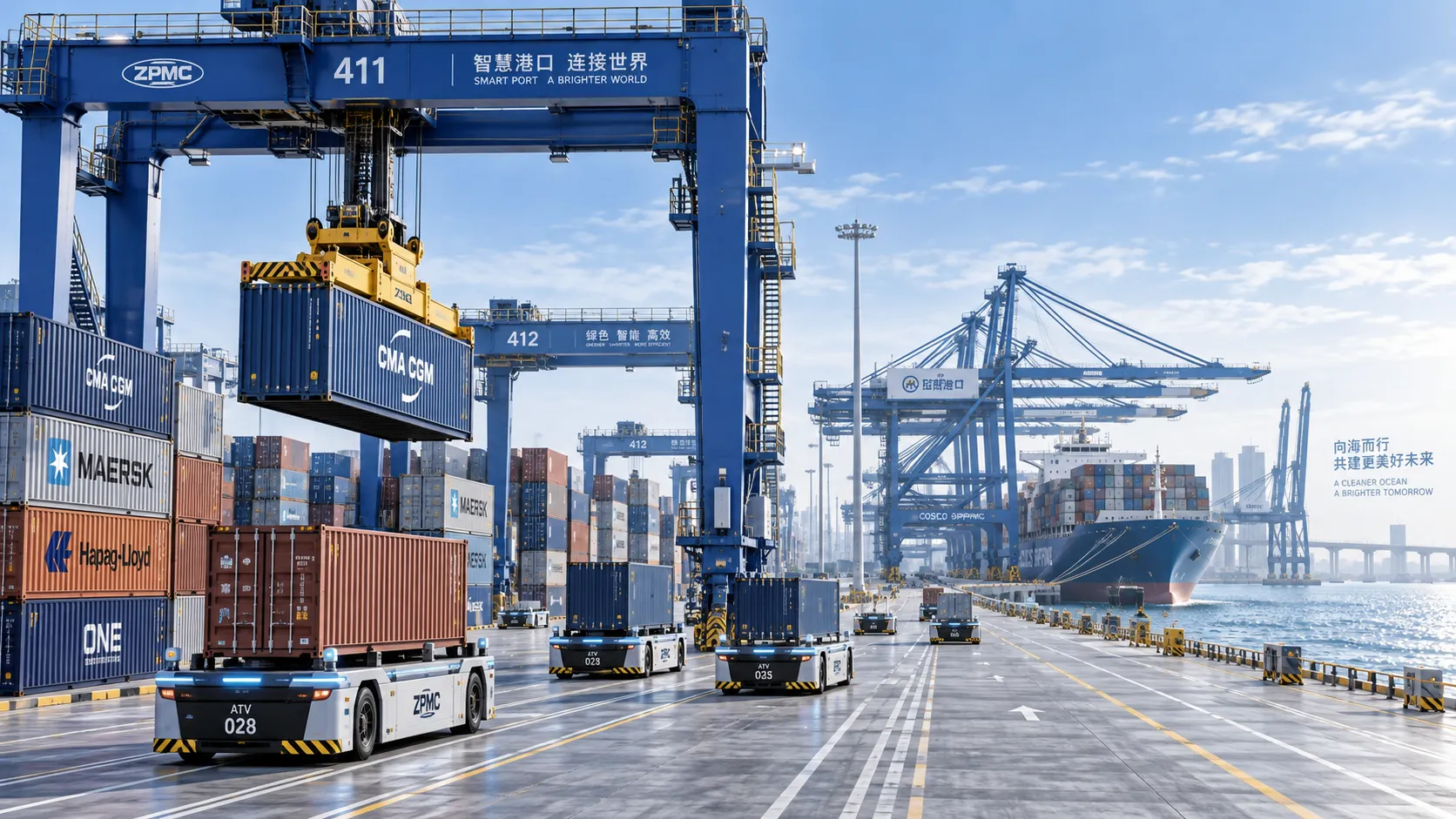
Terminal Automation Technologies That Raise Container Throughput Without Yard Disruption
Terminal automation technology that increases container throughput without disrupting yard flow. Explore smarter integration, resilient workflows, and phased deployment strategies.
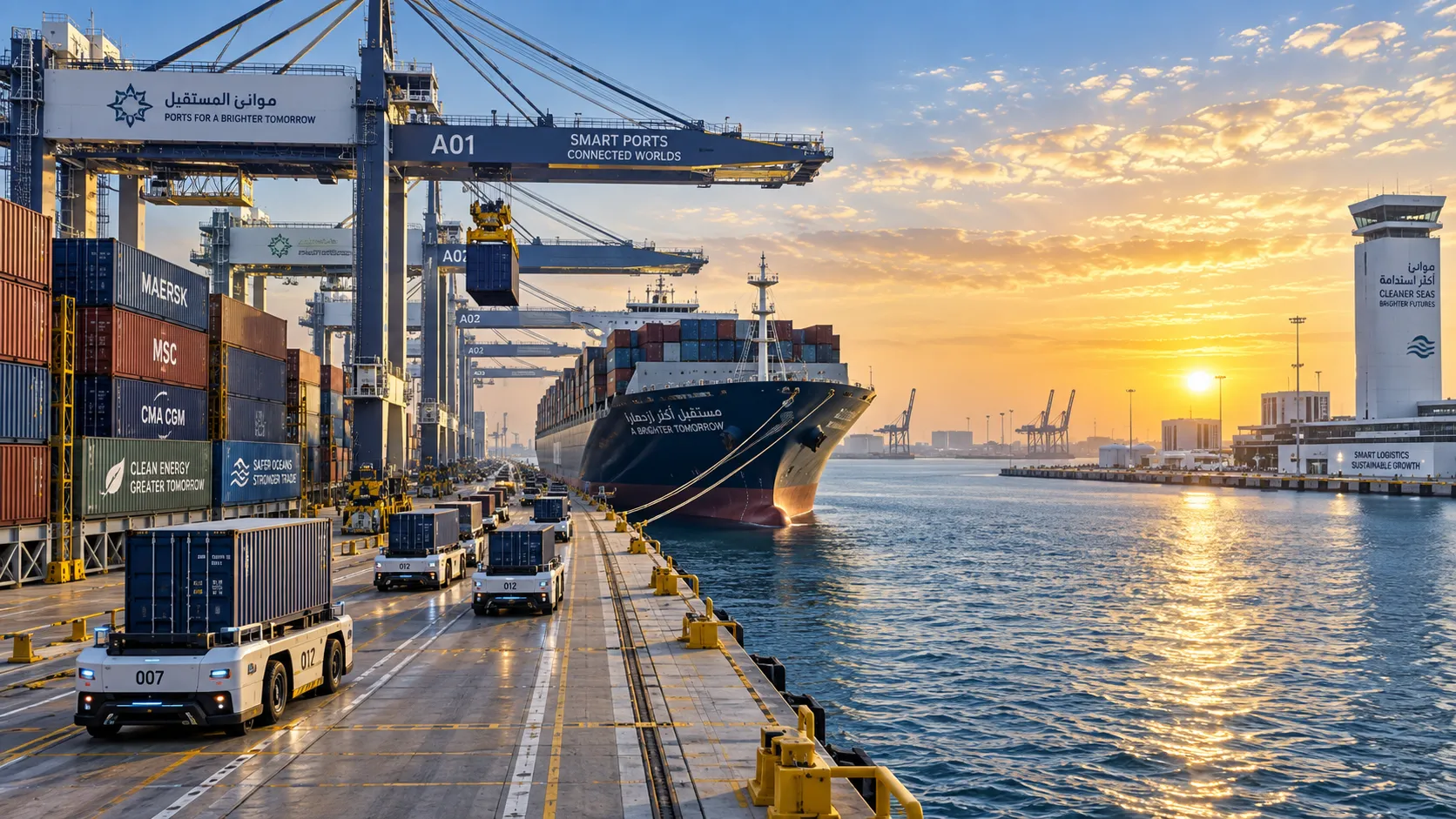
Middle East Port Automation: Key Market Drivers, Projects, and Investment Risks
Port automation systems Middle East: explore market drivers, flagship projects, integration challenges, and investment risks shaping smarter, resilient terminals.
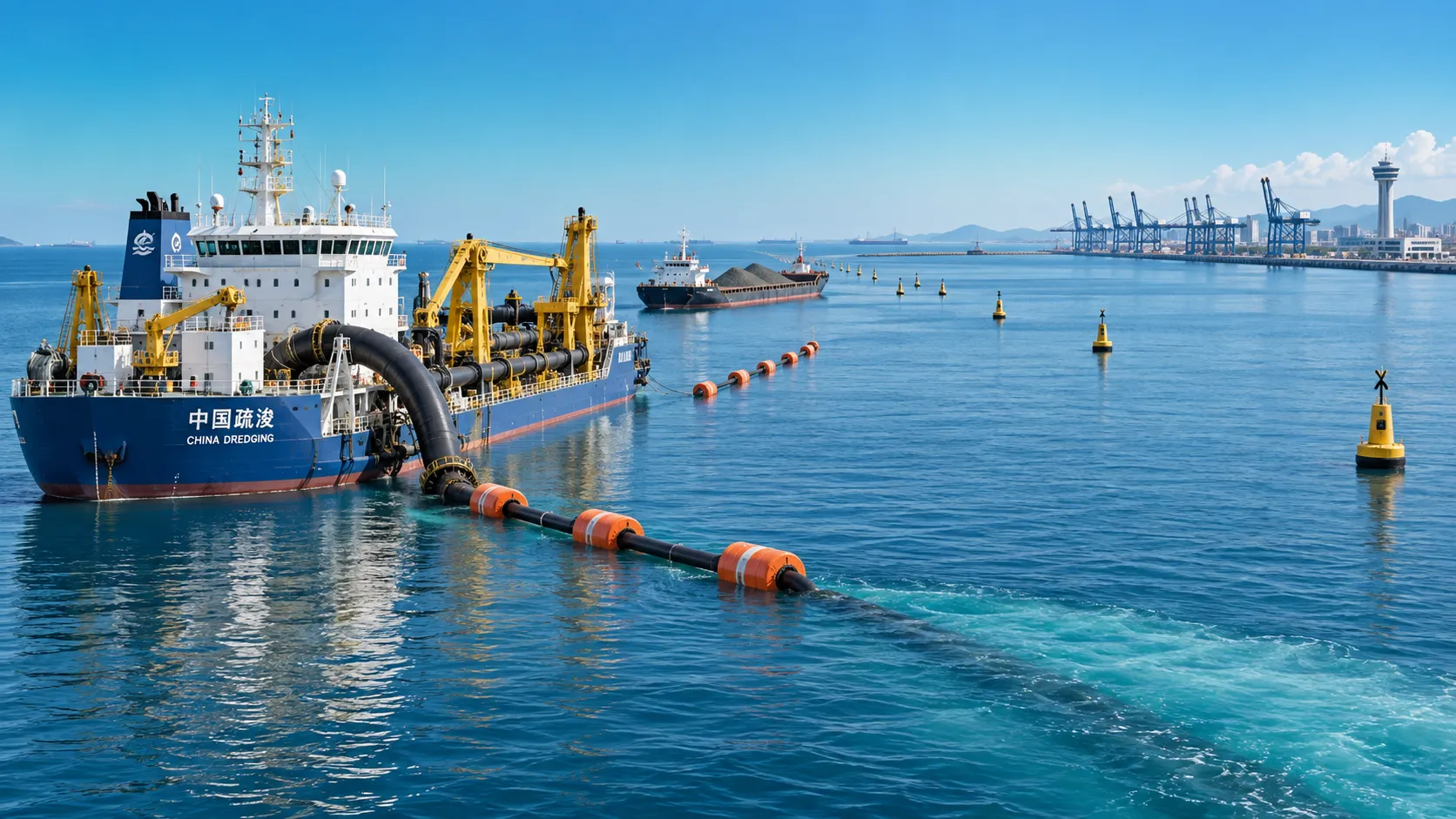
Planning Offshore Dredging Operations: Key Risks, Methods, and Project Controls
Offshore dredging operations demand smart planning. Explore key risks, proven methods, environmental controls, and project strategies for reliable delivery.