Related News
- 00
0000-00
How to Evaluate Terminal Efficiency Solution Suppliers for High-Throughput Operations - 00
0000-00
What to Consider When Buying Electric Port Machinery for Container Terminals - 00
0000-00
How to Select Container Handling Equipment for Middle East Ports and Terminals - 00
0000-00
How to Evaluate a Port Machinery Exporter for Large-Scale Terminal Projects - 00
0000-00
Evaluating a Dredging Equipment Manufacturer for Mining Plant Supply
What Buyers Should Check Before Comparing Floating Dredging Equipment Suppliers
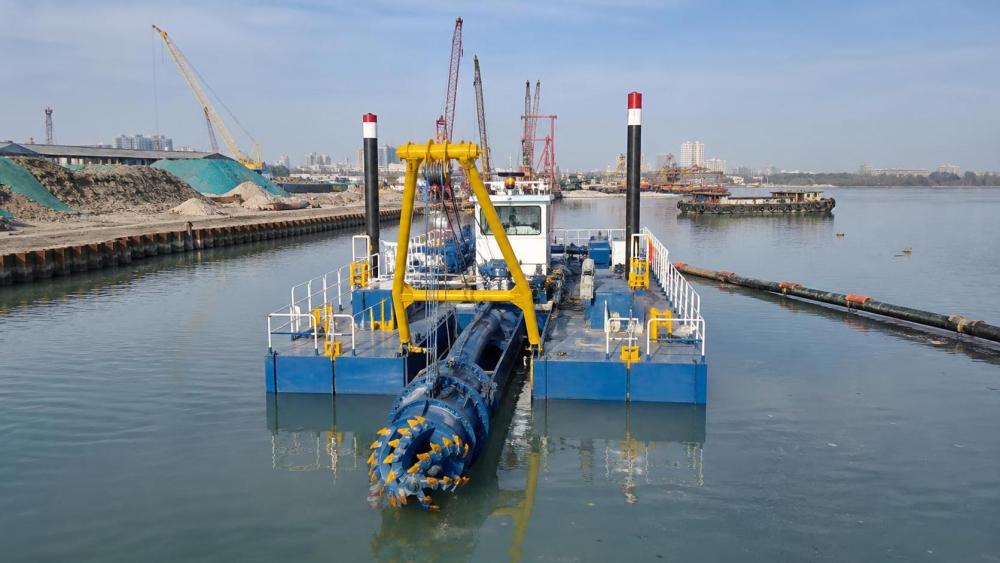
Price lists and glossy brochures rarely show the points that decide whether a floating dredger will actually fit a project. For procurement teams, the early comparison stage should start with the operating profile, not the supplier name. A floating dredger, or Плавучий Земснаряд in Russian usage, may look similar across quotations, yet small differences in hull layout, pump selection, cutter power, discharge arrangement, and fabrication quality can change fuel use, uptime, wear rate, and even transport logistics.
That matters because dredging purchases are usually tied to a defined duty: river maintenance, pond desilting, sand recovery, tailings management, port cleaning, or land reclamation. A supplier that is strong in one of these may not be equally suitable for another. Before comparing offers side by side, buyers need a common checklist. Otherwise, the lowest initial quote can end up being the highest-cost choice once assembly time, spare consumption, site limitations, and operational interruptions are included.
Start with the job, not the catalog
A floating dredger should be matched to material, depth, output target, and discharge distance. Buyers often ask for production rate first, but that figure means little without the context behind it. Soft silt, compacted clay, weed-covered ponds, and sand with gravel pockets do not place the same load on the dredge. Two suppliers can both claim a similar capacity while assuming very different solids concentration, excavation depth, or pipeline length.
Procurement documents should therefore define at least the following:
- Type of material to be dredged and likely particle size variation
- Required dredging depth and water level fluctuation
- Expected discharge distance and elevation gain
- Target production in practical site conditions rather than ideal laboratory assumptions
- Available transport access, launch conditions, and assembly constraints
- Power source preferences, including diesel, electric, or hybrid site limitations
When these inputs are vague, suppliers will fill in the gaps differently, making comparisons unreliable. A disciplined buyer asks each bidder to state the assumptions behind output, fuel use, and wear life.
Check whether the dredger type matches the application
Floating dredgers are not a single-category purchase. Cutter suction dredgers, jet-assisted systems, bucket-based floating units, and amphibious platforms each suit different bottom conditions and access constraints. If the requirement is regular maintenance dredging in narrow inland channels, maneuverability and shallow draft may be more valuable than maximum installed power. In a sand extraction environment, slurry handling and abrasion resistance move to the front of the evaluation.
A common procurement mistake is comparing unlike machine concepts as if they were direct substitutes. Buyers should ask why a supplier recommends a given dredging principle for the stated material. The explanation should connect machine design to excavation behavior: how compacted sediment is loosened, how slurry density is maintained, what happens when debris enters the suction path, and how the dredger holds position during operation.
Broader product references can also help procurement teams understand how different dredging equipment configurations are grouped for separate operating scenarios, especially when they need to compare basic platform layouts before going deeper into technical review.
Look beyond headline capacity figures
The most overused number in dredger quotations is capacity. It is also one of the easiest to misunderstand. Buyers should separate at least four different ideas that may be blended into a single claim:
- Slurry flow rate
- Solid output under assumed concentration
- Excavation rate in a certain material
- Practical daily production after downtime, repositioning, and maintenance
If a supplier quotes capacity without explaining pump curve, discharge pipe assumptions, and material type, the figure has limited decision value. In many projects, pump performance under real pipeline resistance matters more than nominal engine power. A dredger with a larger installed engine but a poorly matched pump can underperform a better-balanced unit.
Ask for the relationship between production and discharge distance. Request clarification on how performance changes if the slurry line is extended, if bends increase, or if discharge elevation rises. A supplier that can explain these tradeoffs clearly is usually easier to work with during commissioning and operation.
Hull structure and flotation arrangement deserve close review
Buyers often focus on excavation components and neglect the platform itself. That can be costly. The pontoon structure affects stability, transportability, deck accessibility, and long-term corrosion behavior. For floating dredgers shipped in modules, flange alignment, lifting points, and assembly tolerance are not secondary details; they influence how quickly the unit can be launched and whether reassembly at a remote site becomes a problem.
Questions worth asking include:
- How are pontoons fabricated and protected against corrosion?
- What plate thicknesses are used in high-stress or high-wear zones?
- How is buoyancy distributed when the dredger operates with a loaded pipeline and varying fuel level?
- Can modules fit local road, inland transport, or container constraints?
- Is deck layout practical for maintenance access and safe movement of crew?
For buyers managing inland projects, transport size can affect total acquisition cost as much as the machine price. Oversized modules may require special permits, escort arrangements, or site lifting equipment that was not budgeted during tender review.
Pump, cutter, and wear parts drive operating economics
In dredging, wear is not an occasional issue; it is a predictable operating cost. Procurement teams should examine which parts are expected to wear fastest and how replacement is handled. The slurry pump, impeller, liner, cutter head or cutting tools, suction components, and pipeline bends all deserve attention.
The right question is not whether wear parts exist, but how quickly they can be replaced, what materials are used, and whether dimensions are standardized enough for practical spare planning. If the dredger will work in abrasive sand or mixed material, a cheap initial package may become expensive if the pump design causes frequent liner changes or if critical wear parts are only available with long lead times.
Buyers should ask suppliers to identify:
- The main wear components under the proposed duty
- The expected maintenance intervals under typical conditions
- What spare package is assumed for the first operating period
- Whether component replacement can be done on site with ordinary lifting capability
- How performance changes as wear progresses
This discussion often reveals whether the supplier understands the application or is simply quoting a standard machine.
Control systems should match the crew and the site
Automation can be useful, but sophistication only helps if the operating team can maintain it. For some buyers, a simpler control architecture with robust gauges, accessible wiring, and straightforward troubleshooting is more valuable than advanced screens with limited field support. In other projects, monitoring of pump load, engine condition, ladder position, and swing motion may be worth the extra complexity because fuel use, cut consistency, and production reporting are tightly monitored.
Procurement teams should check what control logic is essential and what is optional. They should also ask how alarms are handled during sensor faults, whether manual override is available, and how electrical components are protected against vibration and moisture. A floating dredger operating in isolated conditions cannot depend on specialist software support for every minor issue.
Supplier comparisons should include manufacturing discipline
Two quotations may describe similar machine sizes while hiding major differences in fabrication control. Buyers should review weld quality practices, dimensional control, surface preparation, and factory testing arrangements. Even without formal audit access, a purchaser can still request a structured manufacturing document set for technical review.
Useful items include:
- General arrangement drawings and modular breakdown
- Pump and power system data sheets
- Material identification for key wear and structural parts
- Inspection and test plans
- Factory test scope, including what is tested assembled and what is tested by component
- Packing and shipping method for modules and accessories
Where the supplier is vague about documentation, the buyer should expect difficulty during acceptance, customs clearance, spare ordering, or later troubleshooting. Good documentation does not guarantee build quality, but poor documentation is often an early warning sign.
Delivery risk is not just lead time
Procurement teams tend to focus on promised delivery dates, yet schedule reliability depends on more than assembly duration. Imported engines, pumps, gearboxes, hydraulic items, and electrical parts can create bottlenecks if the supplier relies on unstable sub-suppliers or does not hold a clear procurement plan. For a floating dredger, delay in one specialized component can hold up the whole shipment.
Buyers should ask which major components are manufactured in-house and which are sourced externally. They should also ask whether any nominated brands are interchangeable or whether changing one item would force redesign of mounting, controls, or pipework. This becomes especially important when a project timeline includes seasonal dredging windows or regulatory deadlines for channel clearance.
Acceptance criteria need to be written before the order is placed
Many disputes come from vague acceptance language. A dredger can be mechanically complete yet still fail to meet site expectations because no one defined the test basis. Buyers should avoid broad statements such as “must achieve required capacity” unless the conditions are fully described.
A better approach is to separate factory acceptance, assembly verification, and field performance review. Factory acceptance may cover dimensions, fit-up, no-load running, hydraulic function, and electrical checks. Site acceptance may then review launch condition, assembly time, functional movement, leak-free pipeline connections, and production performance under agreed conditions.
If field performance is part of the contract, buyers should define what variables are controlled and what variables are excluded. Material inconsistency, debris, weather, crew skill, and pipeline modifications can all affect production. Clear definitions reduce argument later.
After-sales support should be judged by response practicality
Support promises are easy to write into a quotation. Procurement teams should look for practical details instead: spare parts identification, remote troubleshooting process, commissioning scope, training content, and communication during breakdowns. For many dredging operations, downtime costs come less from the repair itself and more from waiting for the right part or waiting for clear instructions.
Questions that help expose the real support level include how parts are coded, whether technical manuals match the delivered configuration, and whether hydraulic, electrical, and pipeline drawings are supplied in usable detail. A supplier that cannot provide consistent drawings will be difficult to rely on when the machine is already in the water.
Build the comparison matrix around risk, not just price
A useful procurement comparison for a floating dredger usually includes five columns beyond purchase price: application fit, expected wear cost, logistics burden, commissioning complexity, and documentation quality. These categories often reveal why two close quotations are not truly equivalent.
Where conditions are uncertain, buyers may also want to score each offer against sensitivity questions: What happens if material is more abrasive than expected? What if discharge distance increases later? What if the dredger must be moved between sites? What if local maintenance capability is limited? The strongest proposal is not always the one with the highest specification. It is the one with the fewest hidden penalties under the conditions the project is likely to face.
Comparing floating dredging equipment suppliers becomes much easier once the machine is treated as a working system rather than a catalog item. Buyers who define the duty clearly, challenge unsupported capacity claims, review wear strategy, and write acceptance criteria early are in a better position to separate a suitable supplier from one that is simply quoting aggressively.
Related News
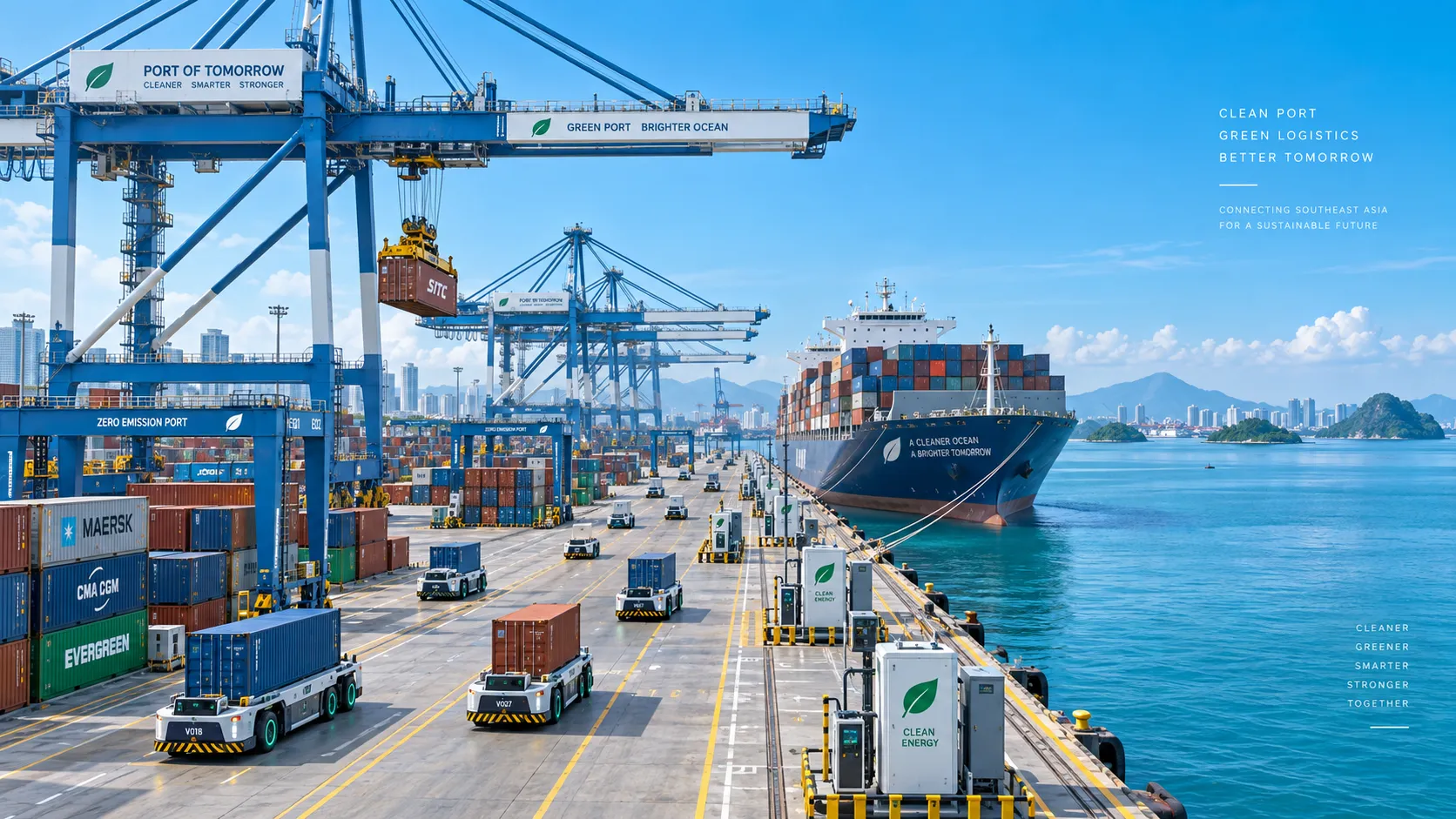
Smart Port Systems in Southeast Asia: Investment Priorities and Adoption Barriers
Smart port systems Southeast Asia: discover investment priorities, adoption barriers, and practical steps to build resilient, connected, high-performing terminals.
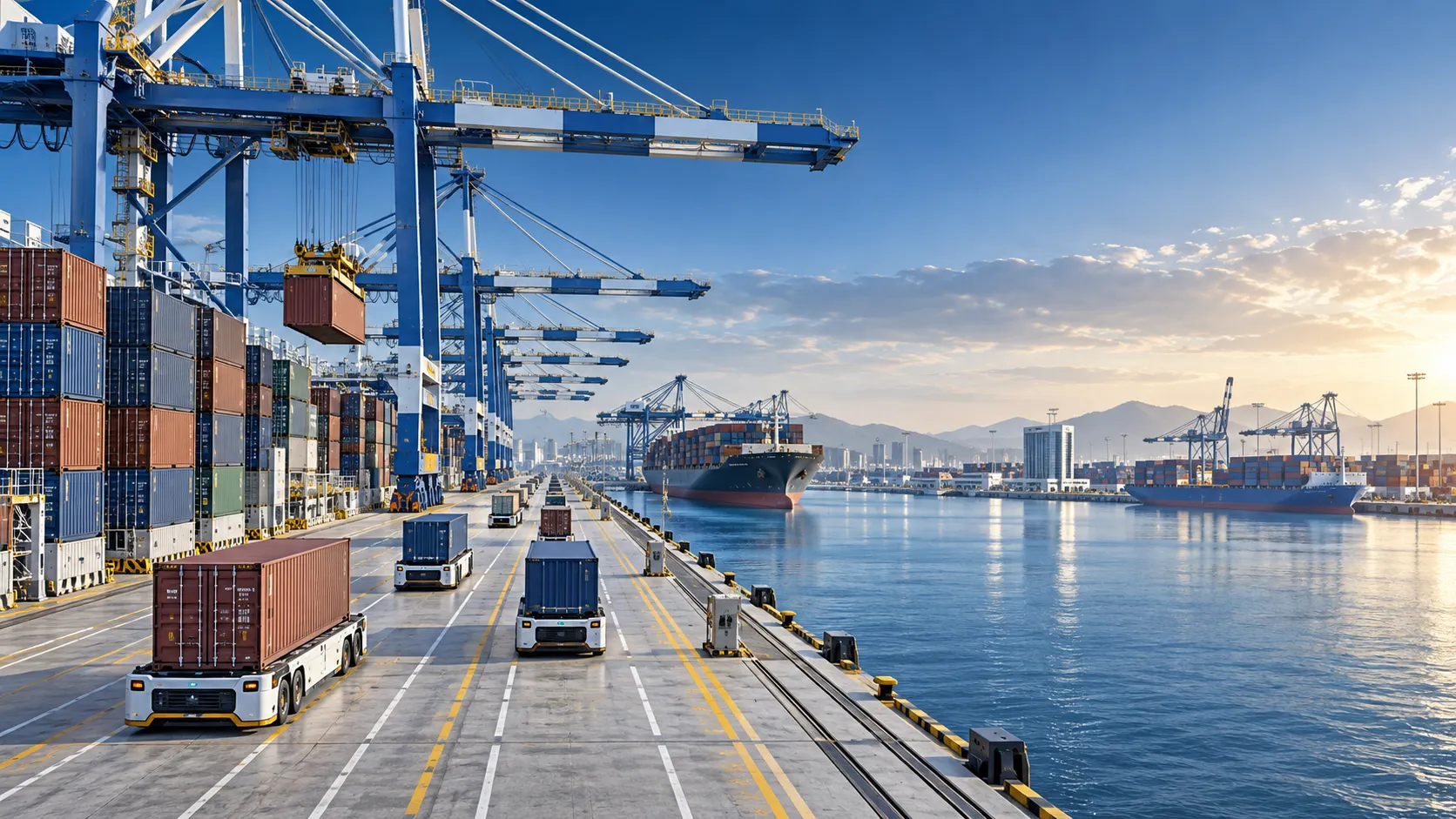
How to Evaluate Terminal Efficiency Solution Suppliers for High-Throughput Operations
Choose a terminal efficiency solutions supplier with confidence. Explore proven criteria for throughput, integration, lifecycle cost, safety, and reliable delivery.
How to Specify a Quay Crane for Container Terminals by Vessel Size and Throughput?
Quay crane for container terminals: learn how to match outreach, lift height, capacity, automation, and cycle performance to vessel size and throughput goals.
What Dredging Equipment Is Needed for Channel Deepening?
What dredging equipment is needed for channel deepening? Explore dredgers, pipelines, survey tools, and planning strategies for safer, more efficient port access.
Which Bulk Handling Equipment Suits High-Moisture Cargo?
Which bulk handling equipment suits high-moisture cargo? Compare belt, apron, screw, drag, and slurry systems for reliable flow, less carryback, and higher terminal uptime.
How Can Port Equipment Lead-Time Risk Be Managed?
How can port equipment lead-time risk be managed? Explore practical strategies to control critical paths, suppliers, transport, site readiness, and commissioning delays.
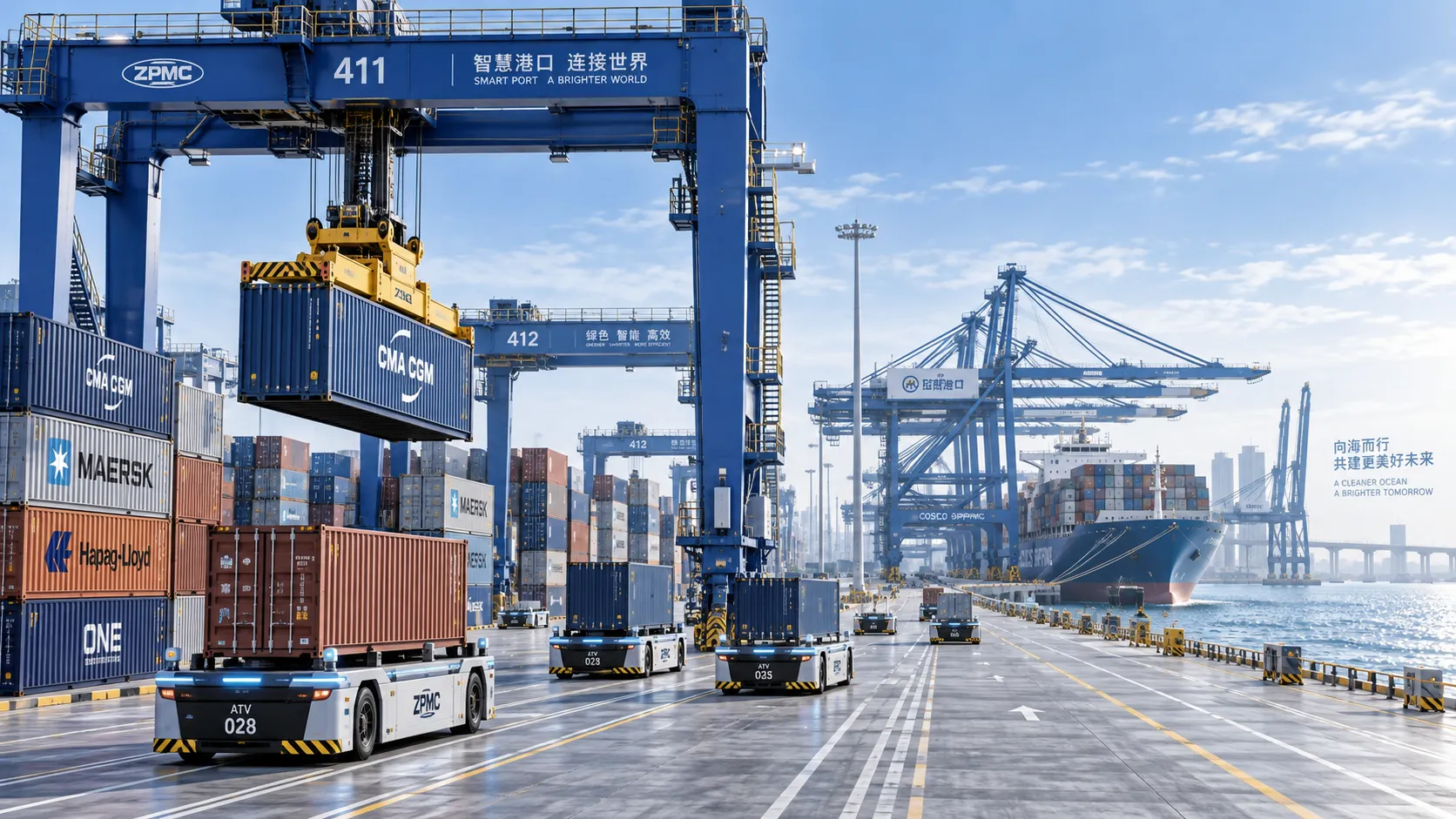
Terminal Automation Technologies That Raise Container Throughput Without Yard Disruption
Terminal automation technology that increases container throughput without disrupting yard flow. Explore smarter integration, resilient workflows, and phased deployment strategies.
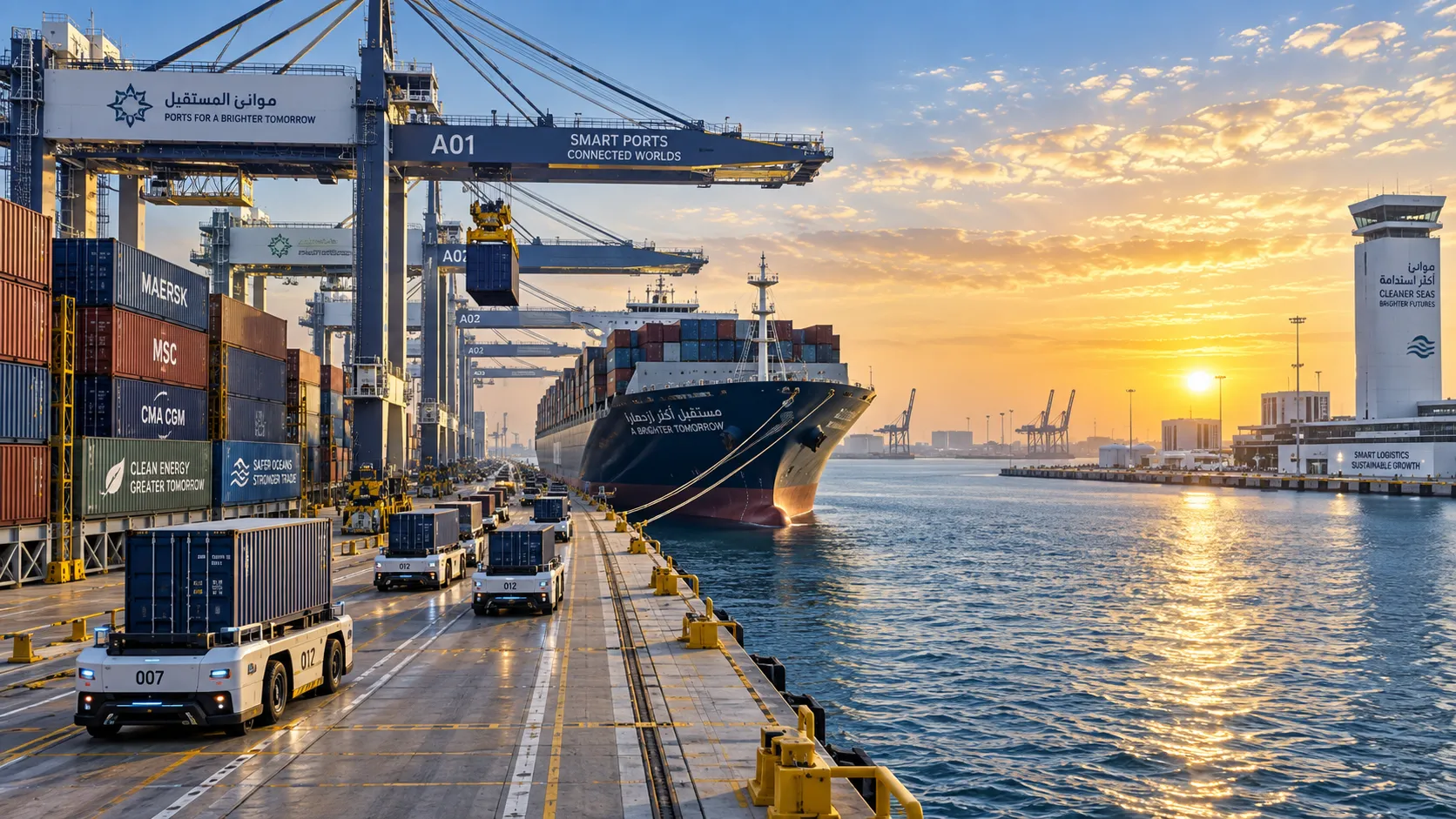
Middle East Port Automation: Key Market Drivers, Projects, and Investment Risks
Port automation systems Middle East: explore market drivers, flagship projects, integration challenges, and investment risks shaping smarter, resilient terminals.
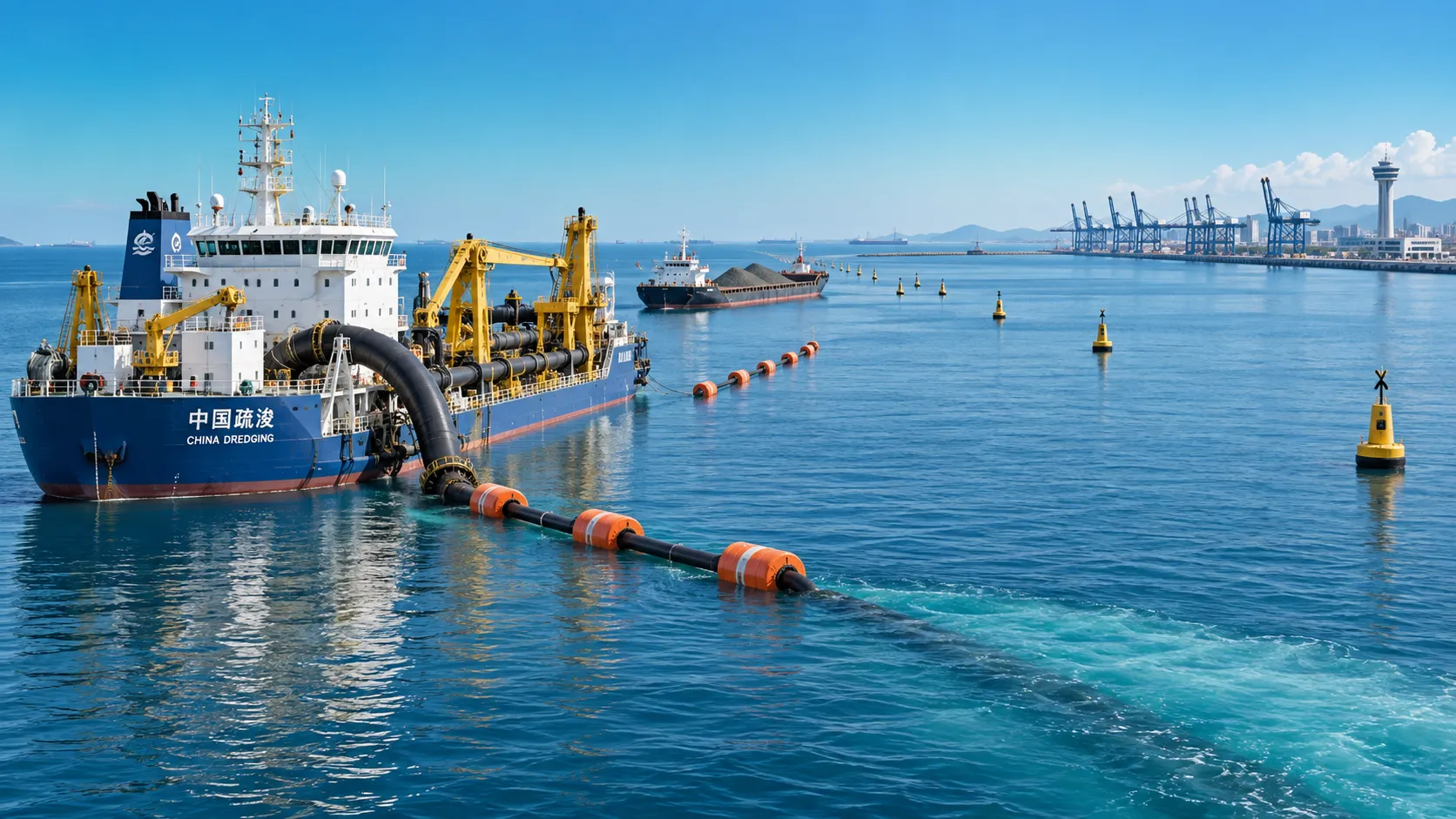
Planning Offshore Dredging Operations: Key Risks, Methods, and Project Controls
Offshore dredging operations demand smart planning. Explore key risks, proven methods, environmental controls, and project strategies for reliable delivery.