Related News
- 00
0000-00
How to Evaluate a Container Handling Equipment Exporter for Port and Yard Projects - 00
0000-00
Selecting Port and Terminal Cargo Handling Equipment by Cargo Mix and Duty Cycle - 00
0000-00
How to Assess a Smart Port Solution Supplier for Integration, Security, and Support - 00
0000-00
How to Evaluate a Port Logistics Solutions Supplier for Terminal Uptime and Scalability - 00
0000-00
How to Evaluate Terminal Efficiency Solution Suppliers for High-Throughput Operations
Selecting Port and Terminal Cargo Handling Equipment by Cargo Mix and Duty Cycle
Selecting Port and Terminal Cargo Handling Equipment by Cargo Mix and Duty Cycle
Selecting port and terminal cargo handling equipment requires more than comparing lifting capacity, travel speed, or an attractive purchase price. Procurement teams must match the equipment to what actually moves through the terminal: cargo form, vessel pattern, storage layout, peak demand, environmental exposure, and the intensity of daily use. A machine that performs well in a low-volume multipurpose berth may become a costly bottleneck in a busy container yard. Conversely, a highly automated system can be difficult to justify where cargo flows are irregular and operating rules change from call to call.
The right decision begins with the operating model, not the catalogue. Whether the terminal handles containers, dry bulk, breakbulk, liquid-related project components, or a changing combination of all four, equipment should be evaluated as part of a connected handling chain. Quay-side productivity, yard transfer, stacking, gate movement, maintenance access, power supply, and control systems all influence the final result.
Start with cargo behavior, not equipment categories
“Cargo mix” is often reduced to a list of commodities. For equipment planning, that is not enough. Buyers need to understand how each cargo behaves during lifting, transfer, storage, and discharge. Containerized cargo is standardized but operationally demanding: it depends on predictable moves, safe twistlock engagement, accurate positioning, and smooth handoffs between quay crane, horizontal transport, and yard equipment. Bulk cargo may appear simpler because it is continuous, but its dust, abrasiveness, moisture variation, reclaim requirements, and environmental controls can drive equipment design.
Breakbulk and project cargo create a different challenge. Loads may be oversized, irregular, high-value, or sensitive to lifting points. In these operations, flexibility, rigging compatibility, ground bearing capacity, and operator visibility may matter more than reaching a theoretical maximum number of moves per hour. A terminal serving offshore energy, wind components, steel products, or heavy industrial modules should not assume that container-terminal logic transfers directly to its berth.
A practical procurement brief therefore separates cargo by handling characteristics: unitized or loose, homogeneous or variable, clean or dusty, weather-sensitive or exposed, routine or exceptional, and stable in volume or seasonal. This makes it easier to see where one flexible machine can serve several flows and where dedicated equipment is necessary.
The handling chain is the real system
A ship-to-shore crane cannot compensate for slow yard dispatch, and an efficient ship unloader can still create congestion if conveyors, hoppers, stacker-reclaimers, or truck loading points are undersized. Equipment selection should map every transfer point from vessel arrival to cargo exit. The question is not simply, “Which machine unloads the ship?” It is, “Where will cargo wait, who controls the handoff, and which asset limits the next movement?”
For container terminals, this may mean assessing quay cranes alongside terminal tractors, automated guided vehicles, straddle carriers, rail-mounted gantry cranes, rubber-tyred gantry cranes, reach stackers, and gate systems. For bulk terminals, the chain can include unloaders, grabs, hoppers, belt conveyors, transfer towers, samplers, dust suppression, stockyard machines, and loading systems. Each interface deserves the same level of scrutiny as the headline asset.
Duty cycle reveals whether a machine is truly suitable
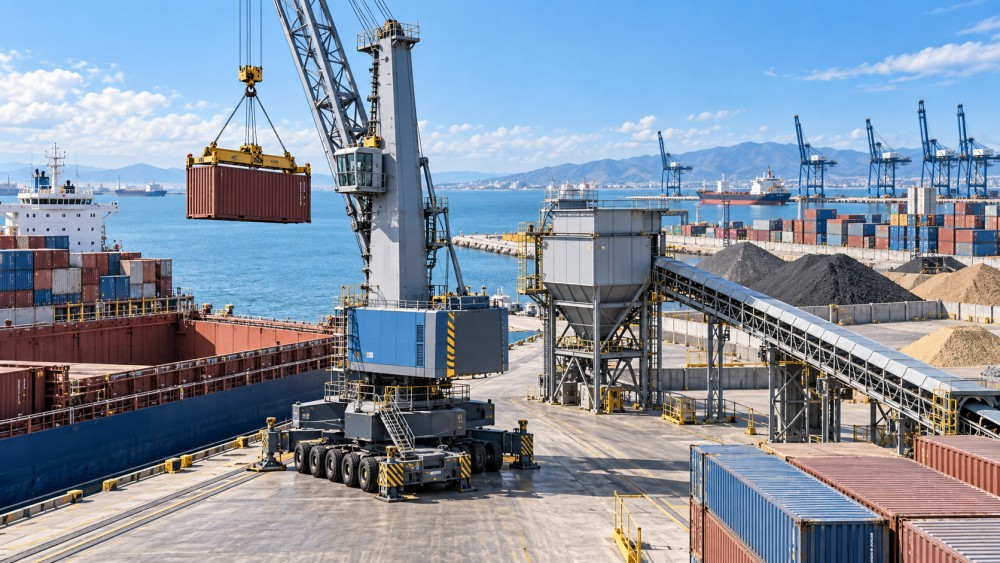
Duty cycle is where apparently similar port/terminal cargo handling equipment begins to diverge. It describes how hard, how often, and under what load pattern a machine is expected to work. Procurement decisions often fail when rated capacity is treated as a proxy for sustained performance. A crane may be capable of a particular lift under defined conditions, yet the intended operation may require frequent near-capacity lifts, long shifts, high travel distances, or continuous cycles with few recovery periods.
Review the duty cycle in operational terms. How many hours will the equipment run per shift? Is work evenly distributed or concentrated around vessel windows? How often will the machine operate near its upper load range? What proportion of the cycle is productive lifting versus travel, waiting, attachment changes, or operator repositioning? Will the environment introduce additional stress through salt spray, heat, wind, dust, humidity, or uneven pavement?
A mobile harbor crane may offer valuable flexibility for mixed and developing traffic, especially when berth assignments change. But its suitability depends on lift spectrum, outreach, quay loading limits, attachment requirements, and the actual number of cycles expected. Fixed or rail-mounted equipment can support more repeatable high-volume duties, but it ties the terminal to a defined operating geometry and places greater emphasis on civil interfaces, electrical infrastructure, and future berth planning.
The same principle applies in the yard. Reach stackers can be practical where traffic is variable and stacks are relatively modest. At higher density or more sustained throughput, the cost of repeated rehandling, tire wear, fuel or energy consumption, and lane congestion deserves close attention. The lowest capital-cost route may impose the highest operating penalty once volume becomes consistent.
Match equipment architecture to the terminal’s operating pattern
No equipment type is universally superior. The better choice is the one that fits the cargo profile and leaves room for realistic changes in demand. A terminal handling a dependable stream of containers from larger vessels may prioritize quay-crane outreach, lifting height, landside cycle time, and yard synchronization. A regional multipurpose port may value a mobile platform that shifts between containers, general cargo, and bulk with the right attachments. A dedicated dry-bulk berth will usually focus on continuous flow, spillage control, dust management, and the reliability of downstream conveying.
The table is a starting point, not a specification. For example, a terminal with a mixed profile may still justify specialized container equipment if container calls have become sufficiently regular. Equally, a dedicated terminal may retain a flexible machine for contingencies, maintenance cover, or non-standard cargo. The important distinction is between core duty and occasional duty. Equipment intended for daily production should not be selected around rare exceptions; exceptions can often be handled through attachments, rental capacity, subcontracted lifting, or a deliberately planned backup arrangement.
Look beyond nominal throughput
Throughput claims are meaningful only when their assumptions are visible. Buyers should ask how a stated figure was derived: cargo type, lift height, outreach, travel distance, load weight, wind limits, operator model, attachment, truck availability, and downstream acceptance rate all matter. A performance figure achieved in a controlled demonstration may not reflect a congested terminal with variable truck arrivals and constrained yard space.
Peak demand deserves separate treatment from annual average volume. Vessel schedules often create short, intense operating windows. If the terminal selects its fleet only around average utilization, it may rely on overtime, rented assets, delayed sailings, or excessive equipment wear during peaks. On the other hand, buying permanent capacity for a brief and uncertain surge can leave expensive assets underused. A disciplined scenario review—base case, expected peak, disruption case, and future case—is more useful than one headline throughput target.
Availability is also a procurement issue, not merely a maintenance issue. Redundancy may be justified at a critical transfer point even when it appears inefficient on paper. For a bulk line, a single failed conveyor drive or transfer station can stop the entire route. In a container yard, one disabled unit may be manageable if fleet dispatch can absorb the work, but not if it serves a constrained rail interface or automated block. Criticality should determine the spare-parts strategy, service coverage, and whether a backup path is needed.
Infrastructure, energy, and automation are selection constraints
Port equipment does not operate on a blank site. Rail gauge, quay edge geometry, crane runway condition, pavement strength, turning radii, clearance envelopes, drainage, cable routing, and local wind conditions can eliminate otherwise attractive options. Mobile equipment brings its own civil checks, especially outrigger reactions, wheel loads, and travel routes. These items should be verified early with terminal engineering teams rather than discovered during delivery planning.
Energy choice needs the same realism. Diesel, hybrid, battery-electric, cable-reel, busbar, and shore-connected arrangements have different implications for operating pattern, charging opportunity, grid capacity, maintenance skills, and emissions requirements. Electrification can be a strong direction where duty cycles and site infrastructure support it, but it is not a simple component substitution. A procurement specification should define the expected working profile and ask suppliers to state the assumptions behind energy consumption, charging, or connection requirements.
Automation should be treated as an operating-system decision. Remote control, positioning assistance, automated stacking, AGV dispatch, and equipment health monitoring depend on reliable communications, accurate location data, safety architecture, exception handling, and people who can manage the changed workflow. Adding automation to a poorly organized process can move the bottleneck rather than remove it. Start with tasks that are repetitive, measurable, and operationally stable, then assess integration with the terminal operating system and maintenance platform.
This is one area where the PS-Nexus perspective is useful. Its coverage of heavy terminal gear, specialized container handling, bulk systems, port automation, and dredging engineering reflects a practical reality: port assets are connected by both physical infrastructure and decision logic. Reviews of low-latency crane communications, AGV path planning, and digital equipment monitoring can help procurement teams frame the questions that sit between mechanical capability and operational control.
Build the evaluation around lifecycle exposure
Purchase price should be visible, but it should not dominate the evaluation. Lifecycle exposure includes planned maintenance, wear components, energy use, operator requirements, consumables, corrosion protection, software support, spare-parts lead time, and the cost of downtime. The relevant comparison is not “cheap versus expensive”; it is whether the equipment’s capability, support model, and operating cost fit the terminal’s likely workload.
Ask suppliers to clarify what is included in the quoted scope. Attachments, commissioning support, operator training, diagnostic tools, remote-access arrangements, documentation, recommended spares, and civil or electrical interfaces are frequent sources of later disagreement. For automated or connected assets, clarify ownership and access rights for operating data, alarm histories, and software updates. The terminal needs enough visibility to manage its own asset decisions over a long service life.
Serviceability is often underestimated. Can technicians safely reach major service points? Are common wear parts locally supportable? Is there a defined escalation route for control-system faults? How dependent is the asset on proprietary tools or a single specialist? These are not secondary questions when equipment must work through vessel windows and weather interruptions.
A more defensible procurement decision
Before issuing a tender, convert operational knowledge into a decision record. Define cargo flows, lift or transfer profiles, shift patterns, peak scenarios, site constraints, required interfaces, maintenance expectations, and expansion assumptions. Separate mandatory requirements from preferences. Then test every proposed solution against the same operating scenarios rather than allowing each supplier to frame performance on different terms.
For long-cycle port infrastructure decisions, external market intelligence can also sharpen the brief. PS-Nexus follows the relationship between maritime logistics, coastal economics, terminal machinery, and automated control systems, helping teams look beyond isolated equipment specifications toward changing trade patterns and asset scheduling demands. That broader view is particularly relevant when a terminal is deciding whether a current cargo mix is temporary, structural, or likely to shift again.
The most reliable selection is rarely the machine with the highest headline rating. It is the one whose duty cycle, cargo behavior, terminal interfaces, maintenance model, and upgrade path have been examined without optimistic assumptions. Confirm those conditions early, and the resulting equipment plan is far more likely to protect berth performance when the terminal is under real operating pressure.
Related News
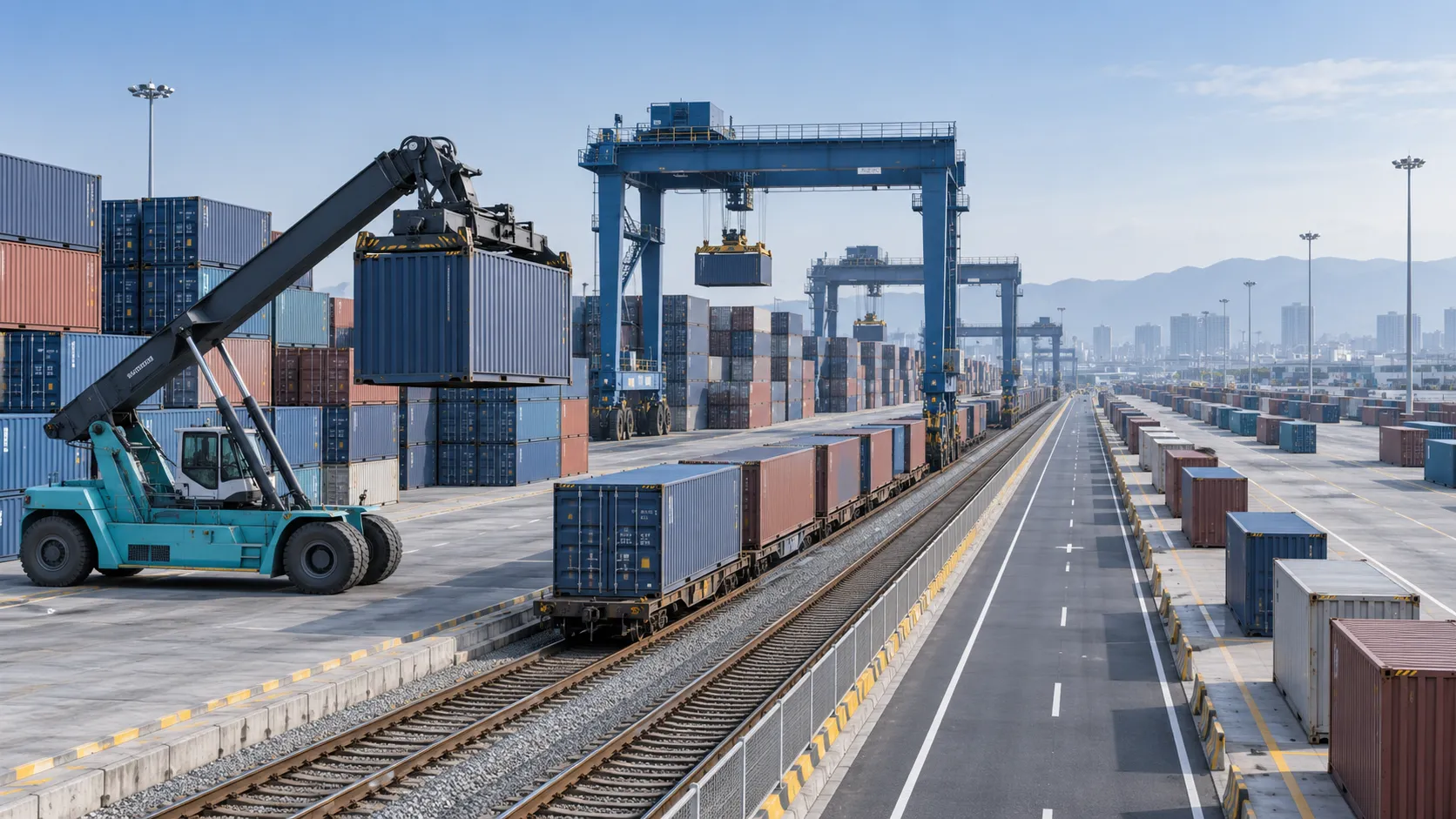
Selecting Intermodal Yard Equipment for Fast, Safe Container Transfers
Container handling equipment for intermodal yards: compare reach stackers, RTGs, automation, safety planning, and lifecycle costs to build faster, safer container flow.
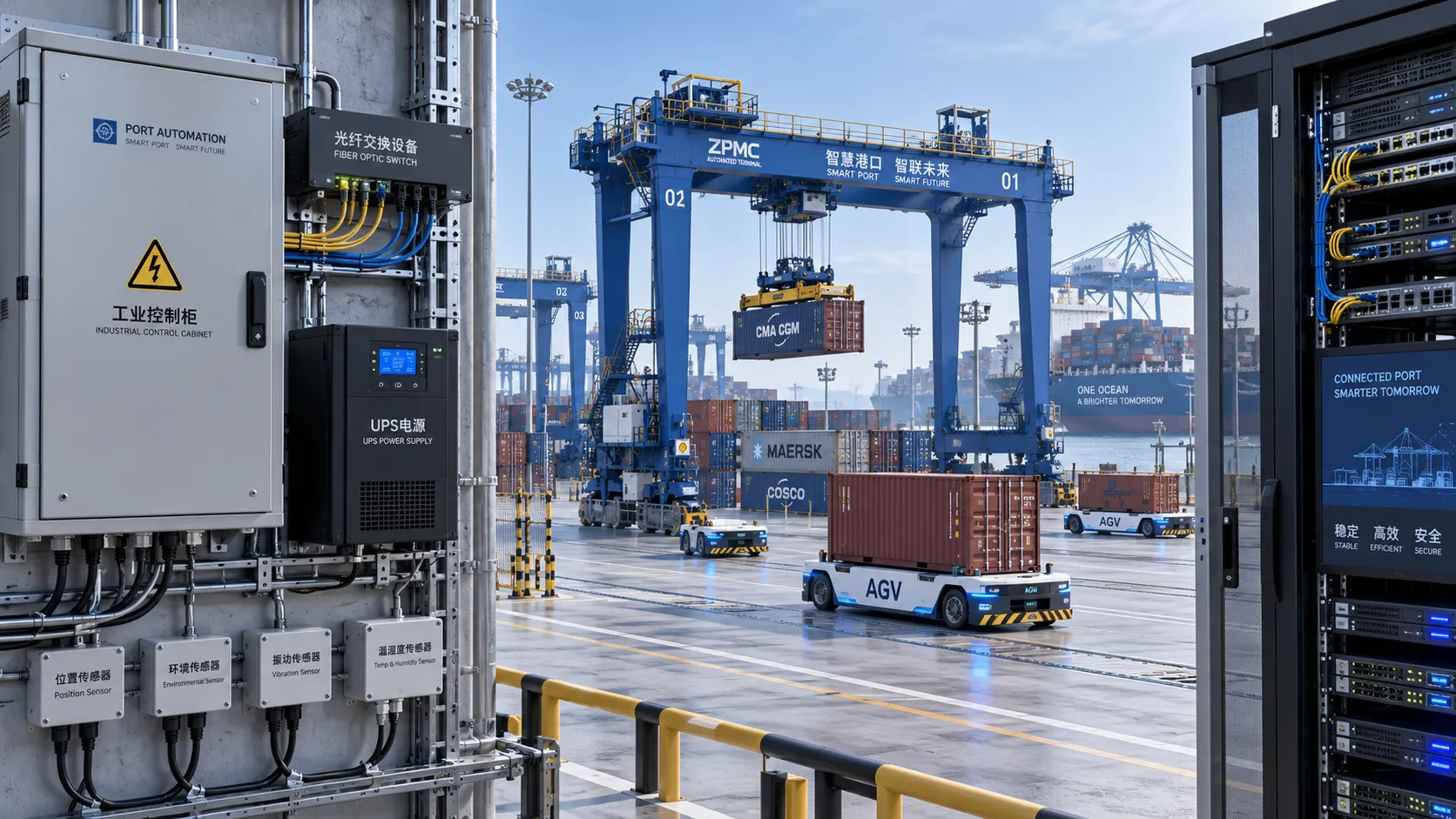
Terminal Control System Costs: Budgeting Hardware, Integration, and Lifecycle Support
Terminal control systems cost explained: budget hardware, integration, safety, cybersecurity, commissioning, and lifecycle support for resilient terminal operations.
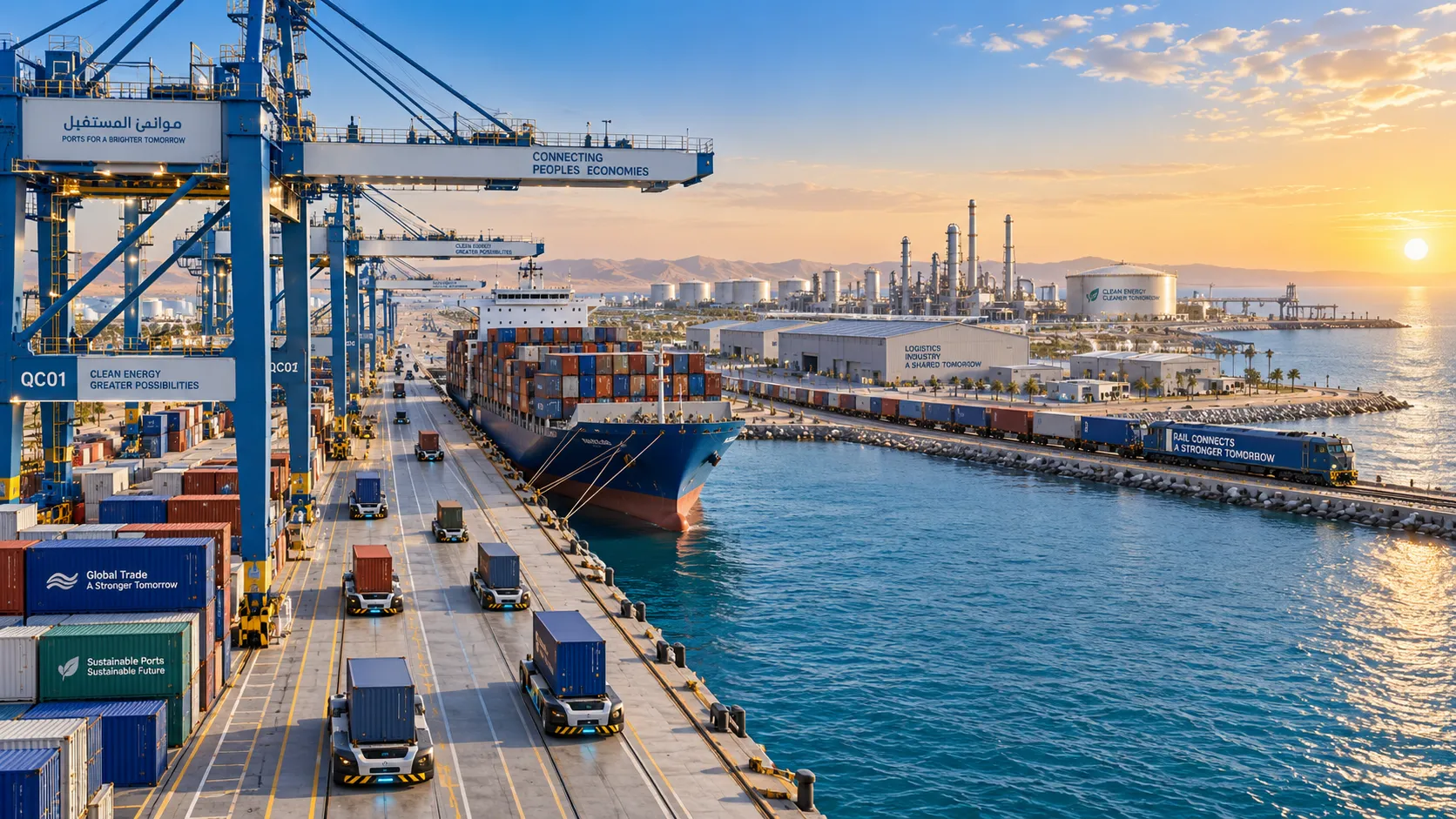
Smart Operations in the Middle East: Where Industrial Investment Is Growing
Smart operations Middle East investment is reshaping ports, industrial corridors, and logistics networks through connected data, automation, resilience, and smarter asset performance.
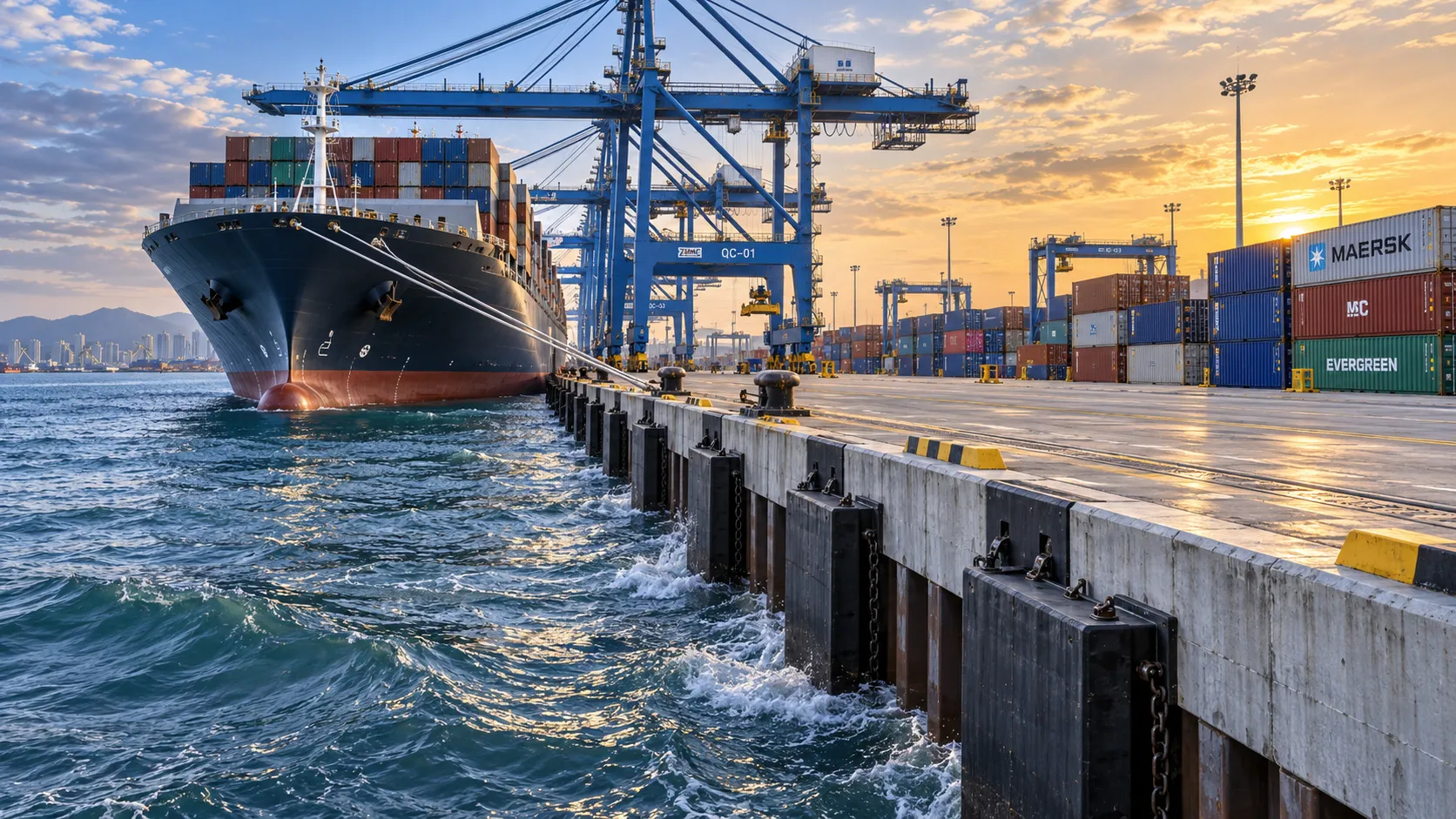
How to Select Harbor Structures for Quay Walls Under Berthing and Wave Loads
Harbor structure for quay wall selection: evaluate berthing energy, wave loads, soil conditions, durability, and lifecycle risk to build safer, adaptable terminals.
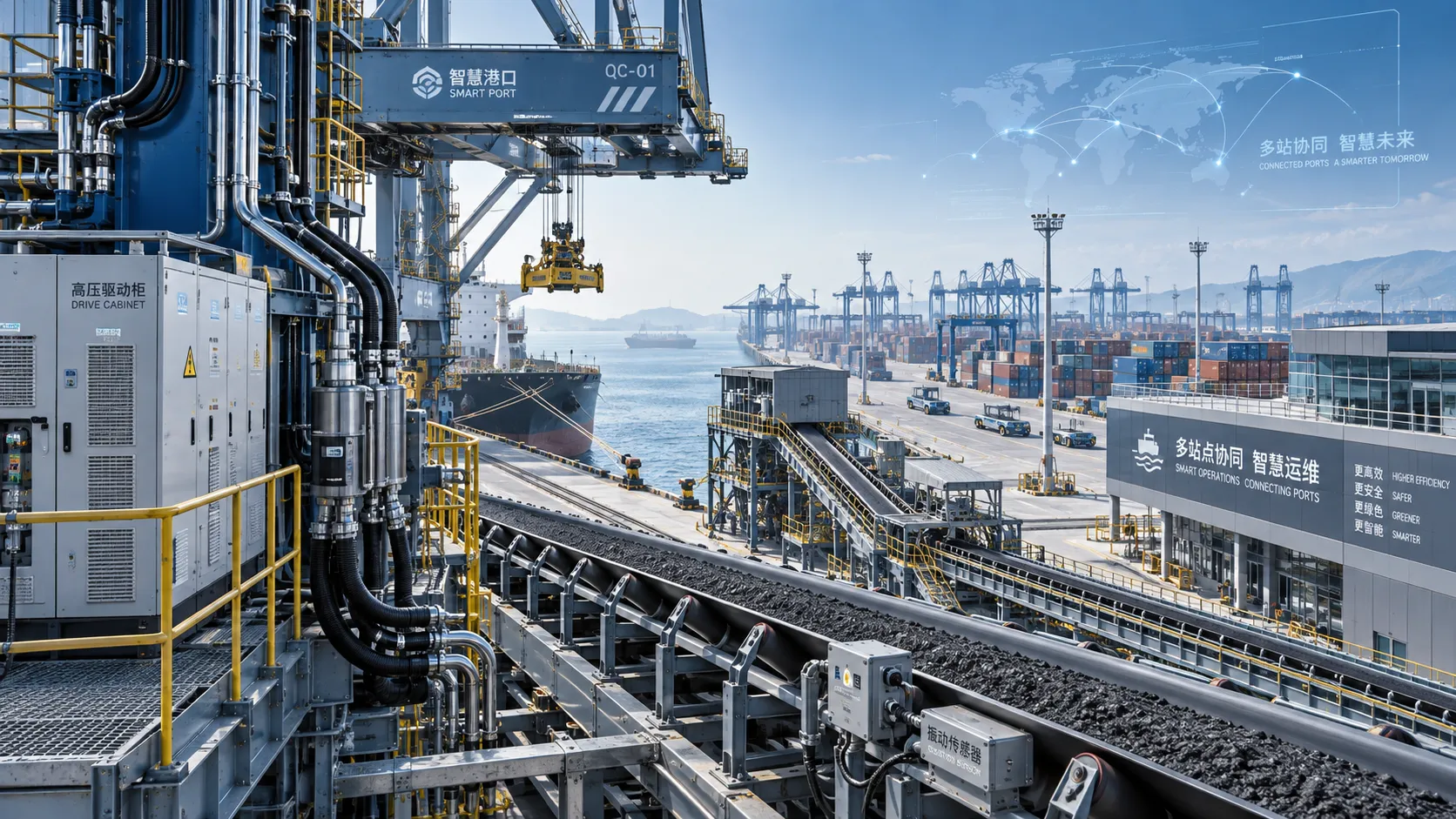
Selecting Smart Terminal Software for Multi-Site Field Service Operations
Smart terminal solutions software helps multi-site field service teams unify asset history, mobile maintenance, integrations, and reporting for safer, faster terminal operations.
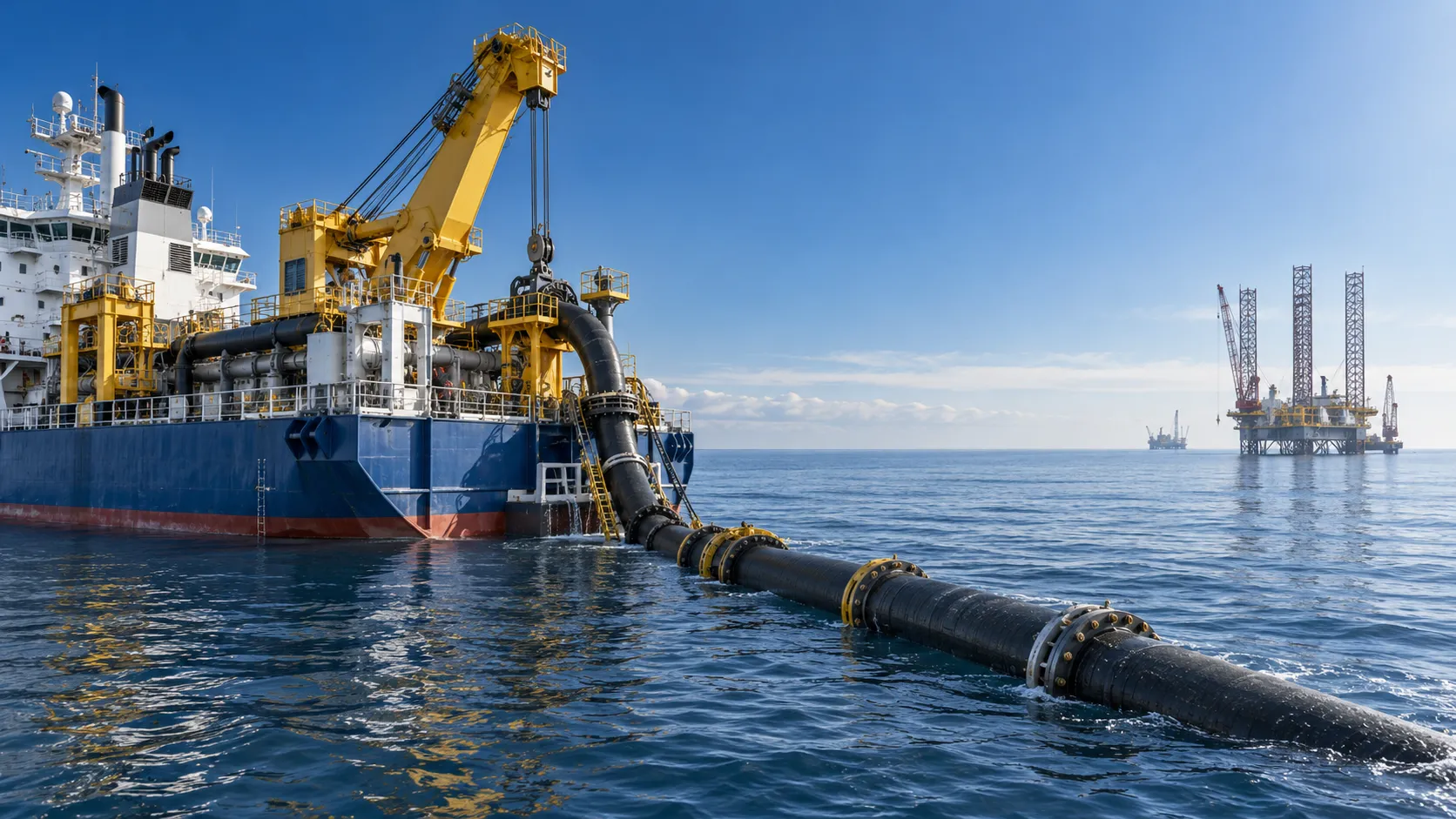
How to Specify Heavy-Duty Marine Engineering Equipment for Offshore Projects
Heavy duty marine engineering equipment: learn how to specify reliable offshore assets for safety, uptime, integration, lifecycle cost, and project success.
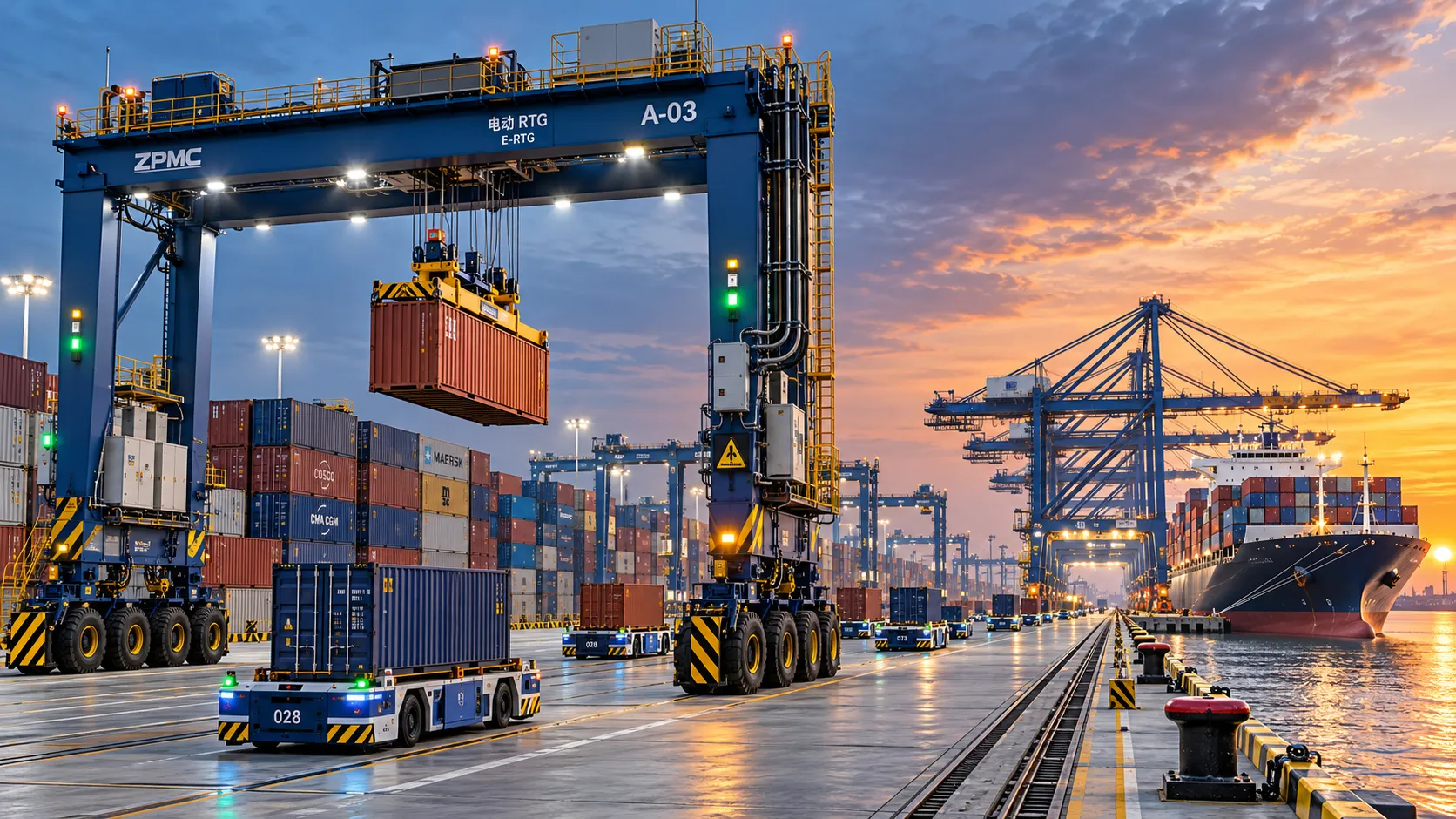
How to Evaluate a Container Handling Equipment Exporter for Port and Yard Projects
Choose the right container handling equipment exporter with a practical guide to compliance, automation, service support, delivery reliability, and lifecycle value.
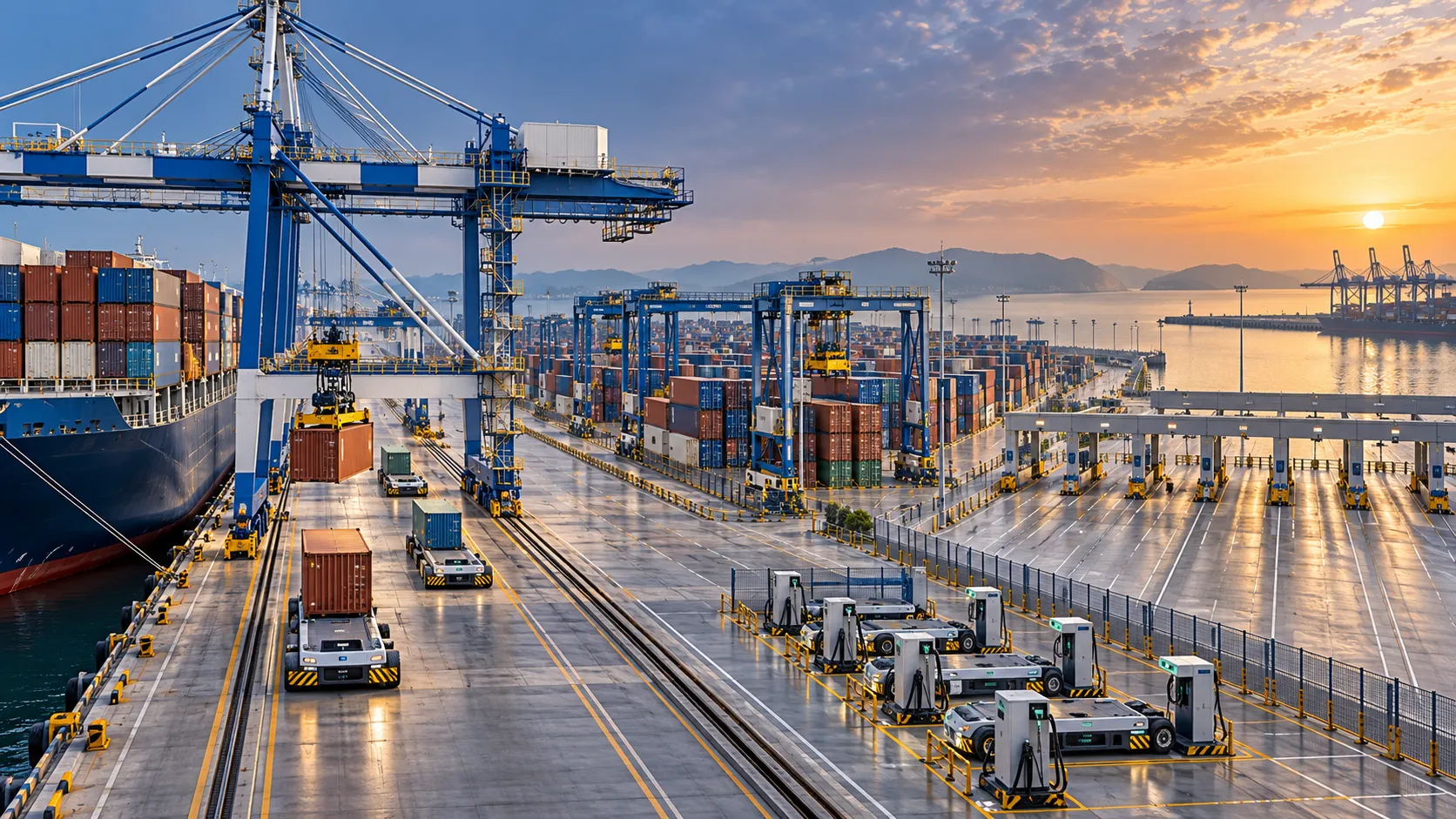
How to Select Automated Terminal Systems for High-Throughput Cargo Terminals
Automated terminal systems for cargo terminals: learn how to select scalable, resilient solutions that boost throughput, streamline integration, and control lifecycle risk.
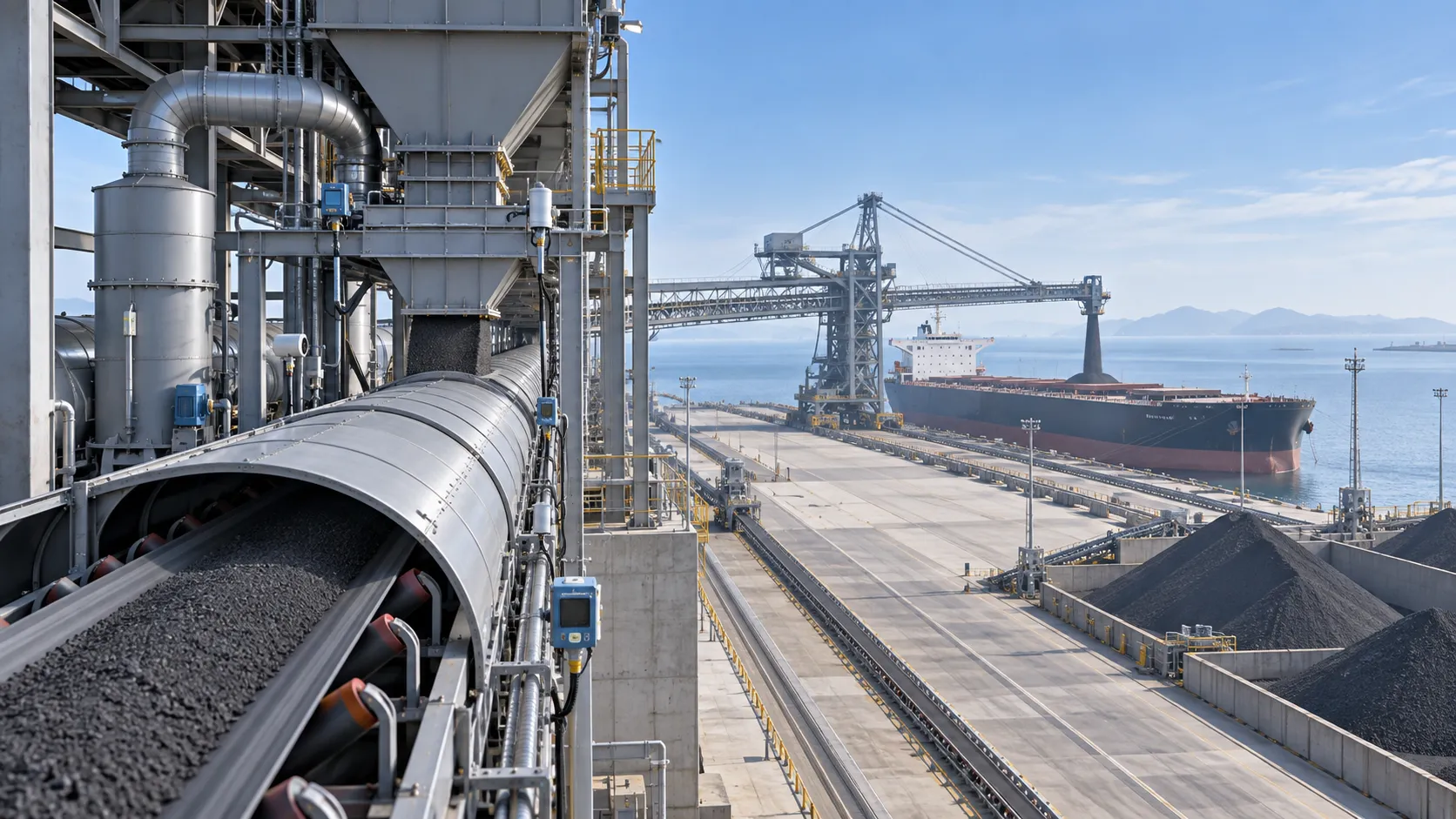
How Automated Bulk Cargo Handling Reduces Dust, Spillage, and Port Downtime
Automated cargo handling for bulk cargo cuts dust, spillage, and port downtime through stable flow control, smart sensing, and coordinated recovery.