Related News
- 00
0000-00
Terminal Control System Costs: Budgeting Hardware, Integration, and Lifecycle Support - 00
0000-00
Smart Port Systems Pricing: How to Compare Lifecycle Costs and ROI by Terminal Scale - 00
0000-00
What Drives Bulk Material Handling Pricing in Large Conveyor System Projects? - 00
0000-00
How Shipping Rate Analytics in Europe Help Importers Predict Costs and Route Risk - 00
0000-00
What Buyers Check When Reviewing Used PVC Coating Line Output and Condition
Terminal Control System Costs: Budgeting Hardware, Integration, and Lifecycle Support
Terminal control systems cost is often underestimated when the budget begins with a software quotation. The visible license or application price is only one part of the investment. A working terminal control environment also requires reliable field hardware, network infrastructure, interfaces to operating equipment, safety logic, commissioning effort, cybersecurity controls, and support arrangements that remain effective after the initial go-live.
A useful budget separates the project into cost layers before comparing suppliers. This prevents a low initial offer from appearing cheaper simply because essential work has been left as an optional item, a later change request, or a responsibility assigned to another contractor. The relevant question is not the price of the control application in isolation; it is the total cost of placing the system into sustained operational service.
Start with the operating boundary
The same terminal control platform can have very different cost profiles depending on where its responsibility begins and ends. A system that sends job instructions to manned container-handling equipment has a narrower integration scope than one that controls automated stacking cranes, exchanges safety states with yard interlocks, manages automated guided vehicles, and coordinates remote crane operation.
Before allocating costs, define the equipment population, operational flows, and handoff points. This definition should state whether the system will control quay cranes, rail-mounted gantry cranes, rubber-tyred gantry cranes, straddle carriers, automated guided vehicles, conveyor systems, gates, rail interfaces, or bulk-handling equipment. It should also identify whether the terminal operating system remains responsible for planning and inventory decisions while the control layer executes equipment moves, or whether functions overlap.
Ambiguity at this boundary is expensive. A terminal operating system supplier may assume that a control system will validate work orders, while the control supplier may assume those orders are already complete and feasible. The resulting gap may not appear until site testing, when exceptions such as blocked lanes, out-of-service equipment, misread container identity, or a failed handover need a defined owner.
Hardware is a system cost, not a peripheral purchase
Control hardware includes more than servers. It may involve industrial computers, programmable controllers, safety controllers, input/output modules, machine-mounted communication devices, wireless access points, fiber switches, network cabinets, uninterruptible power supplies, sensors, cameras, positioning equipment, operator consoles, remote-control stations, and environmental protection for exposed locations.
Equipment age and electrical architecture heavily influence this portion of terminal control systems cost. A newer crane with available controller interfaces, documented signals, and spare network capacity may require a limited interface package. A legacy machine can require cabinet modifications, new wiring, signal conditioning, protocol converters, additional encoders, and careful isolation from existing safety circuits. The software function may look identical in a demonstration, but the field installation effort is fundamentally different.
Environmental conditions should be priced early. Marine terminals expose equipment to salt mist, vibration, heat, humidity, dust, and electrical disturbance from large drives. Hardware selected only for office or clean industrial conditions can generate recurring maintenance expense through corrosion, connector failures, cabinet cooling issues, and intermittent communication faults. The least expensive device is rarely the least expensive installed component when replacement requires access to a crane boom, a yard lane closure, or work inside a live electrical cabinet.
Network design also needs explicit treatment. Fiber backbones, redundant ring topology, segmented switches, wireless coverage surveys, mast installation, power supplies, and cabinet construction are often packaged under general infrastructure. Yet control performance depends on these elements. A radio network that appears adequate for basic telemetry may be unsuitable for remote video, vehicle command traffic, or high-density equipment movement. Budgeting should distinguish coverage from capacity, and capacity from resilience during a switch, radio, or power failure.
Integration effort is driven by exceptions
Interface estimates based only on the number of connected systems are misleading. Two interfaces can both be described as “terminal operating system integration” while one exchanges a small set of job messages and the other must reconcile status, container identification, location accuracy, equipment alarms, manual overrides, cancellation logic, and recovery states.
Each interface should be described by transaction type, message ownership, expected response time, failure behavior, and recovery process. It is especially important to establish what occurs when one side is available and the other is not. If the terminal operating system cannot confirm a container location, should an automated machine stop, place the unit in a holding position, continue under a local rule, or request intervention? The engineering work for these choices is often more substantial than the physical connection itself.
Integration cost rises sharply when documentation is incomplete. Drawings may no longer match the machine, controller code may have been altered by previous contractors, or a nominally standard interface may contain site-specific extensions. A technical survey should confirm installed hardware, firmware versions, active communication ports, signal lists, available cabinet space, cable paths, and authority to modify third-party controls. Treating this survey as a preliminary deliverable is usually less costly than discovering constraints during installation.
Automation scope changes the commissioning budget
Commissioning is not a final administrative stage. It is a controlled process of proving equipment behavior, data flow, safety interactions, and recovery procedures under real operating conditions. The cost depends on the degree of automation and the disruption permitted during testing.
A limited deployment can be validated with a representative set of moves and staged equipment access. A broader automation program needs progressive testing across normal moves, degraded communication, sensor error, blocked travel paths, equipment unavailability, manual intervention, emergency stops, and restart sequences. Each scenario requires time from control engineers, equipment specialists, terminal operations representatives, and maintenance personnel. Access windows, tide or vessel schedules, weather exposure, and restricted work zones can further lengthen the site period.
Factory acceptance testing reduces site risk when it uses realistic interface simulators and agreed test scripts. It does not replace site acceptance testing. Field networks, actual radio propagation, crane dynamics, electrical noise, camera visibility, and local operating practices cannot be fully replicated in a factory setting. Budgeting both phases avoids the false assumption that a passed factory test means the terminal is ready for production operation.
Phased activation often costs more in project management and temporary interfaces, yet it can reduce operational exposure. Bringing one block, one equipment class, or one operating mode online first allows fault patterns to be identified before the entire workflow depends on the new control layer. A single cutover may appear efficient on a schedule, but it concentrates technical, operational, and commercial risk into a short period.
Do not treat safety and cybersecurity as optional additions
Control systems interact with moving equipment, restricted zones, and high-energy electrical machinery. Functional safety responsibilities must be clearly allocated between machine safety systems and the supervisory control layer. A scheduling application should not be assumed to provide safety protection merely because it knows the intended equipment route. Safety-rated devices, interlocks, emergency-stop architecture, access controls, and validation procedures need separate engineering and test allowance.
Cybersecurity costs also extend beyond a firewall. A suitable scope may include network segmentation, identity management, endpoint hardening, secure remote access, logging, backup protection, vulnerability management, incident response procedures, and patch testing. Industrial environments complicate routine updates because a software change can affect availability, controller compatibility, or a validated operating sequence.
Remote vendor access deserves specific commercial and technical definition. Support access may be essential for diagnosing faults, but uncontrolled persistent connections create an avoidable exposure. The scope should identify approval controls, session recording where required, access expiry, supported connection methods, emergency access rules, and who maintains the underlying remote-access infrastructure.
Licensing must be tested against future scale
Software pricing may be based on equipment count, active vehicles, workstations, modules, message volume, server capacity, named users, or support tier. These models are not interchangeable. A license that fits the initial deployment can become restrictive when additional cranes, remote desks, gate lanes, or automation zones are added.
Ask for a clear entitlement schedule rather than a single software line item. It should show included functions, equipment limits, interface limits, development environments, test environments, disaster-recovery rights, and any recurring fees. Distinguish between a right to use a version and a right to receive upgrades, patches, and technical support. These terms affect lifecycle cost differently.
Configuration tools create another important distinction. If local engineers need to adjust routing rules, equipment parameters, alarm thresholds, or workflow logic, the budget must include tool access, training, governance, and a test environment. Restricting all changes to the original supplier can simplify control of the system, but it may increase response time and recurring service dependence. Broad configuration access without change discipline can create a different problem: undocumented adjustments that make upgrades difficult.
Lifecycle support should be defined as operating capability
A terminal control system remains dependent on maintenance long after the project team has departed. Annual support pricing alone gives an incomplete view of lifecycle expense. The scope should address response targets, support hours, escalation paths, included incident volume, remote diagnostic capability, on-site support conditions, software maintenance, hardware obsolescence, spare parts, backups, and periodic system-health reviews.
Hardware replacement planning matters because industrial controllers, network switches, cameras, servers, and operating systems do not share the same refresh cycle. An unsupported server operating system can force a software migration. A discontinued controller can turn a minor equipment failure into a redesign. Network devices may remain functional while no longer receiving security updates. A lifecycle plan should identify critical components, approved substitutes, lead-time exposure, configuration backups, and test procedures for replacement hardware.
Training costs should cover more than initial screen navigation. Control-room staff need confidence in abnormal conditions, maintenance technicians need diagnostic paths and safe restoration procedures, and supervisors need to understand when a workflow exception should be corrected in the terminal operating system rather than overridden at machine level. Training that uses realistic fault and recovery scenarios produces more usable readiness than a short presentation focused on standard moves.
Build the budget around assumptions that can be challenged
A durable estimate is built from visible assumptions. List the number and type of equipment assets, existing interfaces, required availability, network coverage areas, automation modes, required redundancy, site access restrictions, and target deployment sequence. Each assumption should have a named source: drawing, site survey, equipment supplier record, operational rule, or confirmed design decision.
Contingency is most defensible when linked to unresolved conditions rather than added as an unexplained percentage. Unknown controller access, undocumented wiring, uncertain radio propagation, third-party interface changes, or limited commissioning windows are identifiable sources of variation. As surveys, tests, and interface specifications close these gaps, the related allowance can be refined.
Comparisons should normalize scope before comparing totals. A lower proposal may exclude field cabling, test environments, cybersecurity controls, operator workstations, spare hardware, data migration, night-shift commissioning, or post-go-live support. Conversely, a larger initial price can include elements that would otherwise become separate contracts with difficult coordination boundaries.
The strongest cost position comes from a defined operating boundary, confirmed field conditions, explicit interface behavior, and lifecycle obligations that remain visible after go-live. Those details turn terminal control systems cost from an uncertain software allowance into a budget that reflects the equipment, infrastructure, and operational resilience the terminal actually requires.
Related News
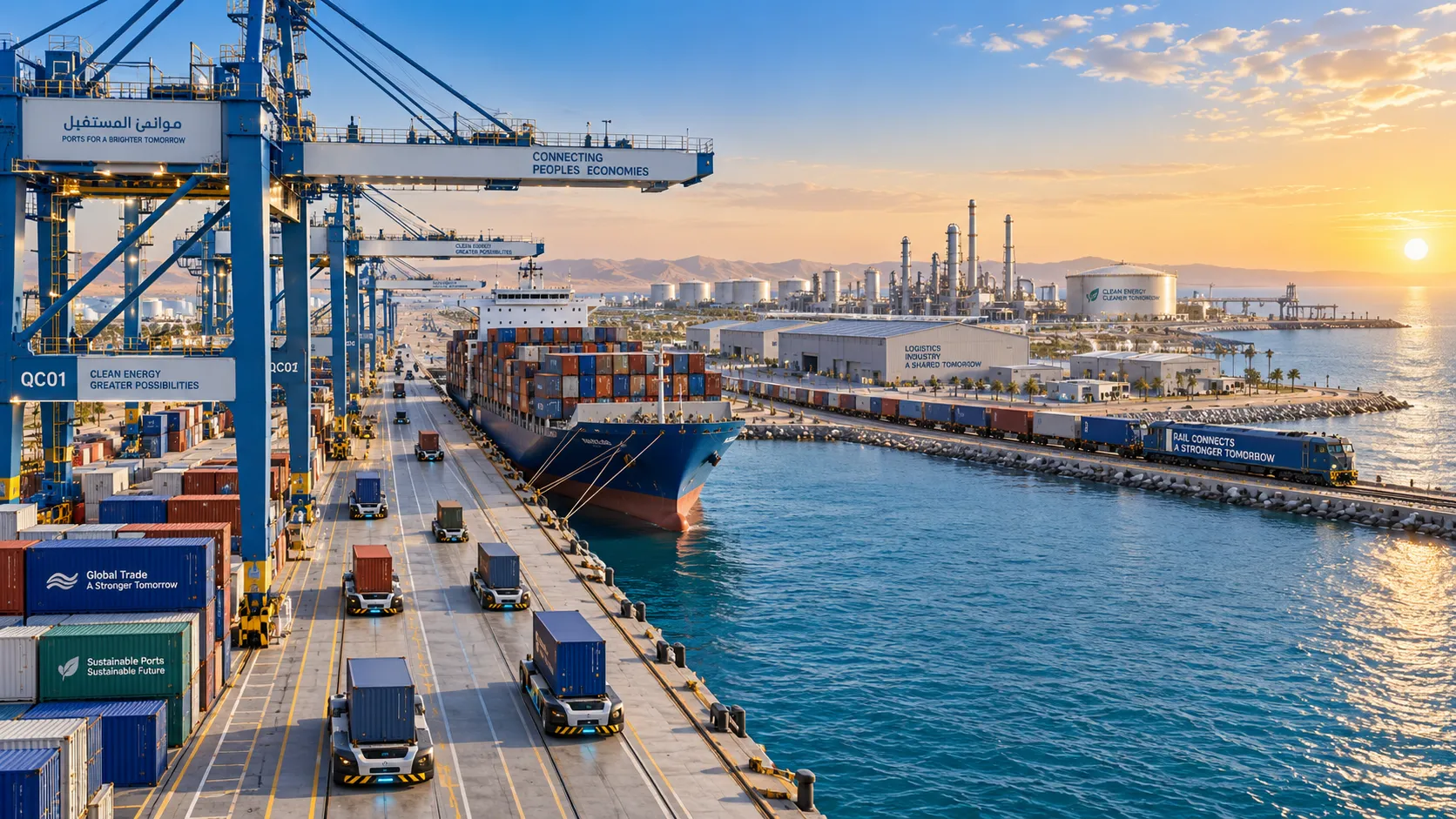
Smart Operations in the Middle East: Where Industrial Investment Is Growing
Smart operations Middle East investment is reshaping ports, industrial corridors, and logistics networks through connected data, automation, resilience, and smarter asset performance.
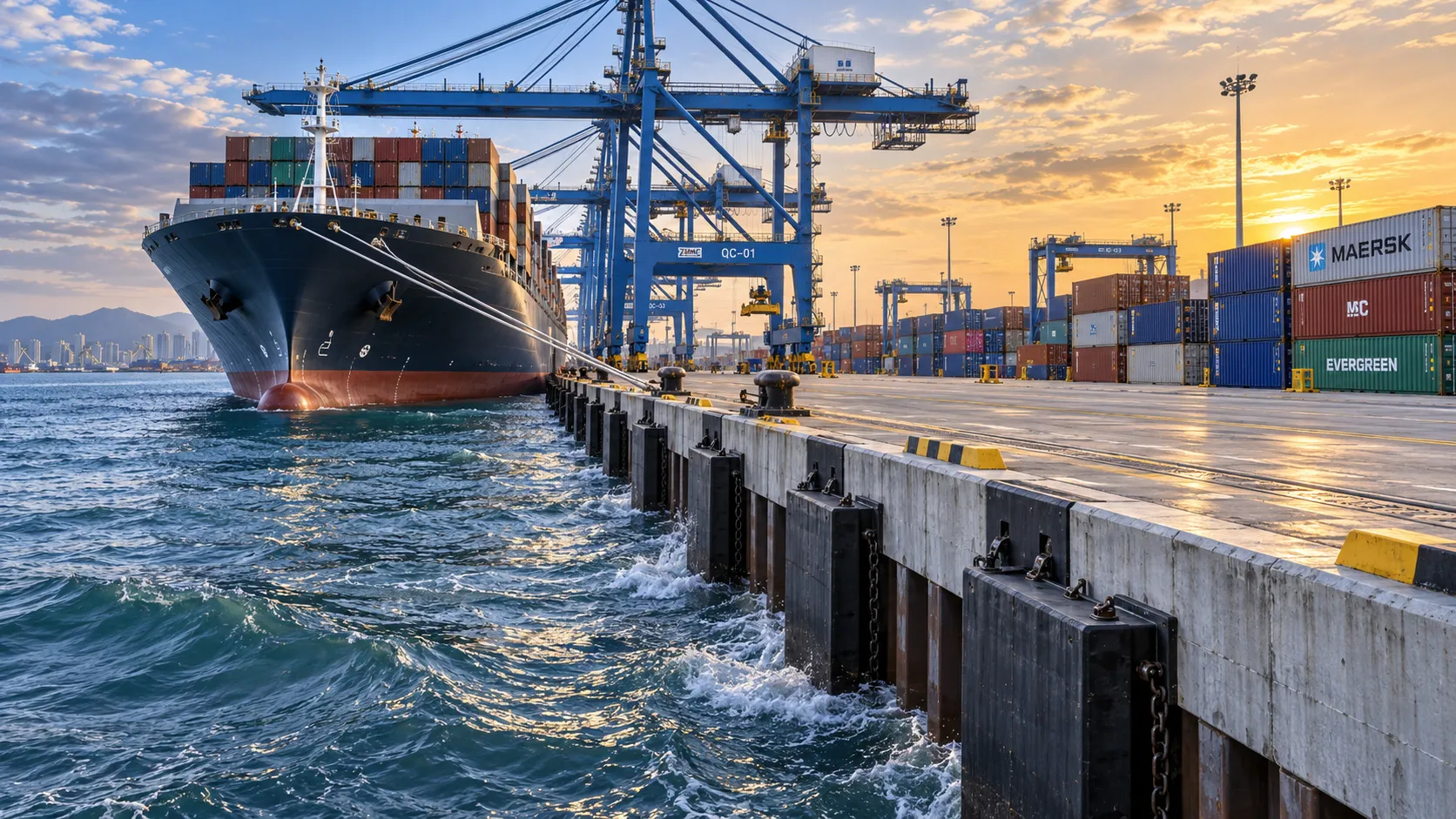
How to Select Harbor Structures for Quay Walls Under Berthing and Wave Loads
Harbor structure for quay wall selection: evaluate berthing energy, wave loads, soil conditions, durability, and lifecycle risk to build safer, adaptable terminals.
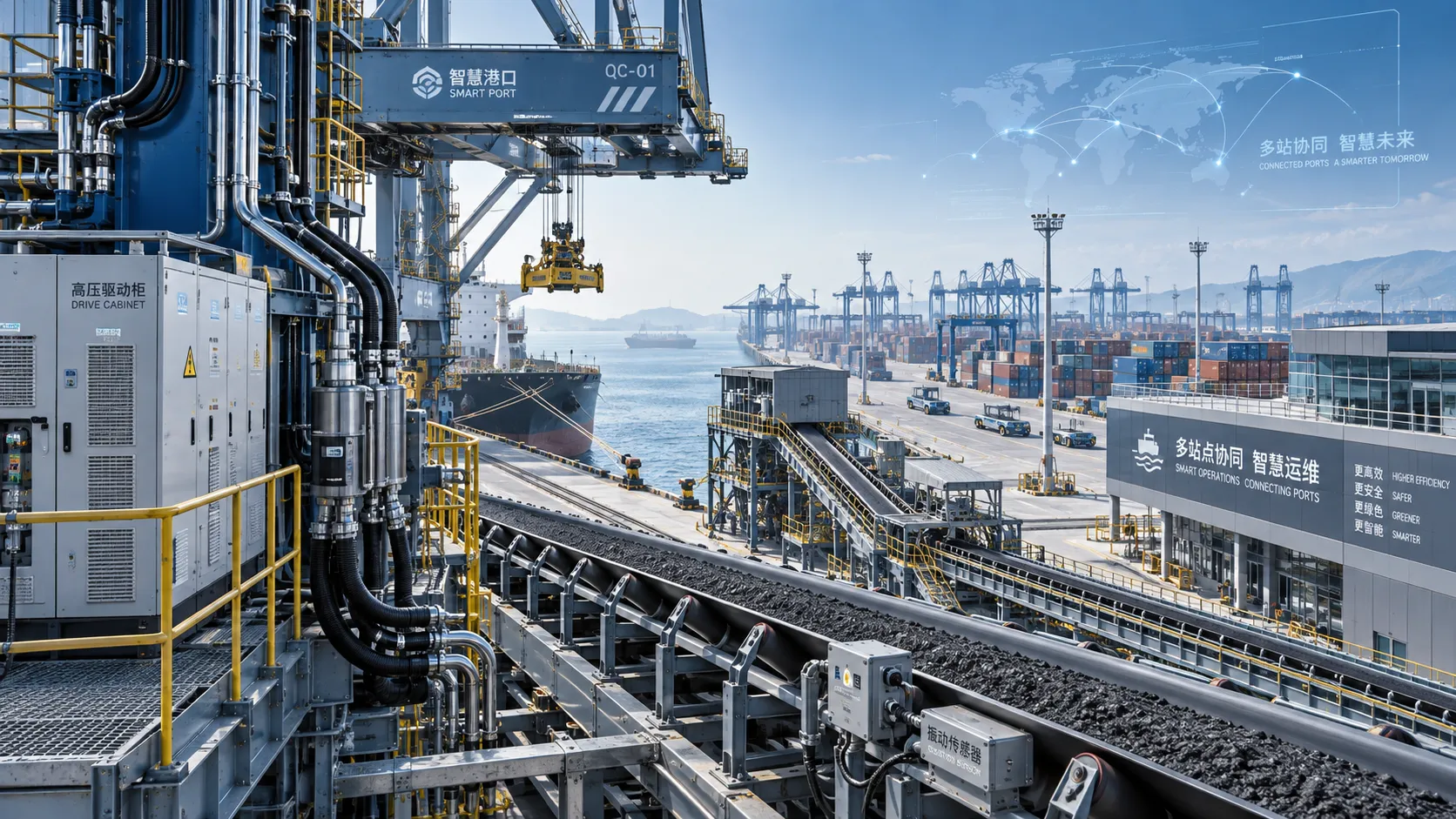
Selecting Smart Terminal Software for Multi-Site Field Service Operations
Smart terminal solutions software helps multi-site field service teams unify asset history, mobile maintenance, integrations, and reporting for safer, faster terminal operations.
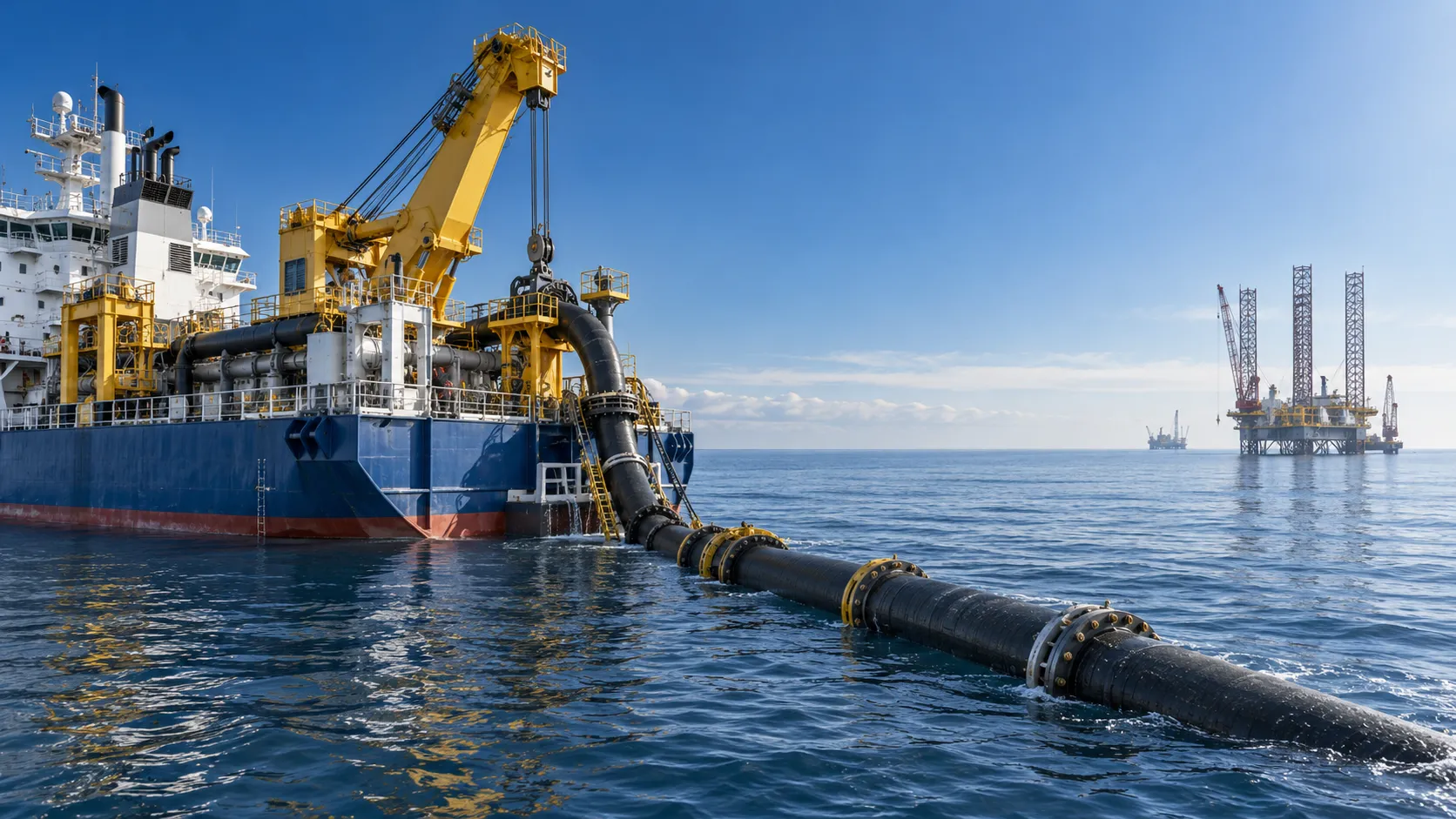
How to Specify Heavy-Duty Marine Engineering Equipment for Offshore Projects
Heavy duty marine engineering equipment: learn how to specify reliable offshore assets for safety, uptime, integration, lifecycle cost, and project success.
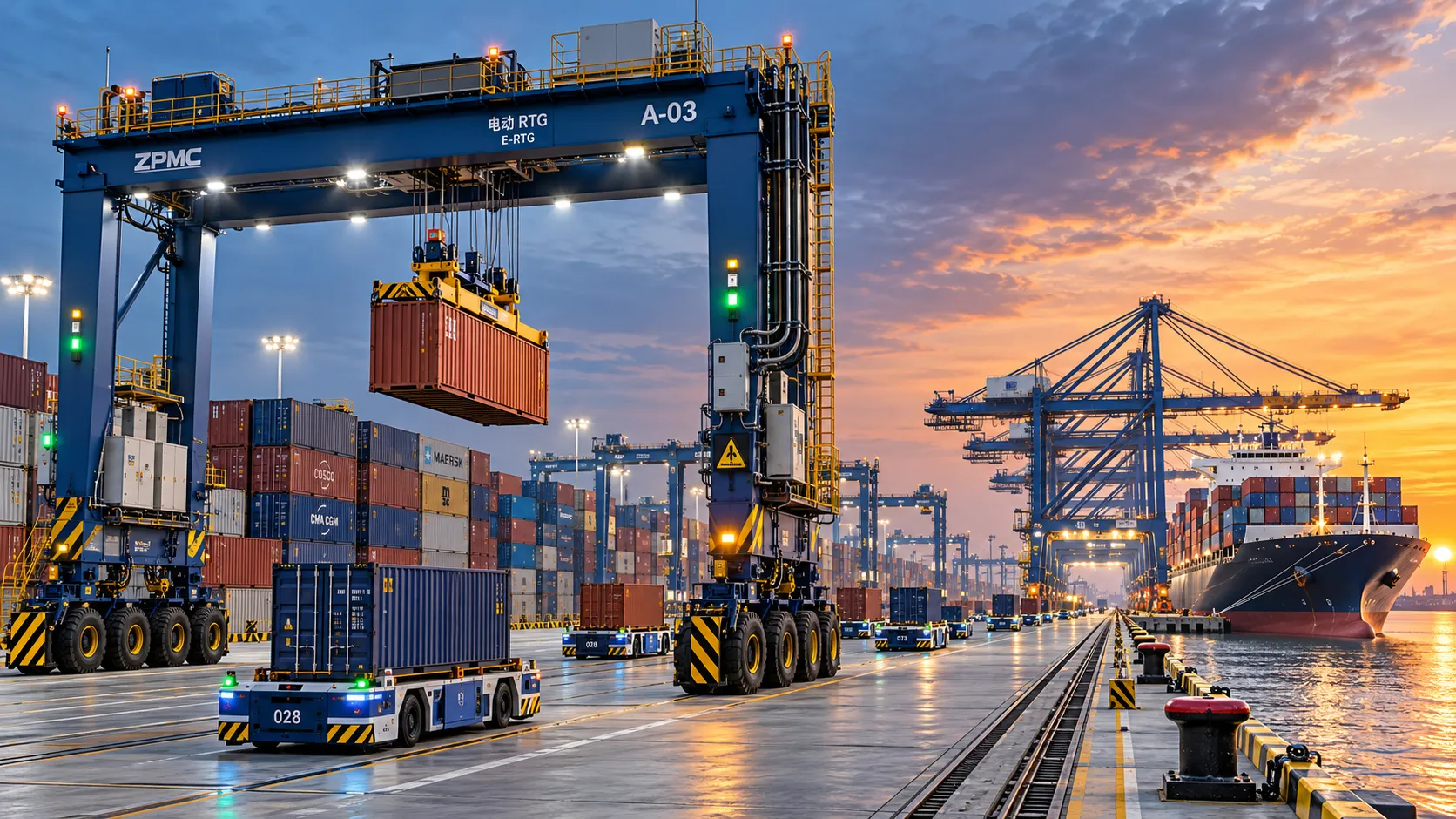
How to Evaluate a Container Handling Equipment Exporter for Port and Yard Projects
Choose the right container handling equipment exporter with a practical guide to compliance, automation, service support, delivery reliability, and lifecycle value.
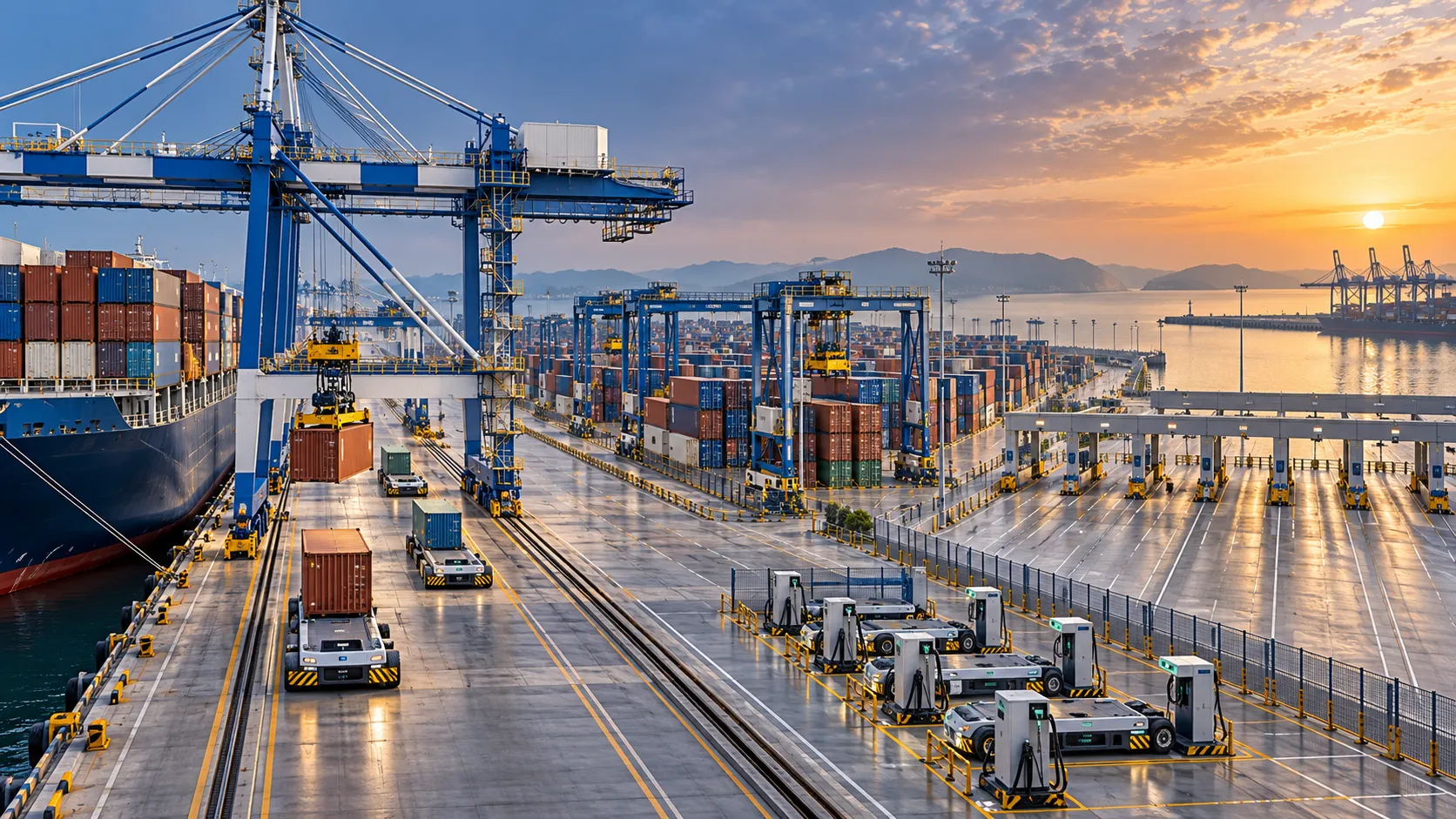
How to Select Automated Terminal Systems for High-Throughput Cargo Terminals
Automated terminal systems for cargo terminals: learn how to select scalable, resilient solutions that boost throughput, streamline integration, and control lifecycle risk.
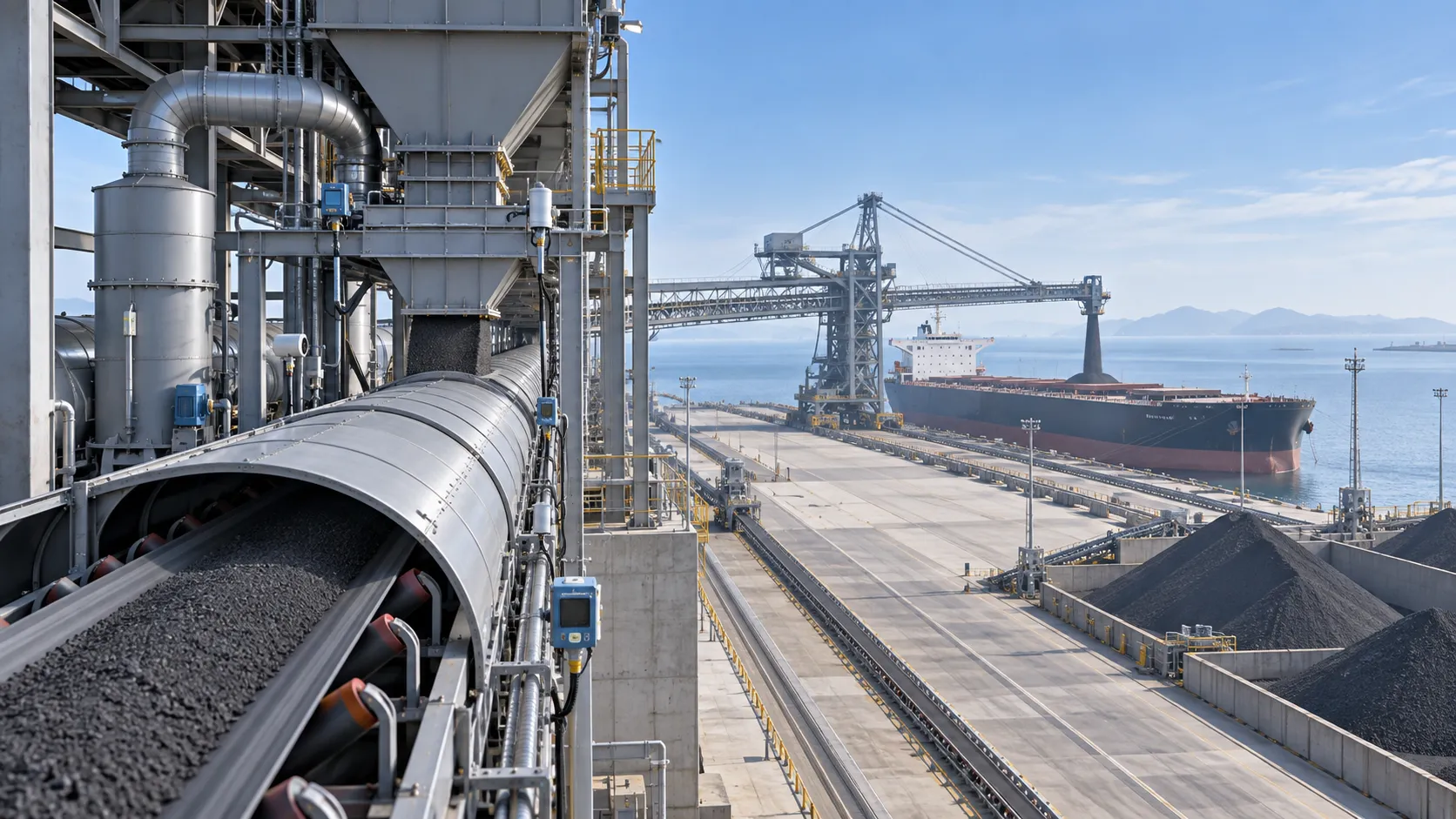
How Automated Bulk Cargo Handling Reduces Dust, Spillage, and Port Downtime
Automated cargo handling for bulk cargo cuts dust, spillage, and port downtime through stable flow control, smart sensing, and coordinated recovery.
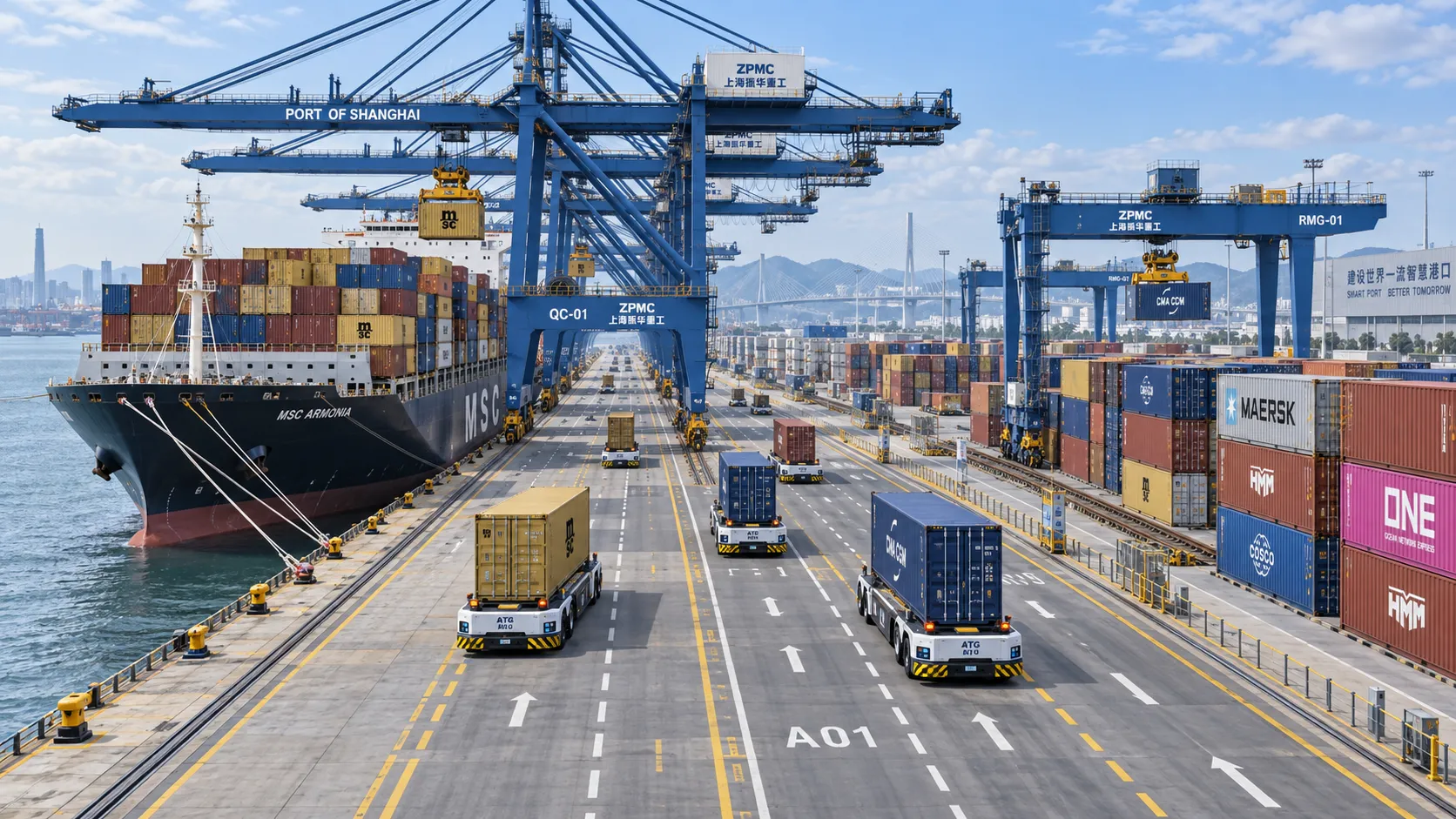
Designing an Integrated Port Handling System for Faster Yard-to-Vessel Transfers
Discover how an integrated port handling system aligns yard, transport, and vessel operations to reduce delays, improve flow reliability, and accelerate transfers.
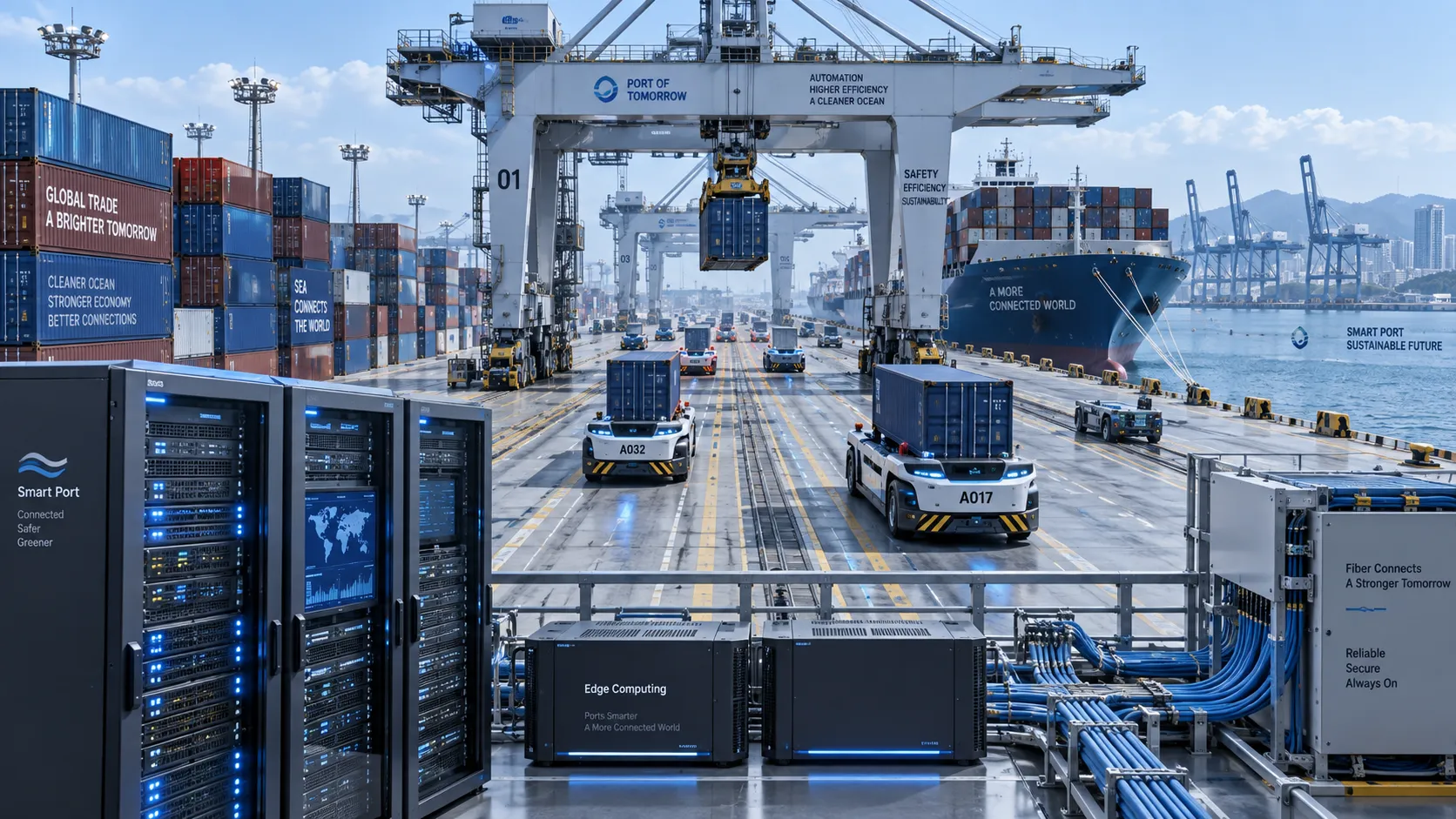
How to Assess a Smart Port Solution Supplier for Integration, Security, and Support
Smart port solution supplier evaluation guide: assess integration, cybersecurity, resilience, lifecycle support, and total cost to choose a reliable partner.