Related News
- 00
0000-00
How to Specify Heavy-Duty Marine Engineering Equipment for Offshore Projects - 00
0000-00
How to Select Automated Terminal Systems for High-Throughput Cargo Terminals - 00
0000-00
How Automated Bulk Cargo Handling Reduces Dust, Spillage, and Port Downtime - 00
0000-00
Technical Evaluation of Port Assets: Assessing Reliability, Condition, and Residual Life - 00
0000-00
Port Emissions Reduction Services: Building a Shore Power and Equipment Retrofit Plan
How to Specify Heavy-Duty Marine Engineering Equipment for Offshore Projects
Specifying heavy-duty marine engineering equipment is primarily a risk-management decision, not a purchasing exercise. Project managers must prove that equipment will deliver required output safely throughout harsh operating conditions.
The right specification connects equipment capability with offshore weather, geotechnical conditions, operational interfaces, maintenance access, regulatory obligations, and the project’s expected commercial return over its service life.
For dredging campaigns, terminal construction, subsea logistics, and coastal infrastructure works, incorrect assumptions can produce costly standby time, damaged assets, schedule losses, and contract disputes.
This guide explains how project leaders can evaluate heavy-duty marine engineering equipment using a practical, lifecycle-focused framework that supports technical reliability and commercially defensible procurement decisions.
Start with the Project Outcome, Not the Equipment Catalogue
The first specification question is not which machine to buy or hire. It is what measurable project outcome the equipment must achieve under realistic offshore constraints.
Define the required production target clearly. This may include dredged volume, lifting cycles, installed foundations, handled cargo tonnage, trench length, or completed construction milestones per shift.
Production requirements should include both average and peak operating expectations. Equipment that performs adequately during ideal weather may fail to protect the schedule during demanding operating windows.
Project managers should translate contract commitments into equipment requirements. Consider daily throughput, mobilization dates, operational availability, allowable downtime, environmental limits, and handover acceptance criteria.
A dredger, floating crane, jack-up platform, automated handling system, or subsea support vessel must be assessed against actual site conditions rather than generic manufacturer ratings.
For example, a pump capacity figure alone does not establish dredging productivity. Soil composition, discharge distance, pipeline losses, cutter performance, swell conditions, and crew operating practices all affect results.
Similarly, nominal crane lifting capacity does not confirm suitability. Offshore lifting depends on dynamic load effects, vessel motion, lifting radius, hook travel, wind limits, rigging arrangements, and deck load restrictions.
Create an operational design basis before issuing requests for quotation. It should describe the work scope, performance thresholds, site constraints, interfaces, assumptions, and conditions suppliers must address.
Assess Marine Operating Conditions in Detail
Heavy-duty marine engineering equipment must withstand more than saltwater exposure. Offshore conditions create interacting mechanical, environmental, and logistical stresses that influence design selection and operating limits.
Specify the expected wave height, current velocity, wind range, tide variation, water depth, air temperature, water temperature, visibility, and seasonal weather patterns for the project location.
Historical averages are useful, but extremes matter more for risk planning. Equipment must either operate safely within expected peaks or support a practical contingency strategy during shutdown periods.
Corrosion risk requires particular attention. Splash-zone exposure, galvanic corrosion, abrasive sediment, saline humidity, and intermittent immersion can degrade structures, hydraulics, electrical systems, and sensor housings.
Ask suppliers to identify coating systems, material grades, cathodic protection provisions, sealing arrangements, and corrosion inspection intervals relevant to the proposed duty cycle.
Equipment operating near shore may face sediment-laden water, debris, restricted maneuvering space, vessel traffic, and unstable seabed conditions. These factors often create risks absent from standard offshore datasheets.
Geotechnical conditions should be supplied early. Soil density, grain size, rock content, contamination, bearing capacity, and seabed slope directly influence dredging tools, anchoring systems, jack-up legs, and installation methods.
When site data remains uncertain, specifications should require adjustable operating modes, monitoring capabilities, spare wear parts, and defined procedures for verifying assumptions during commissioning.
Specify Performance by Duty Cycle and Availability
Capacity ratings can be misleading when they exclude the duty cycle. Project managers should specify the sustained workload equipment must deliver, including loading, transit, repositioning, cleaning, and maintenance time.
Availability targets should distinguish between mechanical availability, operational availability, and overall project availability. Each measure highlights different risks and prevents suppliers from relying on favorable definitions.
Mechanical availability measures whether equipment is technically ready. Operational availability reflects whether it can work within weather, crew, permit, and interface constraints affecting the offshore project.
Require suppliers to document expected utilization rates and the assumptions behind them. This makes it easier to compare proposals that otherwise present incompatible capacity and productivity claims.
A practical specification includes a production guarantee, performance testing method, data collection requirements, and remedies if the delivered equipment fails to meet agreed operating parameters.
For rental or chartered equipment, establish how downtime is classified. Define whether weather delays, planned maintenance, consumable replacement, operator error, or vessel access limitations affect payment obligations.
Consider redundancy for components whose failure can halt the whole operation. Critical pumps, power modules, hydraulic circuits, positioning sensors, control networks, and communication links may justify backup arrangements.
Redundancy should be justified through consequence analysis, not added automatically. The objective is to protect critical-path work while avoiding unnecessary capital cost and maintenance complexity.
Evaluate Structural Integrity and Marine Durability
Heavy-duty marine engineering equipment should be selected for its remaining useful performance, not simply its original design rating. This is especially important for refurbished, leased, or redeployed assets.
Request structural inspection records, fatigue assessments, maintenance histories, repair documentation, class certificates, and evidence of previous operating environments before accepting existing equipment.
For steel structures, review welding quality, corrosion allowance, crack inspection methods, load-path design, and fatigue-sensitive areas. Marine cyclic loading can cause progressive failures long before visible damage appears.
Hydraulic equipment requires equally rigorous review. Hoses, cylinders, seals, filtration systems, reservoirs, and cooling circuits must match pressure, contamination, temperature, and continuous-operation demands.
Electrical and automation components should be rated for marine environments. Enclosures, connectors, cable routes, grounding systems, and control cabinets need protection against salt spray, vibration, moisture, and electromagnetic interference.
Ask whether critical electronic components can be replaced locally. Long replacement lead times for proprietary controllers or sensors can create schedule exposure disproportionate to their individual cost.
Where equipment will operate continuously, include requirements for condition monitoring. Vibration analysis, oil sampling, thermal monitoring, pressure trends, and alarm histories improve maintenance planning and failure detection.
Durability is not only a technical issue. Reliable assets reduce disruption, protect labor productivity, limit emergency mobilization expenses, and strengthen the project manager’s ability to meet client commitments.
Make Safety Requirements Specific and Verifiable
Offshore safety requirements should be expressed as operating controls, not broad statements of compliance. Generic commitments do not explain how the equipment will protect people during abnormal conditions.
Identify the main hazard scenarios for each machine. These may include dropped loads, hose rupture, uncontrolled movement, collision, flooding, fire, electrical shock, loss of station keeping, or personnel transfer incidents.
Specifications should require emergency stops, fail-safe braking, overload protection, alarms, interlocks, guarding, escape routes, fire suppression, and emergency communication systems appropriate to the equipment category.
For lifting and handling equipment, require load monitoring, anti-collision functions, wind-speed measurement, safe-load indicators, and documented limits for dynamic and off-lead loading.
Remote-controlled or automated equipment requires additional safeguards. Define manual takeover procedures, control authority hierarchy, communication-loss behavior, cybersecurity expectations, and safe-state responses for sensor or software failures.
Training requirements should cover operators, maintainers, supervisors, and interface personnel. The machine may be technically capable, but unfamiliar crews can undermine safety and productivity during early project stages.
Verify compliance with applicable classification, flag-state, port, and client requirements. International standards provide a baseline, but local authority rules and contract conditions may impose stricter controls.
Include a factory acceptance test and site acceptance test plan. Both should demonstrate safety functions under realistic conditions before the equipment enters critical offshore operations.
Check Integration with Vessels, Ports, and Digital Systems
Equipment rarely operates alone. A technically strong asset can still become a bottleneck when it does not integrate effectively with vessels, marine structures, site power, logistics systems, or control platforms.
Map every interface before procurement. Include deck strength, quay geometry, power supply, fuel systems, mooring arrangements, pipeline connections, lifting points, transport dimensions, access routes, and communication networks.
For terminal-related projects, equipment should align with berth productivity targets, yard traffic patterns, container handling workflows, bulk transfer systems, and maintenance windows across the wider facility.
Automation compatibility deserves early attention. Define required data protocols, cybersecurity controls, remote access permissions, system latency limits, sensor accuracy, and ownership of operational data.
Integrated control systems can improve scheduling, fuel management, predictive maintenance, and asset utilization. However, the business case depends on reliable data quality and clearly assigned operational responsibility.
Ask suppliers whether their system supports open standards or proprietary protocols. Proprietary designs can simplify initial delivery but may restrict future upgrades, interoperability, and independent service options.
Positioning and monitoring equipment should match the operational precision required. Dredging, subsea installation, and automated yard activities may need redundant GNSS, sonar, machine vision, or vessel reference systems.
Integration testing must involve all relevant parties. Equipment vendors, vessel operators, civil contractors, automation teams, and port authorities often hold separate assumptions that must be resolved before mobilization.
Compare Total Cost of Ownership, Not Initial Price
The lowest acquisition or charter price may create the highest project cost. Offshore equipment decisions should compare lifecycle economics, schedule risk, energy consumption, maintenance burden, and recovery capability.
Build a total cost of ownership model that includes procurement, transport, mobilization, installation, commissioning, crew training, fuel, power, consumables, spares, maintenance, insurance, and demobilization.
Include the financial impact of downtime. Calculate lost production, standby vessel charges, labor costs, weather-window loss, contractual penalties, and the cost of recovering the critical path.
Energy efficiency matters increasingly in marine projects. Fuel consumption, shore-power compatibility, hybrid operating modes, emissions controls, and engine load management affect operating cost and environmental performance.
For long-duration work, evaluate wear-part consumption. Cutterheads, dredge teeth, pump liners, cables, filters, seals, and rigging components can materially alter the economics of a proposed solution.
Maintenance accessibility should influence selection. Equipment requiring specialized technicians, inaccessible service points, or extended shutdowns can produce greater cost than a higher-priced, maintainable alternative.
Compare supplier guarantees carefully. A broad warranty may exclude normal wear, offshore mobilization costs, consequential loss, weather damage, or failures caused by operating conditions the supplier considers abnormal.
Commercial evaluation should therefore combine capital cost, operating cost, performance confidence, support coverage, and schedule protection. This produces a more realistic basis for executive approval.
Demand Service Support That Matches Offshore Reality
Service support is a core specification requirement for heavy-duty marine engineering equipment. A reliable machine without rapid technical support can become a major liability once offshore work begins.
Assess the supplier’s regional footprint, service engineers, spare-parts inventory, diagnostic capability, response commitments, and experience supporting comparable installations in similar marine conditions.
Require a defined service level agreement. It should state response times, escalation contacts, remote-support procedures, parts dispatch arrangements, onboard attendance expectations, and reporting responsibilities.
Critical spare parts should be identified through failure-mode analysis. Stocking every possible component is inefficient, but omitting high-consequence items can turn a minor failure into prolonged downtime.
For remote locations, consider a commissioning support period with vendor personnel on site. Early operational months often reveal interface problems, calibration needs, and training gaps not visible during factory testing.
Equipment documentation must be complete and usable. Require operating manuals, maintenance plans, electrical drawings, hydraulic diagrams, software backups, parts lists, certificates, and inspection schedules in accessible formats.
Clarify ownership of configuration files and diagnostic access. Project operators need sufficient control to maintain continuity when vendors change, contracts expire, or emergency repairs become necessary.
A capable supplier partnership is particularly valuable when projects use emerging automation, remote monitoring, or low-emission marine technology with limited local service familiarity.
Use a Structured Procurement and Verification Process
A structured procurement process reduces ambiguity and creates an auditable basis for selection. It also helps project managers explain technical trade-offs to commercial teams, clients, and investors.
Begin with a requirements matrix that separates mandatory criteria from preferred features. Assign measurable acceptance conditions to performance, safety, environmental, integration, service, and commercial requirements.
Weight evaluation criteria according to project risk. For critical-path equipment, availability, supplier support, and marine suitability may deserve greater importance than a modest difference in purchase price.
Request suppliers to respond against the same matrix. This prevents incomplete proposals from appearing attractive because they omit expensive requirements such as spares, testing, training, or automation integration.
Hold technical clarification meetings before final selection. Ask suppliers to explain assumptions, demonstrate references, identify exclusions, and confirm how their equipment performs under stated environmental conditions.
Reference checks should go beyond headline projects. Speak with operators who used the equipment in comparable sea states, material conditions, operating hours, and maintenance environments.
Before mobilization, verify certificates, test records, crew competence, spare inventories, interface drawings, emergency procedures, and commissioning readiness through a formal readiness review.
Maintain a change-control process after award. Offshore projects evolve, and modifications to operating depth, loads, automation systems, or environmental limits can invalidate the original equipment selection.
Conclusion: Specify for Reliable Delivery Under Real Conditions
Successful specification of heavy-duty marine engineering equipment depends on matching assets to real operating demands, rather than relying on catalogue capacity, headline technology, or lowest-price comparisons.
Project managers should prioritize sustained productivity, marine durability, safety controls, system integration, lifecycle cost, and service response when evaluating equipment for offshore projects.
A clear operational design basis, disciplined supplier comparison, and verifiable acceptance process provide stronger protection against downtime, cost escalation, and avoidable schedule risk.
For port expansion, dredging, marine construction, and subsea logistics, the most valuable equipment decision is the one that remains reliable when conditions become difficult and project pressure increases.
Related News
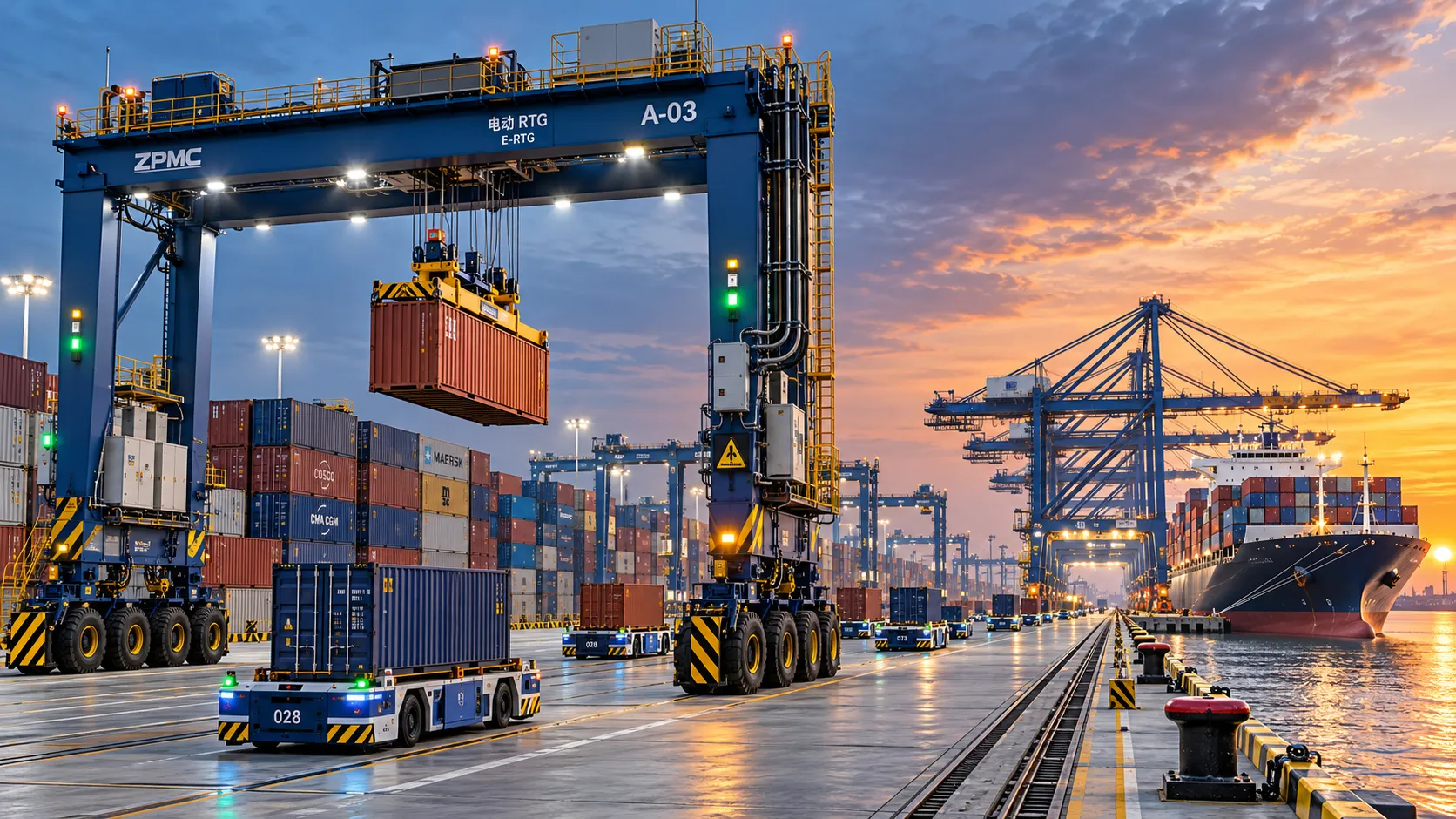
How to Evaluate a Container Handling Equipment Exporter for Port and Yard Projects
Choose the right container handling equipment exporter with a practical guide to compliance, automation, service support, delivery reliability, and lifecycle value.

How to Select Automated Terminal Systems for High-Throughput Cargo Terminals
Automated terminal systems for cargo terminals: learn how to select scalable, resilient solutions that boost throughput, streamline integration, and control lifecycle risk.
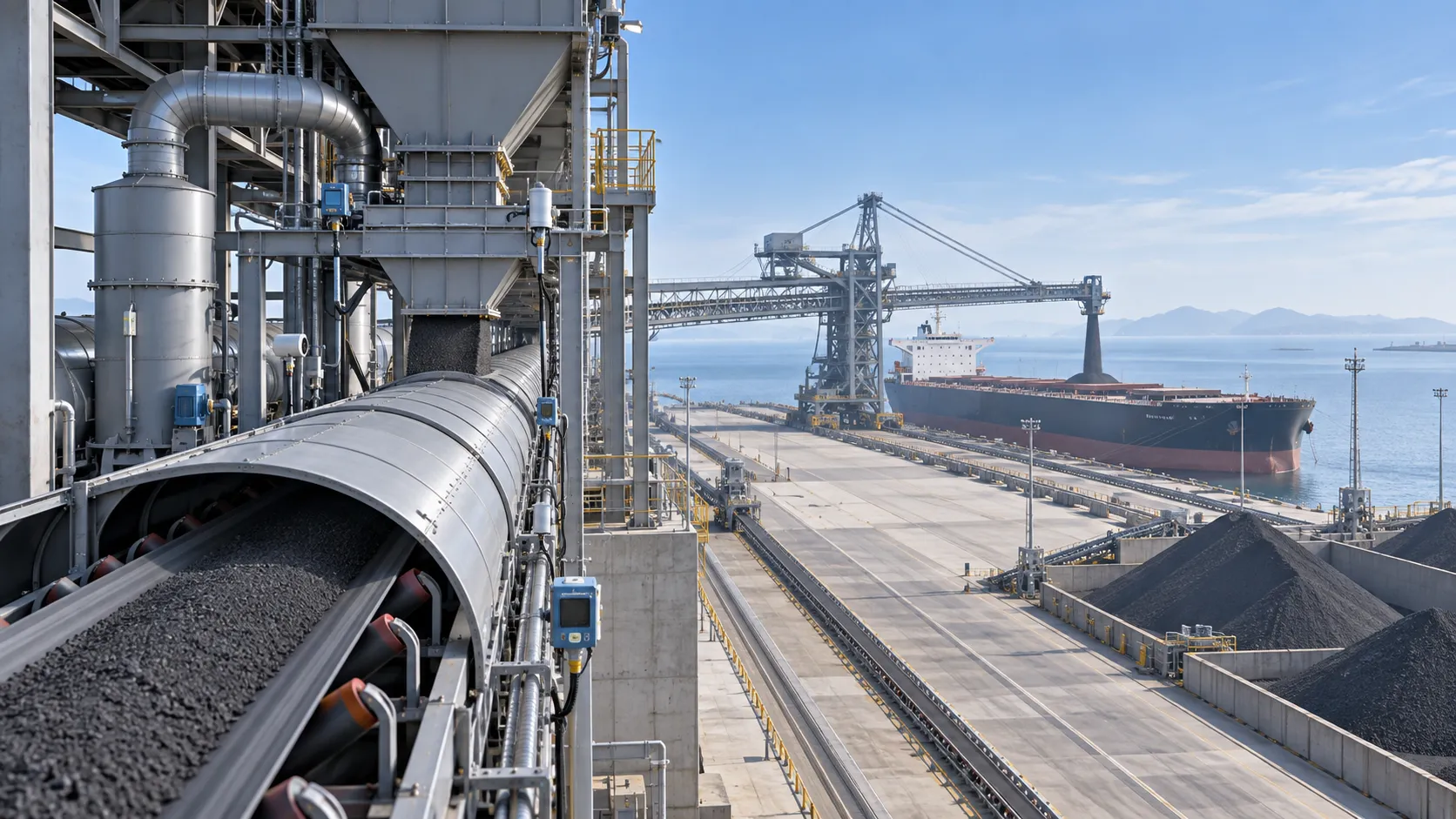
How Automated Bulk Cargo Handling Reduces Dust, Spillage, and Port Downtime
Automated cargo handling for bulk cargo cuts dust, spillage, and port downtime through stable flow control, smart sensing, and coordinated recovery.
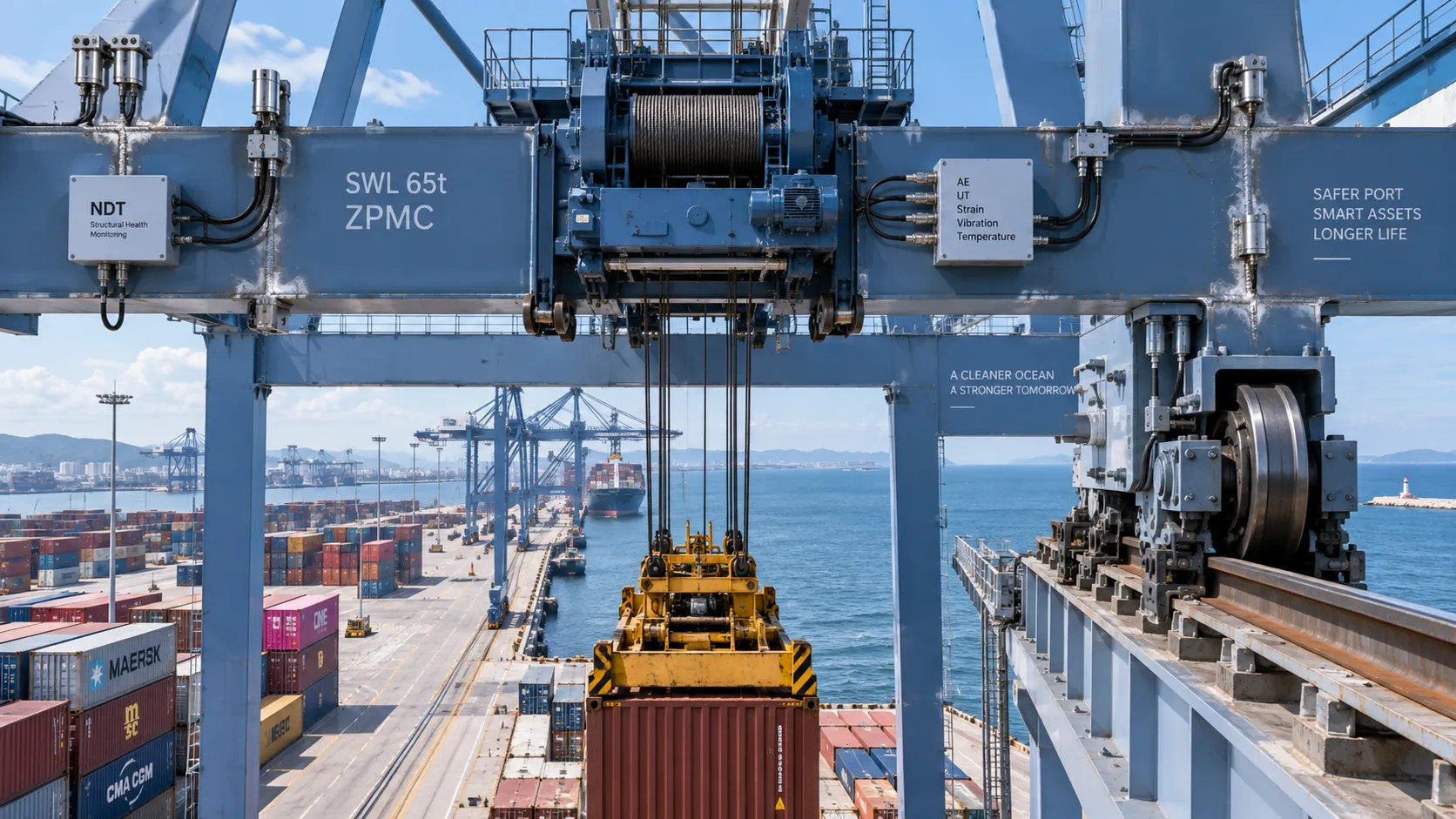
Technical Evaluation of Port Assets: Assessing Reliability, Condition, and Residual Life
Technical evaluation of port assets: assess reliability, condition, and residual life with actionable insights for safer operations and smarter investment decisions.
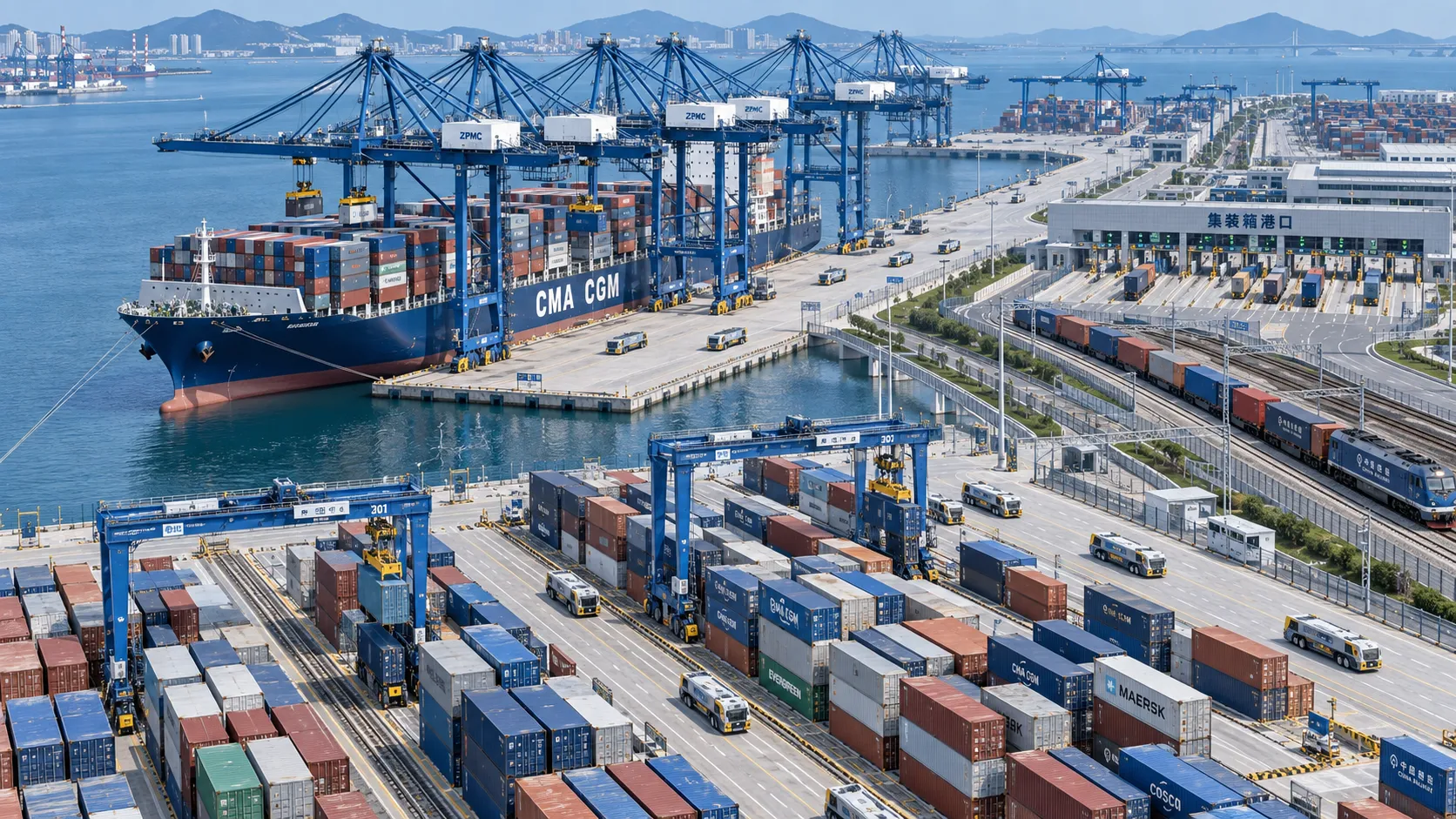
What Should a Port Capacity Plan Measure Before a New Berth or Crane Investment?
Port capacity planning: discover the metrics that reveal whether a new berth or quay crane will improve throughput, service reliability, and investment returns.
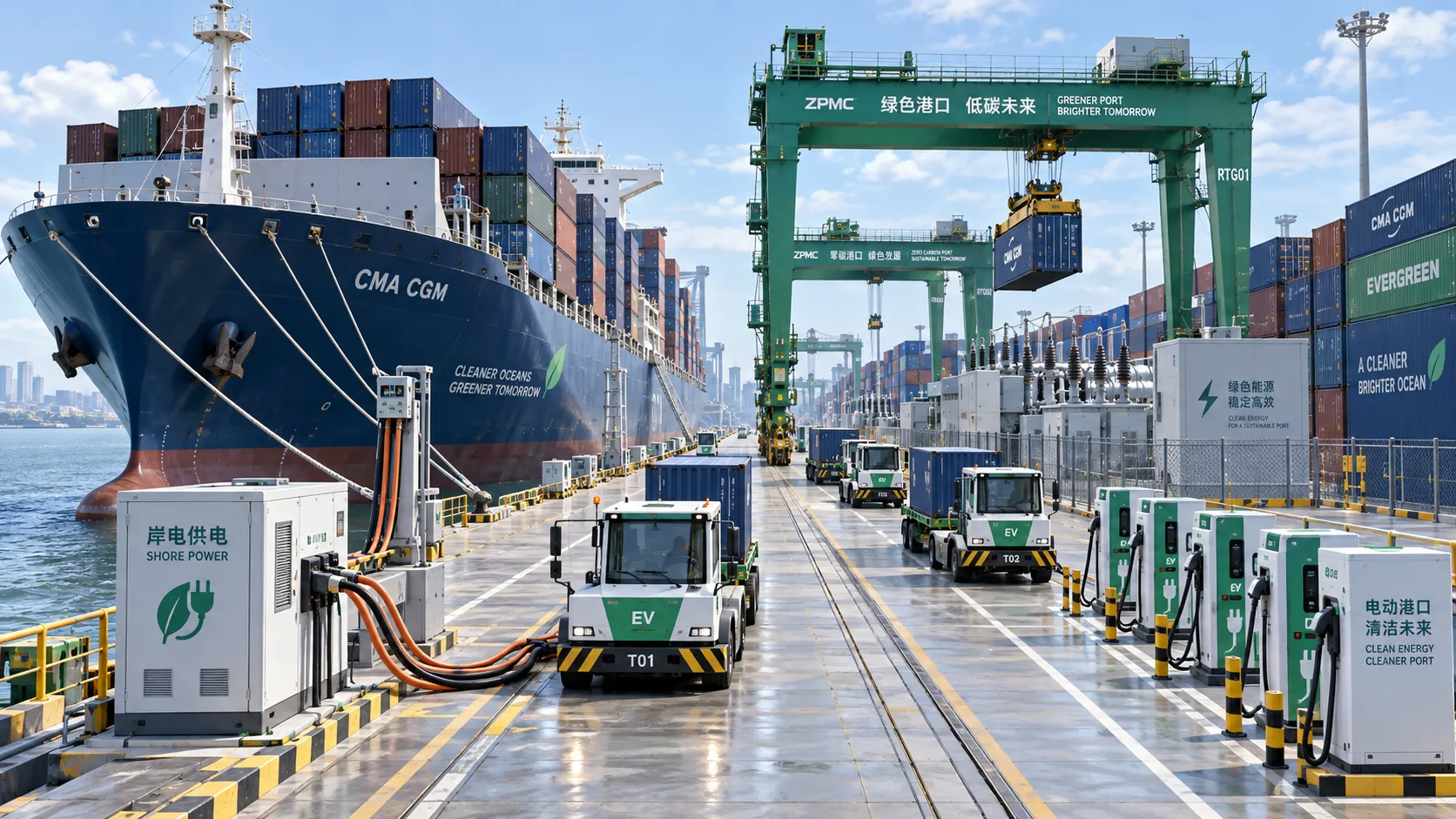
Port Emissions Reduction Services: Building a Shore Power and Equipment Retrofit Plan
Port emissions reduction services help terminals build practical shore power and equipment retrofit plans that cut emissions, protect throughput, and scale with confidence.
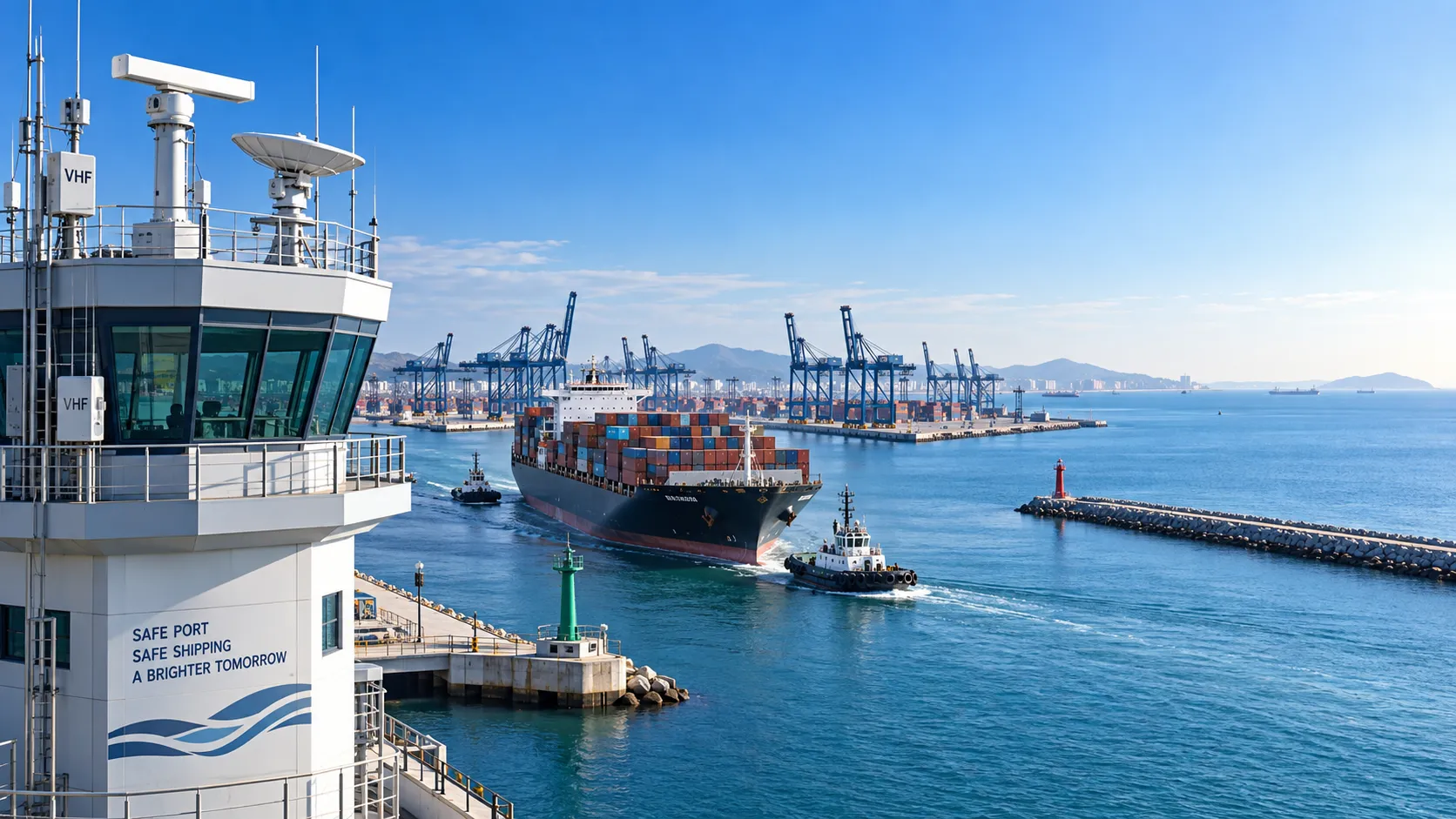
Selecting Port Control Systems for Vessel Traffic: Coverage and Fail-Safe Design
Port control systems for vessel traffic: learn how to assess coverage, redundancy, fail-safe recovery, cybersecurity, and operator workflows for safer port operations.
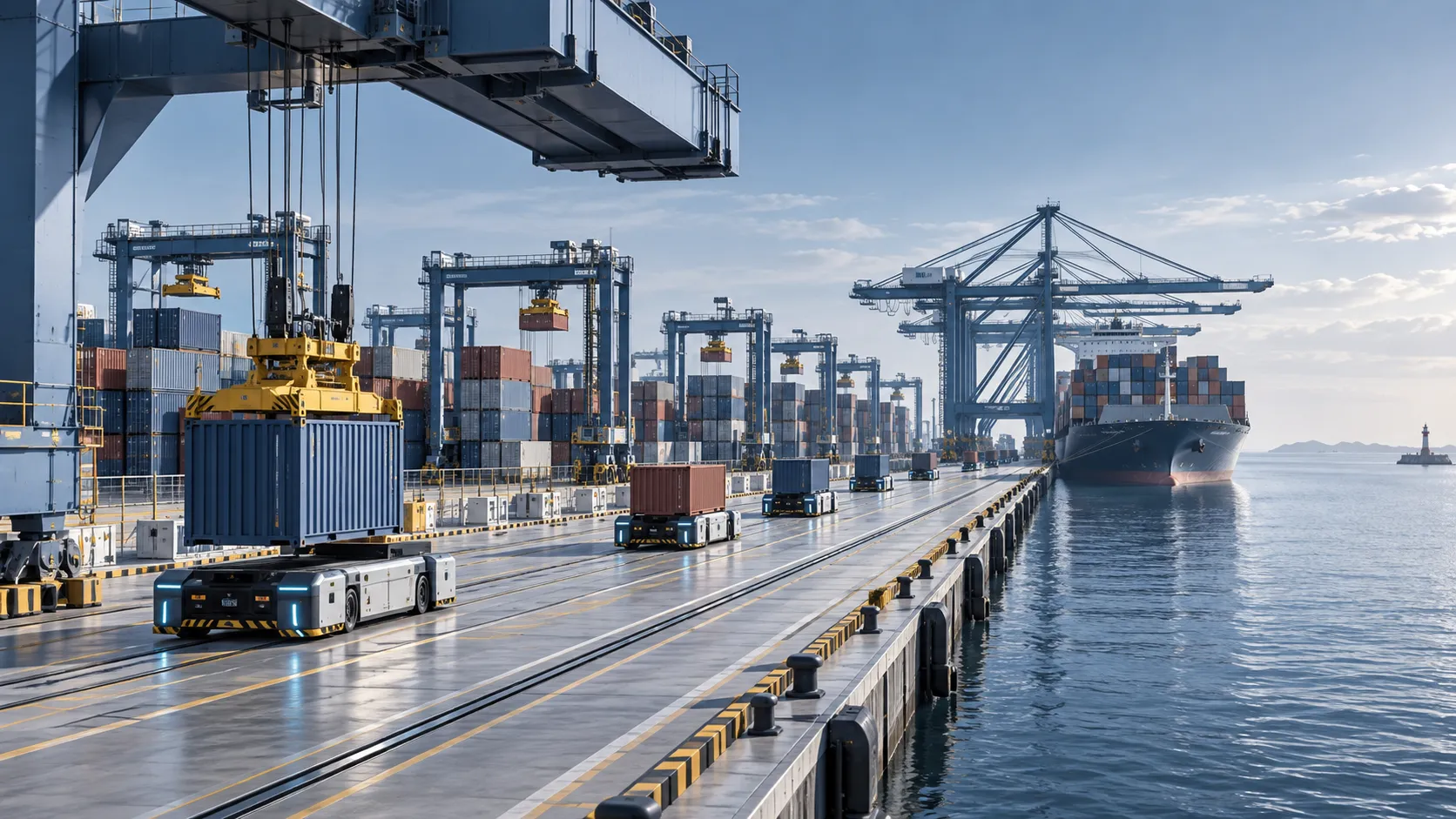
Selecting Automated Cargo Handling Systems for Terminal Throughput and Yard Limits
Automated cargo handling systems for maritime terminals: learn how to balance berth throughput, yard limits, automation software, and lifecycle costs for smarter terminal decisions.
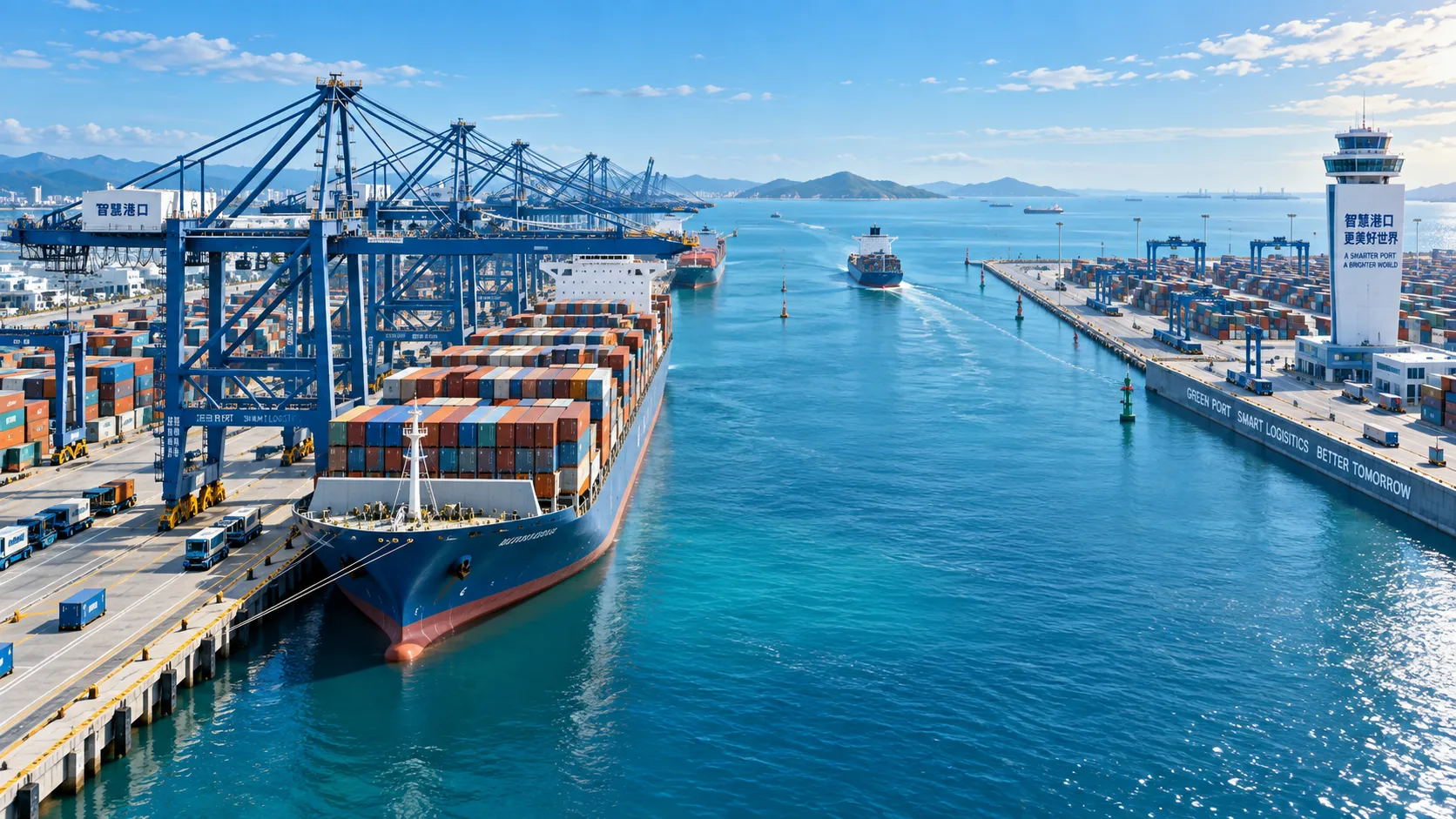
Smart Port Solutions for Berth Planning: Reducing Vessel Wait Times and Conflicts
Smart port solutions for berth planning reduce vessel wait times, prevent conflicts, and optimize quay, crane, and yard resources for faster turnarounds.