Related News
- 00
0000-00
How to Select Automated Terminal Systems for High-Throughput Cargo Terminals - 00
0000-00
How Automated Bulk Cargo Handling Reduces Dust, Spillage, and Port Downtime - 00
0000-00
Port Emissions Reduction Services: Building a Shore Power and Equipment Retrofit Plan - 00
0000-00
Selecting Port Control Systems for Vessel Traffic: Coverage and Fail-Safe Design - 00
0000-00
Selecting Automated Cargo Handling Systems for Terminal Throughput and Yard Limits
Port Emissions Reduction Services: Building a Shore Power and Equipment Retrofit Plan
Start With the Operating Constraint, Not the Technology
A shore power connection or a fleet of electric terminal vehicles can reduce emissions substantially, but only when it fits the way a terminal actually operates. For a project manager, the first decision is not whether shore power, battery equipment, hybrid systems, or alternative fuels look most advanced. It is whether the proposed measure can serve the vessels, duty cycles, berth windows, electrical network, and maintenance model already in place.
Port emissions reduction services are most useful when they turn that question into a staged implementation plan. A credible plan identifies where emissions occur during vessel calls and cargo handling, then separates measures that can be deployed promptly from those dependent on utility upgrades, vessel compatibility, civil works, or operating changes.
Shore power deserves priority where vessels spend predictable periods alongside and auxiliary engines run continuously at berth. Equipment retrofits may produce a faster operational result where diesel yard equipment has high utilization, charging can be scheduled around shifts, and replacement assets are already approaching renewal. Many terminals will need both, but they should not be treated as one undifferentiated decarbonization project.
Map the Emissions Profile Around Real Calls and Work Cycles
The planning baseline should be built from operating records rather than broad annual estimates. For shore power, review berth occupancy by vessel class, typical time alongside, arrival regularity, hotel-load needs, and the proportion of calls from vessels that can physically and electrically connect. A berth with long, repeat calls may be a stronger candidate than a busier berth used by highly varied ships with short turnaround windows.
For cargo-handling equipment, map the duty cycle of each asset class: quay cranes, rubber-tyred gantry cranes, terminal tractors, reach stackers, forklifts, bulk handling machines, and support vehicles. Capture idle time, peak-load periods, travel distance, fuel use patterns, maintenance interruptions, and the locations where equipment can safely dwell. Electrification performs differently for a machine making repeated short moves than for one working under sustained high load away from fixed power.
A useful early output is a berth-and-yard matrix that links each emissions source to its operating constraint.
The matrix also exposes a common planning error: treating the nameplate capacity of a charging system or shore connection as proof that operations will benefit. Capacity must be usable at the time and location required. Peak vessel load, simultaneous crane activity, battery charging demand, and local grid limits all compete for the same electrical headroom.
Shore Power Is a Port-and-Vessel Interface Project
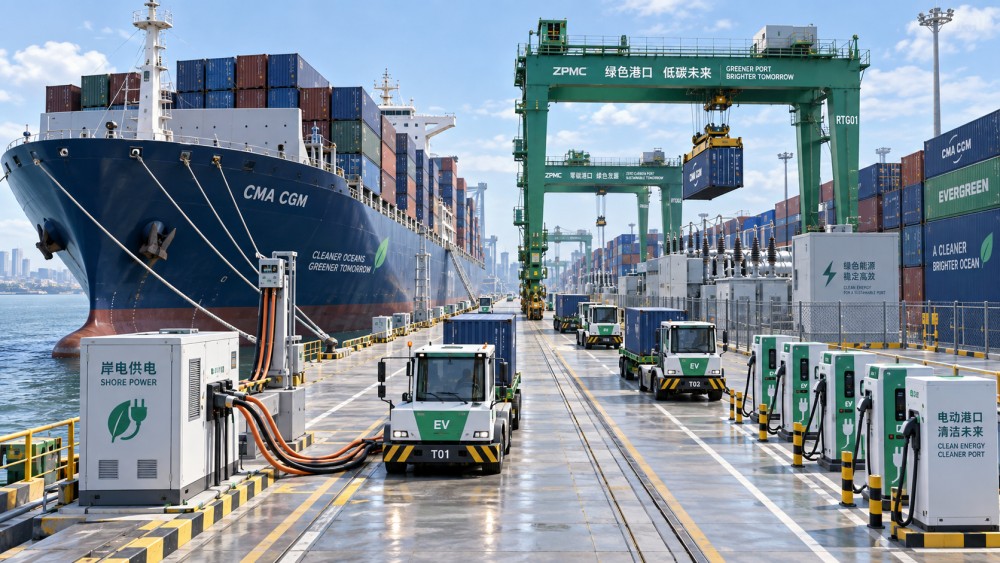
Shore power is often described as a berth-side installation. In practice, it is an interface project spanning utility supply, port distribution, berth infrastructure, vessel connection arrangements, operating procedures, and commercial coordination. A design that works electrically may still fail operationally if the cable-management arrangement delays line handling, cannot accommodate tidal movement, interferes with cargo operations, or requires a connection sequence crews cannot perform within the call window.
Start with the vessel population that is likely to use the berth. The relevant questions include connection voltage and frequency requirements, plug and cable arrangements, onboard switchboard capability, access locations, and the time required to connect, synchronize, transfer load, and disconnect. The terminal should avoid designing around a theoretical compatible vessel set that does not match its scheduled trade patterns.
Electrical capacity should then be assessed at three levels: available grid supply, the port’s internal distribution capacity, and the local berth connection. The largest gap may not be at the utility boundary. Existing substations, cable routes, switchgear, transformer capacity, protection coordination, and resilience arrangements can define the true project scope.
Project teams should model simultaneous demand rather than evaluate shore power in isolation. A berth may have sufficient supply on a quiet day yet face constraints when cranes, reefer stacks, workshops, automated systems, and charging infrastructure are drawing power. Sequencing shore power use, managing loads, or phasing capacity additions can be more practical than building for every theoretical peak on day one.
Connection Reliability Matters as Much as Installation
Once a ship is alongside, an unsuccessful connection can create more than a missed emissions opportunity. It can complicate sailing schedules, increase crew workload, and undermine confidence among carriers and terminal operators. The commissioning plan should therefore include operating scenarios, not only electrical tests: late arrival, adverse weather, an unavailable connector, abnormal load transfer, conflicting crane activity, and a rapid return to onboard generation.
Clear responsibility is essential. The project documents should state who owns berth equipment availability, connection supervision, vessel-side readiness, utility coordination, fault response, maintenance, training, and records of energy delivered. Diffuse ownership is a recurring source of underused infrastructure.
Retrofit Equipment by Asset Class, Not by a Single Technology Rule
Terminal equipment retrofits work best when the energy solution reflects the asset’s job. Fixed or rail-mounted equipment may be well suited to direct electrification because power demand and working area are relatively predictable. Mobile equipment requires a more detailed review of battery capacity, charging time, payload effect, gradeability, weather exposure, and the availability of recovery or backup arrangements.
For rubber-tyred cranes, the question may be whether cable reels, busbar systems, batteries, hybrids, or a replacement programme provides the least disruptive route. For tractors and forklifts, depot-based charging may be feasible where vehicles return to planned staging areas. For heavy bulk or specialized handling equipment with extreme load profiles, a staged approach may be necessary while power systems and equipment offerings mature around the terminal’s requirements.
Do not assume that replacing the highest-emitting equipment first always produces the best project outcome. An asset with high emissions but irregular use can be a difficult early conversion. A smaller fleet with repeatable routes, controlled parking, and clear maintenance ownership may provide a more reliable first deployment, while also establishing charging, safety, dispatch, and data-management practices that support later phases.
- Duty cycle: measure the hardest operational day, not the average day alone.
- Energy recovery: identify where charging, battery exchange, or fixed-power access can occur without constraining dispatch.
- Maintenance model: account for high-voltage competence, diagnostics, spare parts, and warranty boundaries.
- Fallback operation: define how the terminal protects throughput when equipment or charging infrastructure is unavailable.
- Interoperability: avoid creating an isolated charging or control environment that limits future fleet choices.
Sequence Investment Around Dependencies
A port decarbonization programme can lose momentum when shore power civil works, grid connection, equipment procurement, automation upgrades, and operational training are launched as separate projects with no shared dependency map. The result may be electric equipment delivered before chargers are energized, a completed shore connection without committed vessel users, or distribution upgrades that need to be reopened when later projects add load.
A more durable sequence begins with a common electrical and operational master plan. It does not require every asset to be procured at once. It establishes expected loads, likely expansion zones, cable routes, substation locations, communications needs, resilience requirements, and interfaces with terminal control systems. That creates room for phased capital decisions without making each phase a stranded investment.
One practical sequence is to establish the baseline and target operating windows first; complete power-system and berth feasibility work next; build enabling infrastructure where the demand case is firm; then roll out equipment conversions in manageable fleet groups. Shore power may proceed at selected berths while yard electrification begins with equipment whose charging pattern is already controllable. The timing should follow readiness, not a need to make every part of the programme appear simultaneous.
Procurement packages should also reflect this sequence. Electrical works, charging systems, cable management, equipment supply, software integration, and long-term maintenance may need different suppliers and acceptance tests. Combining them into one contract can simplify administration, but it can also obscure interface responsibility. Splitting every package can have the opposite effect. The appropriate structure is the one that gives the project manager a named owner for each critical handoff.
Use Measurable Operating Outcomes
Emission reduction should be tracked alongside availability and throughput. A plan that reports installed charging points or connected shore power capacity says little about whether engines were actually shut down, equipment completed assigned work, or peak operations remained stable.
For shore power, useful measures include eligible vessel calls, successful connections, connection duration, energy delivered, unsuccessful connection reasons, and periods of equipment unavailability. For equipment retrofits, track productive hours, energy or fuel consumption per operating measure, charging or refuelling interruptions, maintenance downtime, and use of fallback assets. These indicators allow the team to distinguish a technical defect from a scheduling issue, a vessel-readiness issue, or a power-capacity constraint.
Port emissions reduction services should therefore be judged by their ability to create this operating discipline. The deliverable is not simply a list of low-emission technologies. It is a plan that makes investment decisions traceable to vessel calls, equipment work, electrical constraints, and accountable implementation steps.
For project managers, the strongest next move is usually a focused feasibility package covering the highest-opportunity berths and the most predictable equipment fleets. It provides enough detail to set priorities, engage utilities and carriers early, and prevent a broad net-zero ambition from becoming a collection of incompatible projects.
Related News
How to Select Automated Terminal Systems for High-Throughput Cargo Terminals
Automated terminal systems for cargo terminals: learn how to select scalable, resilient solutions that boost throughput, streamline integration, and control lifecycle risk.
How Automated Bulk Cargo Handling Reduces Dust, Spillage, and Port Downtime
Automated cargo handling for bulk cargo cuts dust, spillage, and port downtime through stable flow control, smart sensing, and coordinated recovery.
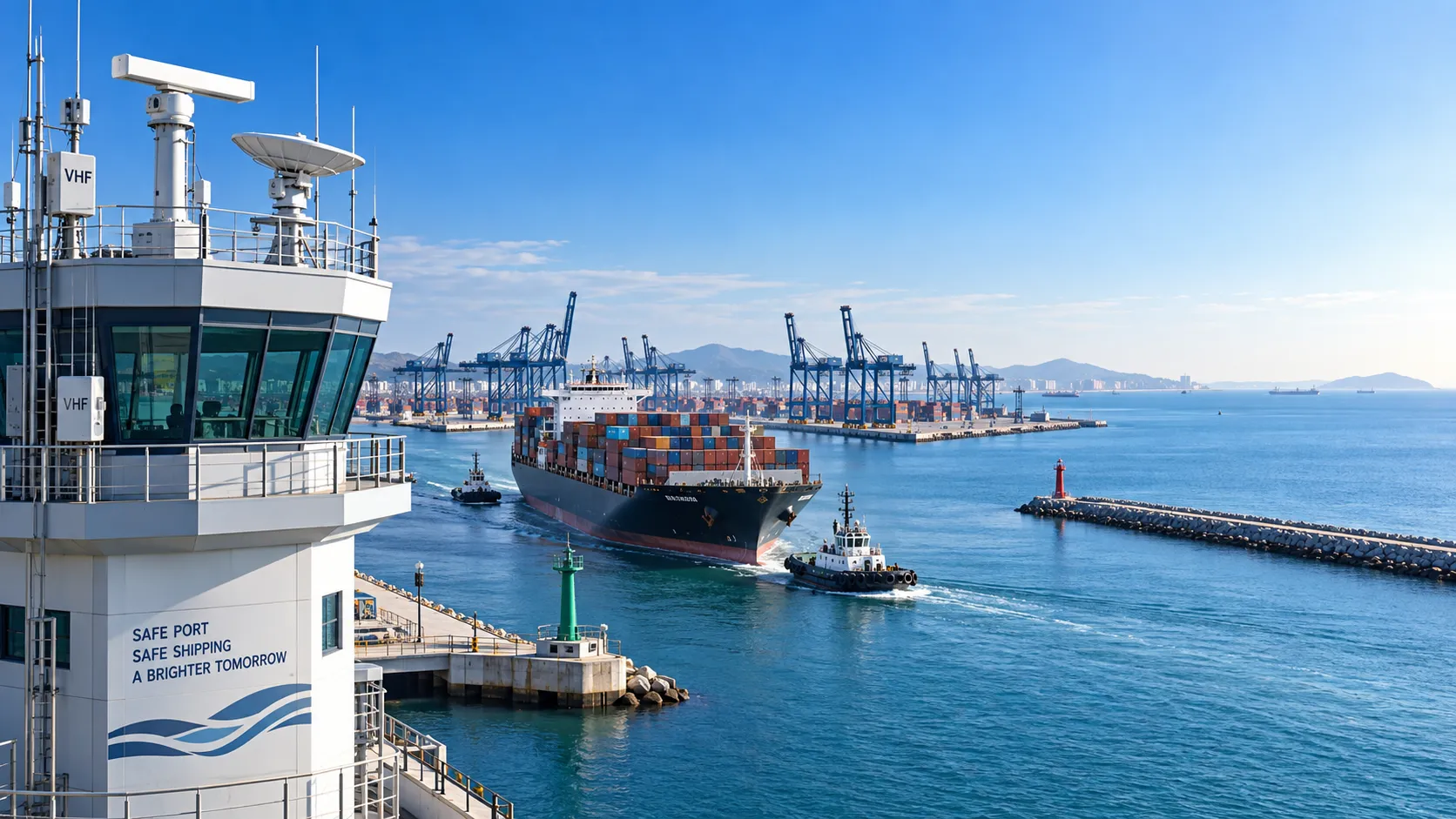
Selecting Port Control Systems for Vessel Traffic: Coverage and Fail-Safe Design
Port control systems for vessel traffic: learn how to assess coverage, redundancy, fail-safe recovery, cybersecurity, and operator workflows for safer port operations.
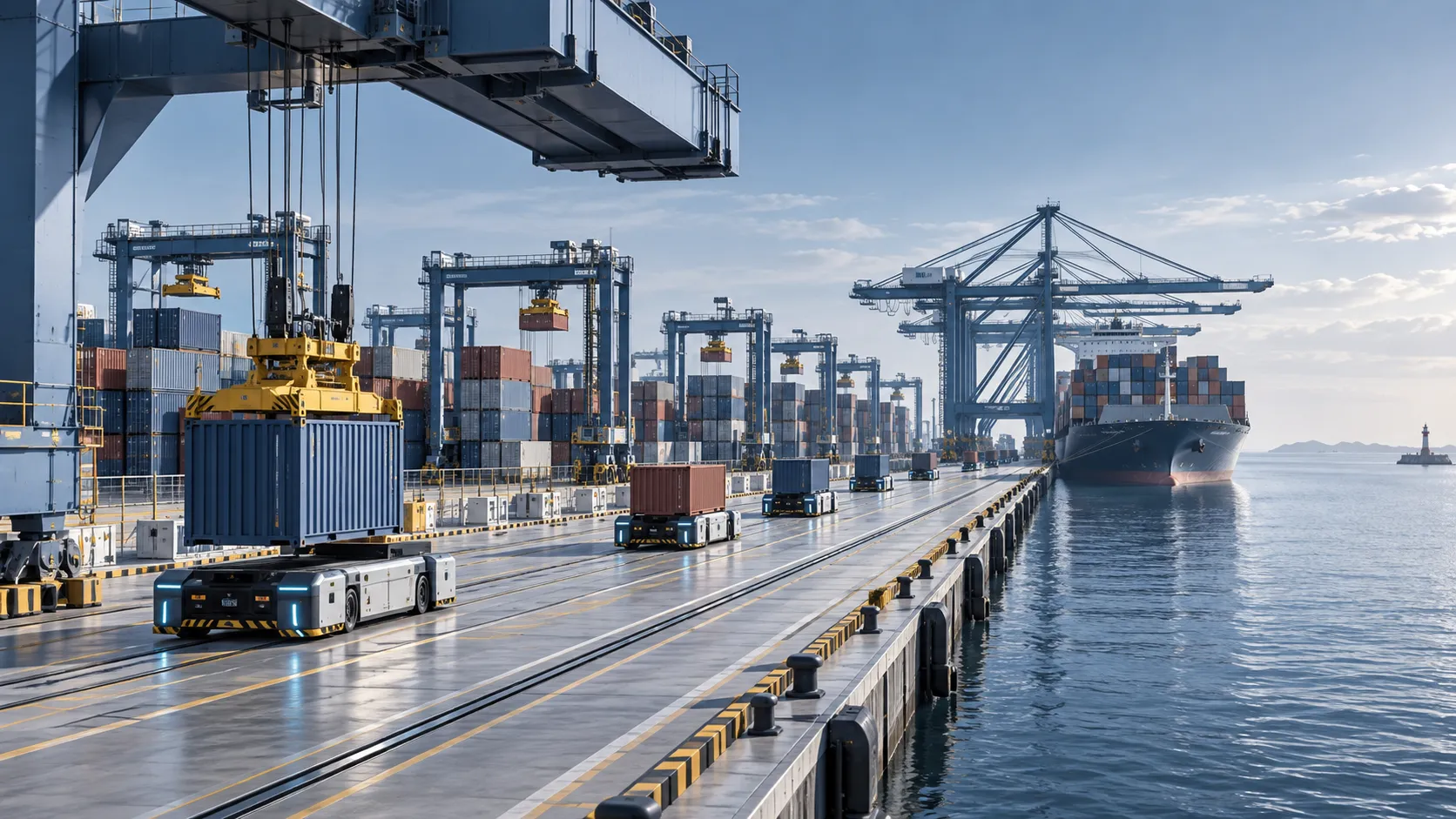
Selecting Automated Cargo Handling Systems for Terminal Throughput and Yard Limits
Automated cargo handling systems for maritime terminals: learn how to balance berth throughput, yard limits, automation software, and lifecycle costs for smarter terminal decisions.
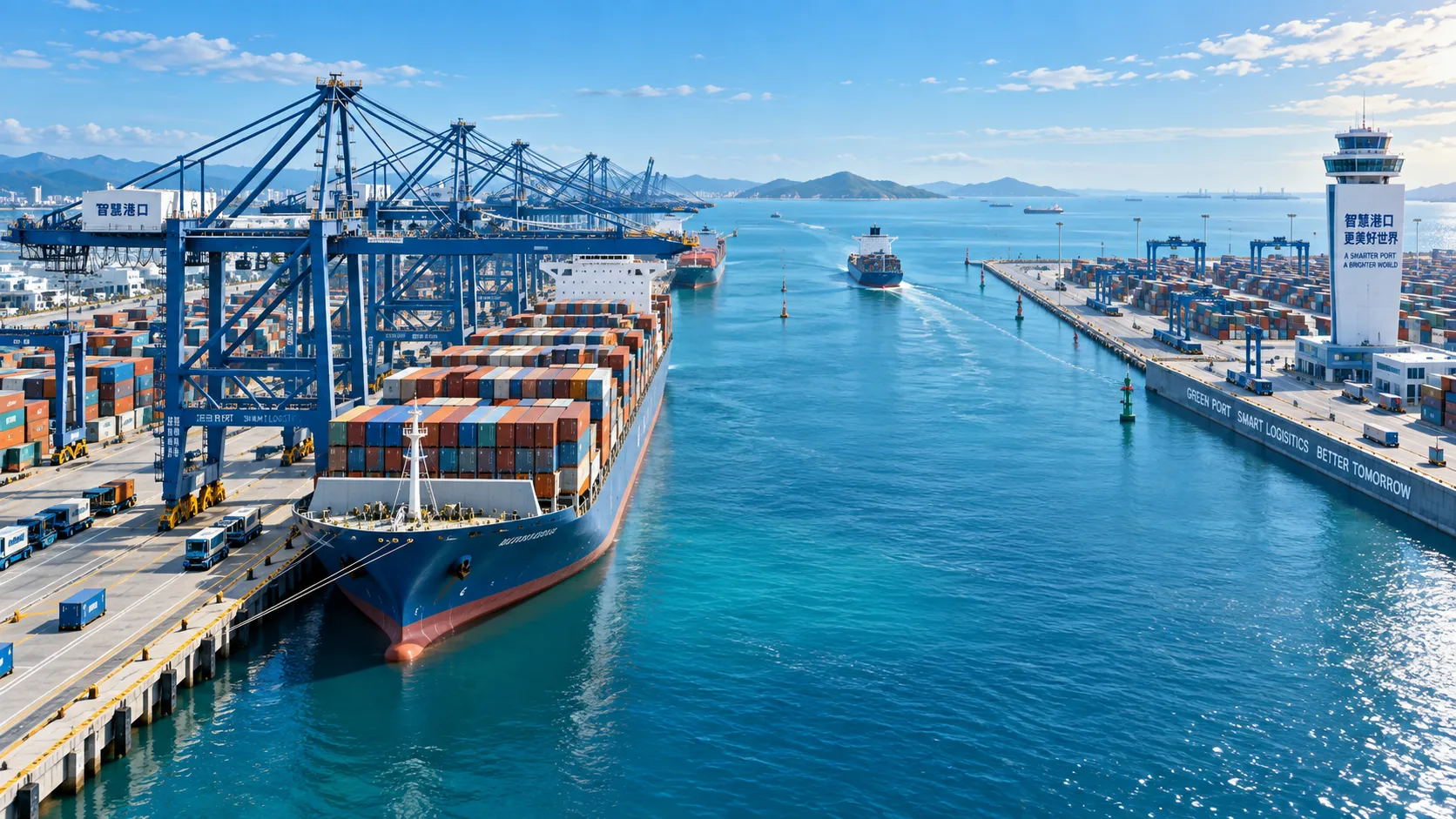
Smart Port Solutions for Berth Planning: Reducing Vessel Wait Times and Conflicts
Smart port solutions for berth planning reduce vessel wait times, prevent conflicts, and optimize quay, crane, and yard resources for faster turnarounds.
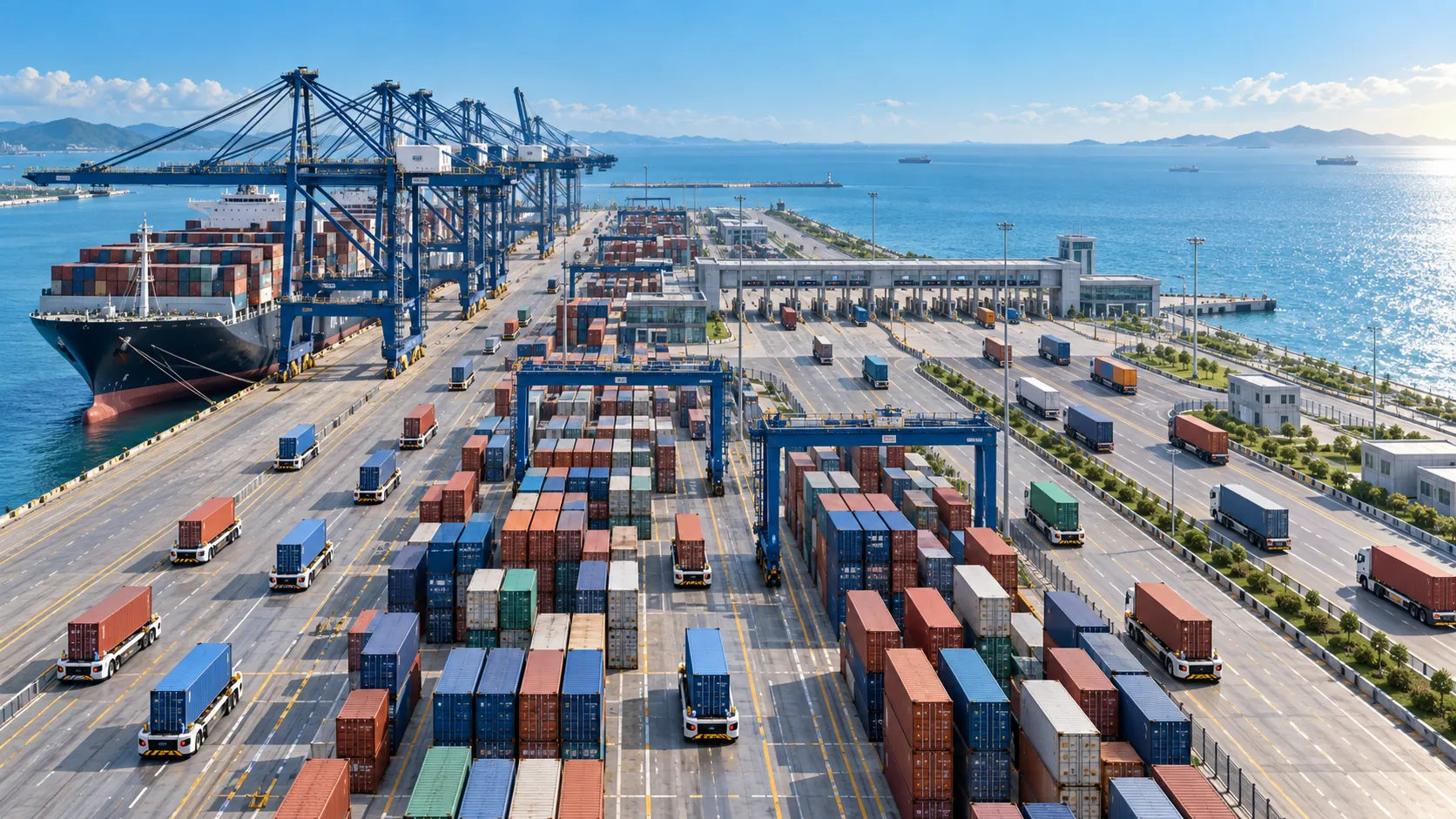
How AI Scheduling Improves Berth, Yard, and Gate Coordination at Terminals
Terminal automation systems with AI scheduling align berth, yard, and gate operations to reduce congestion, improve throughput, and strengthen terminal resilience.
How to Evaluate a Port Logistics Solutions Supplier for Terminal Uptime and Scalability
Choose a port logistics solutions supplier with confidence. Learn how to assess uptime, scalability, service strength, integration, and lifecycle risk for resilient terminal growth.
Smart Port Systems in Southeast Asia: Investment Priorities and Adoption Barriers
Smart port systems Southeast Asia: discover investment priorities, adoption barriers, and practical steps to build resilient, connected, high-performing terminals.
How to Evaluate Terminal Efficiency Solution Suppliers for High-Throughput Operations
Choose a terminal efficiency solutions supplier with confidence. Explore proven criteria for throughput, integration, lifecycle cost, safety, and reliable delivery.