
Related News
- 00
0000-00
How to Select Automated Terminal Systems for High-Throughput Cargo Terminals - 00
0000-00
How Automated Bulk Cargo Handling Reduces Dust, Spillage, and Port Downtime - 00
0000-00
Port Emissions Reduction Services: Building a Shore Power and Equipment Retrofit Plan - 00
0000-00
Selecting Port Control Systems for Vessel Traffic: Coverage and Fail-Safe Design - 00
0000-00
Selecting Automated Cargo Handling Systems for Terminal Throughput and Yard Limits
How to Select Automated Terminal Systems for High-Throughput Cargo Terminals
Selecting automated terminal systems for cargo terminals is not a matter of choosing the most advanced machines on the market. It is a long-horizon infrastructure decision that will influence berth productivity, yard density, labor models, maintenance practices, cybersecurity exposure, and the terminal’s ability to absorb future trade volatility.
For project managers and engineering leaders, the pressure is familiar: vessels are becoming larger, customers expect tighter service windows, land near the quay is limited, and every new technology promise arrives with a different integration diagram. A terminal automation project can create a more predictable, safer operating environment—but only when the operating model, equipment fleet, software stack, and rollout plan are designed as one system.
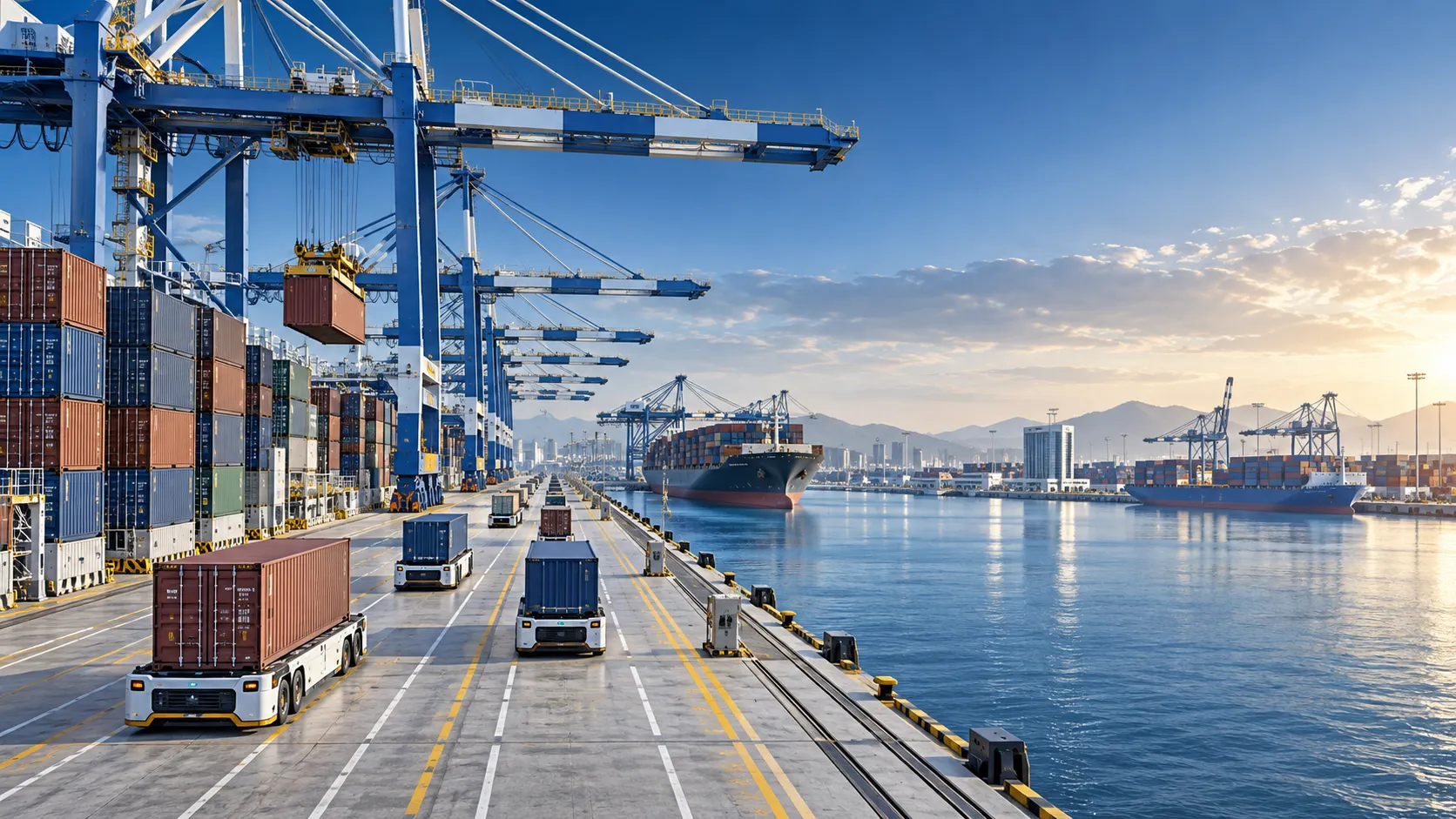
This guide provides a practical framework for selecting automated terminal systems for cargo terminals, with particular attention to high-throughput container operations. The same principles also help bulk, Ro-Ro, and mixed-cargo facilities assess where automation is technically viable and commercially justified.
Start with the terminal you need to run—not the technology you want to buy
Automation discussions often begin with a preferred asset: automated stacking cranes, autonomous guided vehicles (AGVs), remote-controlled quay cranes, or an AI-based optimization platform. That sequence can create expensive blind spots. Equipment is only one expression of the operating philosophy.
Before issuing specifications, define the target operating condition in measurable terms. Consider peak vessel exchange rather than annual throughput alone. Map the number of simultaneous vessel calls, anticipated container dwell time, gate transaction patterns, reefer demand, rail interfaces, dangerous-goods segregation, and the seasonal or weather-related disruptions that affect the site. A terminal with high annual volume but stable, evenly distributed calls may need a very different system from a terminal facing short, intense cargo peaks around mainline vessel arrivals.
The core question is not, “Can this terminal be automated?” It is, “Which workflows should be automated, to what degree, and under what exceptions?” Fully automated yards are not automatically the best answer. In some brownfield locations, a hybrid model—remote quay crane operations, assisted truck dispatch, automated gate processing, and selectively automated yard blocks—may produce a more manageable operational result.
Build a design basis around real operating scenarios
Ask the design team to test the proposed system against a small number of demanding scenarios:
- A peak exchange with multiple cranes working a large vessel at the berth.
- A yard surge caused by late vessel cut-offs or weather recovery.
- A temporary outage of a fleet-management server, wireless zone, or power segment.
- Mixed manual and automated traffic during a phased commissioning period.
- Exceptional cargo movements, including out-of-gauge units, damaged containers, reefers, and hazardous cargo.
If a supplier’s concept works only under clean, average conditions, it is not yet a terminal operating concept. Exception handling is where automation either protects throughput or becomes a bottleneck.
Choose the automation level by process, not by labels
Terms such as “semi-automated,” “remote,” and “fully automated” are used loosely across the port sector. Project teams should replace these labels with a process-by-process responsibility map. For every movement, identify what is automated, what requires human confirmation, who owns the decision, and what happens when the normal sequence fails.
At the quay, crane automation may include automated gantry travel, anti-sway control, ship-profile scanning, landing assistance, and remote supervision. In the yard, the choices may range from operator-assisted rubber-tired gantry cranes to automated rail-mounted gantry cranes, automated straddle carriers, automated shuttle carriers, or AGV systems. Gate automation can extend from OCR and appointment management to exception kiosks and automated damage inspection workflows.
These choices cannot be evaluated independently. An AGV fleet with sophisticated routing will underperform if the handoff zone at the quay is poorly designed. Automated stacking cranes may achieve remarkable consistency inside a block, yet overall terminal flow can still suffer if landside truck interfaces produce long exception queues. The right system is the one whose interfaces are as mature as its individual machines.
Throughput depends on the whole transport chain
High-throughput terminals are sometimes evaluated through crane moves per hour alone. That metric matters, but it does not reveal whether containers can move reliably from ship to stack, from stack to gate, and from stack to rail without building hidden congestion.
During selection, create an end-to-end capacity model that includes quay cranes, horizontal transport, transfer points, storage blocks, power charging or fueling, maintenance windows, gate lanes, and control-room interventions. The model should include realistic travel distances, speed restrictions, battery charging cycles where applicable, safety separations, and expected equipment availability—not only nominal machine performance.
Pay special attention to the relationship between quay-side productivity and yard buffering. A system designed with minimal buffer capacity may look efficient in a simplified layout, but it can become fragile when vessel sequences change or a crane is taken out of service. Conversely, excessive buffering can consume valuable land and add unnecessary rehandles. The best balance is site-specific and should be demonstrated through simulation, not assumed from a reference layout.
Questions to put to system suppliers
- What throughput is guaranteed at peak operations, and under which stated assumptions?
- How does the system prioritize import, export, transshipment, rail, and gate moves when demand conflicts?
- What is the recovery method after a vehicle, crane, or communication zone becomes unavailable?
- How many remote operators are required during normal operations and during disruption recovery?
- Which performance figures are based on simulation, factory testing, or live terminal operations?
Clear answers are more valuable than ambitious headline capacities. A supplier that states operating assumptions openly gives the project team a better foundation for risk allocation and acceptance testing.
Control architecture is the terminal’s real operating backbone
Automated equipment attracts attention, but the terminal operating system (TOS), equipment control system (ECS), fleet management layer, and industrial communications network determine whether the terminal behaves as a coordinated organism or a collection of isolated assets.
The TOS should remain the authoritative source for planning, inventory, vessel operations, and commercial interfaces. Equipment-level systems need enough local intelligence to execute commands safely and recover from short interruptions, while still respecting the terminal-wide plan. The precise split of responsibilities varies, but ambiguity between software layers is dangerous. It can lead to duplicate commands, inventory mismatches, unstable dispatching, and difficult root-cause analysis when performance drops.
When evaluating automated terminal systems for cargo terminals, request a full interface responsibility matrix. It should cover container identity, location updates, job creation, job cancellation, vehicle dispatch, crane interlocks, exception notifications, maintenance status, power management, and manual override authority.
Open integration standards deserve careful consideration, particularly for terminals expected to expand in stages or source equipment from multiple vendors. “Open” should not be accepted as a marketing term. Ask whether documented APIs, data models, testing environments, version-control procedures, and support responsibilities are actually available. A modular architecture is valuable only if future equipment can be integrated without reopening the entire control design.
Wireless reliability, positioning, and cybersecurity belong in the same conversation
Autonomous and remotely supervised equipment relies on continuous, low-latency communications. Coverage quality around steel container stacks, moving cranes, buildings, and waterfront structures must be assessed in the real radio environment. Network design should include redundancy, handover behavior, interference management, bandwidth prioritization, and a safe degraded mode when communication is lost.
Positioning technology also deserves a field-level review. GNSS may be effective in open areas, but its performance can be affected by obstructions and multipath effects. Terminals may combine GNSS with lidar, inertial systems, transponders, camera-based perception, or local positioning infrastructure. The decision should be based on required accuracy, weather exposure, maintenance demands, and the consequences of localization failure at each operating zone.
Cybersecurity cannot be left until commissioning. The attack surface expands as operational technology connects with enterprise systems, remote maintenance platforms, gate applications, and cloud-based analytics. Require network segmentation, identity and access management, patching procedures, logging, incident response roles, backup configurations, and supplier access controls from the outset. An automated terminal must be designed to fail safely and recover deliberately—not merely to operate efficiently when everything is normal.
Design the yard around maintainability and human intervention
Automation changes work; it does not remove the need for people. Operators may move from cabins to control rooms, technicians may require new diagnostic skills, and supervisors may need to manage exceptions across several systems at once. A selection decision that focuses only on equipment count can underestimate these operational realities.
Evaluate maintenance access early. Can technicians safely reach sensors, spreaders, batteries, charging stations, drive systems, and communication devices without disrupting active lanes? Are spare parts standardized across the fleet? Does the supplier provide condition monitoring that identifies likely failures before they affect operations, or simply produces alarms after a fault occurs?
Control-room ergonomics also affect performance. Remote crane stations, alarm management, camera views, work-rest arrangements, and escalation procedures should be tested with actual users. A cluttered interface can turn a minor exception into a queue of delayed moves. Well-designed human-machine interaction is not a soft issue; it is part of terminal capacity.
Brownfield and greenfield projects require different selection logic
A greenfield terminal can optimize road geometry, utility corridors, block layout, equipment charging, and communications from day one. It has the best opportunity to adopt a coherent automation concept, but it still needs disciplined validation of demand forecasts and ramp-up assumptions.
Brownfield projects face a different challenge: maintaining service while changing the terminal’s operating DNA. Existing pavement strength, rail alignments, drainage, cable routes, legacy TOS constraints, and live traffic patterns can limit the practical scope of automation. Phased deployment is often more sensible than a single cutover. However, each phase must function commercially on its own; a half-built future concept that obstructs present operations can become difficult to finance and operate.
For both project types, assess scalability beyond physical space. Can the control system add cranes, vehicles, blocks, and gate lanes without a major software redesign? Can power distribution support fleet electrification? Is the network sized for future sensor density and video traffic? Expansion readiness should be written into technical requirements, not left as an informal expectation.
Compare total lifecycle value, not initial capital cost
Capital expenditure is visible and immediate. Lifecycle costs are less visible but often determine whether an automation investment meets its business case. Include software licenses, upgrades, OEM support, spare parts, battery replacement or energy supply, network operations, training, cyber monitoring, simulator use, and expected modernization cycles in the financial model.
Procurement teams should also examine vendor dependency. A highly integrated solution may simplify accountability during delivery, yet it can create long-term dependence on one supplier for modifications and support. A multi-vendor approach can improve flexibility, but it requires stronger interface governance from the owner. Neither model is universally superior; the appropriate choice depends on the terminal operator’s internal engineering capability and appetite for systems integration responsibility.
Commercial evaluation should therefore include the quality of documentation, source-code escrow arrangements where relevant, data ownership, change-request mechanisms, performance test definitions, warranty boundaries, and response times for critical faults. These items can feel secondary during tendering, but they shape the terminal’s practical freedom for decades.
A disciplined path from shortlist to decision
Strong automation projects usually follow a staged decision process. Begin with operational baseline data and a future-state concept. Use simulation to challenge layout and fleet assumptions. Then prepare performance-based requirements rather than prescribing every technical detail too early. Invite suppliers to show how their systems manage exceptions, integration, and recovery—not only normal container moves.
During evaluation, score proposals across operational resilience, interface maturity, safety concept, lifecycle support, scalability, implementation risk, and commercial clarity. Site visits can be useful, but they should focus on comparable conditions: cargo mix, climate, yard geometry, labor model, and operating volume all influence whether a reference terminal is genuinely relevant.
Finally, protect the transition. Factory acceptance tests, site acceptance tests, integrated operational tests, and ramp-up milestones should reflect the actual terminal operating model. Acceptance criteria need to cover availability, recovery behavior, inventory accuracy, safety functions, and sustained peak operations—not simply the movement of containers in a controlled demonstration.
For project leaders, selecting automated terminal systems is ultimately an exercise in designing confidence. The most suitable solution is rarely the one with the longest feature list. It is the system that fits the terminal’s cargo flows, allows people and machines to manage disruption intelligently, integrates cleanly with the digital backbone, and can evolve as trade patterns and equipment technologies change. In a sector where every quay-side decision has consequences across the supply chain, that fit is what turns automation from a capital project into a durable operating advantage.
Related News
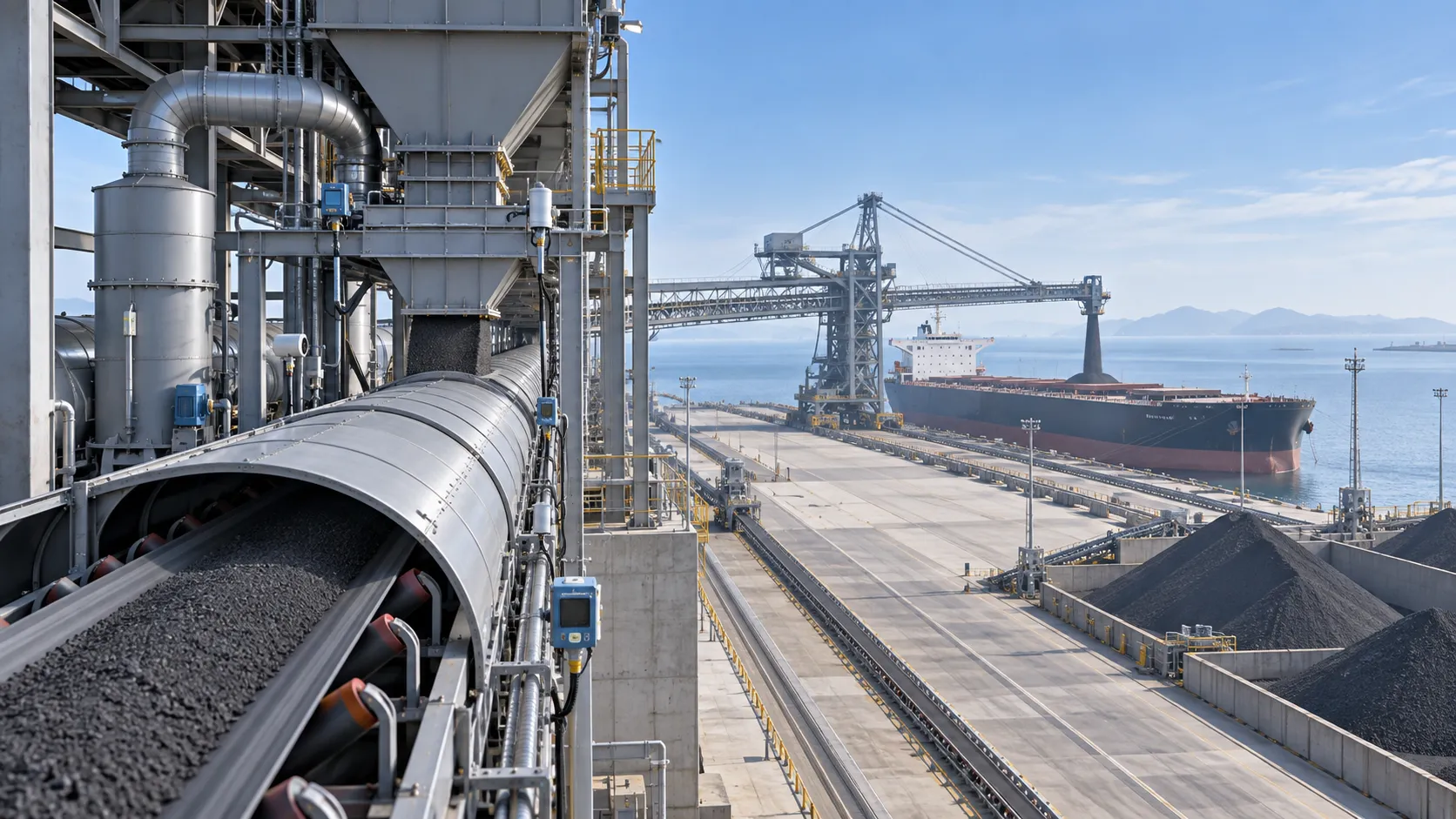
How Automated Bulk Cargo Handling Reduces Dust, Spillage, and Port Downtime
Automated cargo handling for bulk cargo cuts dust, spillage, and port downtime through stable flow control, smart sensing, and coordinated recovery.
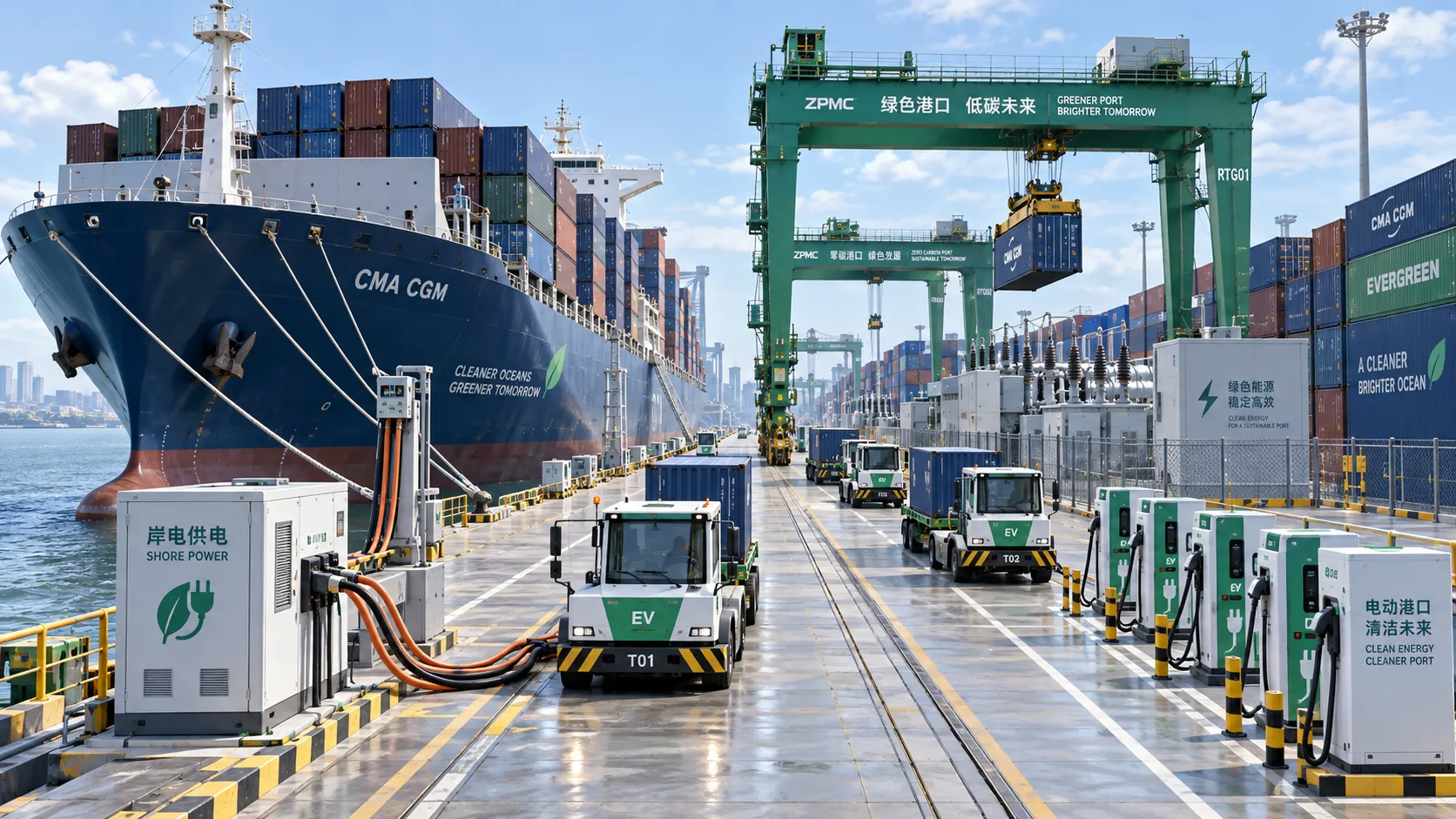
Port Emissions Reduction Services: Building a Shore Power and Equipment Retrofit Plan
Port emissions reduction services help terminals build practical shore power and equipment retrofit plans that cut emissions, protect throughput, and scale with confidence.
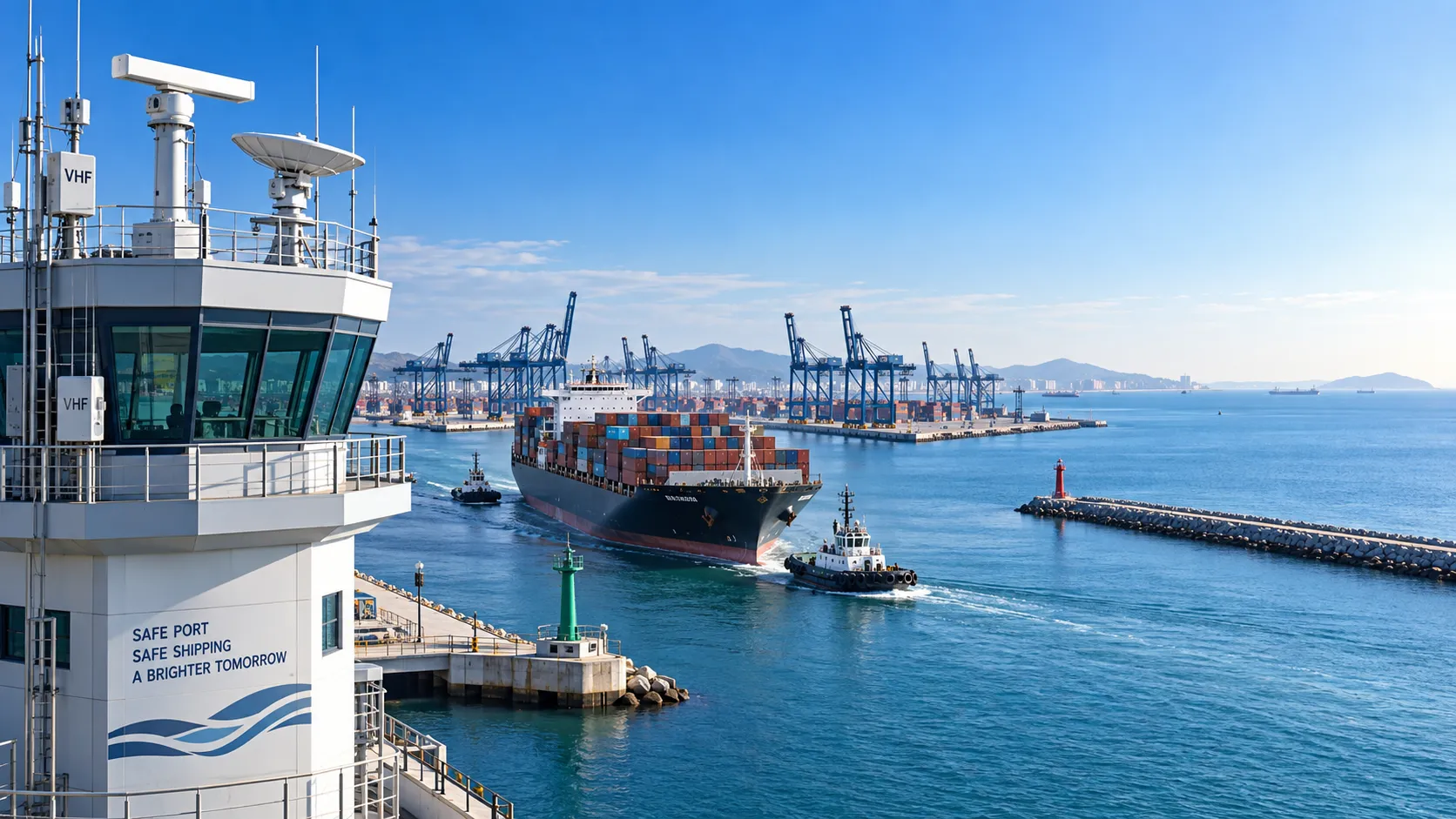
Selecting Port Control Systems for Vessel Traffic: Coverage and Fail-Safe Design
Port control systems for vessel traffic: learn how to assess coverage, redundancy, fail-safe recovery, cybersecurity, and operator workflows for safer port operations.
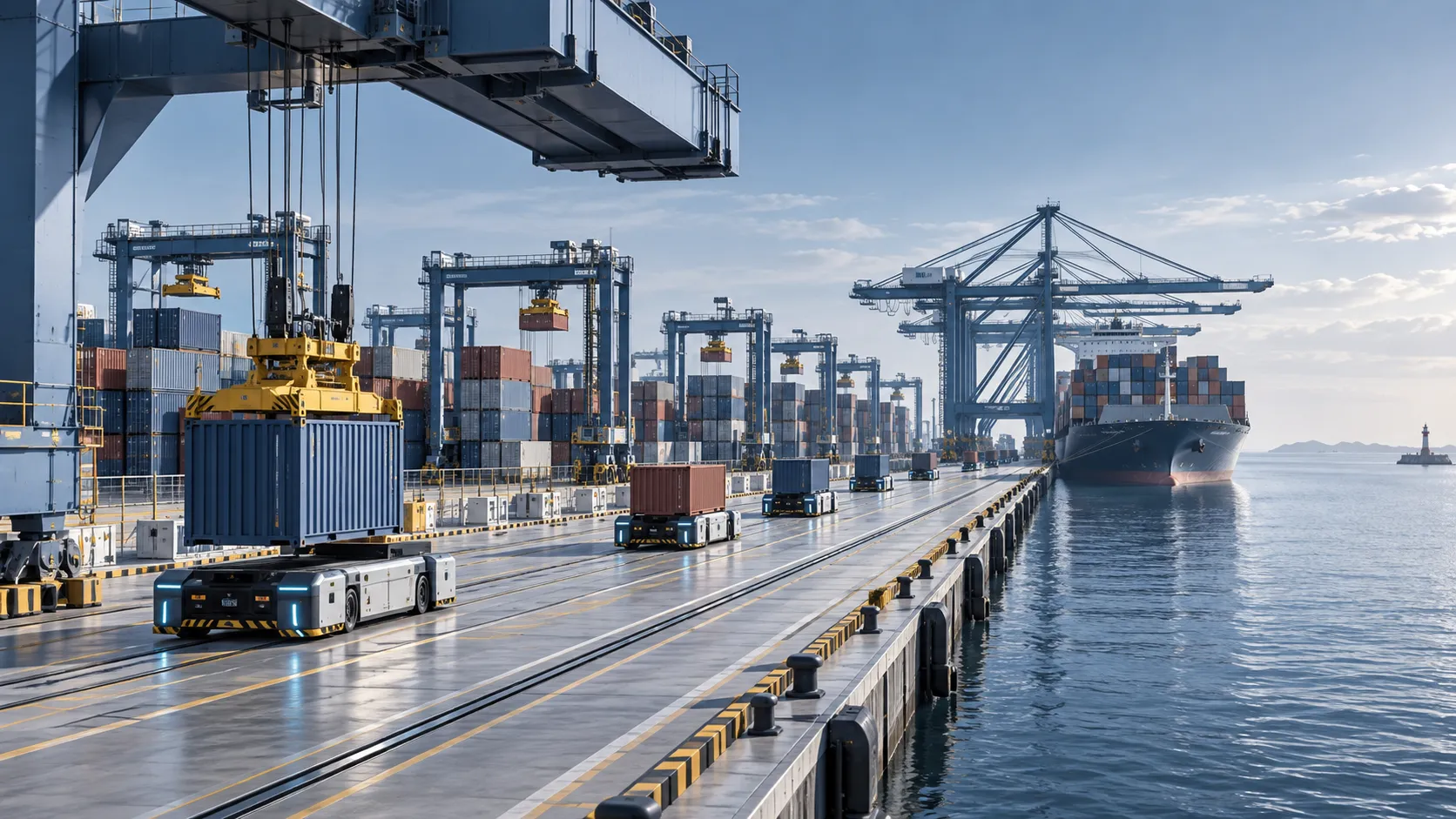
Selecting Automated Cargo Handling Systems for Terminal Throughput and Yard Limits
Automated cargo handling systems for maritime terminals: learn how to balance berth throughput, yard limits, automation software, and lifecycle costs for smarter terminal decisions.
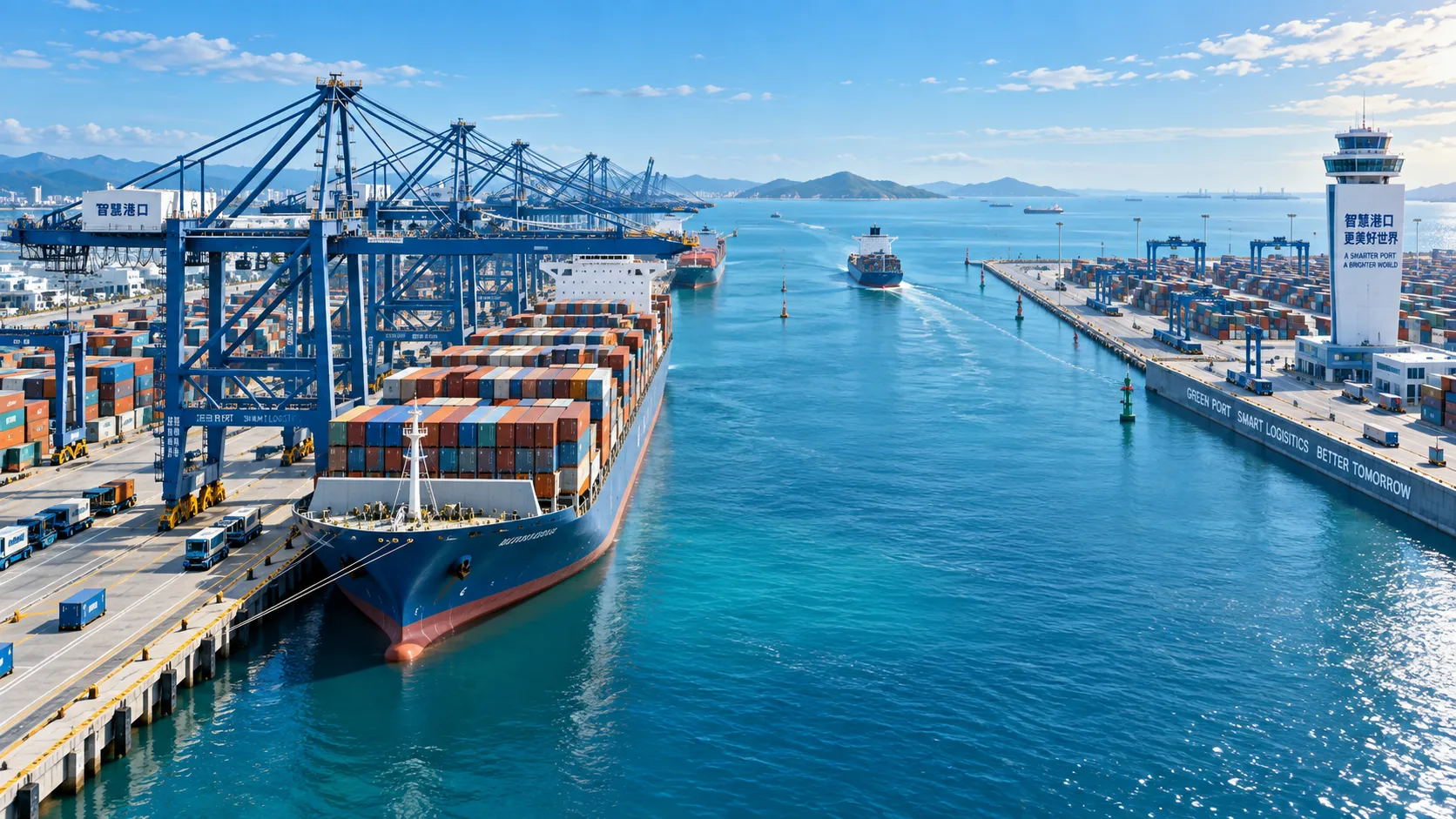
Smart Port Solutions for Berth Planning: Reducing Vessel Wait Times and Conflicts
Smart port solutions for berth planning reduce vessel wait times, prevent conflicts, and optimize quay, crane, and yard resources for faster turnarounds.
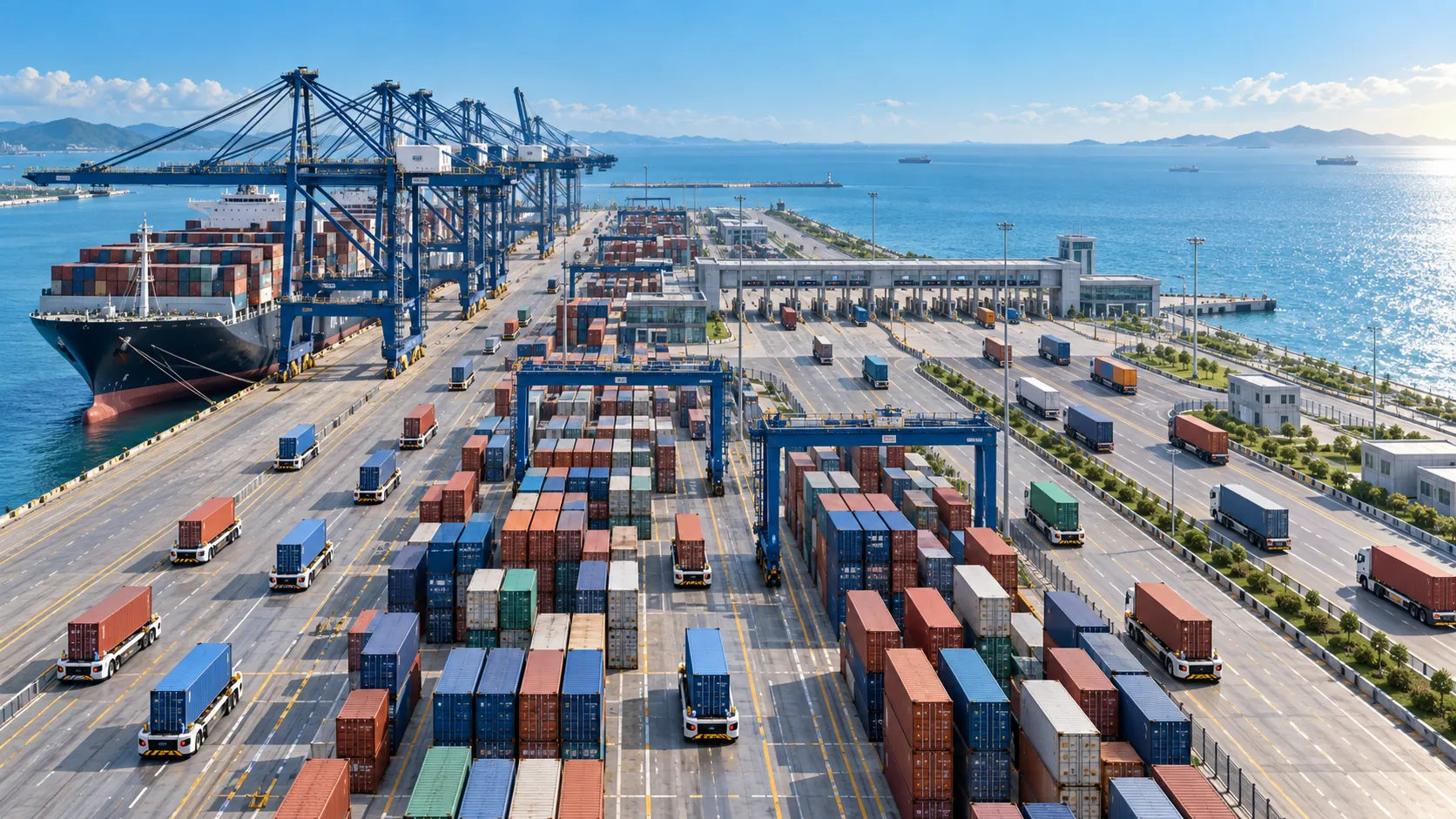
How AI Scheduling Improves Berth, Yard, and Gate Coordination at Terminals
Terminal automation systems with AI scheduling align berth, yard, and gate operations to reduce congestion, improve throughput, and strengthen terminal resilience.
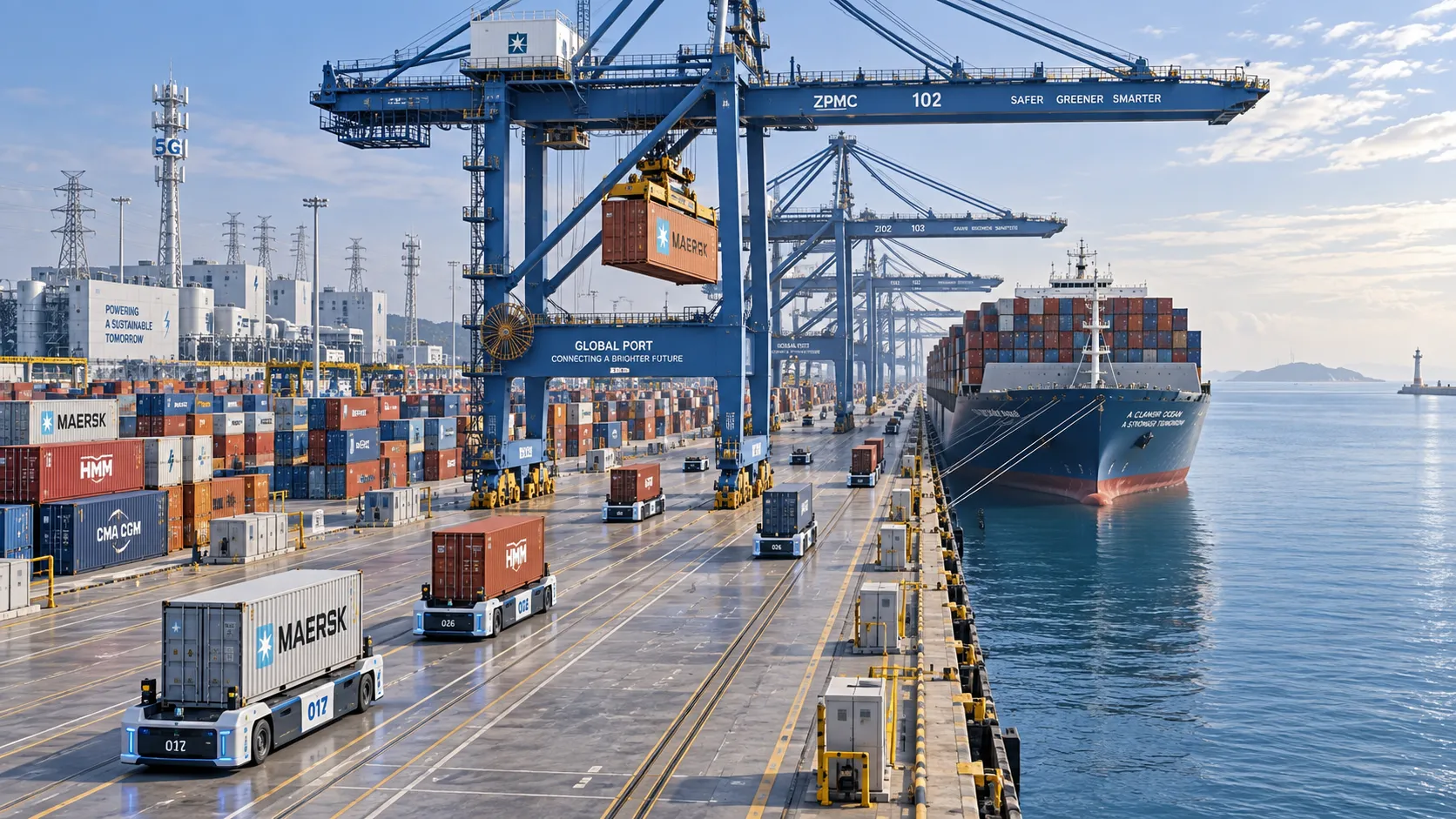
How to Evaluate a Port Logistics Solutions Supplier for Terminal Uptime and Scalability
Choose a port logistics solutions supplier with confidence. Learn how to assess uptime, scalability, service strength, integration, and lifecycle risk for resilient terminal growth.
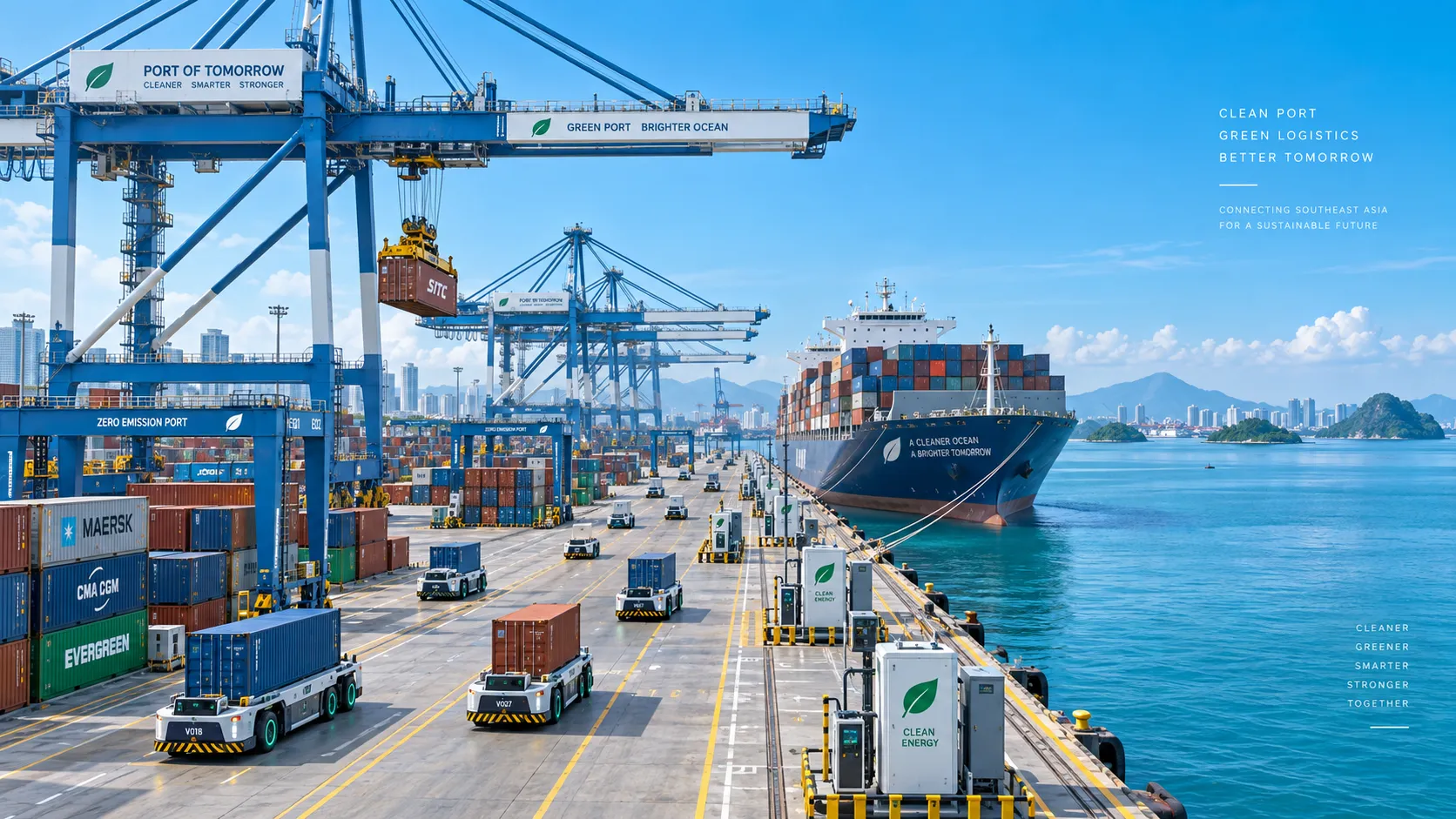
Smart Port Systems in Southeast Asia: Investment Priorities and Adoption Barriers
Smart port systems Southeast Asia: discover investment priorities, adoption barriers, and practical steps to build resilient, connected, high-performing terminals.
How to Evaluate Terminal Efficiency Solution Suppliers for High-Throughput Operations
Choose a terminal efficiency solutions supplier with confidence. Explore proven criteria for throughput, integration, lifecycle cost, safety, and reliable delivery.