Related News
- 00
0000-00
How Automated Bulk Cargo Handling Reduces Dust, Spillage, and Port Downtime - 00
0000-00
Selecting Port Control Systems for Vessel Traffic: Coverage and Fail-Safe Design - 00
0000-00
Selecting Automated Cargo Handling Systems for Terminal Throughput and Yard Limits - 00
0000-00
Smart Port Solutions for Berth Planning: Reducing Vessel Wait Times and Conflicts - 00
0000-00
How AI Scheduling Improves Berth, Yard, and Gate Coordination at Terminals
How Automated Bulk Cargo Handling Reduces Dust, Spillage, and Port Downtime
A bulk terminal can appear productive while quietly accumulating operational risk. Material may be moving at the planned rate, yet a transfer point releases a visible dust plume, a chute overfills during a change in cargo moisture, or a small belt misalignment drops product into a walkway. Each event creates work outside the normal flow: cleanup, inspections, equipment resets, environmental response, and sometimes a pause in vessel loading or unloading.
Automated cargo handling for bulk cargo reduces dust, spillage, and port downtime when it controls the material stream as one connected process rather than as separate machines. Enclosed transfer equipment matters, but it is only part of the answer. The larger gain comes from linking feeders, conveyors, chutes, ship loaders or unloaders, dust collection, condition sensors, and operating logic so that the system can detect an unstable condition early and respond before material escapes or equipment is damaged.
Why these three problems usually occur together
Dust, spillage, and downtime are often treated as separate maintenance or environmental issues. At a working terminal, they are normally connected. A poorly controlled transfer creates airborne fines and falling material. Spillage then builds around idlers, belt edges, and access areas. That buildup can interfere with sensors, cause belt tracking problems, increase friction, or require personnel to enter the area for cleaning. The resulting intervention interrupts material flow and introduces further safety exposure.
The same pattern can begin upstream. A reclaim feeder that surges, a conveyor operating at a mismatched speed, or a loading chute positioned incorrectly can destabilize the entire route. Manual intervention may correct the immediate symptom, but it rarely removes the process condition that produced it. Automation is most valuable when it prevents those conditions from becoming recurring events.
For an upgrade team, the practical question is not simply whether to automate a conveyor. It is whether the handling route can maintain a controlled mass flow from the stockpile or receiving hopper to the vessel, railcar, truck, or storage destination under changing cargo characteristics.
Start with the transfer points, not the control room
The most sophisticated control platform cannot compensate for a transfer point that is fundamentally unsuitable for the material. Before selecting sensors or software functions, inspect where the cargo changes direction, speed, elevation, or containment. These are the locations where fine material becomes airborne and where off-center loading begins to damage belts or fill areas outside the intended path.
A useful review normally covers receiving hoppers, feeders, conveyor loading zones, belt-to-belt transfers, tower chutes, sampling points, and the final loading or unloading interface. During this review, distinguish between routine fugitive dust and dust caused by a process upset. Routine dust may point to inadequate sealing, enclosure gaps, or ineffective extraction. Intermittent dust events often indicate surging, plugging, excessive drop height, or sequencing errors.
Questions that reveal the real source
- Does the cargo arrive at each belt centered and at a speed close to the receiving belt speed?
- Are chute walls, impact beds, skirt seals, and liners able to contain the expected cargo range?
- Does material accumulate only during high-rate operation, only with wet cargo, or only during start-up and shutdown?
- Are dust collectors activated before material flow begins and allowed to continue long enough after flow stops?
- Can an operator see a developing blockage before it becomes a full chute plug?
- Is cleanup concentrated at one transfer, suggesting that the site is treating a design or control issue as a housekeeping issue?
This review prevents a common mistake: installing a dust suppression or extraction device where the real cause is uncontrolled material trajectory. Water-based suppression may be unsuitable for some cargos and downstream processes, while more extraction capacity will not reliably contain dust if the transfer remains open or unstable. The first priority is predictable material behavior inside the transfer.
Controlling flow rate prevents unstable loading conditions
Bulk materials do not behave consistently just because they share the same nominal description. Particle size distribution, moisture, bulk density, temperature, degradation, and flowability can change how a cargo discharges from a hopper or passes through a chute. A fixed-speed operating method may work for one shipment and produce surges or plugging on the next.
Automated feeders and variable-speed drives allow the system to regulate the rate at which material enters the conveying line. Instead of relying on a fixed setting and operator observation, the control logic can use belt scale feedback, motor load, hopper level, downstream availability, and chute-level signals to maintain a stable rate. The purpose is not to operate every component at maximum speed. It is to keep flow within the range that the downstream equipment can contain and transport without overload.
A properly designed sequence also coordinates starts and stops. Downstream conveyors, dust extraction, and receiving equipment should be proven ready before upstream feed begins. When a downstream fault occurs, the feed must reduce or stop quickly enough to avoid filling a chute beyond its safe capacity. Controlled rundown logic is equally important at shutdown; stopping every conveyor simultaneously can leave material stranded in transfer points and create difficult restart conditions.
Rate control should include deliberate operating limits. A terminal may need a reduced-rate mode for wet cargo, an inspection mode after a sensor alarm, or a ramp-up profile following a stoppage. These modes are more useful than asking an operator to make repeated manual speed changes while monitoring several screens and field conditions at once.
Designing dust control around containment and timing
Dust reduction begins by limiting the energy released when cargo falls or changes direction. Long drops, abrupt turns, and cargo striking exposed surfaces create turbulence that carries fine particles beyond skirts and openings. Transfer chutes should guide material in a controlled stream, reduce unnecessary impact, and discharge it near the centerline of the receiving belt. Where appropriate, cascade arrangements, lined chutes, and engineered hood-and-spoon geometry can reduce free fall and improve direction control.
Enclosures and skirt systems then contain the remaining air and dust. Their performance depends on details that are easy to overlook during an upgrade: access door sealing, flexible connections, inspection opening design, skirt pressure against the belt, and the condition of wear liners. A sealed transfer can lose its value when a damaged inspection cover or poorly fitted service opening becomes the easiest path for pressurized dusty air to escape.
Extraction should be controlled as part of the operating sequence. Starting a collector after material begins moving allows dust to escape during the first seconds of transfer. Running it continuously at full capacity may waste energy and complicate maintenance planning. Better control logic starts extraction before cargo reaches the zone, confirms airflow or fan status where instrumentation is available, and maintains a post-run period after flow stops.
Dust monitoring can help identify deterioration, but it should not be viewed only as a compliance alarm. A rising dust signal near a specific transfer may reveal a worn seal, a blocked filter, an open access panel, an altered cargo trajectory, or a process rate above the transfer’s stable range. Connecting those signals to operating data gives maintenance teams a clearer starting point than responding only to visible emissions.
Spillage prevention depends on early detection
Spillage is rarely caused by one major failure. More often, it develops from a sequence of smaller changes: an off-center feed gradually shifts a belt, a damaged roller increases resistance, loose material affects a tracking device, and the belt edge begins to contact the structure. By the time material is visibly falling, the system may already be operating under stress.
Automation supports earlier intervention through condition monitoring and interlocks. Belt drift switches, speed sensors, zero-speed detection, blocked-chute level sensors, motor current monitoring, bearing temperature sensing, and vibration monitoring each provide a different view of process health. None should be selected merely because it is available. The best set depends on the failure modes that can reasonably occur at that location.
Alarm design matters as much as sensor installation. A control room flooded with low-priority messages encourages alarm acknowledgement without action. Each alarm should identify the affected asset, the severity of the condition, the process consequence, and the expected response. A blocked-chute alarm, for example, should be tied to a defined upstream stop sequence, not left as a vague notification requiring an operator to interpret several related signals under time pressure.
Downtime falls when recovery is built into the operating logic
Unplanned downtime is not only the duration of the mechanical fault. It includes diagnosis, isolation, cleanup, restarting, and recovering the flow sequence without creating a second incident. Automation reduces this wider downtime when it records what happened before the trip and supports a disciplined restart path.
Event histories should show equipment status, commanded speed, actual speed, motor load, key level switches, and interlock states around the time of an interruption. This information helps distinguish a primary fault from its downstream consequences. Without it, teams may repeatedly replace a component or clear a blockage while missing the unstable feed condition that started the event.
Restart logic should prevent a rushed return to service. After a trip caused by a chute level alarm, the system may need confirmation that the blockage has been removed, affected conveyors are clear, dust extraction is available, and the downstream route is ready. It can then restart from the discharge end toward the feed source, with controlled ramping rather than immediate maximum-rate operation. This approach is slower than an uncontrolled restart only in appearance; it avoids repeat stoppages and further cleanup.
Remote visibility can also shorten the time spent locating a problem, especially across long conveyor corridors or elevated transfer towers. Cameras, local status indicators, and centralized condition data help operators direct field personnel to the right location. They do not remove the need for physical inspection where required, but they reduce unnecessary searching and allow the process to be made safe before access begins.
Choosing the right automation scope for a port upgrade
Not every terminal needs a complete replacement of existing equipment. A targeted project may begin with the transfer points responsible for most cleanup, dust release, or nuisance trips. In some facilities, the best first step is adding reliable chute-level detection and upstream interlocks. In others, variable-speed feeder control, enclosed loading zones, and improved dust collector sequencing will produce a more meaningful change.
The decision should be based on process evidence rather than on a generic automation package. Gather operating records, cleanup frequency, recurring trip causes, cargo types, existing equipment constraints, maintenance access needs, and throughput requirements. Then identify where a change in one component requires changes elsewhere. Adding a faster feeder without confirming downstream chute capacity can worsen the original issue. Installing new sensors without clear alarm ownership can create data without better control.
Equipment interfaces deserve close attention during design. Existing drives may have limited speed-control capability. Older conveyors may require upgraded guards, pull-wire coverage, belt tracking protection, or communication interfaces before they can participate safely in coordinated logic. The control philosophy should define normal operation, degraded operation, planned shutdown, emergency stop behavior, maintenance isolation, and restart authorization before programming begins.
Keep automation effective after commissioning
Automation does not eliminate mechanical maintenance; it makes neglected mechanical conditions more visible. Belt cleaners, skirting, seals, liners, idlers, and chute interiors still wear. Sensors can become obstructed, misaligned, or poorly calibrated. A system that initially performs well can gradually return to high-dust or high-spillage behavior if inspection tasks do not focus on the components that sustain containment.
Routine reviews should compare alarm history with field findings. Repeated drift warnings at the same conveyor, recurring high motor load after a particular cargo change, or dust collector faults during high-rate loading are patterns that deserve engineering attention. The goal is not simply to reset alarms faster. It is to revise operating limits, maintenance intervals, transfer geometry, or control response where the pattern indicates a persistent weakness.
When planned as a connected material-handling system, automated cargo handling for bulk cargo turns dust and spillage control into an operational reliability measure. Stable feed, enclosed and well-directed transfer, meaningful sensing, coordinated interlocks, and controlled recovery reduce the interruptions that consume terminal capacity. The result is a handling route that is easier to operate predictably, easier to maintain safely, and less likely to convert a minor process deviation into a port-wide delay.
Related News
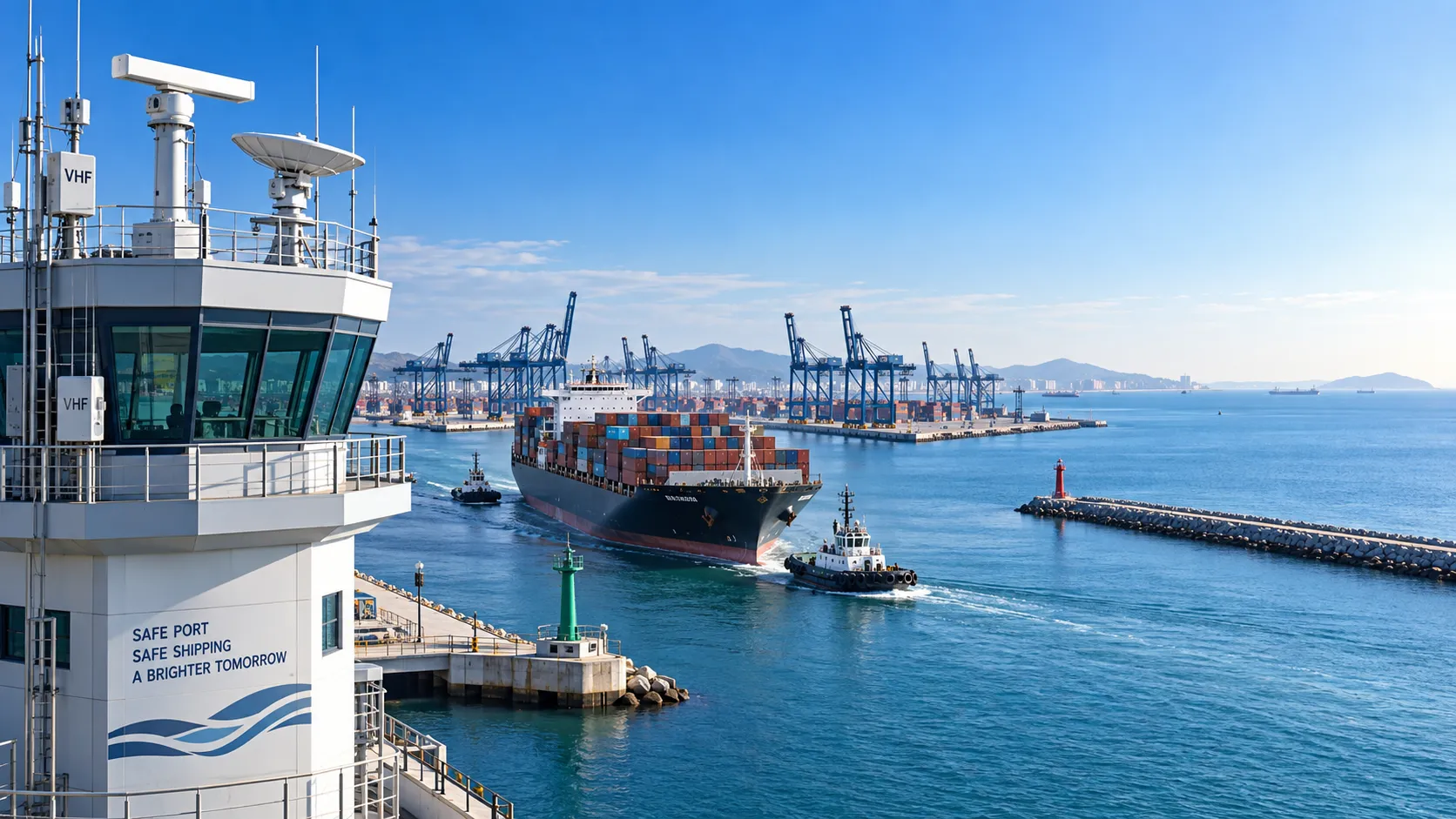
Selecting Port Control Systems for Vessel Traffic: Coverage and Fail-Safe Design
Port control systems for vessel traffic: learn how to assess coverage, redundancy, fail-safe recovery, cybersecurity, and operator workflows for safer port operations.
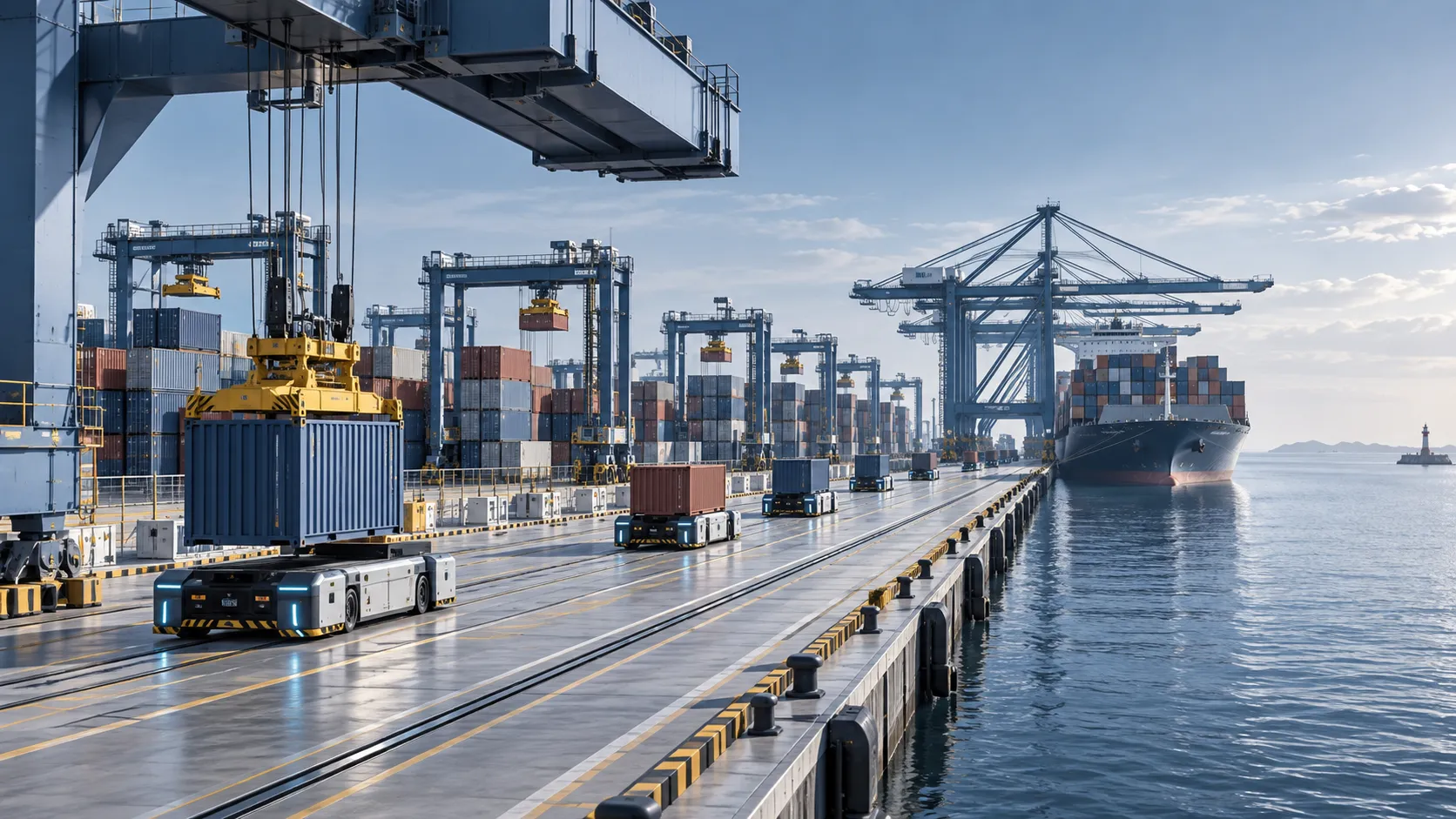
Selecting Automated Cargo Handling Systems for Terminal Throughput and Yard Limits
Automated cargo handling systems for maritime terminals: learn how to balance berth throughput, yard limits, automation software, and lifecycle costs for smarter terminal decisions.
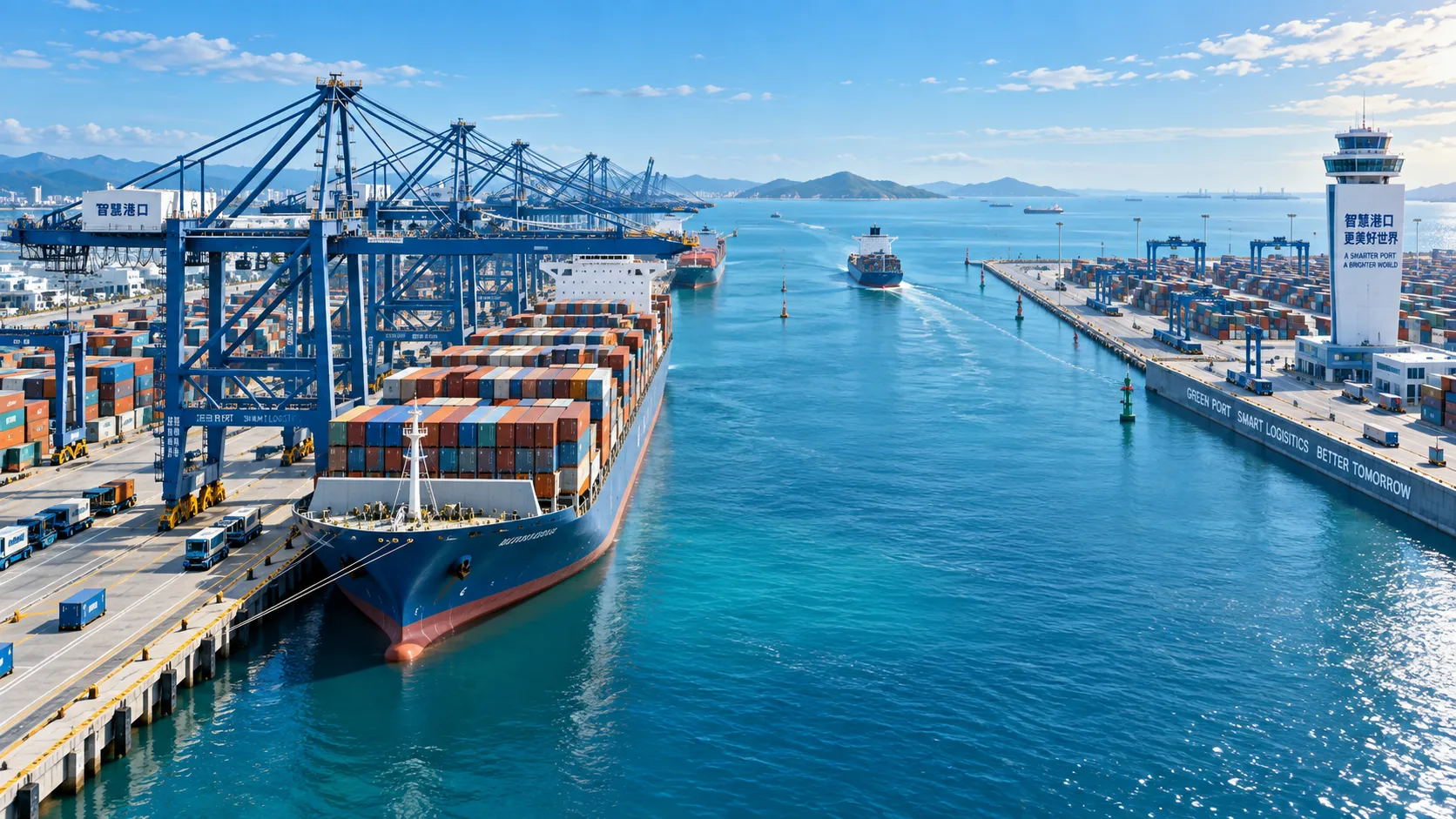
Smart Port Solutions for Berth Planning: Reducing Vessel Wait Times and Conflicts
Smart port solutions for berth planning reduce vessel wait times, prevent conflicts, and optimize quay, crane, and yard resources for faster turnarounds.
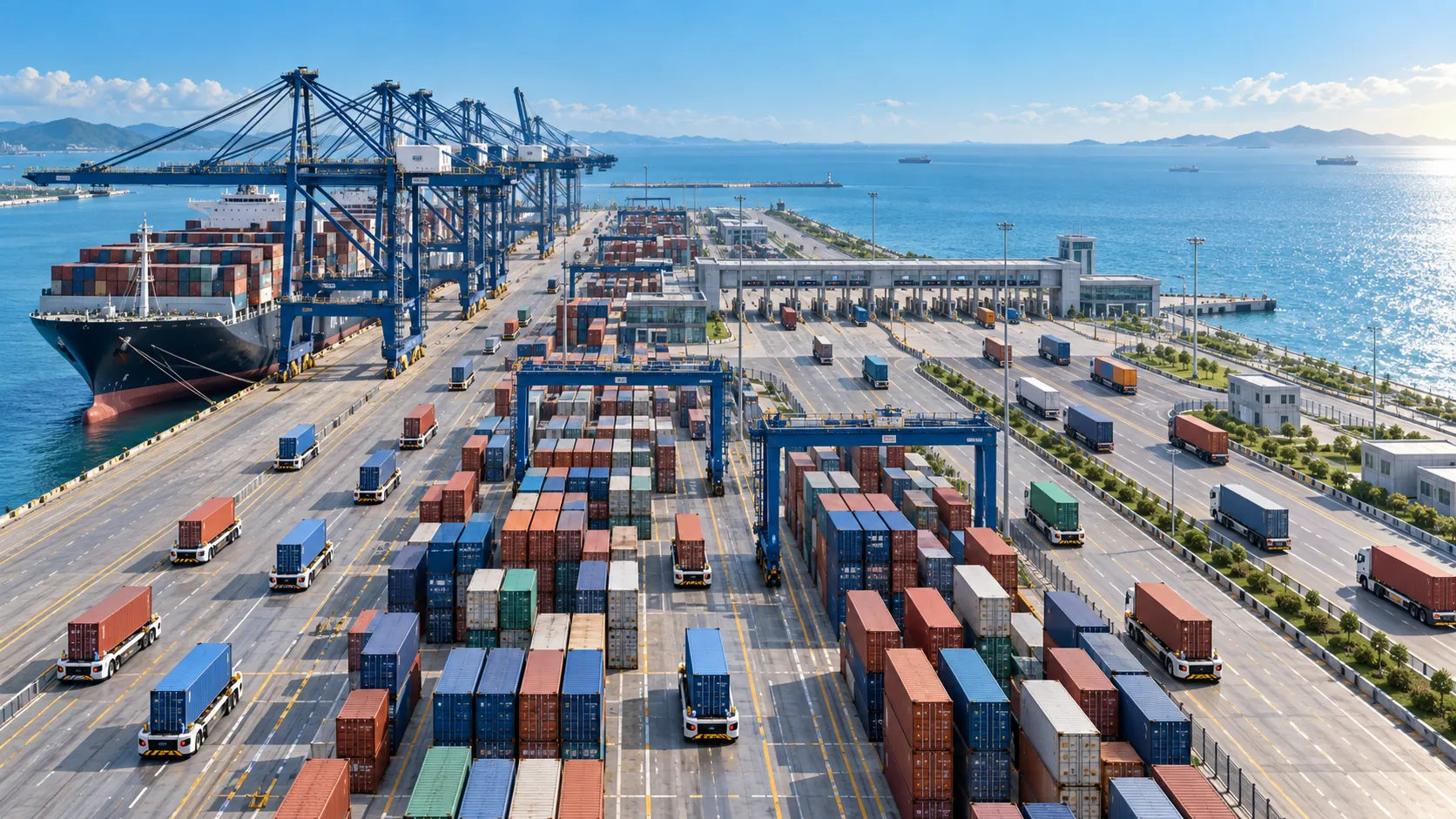
How AI Scheduling Improves Berth, Yard, and Gate Coordination at Terminals
Terminal automation systems with AI scheduling align berth, yard, and gate operations to reduce congestion, improve throughput, and strengthen terminal resilience.
How to Evaluate a Port Logistics Solutions Supplier for Terminal Uptime and Scalability
Choose a port logistics solutions supplier with confidence. Learn how to assess uptime, scalability, service strength, integration, and lifecycle risk for resilient terminal growth.
Smart Port Systems in Southeast Asia: Investment Priorities and Adoption Barriers
Smart port systems Southeast Asia: discover investment priorities, adoption barriers, and practical steps to build resilient, connected, high-performing terminals.
How to Evaluate Terminal Efficiency Solution Suppliers for High-Throughput Operations
Choose a terminal efficiency solutions supplier with confidence. Explore proven criteria for throughput, integration, lifecycle cost, safety, and reliable delivery.
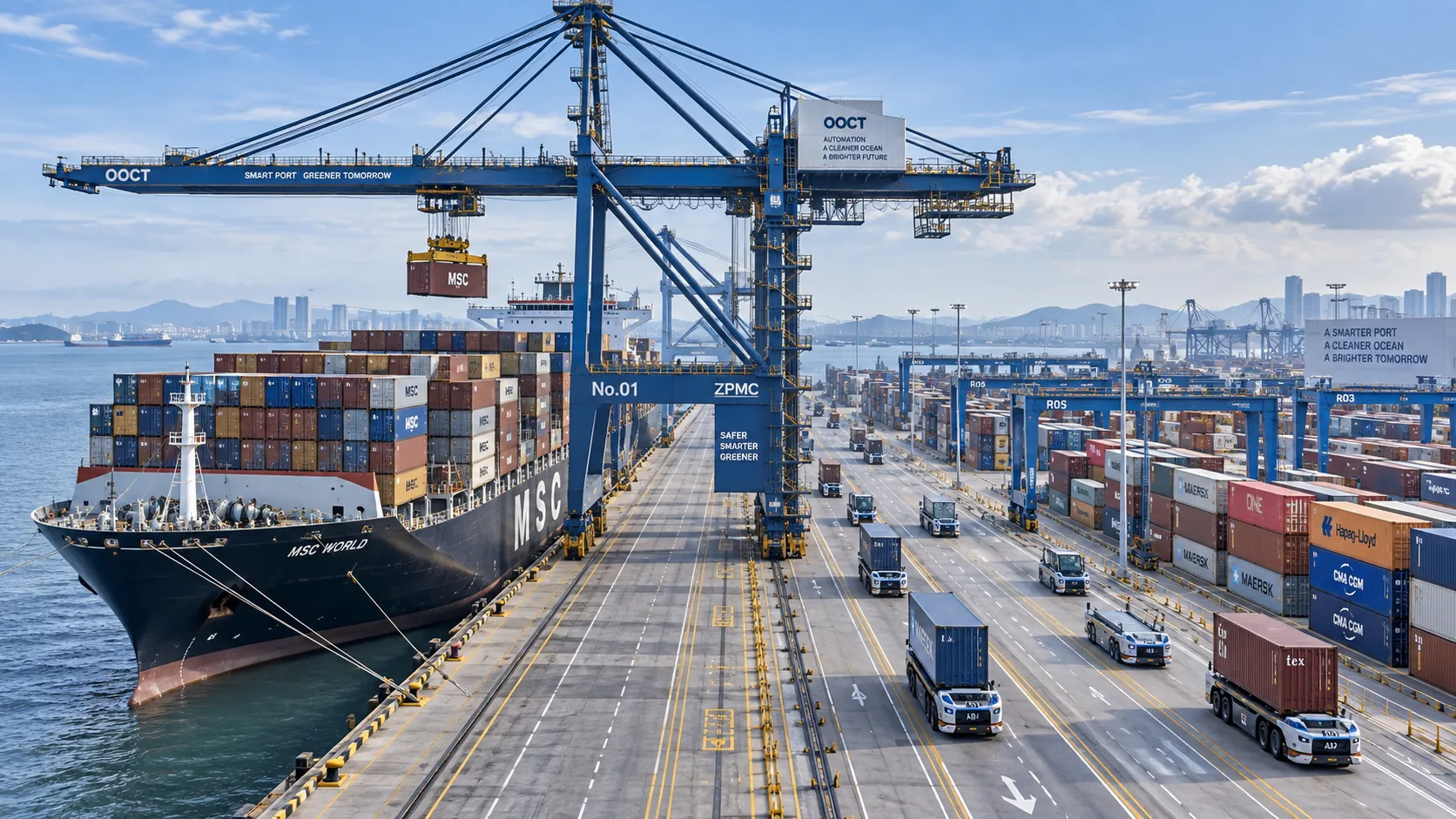
How to Specify a Quay Crane for Container Terminals by Vessel Size and Throughput?
Quay crane for container terminals: learn how to match outreach, lift height, capacity, automation, and cycle performance to vessel size and throughput goals.
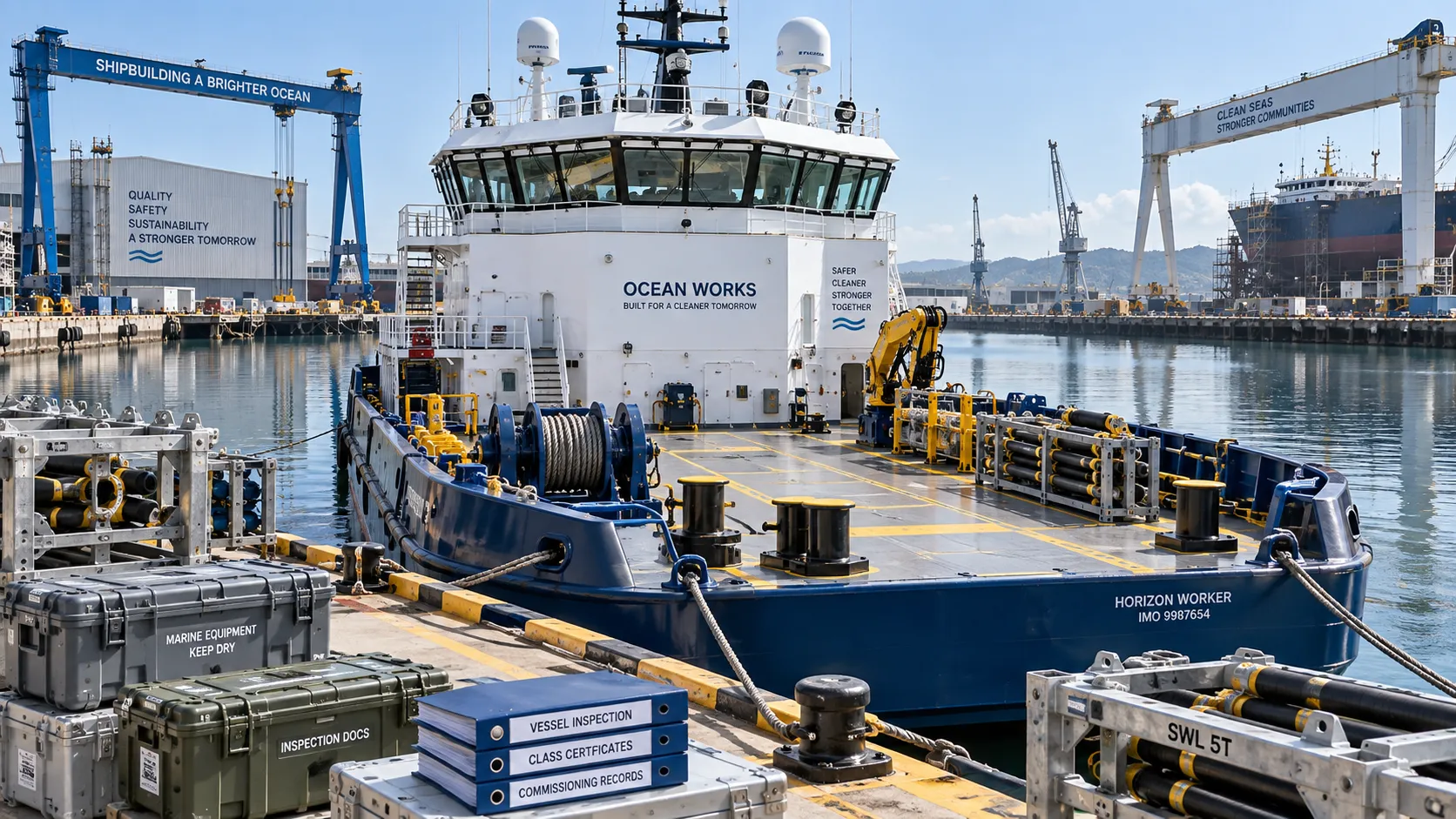
Work Vessel Procurement Risks: Verifying Build Scope and Delivery Terms
Work vessel procurement risks explained: verify build scope, testing, documentation, delivery terms, and acceptance criteria to protect cost, schedule, and operational readiness.