Related News
- 00
0000-00
Smart Port Solutions for Berth Planning: Reducing Vessel Wait Times and Conflicts - 00
0000-00
How AI Scheduling Improves Berth, Yard, and Gate Coordination at Terminals - 00
0000-00
How to Specify a Quay Crane for Container Terminals by Vessel Size and Throughput? - 00
0000-00
How Should Dredging Equipment Performance Be Verified Before Acceptance? - 00
0000-00
Which Bulk Handling Equipment Suits High-Moisture Cargo?
How AI Scheduling Improves Berth, Yard, and Gate Coordination at Terminals
Terminal performance is rarely constrained by one crane, one gate lane, or one software screen. The real constraint is the handoff between them. A vessel may arrive within its window, yet lose productive hours because import stacks are too dense, landside appointments peak at the wrong time, or horizontal transport is committed to a different work block. In conventional operations, teams can often recover from one disruption. Recovering from several connected disruptions at once is much harder.
That is where terminal automation systems with AI scheduling become practical rather than fashionable. Their value is not simply that they automate decisions. They create a shared operational view of berth plans, yard conditions, equipment availability, gate demand, and exceptions as conditions change. For project managers responsible for modernization programs, this coordination layer is often the difference between installing automated equipment and operating an automated terminal.
The key is to treat AI scheduling as a terminal-wide control problem. Berth, yard, and gate functions have different operating rhythms, different data sources, and different local priorities. They still compete for the same physical capacity: quay cranes, transfer vehicles, stack space, reefer plugs, labor coverage, road access, and time. A useful scheduling system makes those trade-offs visible before they become congestion on the ground.
Why Separate Plans Create Terminal Friction
A berth plan may look sound when it is assessed only against vessel arrival estimates, crane intensity targets, and tidal or navigational restrictions. But the plan becomes fragile if the expected discharge volume cannot be absorbed by the designated yard blocks, or if outbound gate demand will occupy the same blocks while a vessel exchange is underway. The berth planner sees crane moves; the yard planner sees inventory pressure; the gate team sees truck turn time. The terminal sees the consequence only after those decisions collide.
This is especially evident during schedule recovery. A delayed vessel may tempt the operator to resequence berths or add crane resources. That response can be reasonable, but it may produce a surge of boxes into a yard already preparing export loads for another vessel. If automated stacking cranes, rubber-tyred gantry cranes, AGVs, terminal tractors, or manned trucks must then perform excessive reshuffles, the apparent berth recovery can simply move delay inland.
Gate operations create another familiar tension. Truck appointments are often designed around customer convenience and predicted container availability. Yet gates are not independent from vessel operations. Import containers released too slowly create customer complaints and storage pressure; released too aggressively into a constrained pickup window can flood a few blocks, create road queues, and interrupt yard equipment that is supposed to support quay-side work.
Experienced terminal teams understand these dependencies instinctively. The difficulty is maintaining that judgment across thousands of container moves, rolling vessel ETA changes, equipment alarms, customs holds, weather restrictions, and uneven truck arrivals. Static planning tools are useful for setting an initial plan, but they do not continuously test whether the plan remains feasible as the operating day changes.
What AI Scheduling Actually Changes
AI scheduling should not be understood as a black box that replaces planners. In a well-designed architecture, it combines optimization, predictive models, rules, and live operational data to recommend or execute feasible actions. Its strength is the ability to evaluate many connected constraints faster than a person can reasonably do during a disruption.
For berth coordination, the system can continually compare expected arrival and departure conditions against berth availability, vessel service requirements, crane reach, maintenance constraints, tidal limits where applicable, and the downstream capacity needed to receive or deliver cargo. Rather than treating a berth window as fixed, it can identify when a small adjustment in sequence, crane allocation, or work start time would protect the broader operation.
In the yard, the scheduling engine works with a more detailed set of constraints: block occupancy, container category, import and export status, dwell-time risk, dangerous-goods separation requirements, reefer capacity, rail interfaces, inspection holds, stack height limits, and the travel paths of handling equipment. The best decision is not always the nearest available slot. A slot that reduces immediate travel may create costly reshuffles later or occupy capacity needed for a high-priority vessel exchange.
At the gate, AI-assisted appointment and dispatch logic can spread demand across time windows based on live yard readiness rather than historic averages alone. That does not mean every truck receives an ideal appointment. It means the terminal has a better basis for deciding when to protect vessel-critical work, when to open additional pickup capacity, and when a temporary restriction is more honest than allowing queues to build outside the gate.
The most useful systems also explain the reason behind a recommendation. If a gate window is constrained because a block is handling a concentrated discharge sequence, supervisors need to see that relationship. Trust is lost quickly when a planning engine issues instructions without operational context.
The Coordination Loop: Berth Drives Volume, Yard Absorbs It, Gate Releases It
A terminal is not a linear chain, but the operating logic is easy to describe: the berth creates a volume and timing profile; the yard buffers and organizes that flow; the gate releases, receives, and redistributes it. AI scheduling improves results when it works across this loop rather than optimizing each segment in isolation.
Consider a vessel call with a late-arriving import-heavy service. The initial reaction may be to maximize crane deployment and discharge quickly. An integrated scheduler asks harder questions. Which blocks have usable capacity once segregation rules and planned export allocations are honored? Are the required yard cranes or automated stacking cranes available in those blocks? Will transfer vehicle routes conflict with another vessel’s loading sequence? Are enough import boxes actually ready for gate release after clearance and documentation checks? Is the planned appointment profile compatible with the likely discharge curve?
Sometimes the answer supports maximum discharge intensity. Sometimes it suggests staging the discharge differently, reserving certain blocks, moving a gate demand peak, or delaying a non-critical housekeeping move. These are operational trade-offs, not algorithmic tricks. The system is valuable because it shows the likely consequence of each option before dispatchers are forced into reactive moves.
Data Quality Is Usually the Real Project Risk
Many automation programs underestimate this point. Scheduling intelligence is only as reliable as the operational picture it receives. A terminal may have a terminal operating system, equipment control system, maintenance platform, gate appointment tool, vessel planning application, and separate reporting databases. If container status changes arrive late, equipment location data is inconsistent, or the definition of “available” differs between systems, the scheduler will make recommendations from a distorted picture.
Project leaders should establish a data ownership model early. This includes identifying the source of record for vessel ETA updates, container holds and releases, equipment health status, yard inventory, gate transactions, and work instructions. It also means deciding what latency is operationally acceptable. A historical dashboard can tolerate delayed updates. Dispatch logic for remotely controlled cranes, AGVs, or automated stacking cranes cannot safely depend on stale status messages.
There is also a distinction between data that informs planning and data that authorizes execution. A predictive ETA may justify scenario testing; it should not automatically trigger an irreversible operational commitment without the appropriate controls. Similar caution applies to equipment condition data. A maintenance signal can cause the scheduler to prepare alternatives, but final equipment availability must remain governed by the terminal’s safety and maintenance procedures.
Where Automation Projects Commonly Go Wrong
One common mistake is to begin with a broad promise of “end-to-end optimization” before defining the decisions that genuinely need improvement. The first deployment is usually more manageable when it targets a costly coordination problem: berth-to-yard capacity validation, dynamic yard allocation for a constrained block group, or gate appointment adjustment linked to container readiness. A narrower operational scope makes integration testing, exception design, and user acceptance far more concrete.
Another mistake is assuming that an AI recommendation should always be followed. Terminal operations include safety events, labor agreements, customer commitments, navigational conditions, customs interventions, and local practices that may not be fully represented in a model. The right design includes override authority, clear escalation paths, and logs that explain what changed. A planner should be able to reject a recommendation for a valid reason without turning the system into shelfware.
Finally, equipment automation and scheduling automation should be commissioned together in principle, but not confused in practice. An automated yard crane may execute instructions accurately; that does not prove the upstream work sequence is good. Likewise, a capable optimization engine cannot compensate for unreliable positioning, poor wireless coverage, unavailable charging capacity, or a control interface that does not return confirmed task status. Mechanical power, control logic, and communications discipline have to meet at the same operating point.
A Practical Implementation Path for Engineering Leaders
Before selecting a platform, map the terminal’s decision cadence. Some decisions are made days ahead, such as preliminary berth windows and major yard reservations. Others are made every shift, every hour, or every few minutes. The scheduling system should support those different horizons without constantly overturning stable plans. Excessive replanning can be as disruptive as poor planning because supervisors, carriers, truckers, and equipment systems need a degree of predictability.
A sensible program normally starts with a baseline: actual vessel work profiles, yard density patterns, rehandle causes, gate arrival distribution, equipment availability, and the exceptions that planners deal with manually. The purpose is not to build a perfect digital twin before action. It is to understand which constraints dominate on ordinary days and which ones emerge only during disruption.
Then test scenarios with operations personnel in the room. Ask what the system should do when a vessel ETA changes, a block becomes unavailable, a quay crane is removed from service, or a gate queue exceeds an agreed operating threshold. The best rules often come from dispatchers and planners who know why a theoretically efficient move creates trouble later in the shift.
For PS-Nexus, this intersection of terminal machinery, algorithmic scheduling, and coastal logistics is central to the broader picture of maritime infrastructure. Heavy terminal gear establishes the physical ceiling of throughput, while port automation and control systems determine how consistently that capacity can be used. Low-latency communications for remote operations, path planning for AGVs, and robust equipment monitoring are not separate technical topics; they are inputs to a terminal’s ability to make and carry out a coordinated plan.
The Measure of Success Is Fewer Forced Decisions
A mature AI scheduling deployment should not be judged only by a headline productivity figure. Project teams should look for operational evidence: fewer late changes to vessel work plans, fewer emergency yard relocations, more stable gate windows, clearer reasons for equipment assignments, and faster recovery when conditions depart from plan. The exact metrics should reflect the terminal’s commercial model and physical layout, not a generic software scorecard.
The objective is a terminal that makes fewer forced decisions under pressure. When berth, yard, and gate plans are continuously reconciled, managers can choose among workable options instead of reacting to the one remaining option. That is the practical promise of terminal automation systems with AI scheduling: not an autonomous terminal in name, but a more predictable operation that can absorb the variability built into global trade.
Related News
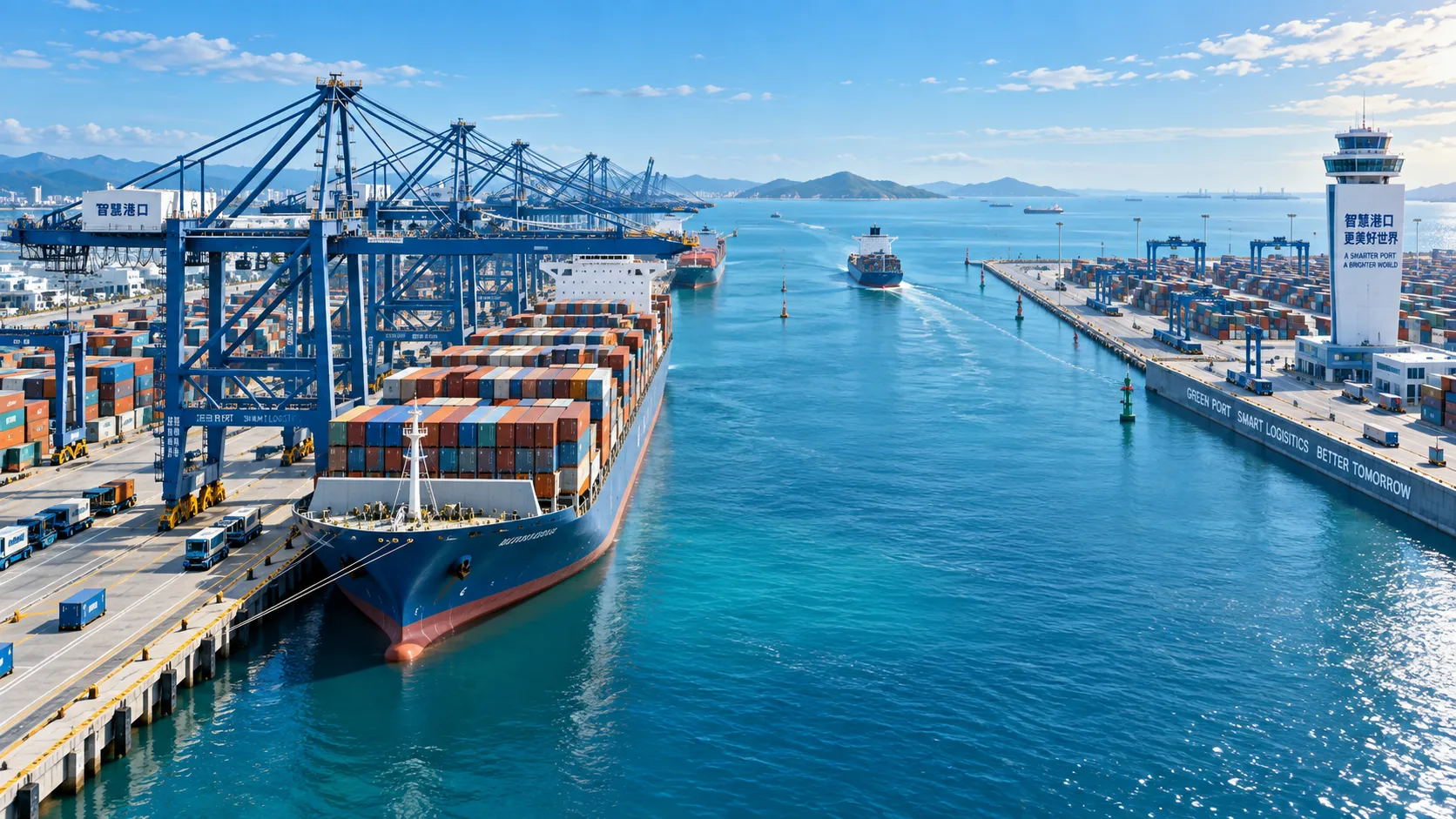
Smart Port Solutions for Berth Planning: Reducing Vessel Wait Times and Conflicts
Smart port solutions for berth planning reduce vessel wait times, prevent conflicts, and optimize quay, crane, and yard resources for faster turnarounds.
How to Evaluate a Port Logistics Solutions Supplier for Terminal Uptime and Scalability
Choose a port logistics solutions supplier with confidence. Learn how to assess uptime, scalability, service strength, integration, and lifecycle risk for resilient terminal growth.
Smart Port Systems in Southeast Asia: Investment Priorities and Adoption Barriers
Smart port systems Southeast Asia: discover investment priorities, adoption barriers, and practical steps to build resilient, connected, high-performing terminals.
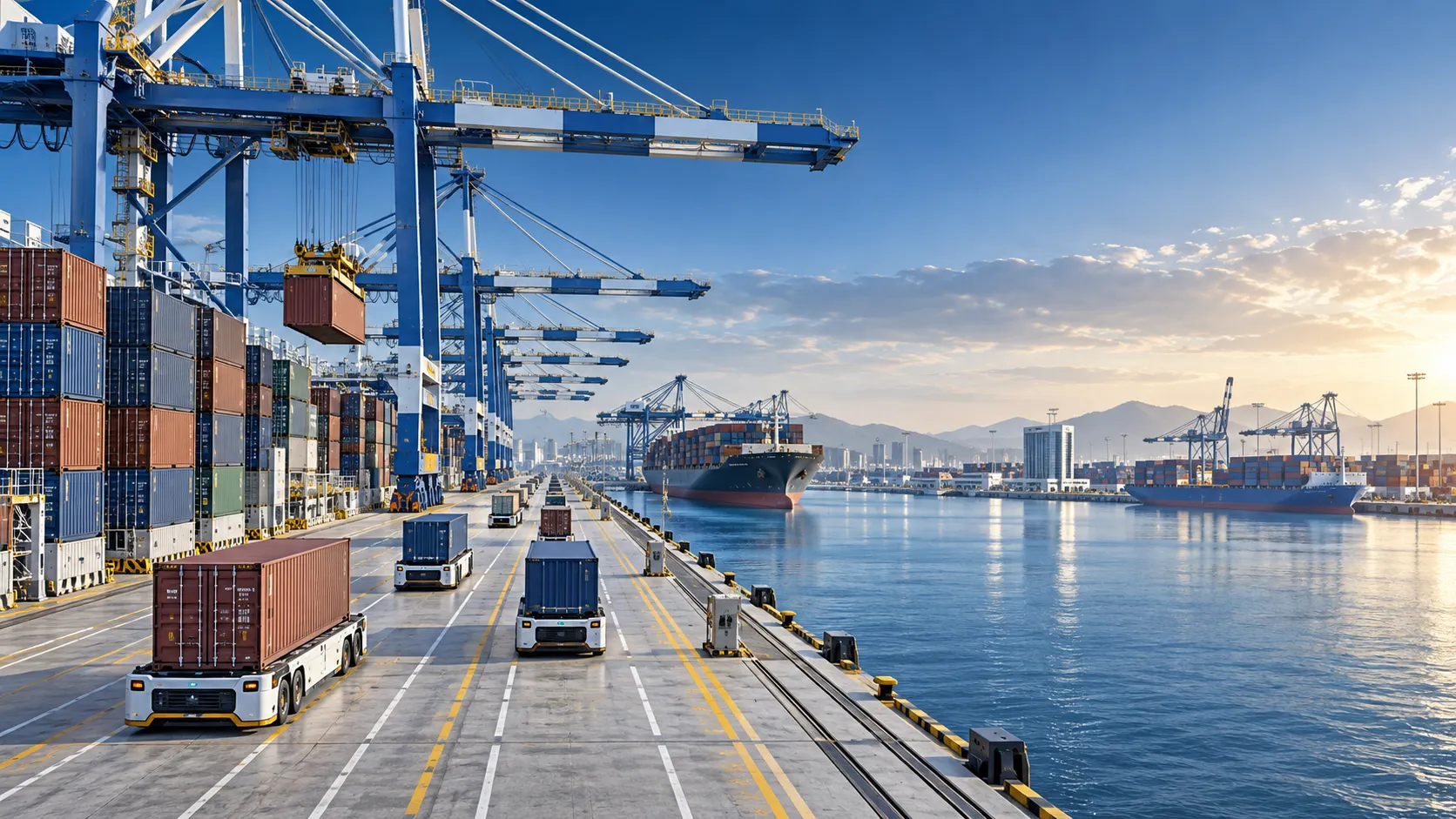
How to Evaluate Terminal Efficiency Solution Suppliers for High-Throughput Operations
Choose a terminal efficiency solutions supplier with confidence. Explore proven criteria for throughput, integration, lifecycle cost, safety, and reliable delivery.
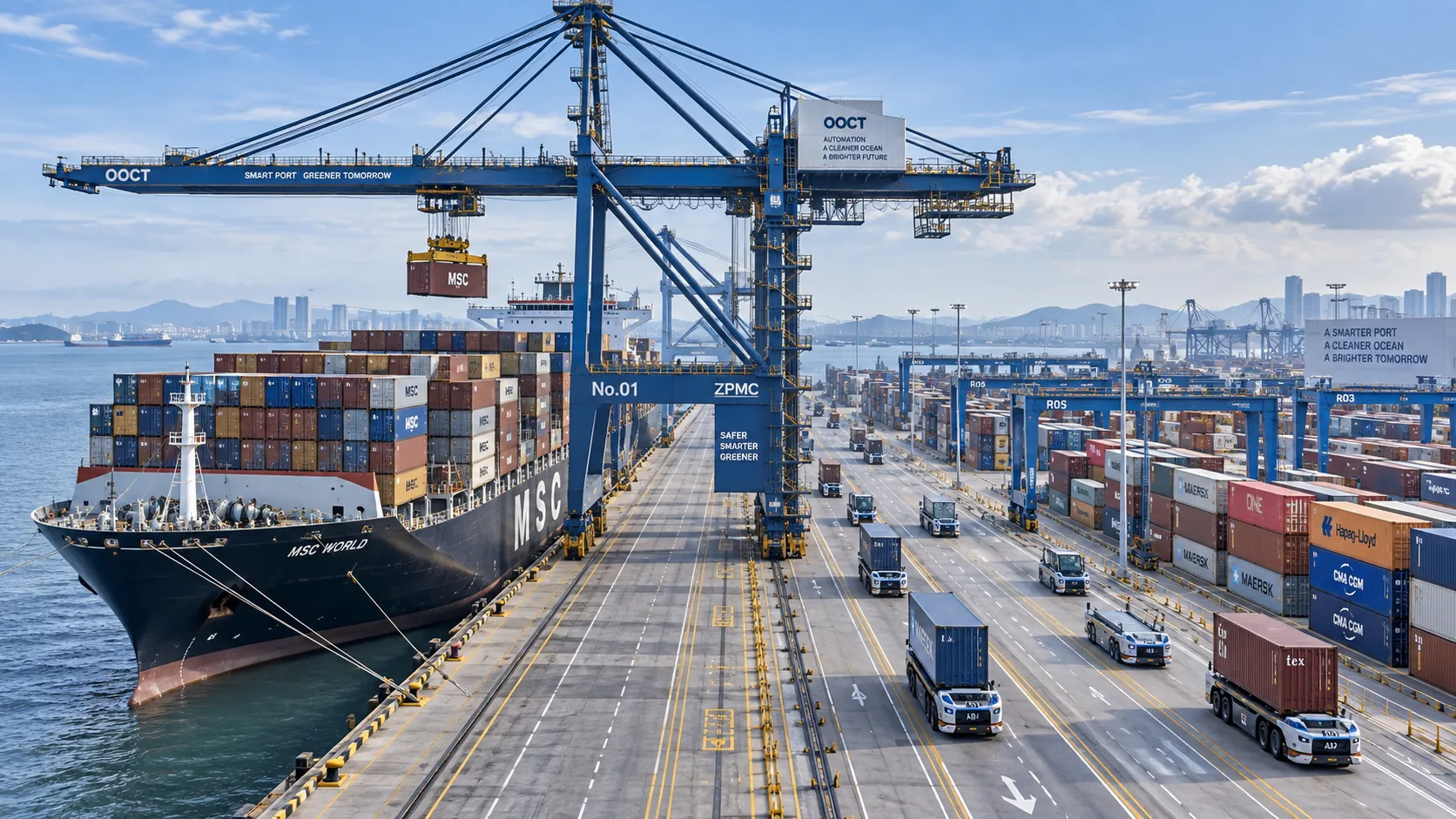
How to Specify a Quay Crane for Container Terminals by Vessel Size and Throughput?
Quay crane for container terminals: learn how to match outreach, lift height, capacity, automation, and cycle performance to vessel size and throughput goals.
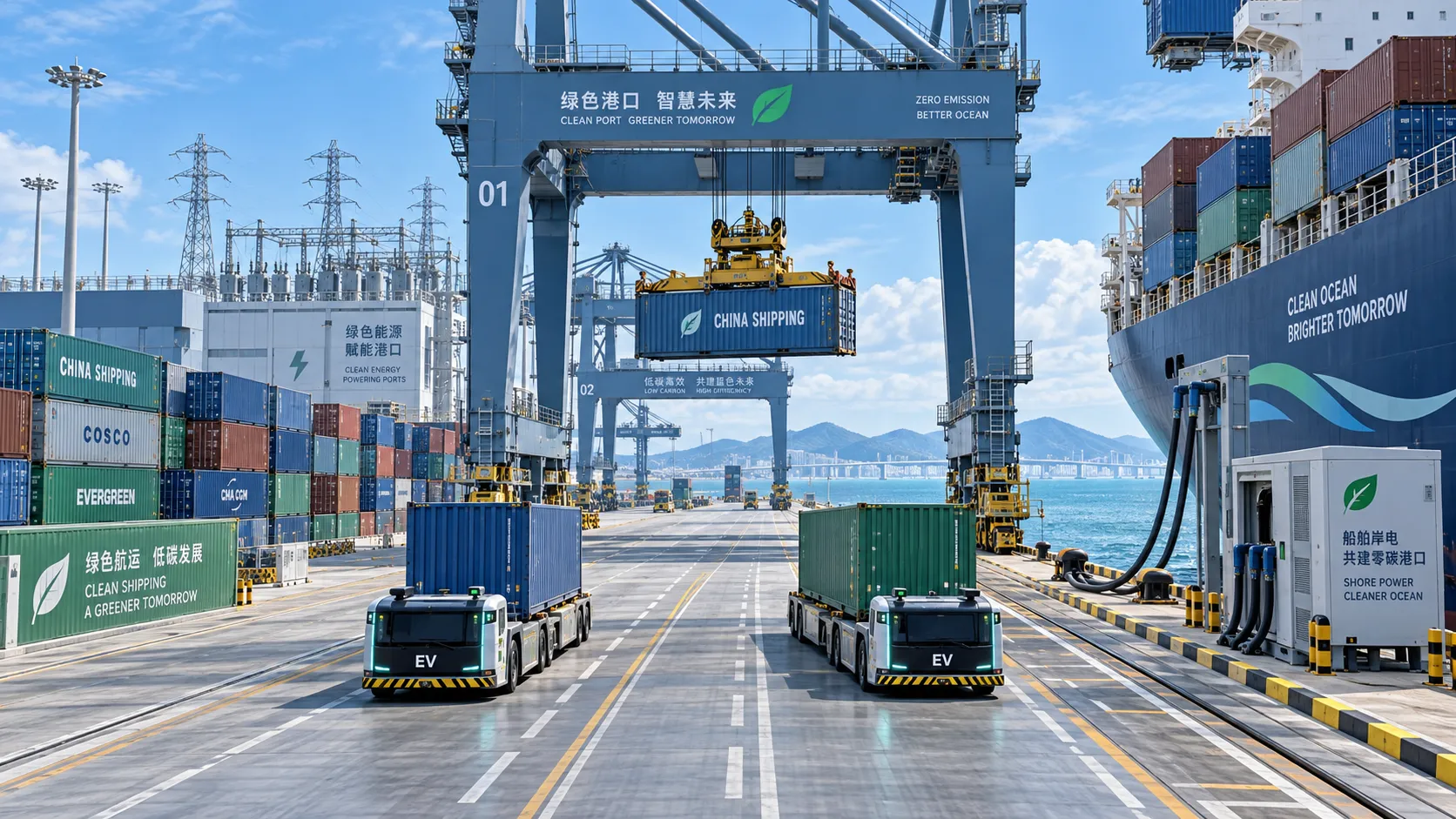
Can Electric Port Machines Help Meet Net-Zero Targets?
Do electric port machines help meet net-zero targets? Explore how smart electrification, clean power, charging, and automation can cut port emissions.
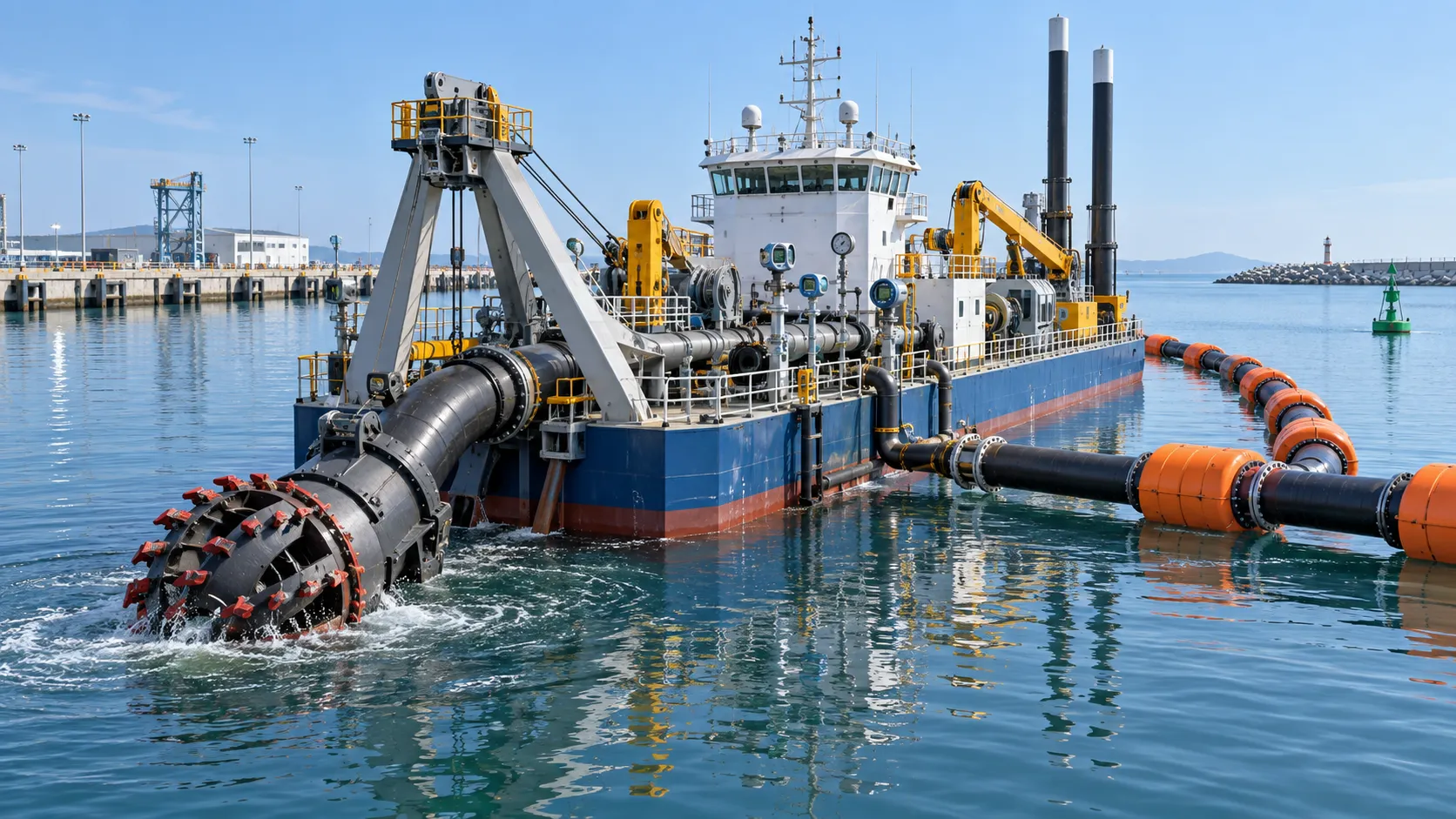
How Should Dredging Equipment Performance Be Verified Before Acceptance?
How do I verify dredging equipment performance before acceptance? Explore proven tests for production, pumps, safety, compliance, and reliable handover.
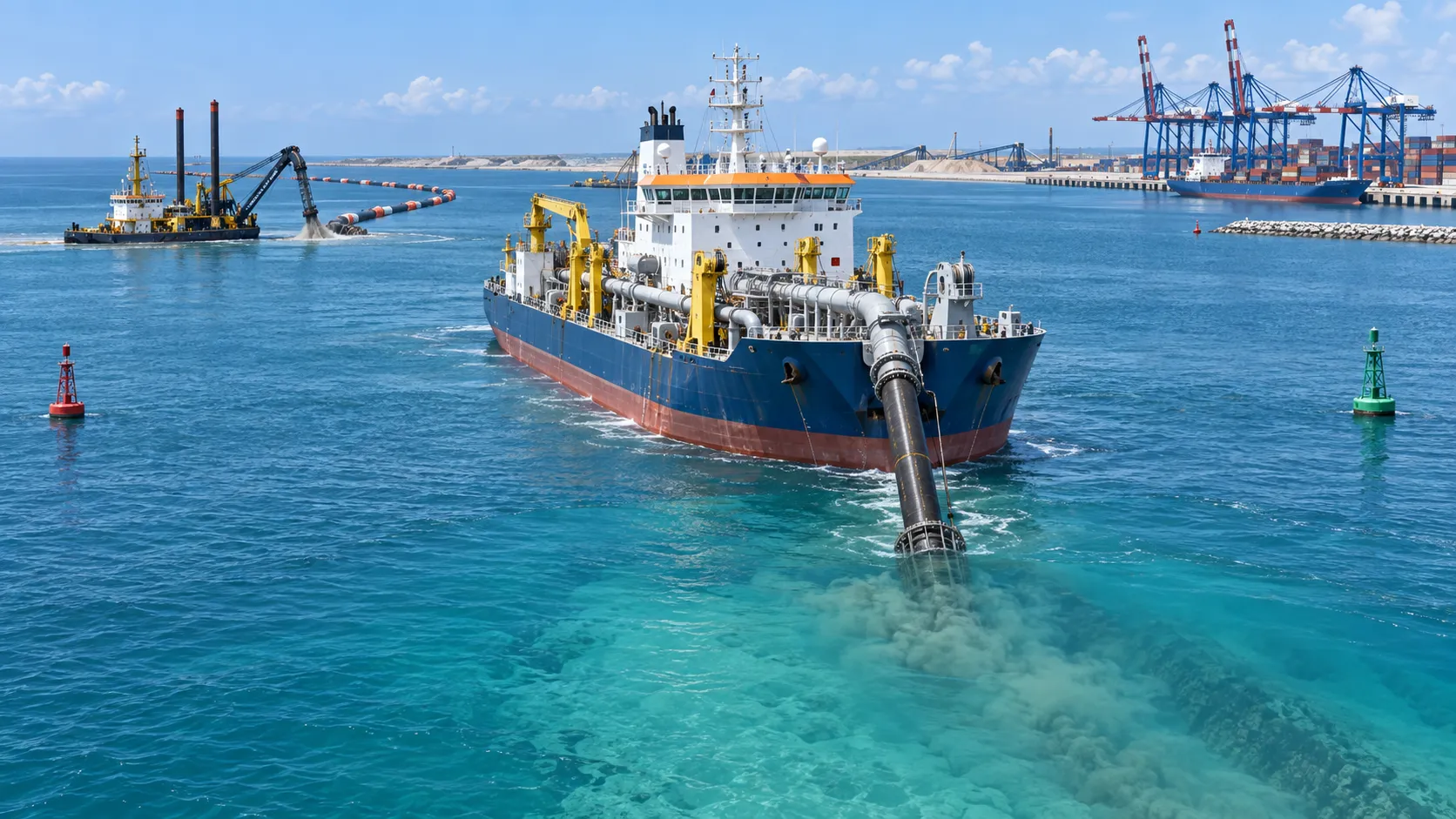
What Dredging Equipment Is Needed for Channel Deepening?
What dredging equipment is needed for channel deepening? Explore dredgers, pipelines, survey tools, and planning strategies for safer, more efficient port access.
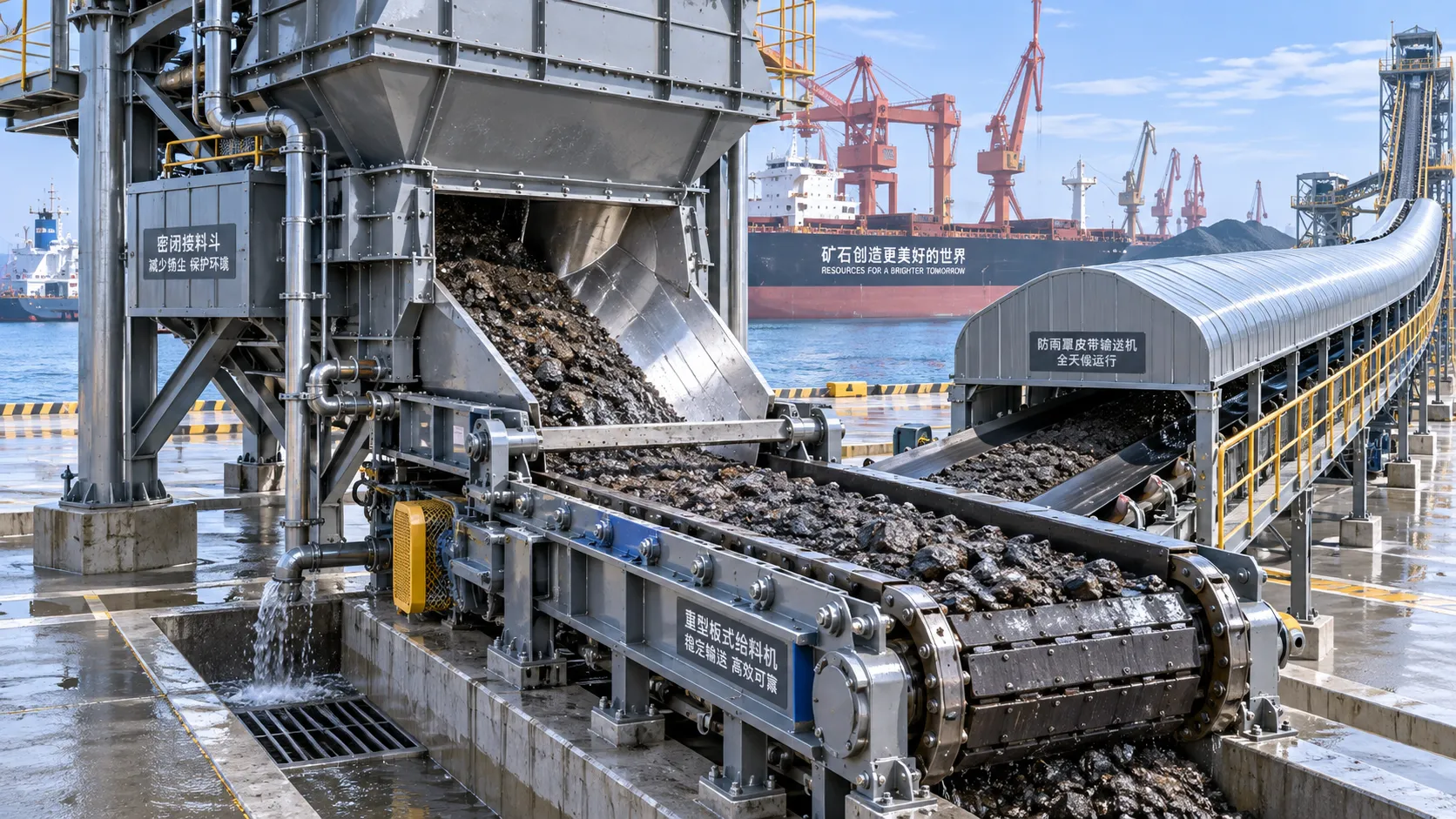
Which Bulk Handling Equipment Suits High-Moisture Cargo?
Which bulk handling equipment suits high-moisture cargo? Compare belt, apron, screw, drag, and slurry systems for reliable flow, less carryback, and higher terminal uptime.