Related News
- 00
0000-00
How to Evaluate a Container Handling Equipment Exporter for Port and Yard Projects - 00
0000-00
How to Evaluate a Port Logistics Solutions Supplier for Terminal Uptime and Scalability - 00
0000-00
How to Evaluate Terminal Efficiency Solution Suppliers for High-Throughput Operations - 00
0000-00
What to Consider When Buying Electric Port Machinery for Container Terminals - 00
0000-00
How to Select Container Handling Equipment for Middle East Ports and Terminals
How to Evaluate a Container Handling Equipment Exporter for Port and Yard Projects
How to Evaluate a Container Handling Equipment Exporter for Port and Yard Projects
Selecting a container handling equipment exporter is a high-stakes decision for procurement teams planning port and yard projects.
Beyond comparing prices, buyers must assess reliability, compliance, automation readiness, service capacity, commercial discipline, and proven delivery performance before awarding a contract.
Start With the Operational Requirement, Not the Supplier List
The best exporter is not necessarily the largest company or the lowest bidder. It is the supplier whose equipment matches your terminal’s operating model.
Procurement teams should first define the cargo volume, container mix, peak-hour throughput, stacking density, vessel schedule, and available yard footprint.
These variables determine whether the project needs reach stackers, empty container handlers, terminal tractors, straddle carriers, RTGs, RMGs, AGVs, or hybrid equipment.
Equipment selection also depends on local conditions, including pavement strength, ambient temperature, wind exposure, salt corrosion, grid stability, and maintenance labor availability.
A container handling equipment exporter should ask detailed operational questions before proposing a configuration. Generic quotations often indicate weak engineering engagement or limited project understanding.
Request a written equipment application statement that explains why each machine type, lifting capacity, spreader specification, and powertrain suits your operation.
This early discipline prevents a common procurement error: buying machines that meet brochure specifications but create bottlenecks during real terminal operations.
Verify Technical Capability and Equipment Quality
Technical quality should be evaluated through documented design standards, component selection, manufacturing controls, testing methods, and measurable performance guarantees.
Ask the exporter which international standards apply to structural design, lifting systems, electrical safety, emissions, machine guarding, and operator ergonomics.
For lifting equipment, verify rated capacity, lifting height, load moment protection, anti-sway performance, spreader compatibility, and safe-working-load monitoring functions.
For mobile equipment, assess engine or battery performance, transmission durability, axle design, tire suitability, braking systems, and hydraulic cooling capacity.
Major components deserve separate scrutiny because their reliability often determines lifetime availability. Identify the source of engines, PLCs, drives, hydraulic pumps, and bearings.
A credible exporter should provide technical datasheets, general arrangement drawings, electrical schematics, hydraulic diagrams, and a clear list of critical branded components.
Do not accept vague assurances that components are “international quality.” Require exact manufacturer names, model numbers, warranty conditions, and approved substitution procedures.
Factory acceptance testing should be defined before purchase. The test protocol must cover load testing, functional cycles, safety interlocks, alarms, communication interfaces, and operating speed.
Assess Compliance for the Destination Market
Compliance failures can delay customs clearance, commissioning, insurance approvals, and final handover. Procurement should treat regulatory verification as a contractual requirement.
Confirm whether the equipment satisfies destination-country rules covering machinery safety, electrical certification, emissions, radio equipment, operator visibility, and workplace health requirements.
Projects in Europe may require CE conformity, while other markets may demand local import certifications, third-party inspections, or registration through national authorities.
Exporters must also understand port-specific requirements, such as fire suppression, anti-collision systems, wind alarms, emergency stops, lighting standards, and access-control integration.
Ask for previous compliance documents used for comparable destinations. A supplier with real export experience should provide anonymized certificates and inspection records promptly.
For electrically powered cranes and automated machines, verify grid voltage, frequency, grounding arrangements, short-circuit ratings, cable routing, and backup-power requirements.
Environmental compliance matters increasingly in procurement decisions. Review diesel emission tier requirements, battery recycling plans, noise limits, energy consumption, and charging infrastructure needs.
When the exporter relies on local partners for certification, establish responsibility clearly. The purchase contract should identify who funds corrections if approval fails.
Examine Automation and Digital Integration Readiness
Container terminals are investing in automation gradually, so equipment purchased today should support future control-system upgrades without requiring premature full automation.
Evaluate whether the exporter can integrate machine controls with terminal operating systems, fleet management platforms, remote-control stations, and condition-monitoring dashboards.
For automated or semi-automated operations, verify sensor architecture, positioning accuracy, obstacle detection, communication latency, cybersecurity controls, and fail-safe behavior.
Ask whether the supplier supports standard industrial communication protocols and can provide interface documentation for third-party software, control, and systems-integration providers.
A closed proprietary system may simplify initial commissioning but can increase long-term dependency. Procurement should understand licensing fees, data ownership, and upgrade restrictions.
For AGVs, automated stacking cranes, and remote-controlled equipment, request evidence from live operating sites rather than demonstrations conducted only in controlled factory settings.
Review how the exporter handles software updates, fault logs, remote diagnostics, user permissions, and cyber incident response during the full equipment lifecycle.
Automation should improve safety and predictability, not create unmanageable operational complexity. The supplier must demonstrate practical integration experience with terminal workflows.
Evaluate Manufacturing Capacity and Delivery Reliability
Port equipment projects often involve large capital commitments, coordinated civil works, and narrow commissioning windows. Late delivery can disrupt the entire implementation schedule.
Assess the exporter’s production capacity by reviewing factory layout, fabrication lines, machining capability, assembly areas, test zones, and current order backlog.
Ask for a project-specific manufacturing schedule that identifies engineering release dates, long-lead components, fabrication milestones, factory testing, shipment, and site commissioning.
Critical-path components deserve special attention, particularly engines, drives, PLCs, batteries, steel structures, specialized spreaders, and high-capacity hydraulic systems.
Exporters should disclose whether they manufacture core components internally or depend on subcontractors. Subcontracting is not inherently risky, but supply responsibility must remain clear.
Reference checks should include delivery punctuality, documentation quality, packing performance, responsiveness to deviations, and ability to manage changes after contract award.
For complex crane projects, consider a factory audit or independent inspection. It can reveal whether claimed production systems actually support the promised delivery plan.
Contractual liquidated damages may protect the buyer, but they do not replace realistic planning. Choose an exporter with credible schedule controls from the beginning.
Measure After-Sales Service Where the Equipment Will Operate
Equipment availability after commissioning is often more valuable than a modest reduction in purchase price. Downtime directly affects vessel turnaround, yard productivity, and revenue.
Evaluate the exporter’s local service model, including resident technicians, regional offices, authorized dealers, remote-support capability, and access to trained maintenance personnel.
Ask for response-time commitments covering emergency failures, remote troubleshooting, on-site intervention, warranty claims, and the delivery of urgent spare parts.
A strong container handling equipment exporter should supply a recommended spare-parts package based on machine quantity, operating hours, environment, and planned maintenance intervals.
Review parts availability for high-failure or high-impact components such as filters, seals, sensors, contactors, hydraulic hoses, tires, spreader parts, and electronic modules.
Training should cover operators, technicians, supervisors, and safety personnel. Effective training includes practical fault diagnosis, daily inspections, emergency procedures, and software use.
Request a lifecycle maintenance plan with service intervals, labor requirements, consumables, inspection points, and expected component replacement timing for the proposed equipment.
Service capability should be proven by local references. A remote support center alone is insufficient when a critical machine requires physical repair at the terminal.
Compare Total Cost of Ownership Instead of Purchase Price
Initial price is visible and easy to compare, but it rarely represents the full economic impact of container handling equipment over its operating life.
Build a total cost of ownership model that includes energy or fuel, scheduled maintenance, spare parts, labor, tires, insurance, training, software, and downtime.
For diesel equipment, estimate fuel consumption under actual lifting cycles rather than relying solely on manufacturer ratings produced under favorable test conditions.
For electric machines, calculate charging infrastructure, utility tariffs, demand charges, battery replacement, charging downtime, and expected productivity during peak operating periods.
Higher-priced equipment may offer better availability, lower energy consumption, longer service intervals, and stronger resale value. These benefits should be quantified carefully.
Ask suppliers to provide guaranteed consumption figures and define operating assumptions. Compare those assumptions against your expected container moves, loads, shifts, and climate.
Downtime costs should be included explicitly. One unavailable crane or yard vehicle can force inefficient workarounds and reduce the productivity of surrounding equipment.
Use a common evaluation template for every bidder. Normalized lifecycle comparisons reduce the risk that suppliers hide long-term costs behind attractive initial quotations.
Review Commercial Terms, Risk Allocation, and Export Documentation
Commercial terms determine who carries risk when equipment is delayed, damaged, noncompliant, or unable to meet guaranteed performance after delivery.
Clarify the applicable Incoterms, shipment responsibilities, marine insurance, packaging standards, import documentation, and transfer point for risk and title.
Large equipment may require disassembly, heavy-lift handling, special vessels, oversized cargo permits, and coordinated inland transport to the project site.
The exporter should provide a logistics plan addressing dimensions, weights, lifting points, packing protection, route constraints, customs documents, and site delivery sequencing.
Payment milestones should align with verifiable project progress. Avoid structures that release most funds before design approval, factory testing, or successful shipment documentation.
Warranty terms must specify duration, covered components, labor responsibility, travel costs, exclusions, remedies, and the process for resolving recurring technical defects.
Performance guarantees should be measurable. Define availability, lifting speed, cycle time, energy consumption, noise levels, and automation accuracy using agreed test conditions.
Procurement teams should also confirm export-control exposure, sanctions screening, origin requirements, and banking limitations before issuing a purchase order or letter of credit.
Use References and Audits to Test Supplier Claims
Supplier presentations and product catalogs are useful starting points, but operating references provide stronger evidence of actual equipment performance and service quality.
Request references that resemble your project in machine type, climate, operating intensity, automation level, cargo profile, and geographic service conditions.
During reference calls, ask customers about unplanned downtime, commissioning delays, spare-parts lead times, warranty disputes, software stability, and supplier communication.
Site visits are especially valuable for high-value crane, automation, or fleet purchases. Observe equipment condition after years of real cycles, not only after installation.
A factory audit should examine welding qualifications, quality-control records, traceability practices, incoming inspection, calibration systems, and corrective-action procedures for nonconformities.
Independent inspectors can witness factory acceptance testing and verify dimensions, paint quality, electrical workmanship, safety functions, documentation, and performance against specifications.
Do not treat audits as adversarial exercises. Their purpose is to establish a shared factual basis before equipment enters international transport and project schedules tighten.
When an exporter refuses reasonable transparency, procurement should consider that a material risk signal rather than a minor administrative inconvenience.
Build a Practical Supplier Evaluation Scorecard
A structured scorecard helps procurement teams compare exporters consistently and defend their recommendation to operations, finance, engineering, and executive stakeholders.
Weight technical fit, lifecycle cost, service coverage, compliance, delivery capability, automation integration, financial stability, references, and commercial terms according to project risk.
For an operationally critical terminal project, equipment availability and local support may deserve greater weight than a small difference in capital expenditure.
For expansion projects with uncertain future demand, modularity, upgrade capability, fleet flexibility, and resale potential may become more important evaluation factors.
Score evidence rather than promises. Give higher ratings only when suppliers provide documents, reference confirmations, tested data, contractual commitments, and accountable implementation plans.
Include a risk register alongside the scorecard. Record uncertainties such as component supply exposure, local service gaps, interface dependencies, certification complexity, and schedule vulnerability.
The final recommendation should explain trade-offs clearly. Decision-makers need to understand why a selected exporter offers lower operational risk or stronger long-term value.
Procurement should retain the evaluation record after award. It provides a useful baseline for contract management, supplier performance reviews, and future expansion decisions.
Conclusion: Choose a Long-Term Operating Partner
Evaluating a container handling equipment exporter requires more than comparing technical brochures and quoted prices. The decision affects terminal productivity for many years.
Strong exporters combine suitable equipment, proven manufacturing controls, regulatory knowledge, service reach, transparent commercial terms, and evidence from comparable operating projects.
Procurement teams should prioritize documented performance, lifecycle economics, local support, and delivery credibility. These factors protect operational continuity after the equipment arrives.
A disciplined evaluation process turns supplier selection into a strategic investment decision, helping ports and yards build safer, more efficient, scalable, and resilient container operations.
Related News
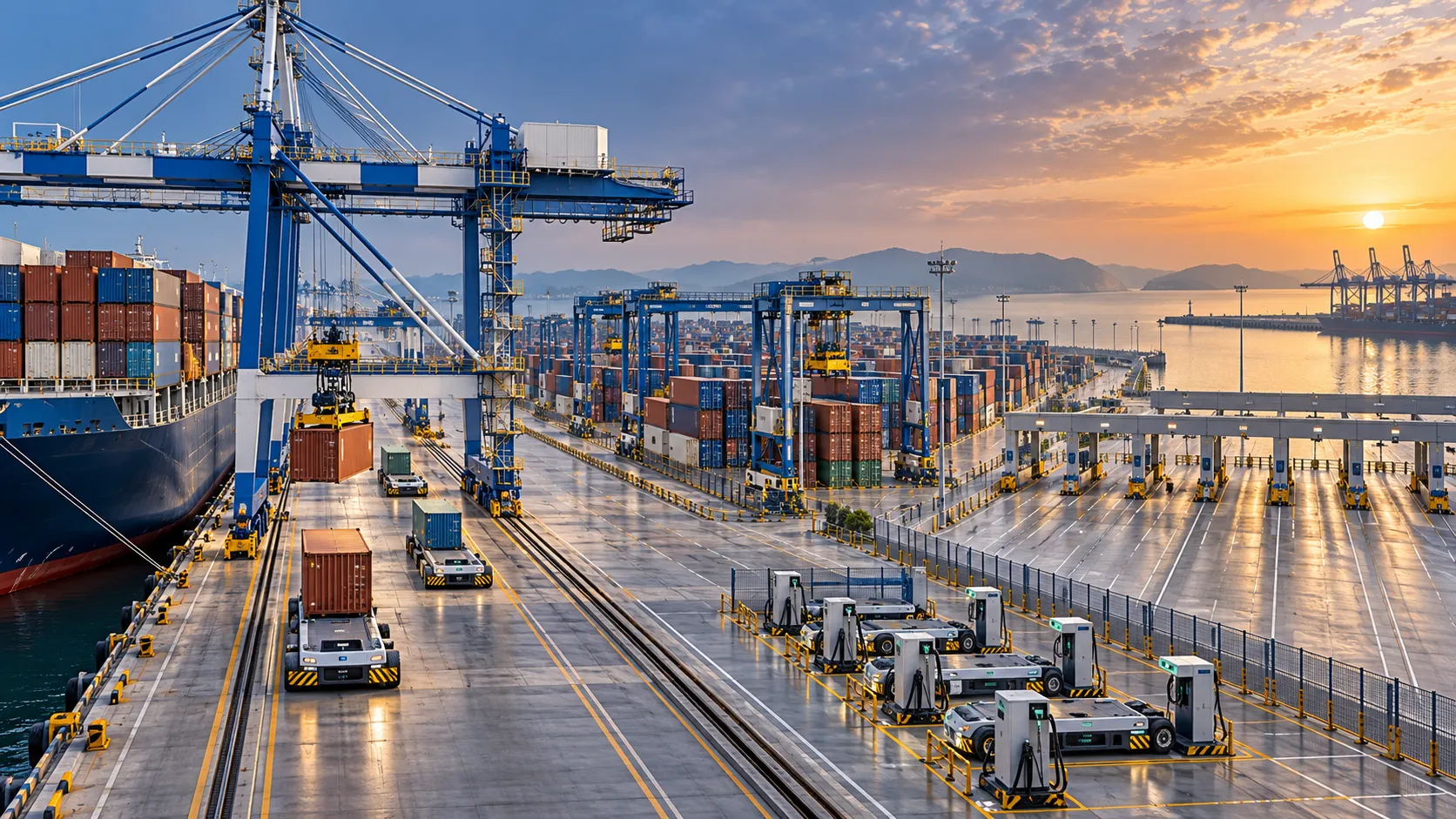
How to Select Automated Terminal Systems for High-Throughput Cargo Terminals
Automated terminal systems for cargo terminals: learn how to select scalable, resilient solutions that boost throughput, streamline integration, and control lifecycle risk.
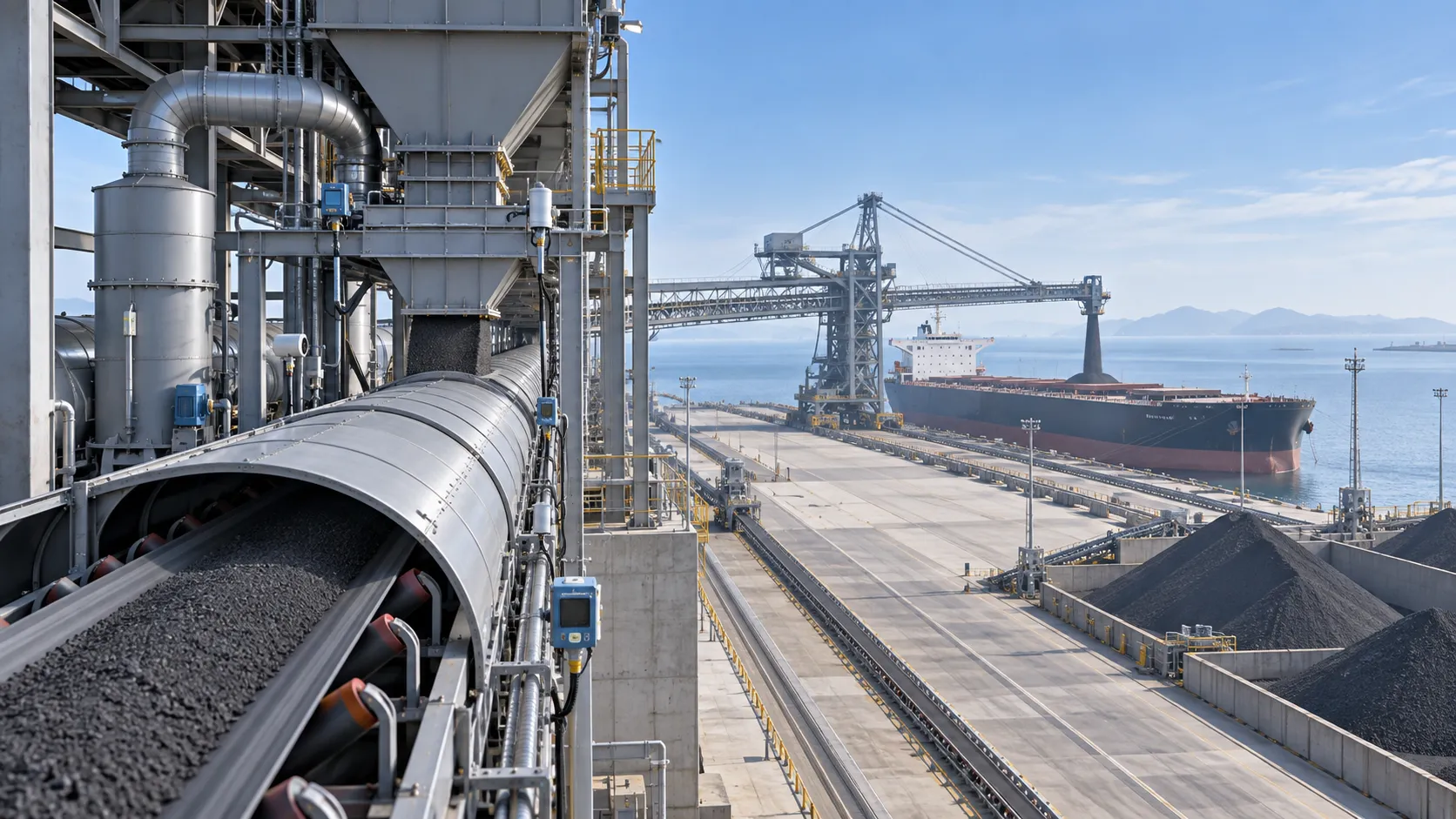
How Automated Bulk Cargo Handling Reduces Dust, Spillage, and Port Downtime
Automated cargo handling for bulk cargo cuts dust, spillage, and port downtime through stable flow control, smart sensing, and coordinated recovery.
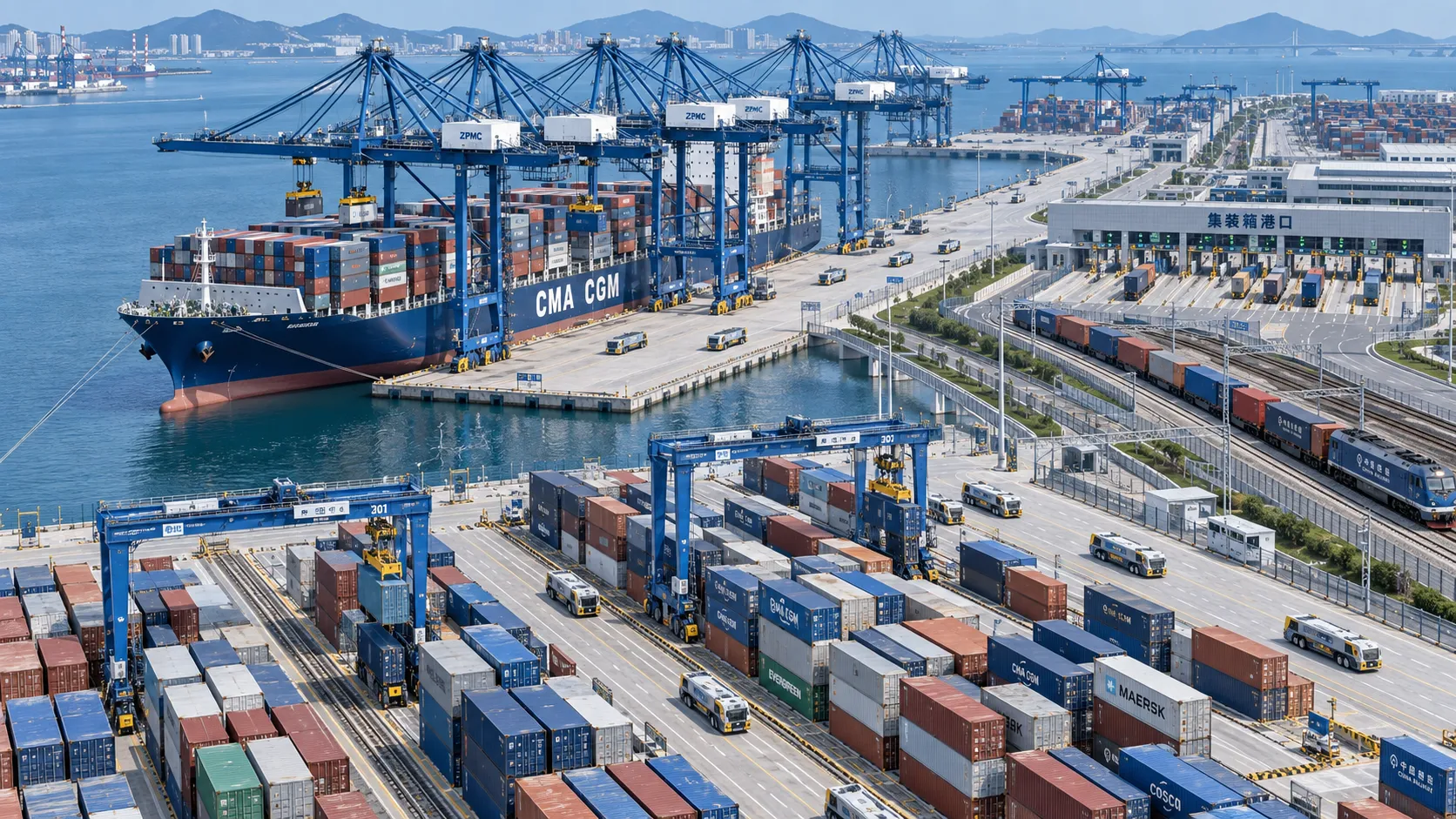
What Should a Port Capacity Plan Measure Before a New Berth or Crane Investment?
Port capacity planning: discover the metrics that reveal whether a new berth or quay crane will improve throughput, service reliability, and investment returns.
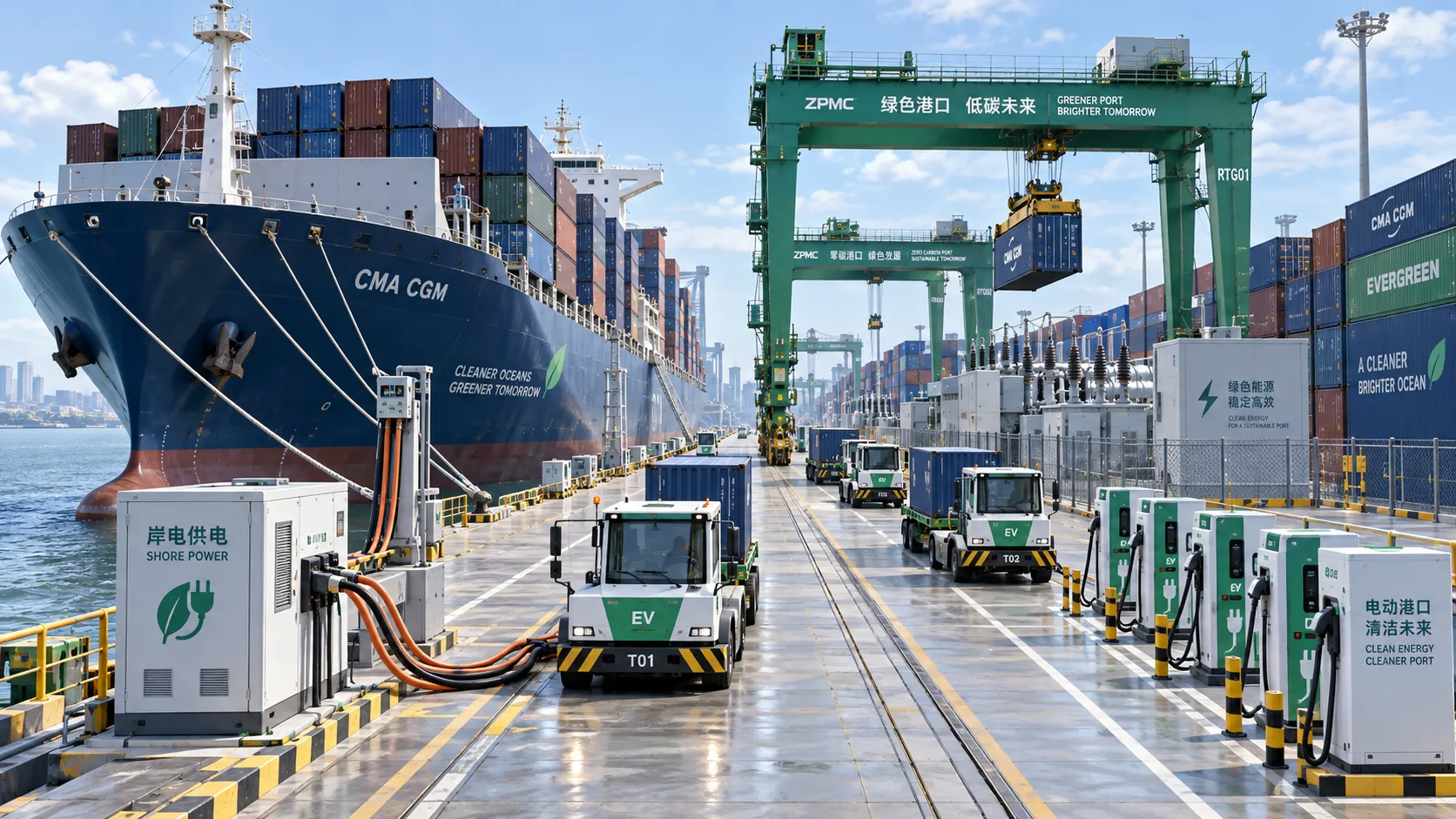
Port Emissions Reduction Services: Building a Shore Power and Equipment Retrofit Plan
Port emissions reduction services help terminals build practical shore power and equipment retrofit plans that cut emissions, protect throughput, and scale with confidence.
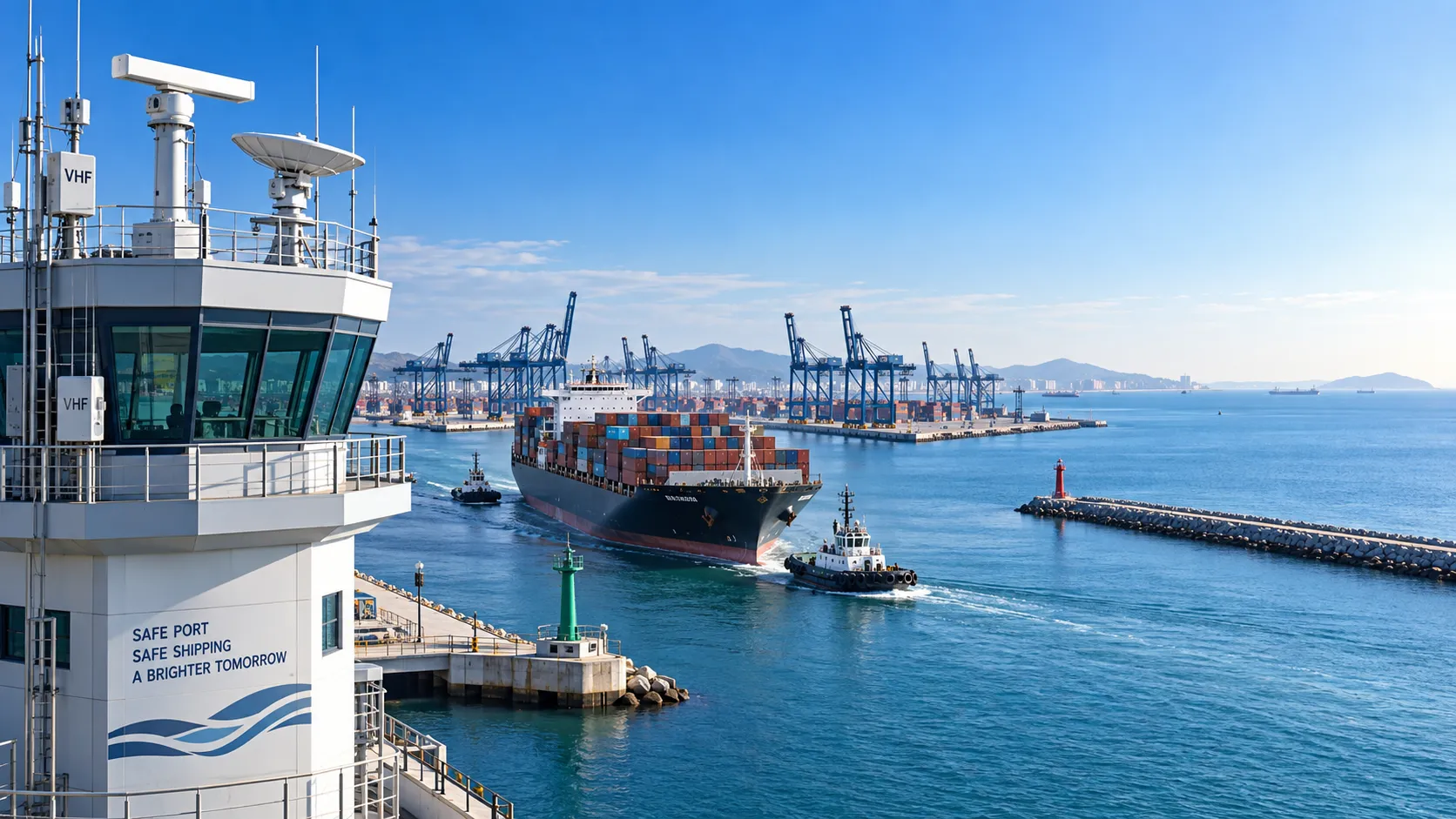
Selecting Port Control Systems for Vessel Traffic: Coverage and Fail-Safe Design
Port control systems for vessel traffic: learn how to assess coverage, redundancy, fail-safe recovery, cybersecurity, and operator workflows for safer port operations.
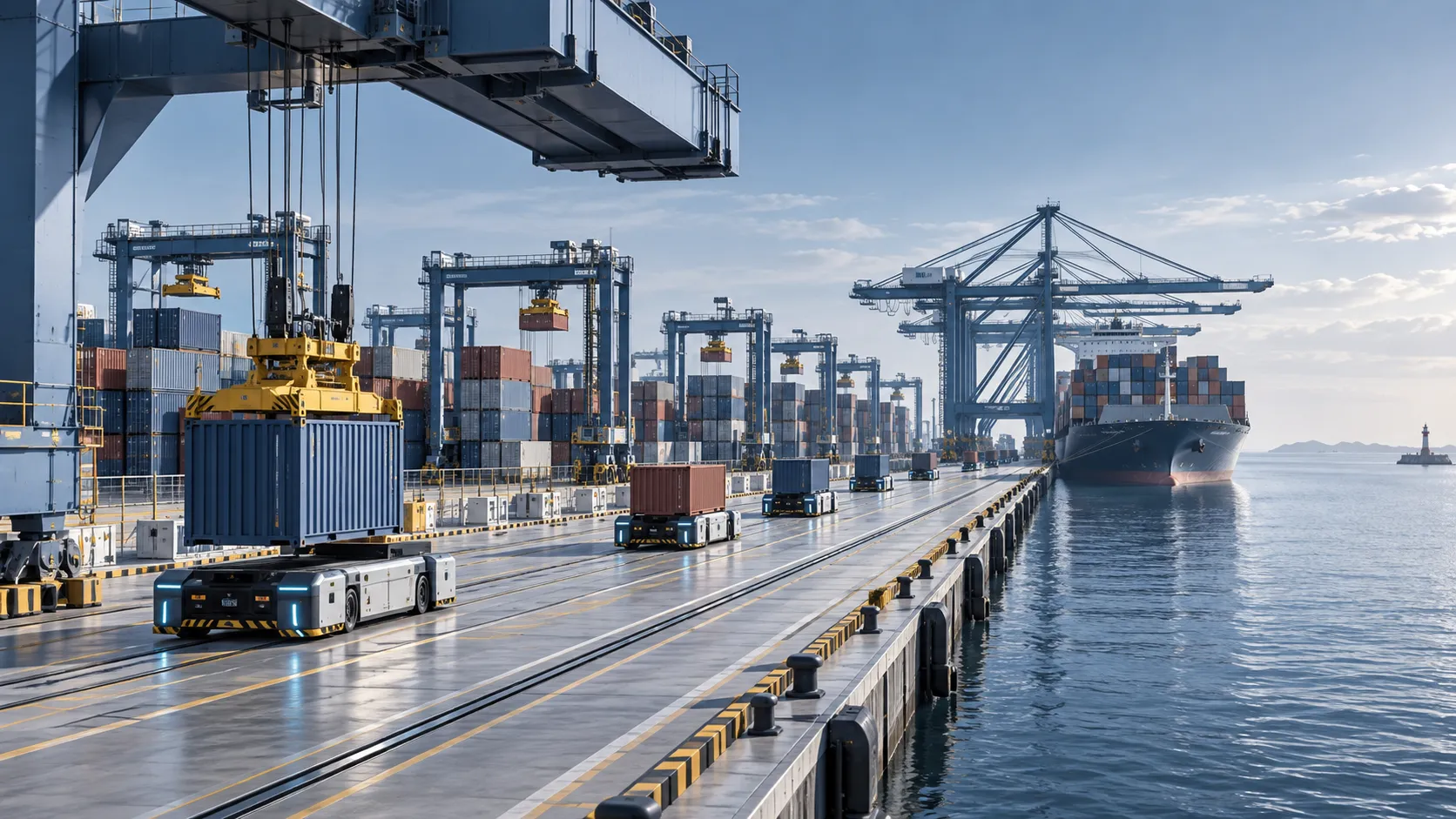
Selecting Automated Cargo Handling Systems for Terminal Throughput and Yard Limits
Automated cargo handling systems for maritime terminals: learn how to balance berth throughput, yard limits, automation software, and lifecycle costs for smarter terminal decisions.
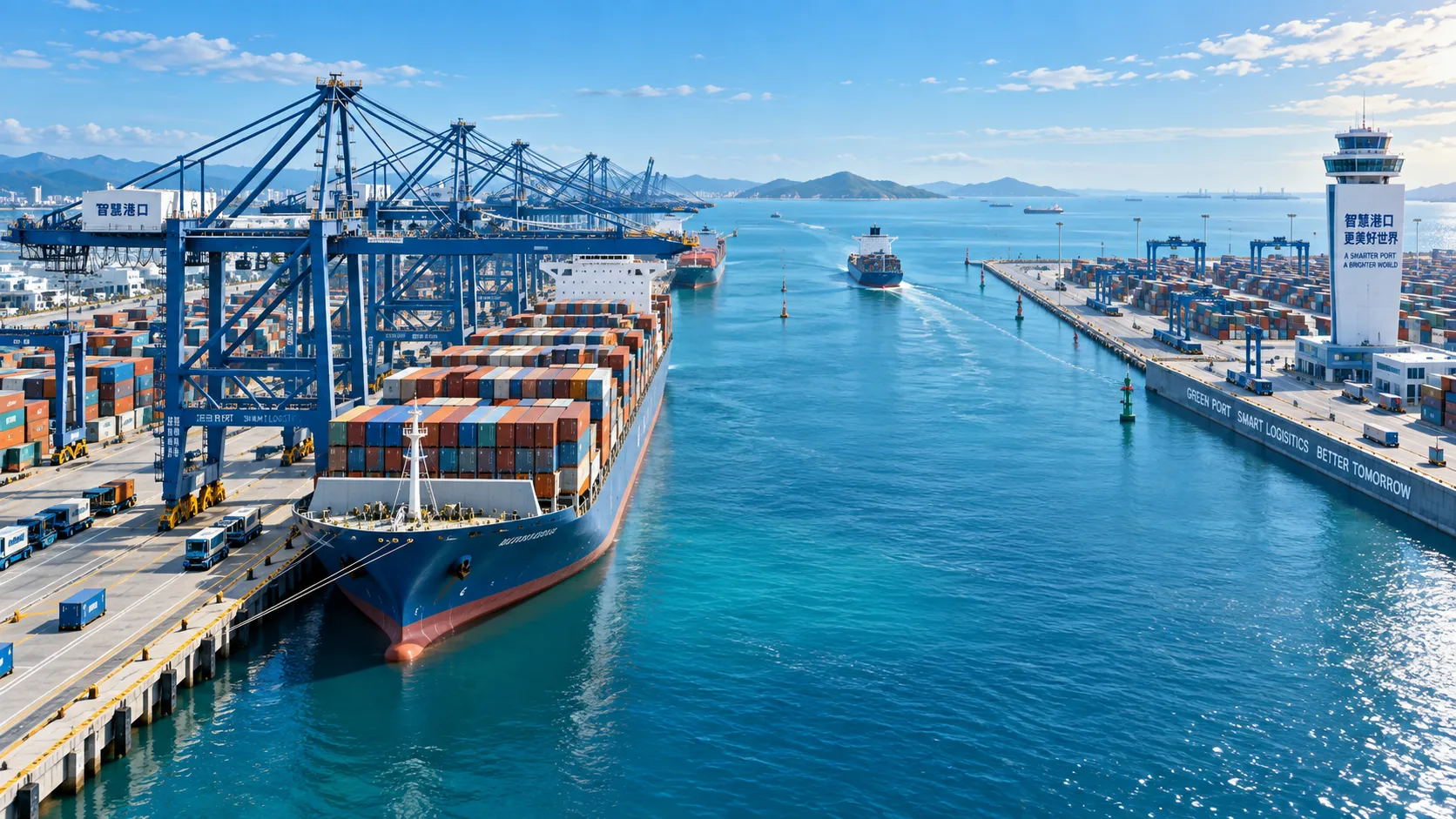
Smart Port Solutions for Berth Planning: Reducing Vessel Wait Times and Conflicts
Smart port solutions for berth planning reduce vessel wait times, prevent conflicts, and optimize quay, crane, and yard resources for faster turnarounds.
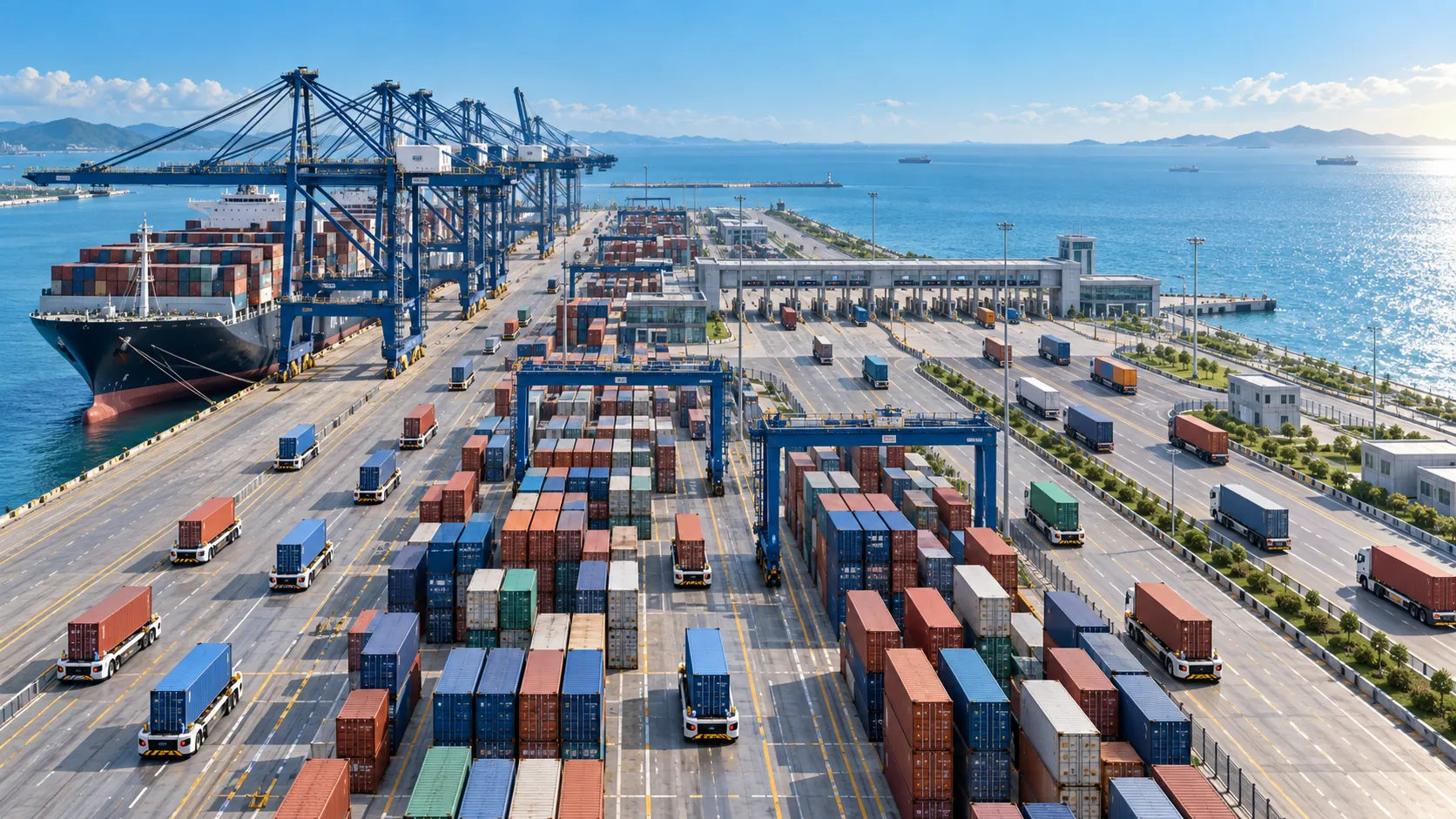
How AI Scheduling Improves Berth, Yard, and Gate Coordination at Terminals
Terminal automation systems with AI scheduling align berth, yard, and gate operations to reduce congestion, improve throughput, and strengthen terminal resilience.
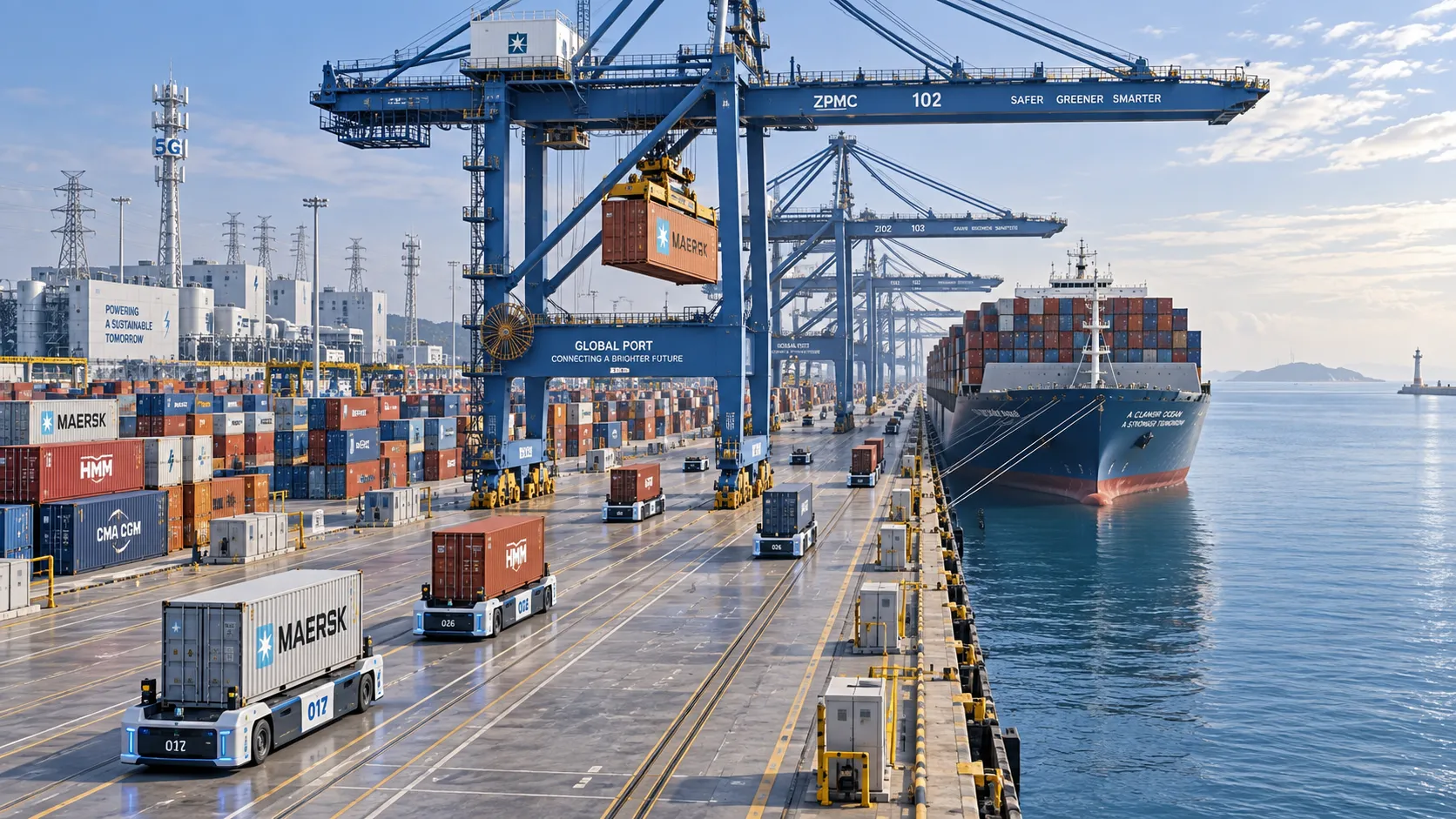
How to Evaluate a Port Logistics Solutions Supplier for Terminal Uptime and Scalability
Choose a port logistics solutions supplier with confidence. Learn how to assess uptime, scalability, service strength, integration, and lifecycle risk for resilient terminal growth.