Related News
- 00
0000-00
How to Evaluate Terminal Efficiency Solution Suppliers for High-Throughput Operations - 00
0000-00
What to Consider When Buying Electric Port Machinery for Container Terminals - 00
0000-00
How to Select Container Handling Equipment for Middle East Ports and Terminals - 00
0000-00
How to Evaluate a Port Machinery Exporter for Large-Scale Terminal Projects - 00
0000-00
Evaluating a Dredging Equipment Manufacturer for Mining Plant Supply
How to Select Container Handling Equipment for Middle East Ports and Terminals
Start with the terminal’s operating model, not the equipment catalogue
Selecting container handling equipment for Middle East ports and terminals is primarily a capacity-and-conditions decision. The right fleet for a compact gateway terminal handling mixed calls is very different from the right system for a transshipment hub, an inland container depot, or a greenfield automated terminal. Equipment that looks productive on a specification sheet can become an expensive constraint when its duty cycle, maintenance requirements, yard geometry, or control interfaces do not match the operation.
For procurement teams, the first decision is rarely “which machine is best?” It is whether the terminal should rely on a flexible mobile fleet, a rail-mounted yard system, a highly automated stack, or a staged combination of these approaches. In Middle East operations, that choice is shaped by high ambient temperatures, dust and salt exposure, often limited land availability near established ports, strong peak-volume variability, and expansion plans that may change the terminal’s traffic mix within a few years.
A sound selection process starts by mapping container flow from vessel discharge to gate-out, rather than by comparing crane lifting capacity or engine rating in isolation. Identify where containers wait, where rehandles occur, where trucks queue, and which activity causes the terminal to lose moves during a peak shift. The equipment mix should remove the most expensive bottleneck, not simply add nominal capacity to the most visible part of the operation.
Choose the handling architecture before choosing individual machines
Container terminals generally use one of four yard handling approaches: rubber-tyred gantry cranes (RTGs), rail-mounted gantry cranes (RMGs), reach stackers or empty-container handlers, and automated horizontal transport systems combined with stacking cranes. Each can be appropriate in the region, but each creates a different operating discipline and infrastructure commitment.
RTGs suit terminals that need adaptable yard capacity
RTGs remain a practical option where the terminal needs good stacking density without committing to a fully fixed yard layout. They allow block layouts to evolve and can support phased expansion when cargo forecasts are uncertain. For terminals with changing line services, mixed import-export dwell times, or a need to reconfigure storage areas, that flexibility has real value.
The trade-off is operational coordination. RTG productivity depends on lane discipline, truck positioning, operator performance, block allocation, and equipment availability. In a hot climate, procurement teams should examine cooling performance, electrical cabinet sealing, component derating at high ambient temperatures, and the impact of dust on sensors, brakes, filters, and cable systems. An RTG that performs reliably in a temperate reference installation may require a different cooling, filtration, and maintenance configuration for Gulf conditions.
Electrified RTGs can reduce local emissions and simplify energy planning where charging or conductor infrastructure is viable. Yet electrification should be evaluated as a terminal-wide project. Cable routing, reel systems, power quality, operating interruptions, emergency procedures, and future block extensions all affect whether the conversion delivers the intended benefit.
RMGs reward stable flows and disciplined civil planning
RMG systems are often attractive when yard land is constrained and the terminal expects stable, repeatable container flows. They can provide high stacking density, predictable travel paths, and a strong platform for remote operation or automation. For a large transshipment or gateway operation with a defined long-term block layout, those strengths can outweigh the loss of flexibility.
However, RMG procurement cannot be separated from civil works. Rail alignment, foundation tolerances, drainage, pavement interfaces, transfer zones, and future extensions need to be resolved early. In coastal Middle East environments, salt-laden air and corrosion exposure also affect rail systems, structures, electrical enclosures, and inspection intervals. A low equipment purchase price can be misleading if the civil package, commissioning period, and operating constraints have been underestimated.
RMGs are less forgiving when vessel schedules, container dwell patterns, or landside traffic assumptions change. A terminal considering them should test more than annual throughput. It should model peak-hour exchange demand, import dwell, export receiving windows, transshipment connections, reefers, empties, out-of-gauge cargo, and the effect of one crane being out of service. The question is whether the block system can sustain the working peaks, not whether it can process the annual average.
Reach stackers offer flexibility, but not an unlimited growth path
Reach stackers and empty-container handlers are often appropriate for smaller terminals, inland depots, project-driven cargo operations, temporary overflow yards, and facilities where volumes do not justify gantry infrastructure. Their main advantage is speed of deployment. They need less fixed infrastructure, can serve multiple parts of a site, and allow operators to adapt quickly to uneven demand.
That flexibility comes with a stacking and fuel-cost penalty. As stack height rises, travel distances increase, and rehandles become frequent, a reach-stacker-based yard can lose throughput quickly. Tyre wear, fuel consumption, operator dependency, ground bearing conditions, and maintenance of spreaders and hydraulic systems should be treated as core ownership-cost variables. A mobile fleet is often economical at low or irregular volumes; it is rarely the most economical response to sustained high-density yard demand.
Specify for Middle East conditions in the contract, not as an afterthought
“Suitable for hot climate” is not a useful procurement requirement on its own. The tender should define the environmental and operational conditions the supplier must design for, test against, and support. This is particularly important for container handling equipment in Middle East terminals, where heat, solar load, sand, dust, humidity, and marine corrosion can act together.
- Ambient temperature and solar exposure: Require stated performance limits for engines, motors, hydraulic systems, batteries, drives, cooling packages, cabs, and electronic cabinets. Examine whether rated productivity remains achievable during the hottest expected operating periods.
- Dust and sand ingress: Review air filtration, positive-pressure cabinet design, sealing, sensor protection, radiator cleaning access, and inspection requirements. A design that needs frequent manual cleaning may be difficult to sustain during busy operating periods.
- Humidity and salt corrosion: Ask for coating systems, corrosion categories, fastener treatment, cable and connector protection, and maintenance recommendations for marine exposure. Structural durability and electrical reliability should be assessed together.
- Ground and pavement conditions: RTGs, reach stackers, terminal tractors, and laden container handlers impose different wheel loads and turning stresses. Pavement capacity, drainage, rutting risk, and repair access must align with the selected fleet.
- Cab and operator environment: Where manual operations remain central, cooling capacity, visibility, vibration, ergonomics, and dust control affect both safety and consistent performance across long shifts.
These details should be tied to acceptance criteria. Procurement documents often describe equipment features but leave the performance boundary vague. A more useful approach is to define operating scenarios: container weights, stack configuration, travel distance, wind conditions, ambient conditions, duty cycle, and required availability. Suppliers can then show how the proposed configuration meets the site requirement rather than relying on a standard model designation.
Assess throughput at the system level
Quay cranes, yard cranes, terminal tractors, and gate systems are interdependent. Adding a faster ship-to-shore crane without enough horizontal transport or yard exchange capacity can create longer dwell times on the quay. Increasing yard crane numbers without redesigning truck lanes may simply move congestion to the transfer point.
For a procurement decision, separate three measures that are often blended together: theoretical machine productivity, sustained shift productivity, and terminal throughput. The first is useful for engineering comparison. The second reflects maintenance, operator changes, congestion, travel, and routine delays. The third depends on the whole container flow, including planning quality and gate operations.
A practical evaluation should use several representative operating cases rather than one average volume forecast:
- Peak vessel exchange during overlapping calls.
- High import dwell that reduces available stack space.
- Transshipment-heavy operation with short connection windows.
- Gate surges caused by road restrictions or customer collection patterns.
- Equipment downtime during a busy period.
- Expansion-stage operation where old and new systems must work together.
These scenarios reveal whether a proposed fleet has useful resilience. They also expose a common error: purchasing equipment sized for annual throughput while ignoring the peak concentration of moves. Middle East ports can face sharply timed vessel windows and landside demand patterns. The terminal that protects peak performance usually gains more operational value than one that optimizes only for average utilization.
Automation should solve a defined operating problem
Automation can improve consistency, safety separation, equipment utilization, and planning visibility, but it should not be treated as a default upgrade. The appropriate level ranges from equipment telemetry and remote diagnostics to remote crane operation, automated gate processing, truck appointment systems, automated stacking cranes, and autonomous transport.
The procurement question is whether the terminal has the operating discipline and supporting infrastructure to use the automation layer effectively. Reliable communications coverage, positioning, cybersecurity controls, maintenance capability, exception management, and terminal operating system integration are all part of the investment. A highly automated yard still depends on accurate container data, predictable handoff zones, and staff who can intervene quickly when cargo, vehicles, or sensors deviate from plan.
For many existing terminals, the most defensible first step is targeted digitalization: fleet monitoring, energy measurement, preventive maintenance data, equipment dispatch integration, and gate visibility. These measures can improve decision-making without forcing an immediate redesign of the yard. They also generate operating data that makes a later automation business case more credible.
Compare lifecycle exposure, not only acquisition cost
The purchase price of a crane or mobile handler is visible. The larger cost exposure often sits in unplanned downtime, spare-parts availability, energy or fuel use, tyres, structural preservation, labour requirements, software support, and delayed expansion. Procurement teams should ask suppliers to provide a transparent assumptions-based lifecycle model, then adjust those assumptions to local operating conditions.
Service support deserves particular attention. A terminal does not need every spare part stored on site, but it needs a realistic critical-spares strategy, clear escalation routes, trained local technicians, and defined access to controls and diagnostic expertise. Proprietary software, remote support dependencies, and limited access to fault data can become material risks over the equipment life.
Evaluate maintainability alongside reliability. Can filters, cooling packs, spreader components, drives, tyres, and sensors be inspected or replaced without extended access equipment or long downtime? Are diagnostic tools available to the terminal team? Is planned maintenance compatible with the vessel schedule? A machine with more components may still be the better choice if it provides clearer condition monitoring and faster recovery.
Build the procurement decision around expansion options
Middle East terminal investments often need to accommodate uncertain cargo mix, changing shipping alliances, and phased infrastructure development. The selected equipment should therefore be assessed for its ability to coexist with the next stage of the terminal.
That may mean reserving corridor space for future RMG blocks, selecting terminal tractors with interfaces suitable for later fleet-management integration, standardizing spreaders across crane types, or procuring RTGs with automation-ready controls even if remote operation is deferred. It may also mean deliberately choosing flexible mobile equipment while volumes are still proving out, instead of locking capital into a yard system designed around an optimistic forecast.
The strongest equipment choice is the one that matches the present operating constraint while preserving credible options for the next investment decision. For procurement teams, that requires a site-specific throughput model, environmental design requirements, lifecycle support review, and phased layout plan to be evaluated together. Treating them as separate workstreams is how terminals end up with capable machines that cannot deliver the capacity, reliability, or expansion path the operation actually needs.
Related News
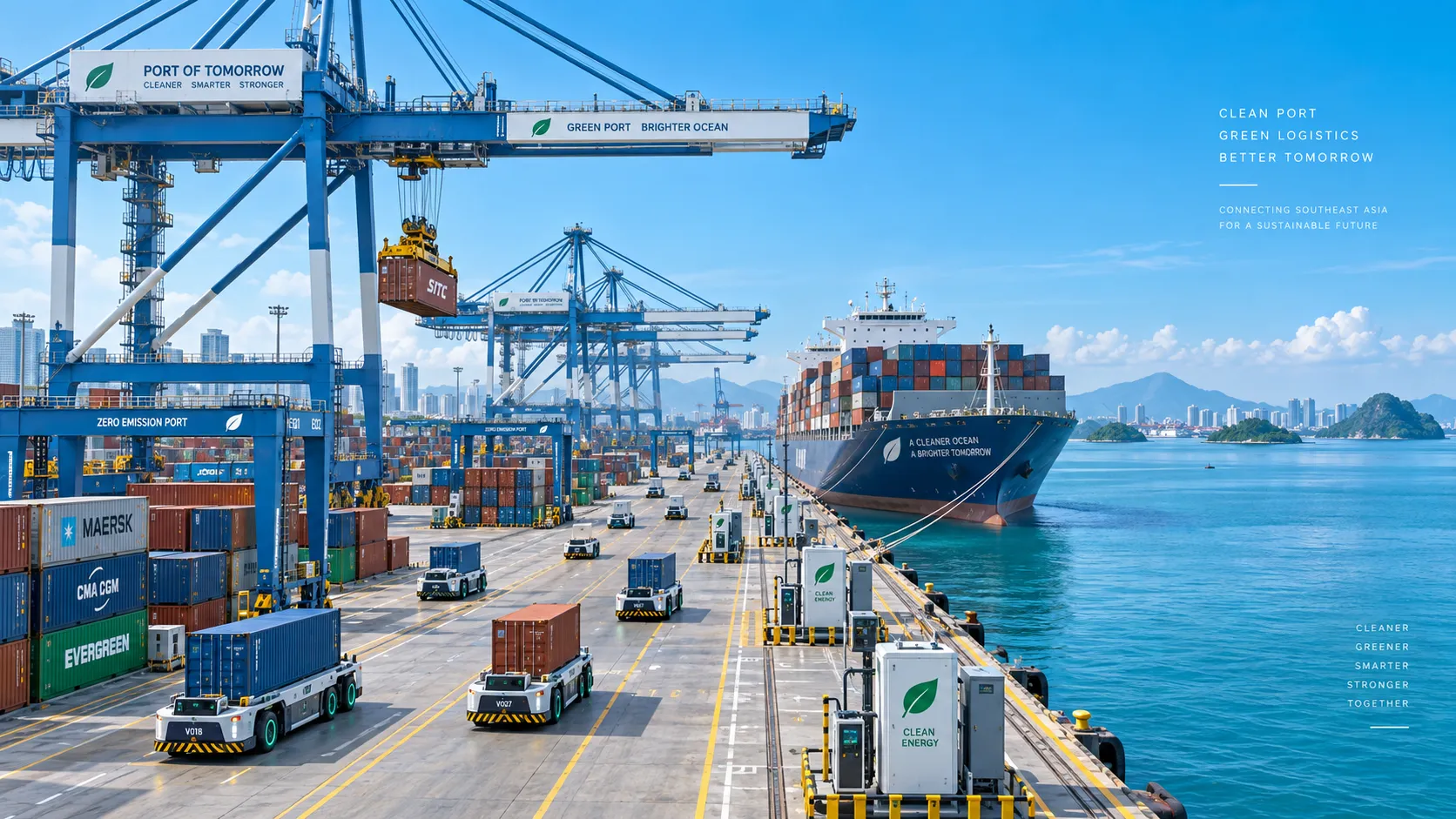
Smart Port Systems in Southeast Asia: Investment Priorities and Adoption Barriers
Smart port systems Southeast Asia: discover investment priorities, adoption barriers, and practical steps to build resilient, connected, high-performing terminals.
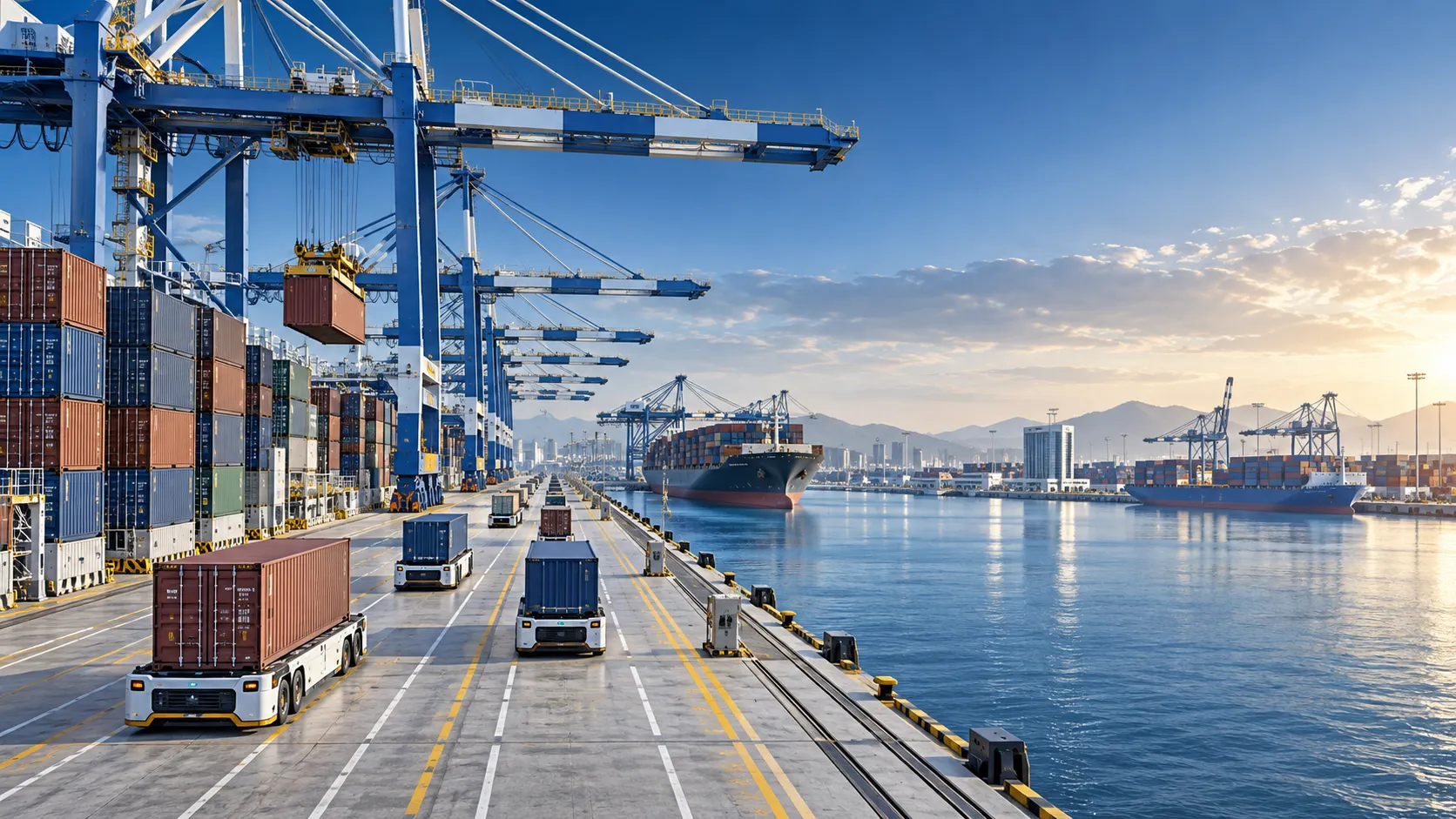
How to Evaluate Terminal Efficiency Solution Suppliers for High-Throughput Operations
Choose a terminal efficiency solutions supplier with confidence. Explore proven criteria for throughput, integration, lifecycle cost, safety, and reliable delivery.
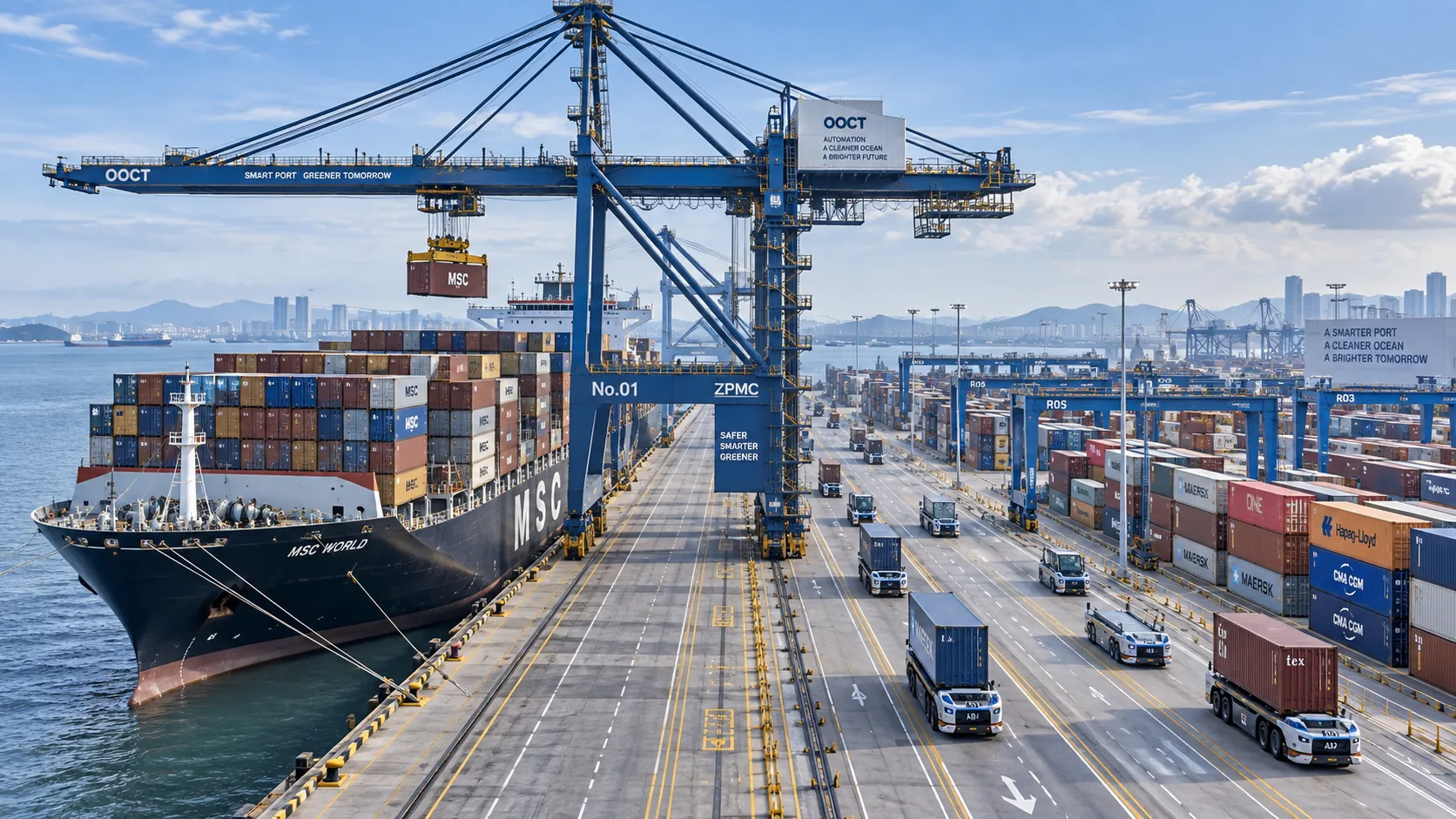
How to Specify a Quay Crane for Container Terminals by Vessel Size and Throughput?
Quay crane for container terminals: learn how to match outreach, lift height, capacity, automation, and cycle performance to vessel size and throughput goals.
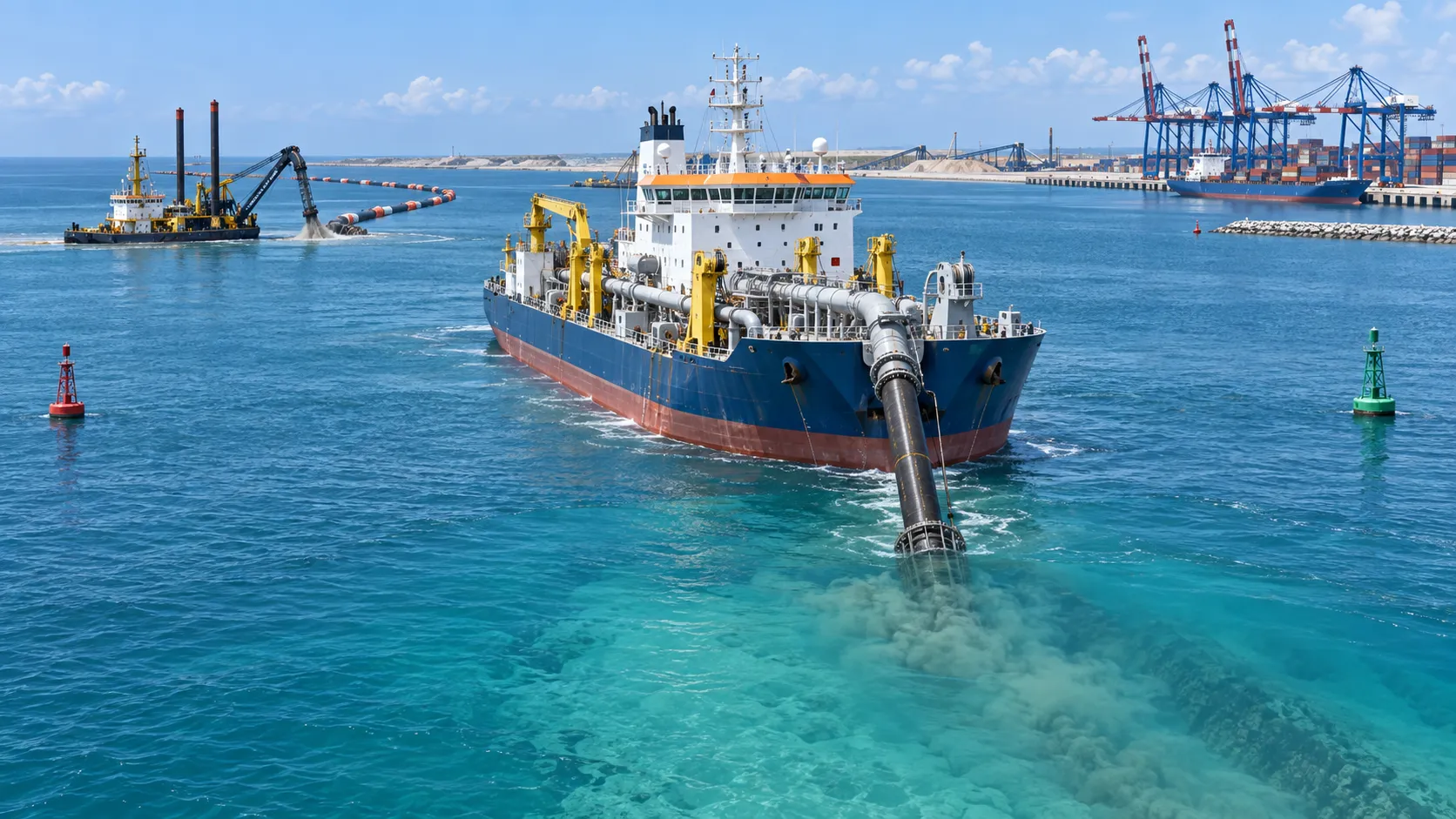
What Dredging Equipment Is Needed for Channel Deepening?
What dredging equipment is needed for channel deepening? Explore dredgers, pipelines, survey tools, and planning strategies for safer, more efficient port access.
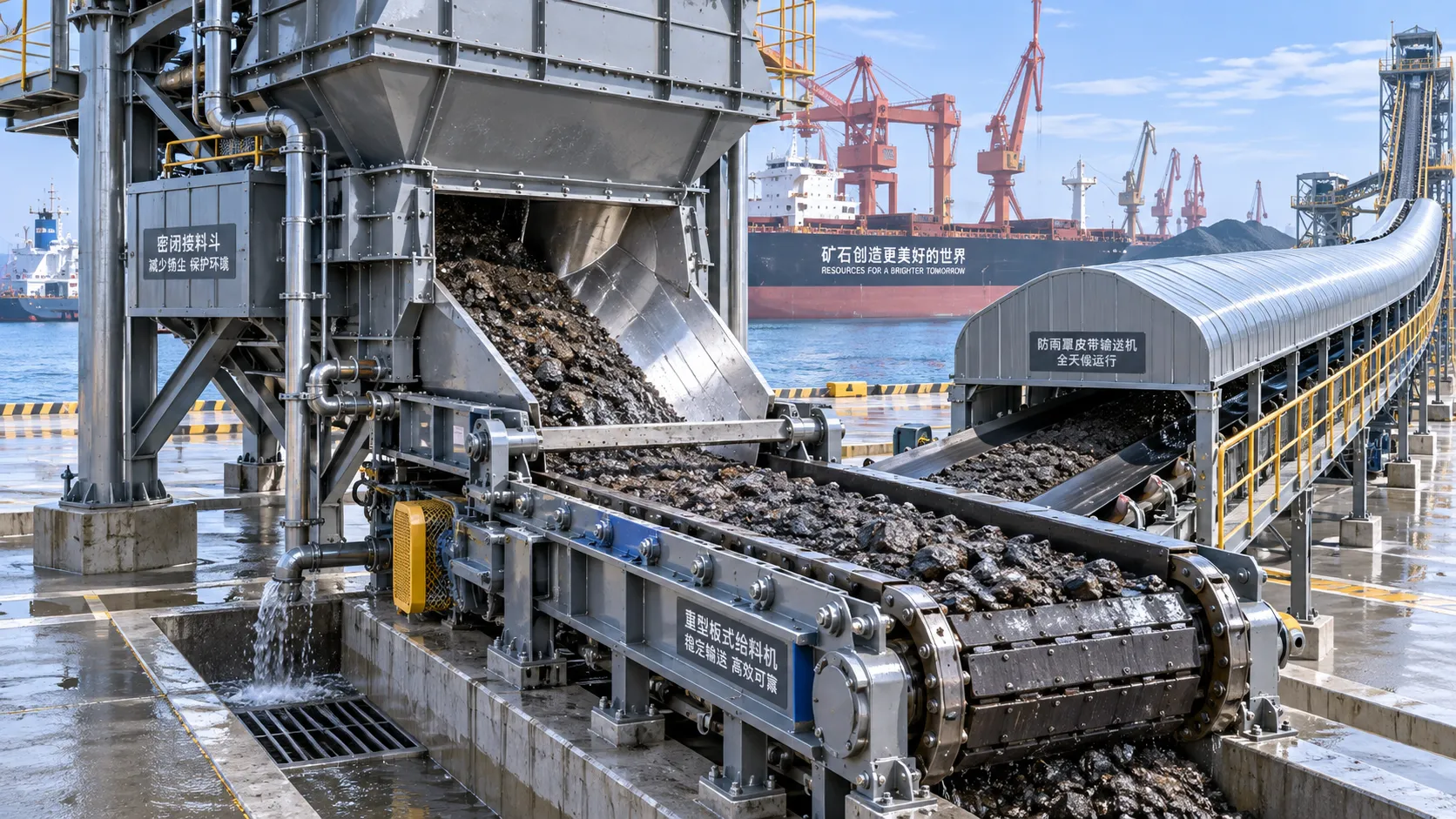
Which Bulk Handling Equipment Suits High-Moisture Cargo?
Which bulk handling equipment suits high-moisture cargo? Compare belt, apron, screw, drag, and slurry systems for reliable flow, less carryback, and higher terminal uptime.
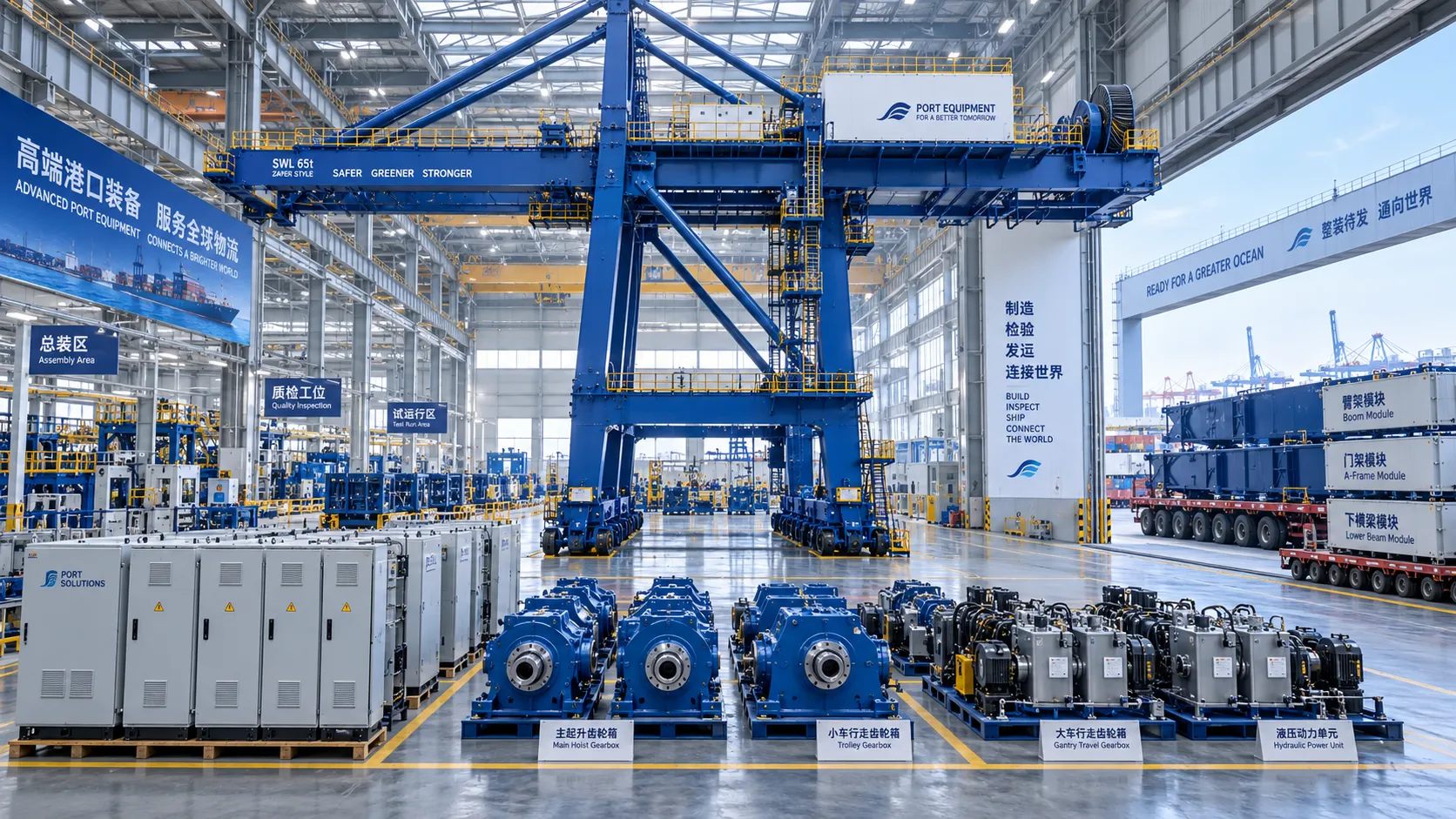
How Can Port Equipment Lead-Time Risk Be Managed?
How can port equipment lead-time risk be managed? Explore practical strategies to control critical paths, suppliers, transport, site readiness, and commissioning delays.
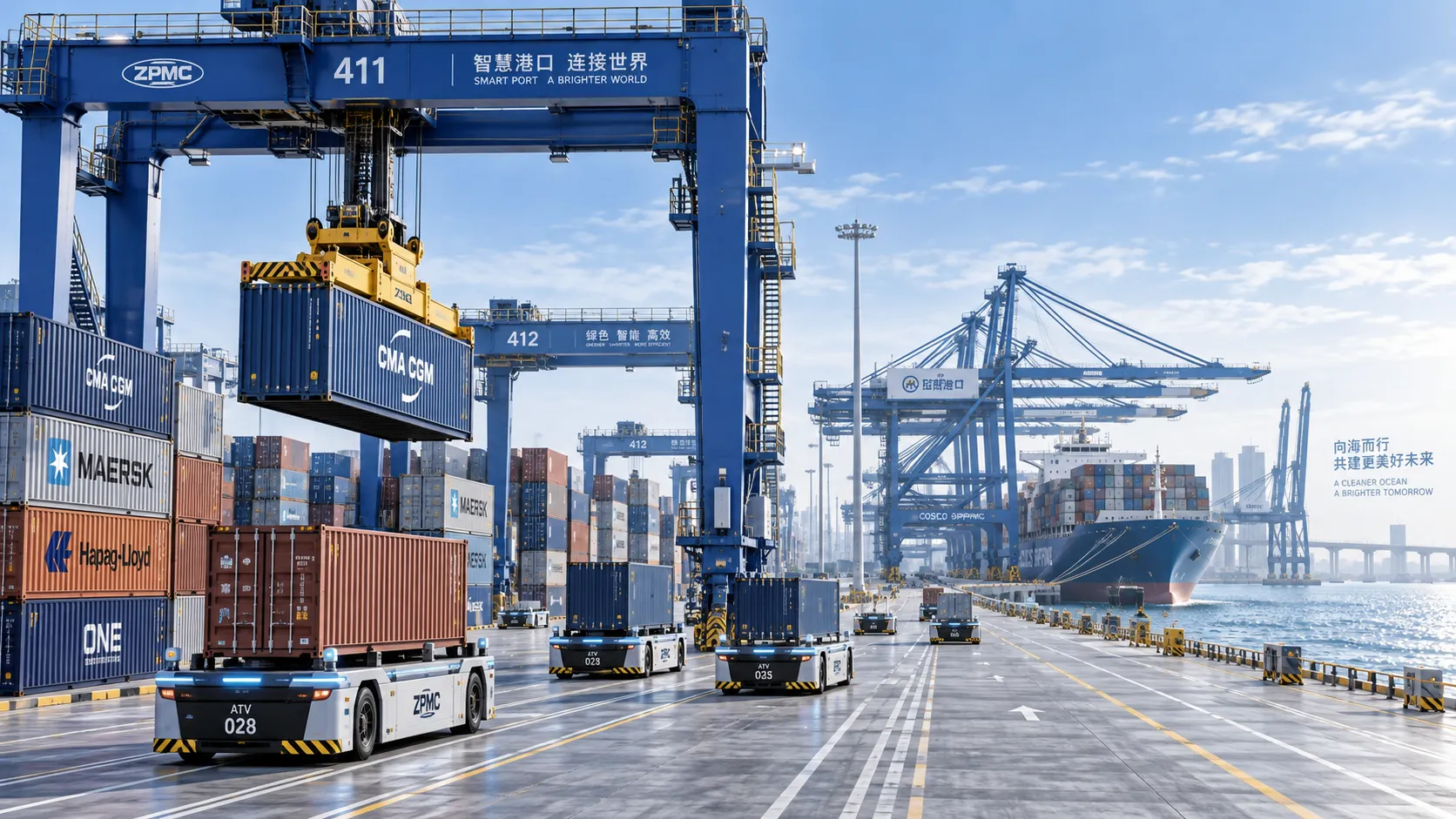
Terminal Automation Technologies That Raise Container Throughput Without Yard Disruption
Terminal automation technology that increases container throughput without disrupting yard flow. Explore smarter integration, resilient workflows, and phased deployment strategies.
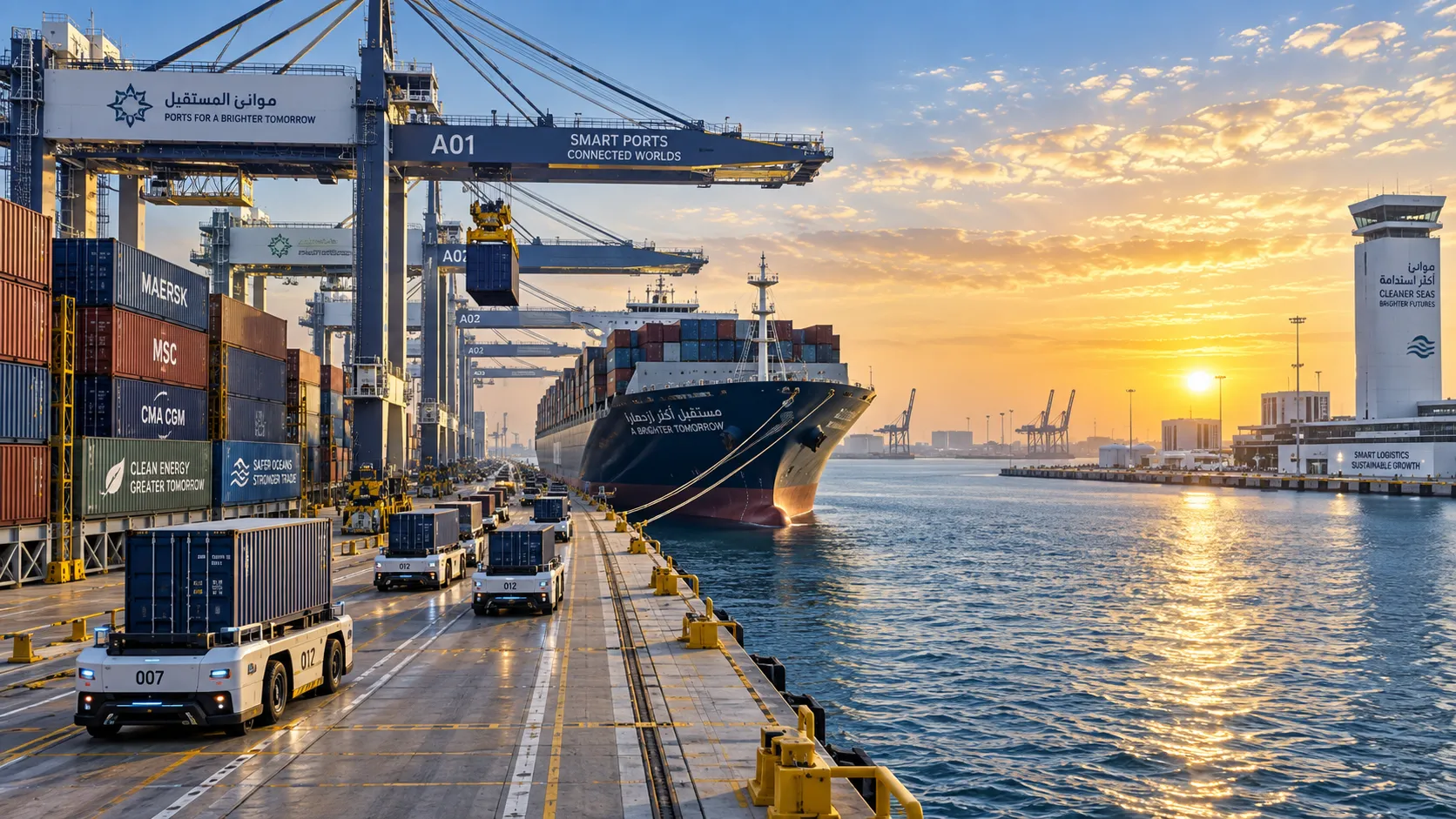
Middle East Port Automation: Key Market Drivers, Projects, and Investment Risks
Port automation systems Middle East: explore market drivers, flagship projects, integration challenges, and investment risks shaping smarter, resilient terminals.
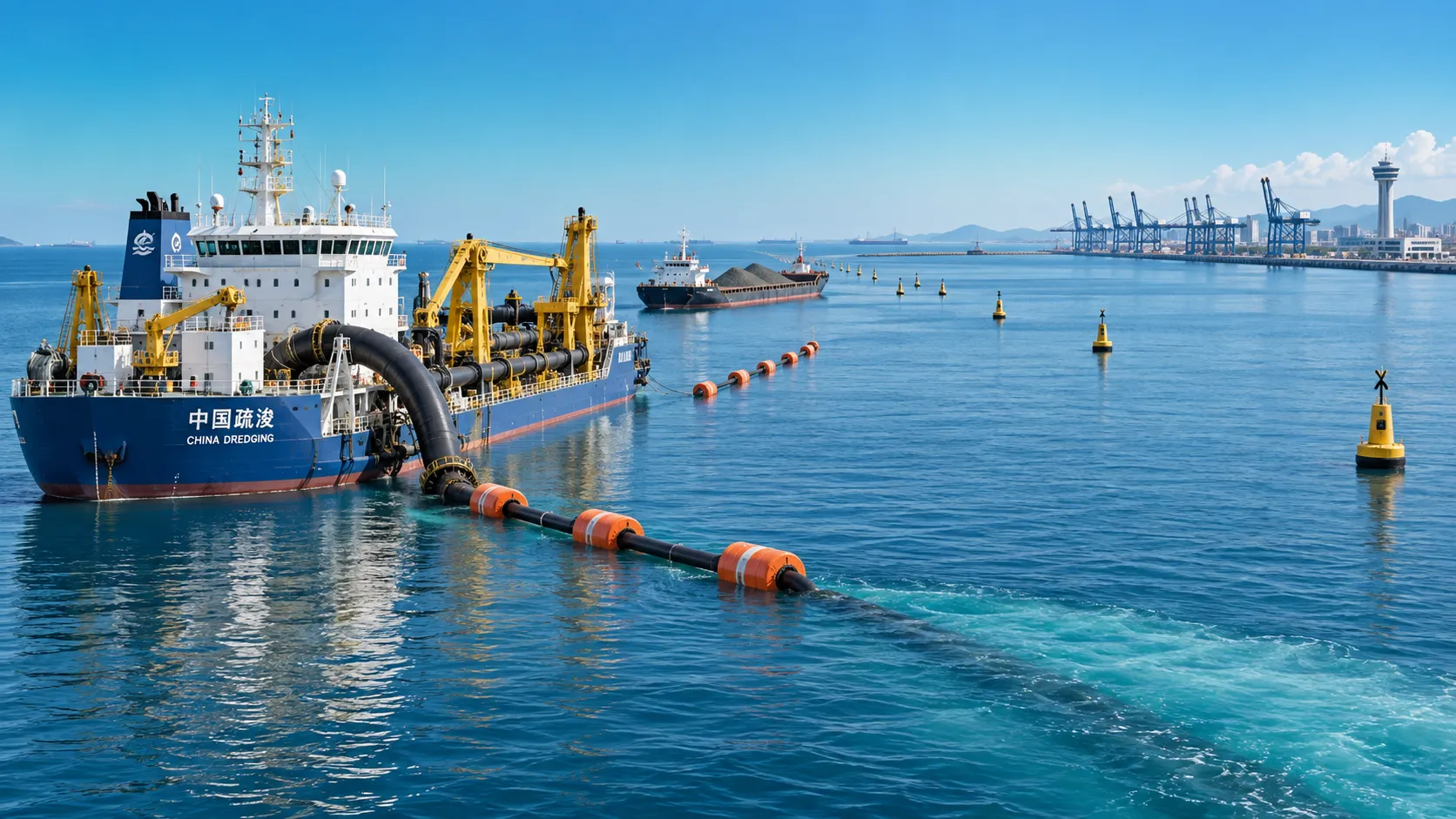
Planning Offshore Dredging Operations: Key Risks, Methods, and Project Controls
Offshore dredging operations demand smart planning. Explore key risks, proven methods, environmental controls, and project strategies for reliable delivery.