Related News
- 00
0000-00
Smart Port Systems in Southeast Asia: Investment Priorities and Adoption Barriers - 00
0000-00
Middle East Port Automation: Key Market Drivers, Projects, and Investment Risks - 00
0000-00
How Coastal Cities Can Prioritize Blue Economy Projects for Jobs and Ecosystem Gains - 00
0000-00
How Harbor Construction Solutions Address Wave Loads, Scour, and Vessel Berthing - 00
0000-00
What Is Driving Maritime Infrastructure Growth in Southeast Asia?
Middle East Port Automation: Key Market Drivers, Projects, and Investment Risks
Middle East Port Automation: A Market Moving Beyond Showcase Technology
Middle East port automation is accelerating as governments, terminal operators, and logistics investors pursue higher throughput, lower operating costs, and more resilient trade corridors. For business evaluators, assessing port automation systems Middle East opportunities requires more than tracking smart crane deployments or automated guided vehicle projects. It means understanding policy support, cargo growth, technology integration, project bankability, and geopolitical exposure.
The region is not one uniform automation market. Gulf transshipment hubs, Red Sea gateways, industrial ports, free-zone terminals, and emerging corridor projects operate under different cargo profiles and commercial priorities. A highly automated container yard may be commercially sensible at a large hub with predictable vessel calls and constrained labor availability. The same model can become difficult to justify at a port dominated by irregular breakbulk, project cargo, or seasonal volumes.
That distinction matters because the most credible regional projects are usually not buying “automation” as a single product. They are combining terminal civil works, quay equipment, yard machinery, power infrastructure, terminal operating systems, communications networks, cybersecurity, and operating-model redesign. The technology is visible; the coordination behind it is where project value is won or lost.
Why the Automation Case Is Strengthening
The first driver is the Middle East’s changing role in global logistics. Ports across the Gulf, Red Sea, and Arabian Sea are being positioned not only as import gateways but as transshipment, manufacturing, distribution, and re-export platforms. Large free zones and logistics parks increase the value of fast, reliable container handoffs between vessel, yard, customs area, warehouse, and inland transport. A terminal that loses visibility at one of those handoffs can create delays far beyond the quay.
A second driver is operating consistency. Shipping lines and cargo owners increasingly care about schedule recovery, berth reliability, gate turnaround, and the ability to manage disruption. Automation does not eliminate congestion or weather risk, but it can make equipment dispatch, container positioning, maintenance planning, and exception handling more predictable. In a hub-and-spoke environment, predictable execution is often more valuable than an isolated peak productivity figure.
Labor economics also play a role, although they should not be oversimplified. In some markets, direct labor cost is not the main reason to automate. The stronger business case may be safer separation between people and heavy equipment, reduced dependence on scarce technical roles, improved asset utilization, or the ability to operate a larger footprint with a more centralized control room. Remote crane operation, automated stacking cranes, autonomous horizontal transport, and intelligent gate systems can each address different constraints.
Energy and emissions considerations are becoming part of the decision as well. Electrified yard equipment, regenerative crane systems, optimized travel paths, and condition-based maintenance can support lower energy use, but results depend on local power supply, equipment duty cycles, charging design, and maintenance discipline. It is not enough to label a terminal “green” because it has electric machines. Investors should examine the actual energy architecture and whether the grid, substations, backup arrangements, and charging windows can support the intended operating pattern.
Where Projects Are Concentrating
The Gulf’s established container hubs remain the most visible setting for advanced port automation. Jebel Ali, Khalifa Port, Hamad Port, and major Saudi gateway terminals are frequently considered in regional discussions because of their strategic positions, expansion agendas, and links to industrial or logistics development. Their operating models differ, but they illustrate the direction of travel: more digitalized planning, better equipment telemetry, remote operations, automated gate processes, and selective yard automation.
Saudi Arabia deserves particular attention because port modernization is connected to wider industrial, logistics, and trade-corridor ambitions. Yet the opportunity should not be read as a simple equipment-volume story. Individual terminals may have different concession structures, cargo mixes, local-content expectations, procurement pathways, and integration requirements. A supplier with a strong automated yard reference elsewhere may still need to demonstrate how its system will connect to the terminal operating system, customs processes, maintenance organization, and local service network.
In the UAE and Qatar, automation can be tied to high-throughput hub operations, national logistics strategies, and the need to preserve service quality as terminal ecosystems expand. Oman’s ports present another type of opportunity: industrial, energy, mineral, and corridor-linked cargo can make digital control, bulk-handling optimization, and maintenance intelligence as relevant as container automation. In such settings, automated container handling is only part of the investment picture.
The Red Sea adds both strategic appeal and complexity. Ports serving regional cargo, manufacturing zones, pilgrimage-related demand, or international liner networks may seek greater capacity and better operating visibility. At the same time, route disruptions and security conditions can rapidly alter vessel patterns. This makes phased modernization especially attractive: strengthen the terminal’s digital core and equipment reliability before committing to a fully integrated autonomous yard whose economics depend on stable utilization assumptions.
Automation Is an Operating System, Not a Fleet of Machines
The phrase port automation systems Middle East covers a broad stack of technologies. At the operational level, it may include a terminal operating system, equipment control system, fleet management software, optical character recognition at gates, remote-control stations, positioning systems, vessel-planning tools, and interfaces with customs, port community systems, or logistics customers. At the physical level, it can involve ship-to-shore cranes, automated stacking cranes, rail-mounted gantries, straddle carriers, automated guided vehicles, battery-electric tractors, conveyors, and bulk-handling equipment.
The weak point is often the interface between those layers. An automated crane can perform reliably while the overall terminal underperforms because job orders arrive late, container data is inconsistent, wireless coverage is uneven, or manual exception processes have not been redesigned. In brownfield terminals, integration is more difficult still. Existing cranes may have different control generations, maintenance records may be incomplete, and operations teams may be accustomed to informal workarounds that do not translate into automated workflows.
For that reason, a sensible assessment starts with process mapping rather than equipment selection. How is a container released from the vessel plan? Who resolves a misdeclared unit? What happens when a truck arrives early, a spreader sensor fails, a battery vehicle needs charging, or a reefer alarm conflicts with a yard move? The commercial model should account for those exceptions, not only nominal cycle times.
The Main Investment Risks
The largest financial risk is usually a mismatch between automation intensity and actual demand. High-capital systems need enough sustained volume, sufficient yard density, and a stable enough operating pattern to justify their fixed cost. A planned expansion can look attractive under a long-range trade forecast but become strained if transshipment services shift, carrier alliances change port rotations, or regional competition adds capacity faster than expected.
Technology lock-in is another concern. A terminal may buy an integrated solution that works well initially but becomes expensive to modify when it needs new equipment, a different operating system, or access to richer equipment data. Evaluators should look closely at interface ownership, data rights, application programming interfaces, source-code escrow where relevant, cybersecurity responsibilities, and the practical ability to add multi-vendor equipment over time.
Cybersecurity deserves equal treatment with mechanical availability. Remote control, wireless machine fleets, cloud-connected maintenance platforms, and port community interfaces expand the attack surface. The relevant question is not whether a vendor has a cybersecurity statement. It is whether the project defines network segmentation, access controls, patch management, incident response, system logging, recovery procedures, and responsibility at the boundary between IT and operational technology.
Geopolitical and supply-chain risks remain material. Shipping diversions can affect volume assumptions; sanctions or export restrictions can affect components and software support; conflict-related insurance costs can alter route economics. Long-lead items such as crane electrical systems, drives, automation sensors, switchgear, and specialized spare parts should be assessed early. The project schedule should include more than manufacturing lead time: factory testing, site acceptance testing, commissioning windows, operator training, and contingency plans for interface failures all matter.
There is also a human risk. Automation changes work rather than simply removing it. Control-room operators, planners, maintenance technicians, cybersecurity specialists, and supervisors need different skills and authority structures. If training is postponed until the equipment arrives, the terminal may enter commissioning with technically capable systems but an unprepared operating organization.
A More Useful Due-Diligence Framework
Business evaluators should test projects against a small set of practical questions:
- Is the cargo forecast robust enough to support the proposed level of fixed automation, including downside scenarios?
- Does the chosen yard concept fit vessel-call variability, truck arrivals, container dwell time, and the proportion of special cargo?
- Which interfaces are contractually proven, and which are still dependent on custom development?
- What availability commitment is being measured: individual equipment uptime, fleet availability, or end-to-end terminal performance?
- Can local teams maintain critical systems, and are spares, remote support, and escalation paths realistic for the site?
- How will the terminal operate safely during degraded mode when automated functions are unavailable?
A phased architecture often gives a better answer than an all-or-nothing program. A terminal can first establish reliable data capture, equipment monitoring, gate automation, centralized dispatch, and remote-operation capability. Once workflows and maintenance practices mature, it can automate the most repetitive and high-density yard processes. This approach does not remove integration risk, but it makes weaknesses visible before they become embedded in a larger capital program.
Reading the Market Through Equipment, Data, and Coastal Infrastructure
Port automation cannot be assessed in isolation from quay depth, berth layout, dredging requirements, power resilience, and cargo hinterland connections. A new automated yard has limited value if vessel access constraints, landside bottlenecks, or insufficient utility capacity prevent the terminal from using it as designed. The same applies to bulk and specialized cargo terminals, where conveyor condition, shiploader reliability, stockyard logic, and environmental controls may be more decisive than a container-style autonomy model.
This is the perspective taken by PS-Nexus, an intelligence portal focused on heavy terminal gear, automated container handling, dredging engineering, and the wider relationship between maritime logistics and coastal economics. Its value lies in treating cranes, fleet algorithms, communications protocols, and marine infrastructure as connected systems. A low-latency remote-control network, for example, is not merely an IT upgrade; it affects crane operating design, safety procedures, control-room staffing, maintenance diagnostics, and terminal resilience.
The regional market is likely to reward that systems view. The strongest projects will not necessarily be the ones with the most autonomous vehicles or the most ambitious digital language. They will be projects where commercial assumptions, engineering constraints, software integration, workforce readiness, and long-term maintenance obligations align. Before assigning value to a Middle East automation opportunity, investors should ask for the operating logic behind the technology—and test whether it still works when volumes soften, interfaces fail, or the trade route changes.
Related News
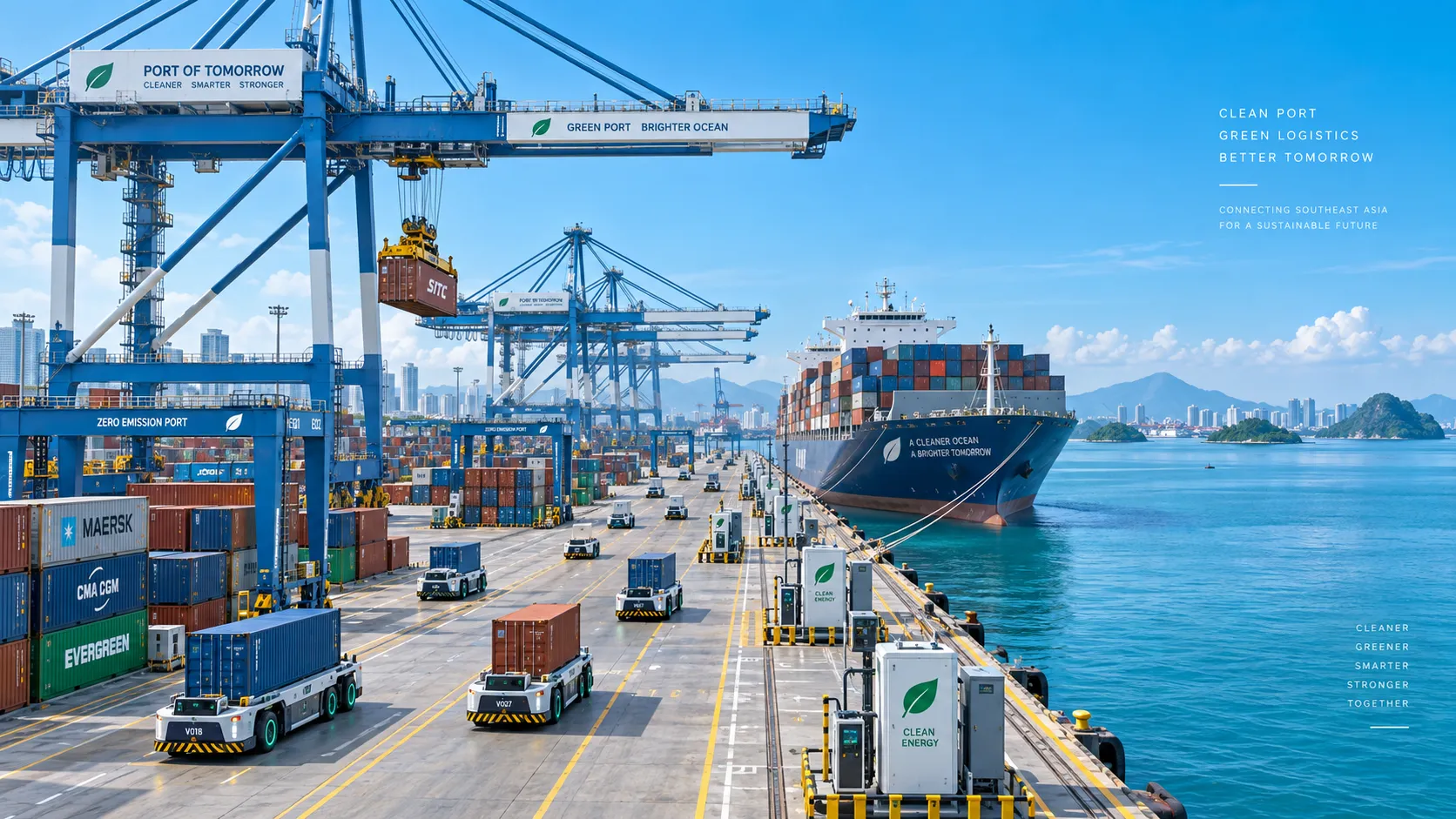
Smart Port Systems in Southeast Asia: Investment Priorities and Adoption Barriers
Smart port systems Southeast Asia: discover investment priorities, adoption barriers, and practical steps to build resilient, connected, high-performing terminals.
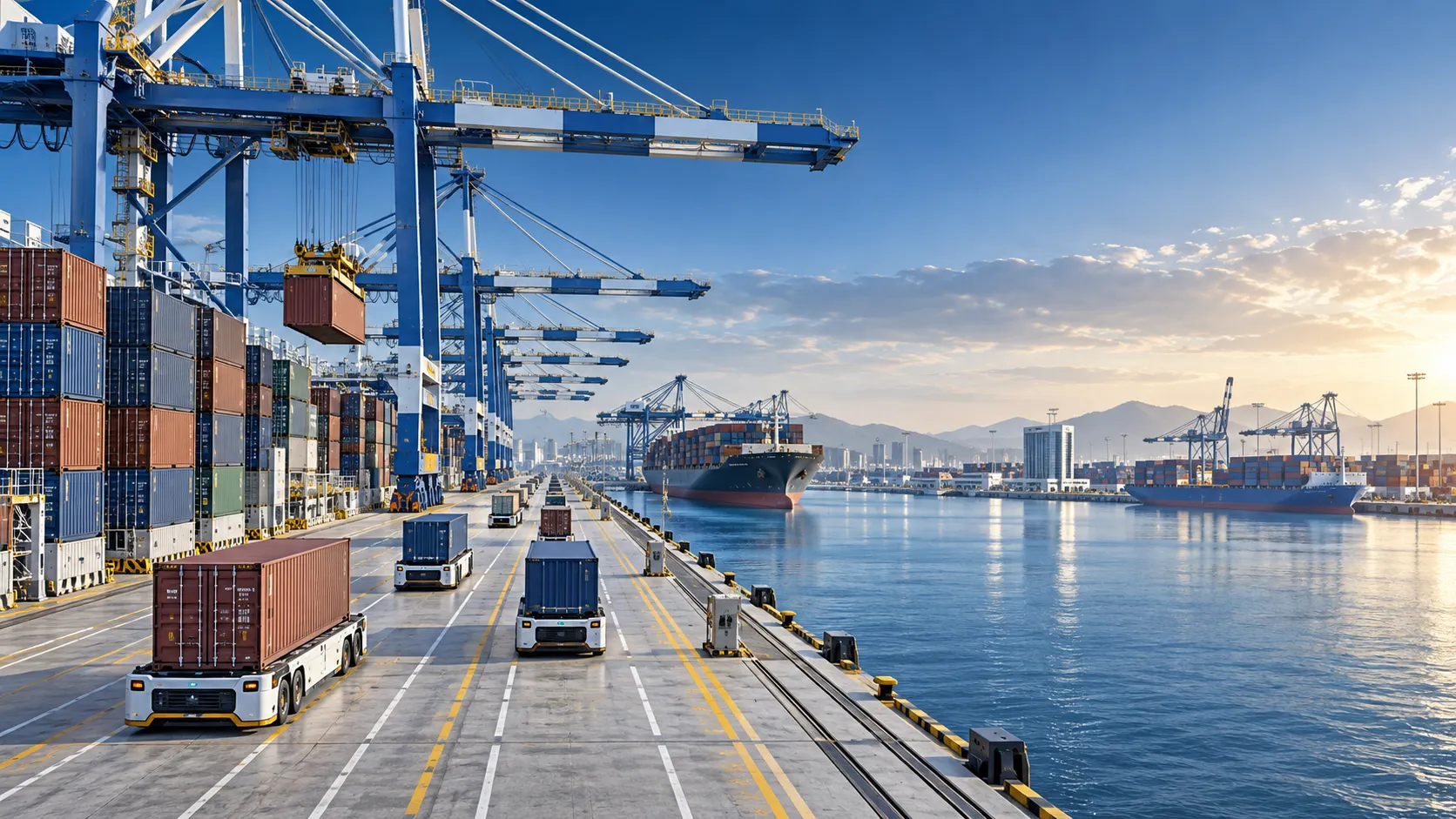
How to Evaluate Terminal Efficiency Solution Suppliers for High-Throughput Operations
Choose a terminal efficiency solutions supplier with confidence. Explore proven criteria for throughput, integration, lifecycle cost, safety, and reliable delivery.
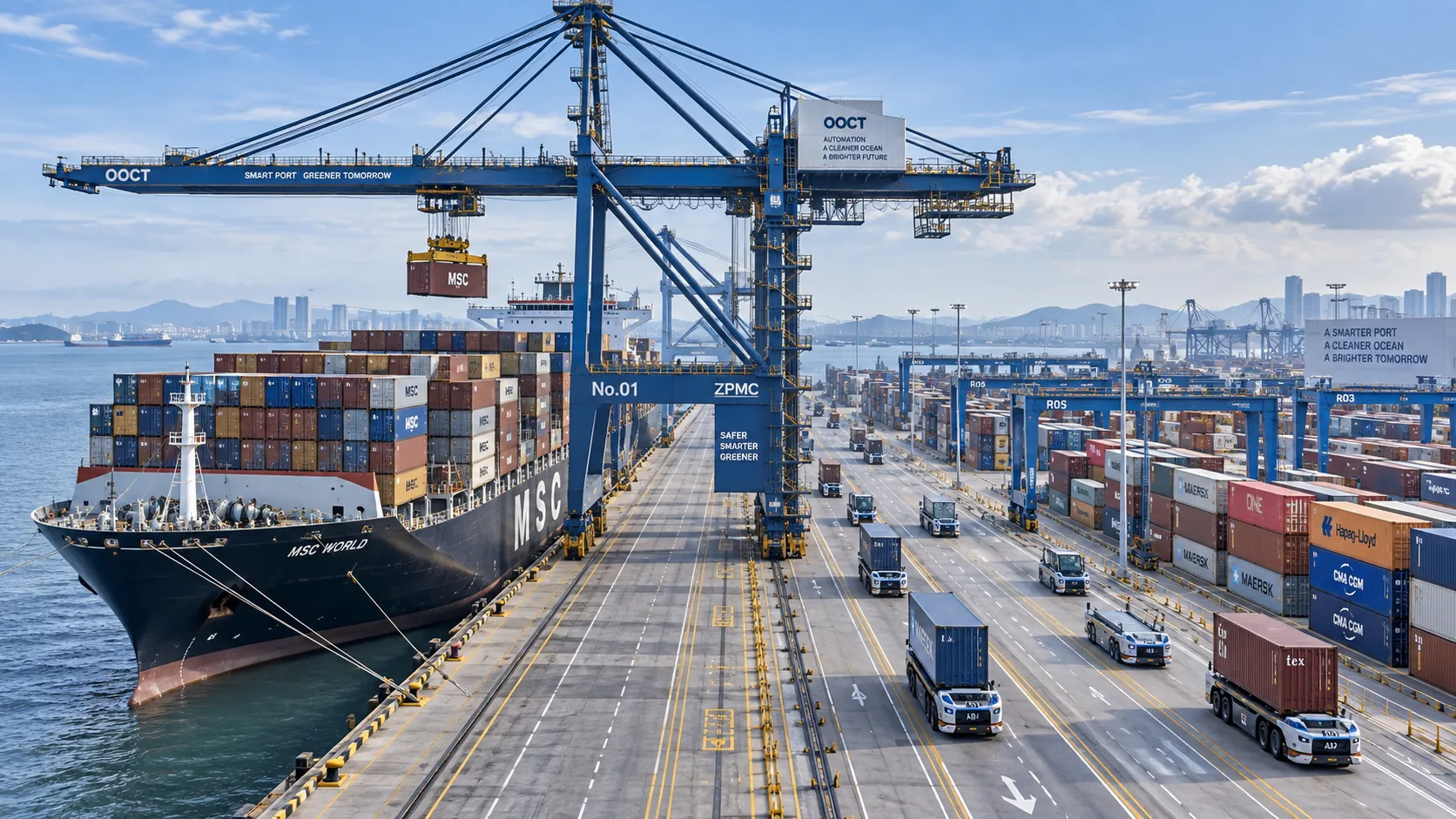
How to Specify a Quay Crane for Container Terminals by Vessel Size and Throughput?
Quay crane for container terminals: learn how to match outreach, lift height, capacity, automation, and cycle performance to vessel size and throughput goals.
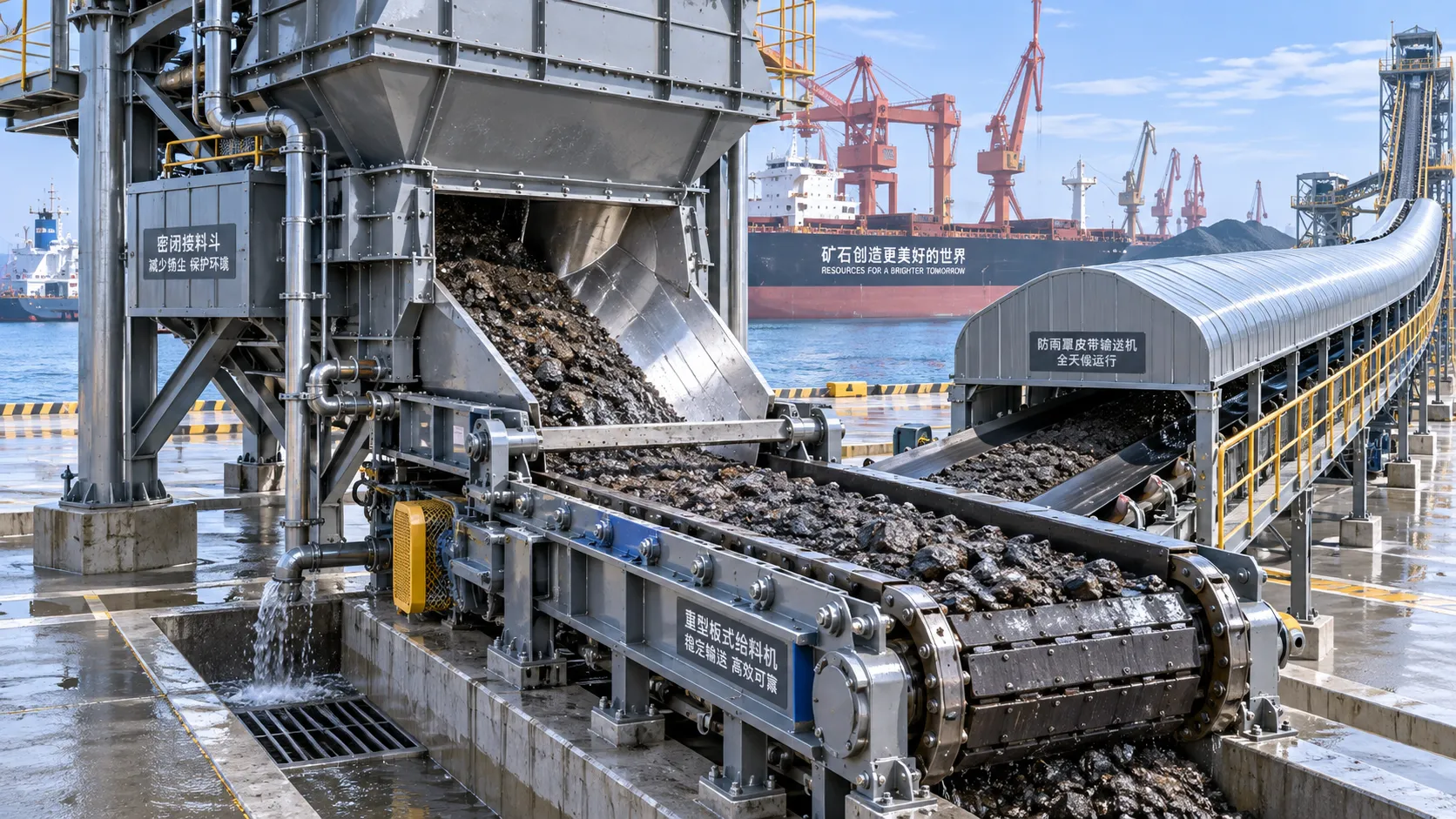
Which Bulk Handling Equipment Suits High-Moisture Cargo?
Which bulk handling equipment suits high-moisture cargo? Compare belt, apron, screw, drag, and slurry systems for reliable flow, less carryback, and higher terminal uptime.
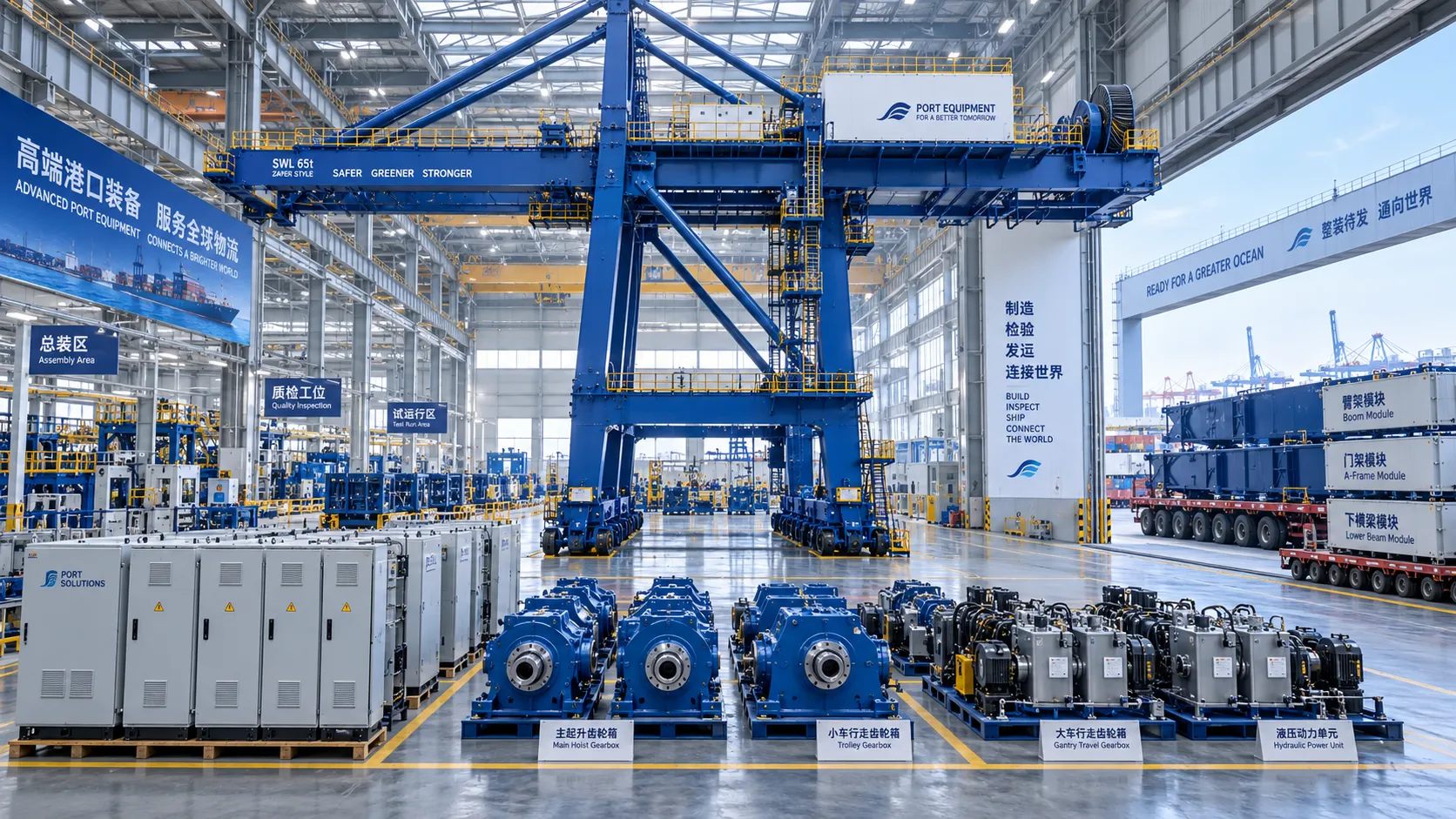
How Can Port Equipment Lead-Time Risk Be Managed?
How can port equipment lead-time risk be managed? Explore practical strategies to control critical paths, suppliers, transport, site readiness, and commissioning delays.
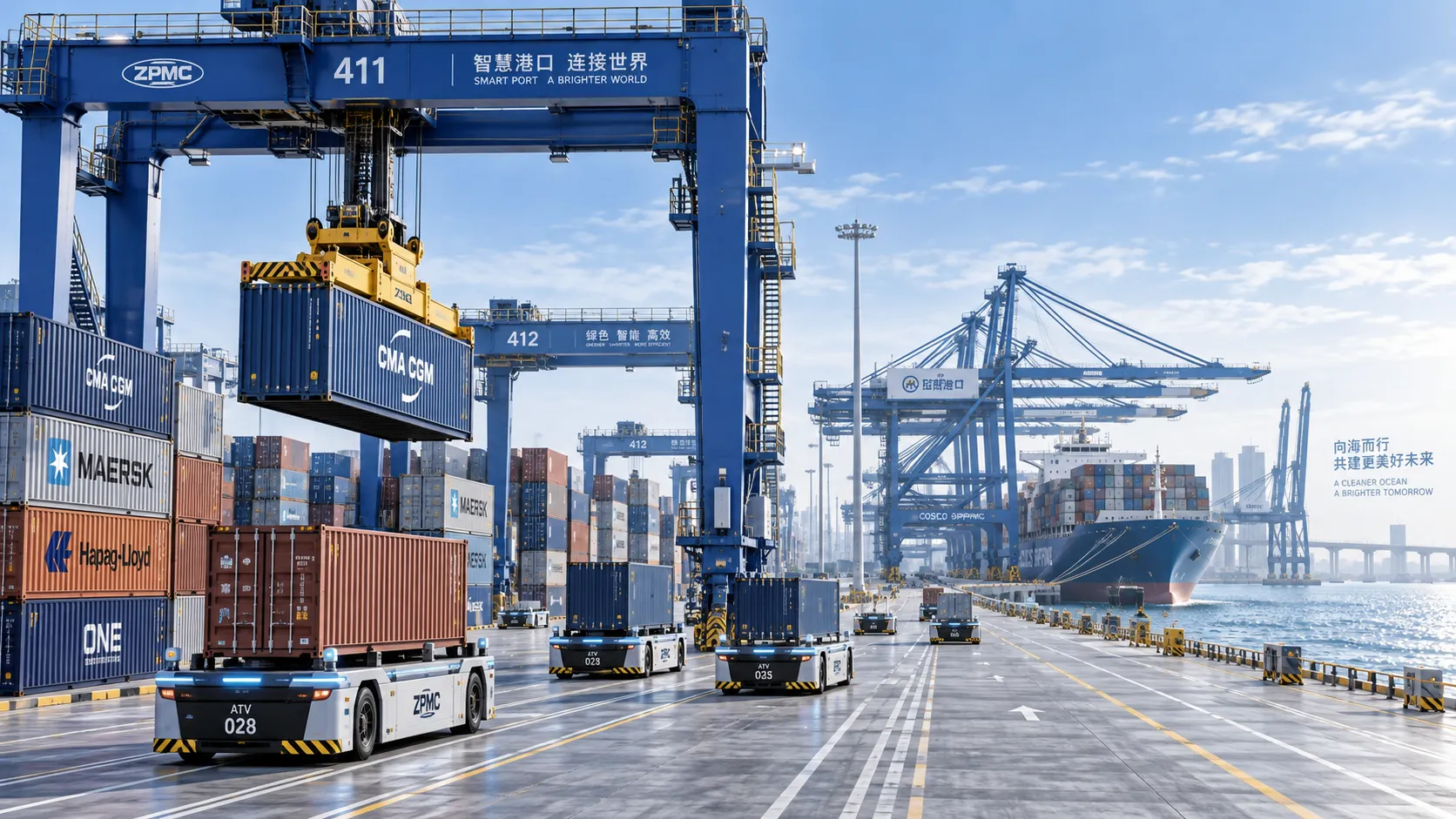
Terminal Automation Technologies That Raise Container Throughput Without Yard Disruption
Terminal automation technology that increases container throughput without disrupting yard flow. Explore smarter integration, resilient workflows, and phased deployment strategies.
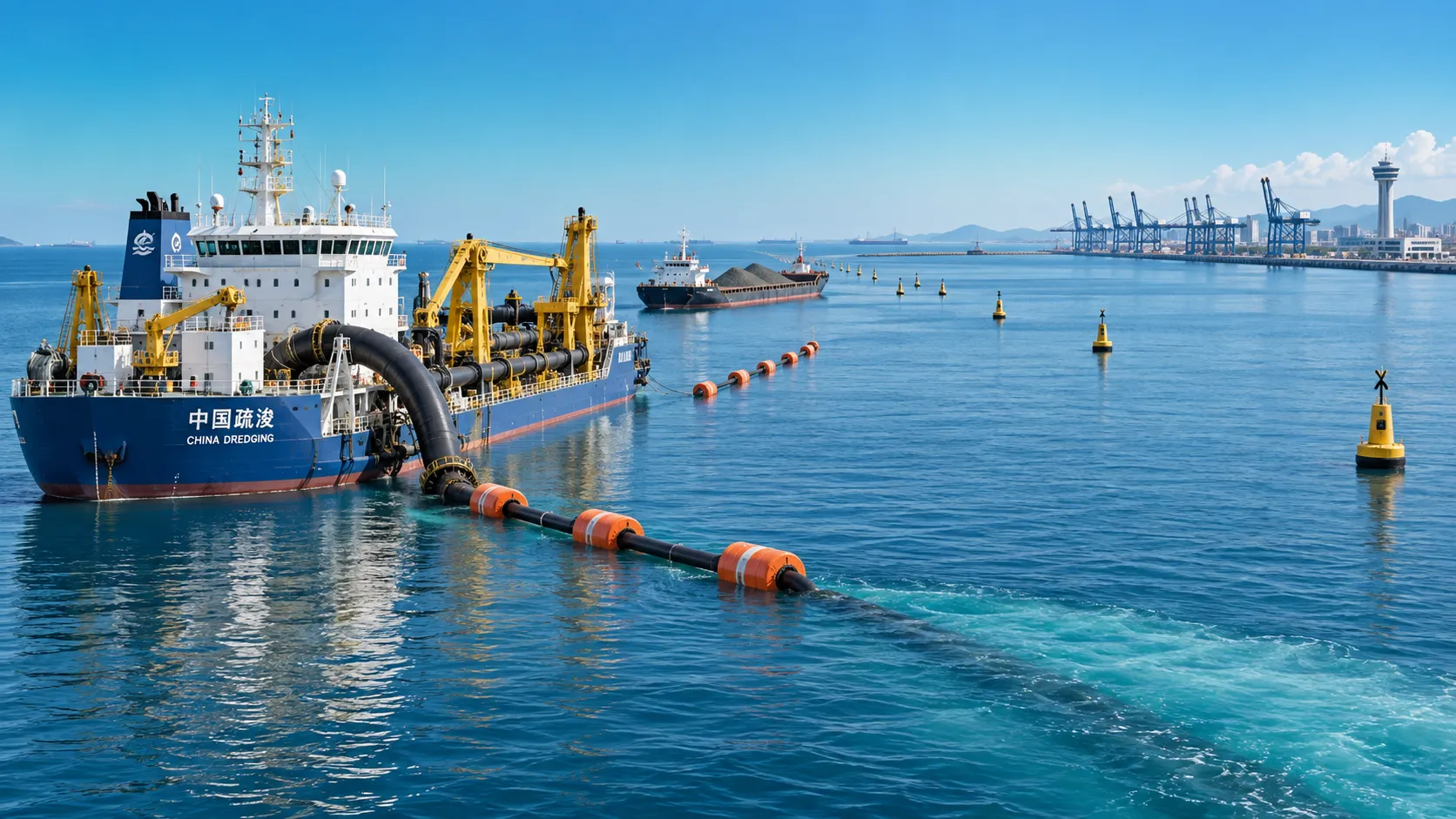
Planning Offshore Dredging Operations: Key Risks, Methods, and Project Controls
Offshore dredging operations demand smart planning. Explore key risks, proven methods, environmental controls, and project strategies for reliable delivery.
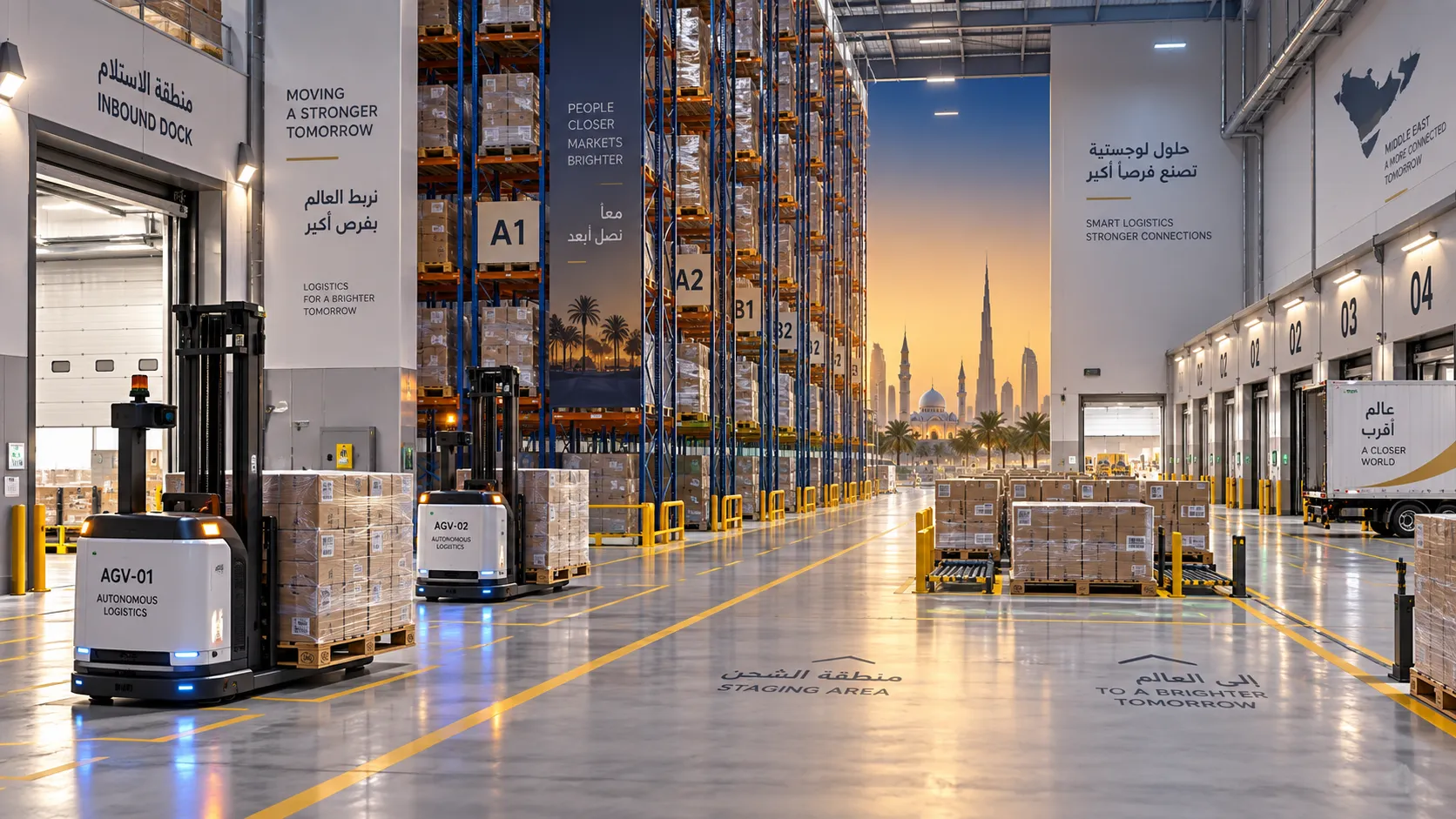
Where Do Automated Guided Vehicles Deliver the Fastest Warehouse Gains in the Middle East?
Automated guided vehicles Middle East: discover where AGVs deliver the fastest warehouse gains, from high-volume distribution centers to port logistics, manufacturing, and cold storage.
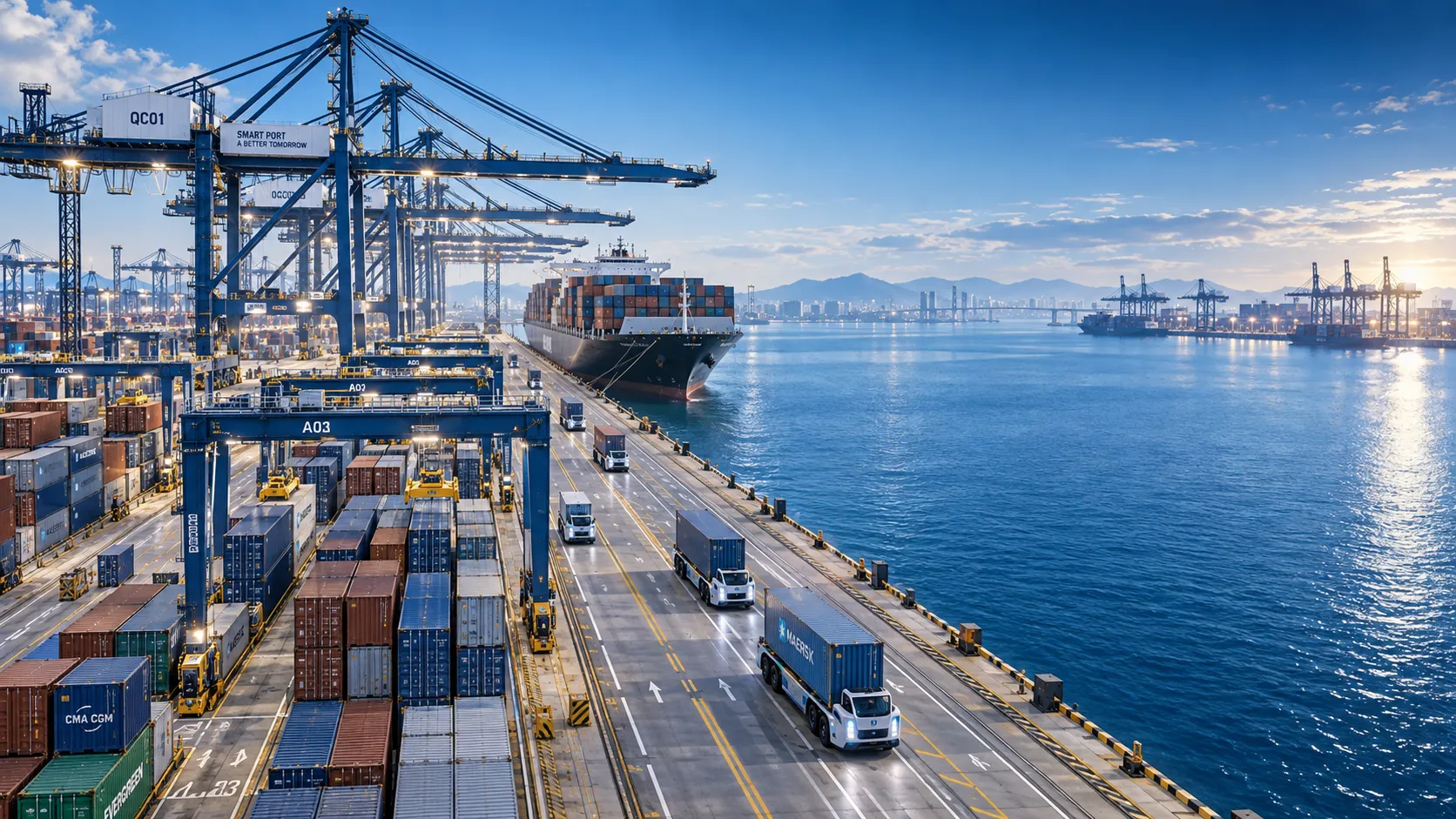
Smart Port Systems Pricing: How to Compare Lifecycle Costs and ROI by Terminal Scale
Smart port systems pricing explained: compare lifecycle costs, integration risks, and ROI by terminal scale to make smarter, resilient investment decisions.