Related News
- 00
0000-00
Smart Port Systems Pricing: How to Compare Lifecycle Costs and ROI by Terminal Scale - 00
0000-00
What Drives Bulk Material Handling Pricing in Large Conveyor System Projects? - 00
0000-00
How Shipping Rate Analytics in Europe Help Importers Predict Costs and Route Risk - 00
0000-00
What Buyers Check When Reviewing Used PVC Coating Line Output and Condition - 00
0000-00
Automated Port Systems Cost Breakdown: CAPEX, Integration, and Maintenance Factors
Smart Port Systems Pricing: How to Compare Lifecycle Costs and ROI by Terminal Scale
Smart Port Systems Pricing: How to Compare Lifecycle Costs and ROI by Terminal Scale
Smart port systems pricing is more than an upfront technology comparison. A terminal may receive a proposal for a terminal operating system upgrade, private wireless network, remote crane control layer, yard optimization platform, or automated equipment package, yet none of those prices tells the full investment story. The real question is whether the system improves the economics and resilience of the terminal over its operating life.
For decision-makers, the right investment depends on terminal scale, cargo mix, current asset condition, labor model, energy strategy, expected volume growth, and the ability of existing systems to exchange reliable data. A small multipurpose terminal cannot evaluate automation in the same way as a high-volume transshipment hub. Equally, a mega terminal should not assume that a large capital program automatically produces a proportionate return.
A useful procurement process starts by separating the visible purchase price from the lifecycle cost of ownership. It then connects those costs to operational outcomes that can actually be measured: vessel turnaround consistency, yard density, equipment availability, truck flow, energy use, maintenance burden, safety exposure, and recovery speed after disruption.
Why upfront price is a weak basis for comparison
A smart port program is usually assembled from interdependent layers. The commercial proposal may list software licenses, sensors, control-room workstations, communication equipment, implementation services, and training. But the less visible elements often decide whether the project remains manageable: data cleansing, interface development, cyber-security architecture, redundancy, civil modifications, electrical upgrades, acceptance testing, operational simulation, and post-go-live support.
This is why two proposals with similar initial values can produce very different total costs. One may include standard interfaces and a clear support model; another may depend on custom connections to older crane controls, legacy gate systems, maintenance platforms, or bespoke billing tools. In the latter case, change requests can become a larger financial issue than the original software license.
The same principle applies to physical automation. An automated stacking crane, automated guided vehicle, or remote-control conversion is not simply a machine purchase. Its value depends on traffic logic, lane design, charging or power infrastructure, equipment recovery procedures, network coverage, spare-parts access, and the ability of the operating team to manage exceptions. Smart port systems pricing should therefore be assessed as a system cost, not as a catalogue of components.
Build the lifecycle cost model before comparing vendors
A practical lifecycle model should cover the expected useful life of the platform or equipment rather than only the implementation period. The exact horizon will vary by asset, contract structure, and modernization plan, but the categories should remain consistent across all bidders.
It is also important to distinguish a cost that disappears from a cost that merely moves. Remote operations may reduce exposure in the field, for example, but they may create a need for dispatch roles, technology support, data analysts, or additional maintenance capability. That does not make the investment unattractive. It simply means the business case should be based on the new operating model rather than a simplistic labor-reduction assumption.
The economics change with terminal scale
Small terminals: focus on visibility, reliability, and modularity
Small container, bulk, breakbulk, or mixed-cargo terminals often have constrained capital budgets and highly variable activity. Their strongest case for digital investment is rarely full automation. It is more often better operational visibility: berth and yard planning, equipment telemetry, gate appointment tools, maintenance monitoring, cargo tracking, and a dependable data foundation.
At this scale, a large centralized platform with extensive customization can be economically difficult to justify. Procurement should favor modular deployment, low infrastructure burden, open interfaces where possible, and a path to add functions only when volumes or complexity warrant them. A system that improves planning discipline and reduces avoidable equipment downtime may produce more usable value than an ambitious autonomous-yard concept that cannot absorb demand volatility.
The key ROI test is operational practicality: Can the terminal reduce manual re-entry, shorten exception handling, improve service predictability, or avoid capital spending on additional equipment by using present assets better? If the answer depends on sustained throughput growth that has not yet materialized, the investment should be staged.
Mid-sized terminals: integration becomes the pricing issue
Mid-sized terminals usually face the most complex comparison. They may operate enough cranes, yard equipment, gate traffic, and vessel calls to benefit from advanced optimization, while still relying on a mixture of equipment generations and locally adapted processes. The purchase price of the core software is often less significant than the effort required to make data flow between terminal operations, equipment controls, maintenance, gate, customs, and customer-facing systems.
This is where procurement teams should ask for an interface register before contract award. It should identify every planned connection, the responsible party, data ownership, test method, assumed protocol, failure behavior, and acceptance criteria. A vague promise to “integrate with existing systems” is not enough. Integration delays can affect both project cost and day-to-day throughput once the platform is live.
Mid-sized operations may also find value in selective automation: remote crane operation, automated gate processing, fleet management for electrified equipment, or optimization in the densest yard blocks. Selectivity matters because it allows the terminal to address the most expensive bottleneck without redesigning every process at once.
Mega terminals: resilience and orchestration dominate the return
For large terminals, smart systems are usually evaluated as an orchestration layer across many assets and operating zones. The ROI may include productivity, but it also comes from coordinated decision-making when conditions change: a delayed vessel window, equipment outage, weather interruption, yard congestion, labor constraint, or landside surge.
These operations can support broader automation because repetitive flows and high utilization offer more opportunities to spread fixed technology costs. Yet scale also increases dependency risk. If a centralized control system, communications network, or data service fails, the impact can extend across the terminal. High availability, fallback procedures, segregation of critical networks, cyber-security governance, and recovery drills deserve explicit budget treatment rather than being treated as technical footnotes.
A mega-terminal business case should therefore place a value on predictable recovery as well as average productivity. The cheapest architecture may be expensive if it leaves no credible route to safe, controlled operation during a technology outage.
Translate operational value into a credible ROI case
A sound ROI model begins with a baseline that the terminal trusts. It should use its own records for move patterns, berth occupancy, yard dwell, rehandles, equipment availability, maintenance events, truck turnaround, energy consumption, and disruption history. Where data quality is weak, that limitation should be acknowledged rather than hidden behind optimistic assumptions.
Benefits should be separated into direct and conditional value. Direct value may include avoided fuel use, reduced equipment idle time, lower rehandle activity, fewer manual transactions, or reduced maintenance intervention. Conditional value includes throughput capacity that can only be monetized if demand exists, or shorter vessel time that only becomes financial value if contract terms reward it. Both matter, but they should not be presented as equally certain.
Decision-makers should also model a conservative case. What happens if adoption takes longer than planned, equipment availability improves only modestly, or the terminal must retain manual fallback capability? A project that still makes strategic sense under restrained assumptions is generally more robust than one that works only at the top end of a forecast.
Questions that expose hidden cost and delivery risk
Before selecting a supplier or system integrator, the commercial review should force clarity on the operating details that sales presentations tend to compress. Useful questions include:
- Which functions are proven standard features, and which are project-specific development?
- Who owns the data, interface specifications, configuration records, and custom code at handover?
- What is the fallback process if the optimization engine, network, positioning system, or remote-control environment becomes unavailable?
- How are software upgrades tested against live operational systems and equipment controls?
- What local maintenance capability, spare-parts strategy, and response commitment are included after commissioning?
- Which performance targets are within the supplier’s control, and which depend on terminal process changes, vessel patterns, labor arrangements, or infrastructure?
The answers should be reflected in the contract structure, not merely noted in a technical meeting. Milestone payments, factory and site acceptance criteria, training obligations, defect responsibility, service-level definitions, and change-control procedures all influence lifecycle economics.
Avoid treating automation as a purely digital purchase
Ports sit at the intersection of heavy mechanical power, real-time scheduling, marine conditions, and commercial pressure from global supply chains. A yard algorithm cannot compensate for inadequate pavement, inconsistent container data, poor radio coverage, or a crane fleet with unresolved reliability issues. Likewise, electrification plans affect charging patterns, peak-power demand, maintenance routines, and equipment dispatch logic. These dependencies are part of the cost model.
This wider view is central to the work observed by PS-Nexus across terminal gear, specialized container handling, bulk machinery, automation controls, and dredging engineering. The most durable investment decisions connect infrastructure condition with algorithmic scheduling and commercial traffic patterns. Looking at one layer in isolation can produce an attractive spreadsheet and a difficult operating reality.
For terminals pursuing lower-emission operations, the same discipline applies. Energy-monitoring tools, electric equipment, smart charging, and digital maintenance systems may reinforce one another, but their value depends on local power conditions, duty cycles, asset compatibility, and the terminal’s actual emissions priorities. Broad net-zero claims should never substitute for site-specific engineering and operational analysis.
A better way to make the investment decision
The strongest smart port investment is not necessarily the most automated option. It is the option whose costs, dependencies, and expected benefits remain understandable when tested against the terminal’s scale and operating constraints. Smaller sites often gain most from disciplined digitization. Mid-sized sites need rigorous integration control. Large hubs need resilient orchestration and carefully designed fallback capability.
Before committing capital, build a baseline from operating data, map every interface and infrastructure dependency, price recurring support and renewal separately, and test the ROI under conservative conditions. Then compare suppliers on their ability to deliver the required operating model—not only on the number at the bottom of the initial quotation. That is the more reliable way to assess smart port systems pricing over the life of the terminal.
Related News
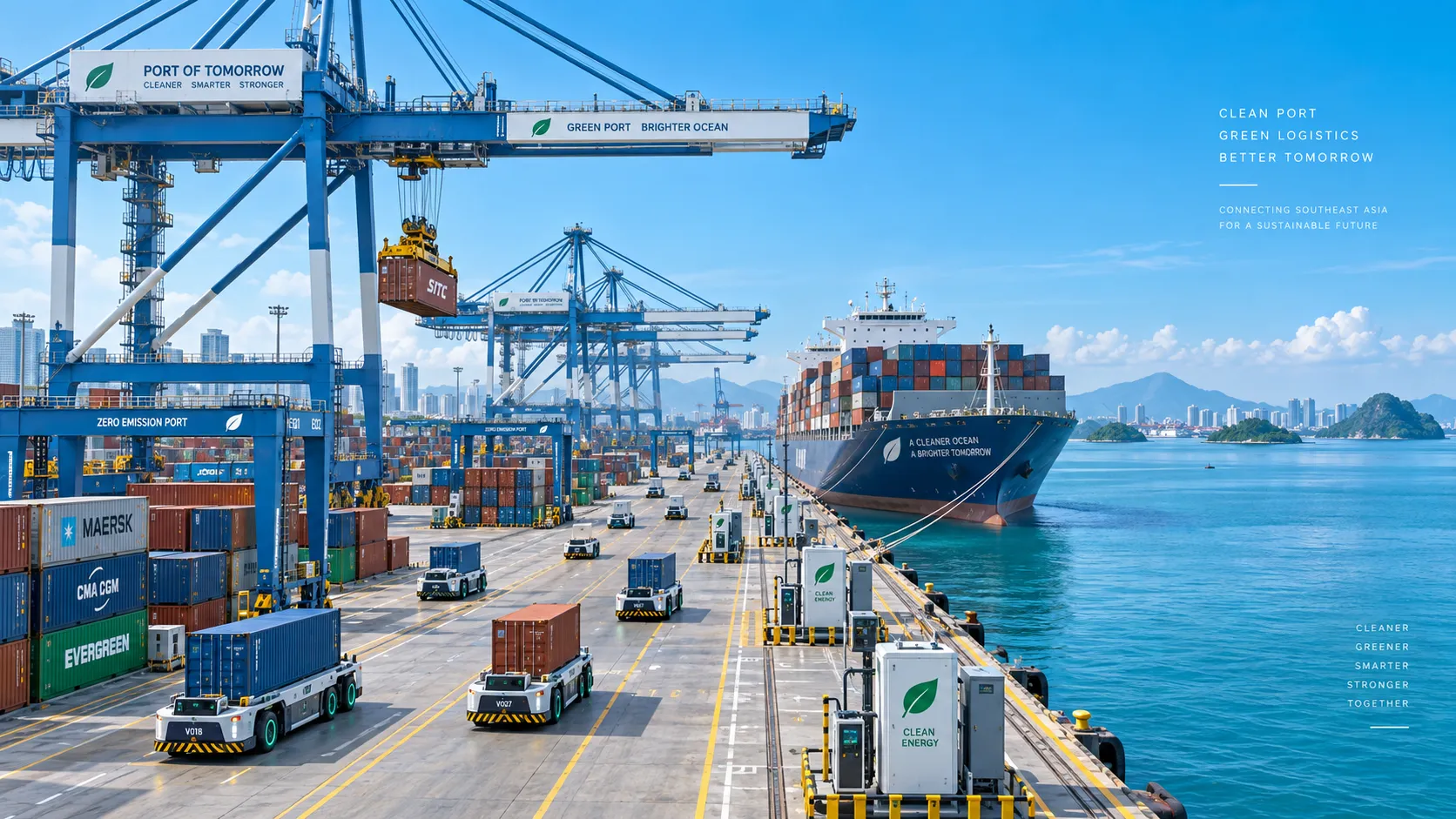
Smart Port Systems in Southeast Asia: Investment Priorities and Adoption Barriers
Smart port systems Southeast Asia: discover investment priorities, adoption barriers, and practical steps to build resilient, connected, high-performing terminals.
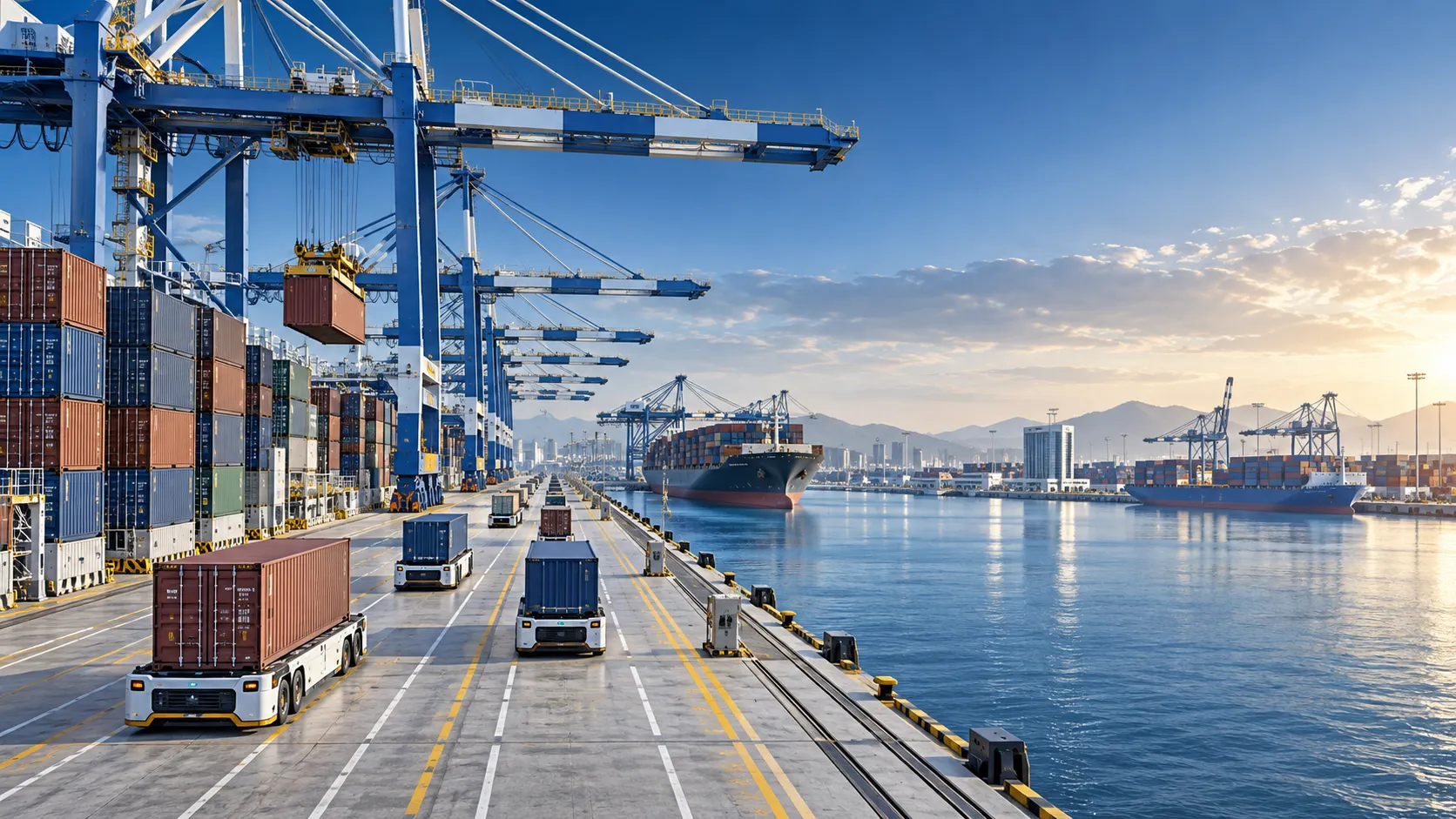
How to Evaluate Terminal Efficiency Solution Suppliers for High-Throughput Operations
Choose a terminal efficiency solutions supplier with confidence. Explore proven criteria for throughput, integration, lifecycle cost, safety, and reliable delivery.
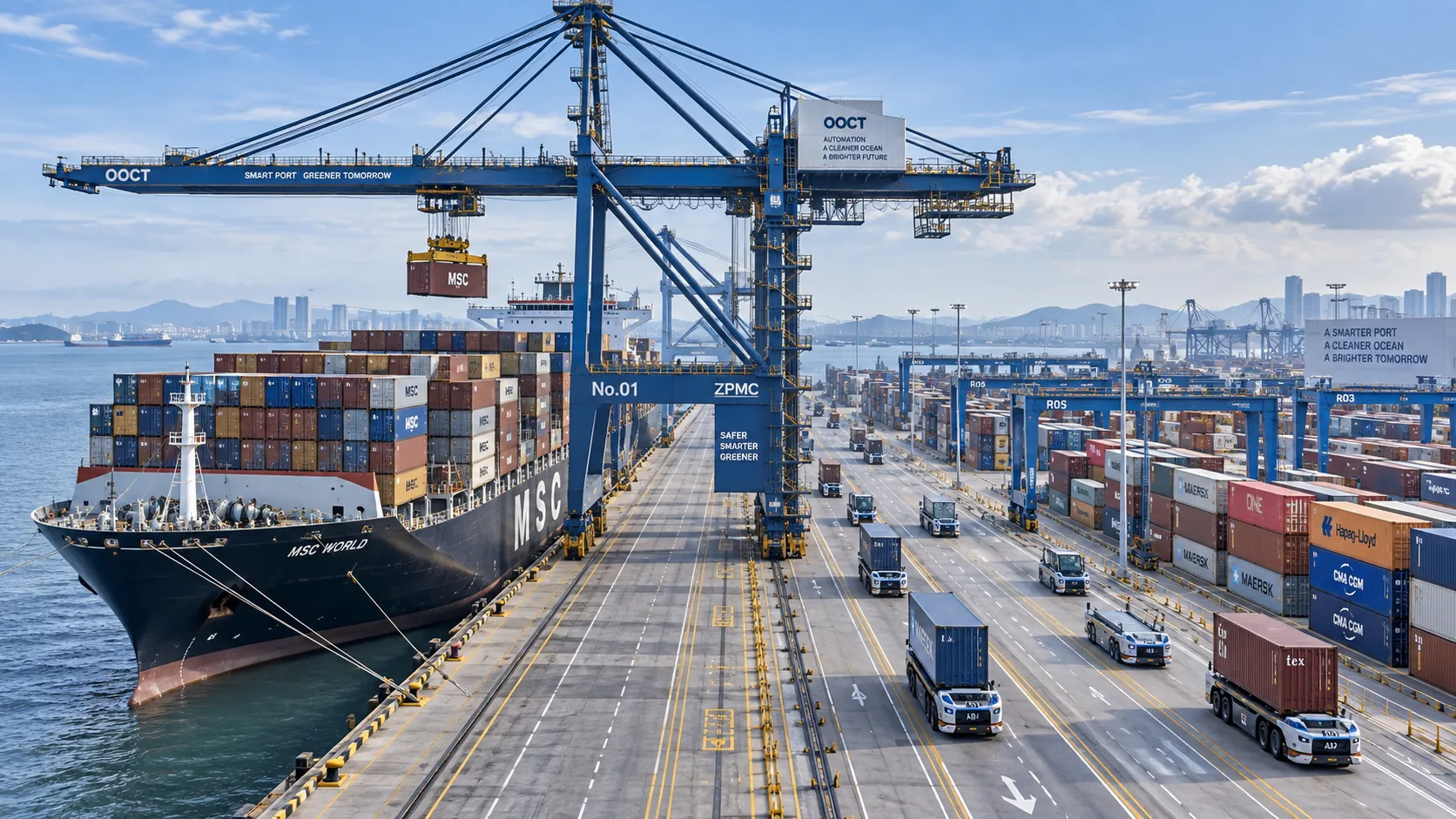
How to Specify a Quay Crane for Container Terminals by Vessel Size and Throughput?
Quay crane for container terminals: learn how to match outreach, lift height, capacity, automation, and cycle performance to vessel size and throughput goals.
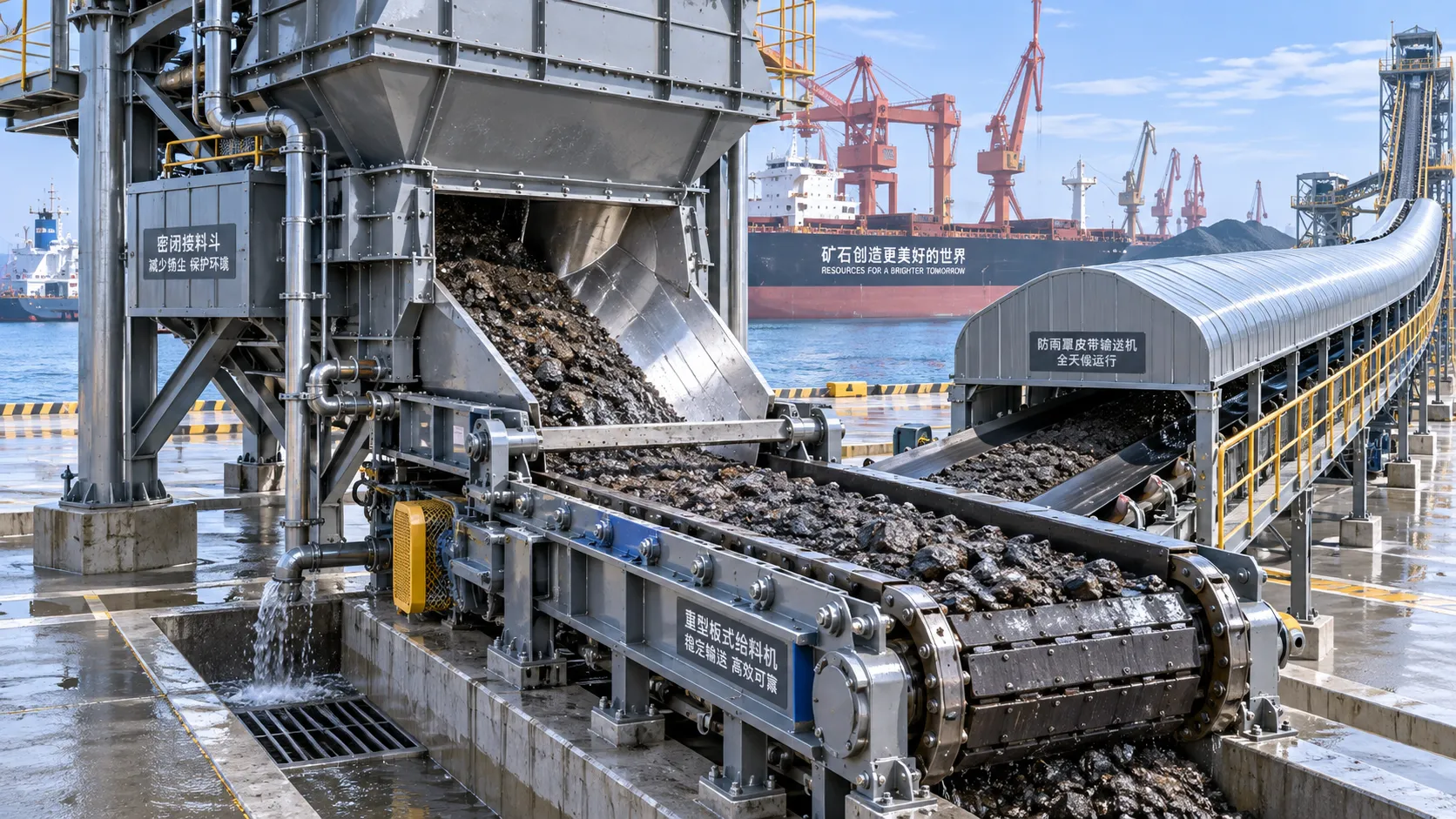
Which Bulk Handling Equipment Suits High-Moisture Cargo?
Which bulk handling equipment suits high-moisture cargo? Compare belt, apron, screw, drag, and slurry systems for reliable flow, less carryback, and higher terminal uptime.
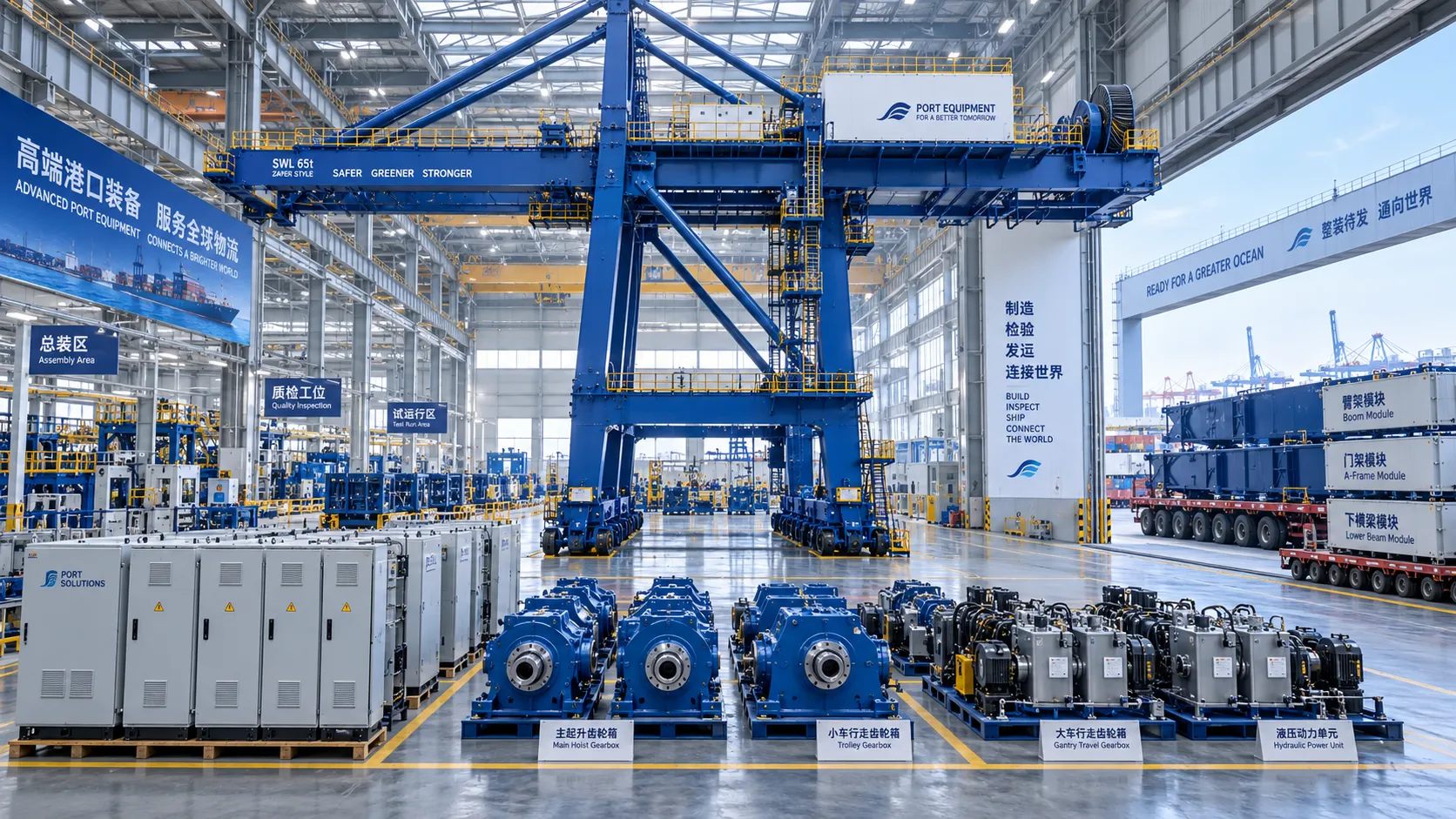
How Can Port Equipment Lead-Time Risk Be Managed?
How can port equipment lead-time risk be managed? Explore practical strategies to control critical paths, suppliers, transport, site readiness, and commissioning delays.
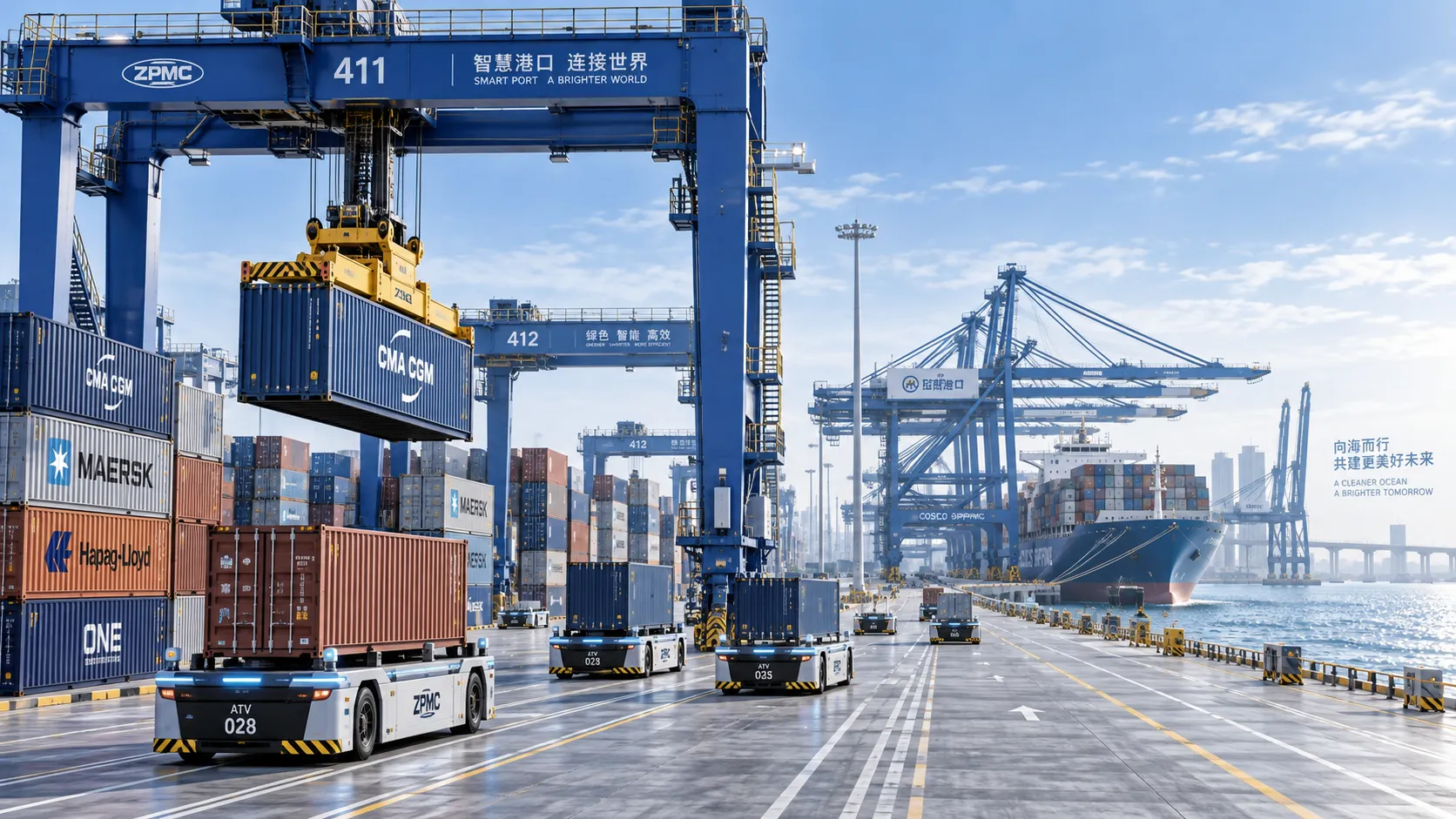
Terminal Automation Technologies That Raise Container Throughput Without Yard Disruption
Terminal automation technology that increases container throughput without disrupting yard flow. Explore smarter integration, resilient workflows, and phased deployment strategies.
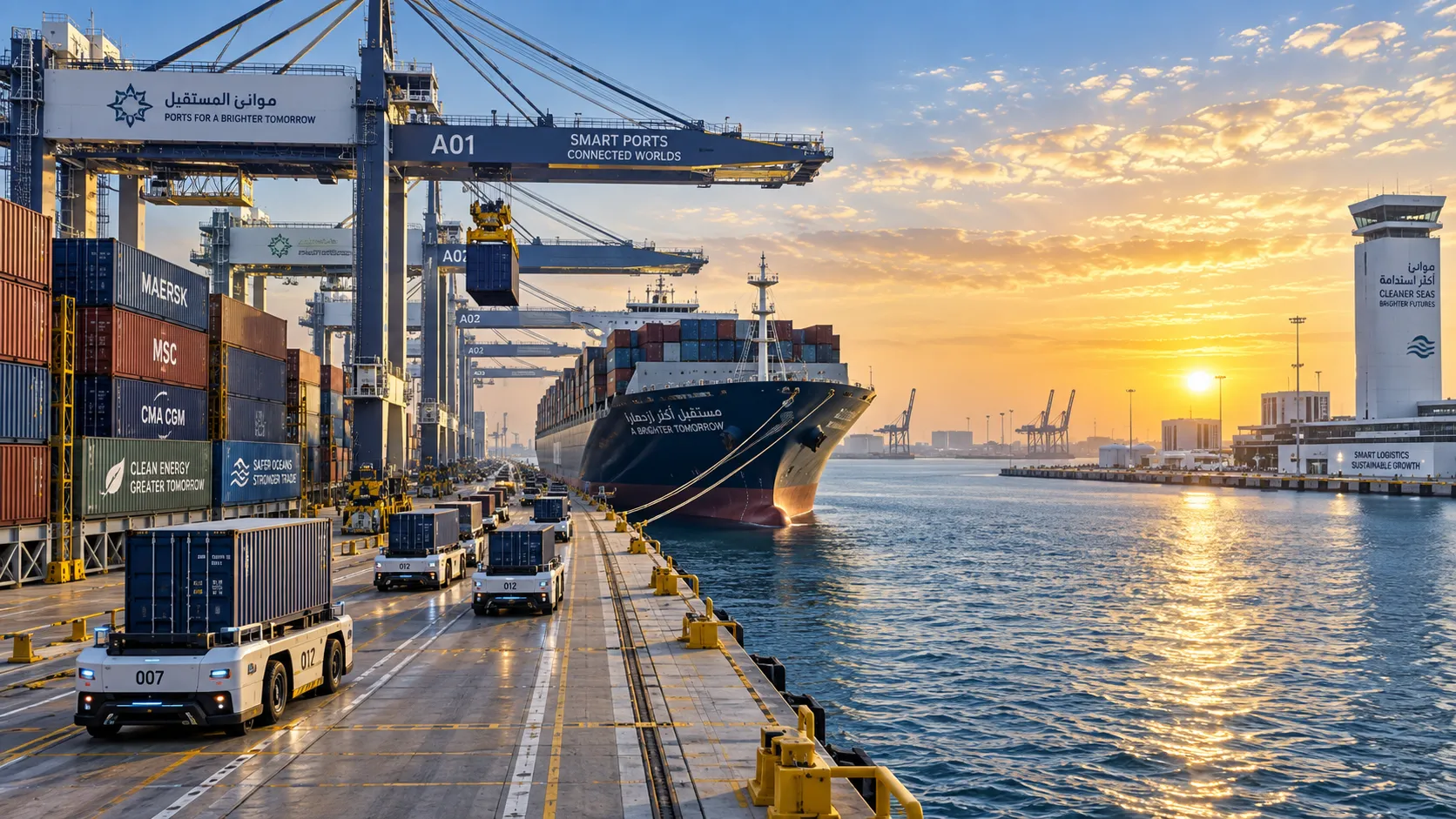
Middle East Port Automation: Key Market Drivers, Projects, and Investment Risks
Port automation systems Middle East: explore market drivers, flagship projects, integration challenges, and investment risks shaping smarter, resilient terminals.
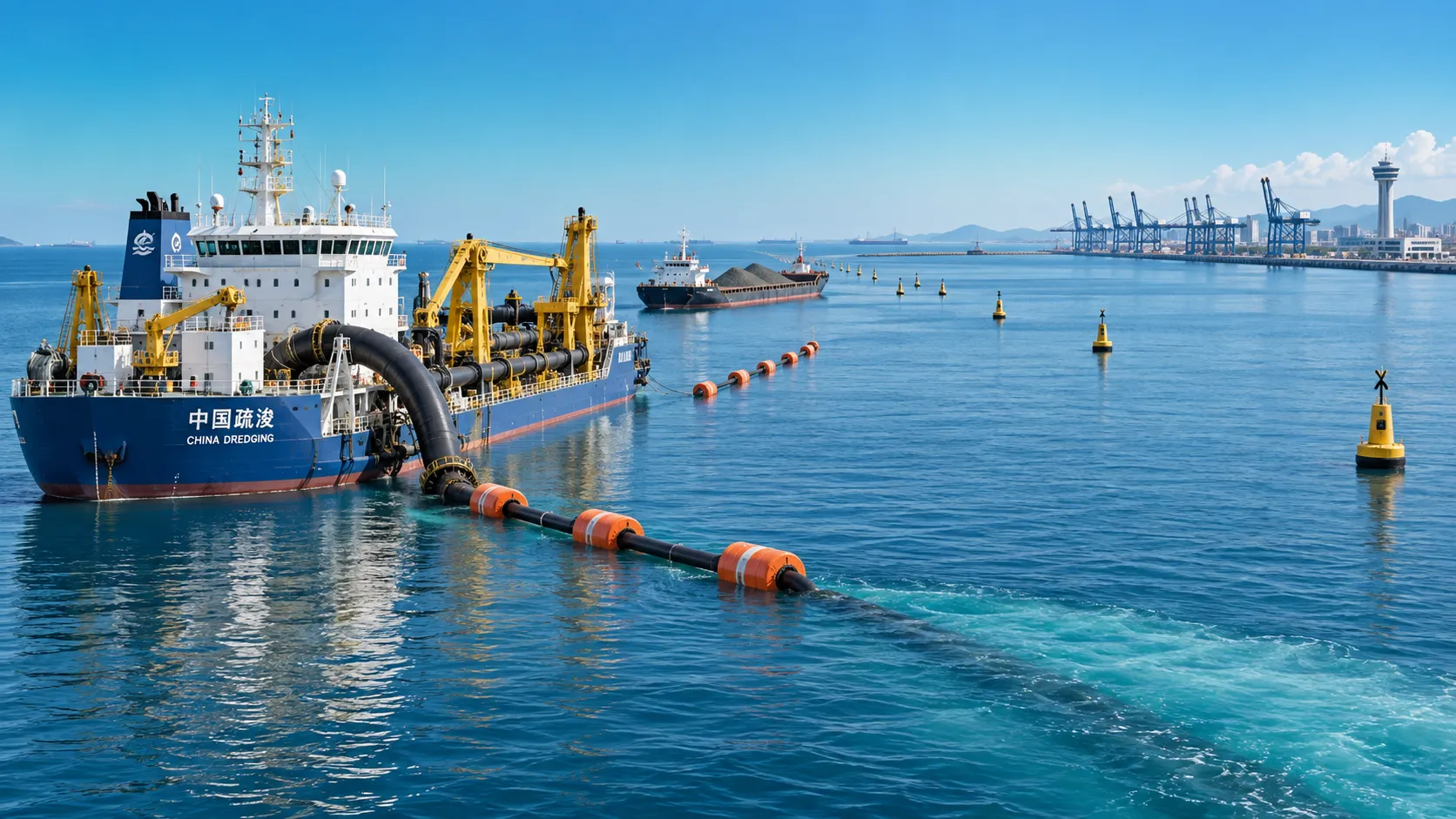
Planning Offshore Dredging Operations: Key Risks, Methods, and Project Controls
Offshore dredging operations demand smart planning. Explore key risks, proven methods, environmental controls, and project strategies for reliable delivery.
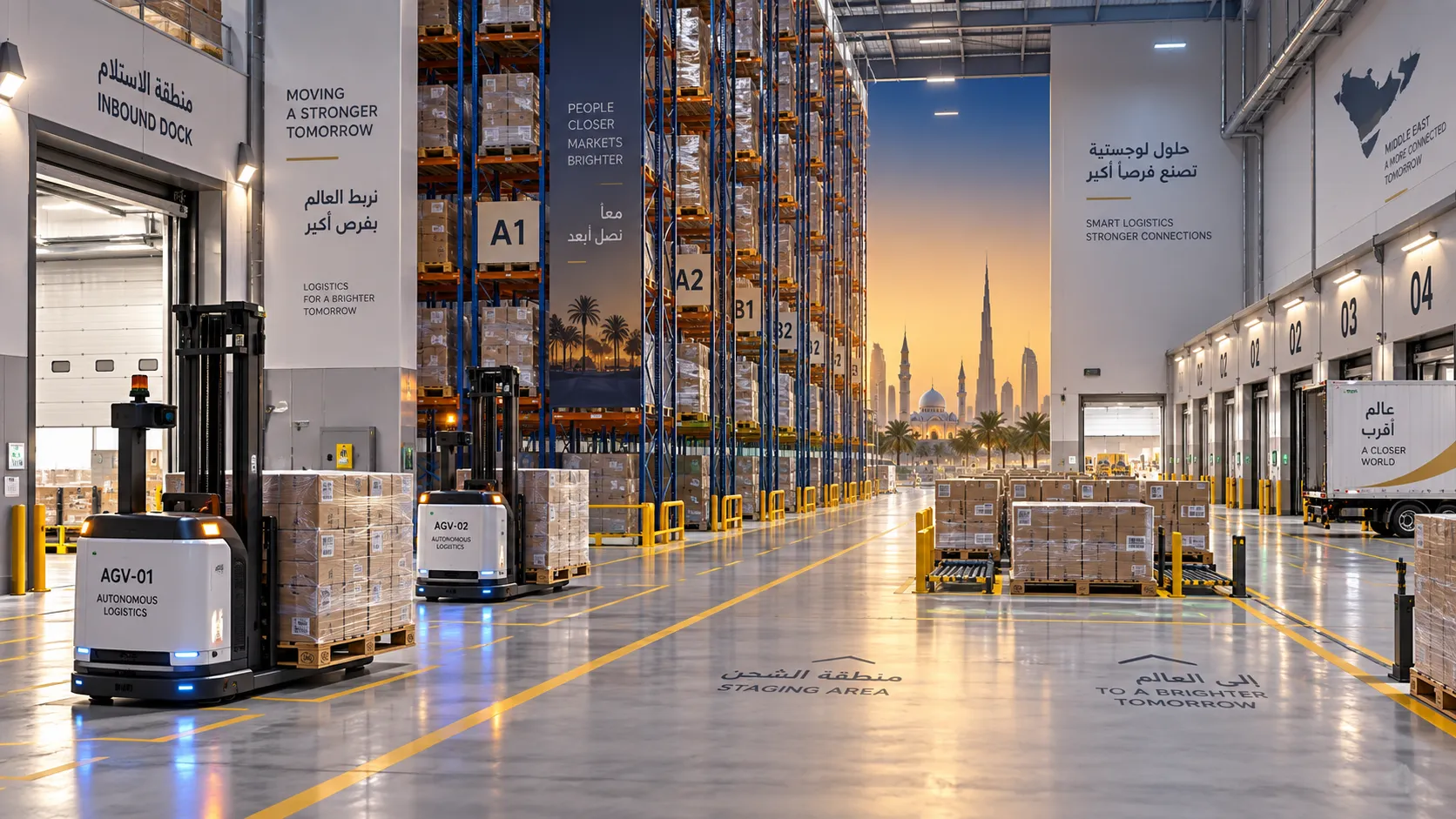
Where Do Automated Guided Vehicles Deliver the Fastest Warehouse Gains in the Middle East?
Automated guided vehicles Middle East: discover where AGVs deliver the fastest warehouse gains, from high-volume distribution centers to port logistics, manufacturing, and cold storage.