Related News
- 00
0000-00
Smart Port Systems Pricing: How to Compare Lifecycle Costs and ROI by Terminal Scale - 00
0000-00
What Drives Bulk Material Handling Pricing in Large Conveyor System Projects? - 00
0000-00
How Shipping Rate Analytics in Europe Help Importers Predict Costs and Route Risk - 00
0000-00
What Buyers Check When Reviewing Used PVC Coating Line Output and Condition - 00
0000-00
Automated Port Systems Cost Breakdown: CAPEX, Integration, and Maintenance Factors
Automated Port Systems Cost Breakdown: CAPEX, Integration, and Maintenance Factors
Automated Port Systems Cost Breakdown: Where the Budget Really Goes
Automated port systems cost rarely sits in one neat budget line.
For most terminal upgrades, the visible equipment price is only the opening number.
The harder questions usually involve integration depth, civil readiness, software dependencies, and maintenance over fifteen to twenty years.
That is why cost review has become a strategic exercise rather than a simple purchase comparison.
In port automation, mechanical assets, control logic, and marine infrastructure affect each other continuously.
PS-Nexus tracks this overlap closely across heavy terminal gear, automated handling, and port control architecture.
A practical budget review should therefore test both direct spend and operating consequences.
The sections below answer the questions that usually shape approval decisions.
What counts inside automated port systems cost, beyond equipment?
A useful definition starts with total installed cost, not catalog price.
Automated port systems cost usually combines CAPEX, commissioning, software licensing, interface engineering, and post-launch support.
In many terminals, the software layer becomes the biggest source of variance.
That happens because automated yards depend on tight coordination between cranes, AGVs, TOS, sensors, and remote-control stations.
If one interface is immature, schedule risk rises quickly.
It also helps to separate one-time construction cost from long-tail operational obligations.
- Core equipment: automated stacking cranes, shuttle carriers, AGVs, remote-control cabins, gate systems, and sensors.
- Digital stack: TOS upgrades, middleware, fleet management, safety systems, and cybersecurity layers.
- Site readiness: pavement reinforcement, power distribution, charging systems, fiber network, drainage, and workshop adaptation.
- Activation cost: testing, simulation, operator transition, spare parts, and performance stabilization.
This wider view gives a truer baseline for automated port systems cost and reduces approval surprises later.
Which CAPEX items usually drive the biggest spend?
The largest CAPEX drivers are not always the same across terminal types.
A greenfield container terminal may spend heavily on civil works and electrical backbone.
A brownfield site often spends more on retrofit complexity and interface accommodation.
More common cost concentration appears in five areas.
The table matters because automated port systems cost often escalates between concept approval and detailed engineering.
The usual cause is that early budgets price machines, while later budgets must price system behavior.
Why does integration change the cost more than many teams expect?
Integration is where separate assets become one operating system.
That step can reshape automated port systems cost more than adding another vehicle or crane.
A terminal may use proven equipment and still struggle if data standards, latency, or command hierarchy are weak.
In practical terms, integration spending usually covers interface engineering, middleware, simulation, digital twins, acceptance testing, and cutover support.
Remote-controlled quay cranes and AGV fleets are especially sensitive to low-latency communication.
PS-Nexus frequently highlights this issue because stable scheduling logic depends on reliable machine-to-system dialogue.
A budget that ignores integration usually underestimates three things.
- The labor required to harmonize vendor protocols and operational rules.
- The testing cycles needed before safe autonomous movements are approved.
- The production losses during phased migration from manual to automated workflows.
More simply, integration cost is not overhead.
It is the price of getting the promised throughput, safety, and labor model.
How should maintenance and lifecycle cost be judged?
This is where many investment cases become too optimistic.
Automated port systems cost should always include lifecycle support, because digital and electromechanical assets age differently.
Mechanical wear may be predictable.
Software obsolescence, sensor drift, cybersecurity patching, and battery performance can be less forgiving.
The better approach is to review maintenance in layers.
Physical asset maintenance
This includes structures, drive systems, wheels, spreaders, cables, rails, and charging components.
Marine conditions accelerate corrosion and contamination, which changes service intervals.
Automation and controls upkeep
Here the recurring cost includes licenses, software updates, diagnostics, network support, and replacement sensors.
A neglected patching plan can create downtime that costs more than the maintenance contract itself.
Capability retention
Training should be treated as a renewable budget line.
Once key technicians or system supervisors change, performance can slip if knowledge stays with the integrator.
A good lifecycle review asks whether local teams can diagnose faults, manage upgrades, and preserve availability during peak calls.
What makes one terminal’s cost model very different from another?
Automated port systems cost is highly site-specific.
Two terminals with similar annual volume can show very different economics.
The gap often comes from operational context rather than asset count alone.
- Layout efficiency: short travel paths reduce fleet size and charging burden.
- Berth and yard balance: fast quay performance is wasted if the yard cannot absorb peaks.
- Retrofit complexity: live terminals carry outage cost, temporary routing cost, and sequencing constraints.
- Energy strategy: electrified fleets depend on tariff structure, grid reliability, and backup design.
- Expansion horizon: phaseable systems may cost more upfront but avoid expensive redesign later.
There is also a broader coastal infrastructure angle.
If dredging plans, yard expansion, or quay strengthening are already on the roadmap, automation timing may improve project economics.
When these programs are split across separate budgets, the full investment picture becomes distorted.
Which mistakes usually distort ROI and approval decisions?
The first mistake is treating labor savings as the whole business case.
In reality, automated port systems cost should be tested against throughput stability, land productivity, safety exposure, emissions, and service reliability.
Another common error is assuming vendor warranties equal lifecycle certainty.
Warranties help, but they do not replace spare strategy, response capability, or software roadmap control.
A third issue appears in timeline planning.
Automation programs often reach mechanical completion before operational maturity.
That means budget holders should expect ramp-up periods, not instant steady-state performance.
A short decision checklist can keep evaluation grounded.
So how should the next review step be structured?
A credible review of automated port systems cost should move from headline CAPEX to operating reality.
That means mapping equipment, integration, infrastructure readiness, and lifecycle support into one decision frame.
The strongest approvals usually rely on three documents.
- A phased cost model separating fixed infrastructure from scalable automation modules.
- A risk register covering integration, commissioning, cyber exposure, and productivity ramp-up.
- A lifecycle plan showing maintenance burden, renewal timing, and internal capability needs.
This is also where market intelligence becomes valuable.
Signals around shipping patterns, equipment demand, remote-control standards, and coastal expansion plans can materially change assumptions.
PS-Nexus approaches that problem by linking terminal machinery, control systems, and broader maritime logistics economics.
Before moving forward, compare at least two implementation paths, test the integration scope line by line, and confirm which maintenance obligations stay after handover.
That sequence gives a far more reliable view of automated port systems cost than equipment pricing alone.
Related News
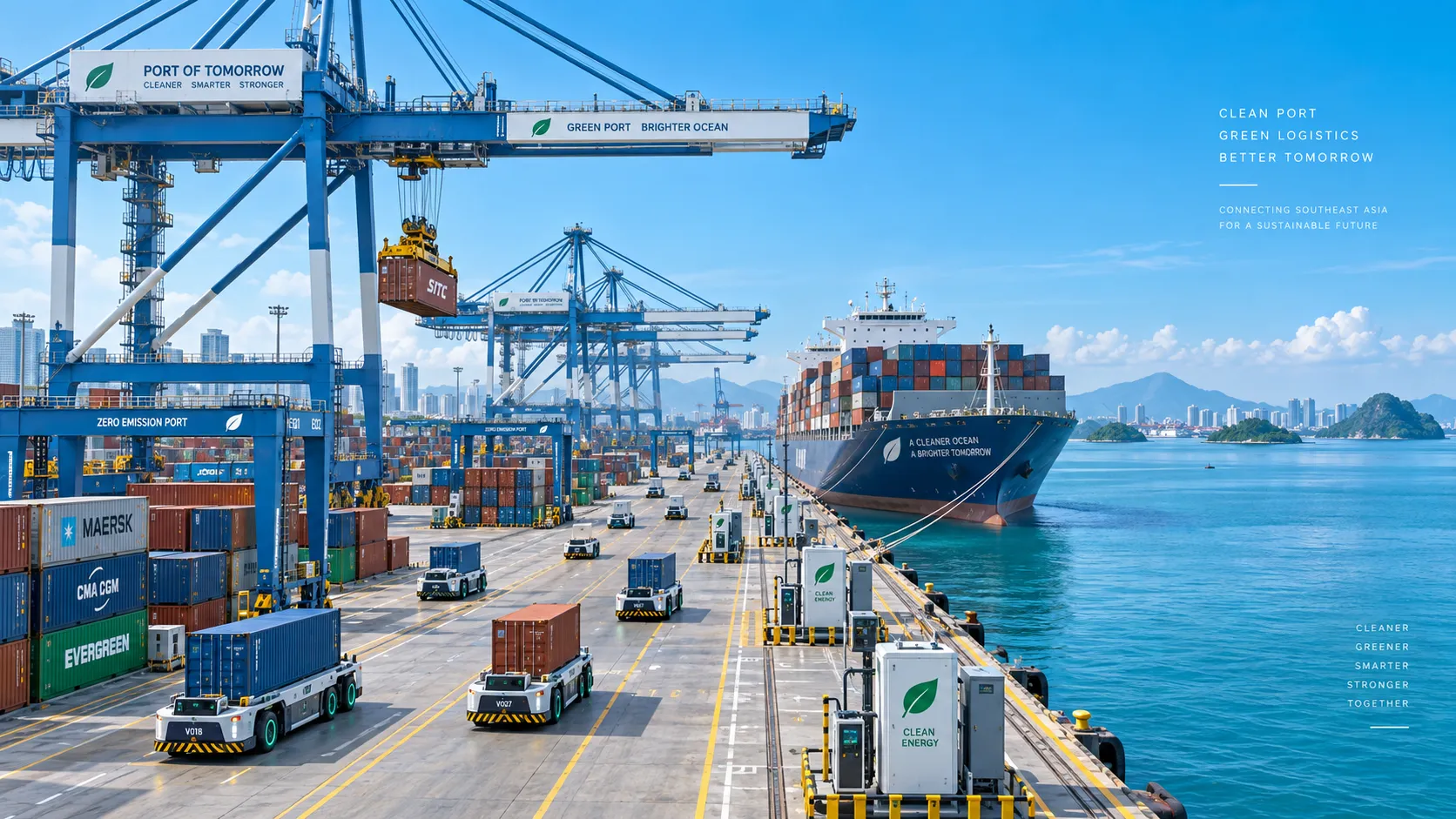
Smart Port Systems in Southeast Asia: Investment Priorities and Adoption Barriers
Smart port systems Southeast Asia: discover investment priorities, adoption barriers, and practical steps to build resilient, connected, high-performing terminals.
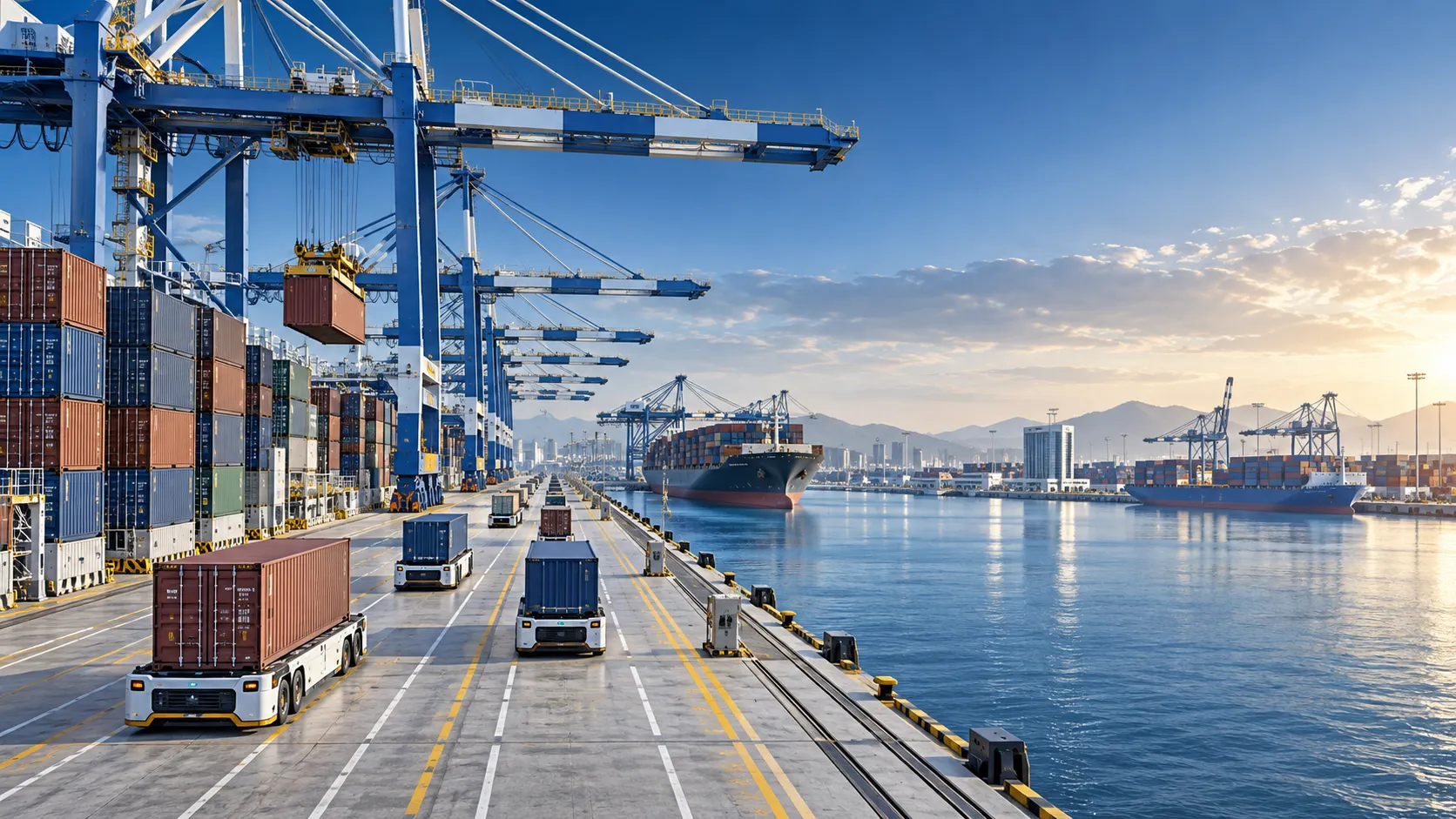
How to Evaluate Terminal Efficiency Solution Suppliers for High-Throughput Operations
Choose a terminal efficiency solutions supplier with confidence. Explore proven criteria for throughput, integration, lifecycle cost, safety, and reliable delivery.
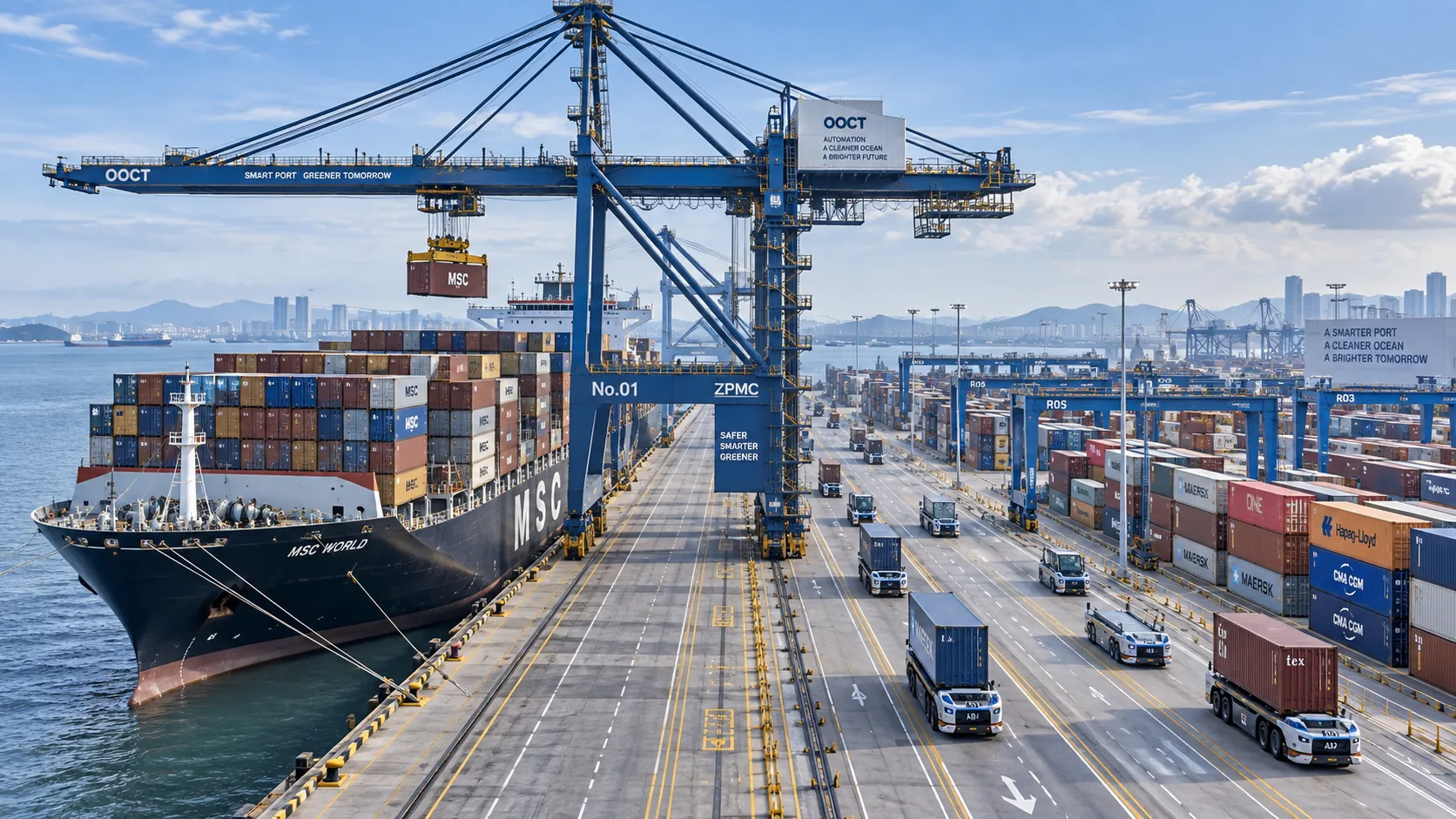
How to Specify a Quay Crane for Container Terminals by Vessel Size and Throughput?
Quay crane for container terminals: learn how to match outreach, lift height, capacity, automation, and cycle performance to vessel size and throughput goals.
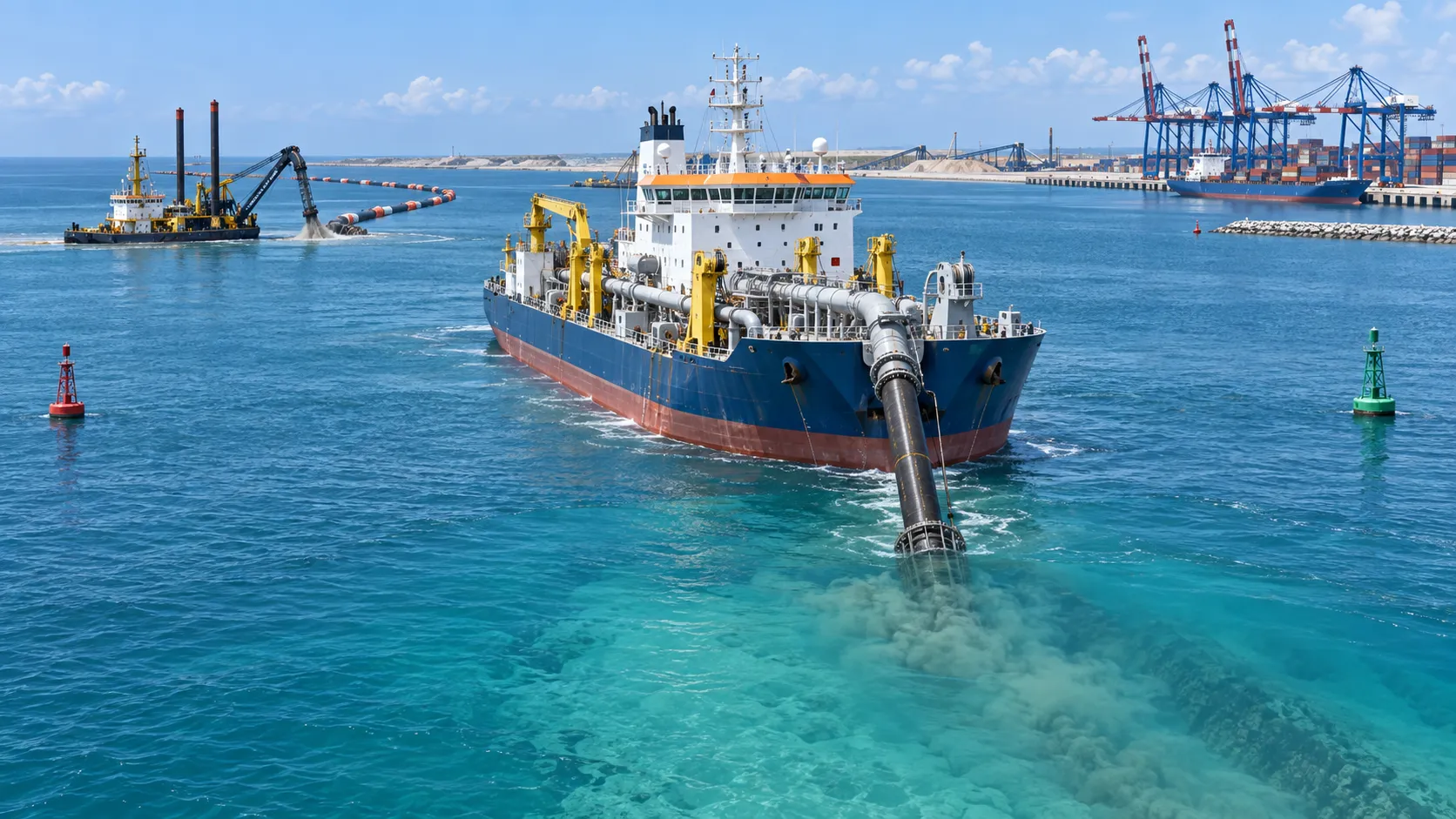
What Dredging Equipment Is Needed for Channel Deepening?
What dredging equipment is needed for channel deepening? Explore dredgers, pipelines, survey tools, and planning strategies for safer, more efficient port access.
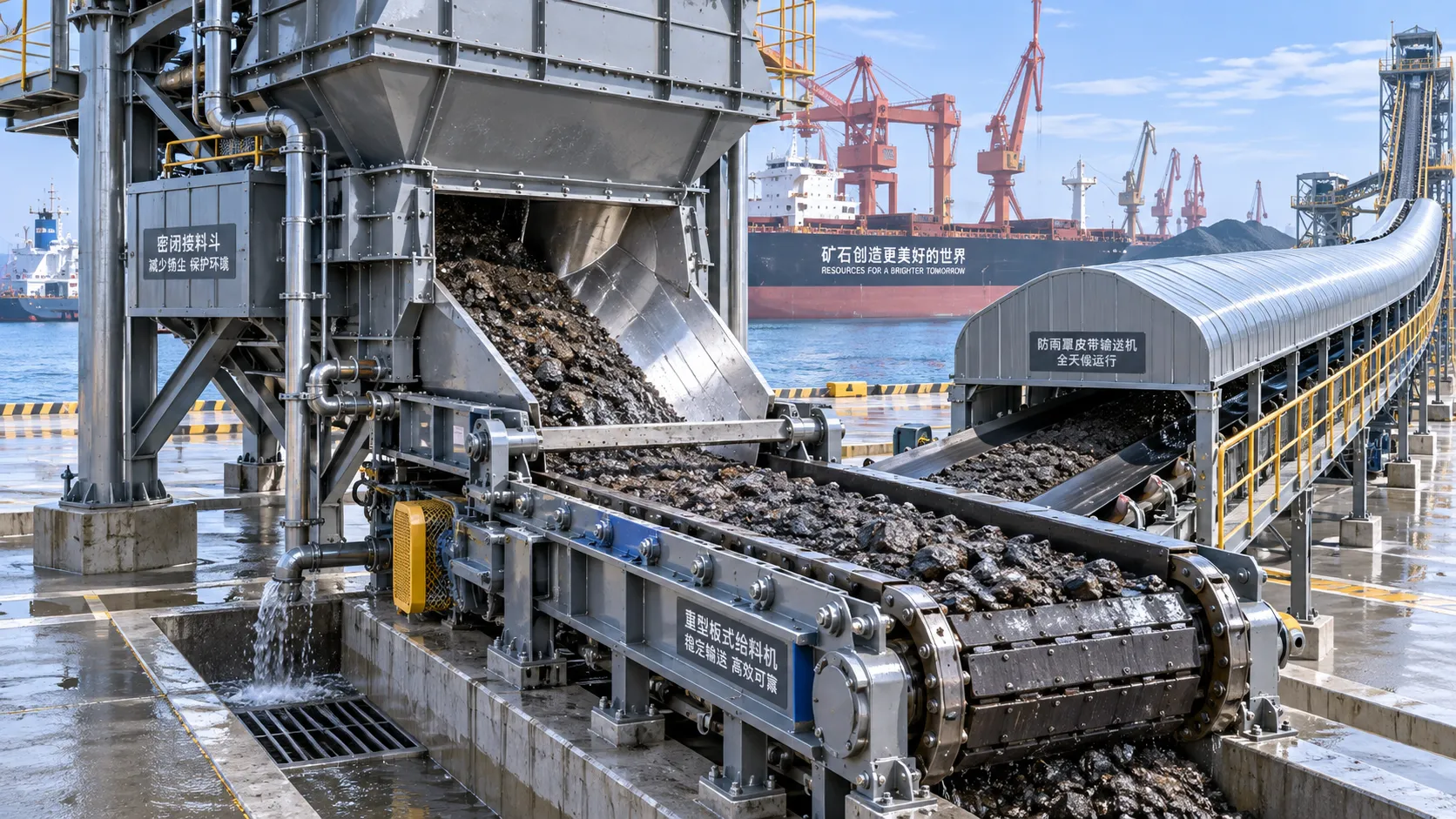
Which Bulk Handling Equipment Suits High-Moisture Cargo?
Which bulk handling equipment suits high-moisture cargo? Compare belt, apron, screw, drag, and slurry systems for reliable flow, less carryback, and higher terminal uptime.
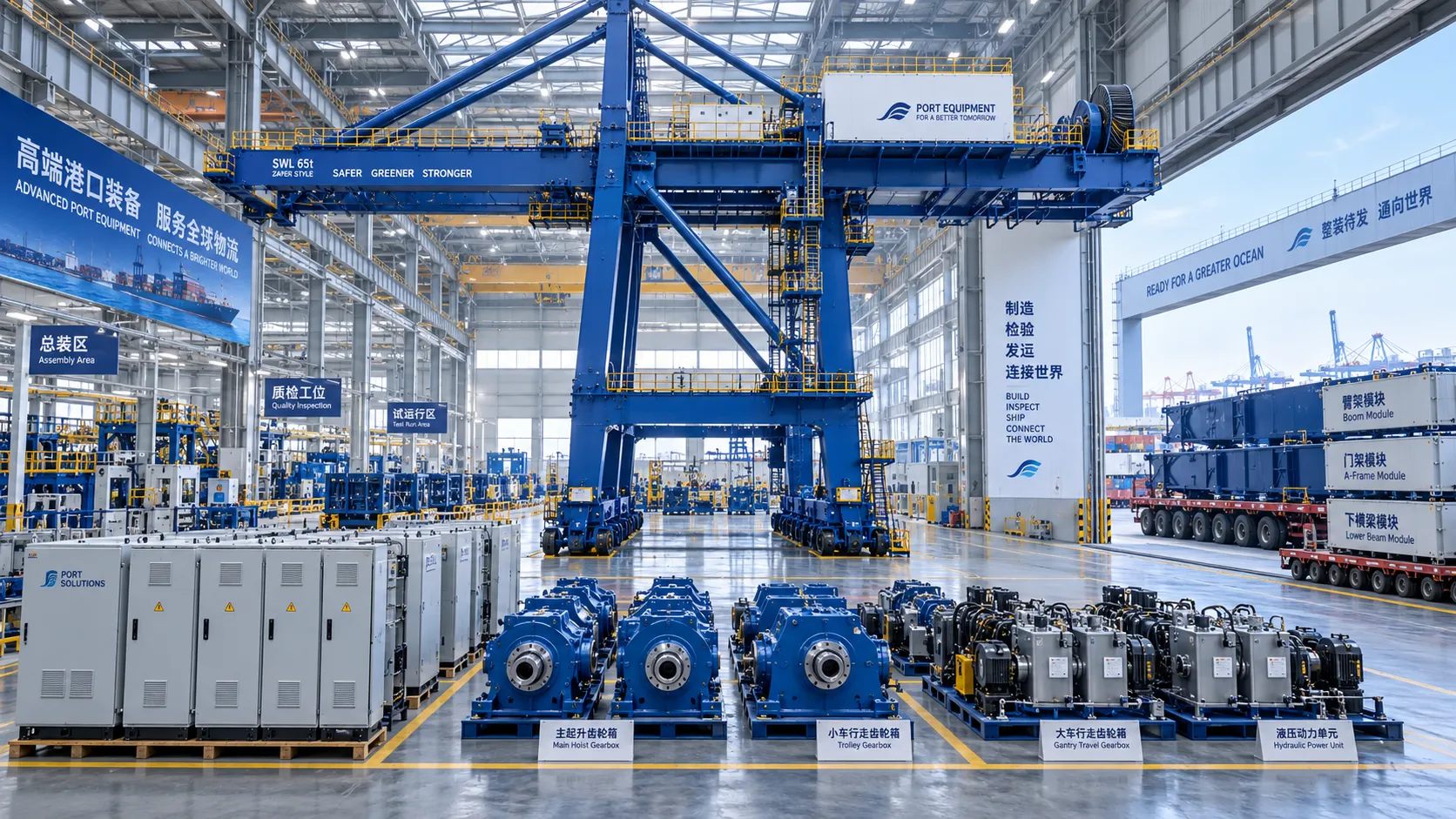
How Can Port Equipment Lead-Time Risk Be Managed?
How can port equipment lead-time risk be managed? Explore practical strategies to control critical paths, suppliers, transport, site readiness, and commissioning delays.
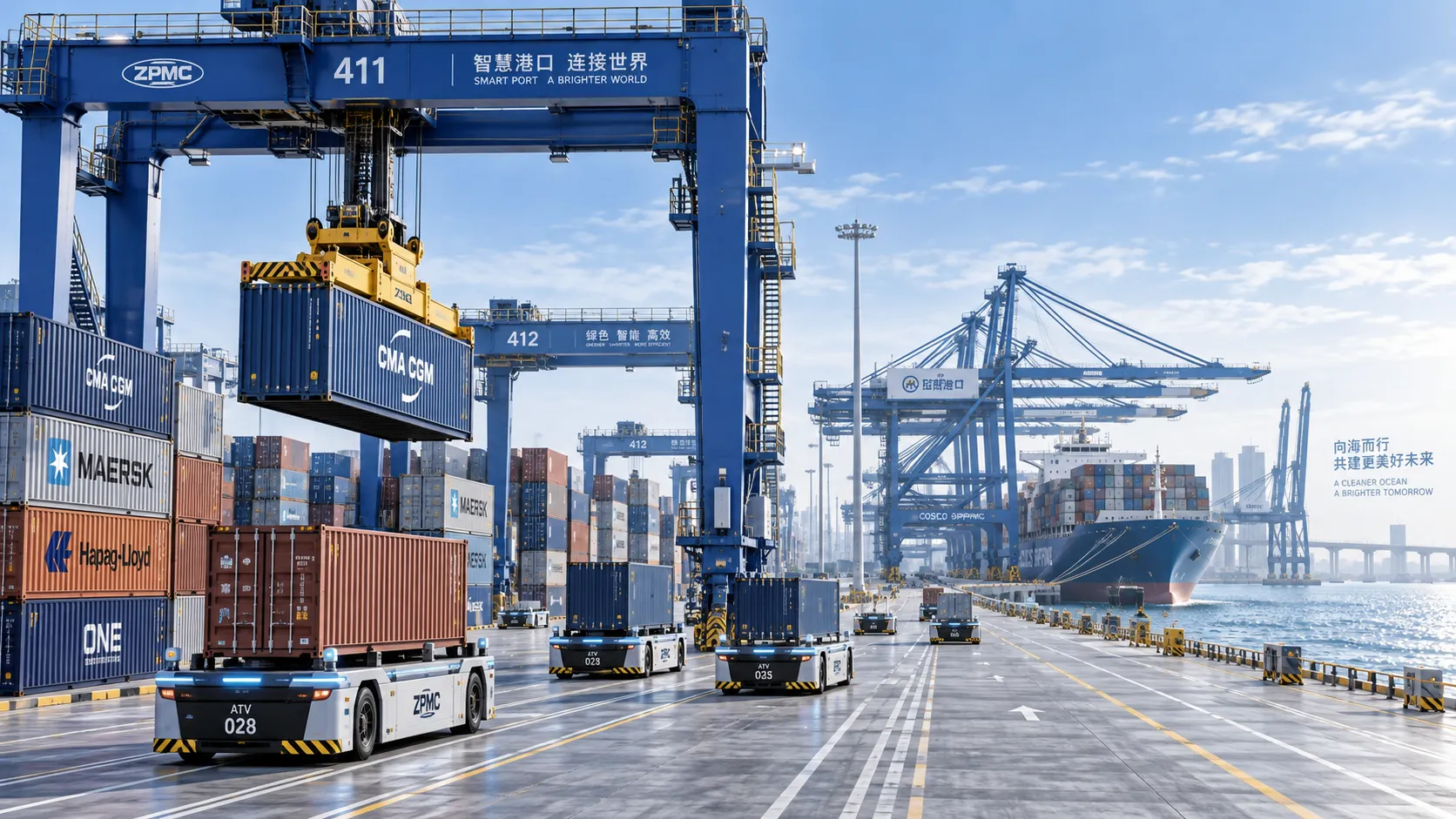
Terminal Automation Technologies That Raise Container Throughput Without Yard Disruption
Terminal automation technology that increases container throughput without disrupting yard flow. Explore smarter integration, resilient workflows, and phased deployment strategies.
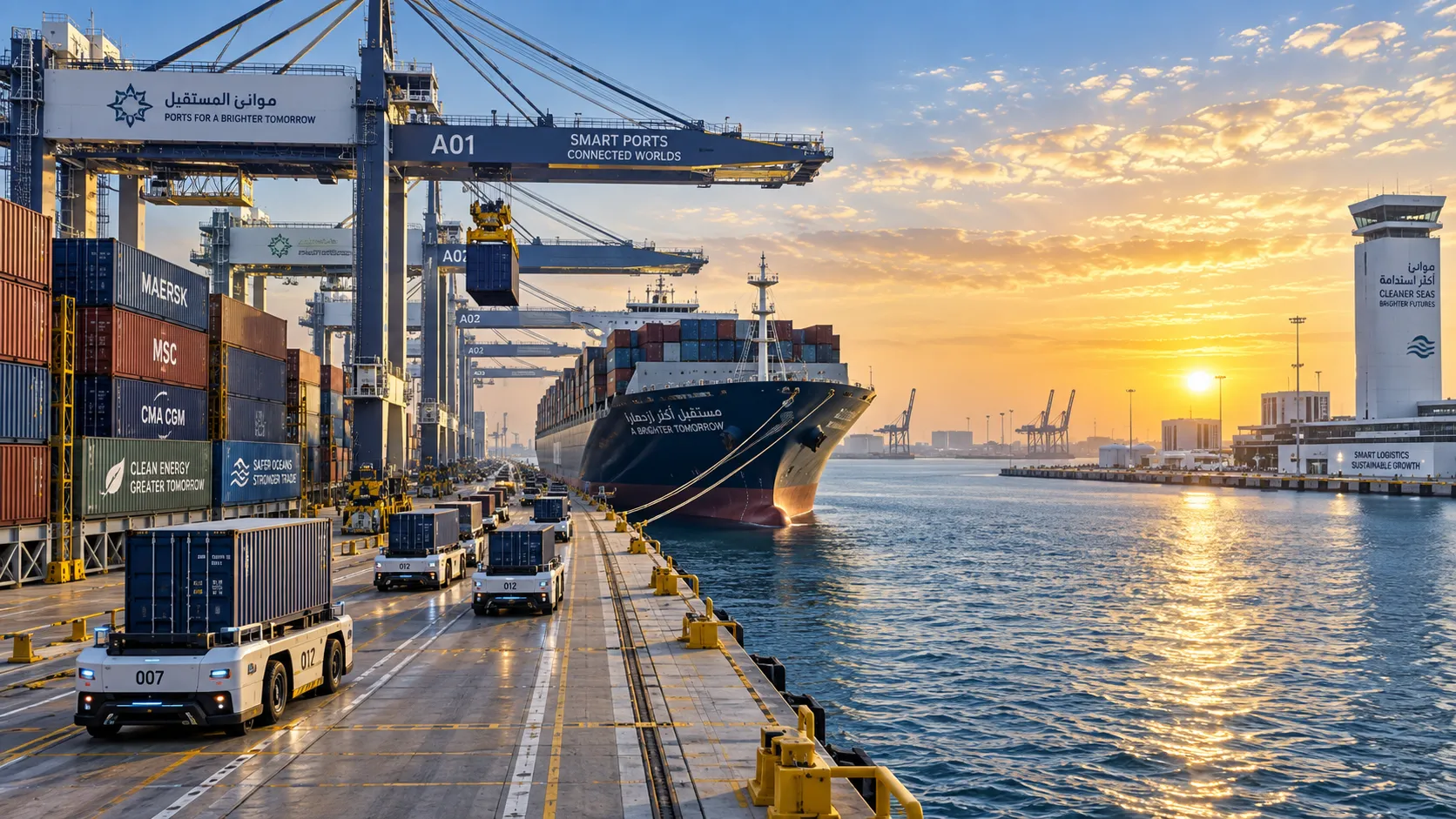
Middle East Port Automation: Key Market Drivers, Projects, and Investment Risks
Port automation systems Middle East: explore market drivers, flagship projects, integration challenges, and investment risks shaping smarter, resilient terminals.
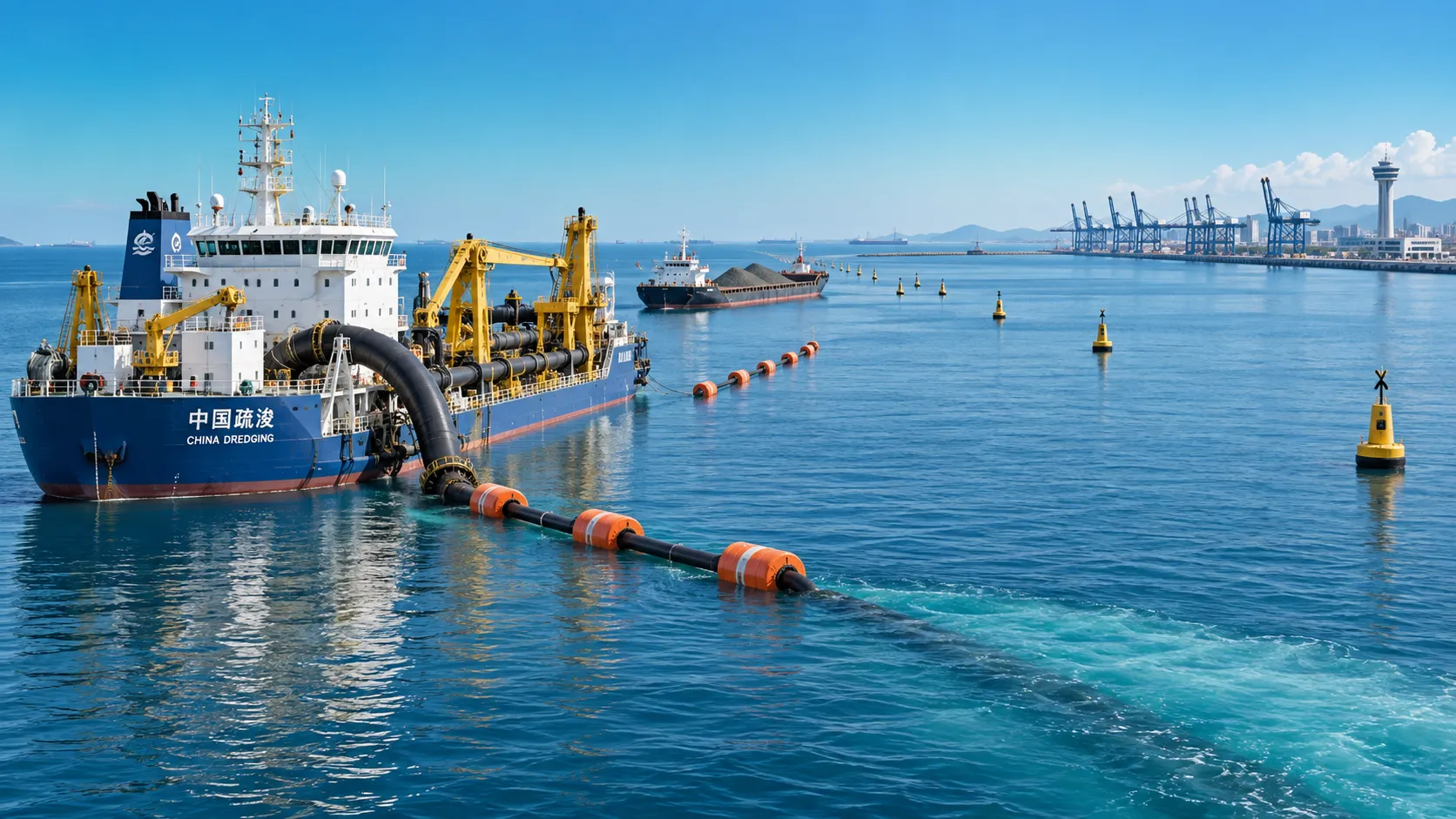
Planning Offshore Dredging Operations: Key Risks, Methods, and Project Controls
Offshore dredging operations demand smart planning. Explore key risks, proven methods, environmental controls, and project strategies for reliable delivery.