Related News
- 00
0000-00
How to Specify a Quay Crane for Container Terminals by Vessel Size and Throughput? - 00
0000-00
Which Bulk Handling Equipment Suits High-Moisture Cargo? - 00
0000-00
Terminal Automation Technologies That Raise Container Throughput Without Yard Disruption - 00
0000-00
Planning Offshore Dredging Operations: Key Risks, Methods, and Project Controls - 00
0000-00
Where Do Automated Guided Vehicles Deliver the Fastest Warehouse Gains in the Middle East?
Dredging Technology Options Compared: CSD, TSHD, and Cutter Tools Explained
Choosing between CSD, TSHD, and cutter configurations is rarely a narrow equipment question. It shapes excavation accuracy, cycle time, fuel use, disposal planning, and the commercial logic of a marine project.
That is why dredging technology remains under close review across ports, coastal infrastructure, reclamation programs, and channel maintenance. A poor match can lock a project into avoidable delay and unstable production.
For platforms such as PS-Nexus, which track port machinery, automation, and dredging engineering together, the subject matters beyond excavation alone. Dredging choices affect berth capacity, vessel access, terminal expansion timing, and wider trade flow resilience.
What the main dredging technology options actually do
The comparison starts with a simple distinction. CSD and TSHD are dredger types, while cutter tools are the mechanical interface that breaks or loosens material before transport.
A Cutter Suction Dredger, or CSD, cuts the seabed with a rotating cutter head. The loosened soil is mixed with water and pumped through a pipeline to a discharge point.
A Trailing Suction Hopper Dredger, or TSHD, drags suction pipes along the bed while sailing. Material is loaded into an onboard hopper, then transported to placement, reclamation, or offshore disposal areas.
Cutter tools sit inside the CSD discussion, but they deserve separate attention. Tool geometry, tooth durability, wear resistance, and attack angle strongly influence penetration, pumpability, and maintenance intervals.
In practice, dredging technology selection is less about labels and more about how the full system performs against soil, distance, depth, access limits, and production certainty.
Why this comparison matters now
Port authorities and marine contractors are under pressure from larger vessels, stricter environmental controls, and tighter investment scrutiny. That pushes dredging technology decisions into a more data-driven phase.
A channel deepening campaign no longer stands alone. It often connects to automated yard expansion, quay reinforcement, bulk terminal throughput, and remote equipment monitoring.
More attention is also going to operational continuity. Unplanned downtime from tool wear, sediment variability, or weak transport logic can disrupt far more than the dredging spread itself.
This is where the PS-Nexus perspective becomes useful. The same intelligence logic used for terminal gear and control systems also applies to marine dredging engineering: decisions improve when mechanical, digital, and commercial signals are viewed together.
Where CSD usually performs best
CSD-based dredging technology is typically selected when high precision and continuous pumping are priorities. It is strong in capital dredging, trenching, reclamation feed, and compact project zones.
Its biggest advantage is control over tough or compacted material. With the right cutter head and tool package, a CSD can excavate clay, dense sand, and some weak rock formations more effectively than a TSHD.
Pipeline discharge is another benefit. When fill must be delivered directly to a reclamation cell or confined area, CSD logistics can be very efficient.
The trade-off is mobility. A CSD works from anchors or spuds and depends on pipeline layout, booster support, and site setup. On congested waterways, that can become a real operational constraint.
Sensitivity to swing area, navigation traffic, and discharge distance should be judged early. High theoretical production means little if the spread cannot move material smoothly to the placement site.
CSD decision signals
- Material is stiff, compact, layered, or difficult to fluidize by suction alone.
- The project needs direct hydraulic transport to reclamation or bund construction.
- Tight excavation tolerances are more important than sailing flexibility.
- The work area can accept anchors, pipelines, and a more fixed operating pattern.
Where TSHD has the advantage
TSHD-based dredging technology is built around mobility. It works well for maintenance dredging, long channels, open-water borrow areas, and projects where transport distance is part of the job.
Because the vessel both excavates and carries material, site clutter is reduced. There is no fixed discharge pipeline during loading, and vessel traffic can often be managed more easily.
TSHD is especially effective in loose to medium soils such as silt, sand, and soft clay. In those conditions, the production chain from dredging to transport is often simpler and more adaptable.
However, TSHD performance drops when material becomes too hard, too cohesive, or highly variable. Overflow management, turbidity limits, and hopper cycle efficiency also need close control.
The choice is not only about digging ability. It is equally about whether sailing, loading, and disposal cycles create a stronger economic result than pipeline pumping.
TSHD decision signals
- The dredging area is long, exposed, or linked to regular navigation traffic.
- Material transport to offshore disposal or distant placement is routine.
- Soils are mostly free-flowing and respond well to suction-based loading.
- Fast mobilization and operational flexibility outweigh maximum cutting force.
Why cutter tools deserve separate evaluation
Many dredging technology reviews stop at vessel type. That misses a major source of performance variation. Cutter tools often decide whether a CSD achieves stable output or burns time in wear-related stoppages.
Tool design influences fragmentation size, energy demand, tooth consumption, and the ease of slurry transport. Aggressive cutting can improve penetration but may generate oversized fragments or accelerate pump stress.
Ground conditions matter here more than brand claims. Dense sand, cemented layers, shell content, gravel pockets, and abrasive fines each change the right tool balance.
Monitoring is increasingly important. Digital pump data, wear trends, and torque behavior can turn cutter tool selection into a measurable optimization process rather than a procurement assumption.
This aligns with broader smart-port thinking. Mechanical efficiency and operational data now support each other across dredging, terminal systems, and asset scheduling.
A practical comparison across project conditions
A side-by-side view helps when the project brief is still being shaped. The table below reflects typical tendencies rather than absolute rules.
The selection logic that matters in real projects
The most useful dredging technology evaluation begins with the soil model, not the vessel brochure. Grain size, density, cohesion, layering, and debris risk all change the result.
After that, transport logic should be mapped in the same detail as excavation. A technically capable dredger can still become the wrong choice if disposal routing or reclamation delivery is inefficient.
Environmental constraints come next. Overflow limits, turbidity rules, noise controls, and nearby structures can reshape what is practical even before commercial pricing is reviewed.
Production targets should also be tested against downtime assumptions. Tool replacement, weather exposure, traffic windows, and pump maintenance often matter more than headline capacity.
In many cases, the best dredging technology answer is conditional rather than absolute. One solution may suit capital deepening, while another fits recurring maintenance over the asset life.
Useful checkpoints before final selection
- Validate geotechnical data quality and confirm where uncertainty remains.
- Model the full material path, from excavation to final placement.
- Compare production under realistic downtime and weather allowances.
- Review cutter wear strategy where abrasive or mixed soils are expected.
- Check how dredging choices interact with port access and expansion schedules.
Looking beyond the vessel itself
The stronger evaluations now treat dredging technology as part of a connected marine logistics system. That includes monitoring, control architecture, maintenance planning, and interface with terminal development.
PS-Nexus follows this wider view because the value of dredging is ultimately measured in access, throughput, and infrastructure timing. A deeper channel has meaning when it supports better port economics.
So the next step is not simply to compare CSD against TSHD in isolation. It is to build a project matrix that links soil, production, transport, environment, digital monitoring, and lifecycle operating cost.
Once that matrix is clear, the right dredging technology option usually becomes easier to defend, easier to price, and far less likely to create surprises during execution.
Related News
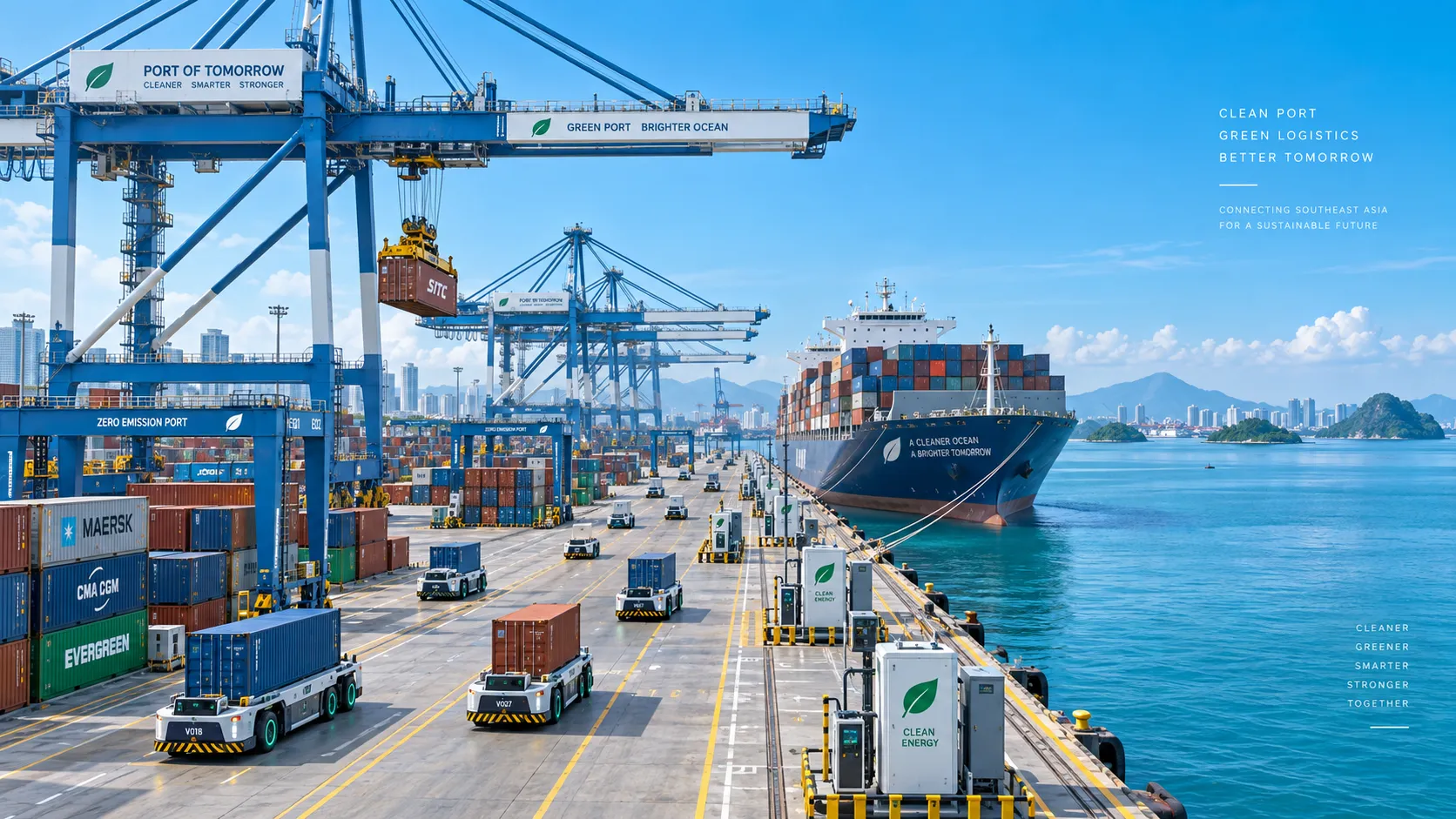
Smart Port Systems in Southeast Asia: Investment Priorities and Adoption Barriers
Smart port systems Southeast Asia: discover investment priorities, adoption barriers, and practical steps to build resilient, connected, high-performing terminals.
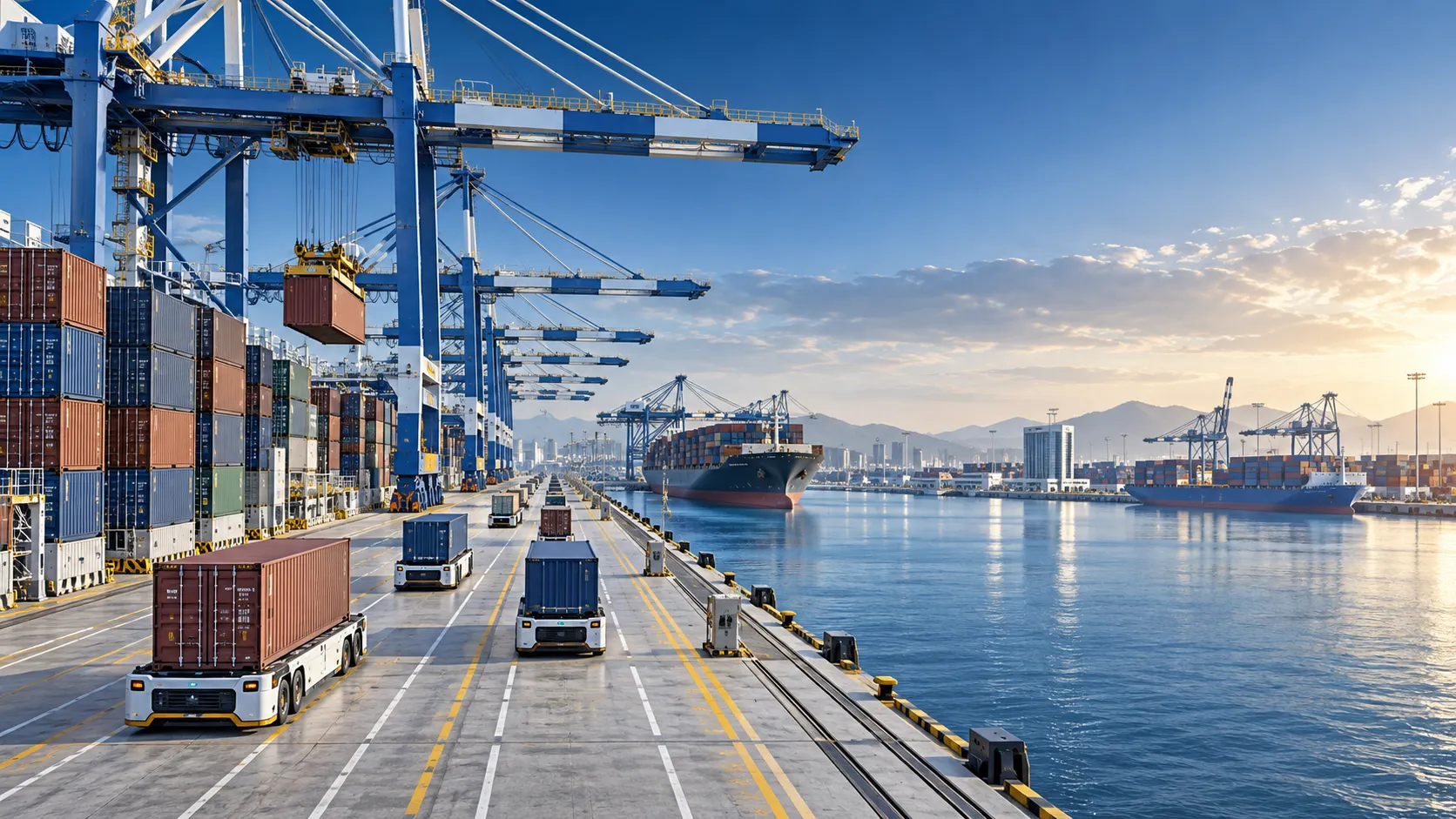
How to Evaluate Terminal Efficiency Solution Suppliers for High-Throughput Operations
Choose a terminal efficiency solutions supplier with confidence. Explore proven criteria for throughput, integration, lifecycle cost, safety, and reliable delivery.
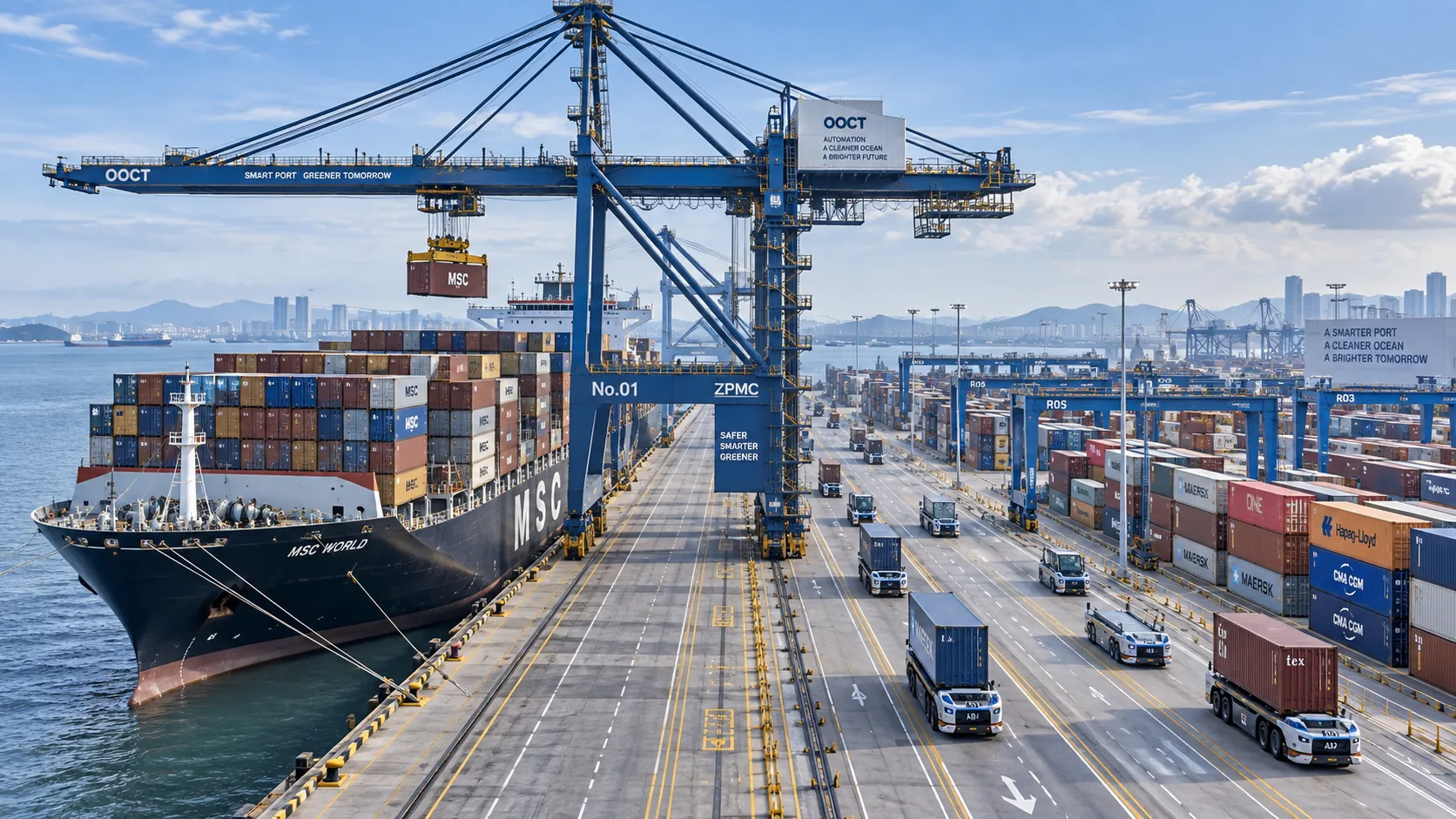
How to Specify a Quay Crane for Container Terminals by Vessel Size and Throughput?
Quay crane for container terminals: learn how to match outreach, lift height, capacity, automation, and cycle performance to vessel size and throughput goals.
What Dredging Equipment Is Needed for Channel Deepening?
What dredging equipment is needed for channel deepening? Explore dredgers, pipelines, survey tools, and planning strategies for safer, more efficient port access.
Which Bulk Handling Equipment Suits High-Moisture Cargo?
Which bulk handling equipment suits high-moisture cargo? Compare belt, apron, screw, drag, and slurry systems for reliable flow, less carryback, and higher terminal uptime.
How Can Port Equipment Lead-Time Risk Be Managed?
How can port equipment lead-time risk be managed? Explore practical strategies to control critical paths, suppliers, transport, site readiness, and commissioning delays.
Terminal Automation Technologies That Raise Container Throughput Without Yard Disruption
Terminal automation technology that increases container throughput without disrupting yard flow. Explore smarter integration, resilient workflows, and phased deployment strategies.
Middle East Port Automation: Key Market Drivers, Projects, and Investment Risks
Port automation systems Middle East: explore market drivers, flagship projects, integration challenges, and investment risks shaping smarter, resilient terminals.
Planning Offshore Dredging Operations: Key Risks, Methods, and Project Controls
Offshore dredging operations demand smart planning. Explore key risks, proven methods, environmental controls, and project strategies for reliable delivery.