Related News
- 00
0000-00
Smart Port Systems in Southeast Asia: Investment Priorities and Adoption Barriers - 00
0000-00
Middle East Port Automation: Key Market Drivers, Projects, and Investment Risks - 00
0000-00
How Coastal Cities Can Prioritize Blue Economy Projects for Jobs and Ecosystem Gains - 00
0000-00
How Harbor Construction Solutions Address Wave Loads, Scour, and Vessel Berthing - 00
0000-00
What Is Driving Maritime Infrastructure Growth in Southeast Asia?
Middle East Maritime Infrastructure: What Investors and Operators Should Track
Trade lanes, energy security, and industrial policy are converging around one strategic theme: maritime infrastructure Middle East. Ports are no longer just transit points. They are logistics platforms, industrial anchors, and digital operating systems for regional trade.
That shift matters because capital is moving into terminal expansion, deeper channels, automated yards, and bulk handling upgrades at the same time. For investors and operators, the region now demands a more technical reading of capacity, resilience, and execution quality.
Why the region has moved to the center of maritime strategy
The Middle East sits between major east-west and north-south corridors. It connects Asian manufacturing, European consumption, African growth markets, and global hydrocarbon flows through a compact but highly contested maritime geography.
This location gives maritime infrastructure Middle East unusual leverage. A new terminal, dredged channel, or automated yard in the Gulf or Red Sea can affect vessel routing, transshipment economics, and inland cargo distribution far beyond local demand.
Another reason for attention is the region’s planning horizon. Many projects are tied to diversification agendas, free zone development, and industrial corridor strategies. That makes port assets part of broader state-backed growth models rather than isolated transport investments.
What maritime infrastructure Middle East really includes
The term covers far more than quay length and berth count. In practical terms, it includes the physical, mechanical, digital, and marine-engineering systems that determine whether cargo can move reliably, safely, and at scale.
At a high level, five layers deserve close tracking:
- Terminal gear, including quay cranes, rubber-tired gantries, and ship-to-shore systems.
- Bulk handling equipment for minerals, grain, cement, fuels, and petrochemical supply chains.
- Specialized container handling for denser yard use and faster horizontal transport.
- Automation and control systems that govern dispatching, routing, and remote operations.
- Dredging and marine works that shape channel depth, turning basins, and reclamation capacity.
This wider lens is important because headline capacity often hides operational limits. A port may advertise new berth space, yet still face constraints in yard logic, dredging maintenance, gate flow, or power quality.
The signals that matter most right now
Depth, draft, and dredging discipline
In maritime infrastructure Middle East, dredging is not a background activity. It is a strategic enabler. Larger vessels, sedimentation patterns, and expansion through reclamation make marine engineering central to long-term competitiveness.
The key question is not whether dredging occurred once. It is whether maintenance cycles, spoil management, hydrographic monitoring, and pump system reliability support sustained navigability at commercial speeds.
Automation quality, not automation claims
Many regional ports are pursuing smart terminal positioning. The meaningful issue is how deeply automation is integrated into operating practice. Remote crane control, AGV path planning, and yard scheduling only create value when data latency stays low and exceptions are manageable.
This is where technical intelligence becomes useful. Platforms such as PS-Nexus track not just announcements, but the logic underneath automated operations, from control architecture to equipment utilization and monitoring maturity.
Bulk capacity and industrial linkage
Container headlines draw attention, but bulk flows still shape much of the region’s economic relevance. Energy exports, construction materials, mining inputs, and food security cargo all depend on conveyor reliability, storage integration, and berthing efficiency.
Where bulk handling machinery is modernized alongside industrial zones, ports gain stickier cargo and more defensible margins. Where upgrades remain fragmented, throughput can rise while operating friction stays high.
How to read value beyond headline expansion
Not every expansion creates durable advantage. In maritime infrastructure Middle East, value usually comes from the interaction between civil works, equipment choice, digital control, and inland connectivity.
A larger terminal can still underperform if crane intensity is mismatched to vessel mix. A deepened channel can disappoint if yard handoff remains slow. A modern control room can add limited value if field equipment data is unreliable.
A more useful evaluation framework is shown below.
Where opportunities and risks are taking shape
Regional opportunity is not uniform. Some ports are strengthening as transshipment hubs. Others are expanding around industrial clusters, energy export chains, or national food logistics. The underlying use case changes the investment logic.
Transshipment-oriented assets depend heavily on shipping network shifts, turnaround speed, and tariff competitiveness. Industrial gateway ports rely more on land availability, utility access, and synchronized bulk or container handling.
There is also execution risk. Maritime infrastructure Middle East often involves multi-year programs combining dredging, heavy terminal gear procurement, civil works, software integration, and regulatory alignment. Delays in one layer can distort returns across the whole asset.
Geopolitical risk should be read carefully, but not simplistically. Disruption can redirect cargo as much as it can suppress it. The stronger assets are usually those with operational flexibility, diversified cargo profiles, and better visibility into network shocks.
What stronger due diligence looks like
A useful review process goes beyond traffic forecasts and capex totals. It should test whether each asset can convert infrastructure spending into measurable operating advantage.
- Check whether berth expansion is matched by yard flow, gate capacity, and equipment uptime assumptions.
- Verify the maintenance logic behind dredging, cranes, and bulk systems rather than relying on commissioning announcements.
- Assess the maturity of terminal software, remote control architecture, and operational data capture.
- Map cargo sources to industrial policy, trade corridor development, and shipper concentration risk.
- Review decarbonization exposure, especially where electrification or future green fuel handling may alter asset needs.
This is where intelligence portals with engineering depth can add practical value. PS-Nexus is relevant not because it markets equipment, but because it helps connect marine works, terminal machinery, scheduling logic, and trade demand into one operating picture.
What to track next
The next phase of maritime infrastructure Middle East will likely be defined by fewer symbolic projects and more performance-driven ones. Capital will favor assets that can prove faster cargo turns, cleaner operations, and stronger resilience under network volatility.
That makes the practical agenda clear. Track dredging continuity, not just expansion maps. Track automation quality, not just digital branding. Track cargo ecosystem depth, not just berth length. Those signals usually reveal which projects can hold value when market conditions tighten.
For any near-term decision, start by building a comparison grid across marine access, terminal mechanics, control systems, and cargo linkage. In maritime infrastructure Middle East, that discipline is often the difference between following the story and understanding the asset.
Related News
Smart Port Systems in Southeast Asia: Investment Priorities and Adoption Barriers
Smart port systems Southeast Asia: discover investment priorities, adoption barriers, and practical steps to build resilient, connected, high-performing terminals.
How to Evaluate Terminal Efficiency Solution Suppliers for High-Throughput Operations
Choose a terminal efficiency solutions supplier with confidence. Explore proven criteria for throughput, integration, lifecycle cost, safety, and reliable delivery.
How to Specify a Quay Crane for Container Terminals by Vessel Size and Throughput?
Quay crane for container terminals: learn how to match outreach, lift height, capacity, automation, and cycle performance to vessel size and throughput goals.
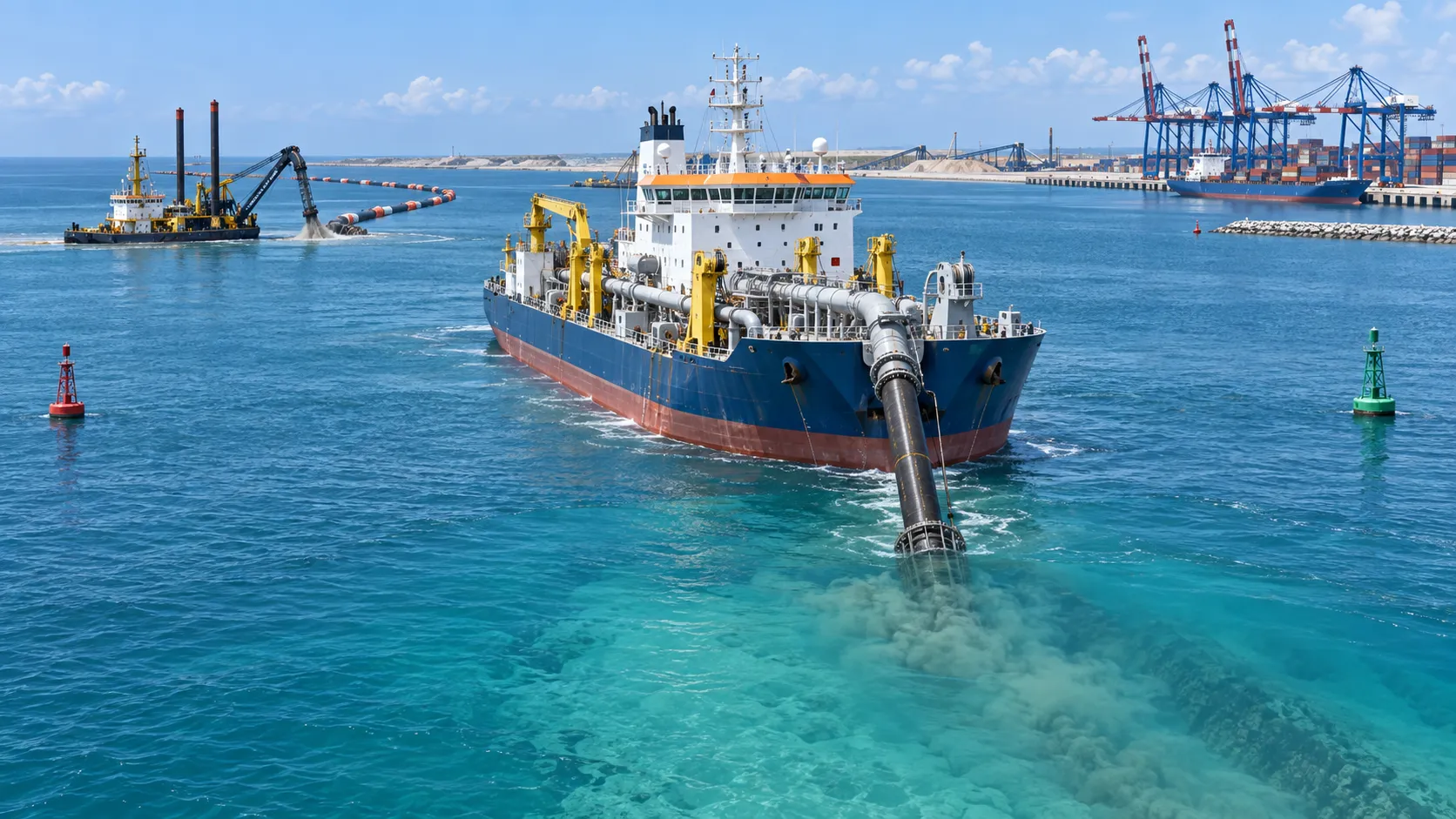
What Dredging Equipment Is Needed for Channel Deepening?
What dredging equipment is needed for channel deepening? Explore dredgers, pipelines, survey tools, and planning strategies for safer, more efficient port access.
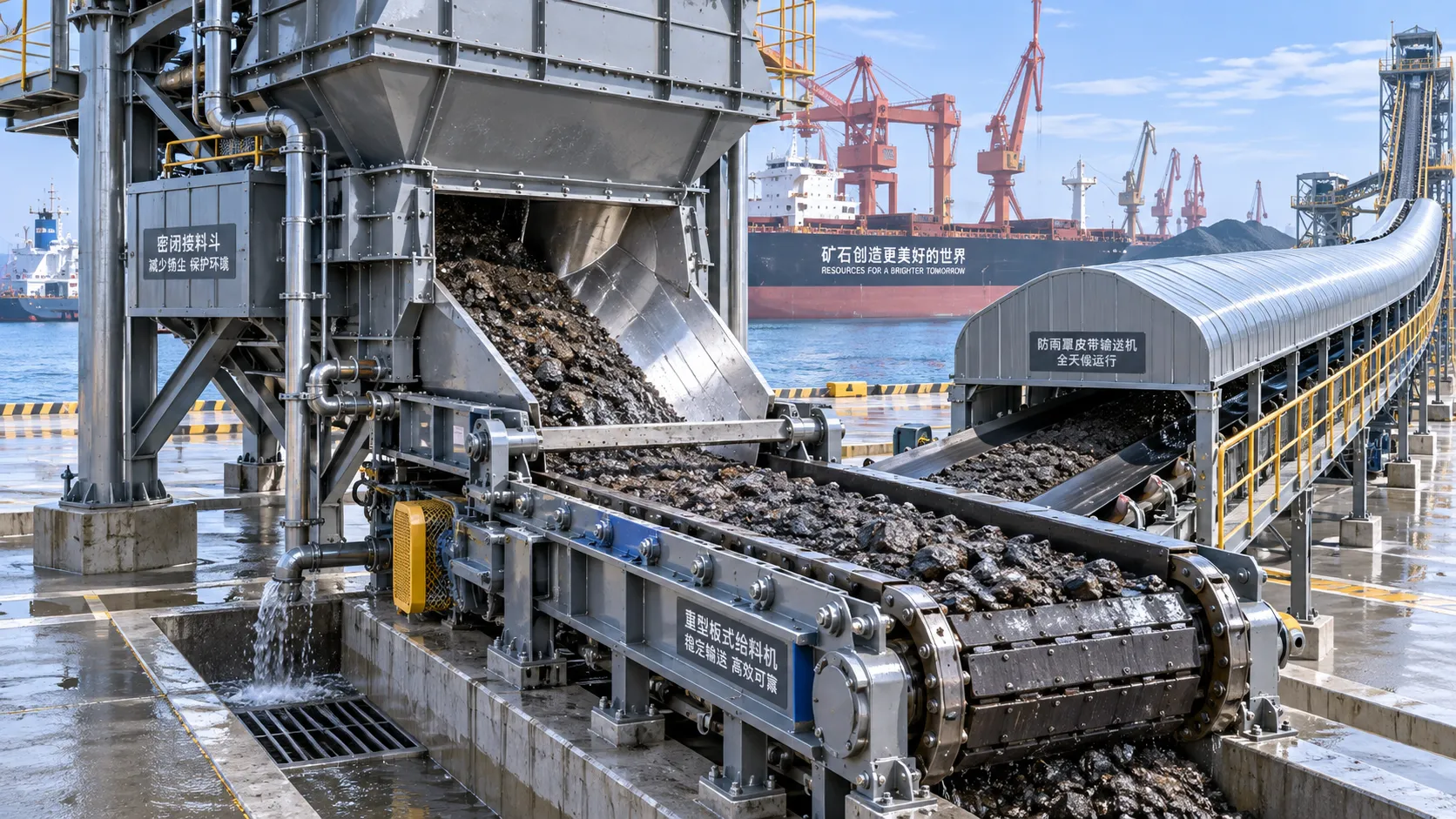
Which Bulk Handling Equipment Suits High-Moisture Cargo?
Which bulk handling equipment suits high-moisture cargo? Compare belt, apron, screw, drag, and slurry systems for reliable flow, less carryback, and higher terminal uptime.
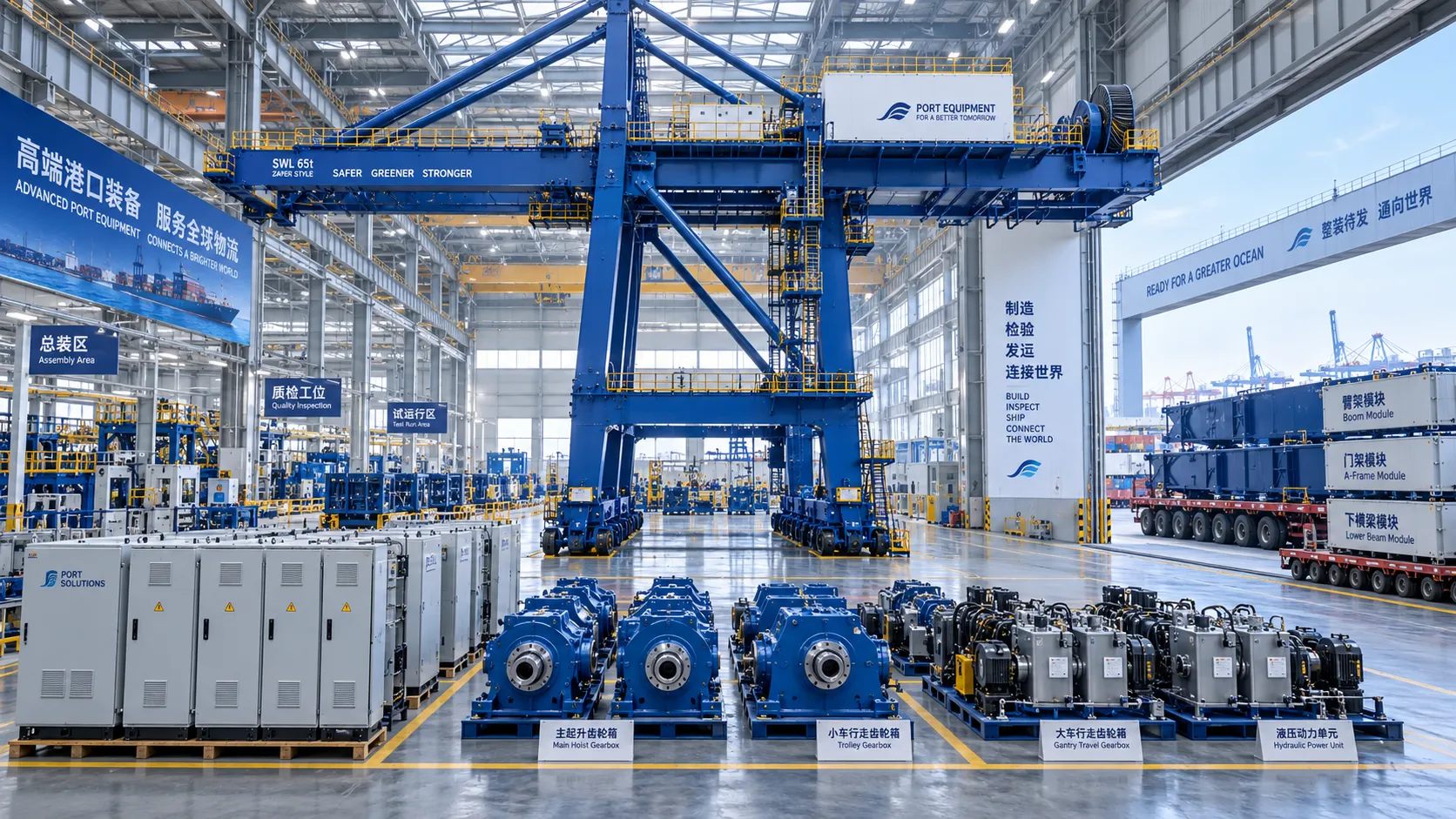
How Can Port Equipment Lead-Time Risk Be Managed?
How can port equipment lead-time risk be managed? Explore practical strategies to control critical paths, suppliers, transport, site readiness, and commissioning delays.
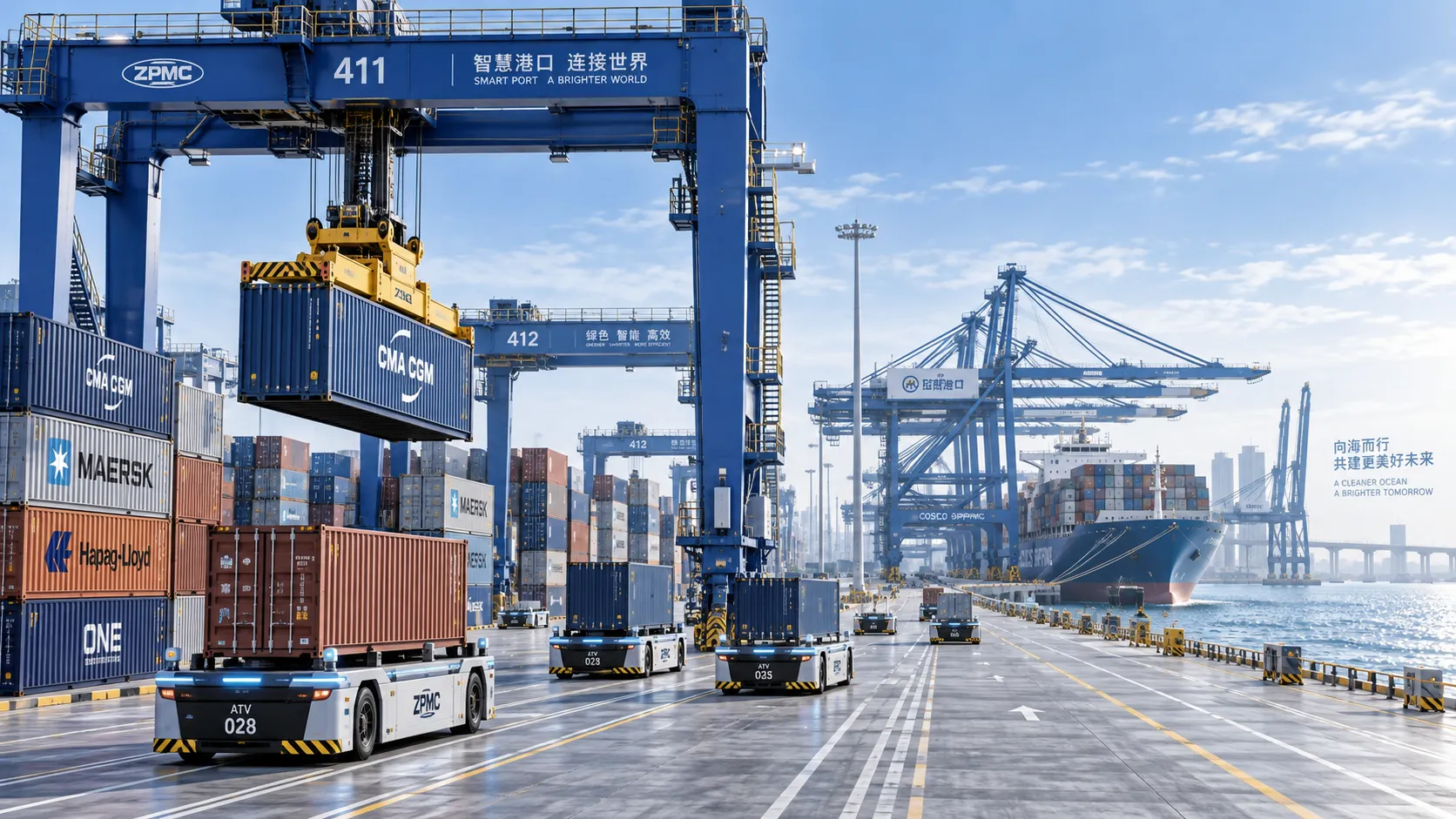
Terminal Automation Technologies That Raise Container Throughput Without Yard Disruption
Terminal automation technology that increases container throughput without disrupting yard flow. Explore smarter integration, resilient workflows, and phased deployment strategies.
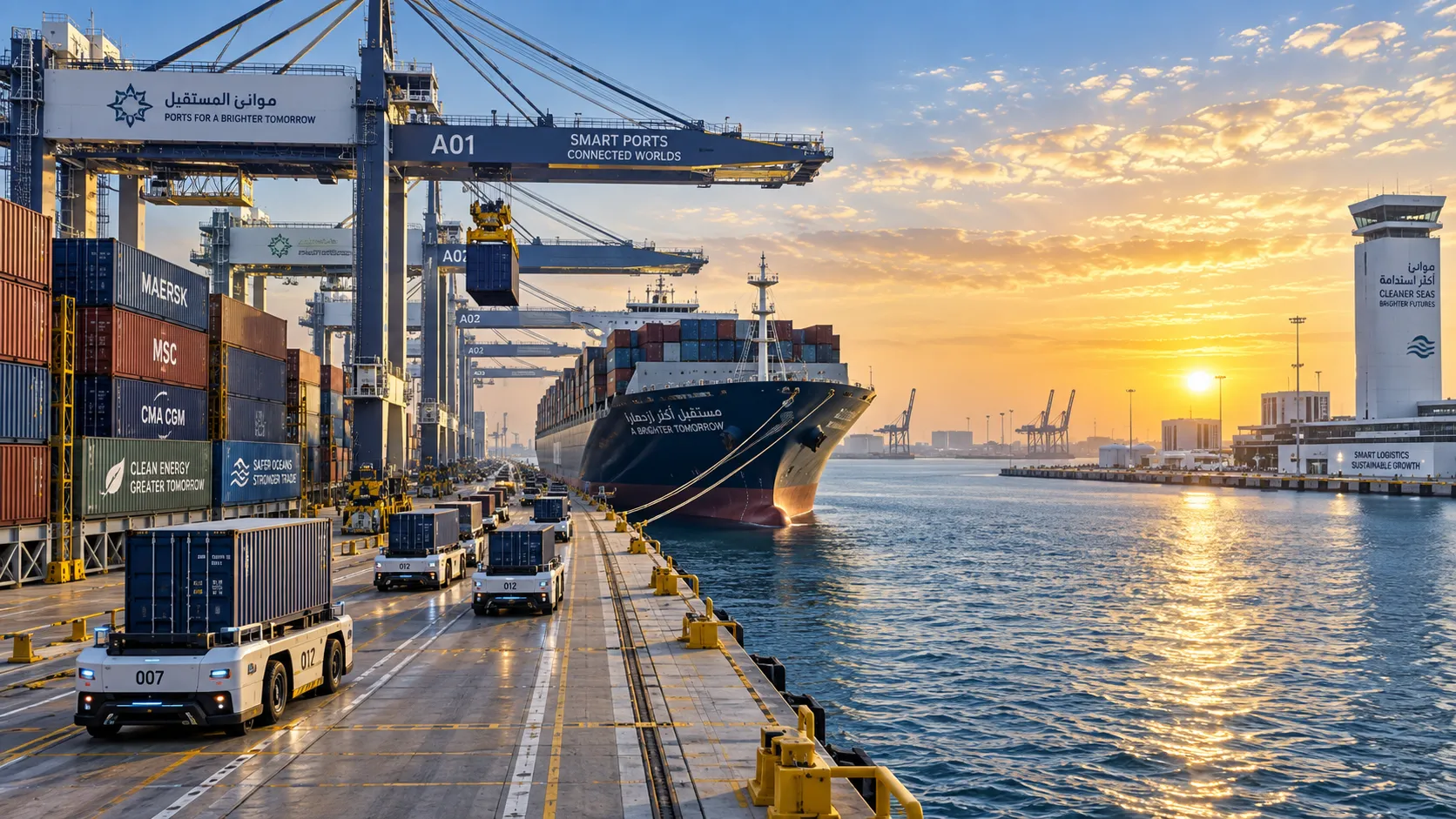
Middle East Port Automation: Key Market Drivers, Projects, and Investment Risks
Port automation systems Middle East: explore market drivers, flagship projects, integration challenges, and investment risks shaping smarter, resilient terminals.
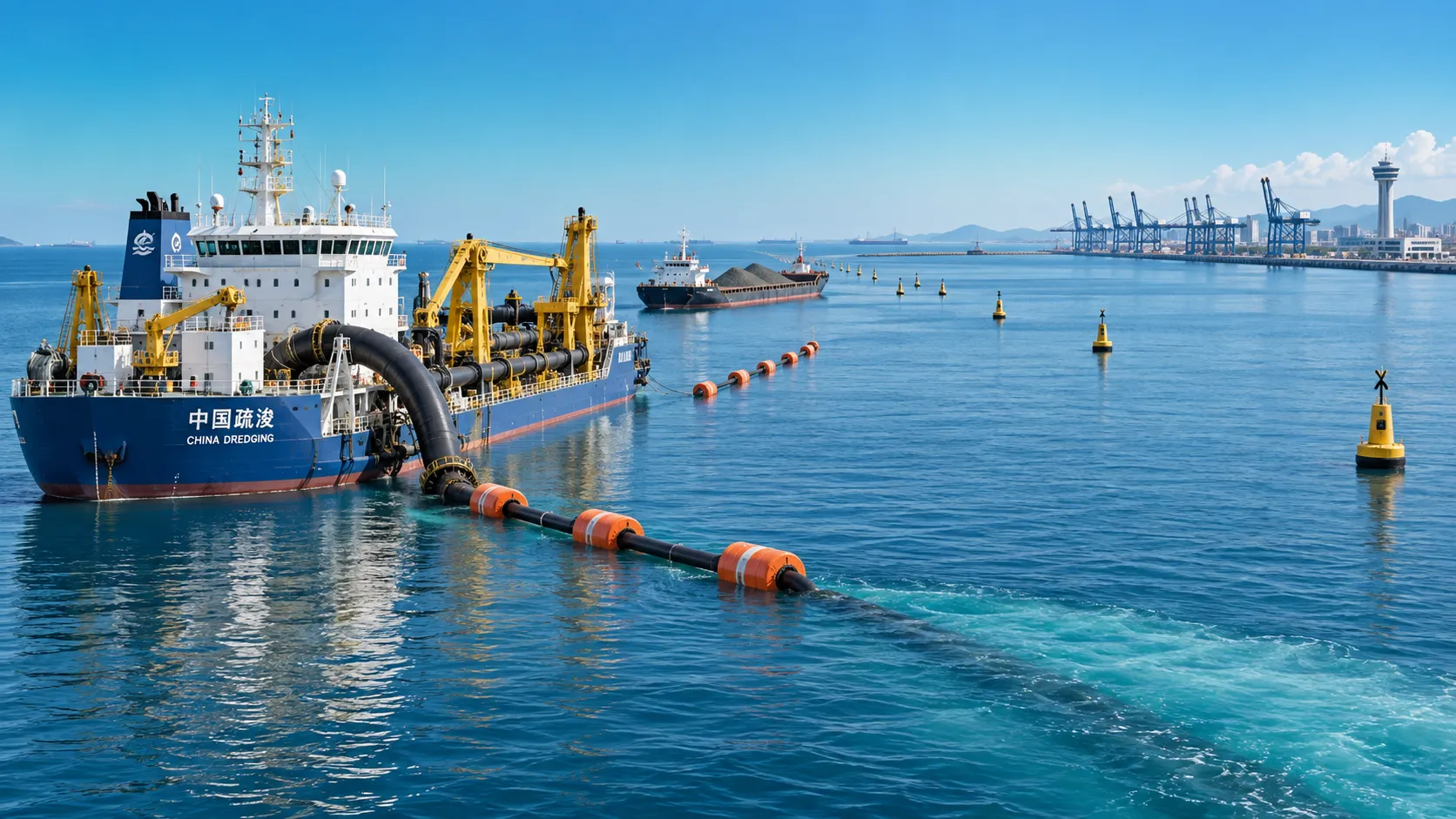
Planning Offshore Dredging Operations: Key Risks, Methods, and Project Controls
Offshore dredging operations demand smart planning. Explore key risks, proven methods, environmental controls, and project strategies for reliable delivery.