
Related News
- 00
0000-00
Smart Port Systems in Southeast Asia: Investment Priorities and Adoption Barriers - 00
0000-00
Middle East Port Automation: Key Market Drivers, Projects, and Investment Risks - 00
0000-00
How Coastal Cities Can Prioritize Blue Economy Projects for Jobs and Ecosystem Gains - 00
0000-00
How Harbor Construction Solutions Address Wave Loads, Scour, and Vessel Berthing - 00
0000-00
What Is Driving Maritime Infrastructure Growth in Southeast Asia?
What Is Resilient Coastal Infrastructure and Which Port Projects Need It Most?
Why resilient coastal infrastructure is now a core port question
Resilient coastal infrastructure is no longer a niche engineering phrase. It now sits near the center of port planning, capital allocation, and long-horizon trade strategy.
Ports face a simple pressure with complex consequences. Water levels are shifting, storms are stronger, and downtime costs more than it did a decade ago.
That matters because ports are not isolated assets. They connect quay walls, cranes, dredged channels, power systems, yard logic, road links, and customs flow.
If one weak point fails, throughput can collapse across the whole terminal chain. In that sense, resilient coastal infrastructure protects both physical structures and operational continuity.
For platforms such as PS-Nexus, which track terminal gear, automation, and dredging engineering, the topic is practical rather than abstract.
The real question is not whether resilience matters. It is which port projects need it first, and how to judge that priority without oversimplifying the risk.
What does resilient coastal infrastructure actually include?
In plain terms, resilient coastal infrastructure means assets designed, upgraded, or managed to keep functioning under coastal stress.
That stress may come from chronic sea-level rise, saline intrusion, subsidence, stronger waves, heavier rainfall, or more frequent surge events.
It is not limited to seawalls. A resilient port may involve elevated electrical rooms, stronger quay structures, adaptive drainage, protected data links, and flexible dredging plans.
The concept also includes recovery speed. A terminal that resumes operations in hours is more resilient than one requiring weeks of repair and recalibration.
In actual projects, resilient coastal infrastructure usually blends civil works with mechanical and digital readiness.
- Structural reinforcement for quay walls, revetments, and foundations
- Water management upgrades for drainage, pumping, and erosion control
- Equipment protection for cranes, substations, AGV routes, and communication nodes
- Operational redundancy through backup power, rerouting logic, and staged recovery plans
This is why the term appears across marine geotechnics, automation control, and cargo equipment planning, not just coastal engineering reports.
Which port projects need resilient coastal infrastructure the most?
Not every project has the same exposure. The highest priority usually goes to assets with three traits: high coastal sensitivity, high replacement cost, and high network dependence.
Container terminals often rank near the top. They combine expensive quay structures, dense electrical systems, automated yard flows, and strict vessel windows.
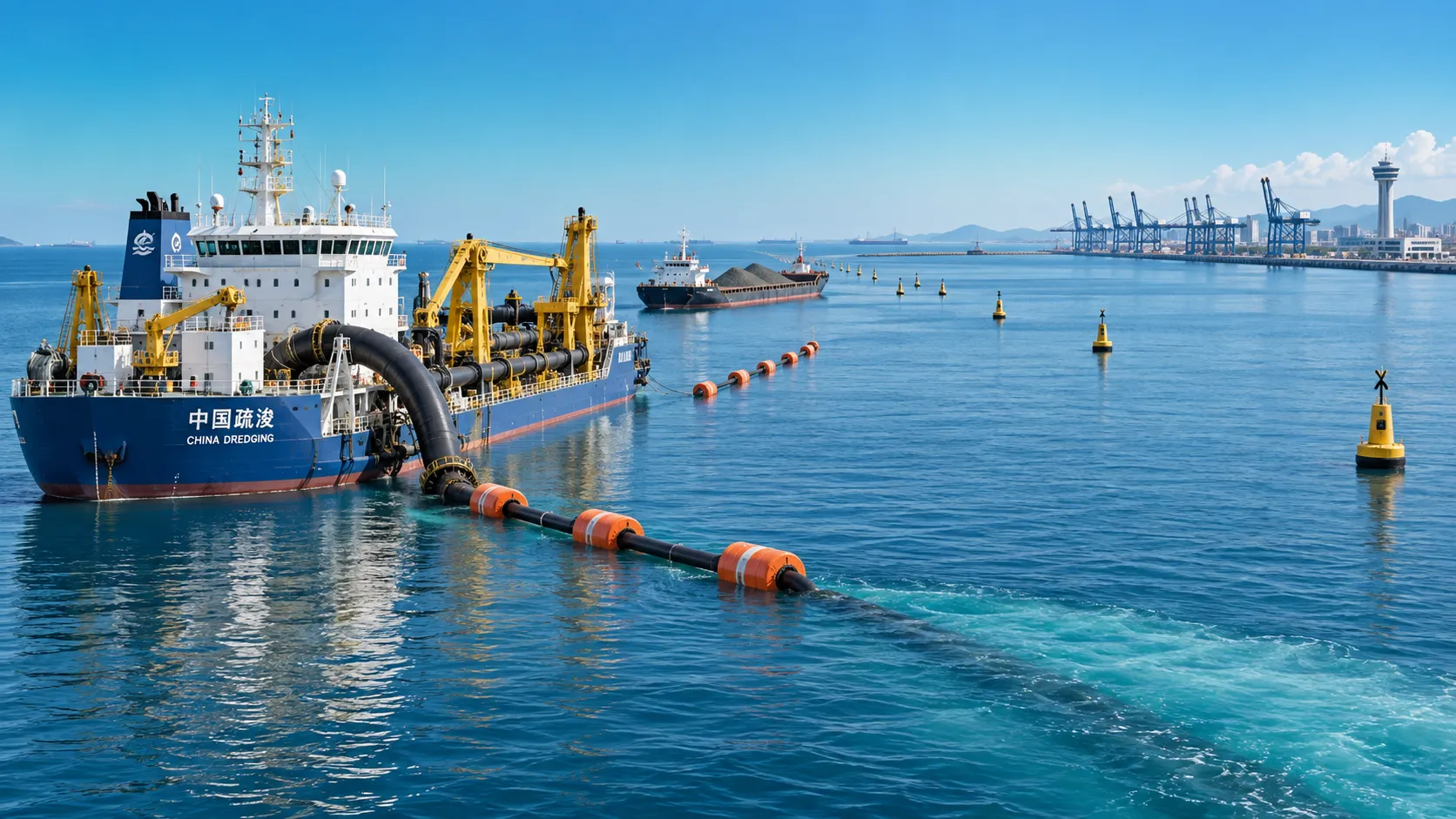
Dredging programs also deserve early attention. A channel that silts faster after storms can reduce draft access long before visible damage appears on land.
Bulk terminals sit close behind. Their exposure depends on open storage, conveyor corridors, berthing geometry, and sensitivity to weather-driven shutdowns.
Automated logistics systems are sometimes underestimated. Yet a port with robust concrete and weak control rooms is still operationally fragile.
A quick comparison makes the ranking easier to see.
In short, the projects that hold access, berth availability, and digital coordination usually need resilient coastal infrastructure first.
How do you judge whether a port project is truly high priority?
A common mistake is to rank projects only by visible exposure. Flooding gets attention, but resilience decisions should include operational and financial concentration too.
A more useful method is to ask five screening questions.
- Would failure stop vessel access, cargo handling, or yard circulation?
- Is the asset difficult to replace, relocate, or quickly repair?
- Does it support automated or remote-controlled processes?
- Will climate stress worsen over the asset life cycle?
- Could a small failure cascade into multi-day congestion?
If several answers are yes, resilient coastal infrastructure should move from a design option to a project requirement.
This is especially relevant in ports expanding automation. Remote cranes, AGV routing, and digital pump monitoring all depend on stable electrical and data environments.
PS-Nexus often frames this as system coupling. Heavy equipment, civil structures, and control logic now fail together more often than they fail separately.
That coupling changes how resilience should be evaluated. The issue is less about isolated assets and more about interconnected terminal performance.
Is resilient coastal infrastructure mainly about concrete, or does technology matter just as much?
Concrete still matters, but resilience is no longer solved by civil works alone.
A quay upgrade may increase structural tolerance. Yet if substations flood, communication latency spikes, or traffic software loses synchronization, terminal productivity still falls sharply.
That is why resilient coastal infrastructure increasingly blends hardening, monitoring, and adaptive operations.
In practical terms, technology matters in three ways. It helps detect stress early, reduce manual response time, and support controlled recovery after disruption.
For example, dredging resilience is stronger when hydrographic updates, pump condition data, and sediment behavior are tracked continuously rather than reviewed after failure.
The same logic applies to automated terminals. Backup routing, redundant communication paths, and protected control rooms are now part of resilient coastal infrastructure planning.
So the better comparison is not concrete versus software. It is static protection versus adaptive resilience.
Where do ports usually misjudge cost, timing, or scope?
The first misjudgment is treating resilience as an added expense after concept design. That approach usually raises retrofit cost and shortens the useful life of upgrades.
The second is focusing on one dramatic event. In reality, repeated minor disruptions can create greater economic loss than a single headline storm.
Another weak assumption is that dredging, quay reinforcement, and automation can be planned separately. In exposed ports, their performance is tightly linked.
A short decision table can help avoid that trap.
Timing matters as well. Projects with 20-to-40-year design lives should not be evaluated against only current water levels or current storm frequencies.
What should be reviewed before choosing a resilience strategy?
Start with port function, not just hazard maps. A transshipment hub, an energy bulk terminal, and an automated container gateway do not share the same weak points.
Then review asset interdependence. Which systems must stay online for the port to keep moving cargo at an acceptable rate?
It also helps to compare scenario performance rather than single design values. Ask how the port behaves under nuisance flooding, surge, sediment shift, and prolonged outage.
A disciplined review usually includes the following points.
- Critical berth, channel, and yard bottlenecks
- Condition of quay walls, revetments, drainage, and foundations
- Exposure of power rooms, communication cabinets, and control centers
- Sedimentation risk and dredging recovery capacity
- Downtime cost compared with upgrade cost over the asset life cycle
That review creates a more credible basis for resilient coastal infrastructure decisions than broad statements about climate adaptation.
The strongest next step is usually a joined assessment of structure, equipment, and control systems. That is where many of the highest-value answers emerge.
For anyone tracking maritime logistics through PS-Nexus, this integrated lens is the practical takeaway. Resilience matters most where port access, heavy terminal gear, dredging reliability, and automation meet.
When comparing future projects, focus on failure consequences, recovery speed, and system dependency. That is the clearest way to identify where resilient coastal infrastructure delivers the greatest operational value.
Related News
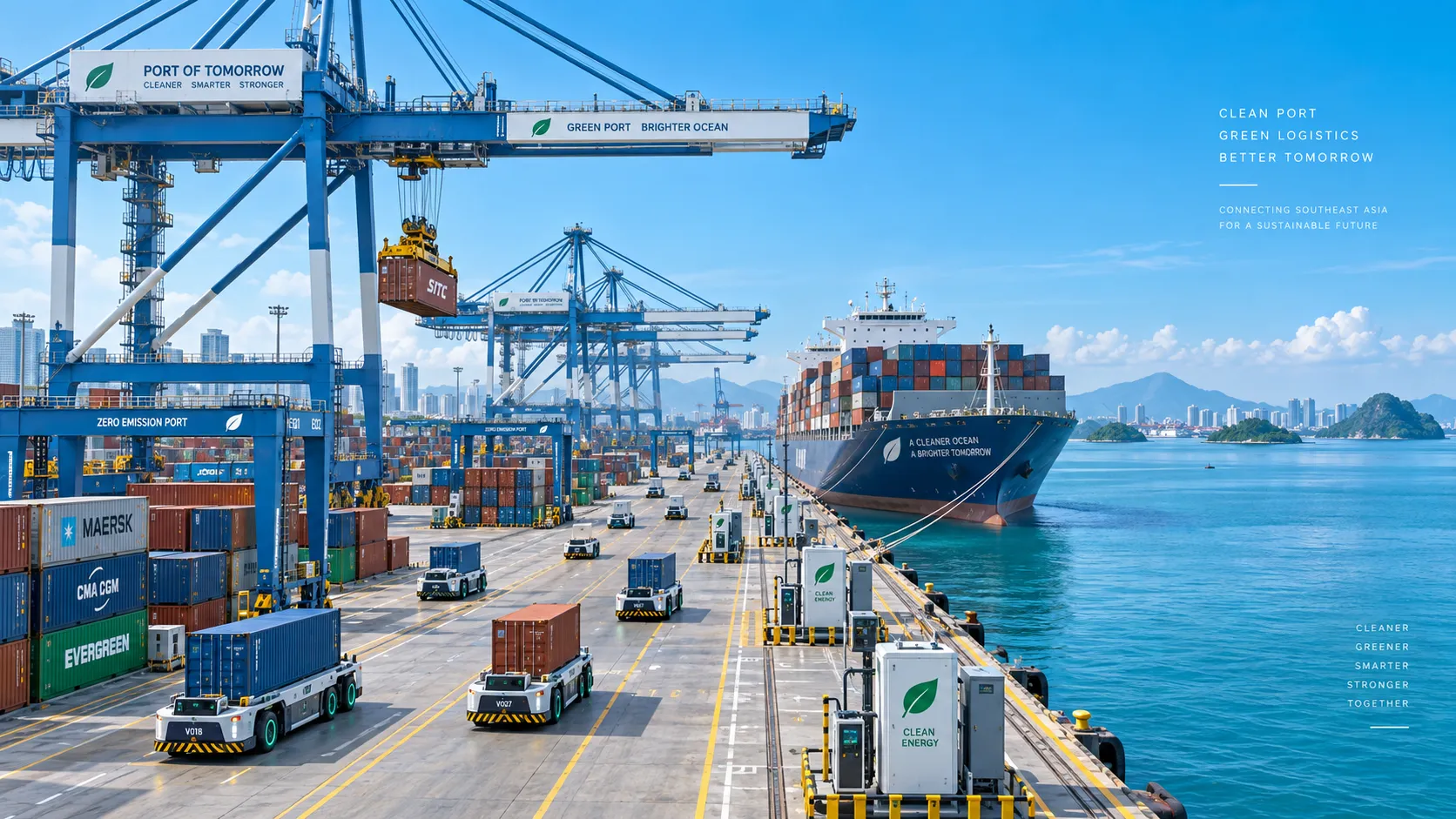
Smart Port Systems in Southeast Asia: Investment Priorities and Adoption Barriers
Smart port systems Southeast Asia: discover investment priorities, adoption barriers, and practical steps to build resilient, connected, high-performing terminals.
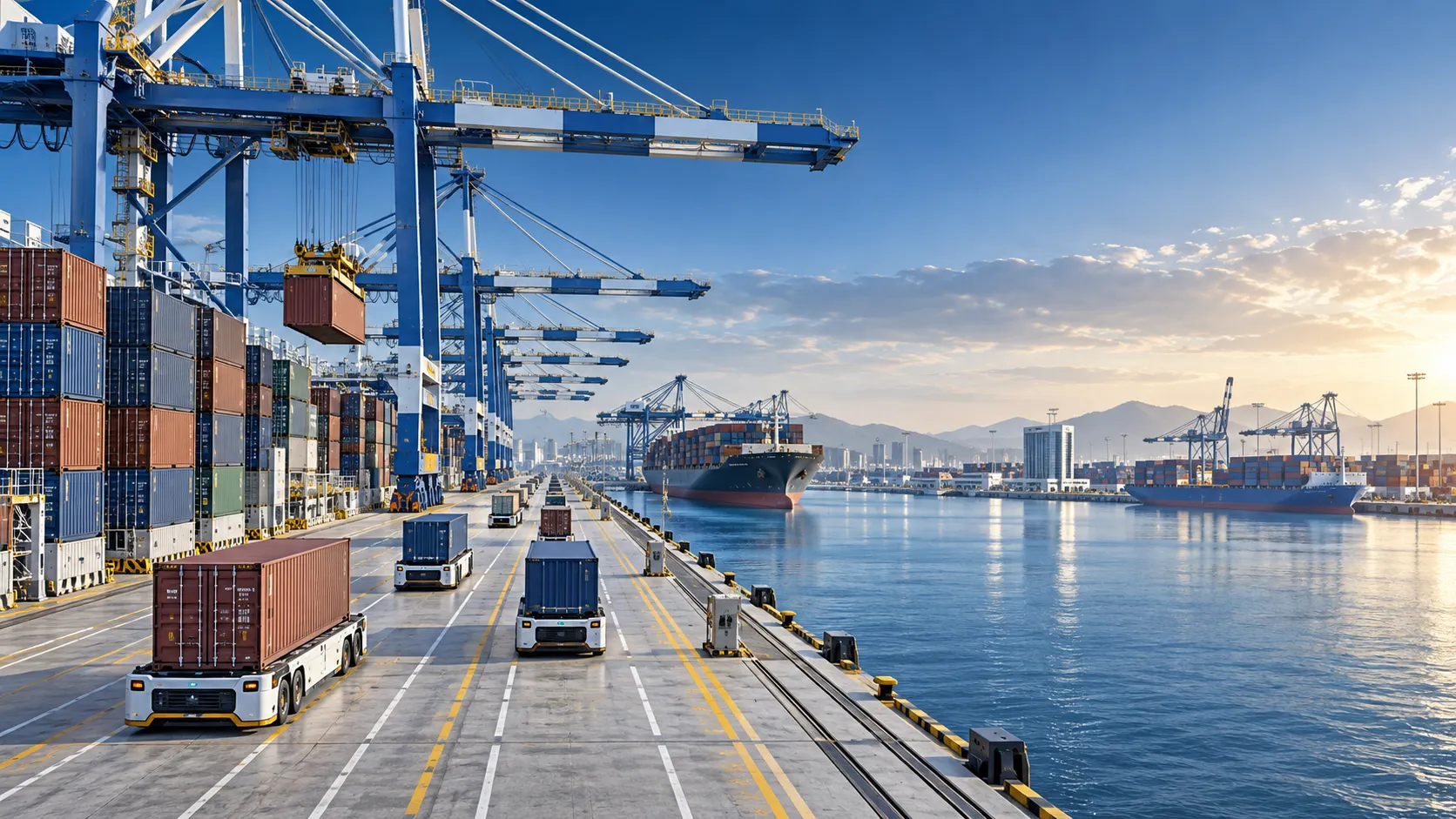
How to Evaluate Terminal Efficiency Solution Suppliers for High-Throughput Operations
Choose a terminal efficiency solutions supplier with confidence. Explore proven criteria for throughput, integration, lifecycle cost, safety, and reliable delivery.
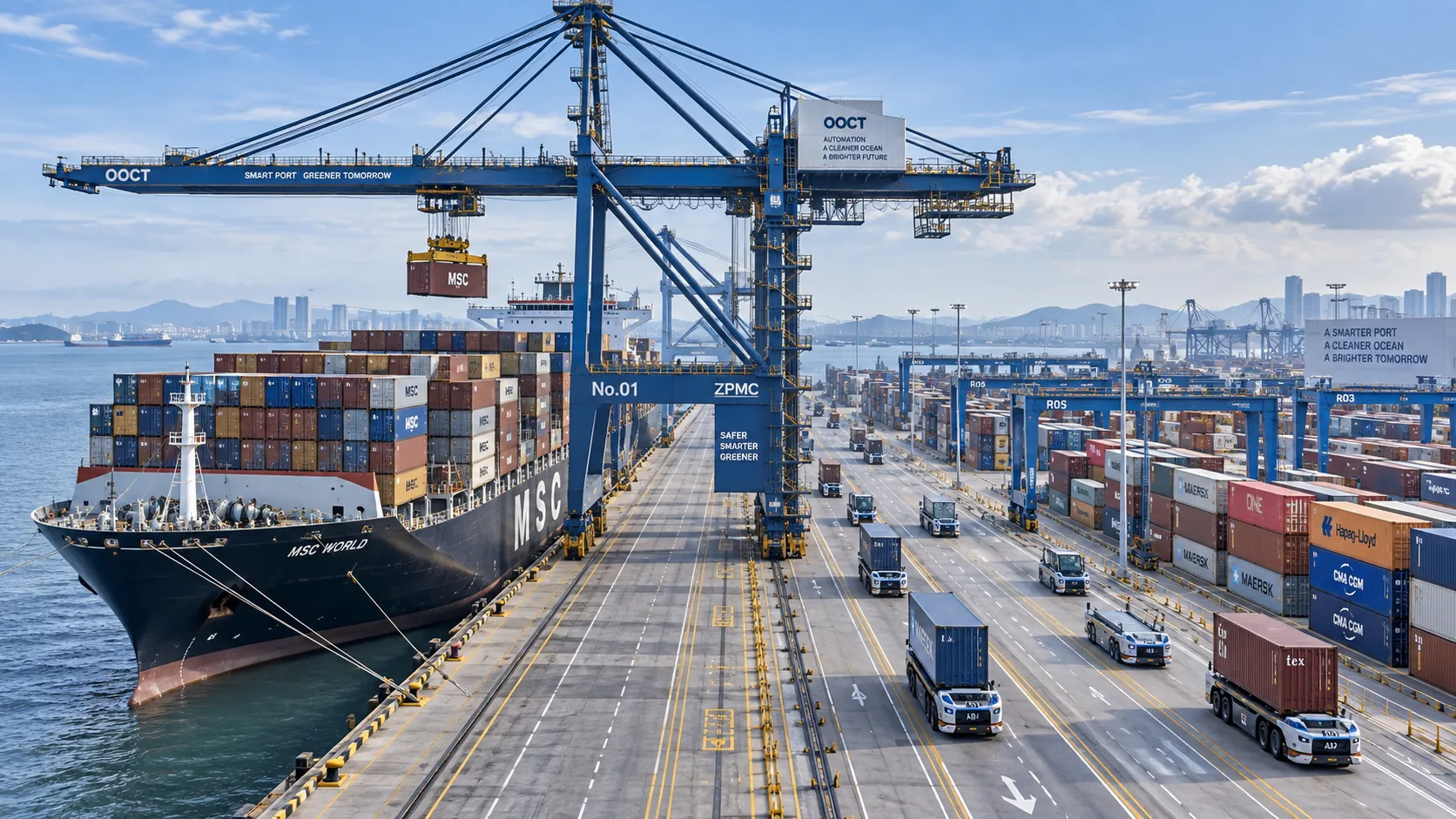
How to Specify a Quay Crane for Container Terminals by Vessel Size and Throughput?
Quay crane for container terminals: learn how to match outreach, lift height, capacity, automation, and cycle performance to vessel size and throughput goals.
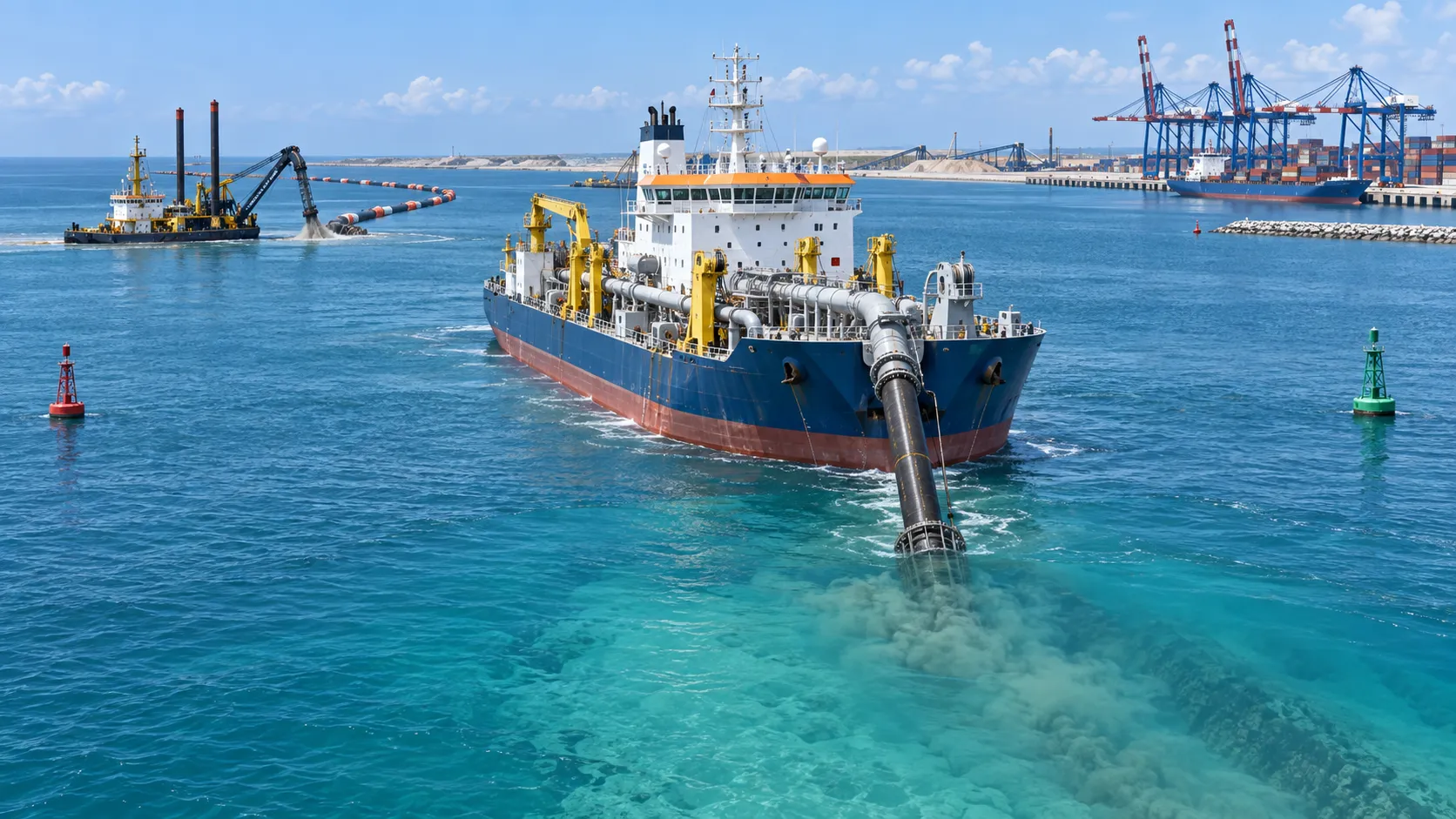
What Dredging Equipment Is Needed for Channel Deepening?
What dredging equipment is needed for channel deepening? Explore dredgers, pipelines, survey tools, and planning strategies for safer, more efficient port access.
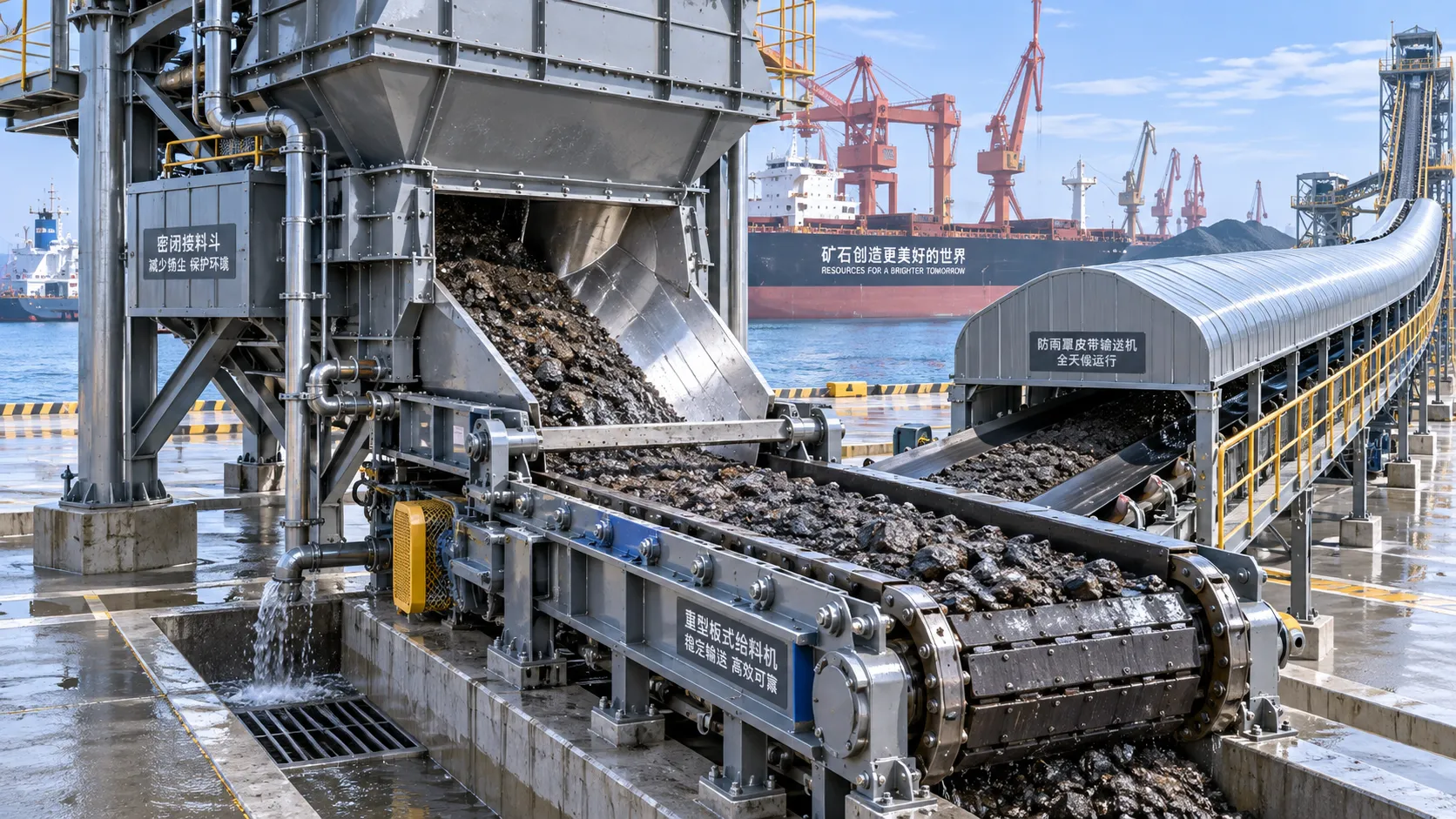
Which Bulk Handling Equipment Suits High-Moisture Cargo?
Which bulk handling equipment suits high-moisture cargo? Compare belt, apron, screw, drag, and slurry systems for reliable flow, less carryback, and higher terminal uptime.
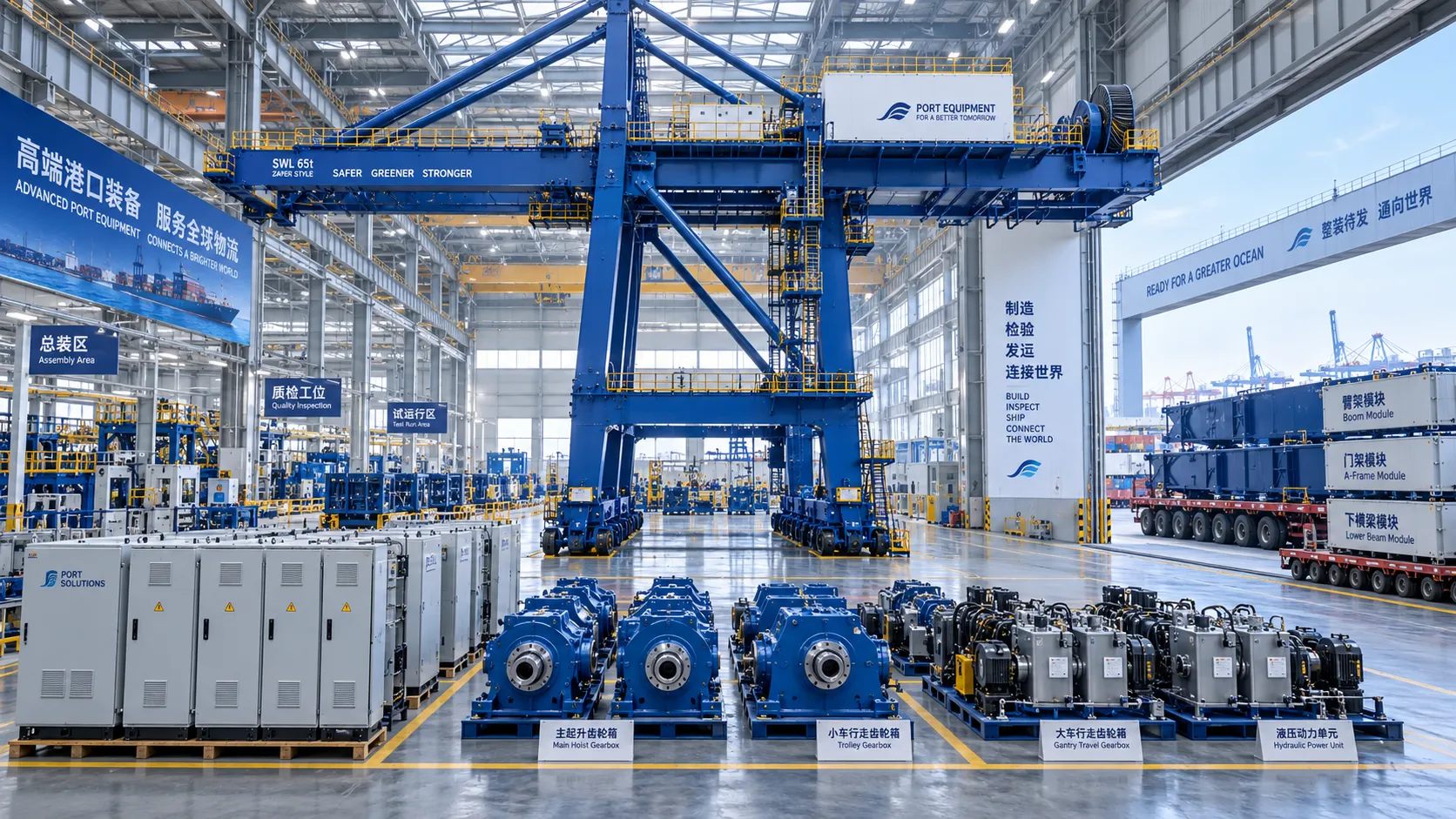
How Can Port Equipment Lead-Time Risk Be Managed?
How can port equipment lead-time risk be managed? Explore practical strategies to control critical paths, suppliers, transport, site readiness, and commissioning delays.
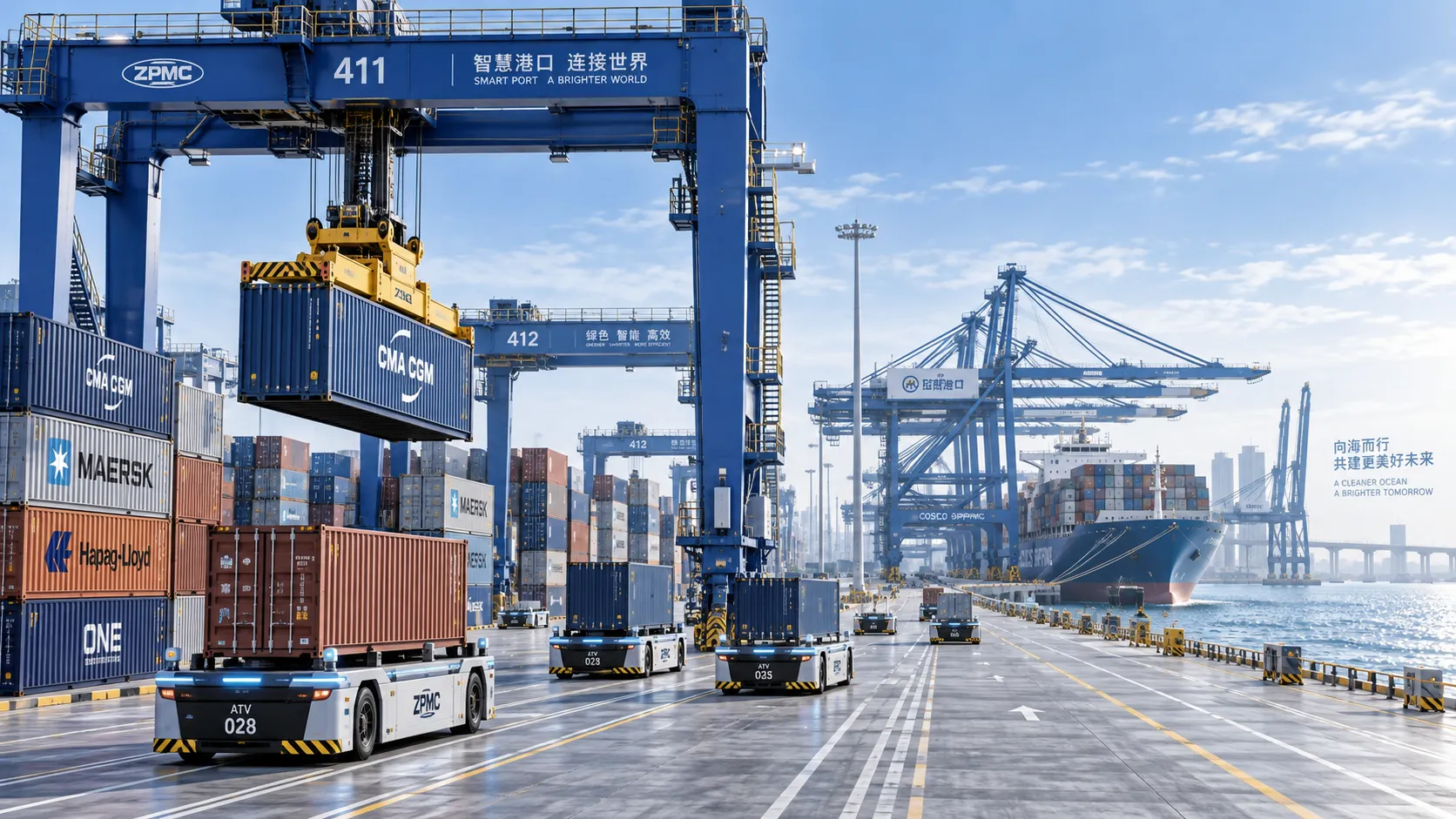
Terminal Automation Technologies That Raise Container Throughput Without Yard Disruption
Terminal automation technology that increases container throughput without disrupting yard flow. Explore smarter integration, resilient workflows, and phased deployment strategies.
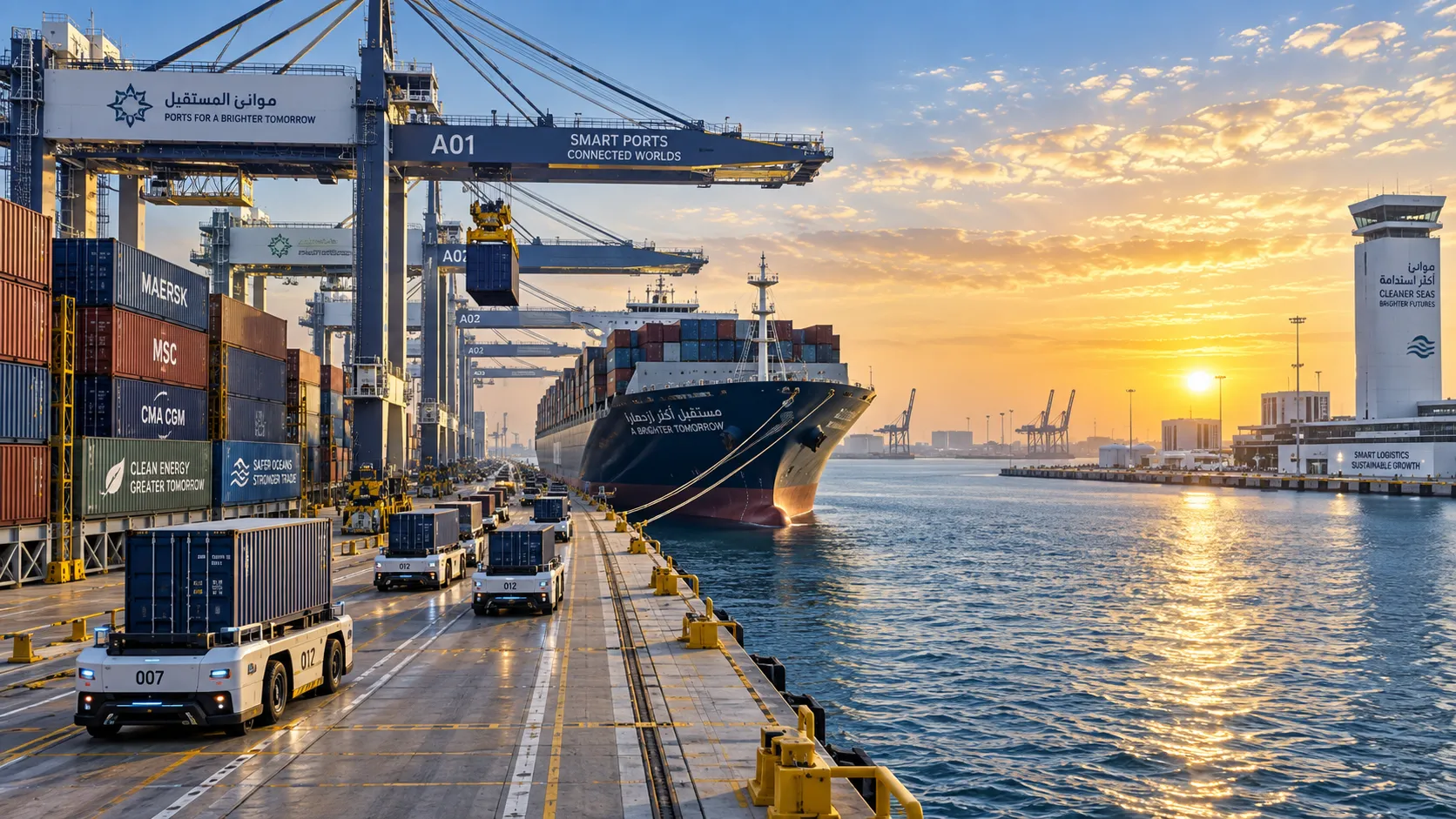
Middle East Port Automation: Key Market Drivers, Projects, and Investment Risks
Port automation systems Middle East: explore market drivers, flagship projects, integration challenges, and investment risks shaping smarter, resilient terminals.
Planning Offshore Dredging Operations: Key Risks, Methods, and Project Controls
Offshore dredging operations demand smart planning. Explore key risks, proven methods, environmental controls, and project strategies for reliable delivery.