Related News
- 00
0000-00
Smart Port Systems in Southeast Asia: Investment Priorities and Adoption Barriers - 00
0000-00
Middle East Port Automation: Key Market Drivers, Projects, and Investment Risks - 00
0000-00
How Coastal Cities Can Prioritize Blue Economy Projects for Jobs and Ecosystem Gains - 00
0000-00
How Harbor Construction Solutions Address Wave Loads, Scour, and Vessel Berthing - 00
0000-00
What Is Driving Maritime Infrastructure Growth in Southeast Asia?
Automated Terminal Systems in the Middle East: Where They Fit Best
Automated Terminal Systems in the Middle East: Where They Fit Best
Automated terminal systems Middle East projects create the strongest returns where volume pressure, land limits, labor availability, and round-the-clock service all meet.
That is the core logic behind successful adoption.
In this region, automation is rarely a branding exercise.
It is usually a response to larger vessels, tighter berth windows, growing transshipment roles, and rising expectations for predictable cargo flow.
For operators planning new terminals or major upgrades, the real question is practical.
Where do automated terminal systems Middle East deployments perform best, and where do they struggle to justify capital cost?
The answer depends on cargo profile, site geometry, digital maturity, environmental exposure, and the discipline of phased execution.
Why the Middle East is a strong fit for terminal automation
The region has several structural advantages for automation.
Many ports are expansion-driven, master-planned, and closely linked to national logistics strategies.
That matters because automated terminal systems Middle East programs work best when civil layout, power design, data networks, and operating model evolve together.
Greenfield and brownfield sites with clear long-term cargo forecasts can support this alignment.
Another driver is regional service ambition.
Ports are expected to serve as trade gateways, free zone anchors, and transshipment platforms at the same time.
This raises the value of stable yard productivity and higher equipment utilization.
Automated terminal systems Middle East strategies can improve both, especially when vessel peaks are severe and storage windows are short.
Where automated terminal systems fit best
Not every terminal needs the same automation depth.
The strongest fit appears in a few recurring operating environments.
1. High-volume container hubs
Large container gateways and transshipment hubs are the clearest candidates.
These sites face constant pressure on berth productivity, yard density, and truck or rail interface timing.
Here, automated terminal systems Middle East solutions such as ASC blocks, AGV fleets, automated stacking workflows, and integrated TOS logic can outperform manual expansion.
The business case gets stronger when land reclamation is expensive or politically sensitive.
2. Terminals with constrained land
Space efficiency is often underestimated during early planning.
In reality, it often determines project viability.
Automated stacking can increase storage density while reducing random handling patterns.
For Middle Eastern ports near urban or industrial clusters, this is a major advantage.
Automated terminal systems Middle East applications are especially effective when terminal footprints cannot expand easily, yet demand keeps rising.
3. Remote or labor-sensitive operations
Some sites face persistent recruitment, retention, or skills transfer challenges.
Others need more centralized control across multiple assets.
In these cases, remote operation centers and semi-automated workflows can reduce exposure to staffing volatility.
This is one of the more practical reasons automated terminal systems Middle East investments continue to gain attention.
Where full automation may not be the best answer
A strong regional case does not mean universal fit.
Some terminals should stay selective and phased.
- Low-volume ports with irregular vessel calls.
- Mixed cargo sites with highly variable workflows.
- Brownfield terminals with severe layout constraints.
- Operations lacking stable data quality or maintenance readiness.
For these sites, full automation can lock in complexity before process discipline is mature enough.
A targeted approach often works better.
Examples include gate automation, OCR systems, remote crane assistance, predictive maintenance, or yard planning optimization.
That still counts as progress, and in many cases it creates a better runway for future automated terminal systems Middle East upgrades.
Critical design factors in Middle Eastern conditions
Regional conditions shape engineering decisions more than many early studies admit.
Heat, dust, and corrosion
High temperatures affect battery behavior, sensor reliability, and electronics enclosure performance.
Dust complicates cameras, lidar, and cooling paths.
Marine salinity adds another layer of stress.
So automated terminal systems Middle East projects need hardened equipment specifications from the beginning, not as retrofit corrections.
Power and communications resilience
Automation fails quickly when networks or power quality are unstable.
This sounds obvious, yet it is still a common weakness.
Control systems, low-latency links, failover architecture, and cybersecurity must be treated as core infrastructure.
For automated terminal systems Middle East planners, this is not a software detail.
It is part of terminal availability engineering.
Integration depth
Performance depends on how well systems communicate.
A modern TOS alone will not solve fragmented yard logic.
The best automated terminal systems Middle East results usually come from disciplined integration between cranes, vehicles, gate systems, maintenance platforms, and command dashboards.
How to evaluate project fit before committing capital
A realistic evaluation framework prevents expensive overdesign.
It also helps compare phased automation against full deployment.
- Define the target throughput profile by hour, shift, season, and vessel class.
- Model yard density limits and truck turn expectations under future cargo scenarios.
- Stress-test the layout for failure cases, not only ideal conditions.
- Check data readiness across equipment, maintenance, and planning systems.
- Quantify workforce transition cost, training demand, and remote operations design.
- Evaluate lifecycle support, spare parts strategy, and vendor integration obligations.
This process reveals whether automated terminal systems Middle East adoption is a clear productivity lever or a premature technology jump.
A practical deployment path
Most successful programs do not begin with maximum automation on day one.
They move in layers.
First, stabilize process rules and data capture.
Then automate the bottlenecks that most affect berth time, yard rehandles, or gate congestion.
After that, connect equipment logic into a single orchestration layer.
This phased model is particularly useful for automated terminal systems Middle East projects in brownfield environments.
It reduces commissioning risk while preserving long-term scalability.
It also makes board-level approval easier because each phase can be tied to measurable operating gains.
What strong ROI really looks like
Return on investment should be broader than labor reduction.
That metric is too narrow for serious port planning.
Better indicators include berth productivity, lower truck waiting time, improved land use, fewer equipment conflicts, reduced safety exposure, and more consistent service levels.
For many automated terminal systems Middle East cases, the biggest value comes from reliability.
Predictable flow supports shipping lines, inland logistics partners, and long-range commercial planning.
That strategic effect is often worth more than a simple headcount comparison.
Conclusion
Automated terminal systems Middle East investments fit best in high-volume, land-constrained, performance-sensitive terminals with strong digital foundations and clear growth logic.
They fit less well where cargo patterns are unstable, layouts are highly compromised, or operations are not ready for disciplined integration.
The most effective path is usually selective, data-led, and engineered around real operating conditions.
When automated terminal systems Middle East planning follows that logic, automation stops being a trend label and becomes a durable infrastructure decision.
Related News
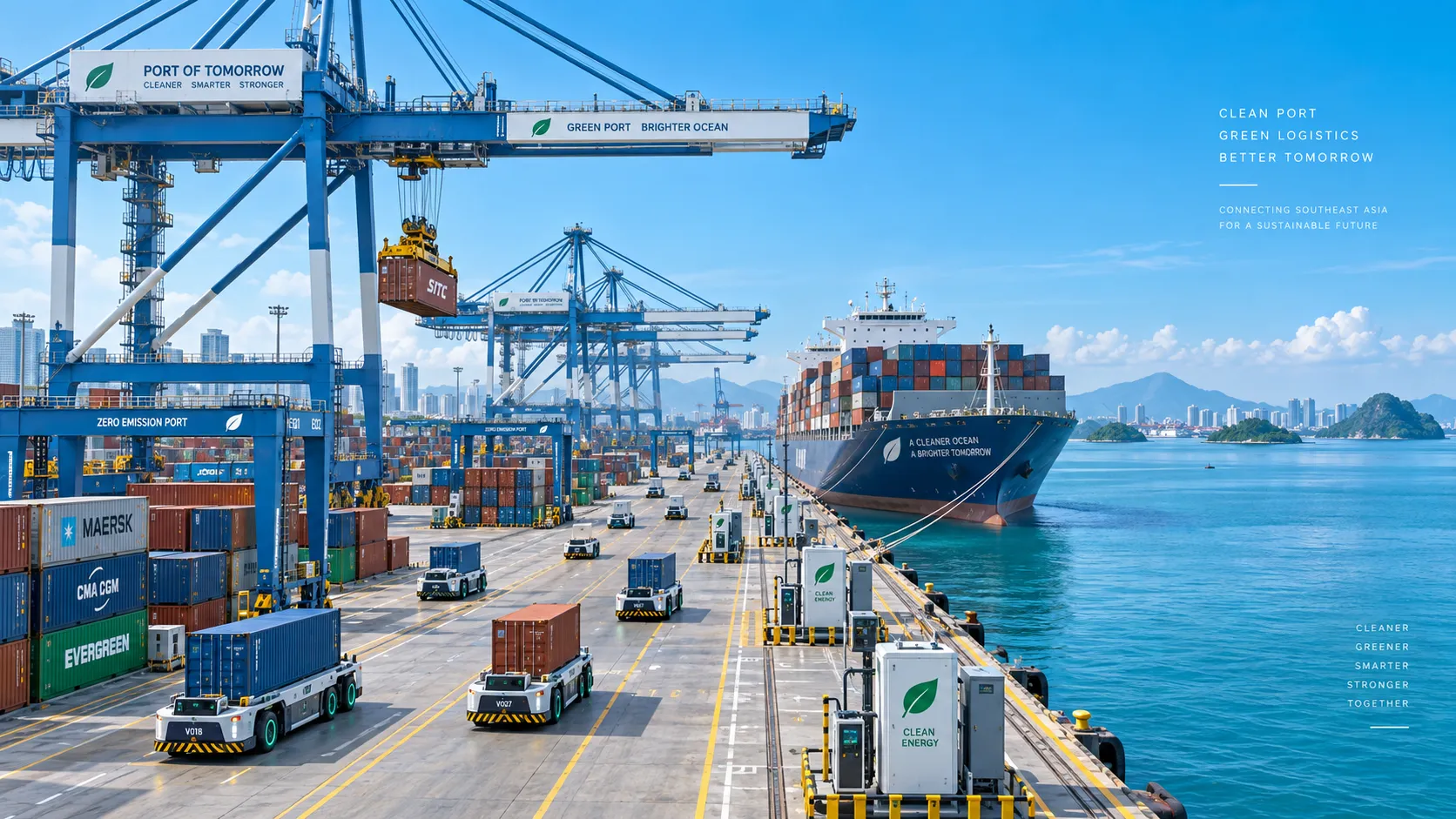
Smart Port Systems in Southeast Asia: Investment Priorities and Adoption Barriers
Smart port systems Southeast Asia: discover investment priorities, adoption barriers, and practical steps to build resilient, connected, high-performing terminals.

How to Evaluate Terminal Efficiency Solution Suppliers for High-Throughput Operations
Choose a terminal efficiency solutions supplier with confidence. Explore proven criteria for throughput, integration, lifecycle cost, safety, and reliable delivery.
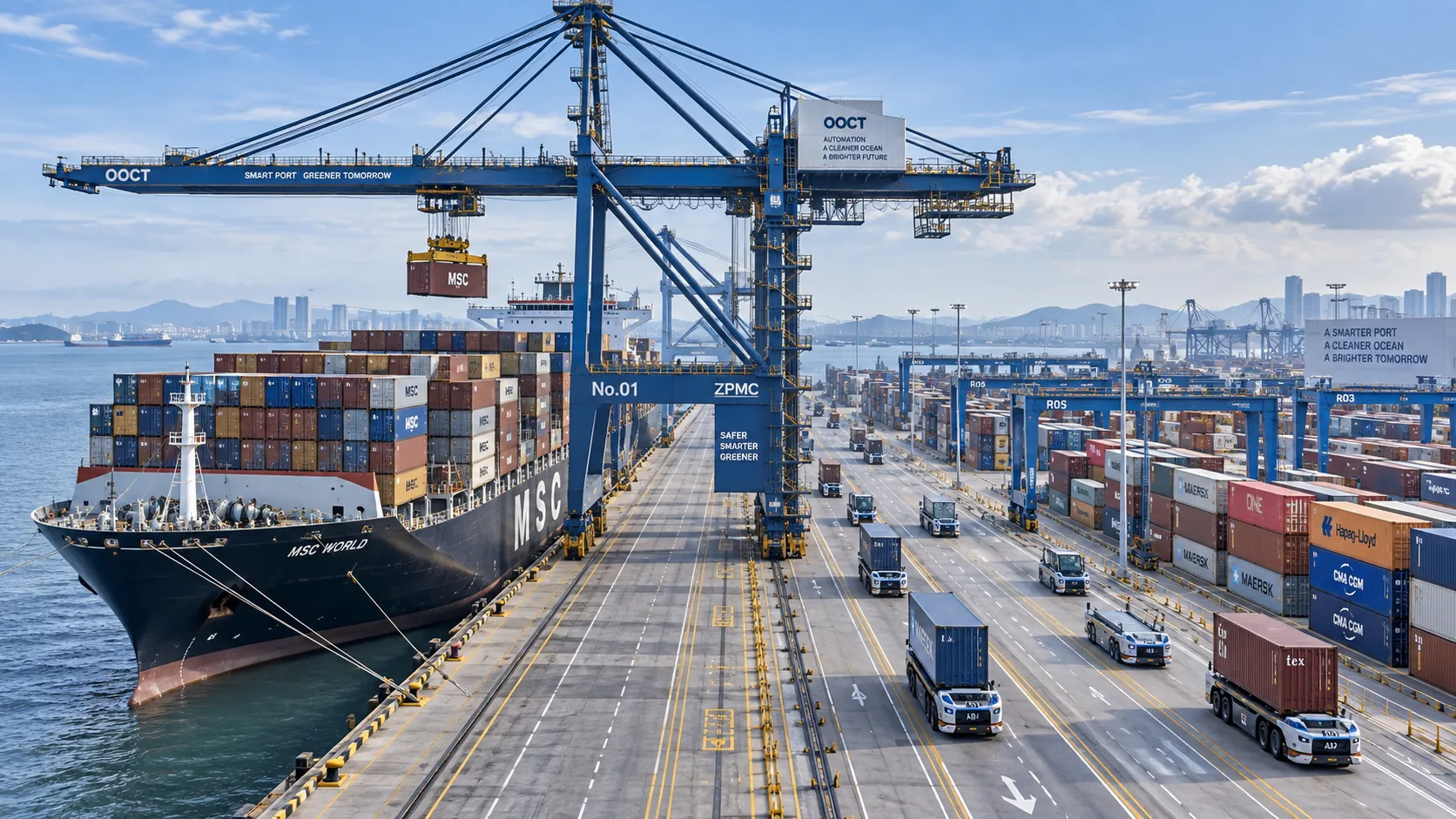
How to Specify a Quay Crane for Container Terminals by Vessel Size and Throughput?
Quay crane for container terminals: learn how to match outreach, lift height, capacity, automation, and cycle performance to vessel size and throughput goals.
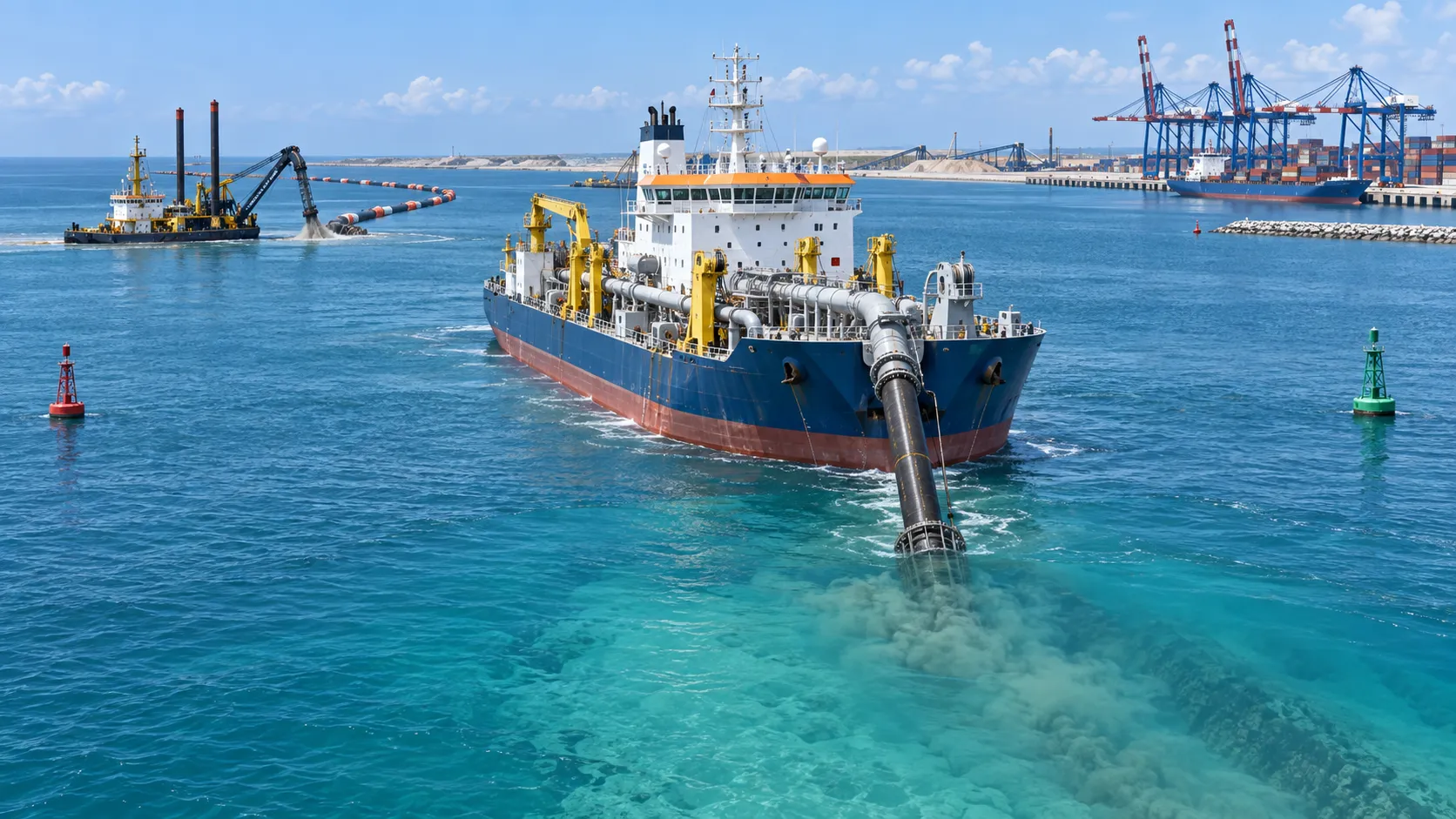
What Dredging Equipment Is Needed for Channel Deepening?
What dredging equipment is needed for channel deepening? Explore dredgers, pipelines, survey tools, and planning strategies for safer, more efficient port access.
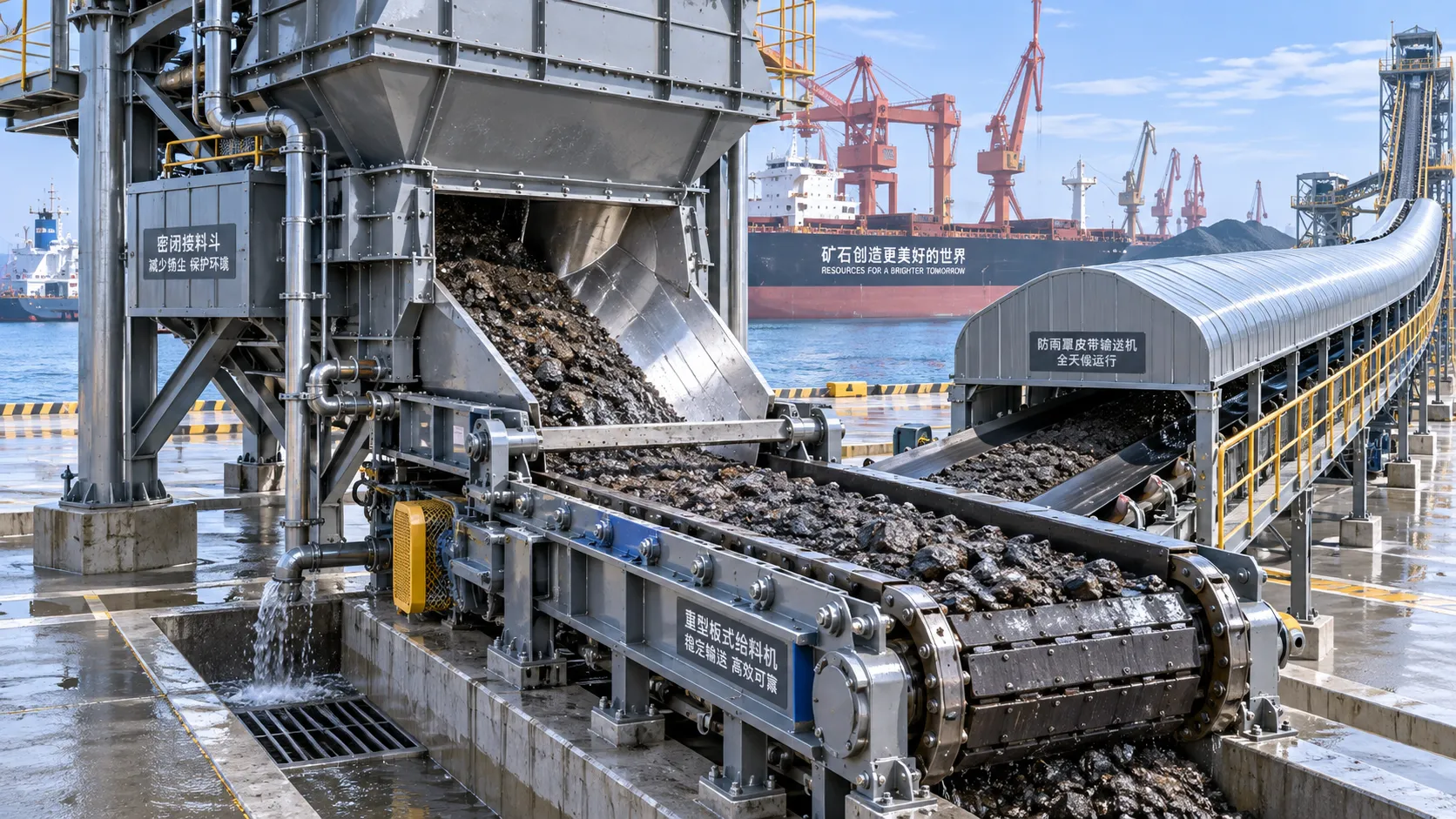
Which Bulk Handling Equipment Suits High-Moisture Cargo?
Which bulk handling equipment suits high-moisture cargo? Compare belt, apron, screw, drag, and slurry systems for reliable flow, less carryback, and higher terminal uptime.
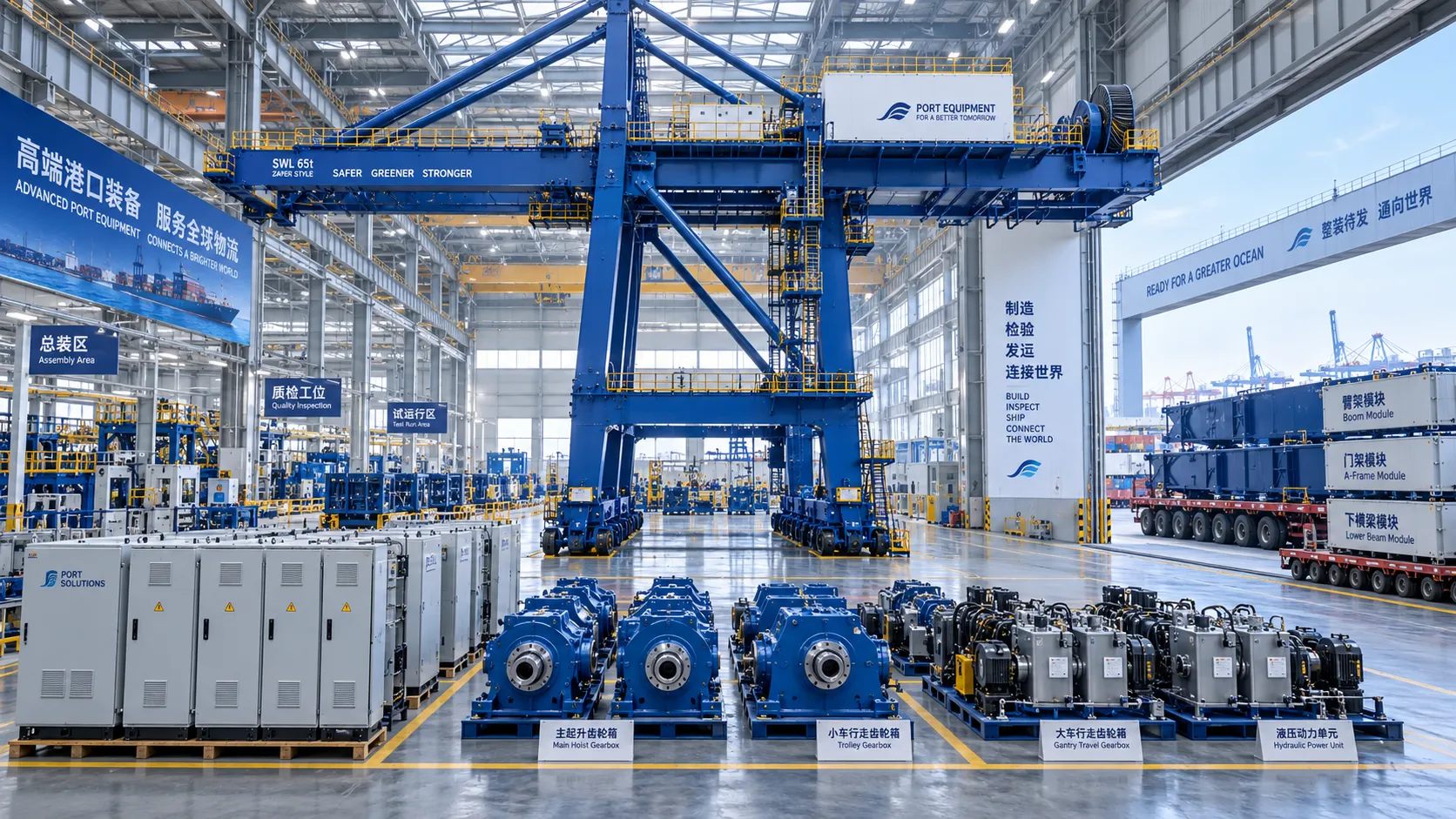
How Can Port Equipment Lead-Time Risk Be Managed?
How can port equipment lead-time risk be managed? Explore practical strategies to control critical paths, suppliers, transport, site readiness, and commissioning delays.
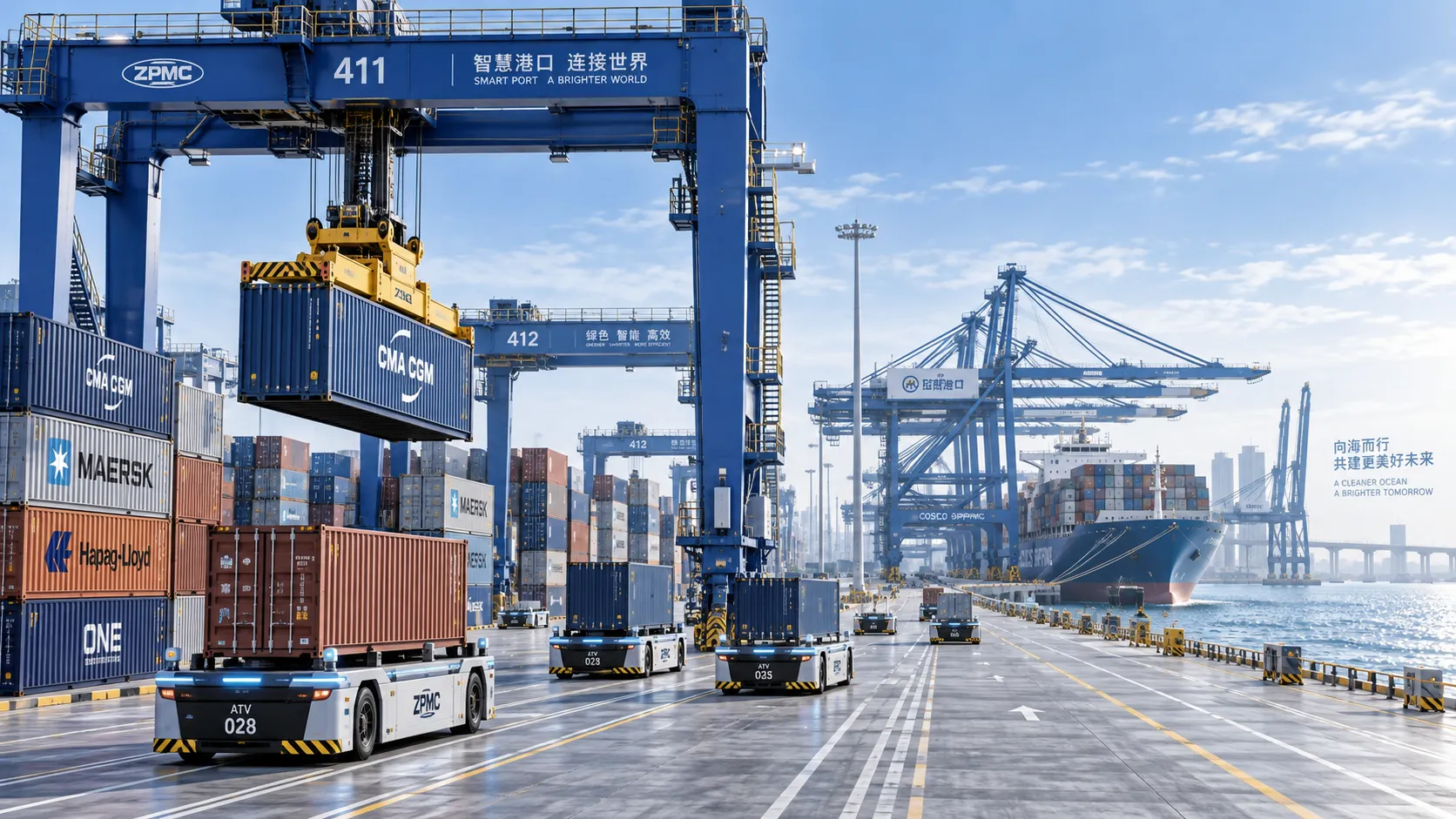
Terminal Automation Technologies That Raise Container Throughput Without Yard Disruption
Terminal automation technology that increases container throughput without disrupting yard flow. Explore smarter integration, resilient workflows, and phased deployment strategies.
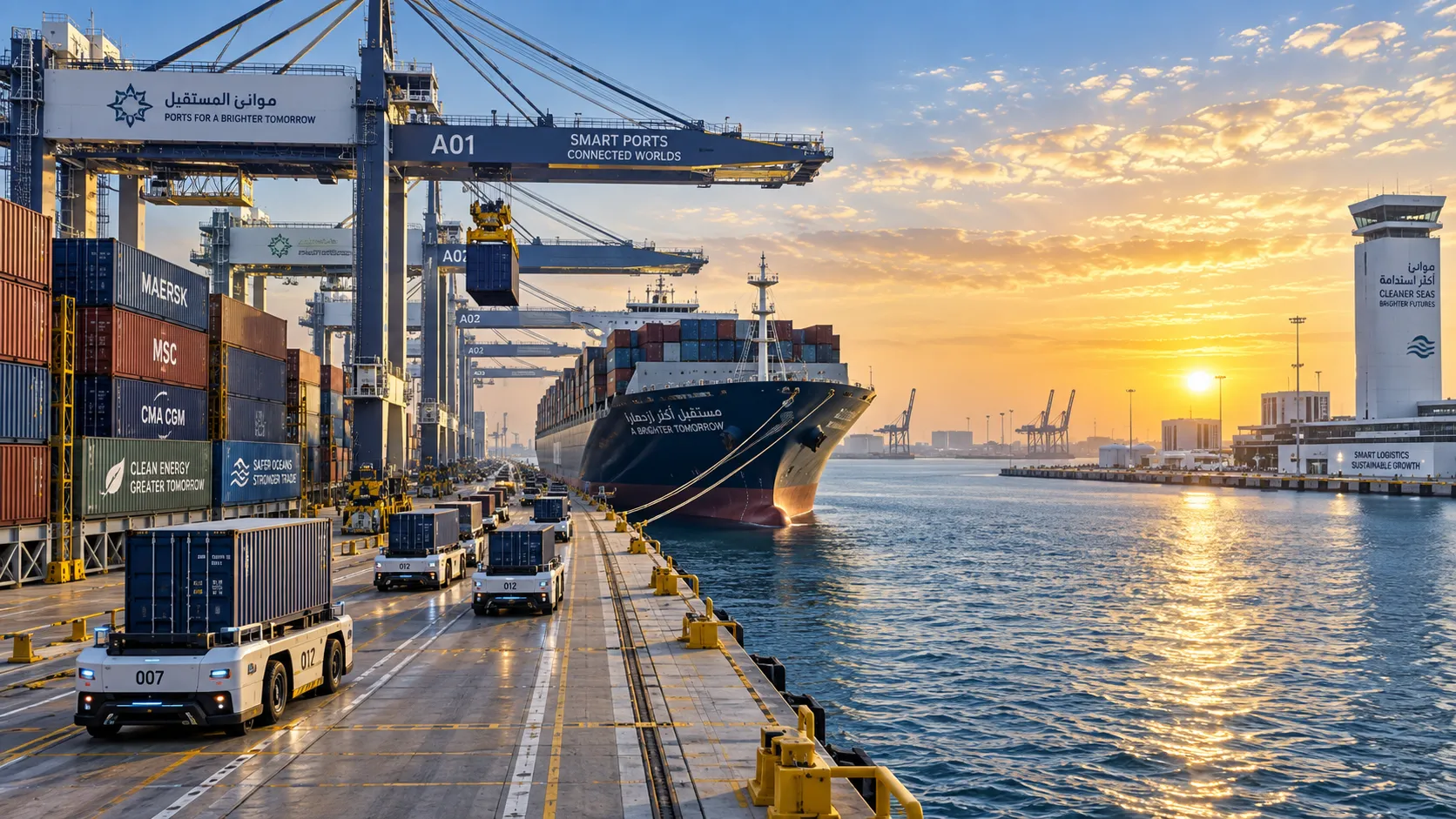
Middle East Port Automation: Key Market Drivers, Projects, and Investment Risks
Port automation systems Middle East: explore market drivers, flagship projects, integration challenges, and investment risks shaping smarter, resilient terminals.
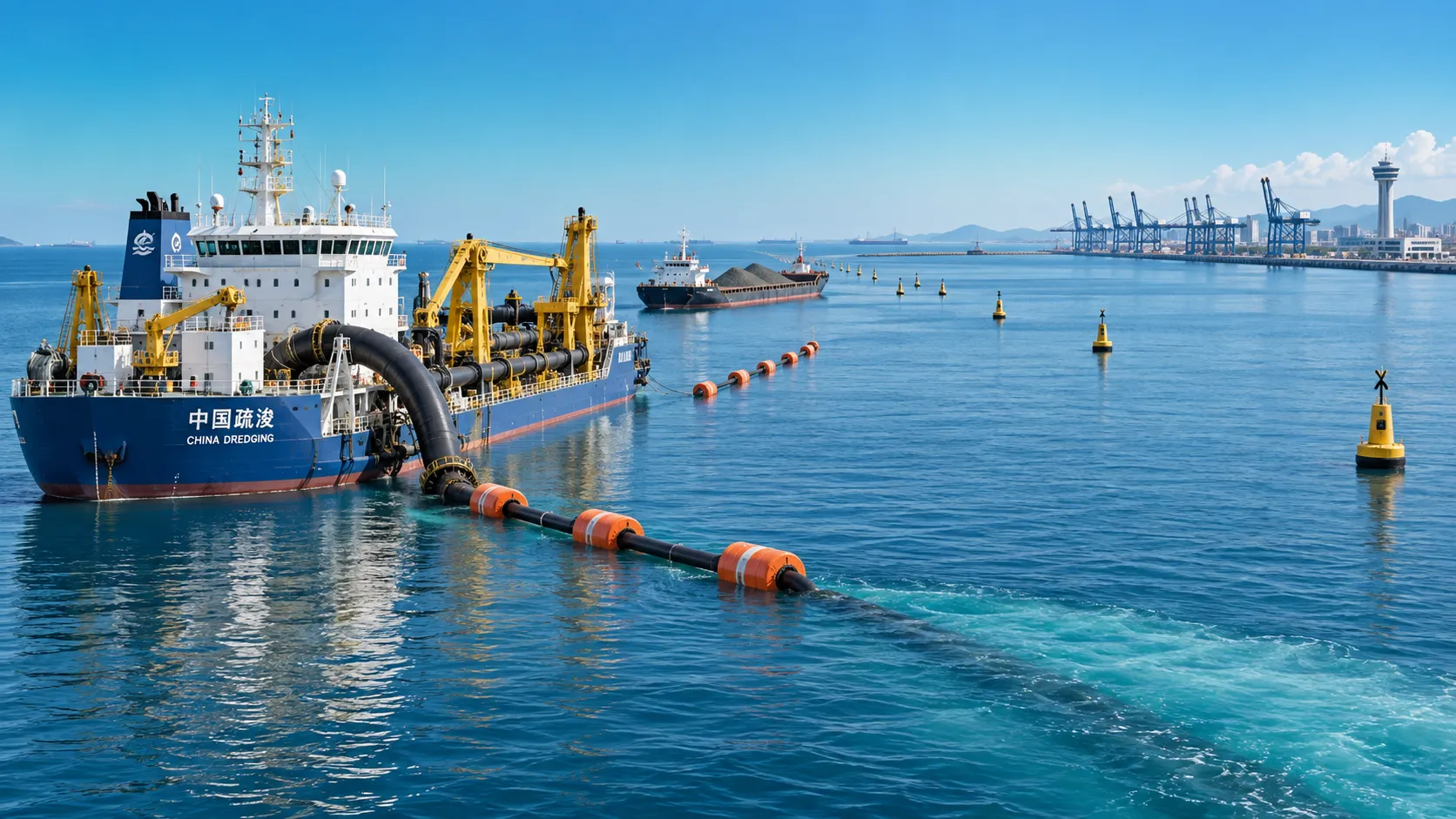
Planning Offshore Dredging Operations: Key Risks, Methods, and Project Controls
Offshore dredging operations demand smart planning. Explore key risks, proven methods, environmental controls, and project strategies for reliable delivery.