Related News
- 00
0000-00
How Can Port Equipment Lead-Time Risk Be Managed? - 00
0000-00
Maritime Logistics Operations: How Ports Can Reduce Container Dwell Time - 00
0000-00
What Does Logistics Node Monitoring Cost Across Warehouses and Transport Hubs? - 00
0000-00
How Can IoT Smart Port Solutions Improve Container Tracking and Yard Efficiency? - 00
0000-00
How Real-Time Port Logistics Intelligence Improves Container Yard Efficiency
Port Infrastructure Development Solutions for Capacity Growth and Yard Congestion Control
Port Infrastructure Development Solutions Start With Real Bottlenecks
Port infrastructure development solutions matter most when volume growth meets physical and operational limits at the same time.
A terminal may still have berth demand, yet lose productivity inside the yard before cranes become the true constraint.
In practice, congestion rarely comes from one failure point.
It usually forms through a chain of shallow drafts, uneven crane intensity, slow transfer cycles, and poor slot visibility.
That is why effective port infrastructure development solutions combine civil expansion, terminal gear strategy, automation logic, and dredging support.
The stronger approach is not simply adding capacity.
It is matching each investment to the operating pattern that actually creates delay, idle time, or yard overflow.
This is also where PS-Nexus adds value as an intelligence-led reference point.
Its coverage of heavy terminal gear, automated container handling, port control systems, and dredging engineering reflects how ports solve capacity pressure in the field.
Why Similar Ports Need Different Solutions
Two terminals can report the same annual throughput and still require very different port infrastructure development solutions.
The difference usually comes from vessel profile, cargo mix, tide window, truck rhythm, and how long containers stay in storage.
A gateway port under import surges faces long dwell and stack imbalance.
A transshipment hub often struggles more with peak exchange waves and transfer synchronization between quay and yard.
Bulk and container operations create another split.
Bulk terminals depend heavily on material flow continuity and mechanical endurance, while container facilities need faster slot turnover and cleaner dispatch logic.
The better judgment method is to locate the dominant restriction first.
If berth occupancy is high but crane moves remain unstable, the issue may sit in transfer equipment, not quay wall length.
If yard density rises beyond safe reshuffle levels, more paved area alone may not solve it without automated stacking and control visibility.
When Berth Pressure Is Rising Faster Than Yard Capacity
One common situation is berth expansion pressure in ports receiving larger vessels on tighter service schedules.
Here, port infrastructure development solutions usually begin with berth productivity, navigation depth, and crane outreach alignment.
However, the real decision should not stop at marine works.
If deeper drafts bring bigger call sizes, the yard must absorb concentrated discharge volumes within short windows.
Without that support, berth investment can move congestion inland by only a few hundred meters.
In this setting, suitable port infrastructure development solutions often include synchronized quay cranes, higher transfer fleet availability, and better pre-marshalling rules.
Dredging support also becomes strategic rather than purely marine.
Reliable channel depth protects schedule integrity and reduces berth bunching caused by draft restrictions or tidal dependency.
Where capital is limited, phased works tend to perform better than oversized first-stage expansion.
The reason is simple: traffic growth may be real, but the timing of vessel concentration often matters more than headline volume.
Yard Congestion Often Comes From Handling Logic, Not Only Space
Another high-frequency scenario appears when the terminal looks physically large enough, yet stacking efficiency keeps falling.
This is where port infrastructure development solutions need to address control logic as seriously as concrete and equipment.
Yard congestion usually worsens when import dwell expands, empty repositioning is poorly sequenced, or transfer vehicles arrive in bursts.
Adding blocks without changing the operating model can simply spread inefficiency across a larger footprint.
In more advanced terminals, automated stacking cranes, AGV path planning, and terminal operating system rules can cut unnecessary reshuffles.
PS-Nexus has focused on these links because low-latency communication and scheduling architecture now shape yard mobility almost as much as mechanical speed.
A useful test is to compare gross yard occupancy with effective accessibility.
If occupancy looks acceptable but truck turn time still grows, slot allocation and task sequencing may be the real failure point.
Different operating patterns change the answer
This comparison matters because yard congestion control depends on flow quality, not only on square meters.
Where Automation Pays Off, and Where It Does Not
Automation is often included in port infrastructure development solutions, but its value depends on process stability.
Terminals with repeatable routing, high call density, and predictable block assignment usually gain faster from automation.
Facilities with irregular cargo flows, fragmented legacy systems, or unstable utilities may need control upgrades before full automation delivers consistent returns.
A common mistake is buying advanced equipment to compensate for weak planning discipline.
Remote-controlled cranes and AGVs cannot fix poor data quality, incompatible interfaces, or unclear exception handling.
This is why the PS-Nexus perspective on logic architecture is practical.
The scheduling layer, communication latency, and fault recovery design often determine whether automated assets raise throughput or simply increase system complexity.
- Use automation first where task repetition is high and exception frequency is low.
- Confirm interface readiness between yard systems, gate systems, and equipment controls.
- Measure recovery time after disruptions, not only nominal cycle speed.
Dredging and Marine Access Should Be Linked to Terminal Economics
Some ports treat dredging as a separate marine topic.
In reality, it is a core part of port infrastructure development solutions when capacity growth depends on larger vessel classes.
If channel depth, turning basin geometry, or sedimentation behavior remain unstable, berth upgrades may never reach planned utilization.
This is especially true in estuarine locations and ports with heavy seasonal siltation.
The better question is not only how much dredging is required.
It is whether maintenance dredging cycles, pump monitoring, and disposal logistics fit the commercial operating model.
When marine geotechnic data is included early, expansion plans become more reliable.
That reduces the risk of finishing terminal works before access conditions are stable enough to support the intended vessel mix.
Misjudgments That Delay Capacity Gains
Several mistakes appear repeatedly in port expansion programs.
They are worth addressing because they can make expensive port infrastructure development solutions underperform for years.
- Treating all congestion as a land shortage, even when poor dispatch logic is the real source.
- Comparing equipment on rated moves per hour without checking site topology and transfer distance.
- Looking only at capital cost, while ignoring maintenance windows, software integration, and operator transition.
- Assuming a successful solution from another port will transfer directly despite different drafts, dwell time, or cargo composition.
- Separating dredging, terminal gear, and control systems into isolated procurement decisions.
The consistent pattern is fragmented judgment.
Capacity growth becomes durable only when marine access, handling machinery, software logic, and yard rules are evaluated together.
A Practical Way to Match Solutions to Port Conditions
Useful port infrastructure development solutions usually come from a staged assessment rather than a single benchmark target.
Start by mapping where time is lost across berth, transfer, yard, gate, and channel access.
Then separate structural limits from controllable delays.
That distinction helps avoid overbuilding where software, slotting, or traffic design would solve more.
A grounded evaluation often includes these steps.
- Define peak-hour constraints instead of relying only on annual throughput forecasts.
- Check whether vessel growth, dwell shifts, and gate patterns are changing at the same pace.
- Compare phased expansion against automation-first upgrades and marine access improvements.
- Build a compatibility list covering civil works, equipment control, and data architecture.
- Review maintenance burden and recovery performance under disruption, not only steady-state output.
Ports that follow this route usually make better use of both physical assets and decision intelligence.
That is the larger lesson behind current port infrastructure development solutions.
Long-term competitiveness depends less on isolated expansion and more on how well each layer of the port works in sync.
The next step is to define the actual congestion pattern, compare operating conditions across scenarios, and set a clear adaptation standard before capital is committed.
Related News
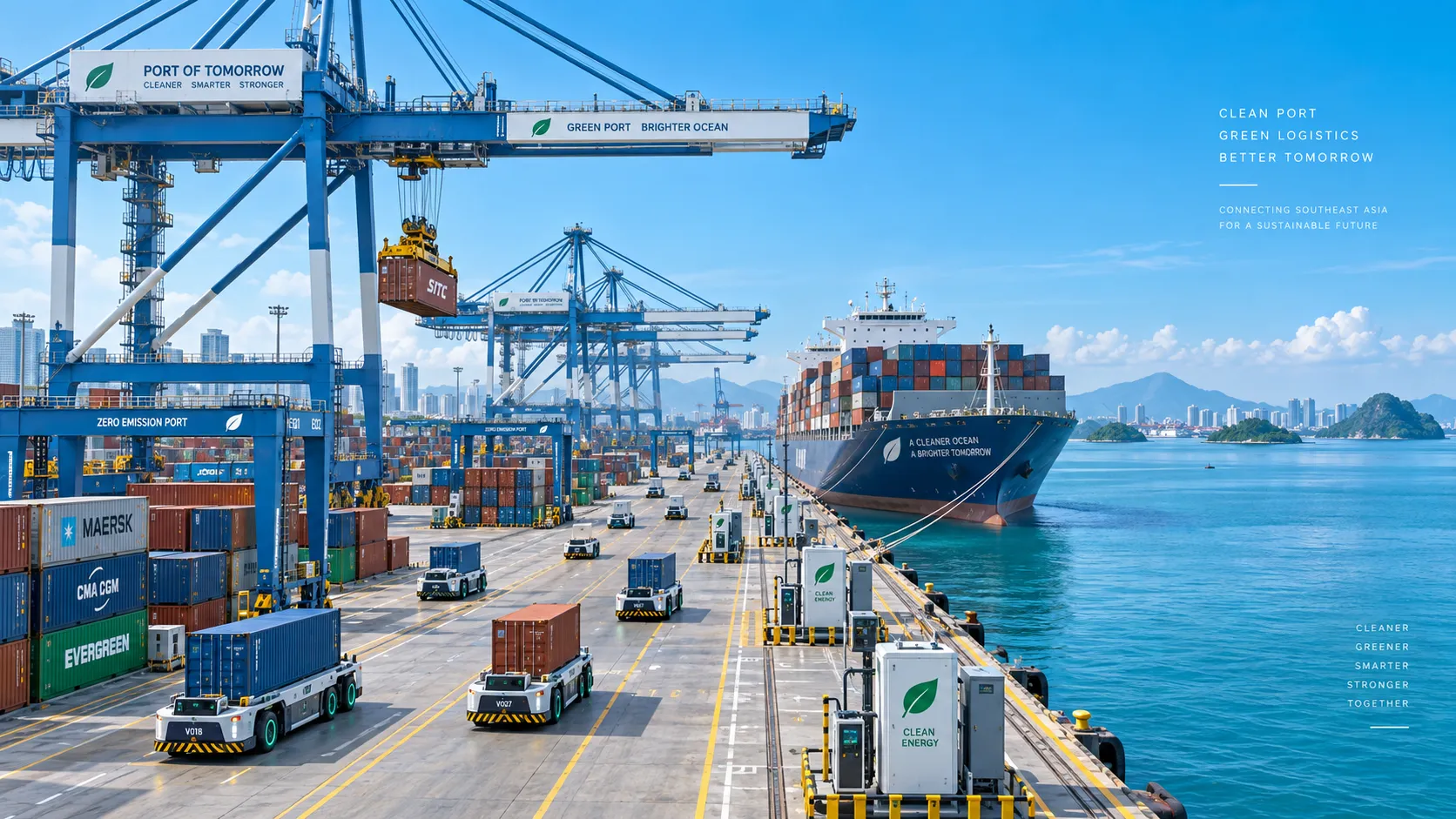
Smart Port Systems in Southeast Asia: Investment Priorities and Adoption Barriers
Smart port systems Southeast Asia: discover investment priorities, adoption barriers, and practical steps to build resilient, connected, high-performing terminals.
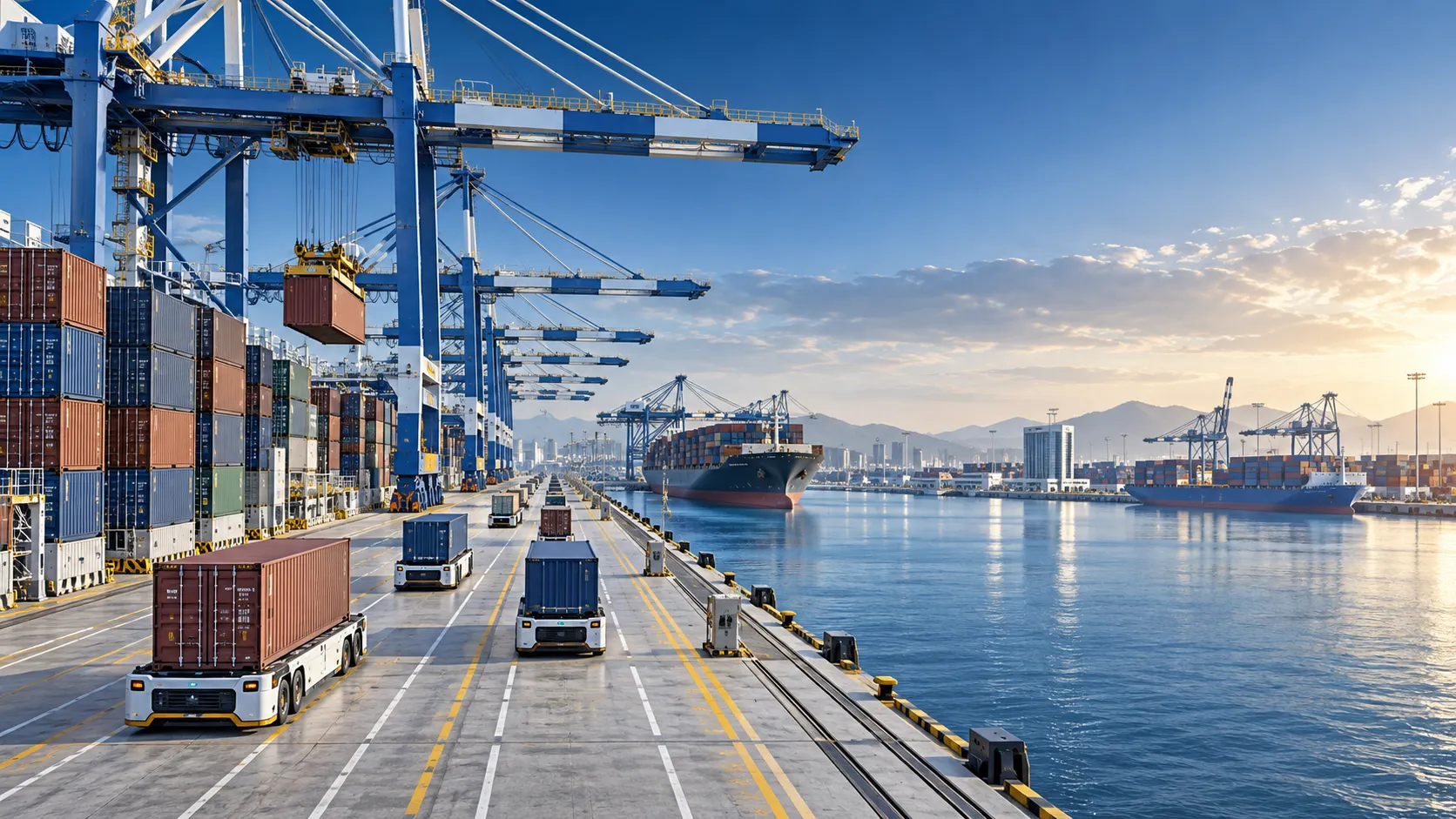
How to Evaluate Terminal Efficiency Solution Suppliers for High-Throughput Operations
Choose a terminal efficiency solutions supplier with confidence. Explore proven criteria for throughput, integration, lifecycle cost, safety, and reliable delivery.
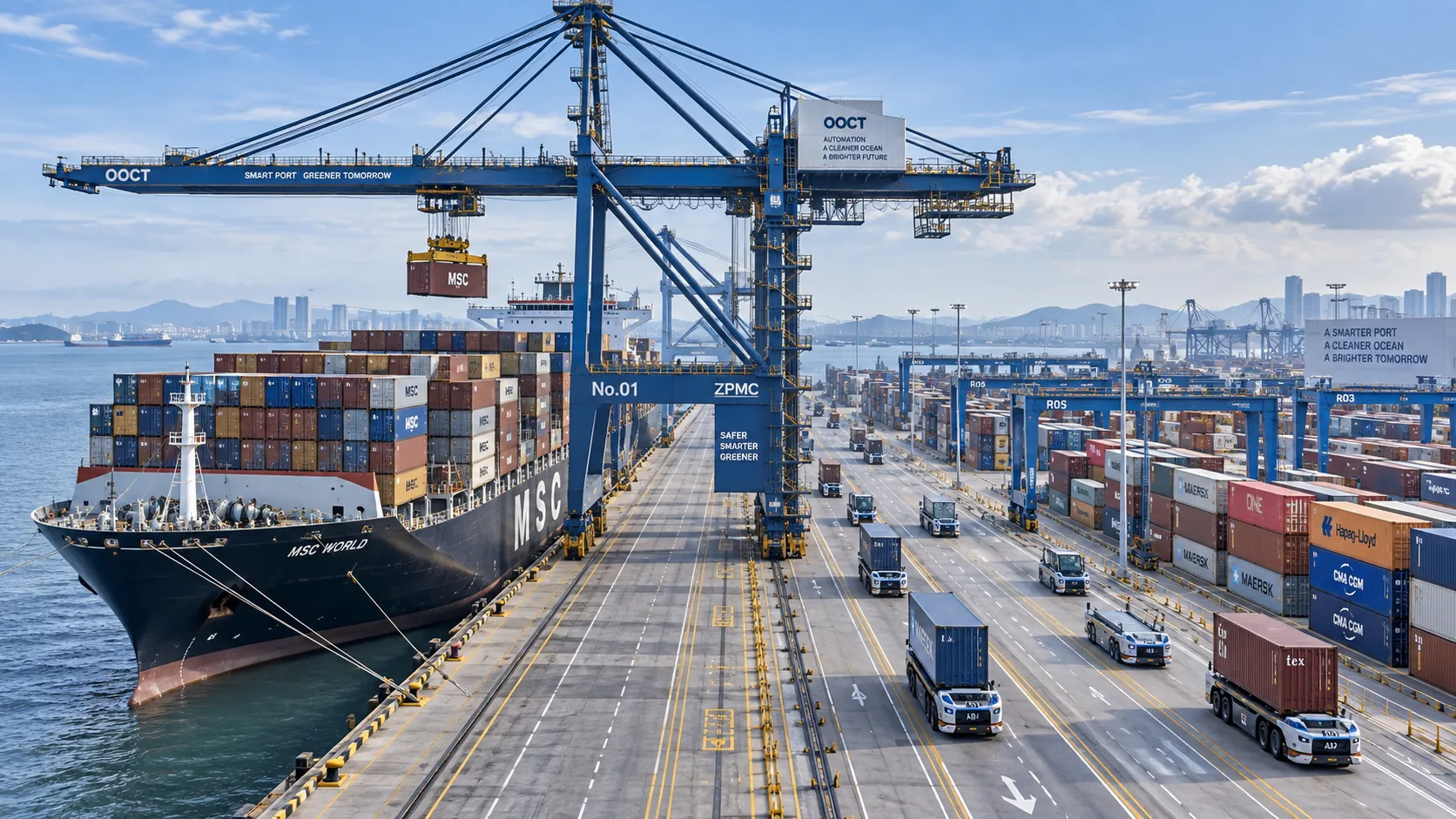
How to Specify a Quay Crane for Container Terminals by Vessel Size and Throughput?
Quay crane for container terminals: learn how to match outreach, lift height, capacity, automation, and cycle performance to vessel size and throughput goals.
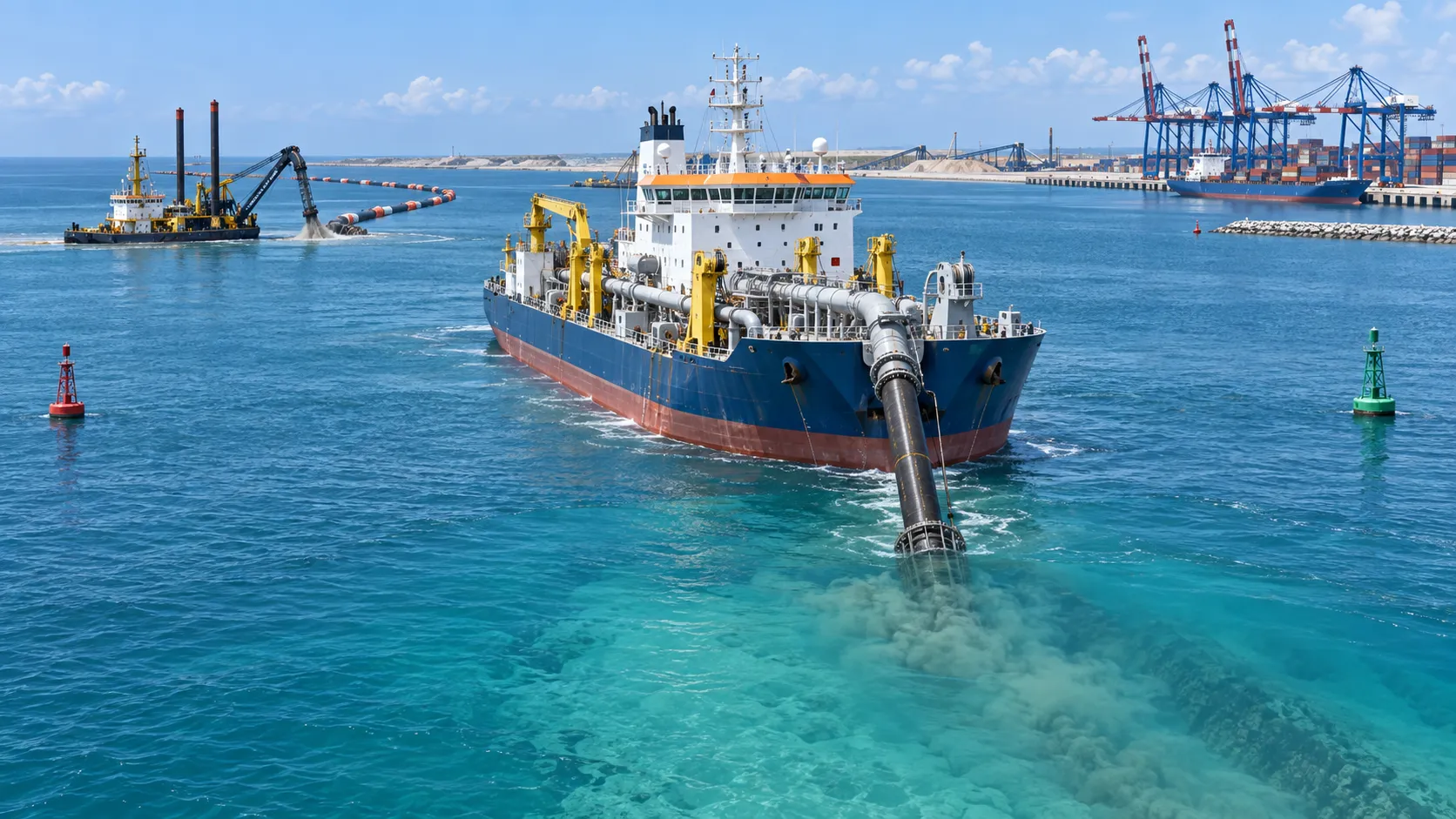
What Dredging Equipment Is Needed for Channel Deepening?
What dredging equipment is needed for channel deepening? Explore dredgers, pipelines, survey tools, and planning strategies for safer, more efficient port access.
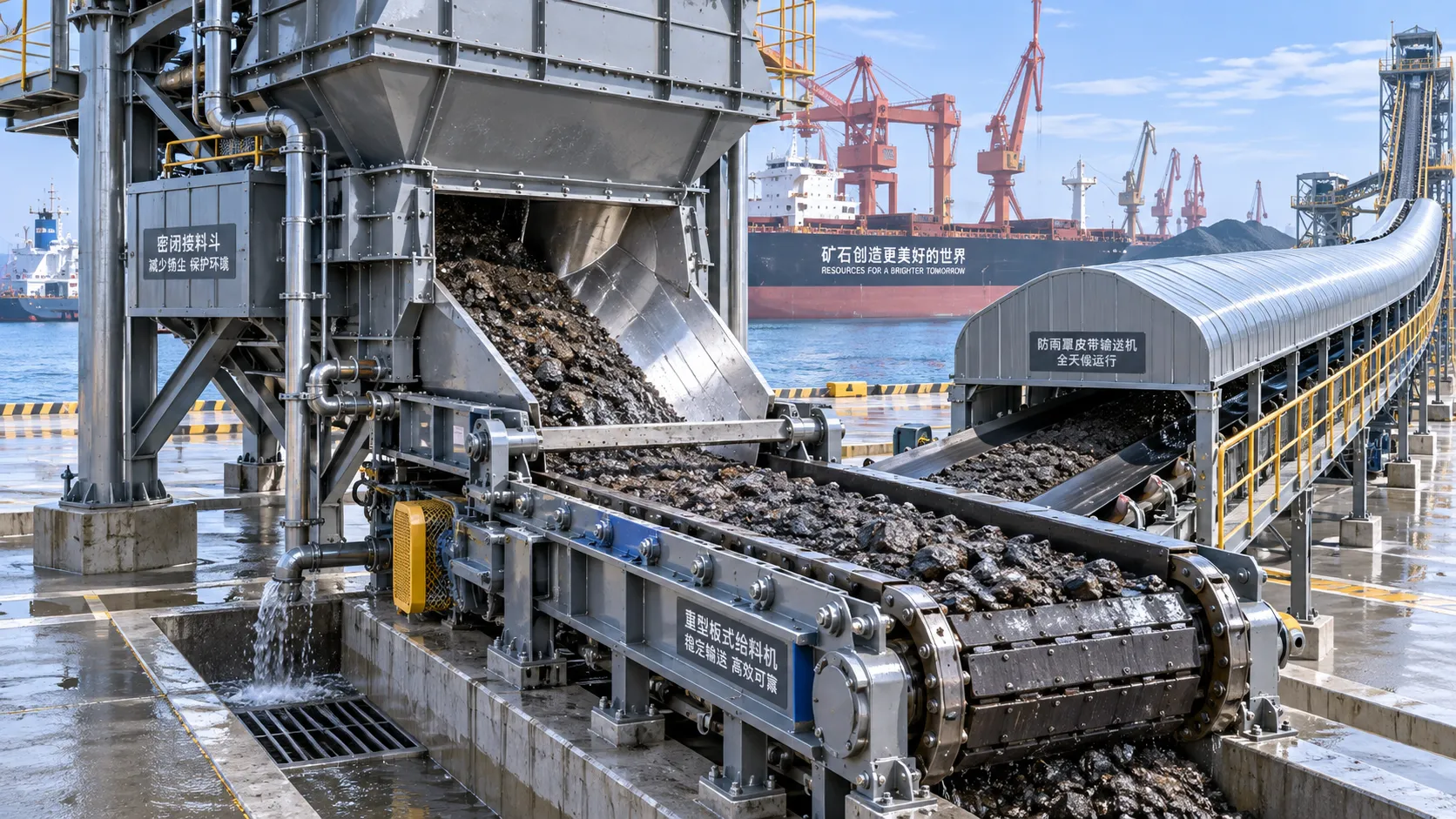
Which Bulk Handling Equipment Suits High-Moisture Cargo?
Which bulk handling equipment suits high-moisture cargo? Compare belt, apron, screw, drag, and slurry systems for reliable flow, less carryback, and higher terminal uptime.
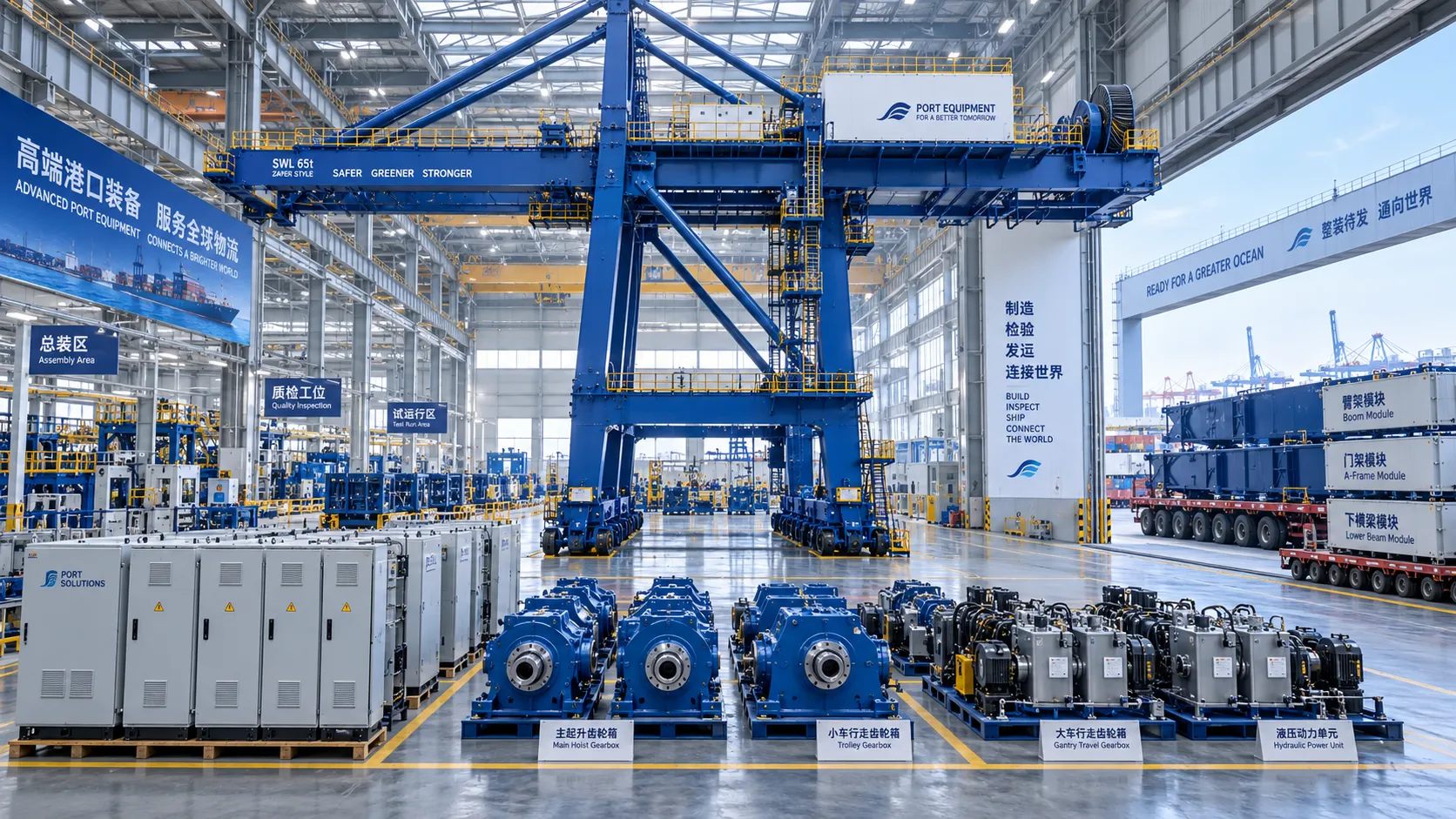
How Can Port Equipment Lead-Time Risk Be Managed?
How can port equipment lead-time risk be managed? Explore practical strategies to control critical paths, suppliers, transport, site readiness, and commissioning delays.
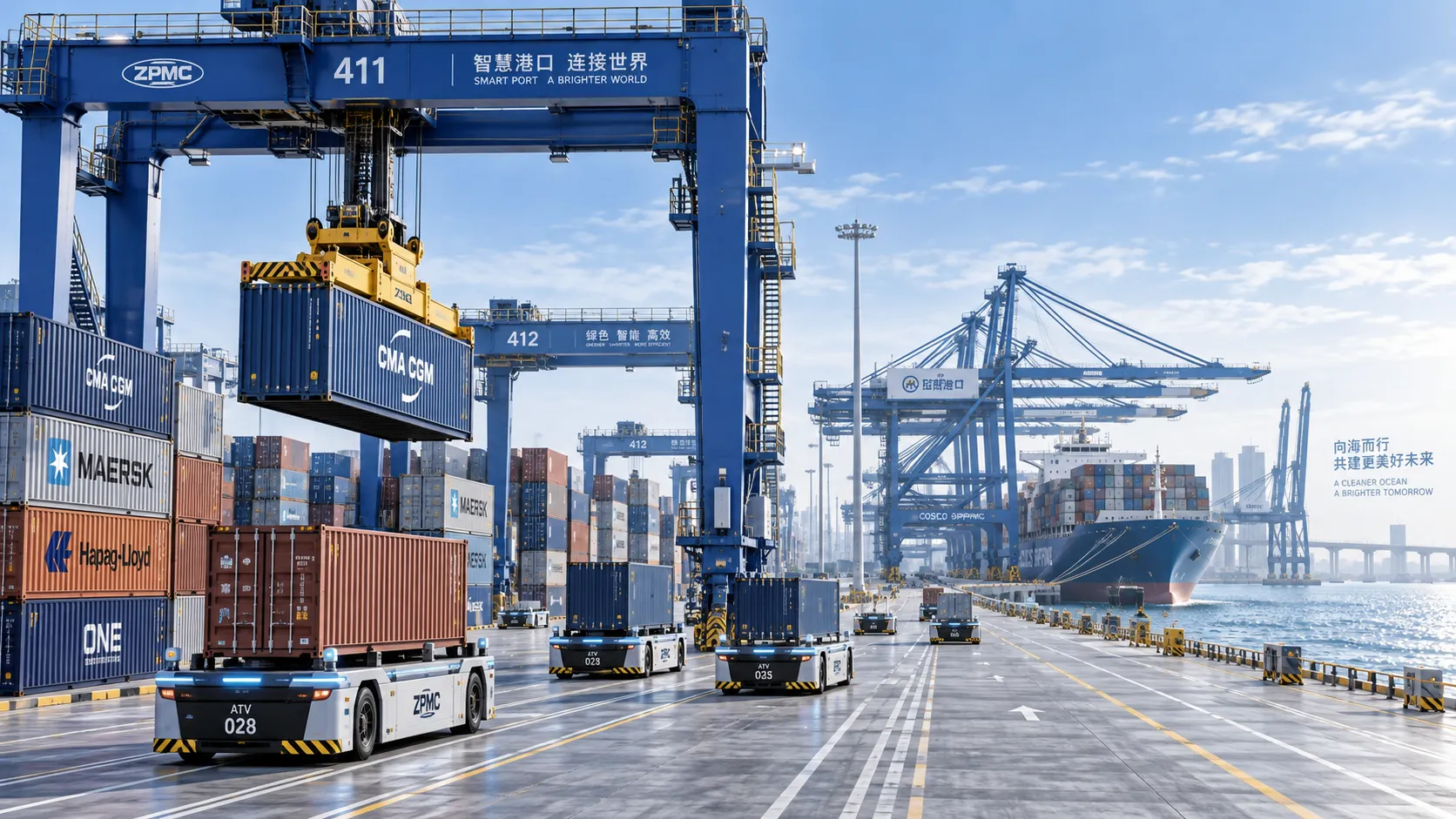
Terminal Automation Technologies That Raise Container Throughput Without Yard Disruption
Terminal automation technology that increases container throughput without disrupting yard flow. Explore smarter integration, resilient workflows, and phased deployment strategies.
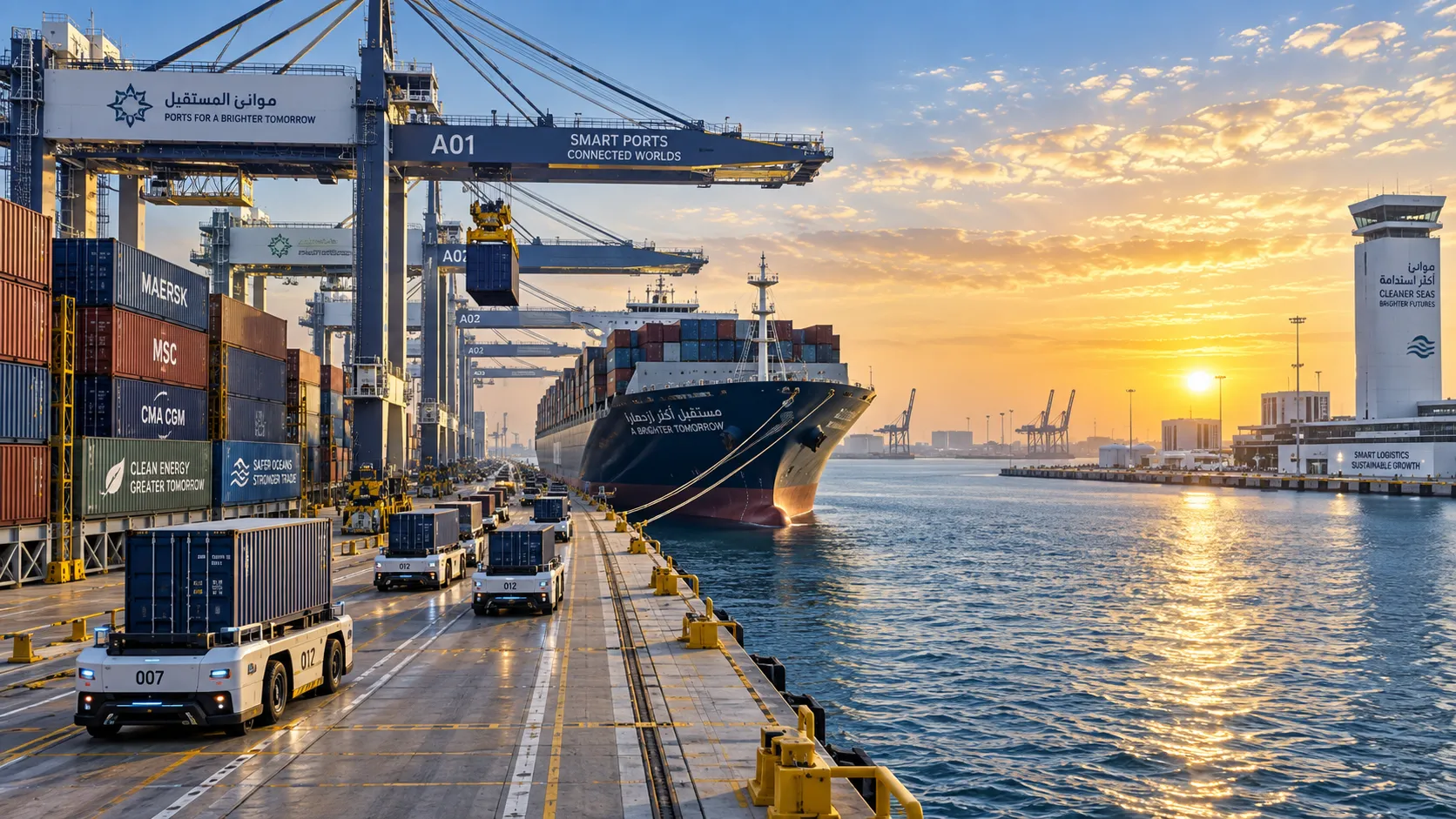
Middle East Port Automation: Key Market Drivers, Projects, and Investment Risks
Port automation systems Middle East: explore market drivers, flagship projects, integration challenges, and investment risks shaping smarter, resilient terminals.
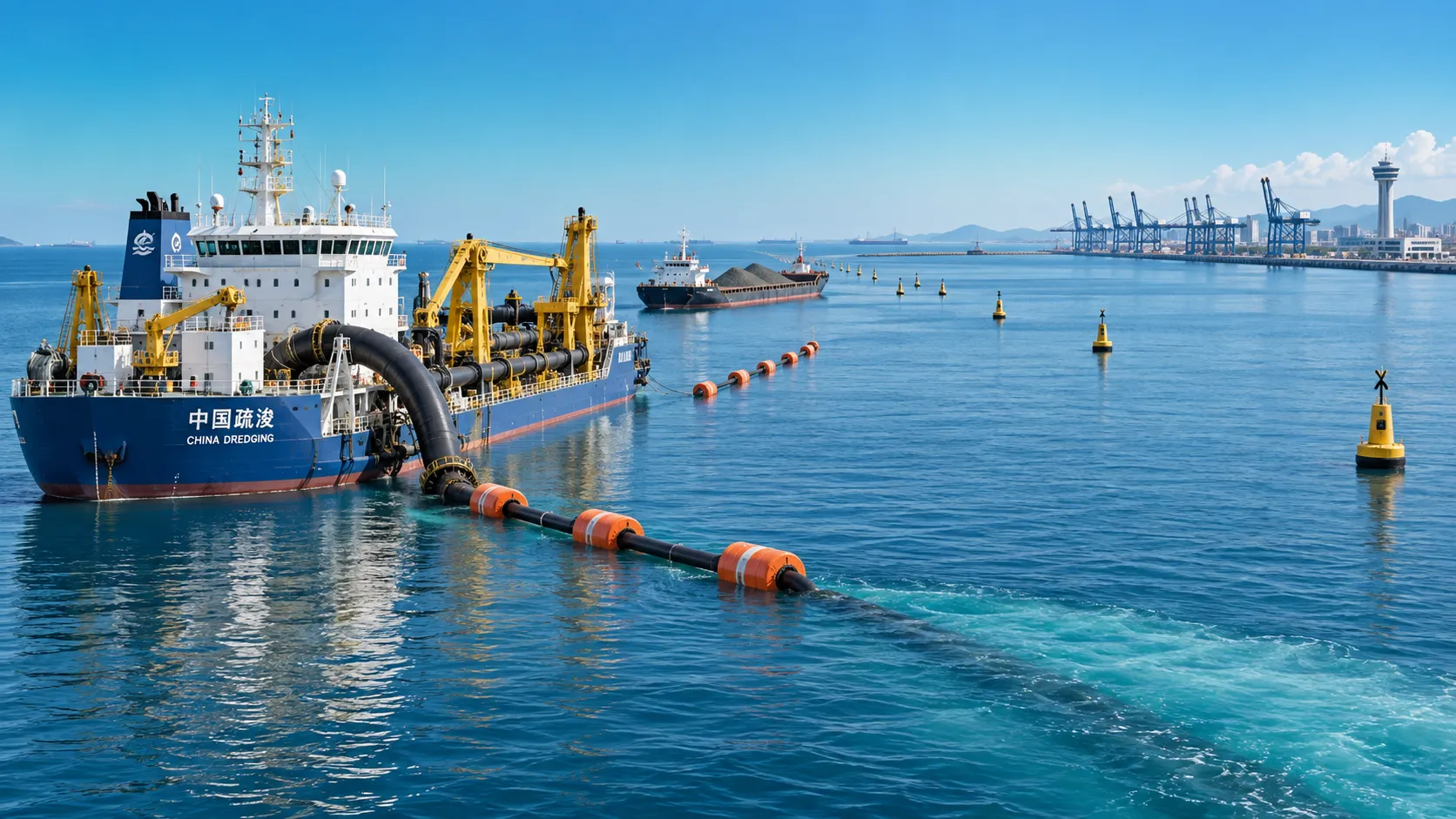
Planning Offshore Dredging Operations: Key Risks, Methods, and Project Controls
Offshore dredging operations demand smart planning. Explore key risks, proven methods, environmental controls, and project strategies for reliable delivery.