Related News
- 00
0000-00
How Can Port Equipment Lead-Time Risk Be Managed? - 00
0000-00
Maritime Logistics Operations: How Ports Can Reduce Container Dwell Time - 00
0000-00
What Does Logistics Node Monitoring Cost Across Warehouses and Transport Hubs? - 00
0000-00
How Can IoT Smart Port Solutions Improve Container Tracking and Yard Efficiency? - 00
0000-00
How Real-Time Port Logistics Intelligence Improves Container Yard Efficiency
Heavy Machinery Logistics Services: How to Compare Route Planning, Lifting, and Risk Control
Choosing heavy machinery logistics services is rarely a transport-only decision. In ports, terminals, bulk yards, and dredging projects, route design, lifting execution, and risk control shape schedule certainty, regulatory exposure, and asset protection at the same time.
That is why comparisons need to go beyond freight rates or fleet size. A strong logistics partner must understand cargo physics, site constraints, marine-adjacent infrastructure, and the commercial impact of delays across connected supply chain nodes.
For organizations tracking port equipment, automated handling systems, and dredging assets, this topic has become more strategic. PS-Nexus follows these shifts closely because logistics performance now depends on mechanical capability, digital planning, and reliable operational intelligence working together.
Why heavy machinery logistics services deserve closer comparison
Heavy machinery logistics services cover the movement of oversized, high-value, or technically sensitive equipment. That can include quay cranes, ship loaders, container handlers, dredging pumps, stacker-reclaimers, AGV support modules, and major structural components.
These moves are different from standard industrial freight. Road permits, bridge loading, escort rules, lift engineering, weather windows, quay access, and temporary storage all affect the transport outcome.
In practical terms, a weak comparison process creates hidden costs. The project may still move, but with re-routing, idle cranes, avoidable detention, insurance disputes, or unsafe last-mile handling.
A better comparison creates a different result. Equipment arrives in sequence, lifting plans match site reality, and risk treatment is documented before the first axle rolls or the first sling is tensioned.
Route planning is more than finding a passable path
Route planning sits at the center of heavy machinery logistics services because every later step depends on it. A route must be legally approved, physically feasible, and operationally synchronized with loading and installation milestones.
For heavy terminal gear, route planning often includes road geometry, turning radius, pavement bearing, bridge ratings, overhead clearance, convoy timing, and access restrictions near urban or coastal corridors.
For port and dredging equipment, route design may also connect inland transport with barge transfer, Ro-Ro loading, or quayside staging. The best providers treat the route as a full logistics chain, not an isolated road segment.
Questions that reveal route planning quality
- Has the provider completed a route survey with engineering verification, not just map-based screening?
- Are permit assumptions tied to actual cargo dimensions, axle loads, and timing windows?
- Can the plan absorb weather disruption, port congestion, or restricted bridge access?
- Is there a sequence plan for multi-unit deliveries where installation order matters?
This matters even more in automated terminal projects. Delays to one oversized module can stall civil works, software commissioning, and downstream yard integration.
Lifting capability should be judged as an engineered system
Lifting is often oversimplified into crane tonnage. That misses the real issue. Reliable heavy machinery logistics services evaluate the entire lifting system: crane selection, ground pressure, rigging design, center of gravity, tailing method, and exclusion zoning.
This is especially relevant for asymmetrical components. Dredging cutter heads, boom sections, conveyor modules, and terminal machinery assemblies may have difficult lift points or shifting load behavior during rotation.
A provider with sound lifting capability will not simply confirm available crane capacity. It will show lift studies, rigging calculations, contingency procedures, and the interface between transport frames and installation needs.
Where lifting capability usually breaks down
- Lift plans ignore restricted setup space at ports or temporary yards.
- Rigging arrangements are adapted too late for actual load geometry.
- Ground bearing checks are incomplete for reclaimed or soft coastal surfaces.
- Transport and lifting teams work from different drawings or revision sets.
Those failures are expensive because they appear late. By the time lifting problems surface, the cargo is often already on site, the installation crew is booked, and delay costs rise fast.
Risk control now extends beyond safety paperwork
Risk control in heavy machinery logistics services includes safety, but it also covers compliance, asset condition, contractual clarity, and operational continuity. Mature providers treat risk as a managed workflow rather than a document pack.
For marine and terminal projects, risk events often come from interfaces. Customs timing, berth availability, escort approvals, weather, labor windows, and equipment handover conditions can all disrupt movement.
The strongest operators map these interfaces early. They define decision points, escalation contacts, inspection criteria, and fallback routes before execution begins.
What is changing across ports, terminals, and dredging projects
Current demand is pushing heavy machinery logistics services into a more data-led phase. Cargo is larger, schedules are tighter, and equipment interfaces are more technical than they were a decade ago.
PS-Nexus tracks this change across terminal gear, specialized container systems, bulk machinery, automation controls, and dredging engineering. The pattern is consistent: logistics decisions are now tied to digital scheduling, asset telemetry, and port-side operational intelligence.
That matters because route planning is no longer static. A delayed vessel, a changing yard window, or revised crane commissioning sequence can alter the best transport plan in hours, not weeks.
More advanced providers can respond to this environment because they work with structured data, not informal updates alone. Their value is not only transport execution, but decision speed under changing conditions.
Typical scenarios where comparison standards should be higher
Not every shipment needs the same level of scrutiny. Some projects, however, justify a deeper review before selecting heavy machinery logistics services.
- Port expansion phases involving quay cranes, STS modules, or yard automation equipment.
- Bulk terminal upgrades where conveyors, reclaimers, and transfer towers must arrive in sequence.
- Dredging mobilizations that combine road transport, marine transfer, and remote site assembly.
- Cross-border moves where customs, escort policy, and permit logic differ by jurisdiction.
- Projects with strict ESG or Net-Zero reporting, where route efficiency and idle time matter commercially.
In these settings, price should still be compared. It simply cannot be the only signal used to judge capability.
A practical framework for comparing providers
A useful comparison framework keeps technical detail visible without becoming unwieldy. Three categories usually provide enough clarity for an informed first-round review.
1. Route intelligence
Review route survey methods, permit track record, contingency paths, staging plans, and coordination with port or terminal authorities.
2. Lift execution readiness
Ask for engineered lift documentation, rigging philosophy, ground assessment, and evidence from comparable assets or comparable site conditions.
3. Risk governance
Check incident response structure, cargo inspection points, insurance scope, subcontractor control, and revision management across drawings and procedures.
Where possible, score providers on these categories before commercial negotiation. That tends to expose unrealistic assumptions early, while alternatives still exist.
Turning comparison into a better decision
The most useful view of heavy machinery logistics services is not transactional. It is strategic infrastructure support for assets that are expensive, schedule-critical, and difficult to recover once a move goes wrong.
A disciplined review of route planning, lifting capability, and risk control gives a clearer picture of execution quality before contracts are finalized. It also helps align logistics choices with broader goals such as automation readiness, resilience, and lower operational waste.
The next step is usually straightforward: map the actual cargo profile, define route and lift constraints, then compare heavy machinery logistics services against those facts instead of headline pricing alone. In a market shaped by complex ports and global trade timing, that standard is increasingly necessary.
Related News
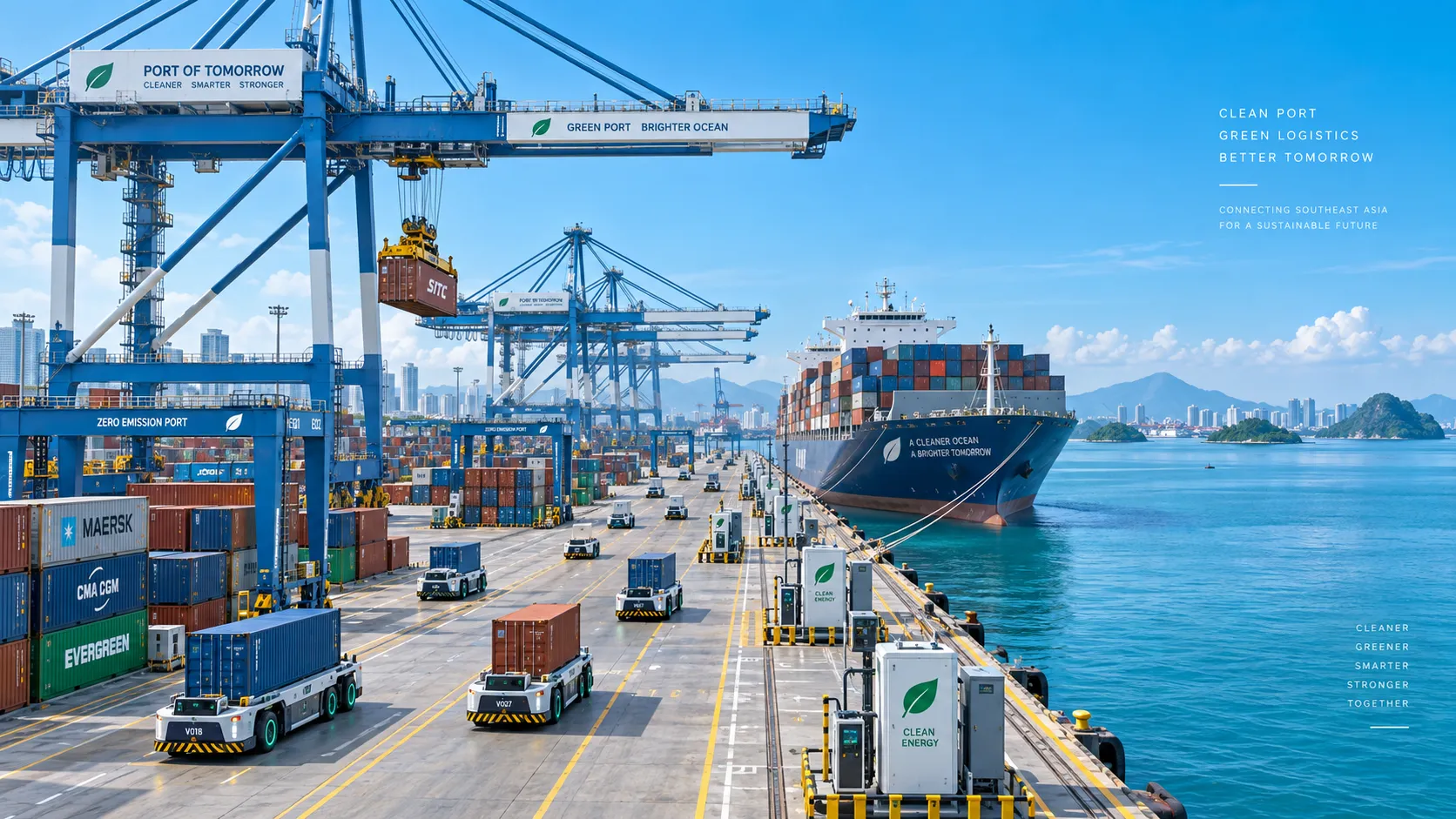
Smart Port Systems in Southeast Asia: Investment Priorities and Adoption Barriers
Smart port systems Southeast Asia: discover investment priorities, adoption barriers, and practical steps to build resilient, connected, high-performing terminals.

How to Evaluate Terminal Efficiency Solution Suppliers for High-Throughput Operations
Choose a terminal efficiency solutions supplier with confidence. Explore proven criteria for throughput, integration, lifecycle cost, safety, and reliable delivery.
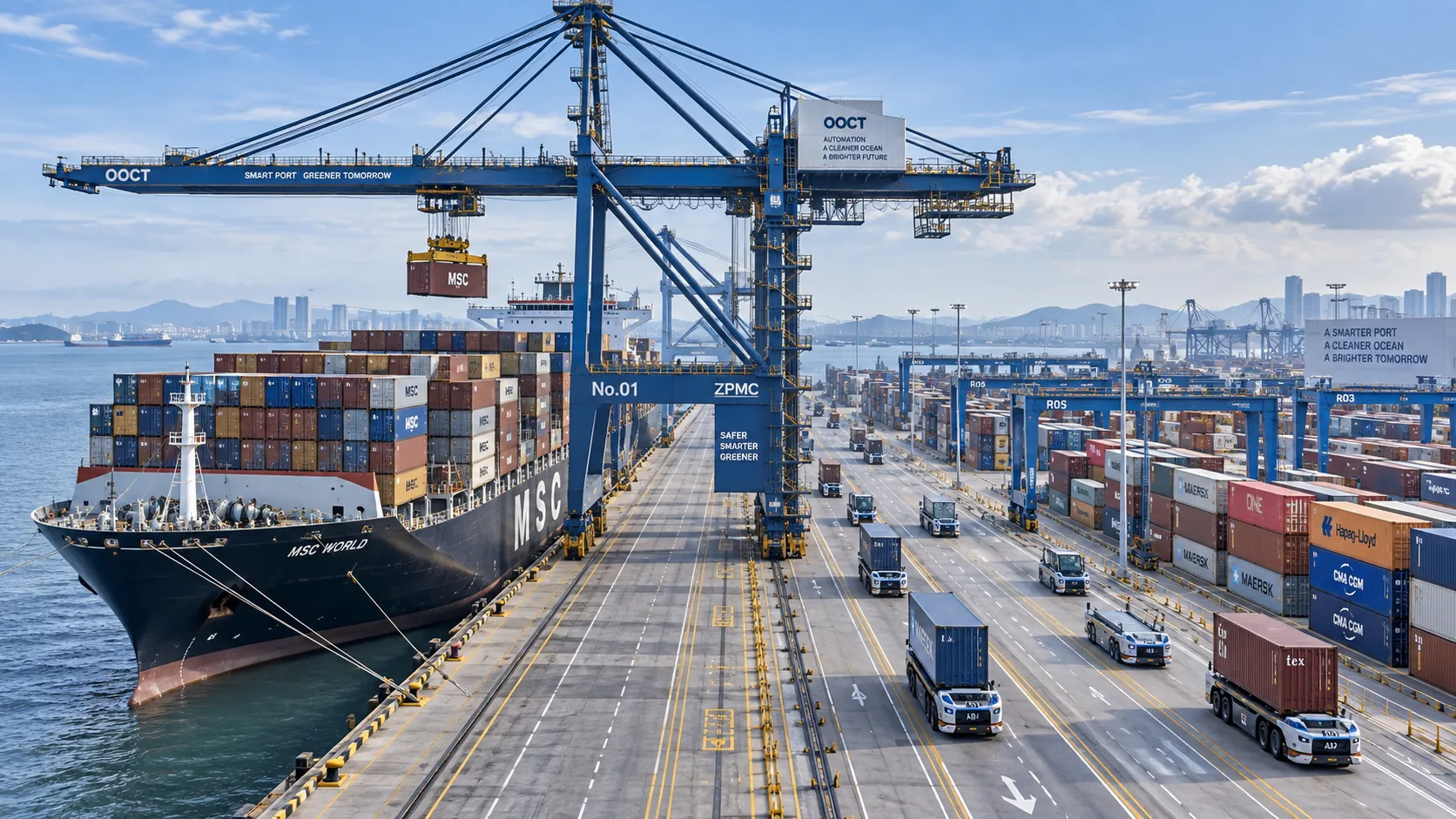
How to Specify a Quay Crane for Container Terminals by Vessel Size and Throughput?
Quay crane for container terminals: learn how to match outreach, lift height, capacity, automation, and cycle performance to vessel size and throughput goals.
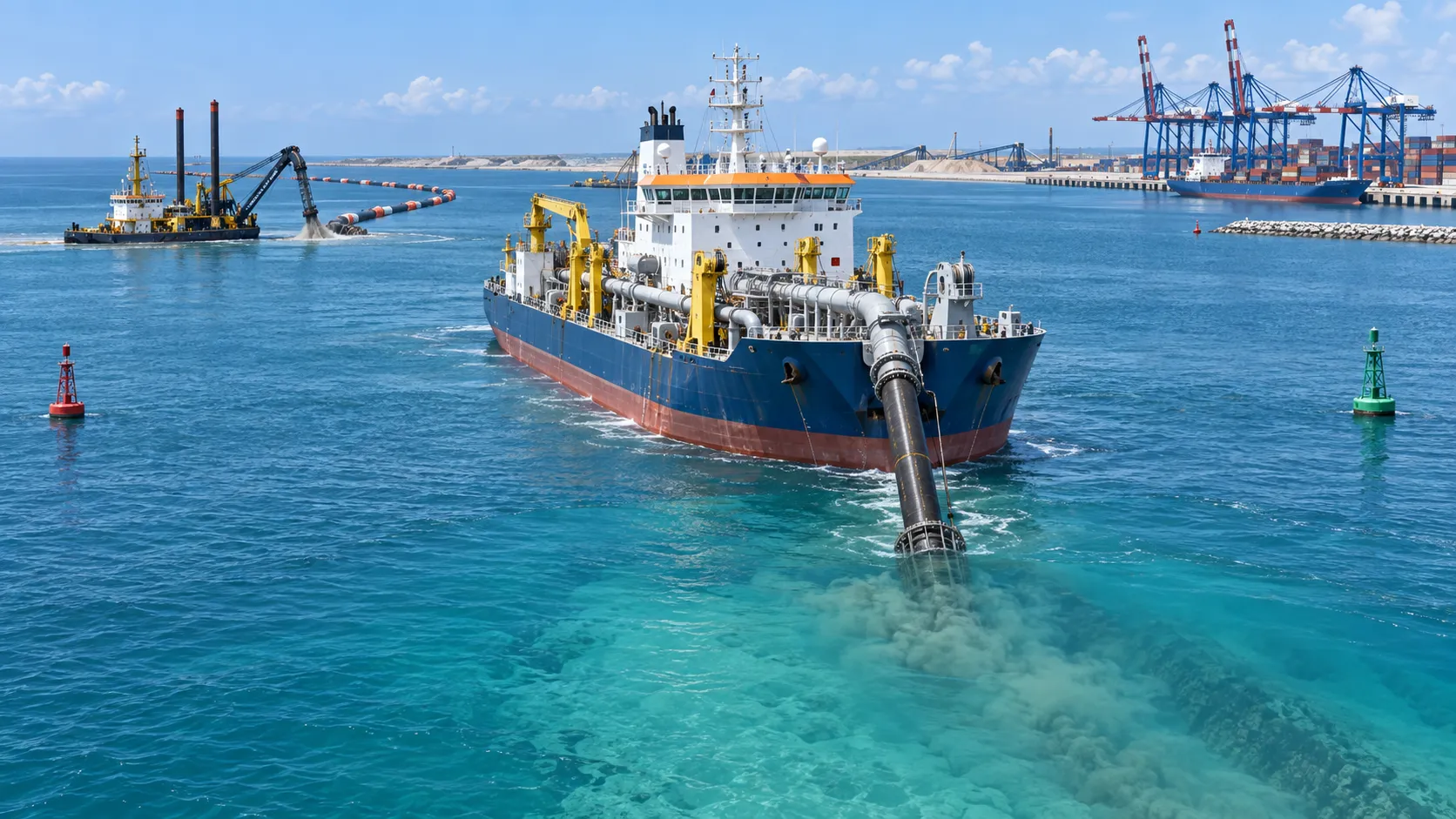
What Dredging Equipment Is Needed for Channel Deepening?
What dredging equipment is needed for channel deepening? Explore dredgers, pipelines, survey tools, and planning strategies for safer, more efficient port access.
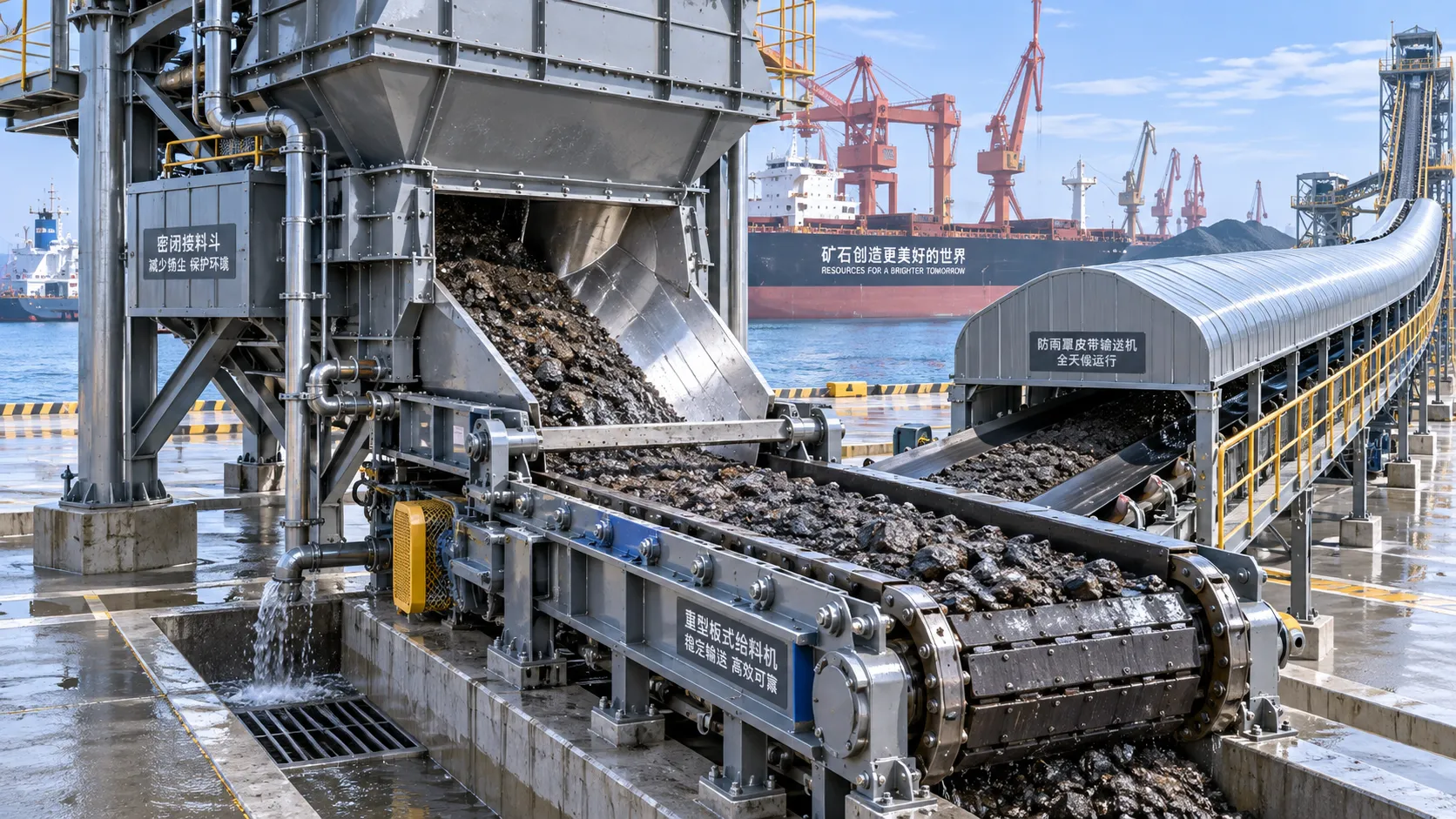
Which Bulk Handling Equipment Suits High-Moisture Cargo?
Which bulk handling equipment suits high-moisture cargo? Compare belt, apron, screw, drag, and slurry systems for reliable flow, less carryback, and higher terminal uptime.
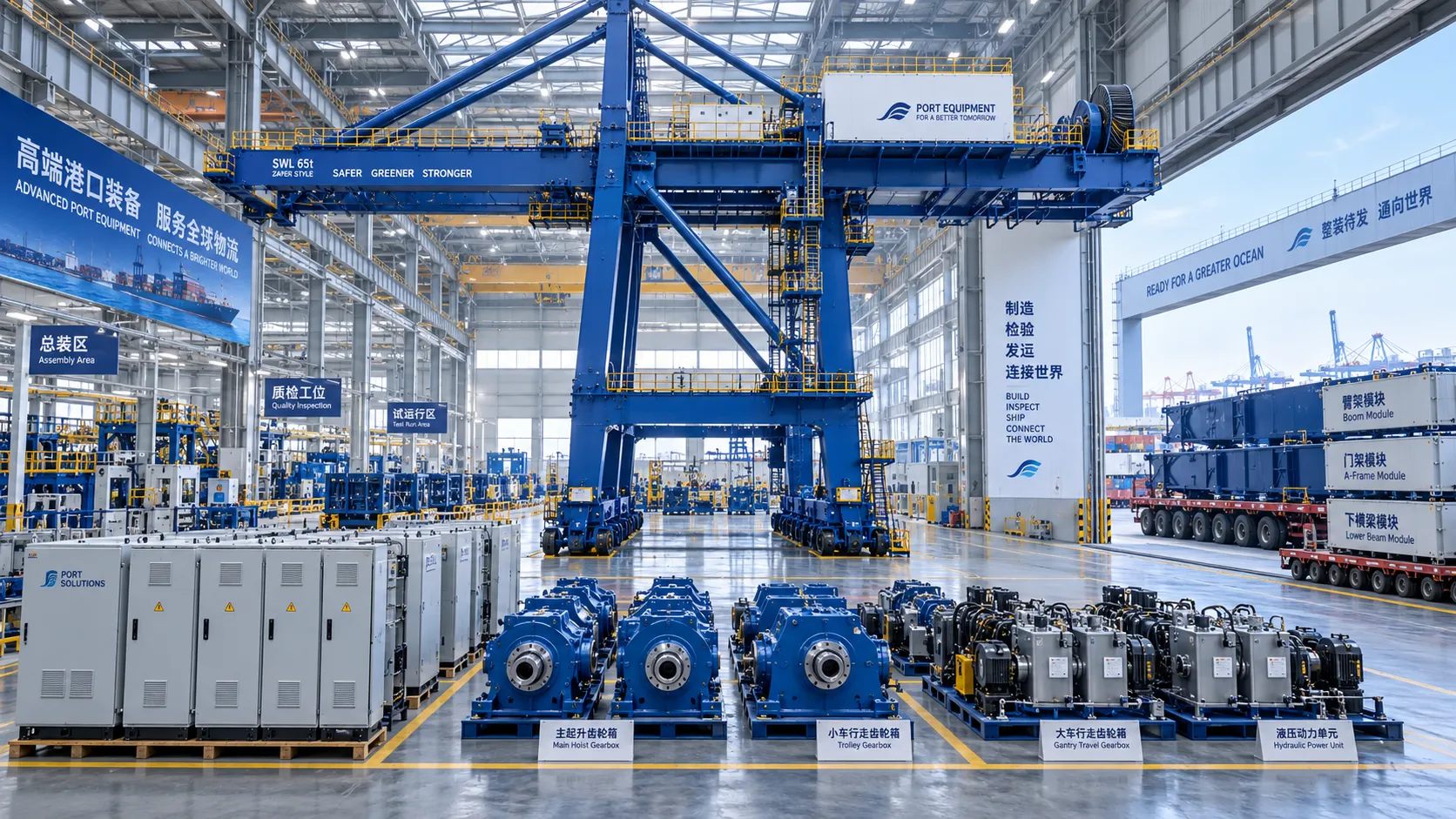
How Can Port Equipment Lead-Time Risk Be Managed?
How can port equipment lead-time risk be managed? Explore practical strategies to control critical paths, suppliers, transport, site readiness, and commissioning delays.
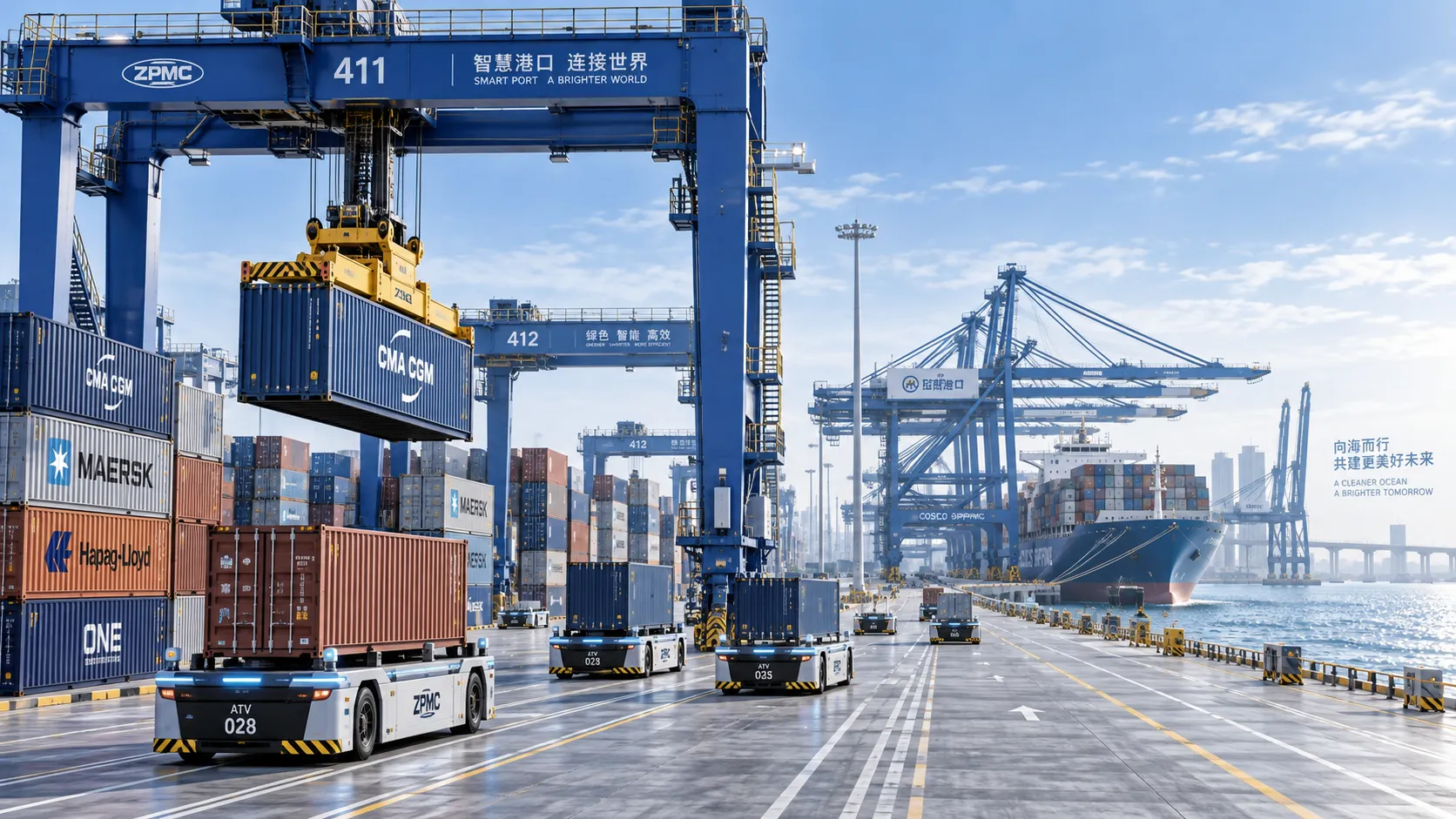
Terminal Automation Technologies That Raise Container Throughput Without Yard Disruption
Terminal automation technology that increases container throughput without disrupting yard flow. Explore smarter integration, resilient workflows, and phased deployment strategies.
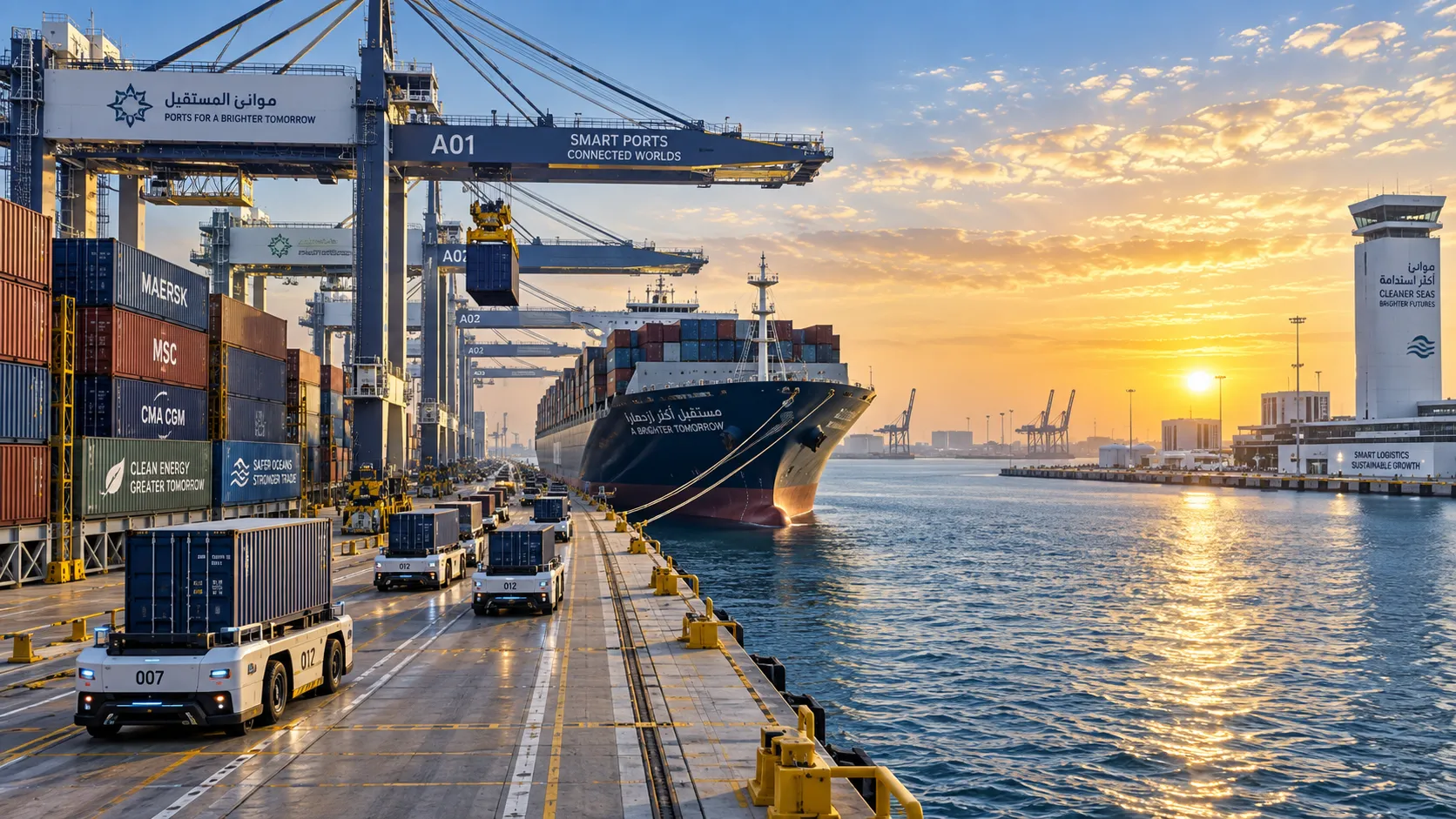
Middle East Port Automation: Key Market Drivers, Projects, and Investment Risks
Port automation systems Middle East: explore market drivers, flagship projects, integration challenges, and investment risks shaping smarter, resilient terminals.
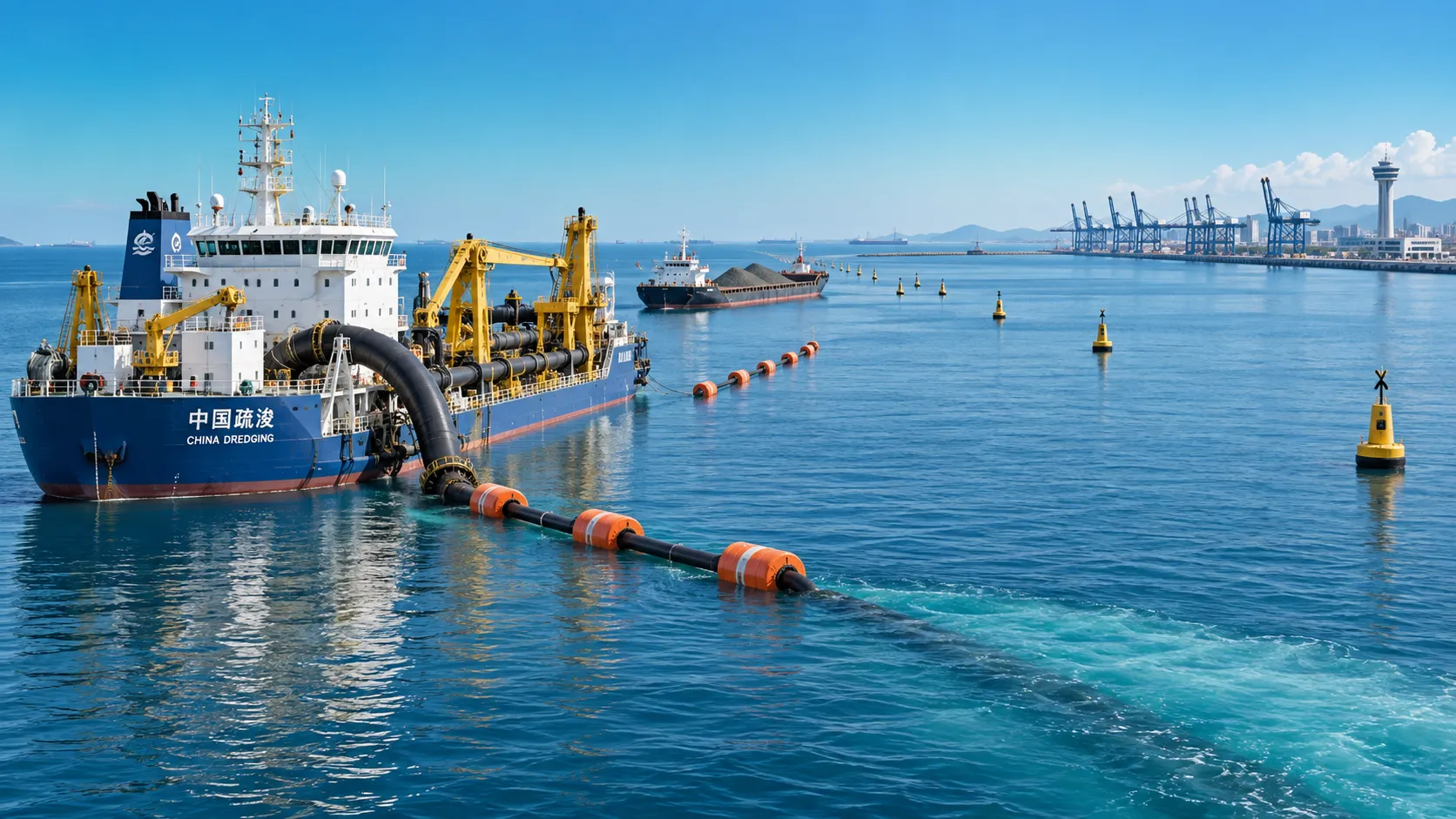
Planning Offshore Dredging Operations: Key Risks, Methods, and Project Controls
Offshore dredging operations demand smart planning. Explore key risks, proven methods, environmental controls, and project strategies for reliable delivery.