Related News
- 00
0000-00
How Can Port Equipment Lead-Time Risk Be Managed? - 00
0000-00
Maritime Logistics Operations: How Ports Can Reduce Container Dwell Time - 00
0000-00
What Does Logistics Node Monitoring Cost Across Warehouses and Transport Hubs? - 00
0000-00
How Can IoT Smart Port Solutions Improve Container Tracking and Yard Efficiency? - 00
0000-00
How Real-Time Port Logistics Intelligence Improves Container Yard Efficiency
Terminal Efficiency Metrics That Matter: Turnaround Time, Throughput, and Yard Utilization
Terminal efficiency is no longer a back-office score. In container ports, bulk terminals, and automated yards, it shapes schedule reliability, energy use, labor deployment, and customer confidence.
For high-volume operations, three metrics usually tell the clearest story: turnaround time, throughput, and yard utilization. Read together, they show whether a terminal is moving cargo smoothly or simply pushing congestion from one zone to another.
That is why the topic matters across maritime logistics and coastal economics. Heavy terminal gear, automated container handling, and control systems only create value when terminal efficiency improves at the system level.
Why these metrics deserve close attention
A terminal can add cranes, vehicles, and software yet still underperform. The usual reason is not lack of assets. It is weak coordination between quay, yard, gate, and support infrastructure.
Turnaround time shows how long ships, trucks, or internal moves spend inside the operating cycle. Throughput measures how much cargo actually clears the system. Yard utilization reveals how much working space remains usable under pressure.
Each metric looks simple in isolation. In practice, their interaction is where operational truth appears. A terminal can post high throughput for a week while yard density quietly rises to a level that damages future performance.
This is especially relevant in terminals moving toward automation. Remote-controlled cranes, AGV path planning, and low-latency control networks reduce manual variability, but they also expose weak planning faster.
Turnaround time is the first signal of friction
Turnaround time is often treated as a service metric. It is more useful when treated as a systems metric. It reflects berth readiness, crane productivity, yard availability, truck sequencing, and exception handling.
For vessel calls, long turnaround time often points to berth conflicts, late stowage changes, crane interference, or slow handoff between quay and yard. For trucks, it may point to gate peaks, stack rehandles, or poor appointment discipline.
A practical reading matters here. Shorter turnaround time is not always better if it comes from underutilized assets. The real target is predictable, repeatable cycle time at acceptable cost and safety levels.
This is where terminal efficiency becomes a planning tool. When cycle times are segmented by process step, managers can see whether delay starts at berth allocation, yard dispatch, horizontal transport, or customs release.
Questions worth asking behind the number
- Is the delay structural or linked to a specific vessel mix?
- Do peaks come from labor shifts, equipment downtime, or planning windows?
- Are automated moves being interrupted by manual exceptions?
- Does dredging depth, tidal restriction, or berth access affect the cycle?
Throughput measures output, but context matters
Throughput is the most visible terminal efficiency metric because it translates directly into handled TEU, tonnage, or moves per hour. It is often the headline number in performance reviews.
Still, throughput alone can mislead. A high move count may hide excessive reshuffling, idle truck queues, or unstable equipment loading. That kind of throughput looks strong on paper and weak in real operating economics.
The better approach is to separate gross output from quality output. Productive crane hours, net berth moves, truck turn completion, and planned-versus-actual dispatch all help show whether output is sustainable.
In bulk handling, the same principle applies. Conveyor rates, reclaim efficiency, and stockyard reclaim sequencing matter as much as nominal loading speed. Bottlenecks often sit in transfer nodes, not only in the primary machine.
Yard utilization is where hidden risk accumulates
Yard utilization is one of the most misunderstood drivers of terminal efficiency. A full yard does not mean an efficient yard. Beyond a certain density, every extra container creates more searching, reshuffling, and travel time.
That threshold varies by terminal design. It depends on stack layout, reefer demand, hazardous segregation, rail interface, equipment type, and the quality of the terminal operating system.
In automated container yards, high utilization can also weaken algorithmic scheduling. AGVs and automated stacking cranes perform best when route logic and slot rules have enough freedom to absorb change.
When that freedom disappears, the terminal starts spending time on non-value moves. Terminal efficiency drops even if headline occupancy still looks commercially acceptable.
Signals that yard pressure is becoming operationally expensive
- Rehandle rates climb faster than inbound volume.
- Truck waiting time rises although gate staffing is stable.
- Crane productivity drops during discharge peaks.
- Exception moves consume dispatch capacity.
- Dwell time expands in selected blocks, not across the whole yard.
Reading the three metrics together
The strongest operational decisions come from correlation, not from isolated dashboards. Turnaround time, throughput, and yard utilization form a useful triangle for diagnosing terminal efficiency.
If throughput rises while turnaround time worsens, the terminal may be forcing volume through constrained assets. If yard utilization rises while throughput stalls, the problem is often flow design rather than market demand.
If turnaround improves but throughput remains flat, asset capacity may be underused or scheduling windows may be too conservative. In other words, the data should lead to operational questions, not quick celebration.
This is the type of cross-reading that intelligence platforms such as PS-Nexus help support. The value is not only in receiving sector news, but in linking equipment behavior, automation logic, and trade patterns into usable decisions.
Where improvement efforts usually pay off
Terminal efficiency rarely improves through a single intervention. Gains usually come from better synchronization across mechanical assets, software rules, maintenance windows, and cargo planning assumptions.
A few areas consistently deserve attention:
- Berth and quay sequencing that matches realistic yard absorption capacity.
- Slotting rules that reduce rehandles before yard density becomes critical.
- Control systems with low-latency communication for remote or automated equipment.
- Path-planning logic that avoids AGV congestion during discharge peaks.
- Maintenance timing that protects productive hours instead of interrupting peak windows.
- Channel depth and dredging readiness where nautical constraints limit berth performance.
These levers matter because they connect terminal efficiency to both daily execution and capital planning. They also help separate temporary disruption from structural underperformance.
A practical way to use the data
A useful starting point is to build a metric map around operational handoffs. Measure not only end results, but also transfer points between berth, horizontal transport, stack, gate, and outbound mode.
Then compare averages with peak-period behavior. Terminal efficiency problems often appear during weather variation, labor transitions, mixed cargo calls, or uneven inland release patterns.
It also helps to separate physical limits from planning limits. A quay crane may not be the true bottleneck if yard blocks, transfer lanes, or software dispatch rules are absorbing the delay.
The next step is disciplined review. Check whether current targets reward the right behavior. Some terminals still push for volume numbers that quietly damage yard health and future service reliability.
A better operating rhythm is to review terminal efficiency through linked indicators, validate causes with field observation, and align technology upgrades with the constraints that the data actually exposes.
That approach supports smarter decisions, especially where automation, heavy equipment investment, and trade volatility are moving at the same time.
Related News
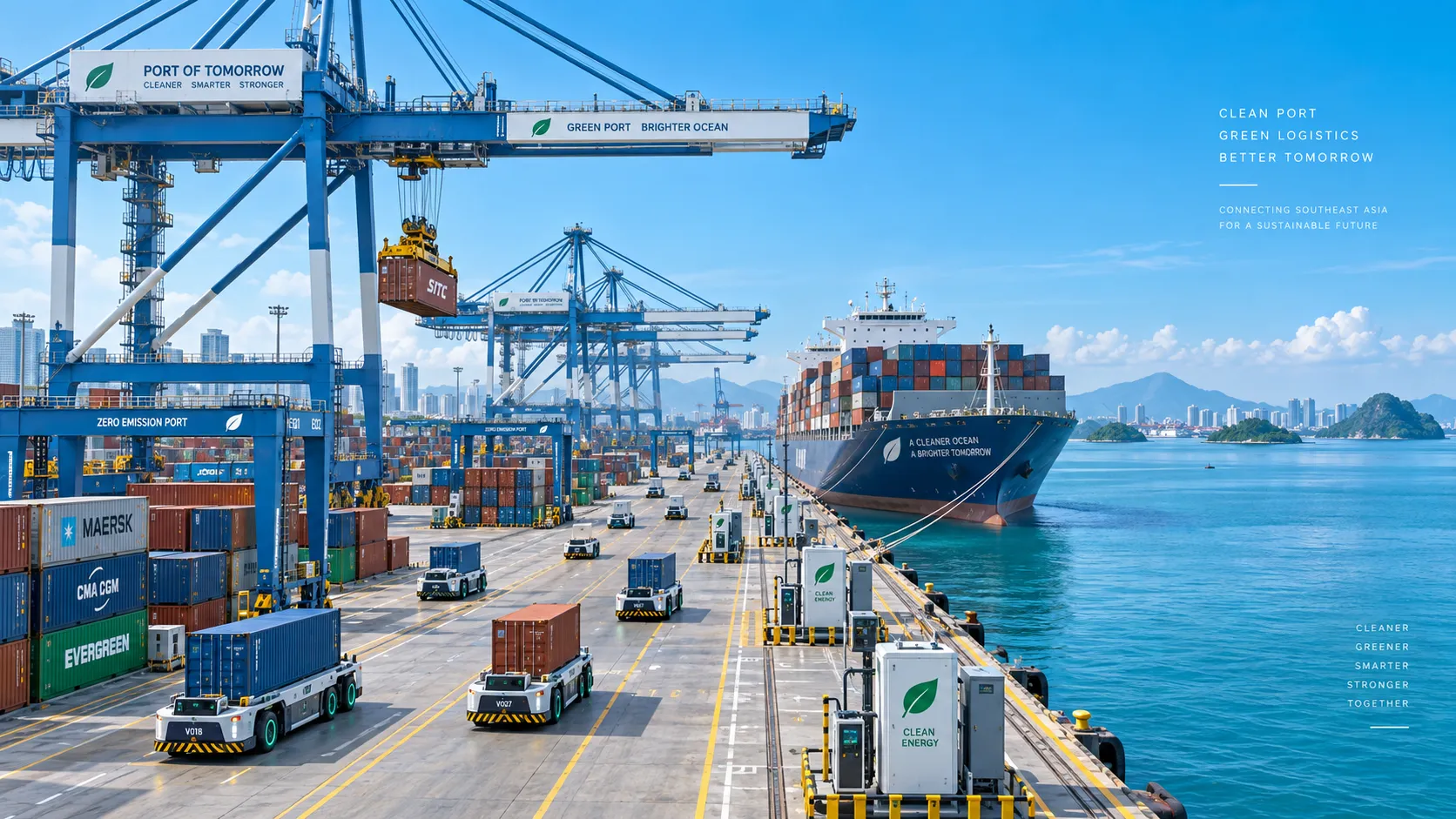
Smart Port Systems in Southeast Asia: Investment Priorities and Adoption Barriers
Smart port systems Southeast Asia: discover investment priorities, adoption barriers, and practical steps to build resilient, connected, high-performing terminals.
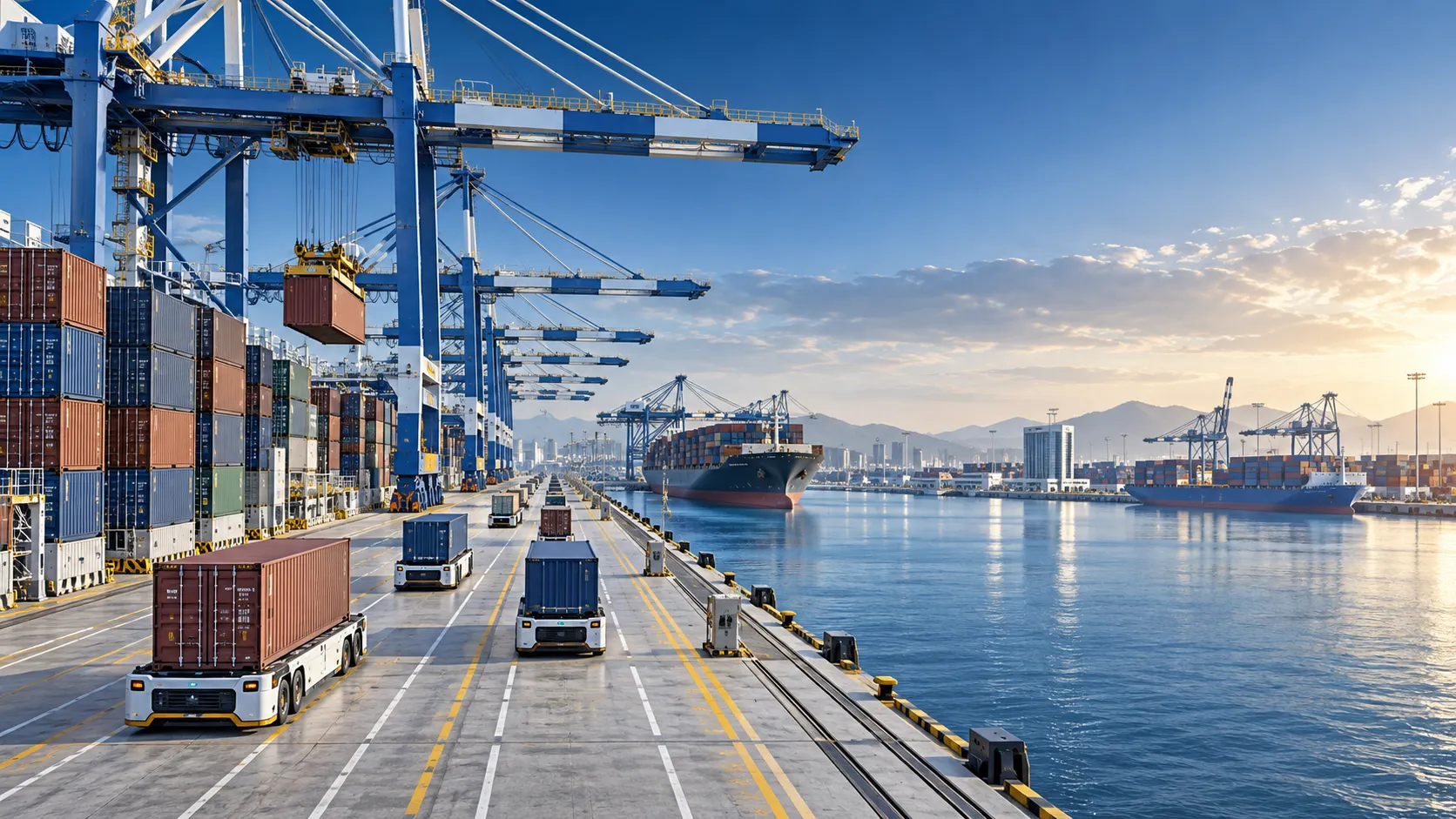
How to Evaluate Terminal Efficiency Solution Suppliers for High-Throughput Operations
Choose a terminal efficiency solutions supplier with confidence. Explore proven criteria for throughput, integration, lifecycle cost, safety, and reliable delivery.
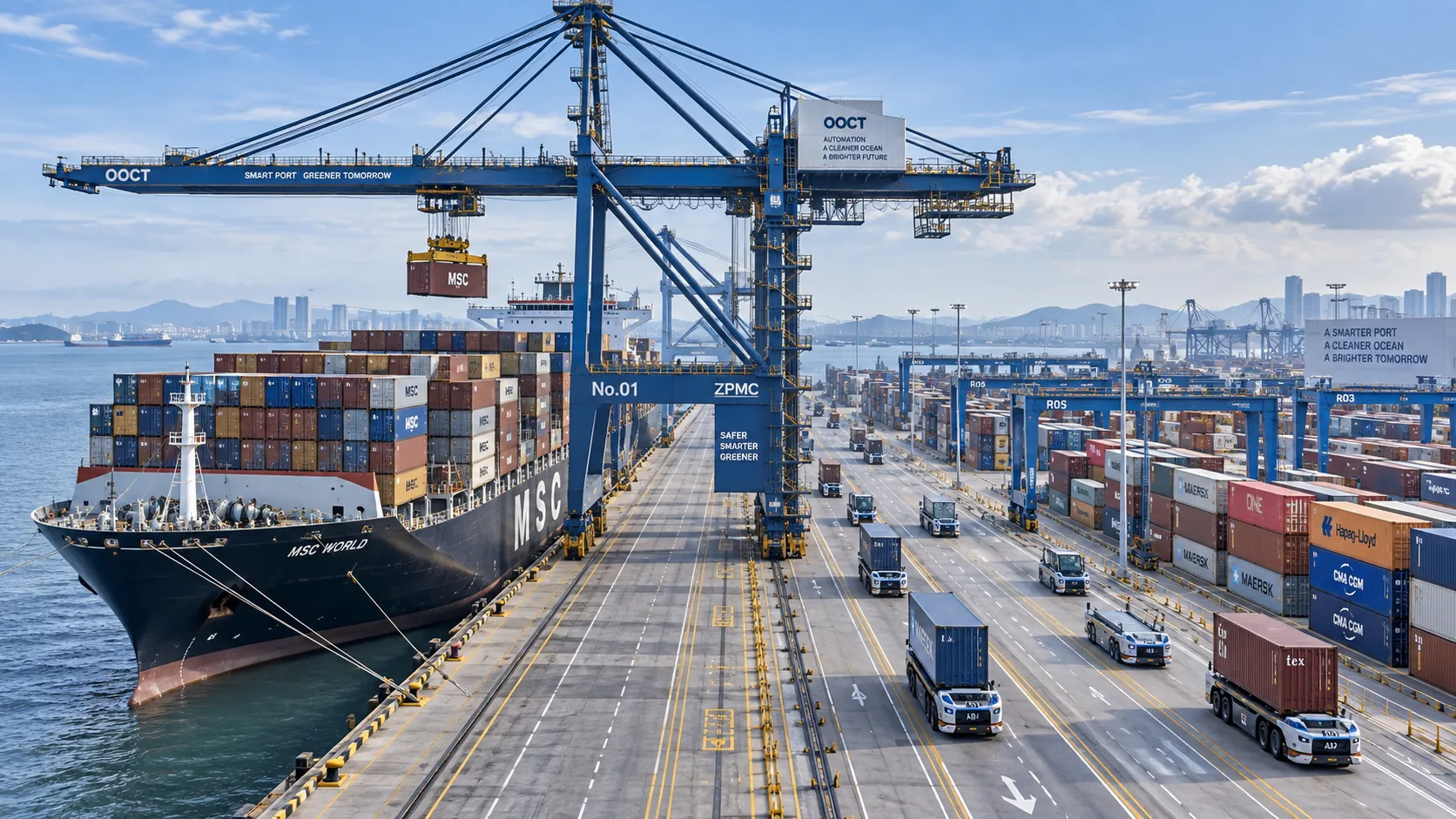
How to Specify a Quay Crane for Container Terminals by Vessel Size and Throughput?
Quay crane for container terminals: learn how to match outreach, lift height, capacity, automation, and cycle performance to vessel size and throughput goals.
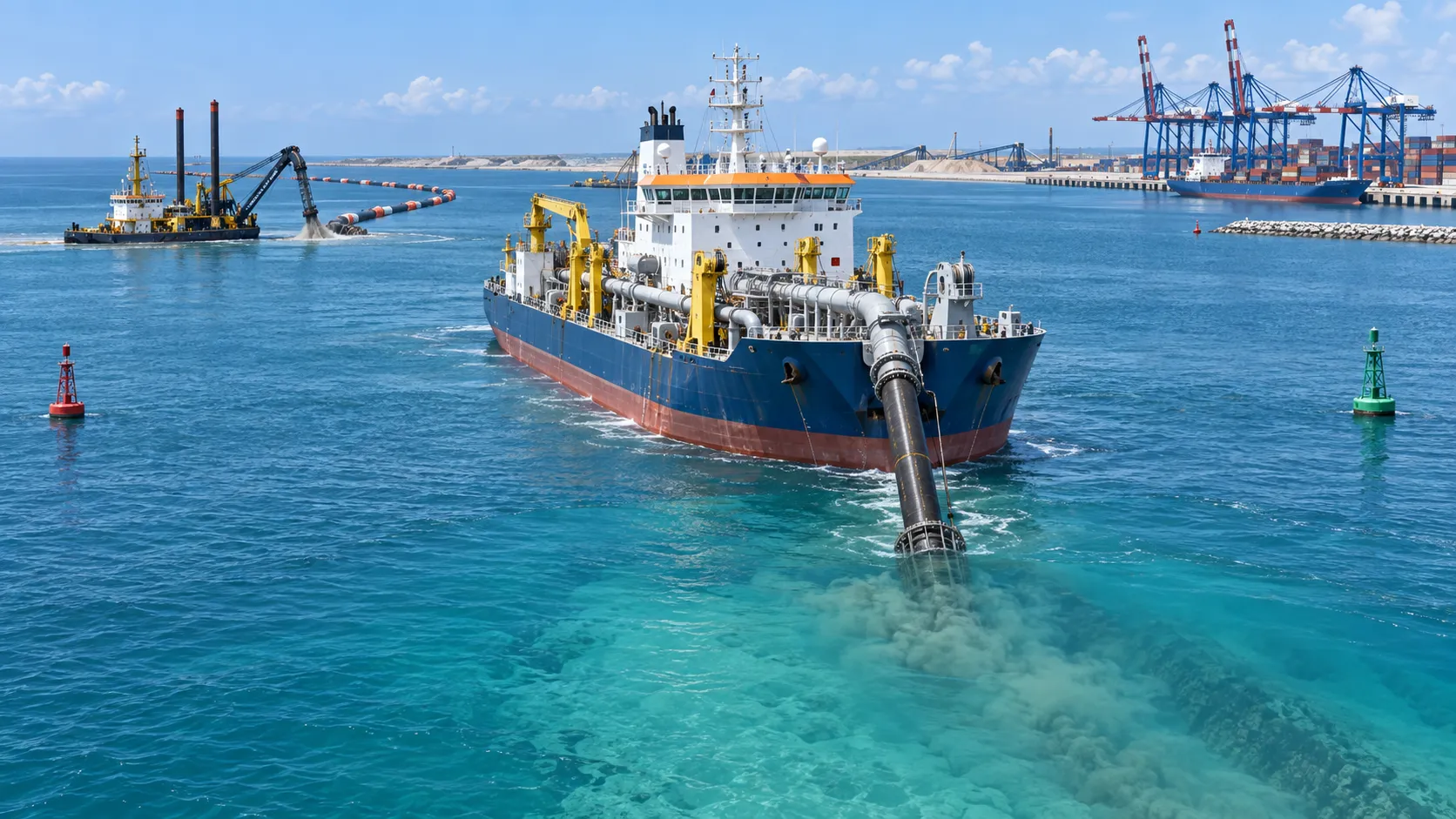
What Dredging Equipment Is Needed for Channel Deepening?
What dredging equipment is needed for channel deepening? Explore dredgers, pipelines, survey tools, and planning strategies for safer, more efficient port access.
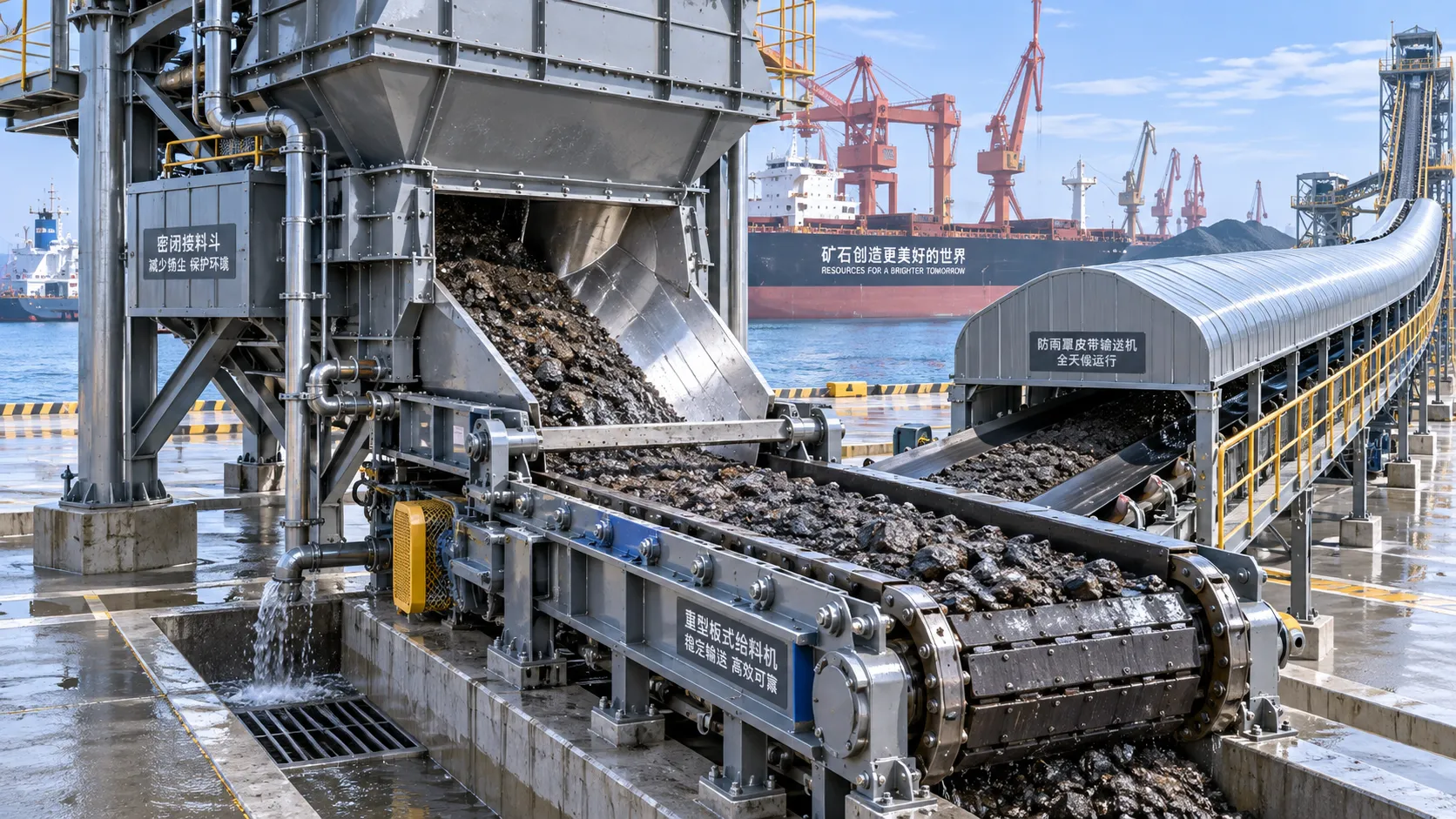
Which Bulk Handling Equipment Suits High-Moisture Cargo?
Which bulk handling equipment suits high-moisture cargo? Compare belt, apron, screw, drag, and slurry systems for reliable flow, less carryback, and higher terminal uptime.
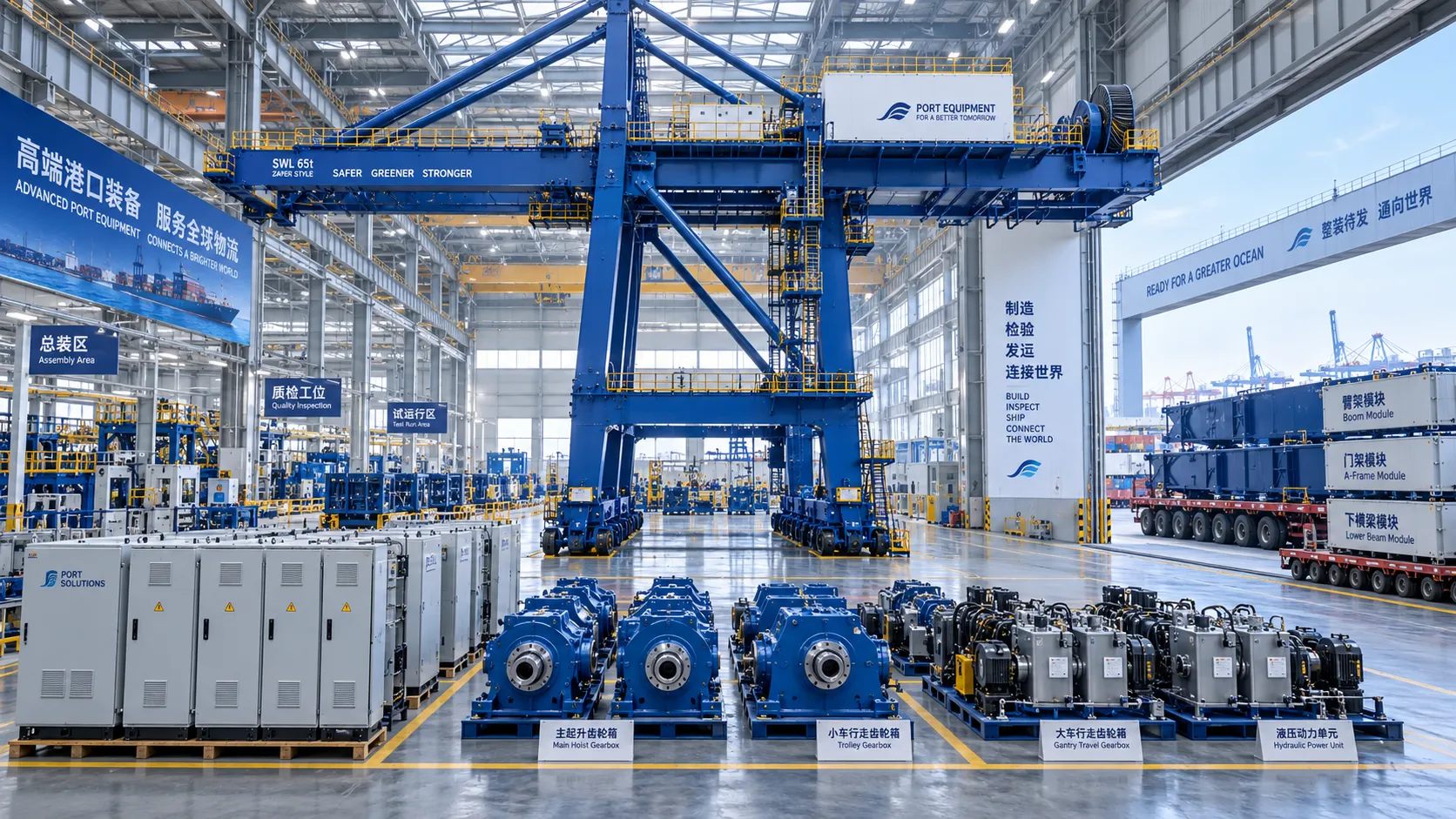
How Can Port Equipment Lead-Time Risk Be Managed?
How can port equipment lead-time risk be managed? Explore practical strategies to control critical paths, suppliers, transport, site readiness, and commissioning delays.
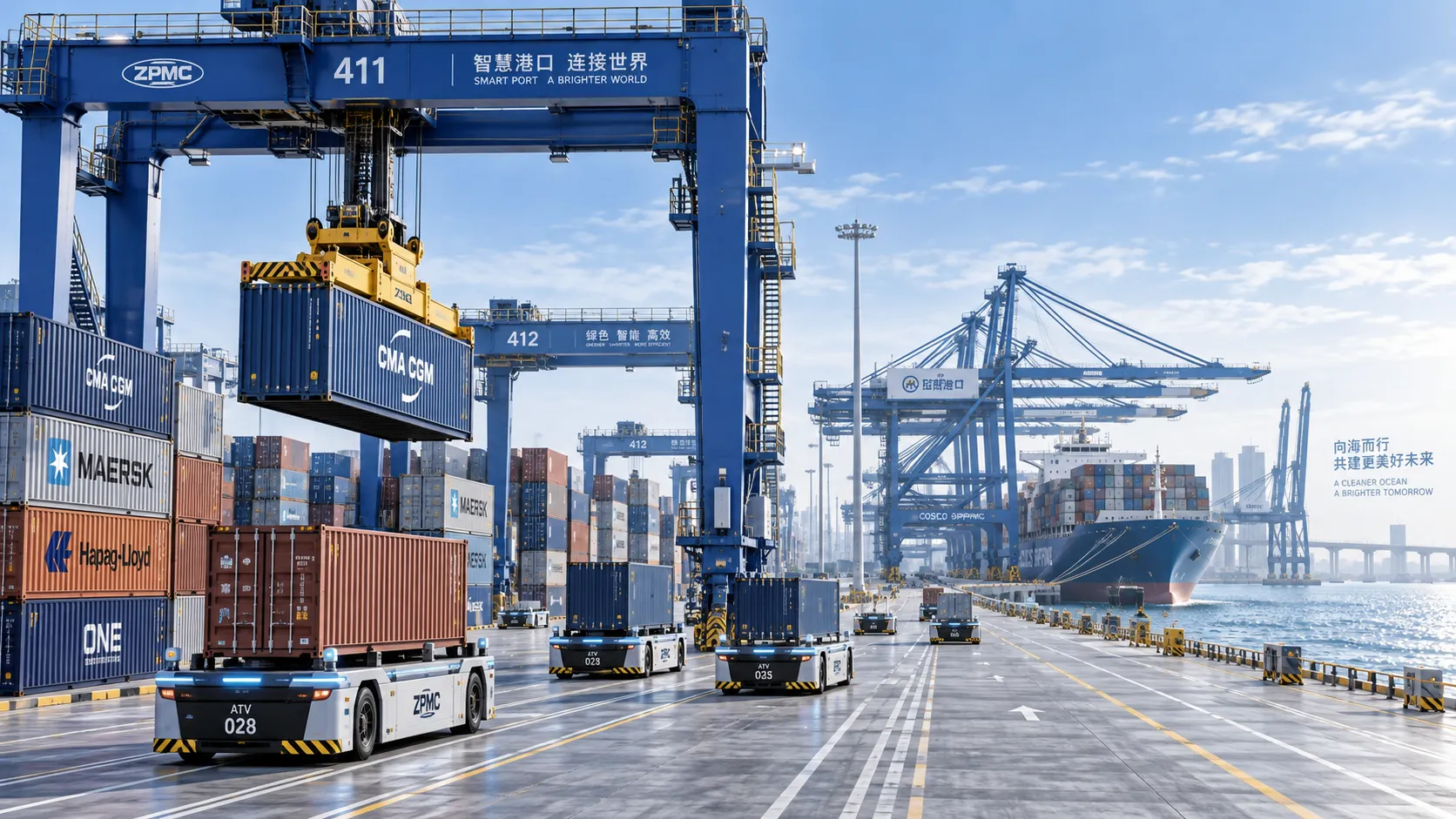
Terminal Automation Technologies That Raise Container Throughput Without Yard Disruption
Terminal automation technology that increases container throughput without disrupting yard flow. Explore smarter integration, resilient workflows, and phased deployment strategies.
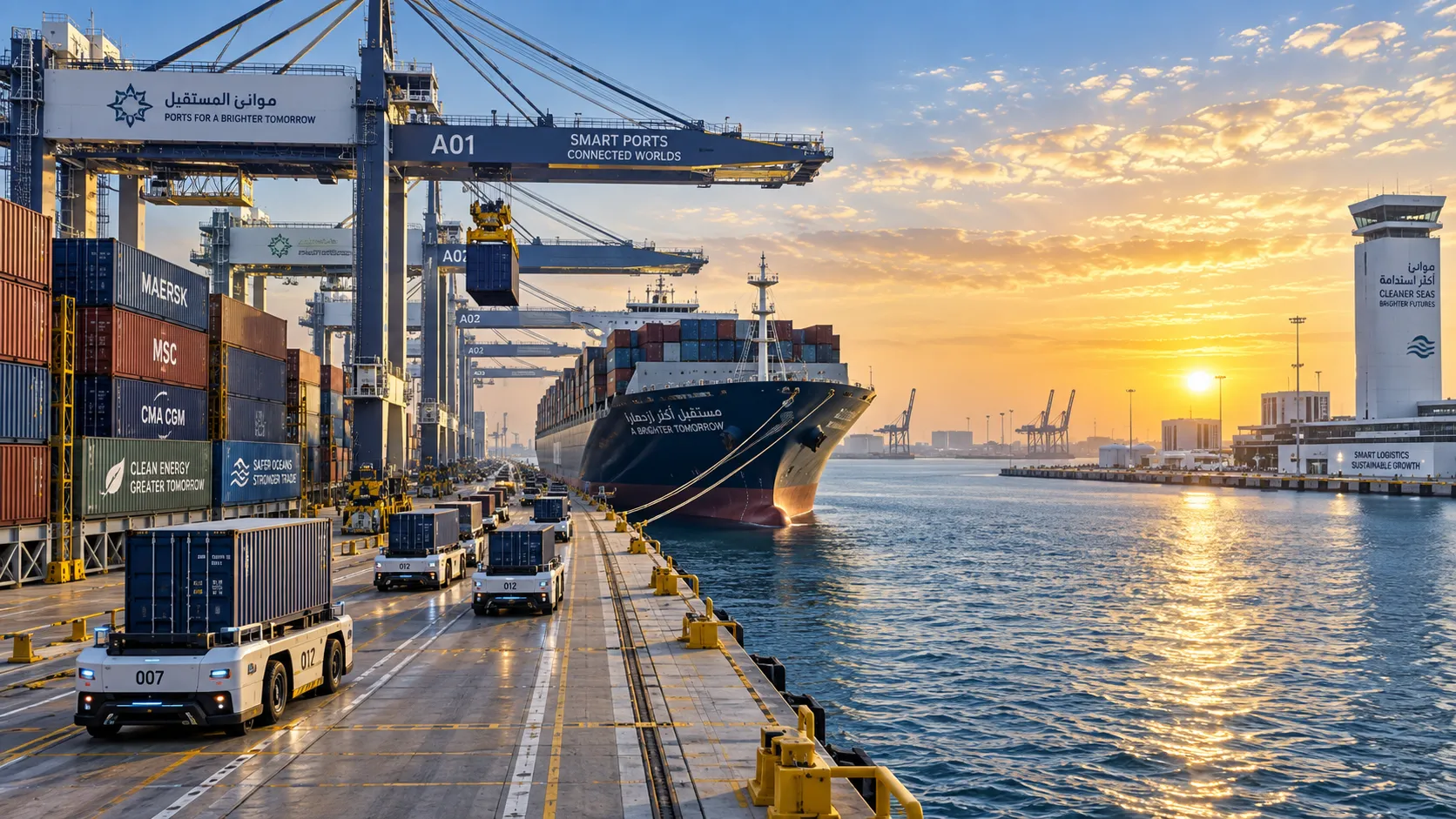
Middle East Port Automation: Key Market Drivers, Projects, and Investment Risks
Port automation systems Middle East: explore market drivers, flagship projects, integration challenges, and investment risks shaping smarter, resilient terminals.
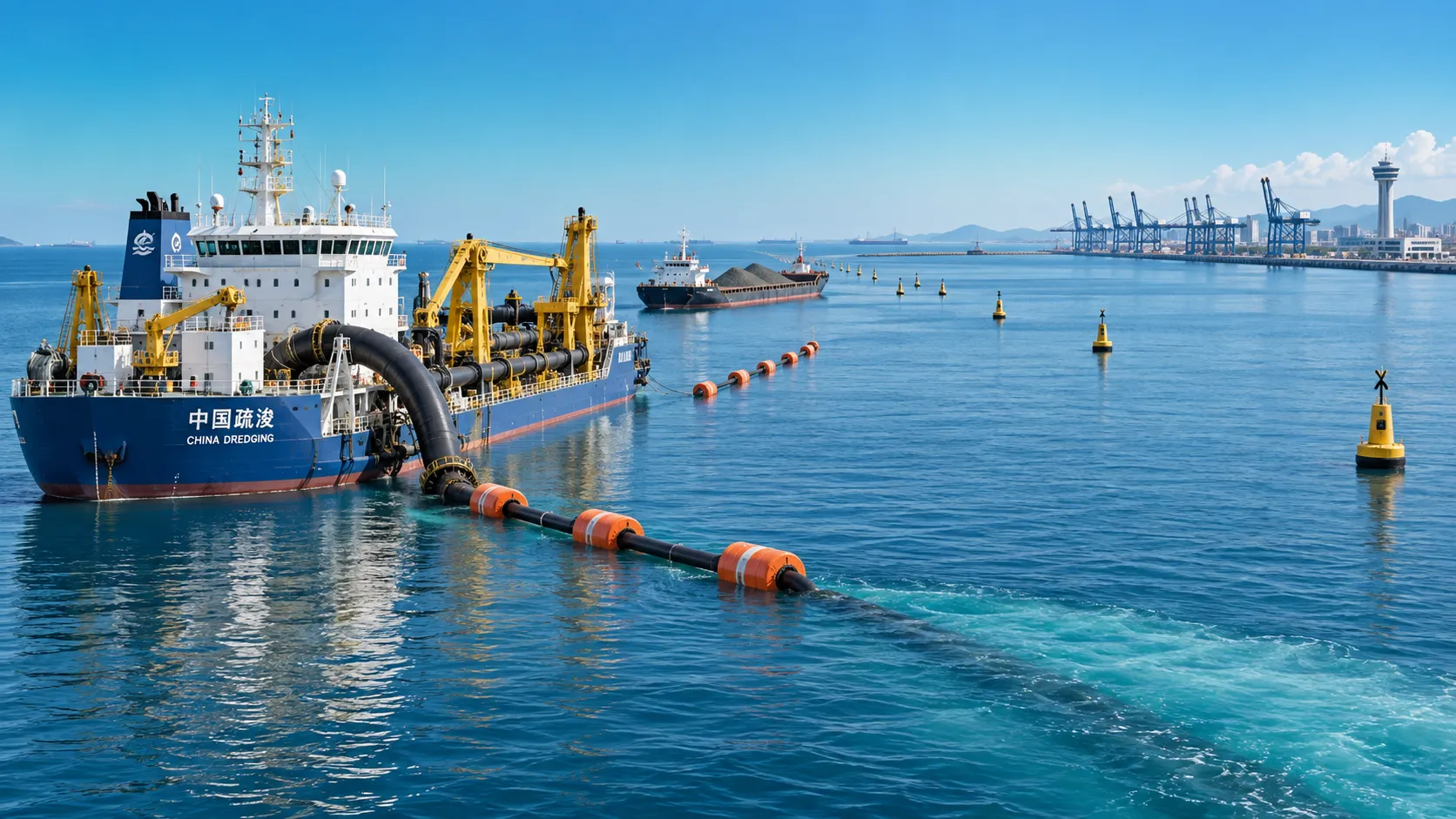
Planning Offshore Dredging Operations: Key Risks, Methods, and Project Controls
Offshore dredging operations demand smart planning. Explore key risks, proven methods, environmental controls, and project strategies for reliable delivery.