Related News
- 00
0000-00
How to Specify a Quay Crane for Container Terminals by Vessel Size and Throughput? - 00
0000-00
Which Bulk Handling Equipment Suits High-Moisture Cargo? - 00
0000-00
Terminal Automation Technologies That Raise Container Throughput Without Yard Disruption - 00
0000-00
Planning Offshore Dredging Operations: Key Risks, Methods, and Project Controls - 00
0000-00
Where Do Automated Guided Vehicles Deliver the Fastest Warehouse Gains in the Middle East?
Bulk Cargo Handling Systems for Ports: Which Configurations Fit Your Throughput Goals?
Bulk Cargo Handling Systems for Ports: Which Configurations Fit Your Throughput Goals?
Choosing the right bulk cargo handling systems for ports shapes vessel turnaround, storage flow, labor efficiency, and long-term expansion options.
It is rarely just about buying faster machines. The real question is how the full system performs under daily operating pressure.
That includes unloading rate, yard transport, blending, dust control, maintenance access, and control logic across the terminal.
In practice, bulk cargo handling systems for ports must match cargo type, berth layout, environmental rules, and future capacity targets.
A system that looks efficient on paper can still create bottlenecks if conveyors, stockyards, reclaiming, or shiploading are not balanced.
Start With Throughput, Not Equipment Lists
Before comparing machines, define the throughput goal in operational terms. Annual tonnage alone is too broad for serious system selection.
A better starting point includes peak hourly rate, vessel size mix, cargo seasonality, storage dwell time, and target berth occupancy.
This is where many bulk cargo handling systems for ports go off track. Designers optimize one node and underdesign the next.
For example, a high-capacity unloader brings little value if yard stacking cannot absorb the inflow during peak vessel discharge.
A practical planning baseline should answer these questions:
- What is the required continuous and peak tons-per-hour rate?
- Which cargoes dominate, and how variable are their handling properties?
- How much stockyard buffer is needed between marine and landside flows?
- Where can downtime be tolerated, and where is redundancy essential?
- What expansion path is realistic within the site boundary?
Match Configuration to Cargo Profile
Different cargoes create different flow challenges. Coal, ore, grain, fertilizer, clinker, and aggregates do not behave the same way.
That matters because bulk cargo handling systems for ports must deal with density, moisture, dust, degradation risk, and contamination control.
For dry, dense, high-volume cargoes
Iron ore and coal terminals often favor grab ship unloaders or continuous unloaders linked to fixed conveyor corridors.
These layouts support high sustained throughput, especially when paired with stacker-reclaimers and dedicated stockpile zones.
This configuration works best when vessel calls are frequent and product segregation needs remain manageable.
For lighter or contamination-sensitive cargoes
Grain and fertilizer often require enclosed conveyors, lower drop heights, tighter spillage management, and careful transfer point design.
Here, bulk cargo handling systems for ports need to protect cargo quality as much as they protect throughput.
That usually pushes planners toward gentler conveying, covered storage, and more cleaning access around changeover zones.
For multi-cargo terminals
A flexible terminal may need mobile harbor cranes, radial conveyors, wheel loaders, hoppers, and modular stockyard routing.
This reduces fixed investment risk, though peak throughput is often lower than in fully dedicated bulk cargo handling systems for ports.
Choose Between Dedicated and Flexible Layouts
The core layout decision usually comes down to dedicated flow paths versus adaptable handling lines.
Each approach has a clear place, depending on volume certainty and commercial strategy.
Dedicated bulk cargo handling systems for ports usually win on throughput, energy efficiency, and predictable maintenance planning.
Flexible layouts win when demand is uncertain, cargo contracts shift often, or capital deployment must happen in phases.
A hybrid model is often the most realistic choice for ports expecting growth but unwilling to lock into one commodity too early.
Balance the Full Flow, From Berth to Gate
Throughput is limited by the weakest transfer point. That point is often not where teams first expect it.
In bulk cargo handling systems for ports, bottlenecks often appear at hoppers, transfer towers, stockpile reclaiming, or truck and rail loading.
A balanced system should keep marine, yard, and inland dispatch flows aligned under both normal and peak conditions.
That means reviewing more than nameplate capacity. It means checking how performance changes during real operating sequences.
- Confirm continuous rate after allowing for transfer losses and surge effects.
- Test whether storage can absorb two overlapping vessel windows.
- Verify reclaiming capacity for blended or segregated dispatch demand.
- Check truck or rail interfaces during shift changes and weather delays.
- Model maintenance outages on critical conveyors and unloaders.
PS-Nexus follows this whole-system view because terminal intelligence becomes useful only when every node is evaluated as one operating chain.
Automation Changes the Answer
From recent projects, the stronger signal is clear. Control architecture now affects throughput almost as much as mechanical selection.
Modern bulk cargo handling systems for ports depend on coordinated sensors, interlocks, scheduling logic, and condition monitoring.
This matters especially where vessel queues are tight and labor availability is uneven.
A smarter control layer can improve asset utilization without changing the physical footprint.
- Automatic route selection reduces conveyor conflicts.
- Real-time stockpile visibility supports cleaner blending decisions.
- Predictive maintenance lowers unplanned stoppage risk.
- Remote diagnostics speed up fault isolation.
- Integrated berth and yard scheduling improves discharge continuity.
For ports planning upgrades, adding digital control value to existing bulk cargo handling systems for ports can be a higher-return step than full replacement.
Do Not Underestimate Environmental and Site Constraints
Dust, noise, runoff, wind exposure, and fire safety often reshape layouts more than early feasibility studies suggest.
Bulk cargo handling systems for ports must satisfy permit conditions without weakening day-to-day operating reliability.
That can require enclosed transfer points, water misting, covered conveyors, stacker wind limits, and stormwater collection planning.
Site geometry matters too. Narrow terminals, shallow yards, and rail interfaces can eliminate otherwise attractive configurations.
The practical lesson is simple: the best technical scheme is the one that performs after permitting, not before it.
A Practical Selection Framework
When evaluating bulk cargo handling systems for ports, a short decision framework keeps teams focused on operational fit.
- Define the peak and average throughput target by cargo stream.
- Map every transfer point from ship to storage to dispatch.
- Compare dedicated, mobile, and hybrid configurations against site limits.
- Quantify redundancy needs for critical assets and controls.
- Include environmental compliance and maintenance access in scoring.
- Check how the system expands without major demolition.
This approach helps separate attractive equipment packages from genuinely effective bulk cargo handling systems for ports.
It also supports clearer conversations with EPC teams, equipment suppliers, operators, and financiers.
For organizations tracking port modernization, PS-Nexus sees the strongest results where mechanical design and scheduling intelligence are planned together.
The right configuration is the one that meets today’s throughput goal, survives tomorrow’s cargo shifts, and leaves room for cleaner, smarter expansion.
Related News
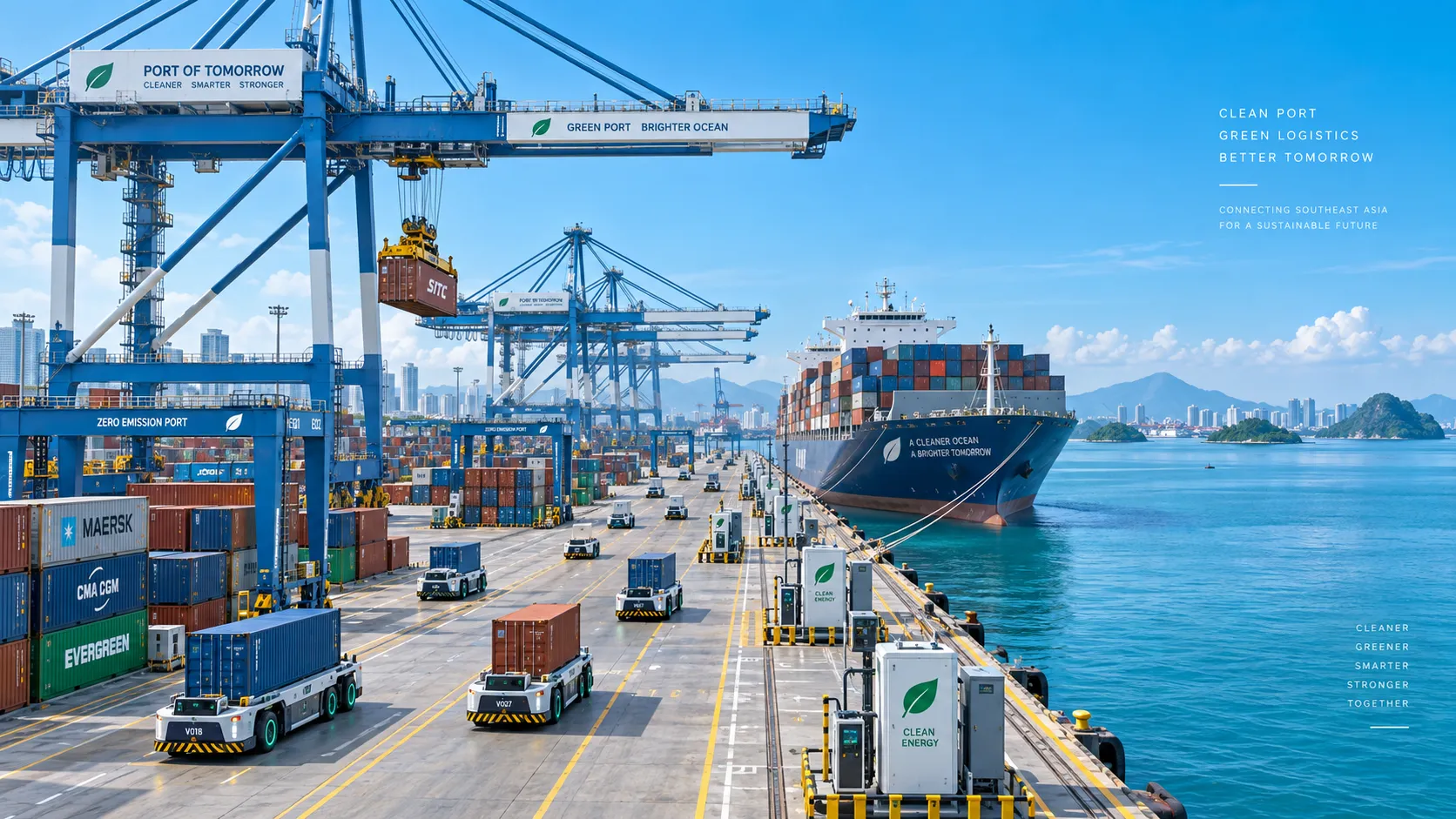
Smart Port Systems in Southeast Asia: Investment Priorities and Adoption Barriers
Smart port systems Southeast Asia: discover investment priorities, adoption barriers, and practical steps to build resilient, connected, high-performing terminals.
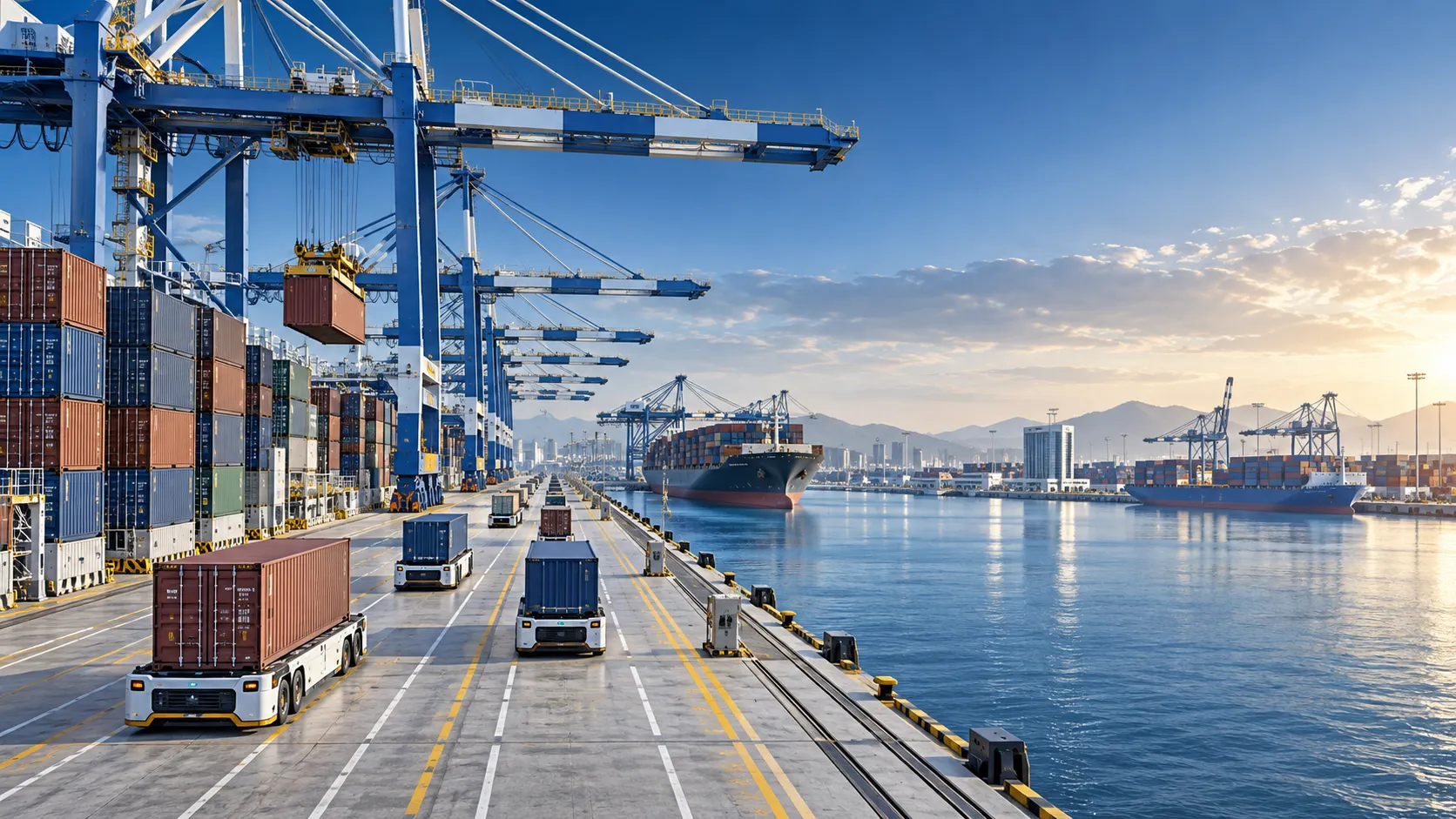
How to Evaluate Terminal Efficiency Solution Suppliers for High-Throughput Operations
Choose a terminal efficiency solutions supplier with confidence. Explore proven criteria for throughput, integration, lifecycle cost, safety, and reliable delivery.
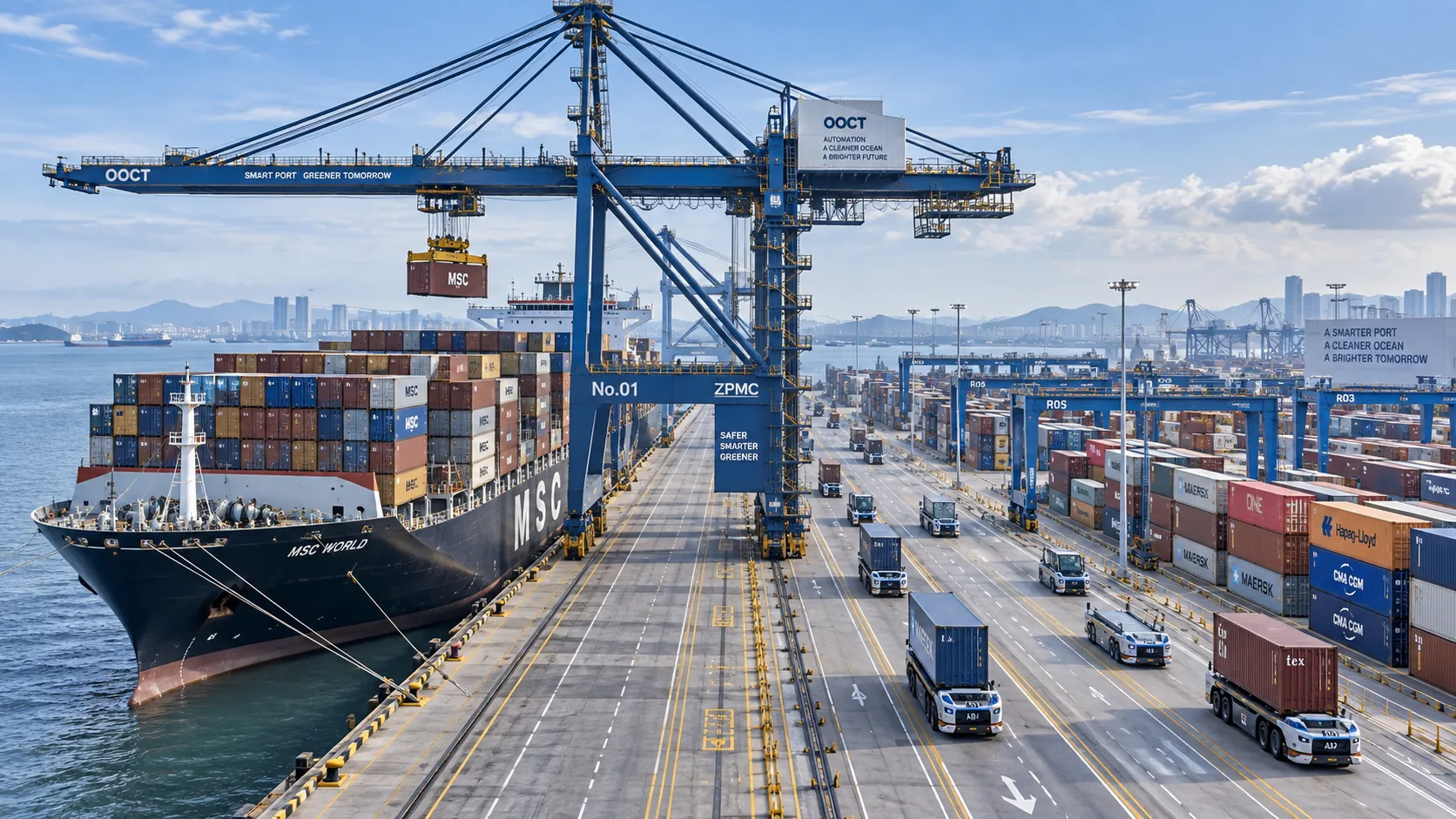
How to Specify a Quay Crane for Container Terminals by Vessel Size and Throughput?
Quay crane for container terminals: learn how to match outreach, lift height, capacity, automation, and cycle performance to vessel size and throughput goals.
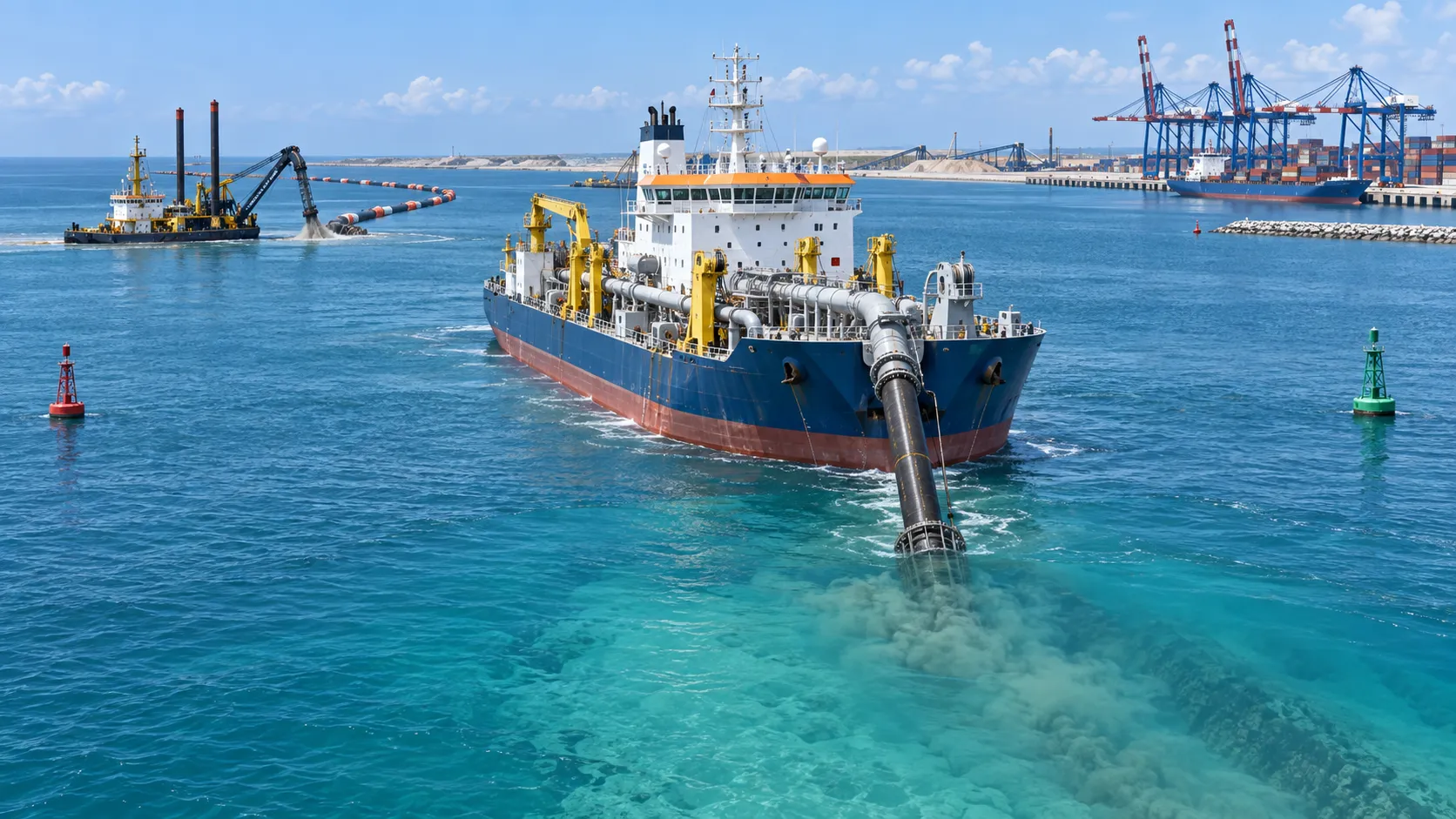
What Dredging Equipment Is Needed for Channel Deepening?
What dredging equipment is needed for channel deepening? Explore dredgers, pipelines, survey tools, and planning strategies for safer, more efficient port access.
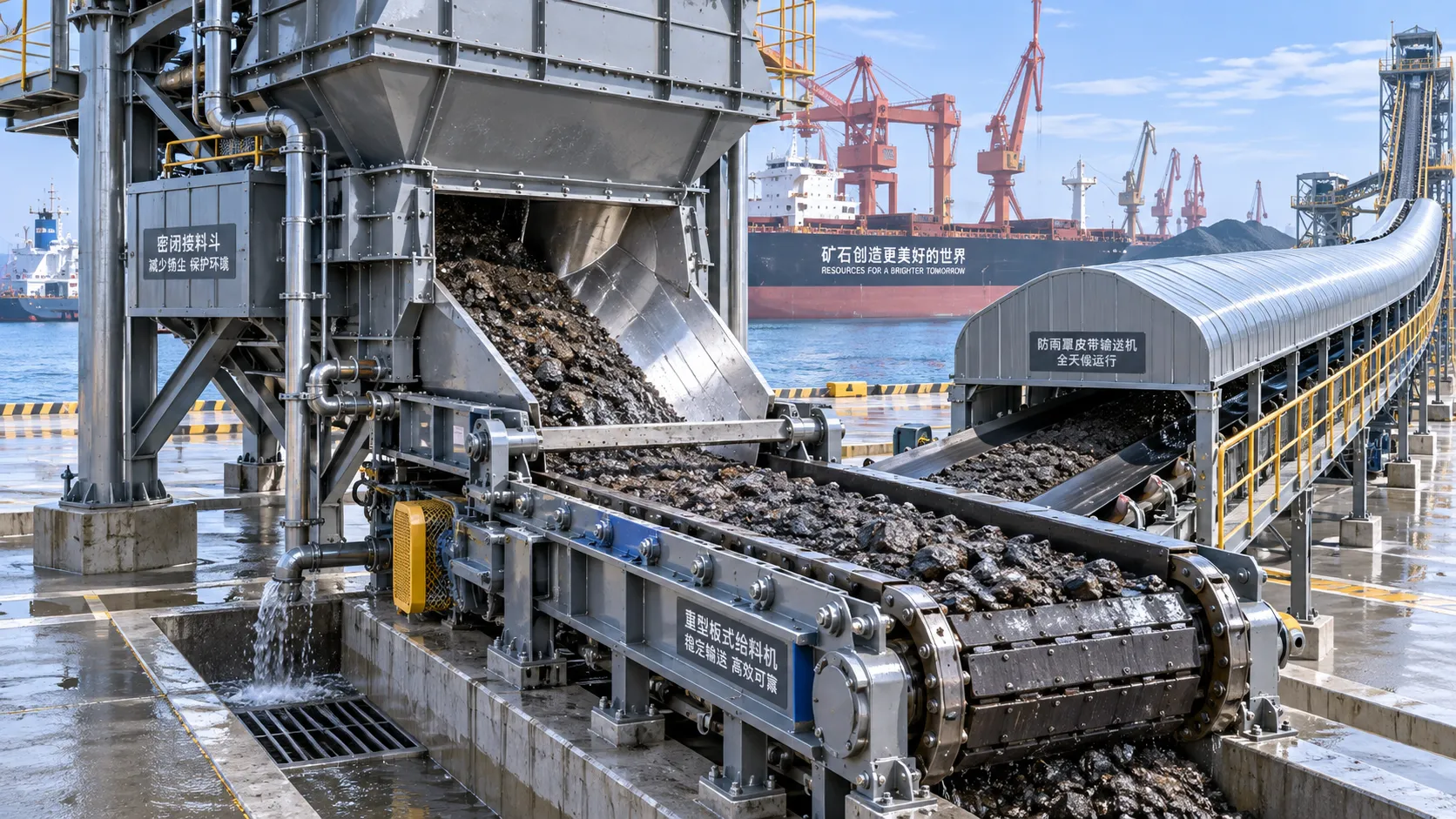
Which Bulk Handling Equipment Suits High-Moisture Cargo?
Which bulk handling equipment suits high-moisture cargo? Compare belt, apron, screw, drag, and slurry systems for reliable flow, less carryback, and higher terminal uptime.
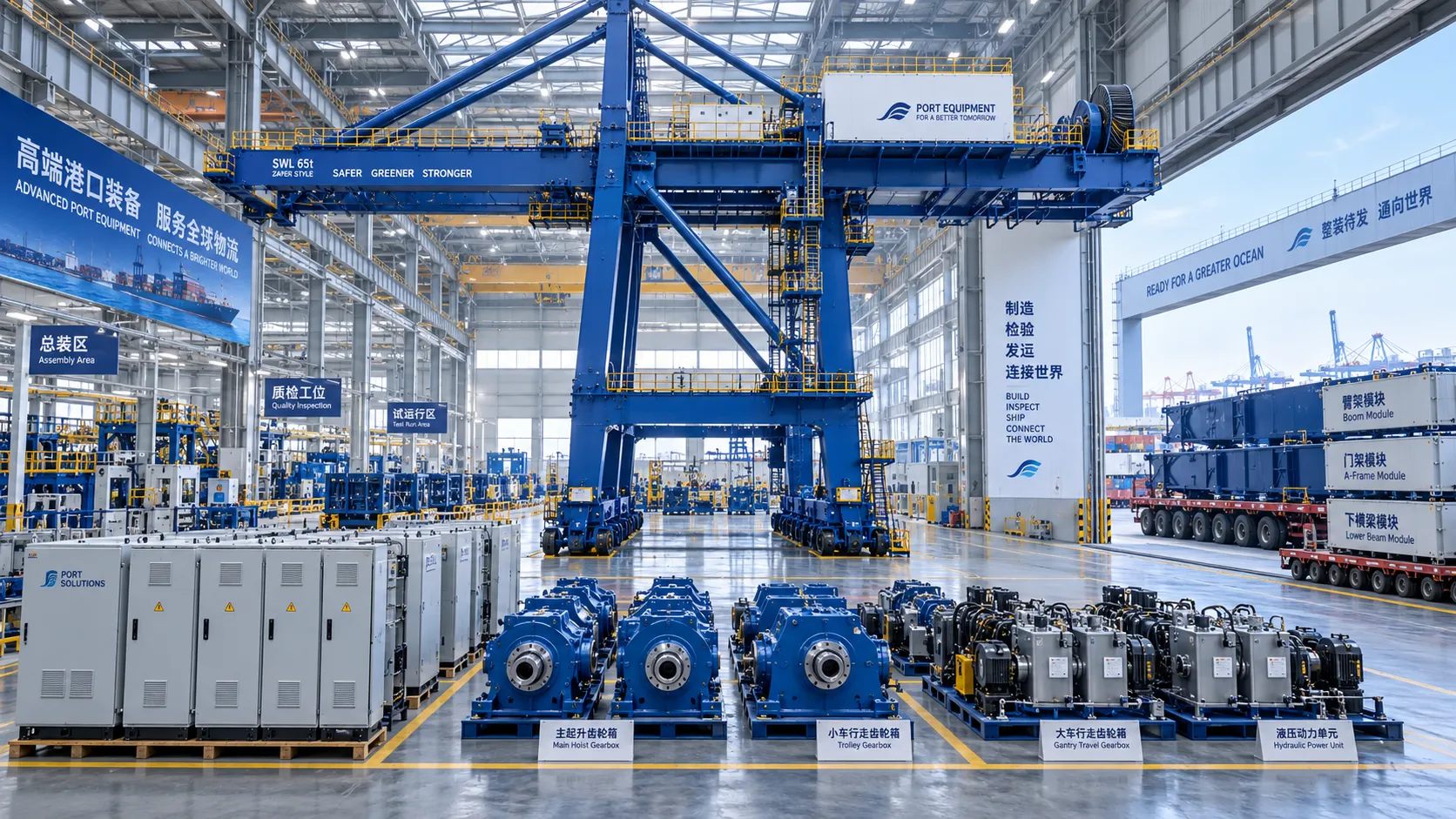
How Can Port Equipment Lead-Time Risk Be Managed?
How can port equipment lead-time risk be managed? Explore practical strategies to control critical paths, suppliers, transport, site readiness, and commissioning delays.
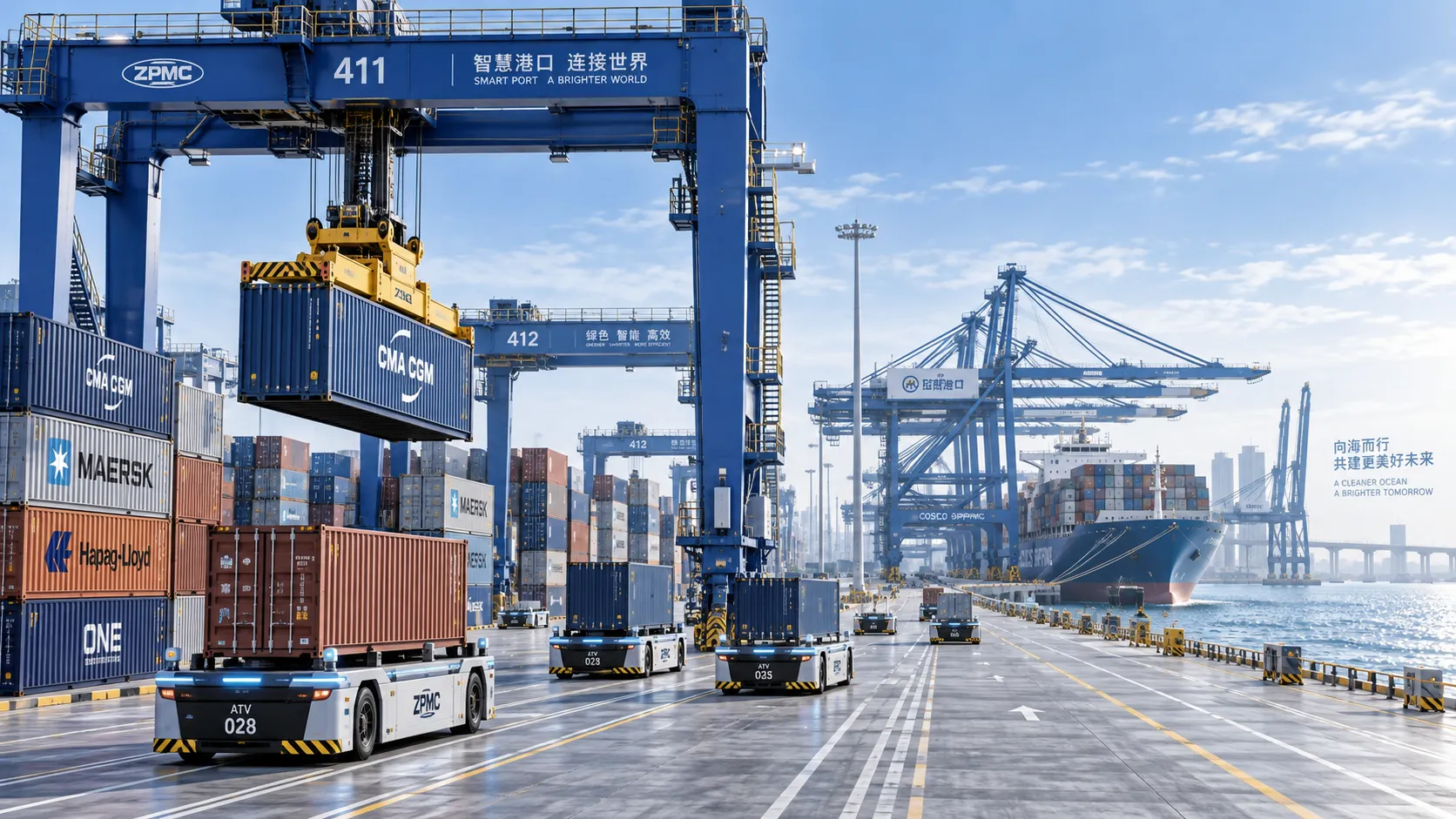
Terminal Automation Technologies That Raise Container Throughput Without Yard Disruption
Terminal automation technology that increases container throughput without disrupting yard flow. Explore smarter integration, resilient workflows, and phased deployment strategies.
Middle East Port Automation: Key Market Drivers, Projects, and Investment Risks
Port automation systems Middle East: explore market drivers, flagship projects, integration challenges, and investment risks shaping smarter, resilient terminals.
Planning Offshore Dredging Operations: Key Risks, Methods, and Project Controls
Offshore dredging operations demand smart planning. Explore key risks, proven methods, environmental controls, and project strategies for reliable delivery.