Related News
- 00
0000-00
How to Specify a Quay Crane for Container Terminals by Vessel Size and Throughput? - 00
0000-00
Which Bulk Handling Equipment Suits High-Moisture Cargo? - 00
0000-00
Terminal Automation Technologies That Raise Container Throughput Without Yard Disruption - 00
0000-00
Planning Offshore Dredging Operations: Key Risks, Methods, and Project Controls - 00
0000-00
Where Do Automated Guided Vehicles Deliver the Fastest Warehouse Gains in the Middle East?
Quay Crane Systems Selection Guide: Key Specs, Capacity, and Automation Options
Quay Crane Systems Selection Guide: What Really Matters in Terminal Planning
Selecting the right quay crane systems is critical for terminal performance, safety, and long-term automation readiness. Technical evaluators must weigh key specs such as outreach, lifting capacity, duty cycle, and control integration against berth layout, vessel profile, and throughput targets. This guide outlines the core factors that determine whether a crane can support efficient container handling today and scalable smart-port operations tomorrow.
Start With the Operating Scenario
The first mistake in quay crane systems selection is treating every berth as if it had the same job. A feeder terminal, a deep-sea hub, and a mixed-use port all need different outreach, lifting speed, and duty profiles.
For evaluators, the real question is simple: what vessel mix will the crane serve over the next ten years? If the berth is likely to receive larger ships, the outreach margin should not be sized too tightly. That small gap can become a serious constraint once service patterns change.
It also helps to map peak-hour behavior, not just annual averages. Quay crane systems that look adequate on paper may struggle when berth windows tighten and container bursts become more frequent.
Key Specs That Shape Performance
Outreach is usually the first spec people check, but it should never be checked alone. Pair it with lifting capacity, hoisting height, trolley speed, and wheel load limits. Together, these define the crane’s usable envelope.
In quay crane systems, capacity decisions often involve more than the rated hook load. Spreaders, twin-lift needs, wind conditions, and container eccentricity all influence real-world handling. If the equipment margin is too narrow, operators lose flexibility during nonstandard moves.
Duty cycle matters just as much. A crane with strong peak performance but weak continuous-duty endurance will create hidden downtime. For busy terminals, that gap quickly shows up in berth occupancy and vessel turnaround time.
- Check outreach against the largest expected vessel class.
- Confirm lifting capacity with spreader and accessory allowances.
- Review duty cycle for sustained daily operation, not short test cases.
- Verify rail and structural loads against berth foundation limits.
Automation Readiness Is No Longer Optional
A modern quay crane system should be judged on how well it can integrate with terminal operating systems, remote-control stations, and safety logic. Even if full automation is not planned in phase one, the architecture should be ready for it.
This means looking at encoder feedback, anti-sway control, video transmission, obstacle detection, and remote diagnostics. It also means checking whether the vendor supports open interfaces and stable communication protocols. Closed systems can slow future upgrades and increase integration cost.
From recent terminal upgrades, the clearest signal is this: automation works best when the crane is designed for it from the start. Retrofitting control logic later usually costs more and creates more operational risk.
Safety, Maintainability, and Lifecycle Cost
Technical evaluation should never stop at initial purchase price. Quay crane systems affect electrical maintenance, structural inspections, spare-part planning, and operator training over a very long service life.
Safety features deserve close review. Emergency stops, overload protection, wind alarms, derailment prevention, and fault logging are not optional extras. They reduce incident probability and make troubleshooting faster when conditions change.
Maintainability is equally important. Access to drives, hoisting components, cable reels, and key sensors should be straightforward. If every inspection requires complex shutdown procedures, the crane may meet specs but fail the daily operation test.
Lifecycle cost also includes energy use and downtime exposure. Regenerative drives, optimized hoisting curves, and predictive maintenance tools can lower long-term operating cost, especially where labor and power expenses are rising.
A Practical Comparison Framework
When comparing quay crane systems, use a matrix instead of a simple score. That keeps performance, integration, and service risk visible at the same time.
This kind of matrix helps teams avoid overvaluing one impressive number while missing a structural weakness elsewhere. In quay crane systems, balance usually matters more than headline capacity.
What Good Selection Looks Like
The best choice is not always the largest crane. It is the crane that matches berth conditions, vessel mix, operational rhythm, and digital upgrade plans with the least friction.
If your terminal expects steady growth, select quay crane systems with enough outreach reserve, robust duty performance, and control architecture that can absorb future automation modules. If your terminal is stable and space-constrained, prioritize precision, maintainability, and energy efficiency.
The safest decision path is to combine field data, vendor validation, and scenario-based simulation. That gives a clearer picture than brochure specs alone and reduces the chance of expensive surprises after commissioning.
Final Takeaway
Quay crane systems should be selected as long-term infrastructure assets, not just mechanical lifting machines. The right choice aligns outreach, capacity, duty cycle, controls, and serviceability with the terminal’s operating reality.
If you want a cleaner decision, compare each option against your berth profile, automation roadmap, and lifecycle budget. That approach leads to a crane that performs well today and still fits tomorrow’s smart-port strategy.
Related News
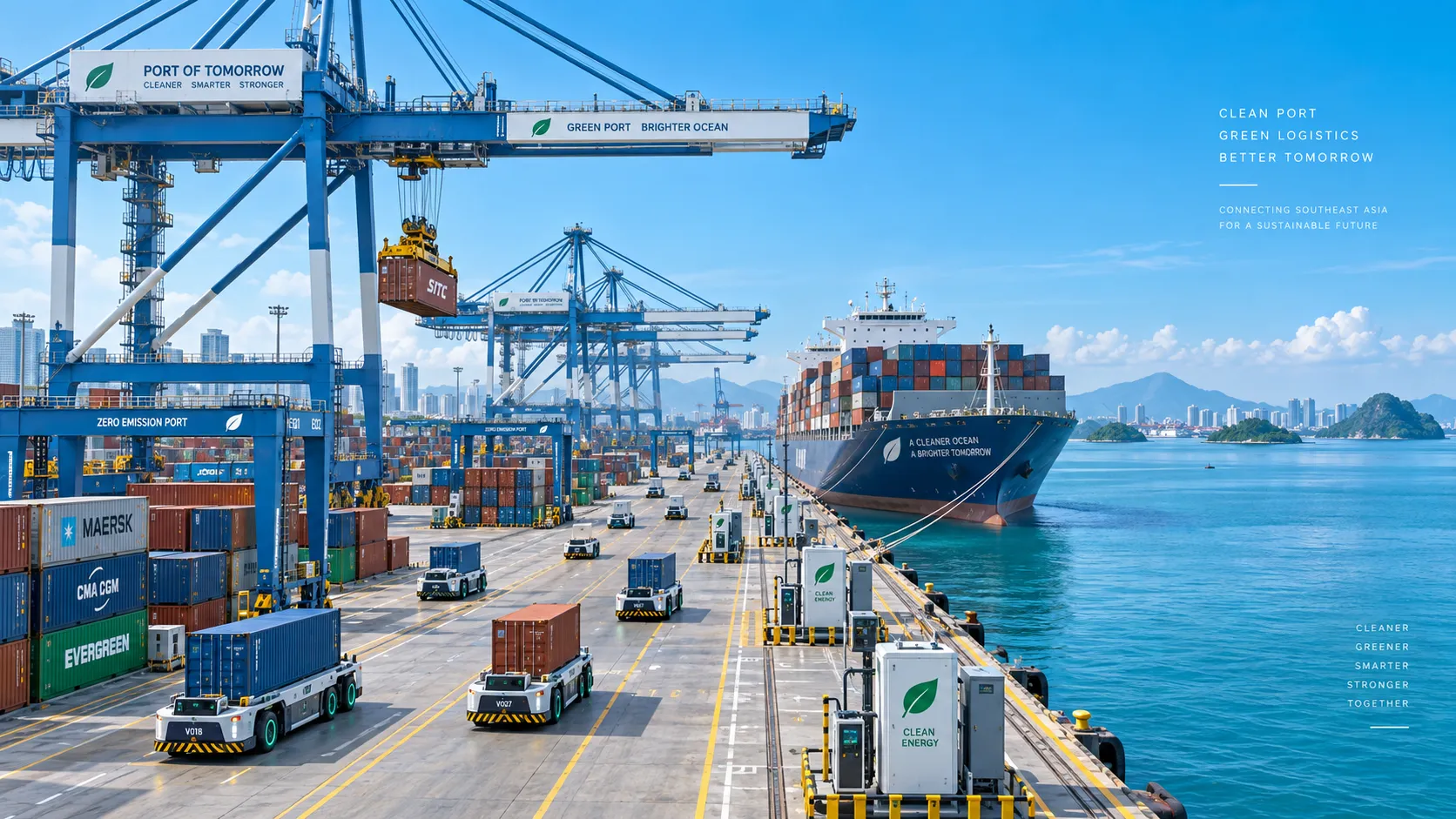
Smart Port Systems in Southeast Asia: Investment Priorities and Adoption Barriers
Smart port systems Southeast Asia: discover investment priorities, adoption barriers, and practical steps to build resilient, connected, high-performing terminals.

How to Evaluate Terminal Efficiency Solution Suppliers for High-Throughput Operations
Choose a terminal efficiency solutions supplier with confidence. Explore proven criteria for throughput, integration, lifecycle cost, safety, and reliable delivery.
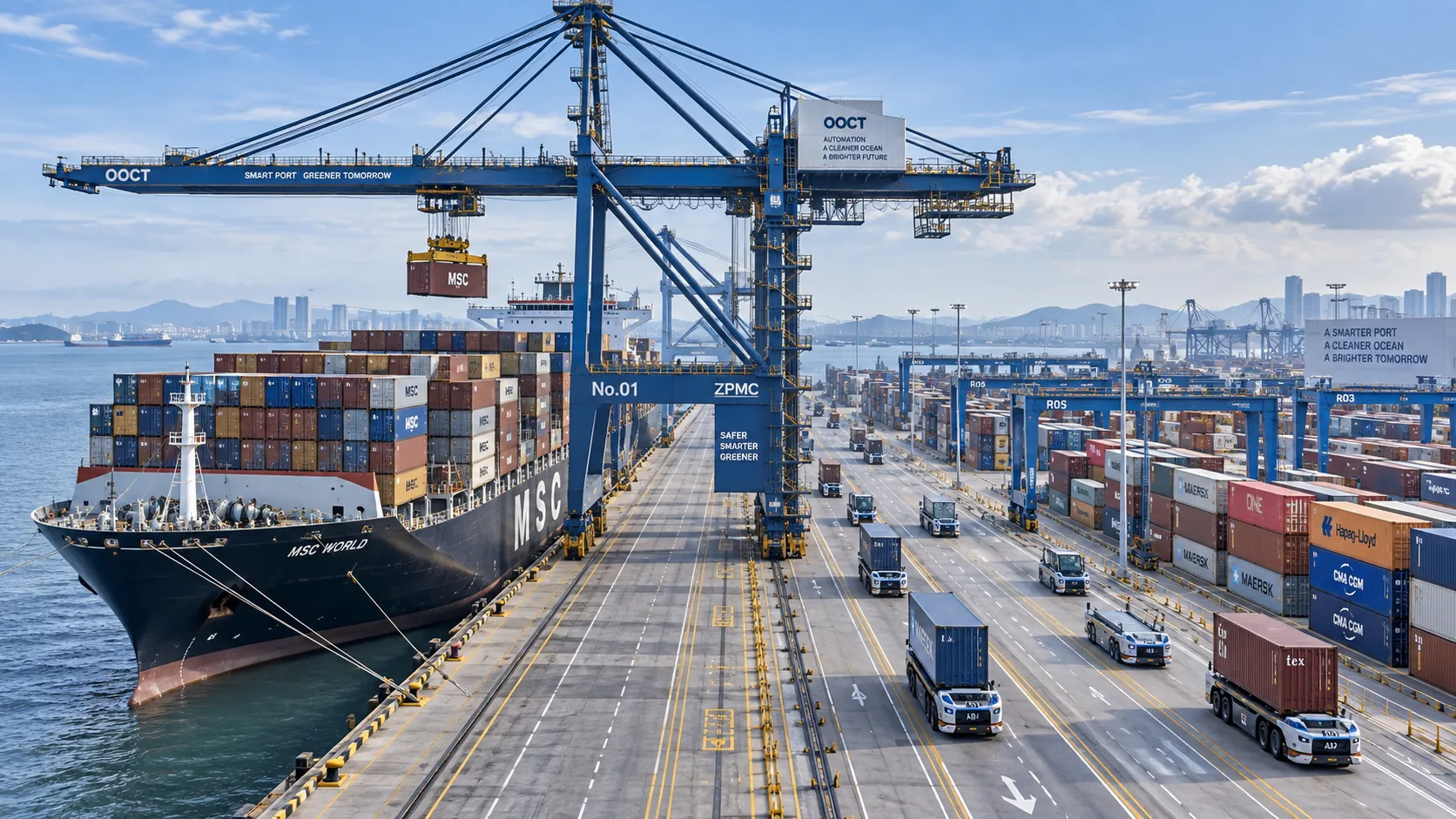
How to Specify a Quay Crane for Container Terminals by Vessel Size and Throughput?
Quay crane for container terminals: learn how to match outreach, lift height, capacity, automation, and cycle performance to vessel size and throughput goals.
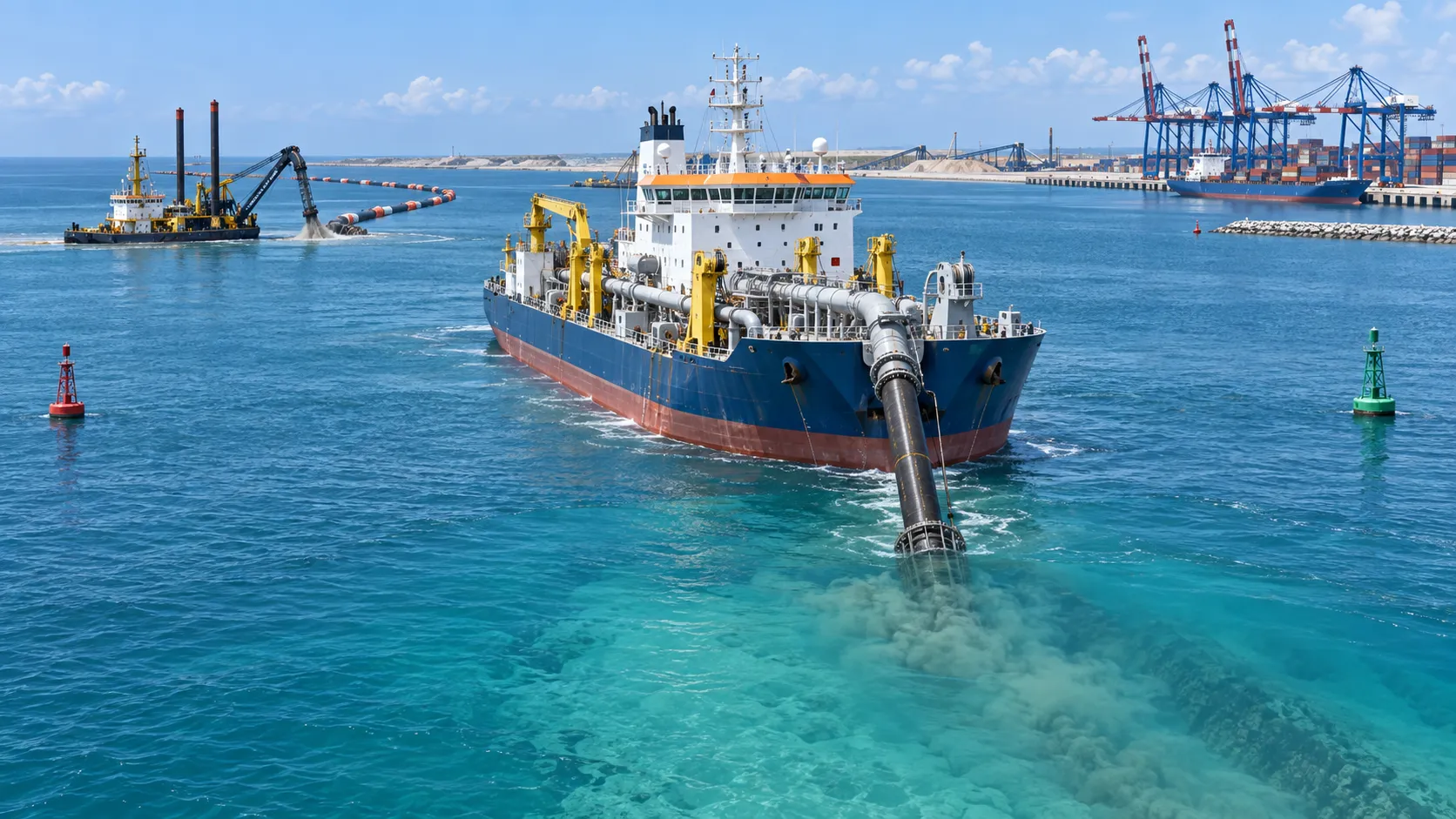
What Dredging Equipment Is Needed for Channel Deepening?
What dredging equipment is needed for channel deepening? Explore dredgers, pipelines, survey tools, and planning strategies for safer, more efficient port access.
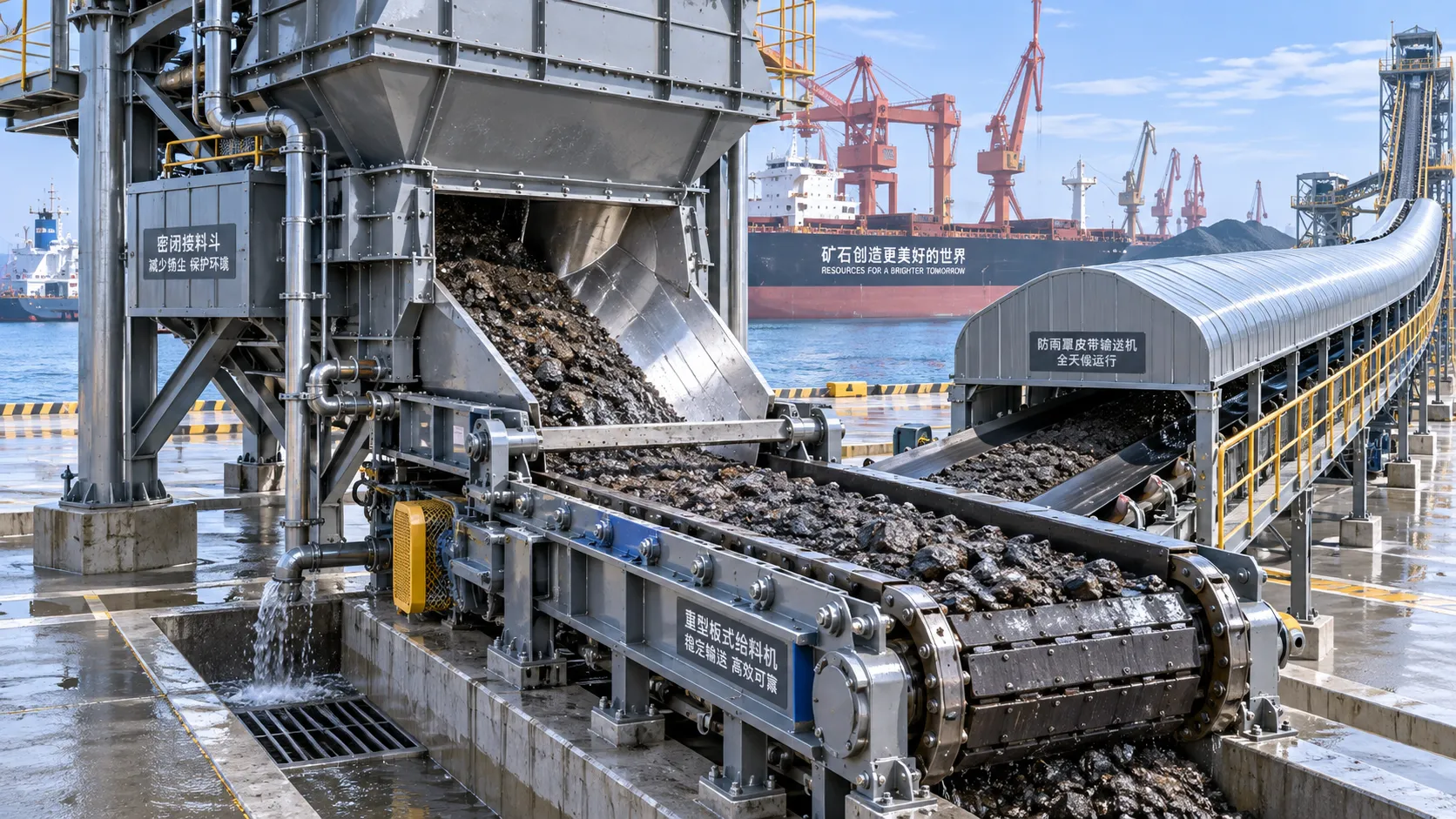
Which Bulk Handling Equipment Suits High-Moisture Cargo?
Which bulk handling equipment suits high-moisture cargo? Compare belt, apron, screw, drag, and slurry systems for reliable flow, less carryback, and higher terminal uptime.
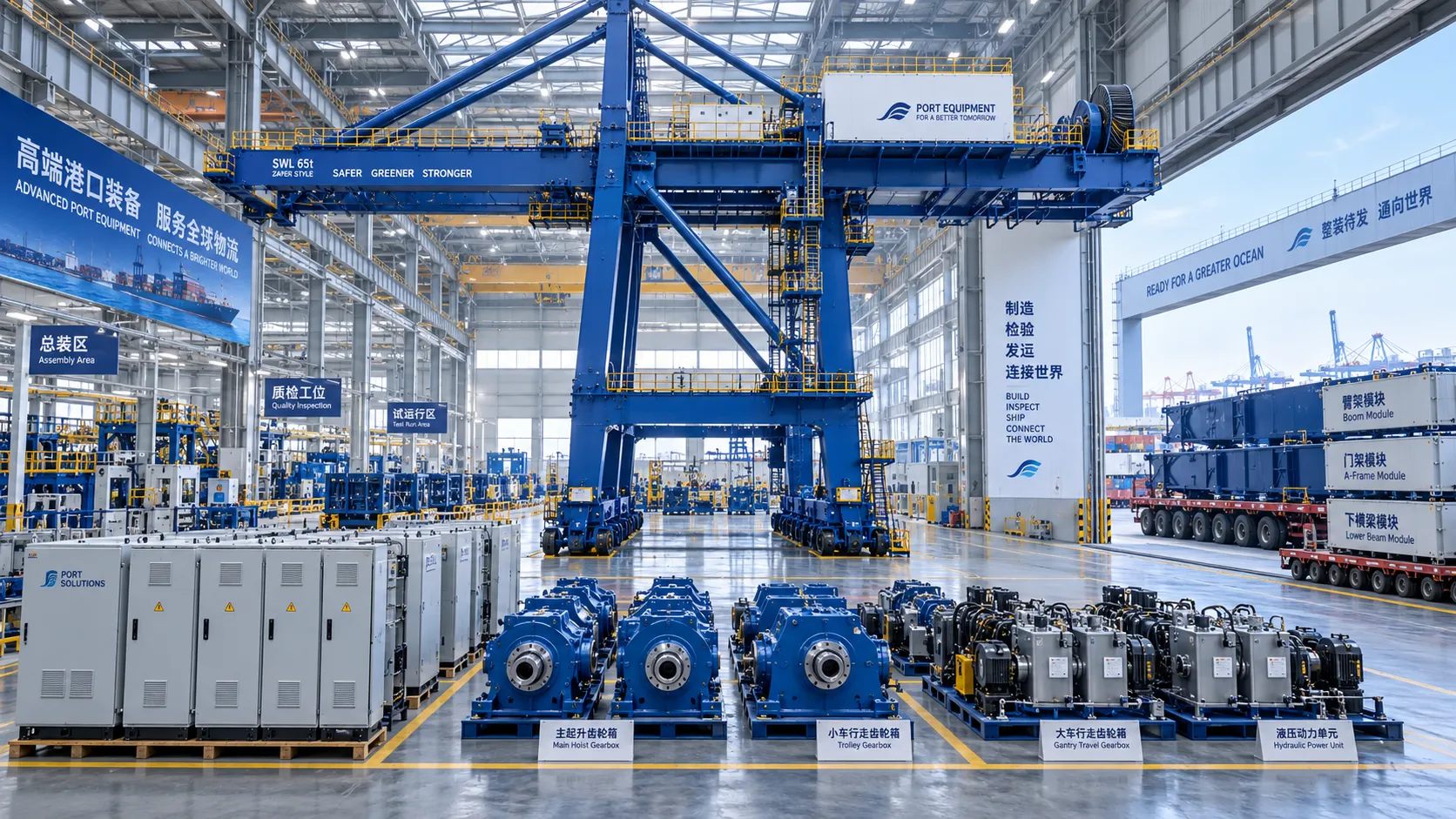
How Can Port Equipment Lead-Time Risk Be Managed?
How can port equipment lead-time risk be managed? Explore practical strategies to control critical paths, suppliers, transport, site readiness, and commissioning delays.
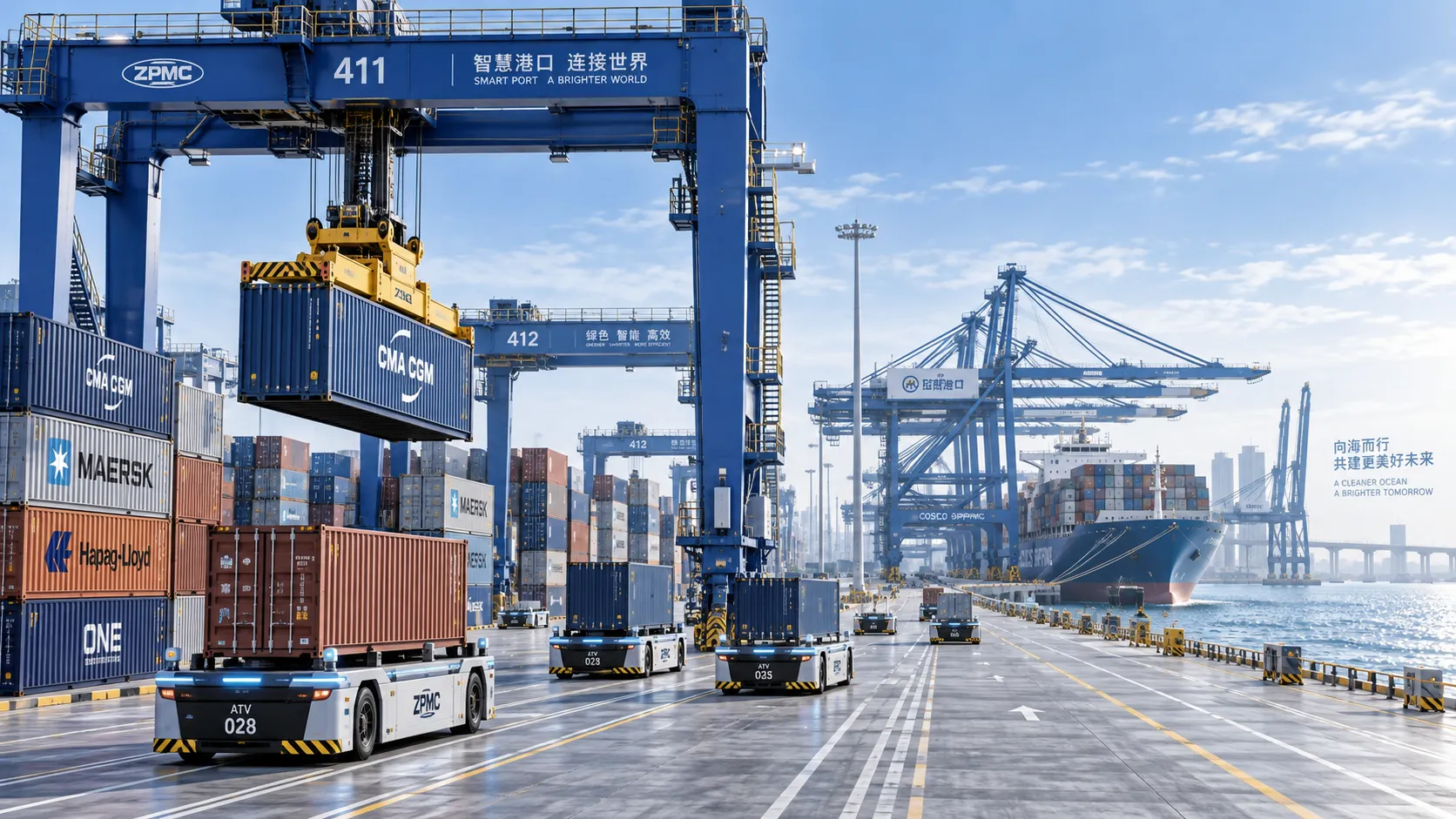
Terminal Automation Technologies That Raise Container Throughput Without Yard Disruption
Terminal automation technology that increases container throughput without disrupting yard flow. Explore smarter integration, resilient workflows, and phased deployment strategies.
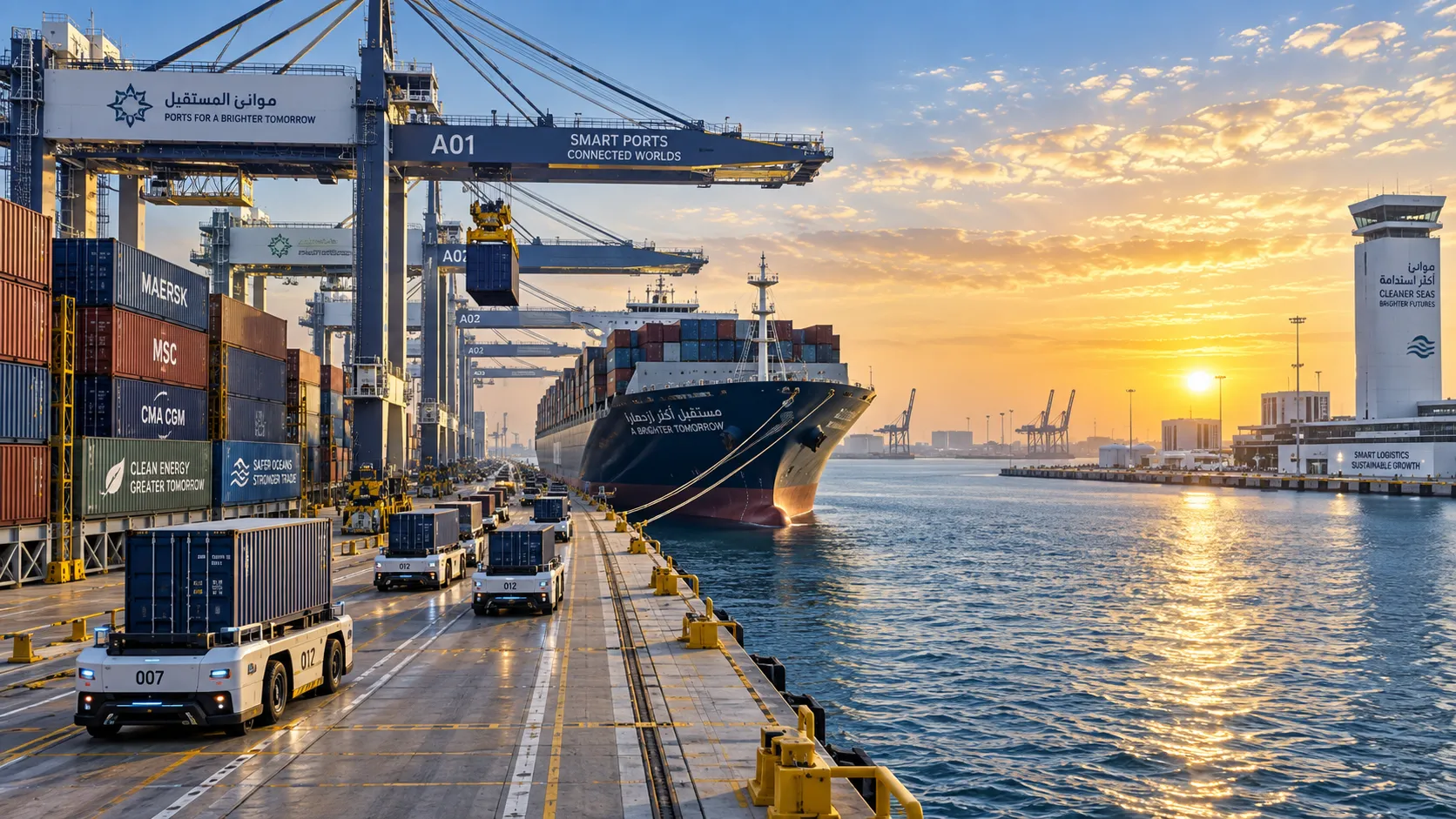
Middle East Port Automation: Key Market Drivers, Projects, and Investment Risks
Port automation systems Middle East: explore market drivers, flagship projects, integration challenges, and investment risks shaping smarter, resilient terminals.
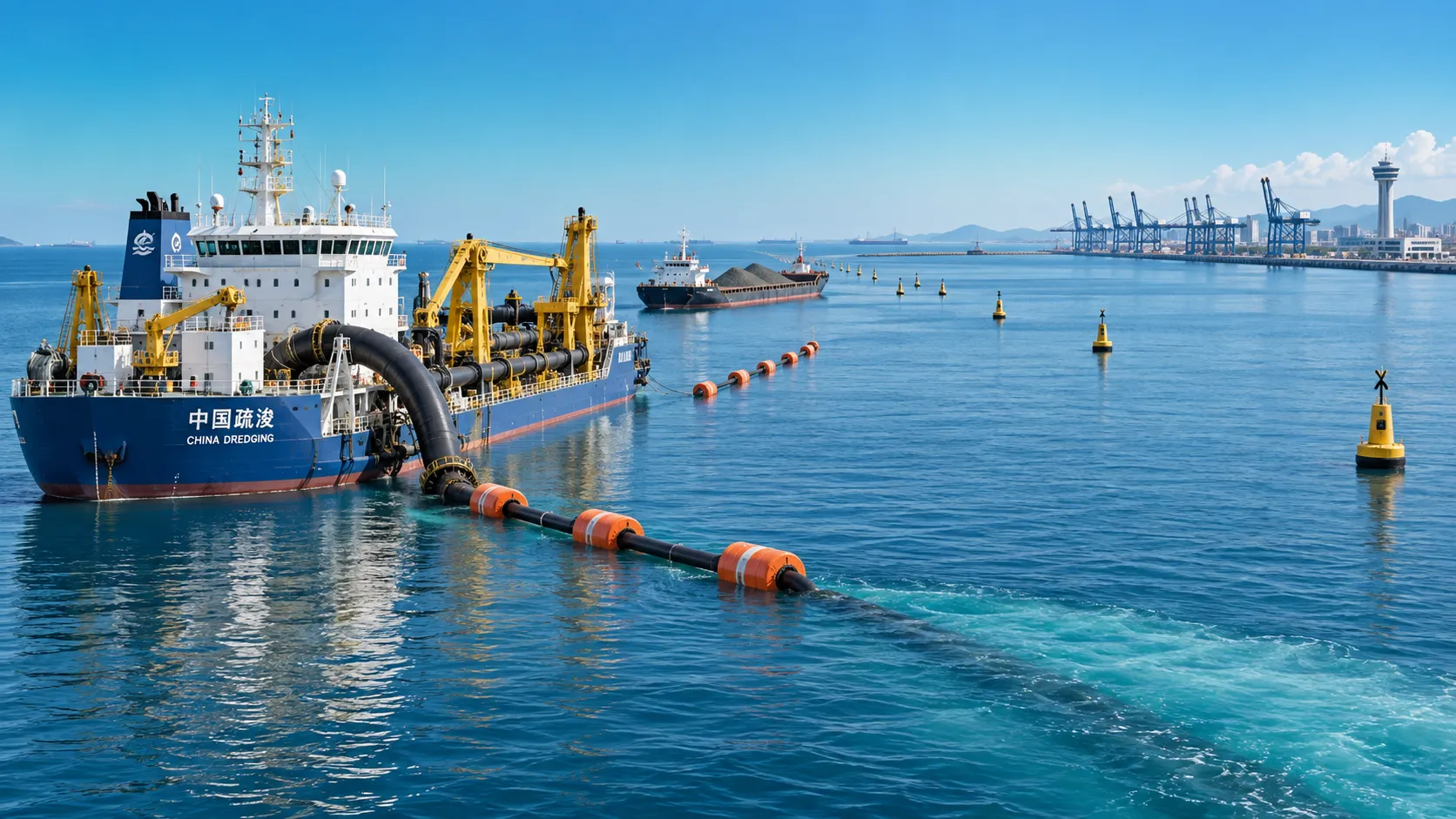
Planning Offshore Dredging Operations: Key Risks, Methods, and Project Controls
Offshore dredging operations demand smart planning. Explore key risks, proven methods, environmental controls, and project strategies for reliable delivery.