Related News
- 00
0000-00
How to Specify a Quay Crane for Container Terminals by Vessel Size and Throughput? - 00
0000-00
Which Bulk Handling Equipment Suits High-Moisture Cargo? - 00
0000-00
Terminal Automation Technologies That Raise Container Throughput Without Yard Disruption - 00
0000-00
Planning Offshore Dredging Operations: Key Risks, Methods, and Project Controls - 00
0000-00
Where Do Automated Guided Vehicles Deliver the Fastest Warehouse Gains in the Middle East?
Terminal Automation Systems Explained: Core Modules, Integration Points, and Limits
Terminal automation systems now shape the daily rhythm of modern ports, especially where container density, equipment speed, and vessel schedules leave little room for delay. In practical terms, these systems connect cranes, yard vehicles, gate processes, and data flows so that terminal work becomes more predictable, visible, and coordinated. For operations linked to global cargo networks, that makes the topic worth close attention.
The reason is not only efficiency. Terminal automation systems also influence safety margins, labor allocation, maintenance timing, energy use, and response speed when disruption hits. In a market observed closely by PS-Nexus, where heavy terminal gear, automated handling, and control intelligence increasingly converge, automation is less a single product than an operating framework with very clear strengths and very real limits.
What terminal automation systems really include
A common mistake is to treat automation as one software layer sitting above machines. In reality, terminal automation systems are built from several linked modules, each solving a different operational problem.
At the center is usually the terminal operating system, often called the TOS. It manages container moves, work orders, yard inventory, berth activity, and task sequencing across the site.
Around that core sit equipment control systems. These handle the detailed behavior of quay cranes, automated stacking cranes, shuttle carriers, AGVs, and other container transfer assets.
A third layer supports visibility. That includes positioning, sensor feeds, CCTV, OCR at gates, condition monitoring, and status dashboards for traffic, energy, and asset health.
Then comes decision logic. This covers dispatching, path planning, conflict avoidance, yard balancing, exception management, and rule-based responses when cargo priority changes.
The final layer is interface management. Terminal automation systems must exchange data with shipping lines, customs processes, ERP tools, maintenance platforms, and remote operations networks.
Why this modular view matters
When performance slips, the cause is often not “the automation system” as a whole. It may be poor data quality, weak sensor coverage, unstable wireless links, or conflicting rules between planning and execution layers.
That is why experienced operators look at terminal automation systems as an ecosystem. A strong module cannot compensate forever for a weak integration point.
Why ports are paying closer attention now
The current wave of interest comes from pressure on throughput, labor continuity, fuel and electricity costs, and tighter expectations around vessel turnaround. Larger ships compress more moves into narrower time windows.
At the same time, terminals must coordinate more specialized equipment across denser yards. Manual control alone becomes harder when stacking logic, traffic conflicts, and gate surges happen simultaneously.
PS-Nexus tracks this shift across port automation, container handling, and broader maritime logistics. The signal is consistent: terminal automation systems are becoming the control spine for terminals that want stable output under volatile trade conditions.
Another factor is the rise of low-latency communications and better machine intelligence. Remote crane control, AGV routing, and digital monitoring now support levels of coordination that were difficult to sustain a few years ago.
Core modules and what they affect on the ground
Each module in terminal automation systems influences a different part of terminal work. Understanding those links helps explain where value appears first.
This mix is especially relevant in terminals handling high crane intensity, complex yard zoning, or frequent vessel peaks. The value appears not only in speed, but in fewer avoidable decisions under pressure.
Where integration points decide success or failure
Most automation problems start at the handoff between systems. Data may exist, but arrive too late, in the wrong format, or without enough accuracy for machine decisions.
One critical point is the link between planning and execution. If the TOS sends tasks without real-time awareness of crane status or yard congestion, the terminal appears automated but behaves reactively.
Another weak point is communications reliability. AGVs, remote cranes, and field sensors depend on stable network coverage. Even brief latency spikes can distort timing and queue behavior.
Integration with maintenance systems also matters more than many expect. If terminal automation systems dispatch assets without accounting for equipment condition, uptime targets become harder to trust.
Gate interfaces, customs data, and external shipping instructions create another risk zone. Incomplete inbound data can trigger container mismatches, lane delays, and rehandling later in the yard.
Signals of healthy integration
- Task status updates appear in near real time across control screens.
- Equipment alarms link directly to dispatch and maintenance workflows.
- Yard inventory matches physical position with minimal exception handling.
- Gate data, vessel plans, and work queues remain synchronized during peaks.
- Manual overrides are possible without breaking the wider operating logic.
The practical limits operators should recognize
Terminal automation systems do not remove operational complexity. They reorganize it. That distinction matters because unrealistic expectations often create disappointment after deployment.
First, automation depends on rule quality. If yard rules are poorly designed, software will scale the mistake faster than manual workflows ever could.
Second, physical conditions still win. Wind, visibility, uneven container profiles, damaged equipment, and unusual cargo can reduce the effectiveness of automated routines.
Third, exception handling remains human-heavy. Irregular documentation, hazardous cargo checks, special loading sequences, and emergency recovery plans still need experienced judgment.
Fourth, integration debt accumulates. Older terminals often mix legacy machines, mixed vendors, and evolving software versions. That can limit how far terminal automation systems can standardize behavior.
Finally, there is an organizational limit. If procedures, training, and escalation paths do not evolve with the system, automation may increase confusion instead of reducing it.
How to evaluate real-world usefulness
A useful assessment starts with operating friction, not software features. The key question is where time, motion, or visibility is currently being lost.
For some sites, the biggest gain comes from yard planning and rehandle reduction. For others, it comes from truck turnaround, crane synchronization, or machine health visibility.
In practice, terminal automation systems should be judged through measurable links between control logic and site outcomes. That includes queue stability, move consistency, dispatch accuracy, energy usage, and recovery time after disruption.
This is also where intelligence-led observation becomes valuable. PS-Nexus follows not just equipment trends, but the surrounding logic architecture, communications behavior, and demand signals shaping terminal investment decisions.
A grounded way to move forward
The best next step is usually not a full automation ambition statement. It is a clear map of current bottlenecks, critical interfaces, and operational exceptions.
From there, compare terminal automation systems by module maturity, integration depth, network requirements, and recovery behavior under abnormal conditions. That often reveals more than headline throughput claims.
For any port operation tied to smarter cargo flow, lower emissions, and more resilient trade infrastructure, the issue is not whether automation matters. It is where it fits, what it connects, and which limits must be designed around from the start.
A disciplined review of modules, interfaces, and edge cases creates a better foundation for future decisions. It also makes terminal automation systems easier to judge on real operating value rather than on promises alone.
Related News
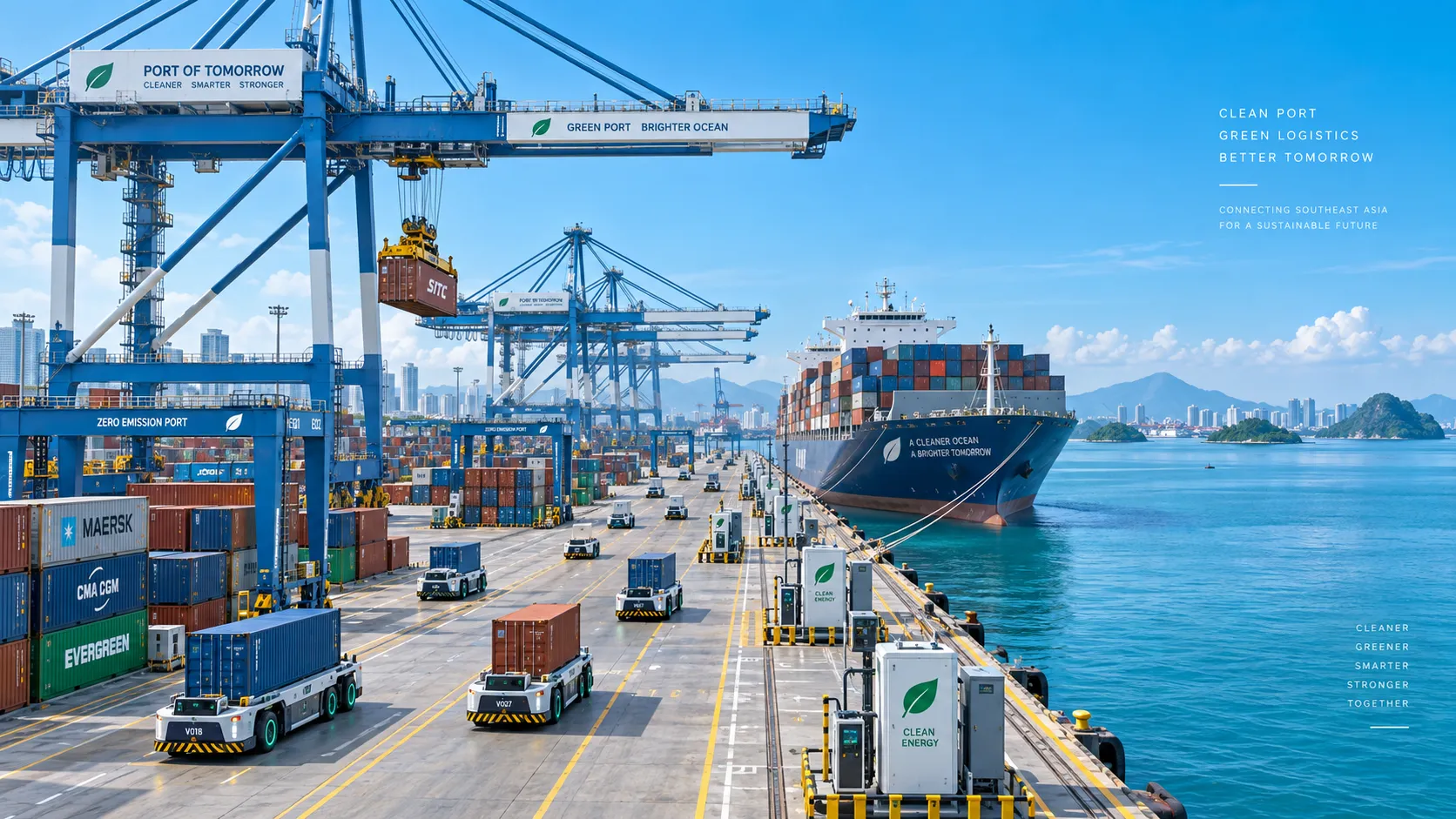
Smart Port Systems in Southeast Asia: Investment Priorities and Adoption Barriers
Smart port systems Southeast Asia: discover investment priorities, adoption barriers, and practical steps to build resilient, connected, high-performing terminals.
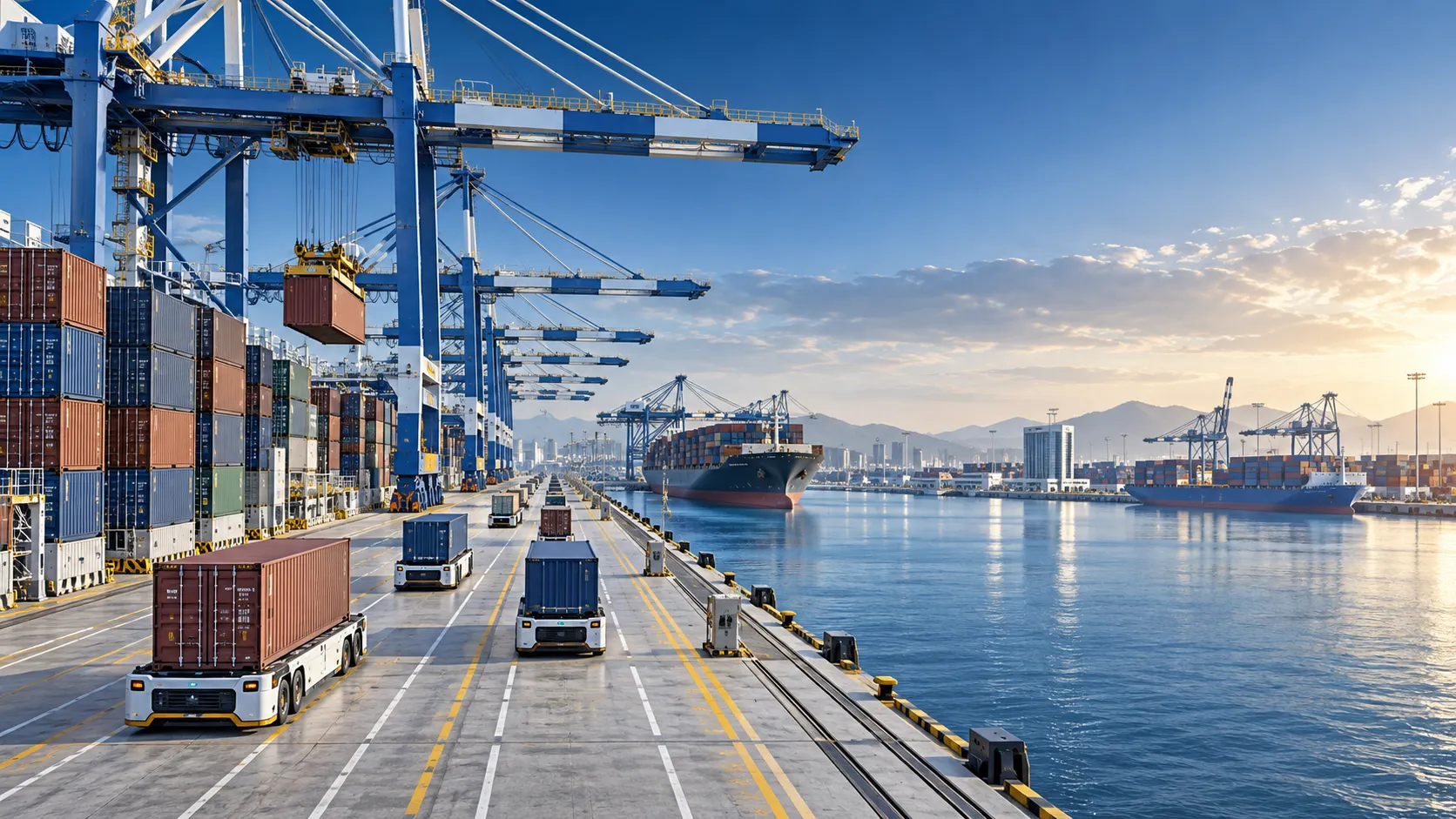
How to Evaluate Terminal Efficiency Solution Suppliers for High-Throughput Operations
Choose a terminal efficiency solutions supplier with confidence. Explore proven criteria for throughput, integration, lifecycle cost, safety, and reliable delivery.
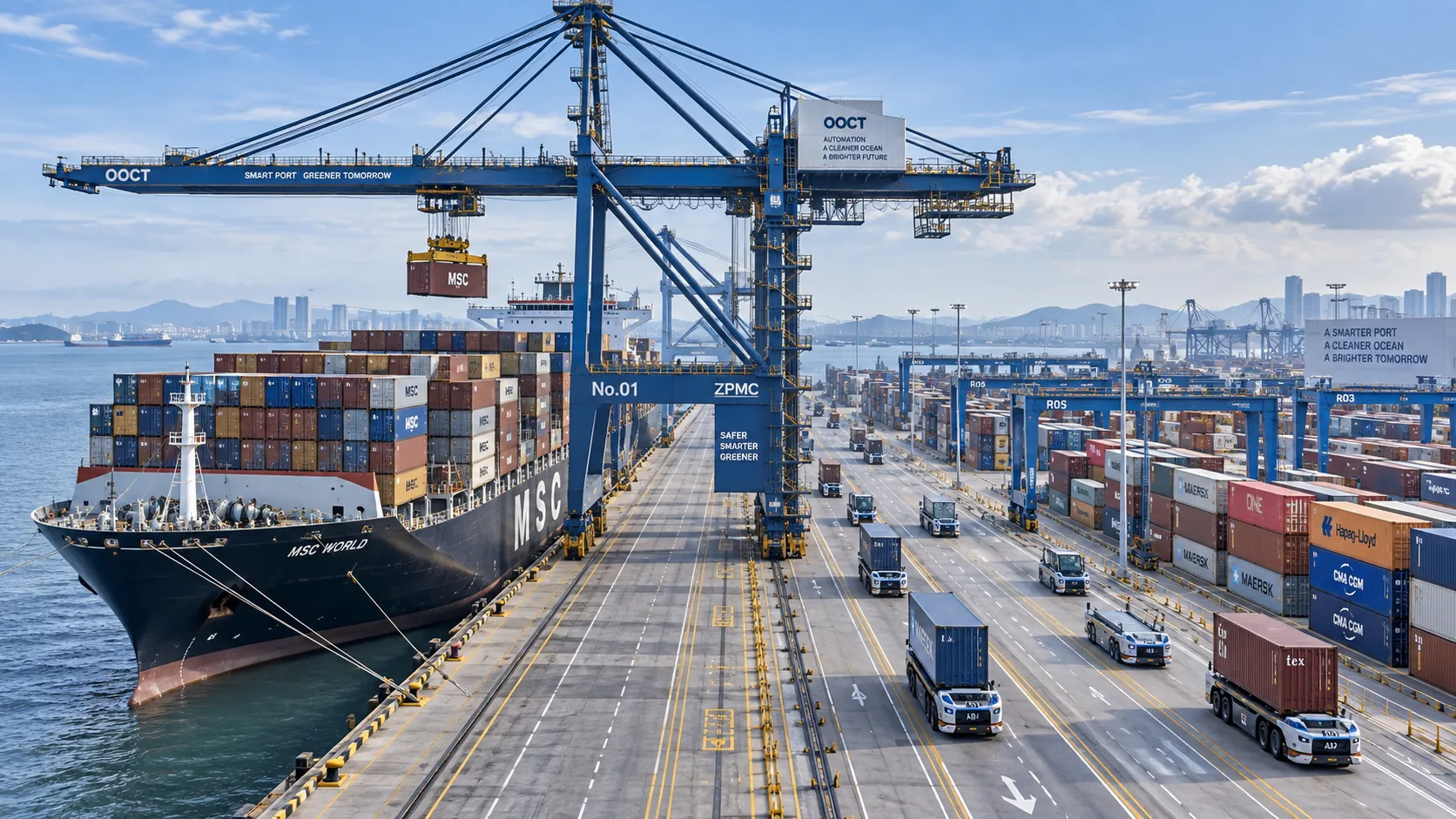
How to Specify a Quay Crane for Container Terminals by Vessel Size and Throughput?
Quay crane for container terminals: learn how to match outreach, lift height, capacity, automation, and cycle performance to vessel size and throughput goals.
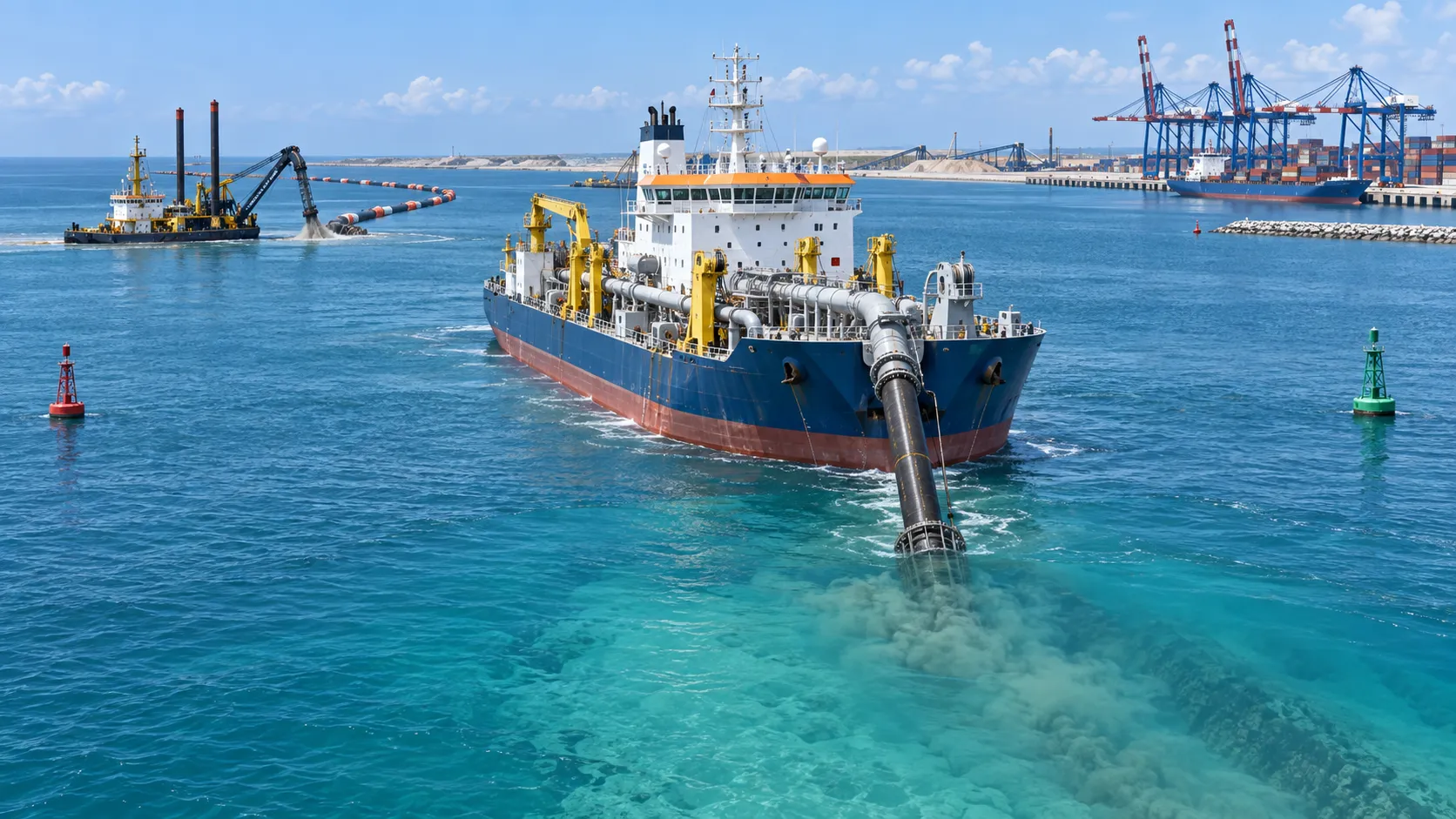
What Dredging Equipment Is Needed for Channel Deepening?
What dredging equipment is needed for channel deepening? Explore dredgers, pipelines, survey tools, and planning strategies for safer, more efficient port access.
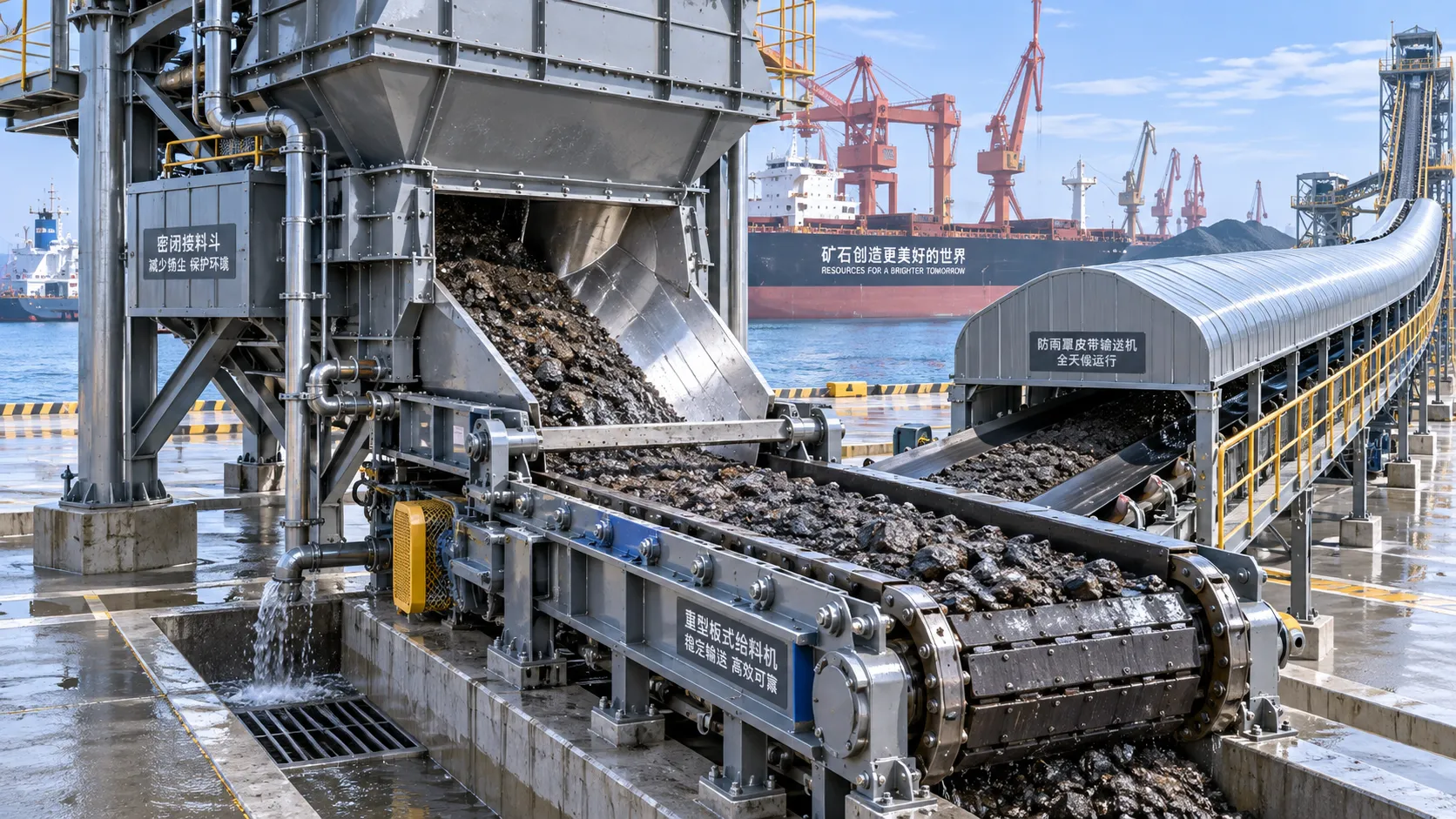
Which Bulk Handling Equipment Suits High-Moisture Cargo?
Which bulk handling equipment suits high-moisture cargo? Compare belt, apron, screw, drag, and slurry systems for reliable flow, less carryback, and higher terminal uptime.
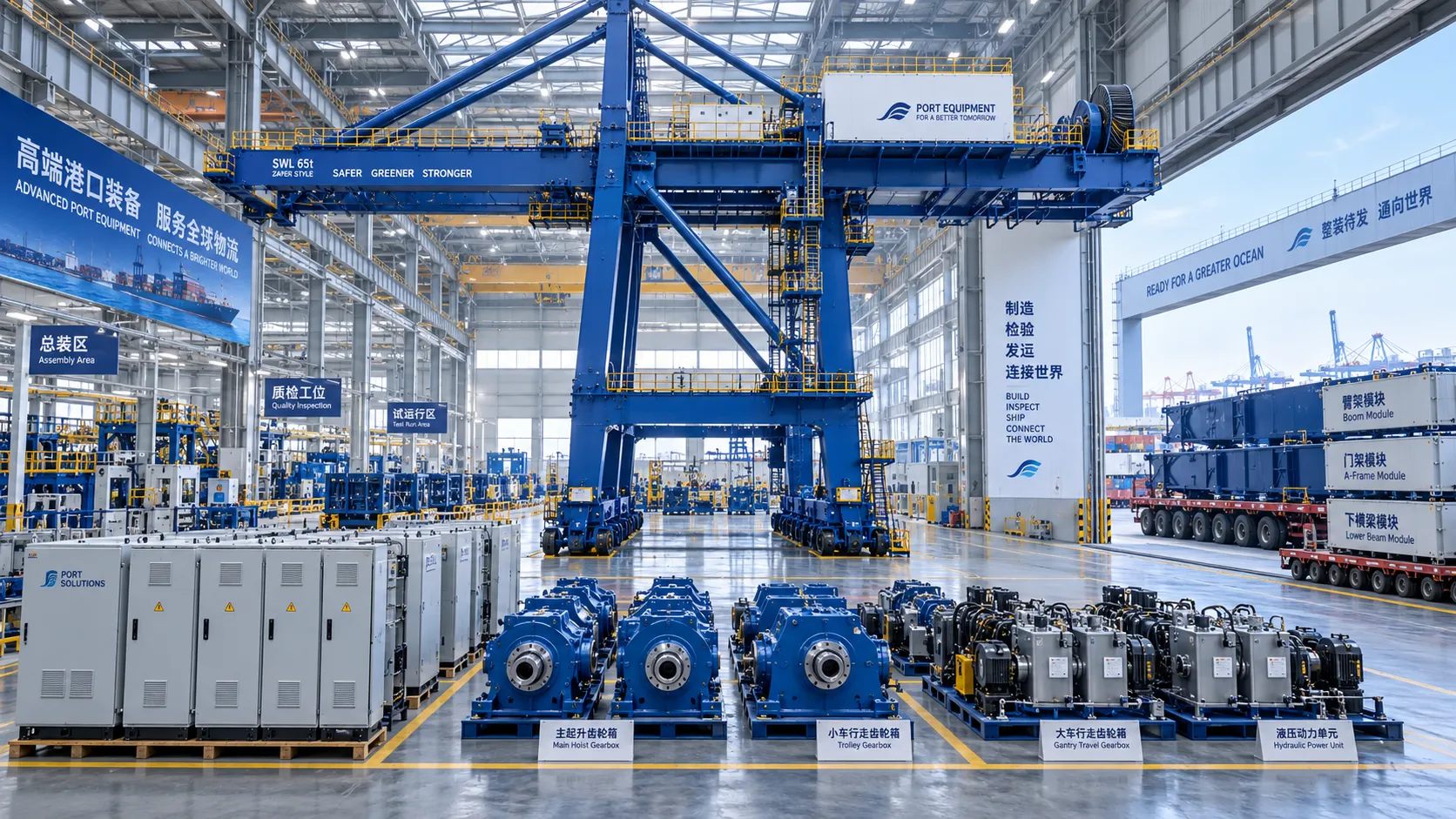
How Can Port Equipment Lead-Time Risk Be Managed?
How can port equipment lead-time risk be managed? Explore practical strategies to control critical paths, suppliers, transport, site readiness, and commissioning delays.
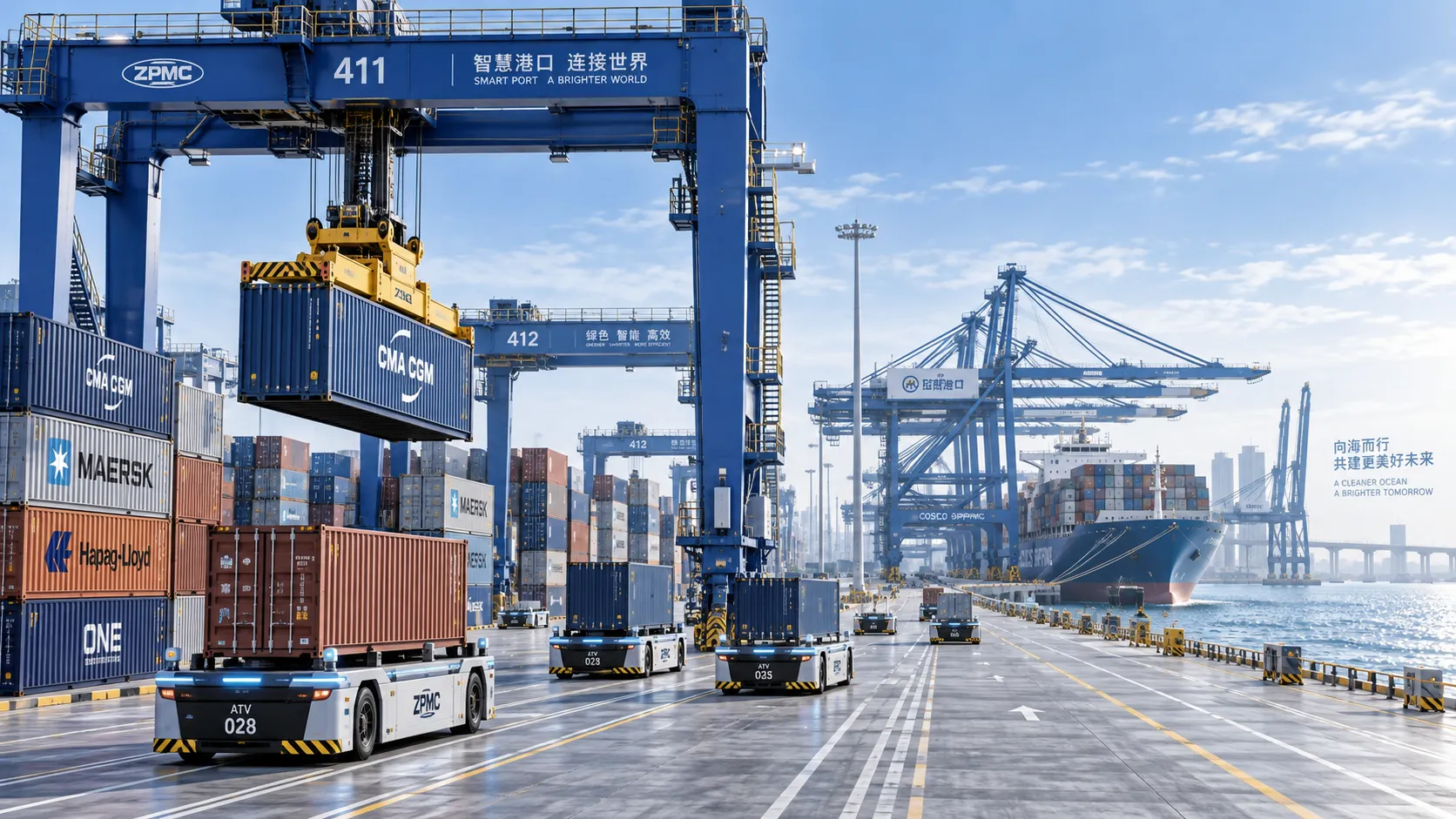
Terminal Automation Technologies That Raise Container Throughput Without Yard Disruption
Terminal automation technology that increases container throughput without disrupting yard flow. Explore smarter integration, resilient workflows, and phased deployment strategies.
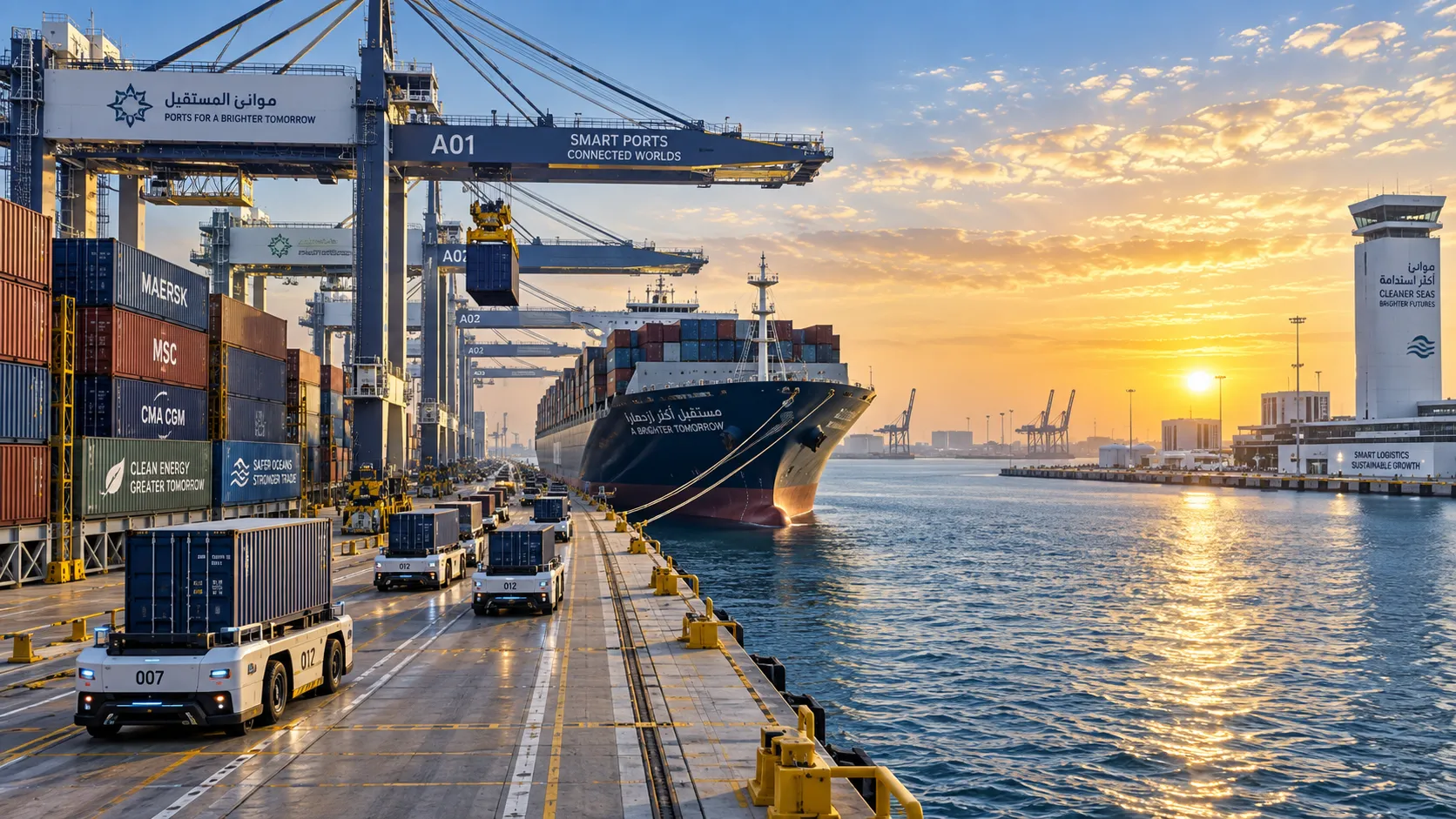
Middle East Port Automation: Key Market Drivers, Projects, and Investment Risks
Port automation systems Middle East: explore market drivers, flagship projects, integration challenges, and investment risks shaping smarter, resilient terminals.
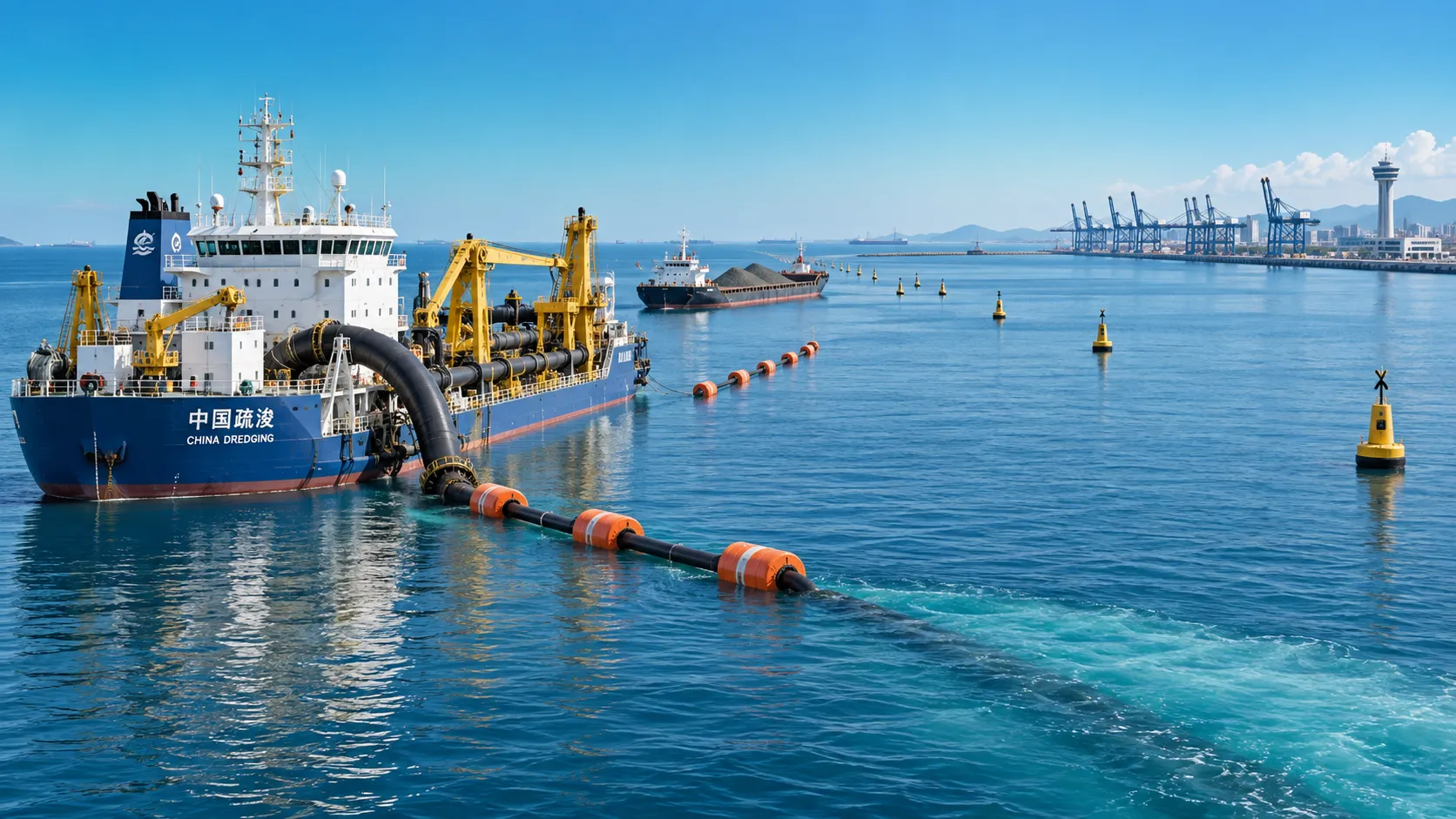
Planning Offshore Dredging Operations: Key Risks, Methods, and Project Controls
Offshore dredging operations demand smart planning. Explore key risks, proven methods, environmental controls, and project strategies for reliable delivery.