Related News
- 00
0000-00
How Can Port Equipment Lead-Time Risk Be Managed? - 00
0000-00
Maritime Logistics Operations: How Ports Can Reduce Container Dwell Time - 00
0000-00
What Does Logistics Node Monitoring Cost Across Warehouses and Transport Hubs? - 00
0000-00
How Can IoT Smart Port Solutions Improve Container Tracking and Yard Efficiency? - 00
0000-00
How Real-Time Port Logistics Intelligence Improves Container Yard Efficiency
How to Evaluate Port Logistics Solutions for Congestion, Dwell Time, and Throughput
How to Evaluate Port Logistics Solutions for Congestion, Dwell Time, and Throughput
Choosing the right port logistics solutions can determine whether a terminal reduces congestion, shortens dwell time, and lifts throughput.
It can also decide whether expansion budgets deliver real flow gains or simply add more assets into the same bottlenecks.
In practice, evaluation should not start with equipment catalogs alone.
It should start with cargo flow logic, operating constraints, digital visibility, and the terminal’s future automation path.
Start with the Right Performance Baseline
The first step in evaluating port logistics solutions is defining the current baseline with hard operating data.
Without that baseline, every proposal sounds efficient, but few can prove measurable impact.
Focus on the three decision metrics in the title: congestion, dwell time, and throughput.
Then connect them to sub-metrics that expose where delay actually happens.
- Berth waiting time and berth productivity
- Yard occupancy by block, row, and container type
- Truck turnaround time and gate processing speed
- Average and peak container dwell time
- Moves per hour for quay cranes, yard cranes, and AGVs
- Exception rates such as rehandles, mis-stows, and equipment idle time
A strong review of port logistics solutions looks at averages and peaks separately.
Many terminals look stable on monthly averages, yet struggle badly during vessel bunching or inland pickup surges.
Map Congestion to Its Real Source
Congestion is often treated as one problem, but it usually comes from several linked failures.
That is why port logistics solutions must be judged by where they remove friction, not where they look modern.
A terminal may suffer from berth congestion, yard congestion, gate congestion, or poor handoff between them.
Each case needs a different mix of machinery, software, and workflow redesign.
Questions that expose the bottleneck
- Is quay crane productivity limited by crane cycles or by slow horizontal transport?
- Is yard congestion caused by storage density, poor slotting, or excessive rehandles?
- Do trucks queue because of gate systems, documentation delays, or yard dispatch latency?
- Are empty and laden containers competing for the same constrained space?
The best port logistics solutions make these links visible through operational data, event tracking, and predictive alerts.
If a vendor cannot clearly show cause and effect, the solution may only shift congestion downstream.
Evaluate Dwell Time Beyond Storage Duration
Dwell time is more than a clock on the container.
It reflects customs coordination, yard planning quality, truck appointment discipline, and the speed of exception handling.
When reviewing port logistics solutions, ask whether the system reduces passive waiting or simply records it better.
That distinction matters because reporting tools alone do not move cargo.
What effective dwell-time control should include
- Dynamic yard slotting based on vessel discharge sequence and pickup probability
- Container prioritization rules for aging, transshipment, reefer, and special cargo
- Truck appointment integration with real yard capacity
- Automated exception workflows for holds, missing documents, and inspections
- Shared visibility across terminal operations, carriers, forwarders, and inland partners
This is where advanced port logistics solutions create practical value.
They reduce unnecessary touches, shorten search time, and improve pickup sequencing before congestion compounds.
Measure Throughput as a System Outcome
Throughput should never be judged by one machine in isolation.
A faster quay crane does not help much if the yard cannot absorb the flow.
Likewise, an automated yard may underperform if gate release and truck dispatch remain manual.
For that reason, compare port logistics solutions at system level.
High-value port logistics solutions increase throughput by balancing the chain, not by accelerating only one link.
Test Automation Readiness and Integration Depth
Automation is now central to many port upgrade decisions.
Still, not every terminal needs full automation at once.
The smarter path is to evaluate whether port logistics solutions support phased automation without locking operations into rigid architecture.
This matters even more when combining legacy equipment with new digital controls.
Key integration checkpoints
- Compatibility with the existing TOS, ERP, gate, and maintenance systems
- Low-latency communication for remote cranes and automated transport
- Control logic for mixed fleets, including manual and automated assets
- Cybersecurity, redundancy, and safe fall-back operating modes
- Scalability for future yard expansion or additional cargo categories
PS-Nexus closely tracks how port automation, control systems, and terminal equipment interact under real trade pressure.
That view is useful because integration failure often erodes the value of otherwise strong port logistics solutions.
Compare Vendors on Operational Proof, Not Promises
Vendor evaluation should be evidence-led.
Brochures may describe smart port logistics solutions, but real selection depends on proof in similar terminal conditions.
Ask for operating references with comparable vessel mix, yard layout, labor model, and digital maturity.
Then test assumptions through scenario modeling.
- Model peak-week discharge volumes, not only average weeks.
- Stress-test truck arrivals against gate and yard release capacity.
- Simulate equipment outage, labor shortage, and weather disruption cases.
- Validate whether KPIs still hold during transshipment surges.
The most credible port logistics solutions come with transparent assumptions, recovery logic, and implementation boundaries.
That makes decision risk easier to manage before capital is committed.
Build the Business Case Around Total Flow Value
Cost matters, but unit price is a weak selection filter.
The better question is how port logistics solutions improve total flow value over time.
That includes measurable gains and avoided losses.
- Lower vessel waiting and berth conflict costs
- Reduced detention, demurrage, and storage pressure
- Higher asset utilization across cranes, yard gear, and trucks
- Better service reliability for carriers and cargo owners
- Lower emissions through fewer idle cycles and smoother moves
This wider view aligns with the industry shift toward smarter, cleaner, and more resilient terminals.
It also matches the PS-Nexus perspective that mechanical power and algorithmic control must work as one operating system.
A Practical Selection Framework
A useful final screen for port logistics solutions is simple.
Can the solution identify the real bottleneck, improve flow across interfaces, and scale with future operational complexity?
If the answer is uncertain, the risk is not just slower returns.
The bigger risk is locking the port into a model that cannot adapt.
A practical decision path usually follows five steps.
- Define the current bottleneck with verified operating data.
- Match the bottleneck to targeted port logistics solutions.
- Test performance under peak and disrupted scenarios.
- Check integration depth, automation path, and recovery logic.
- Approve the option with the best total flow impact.
That approach keeps evaluation grounded in operations, not slogans.
In a market shaped by larger vessels, tighter schedules, and higher data demands, the best port logistics solutions are the ones that turn complexity into controlled, visible, and scalable flow.
Related News
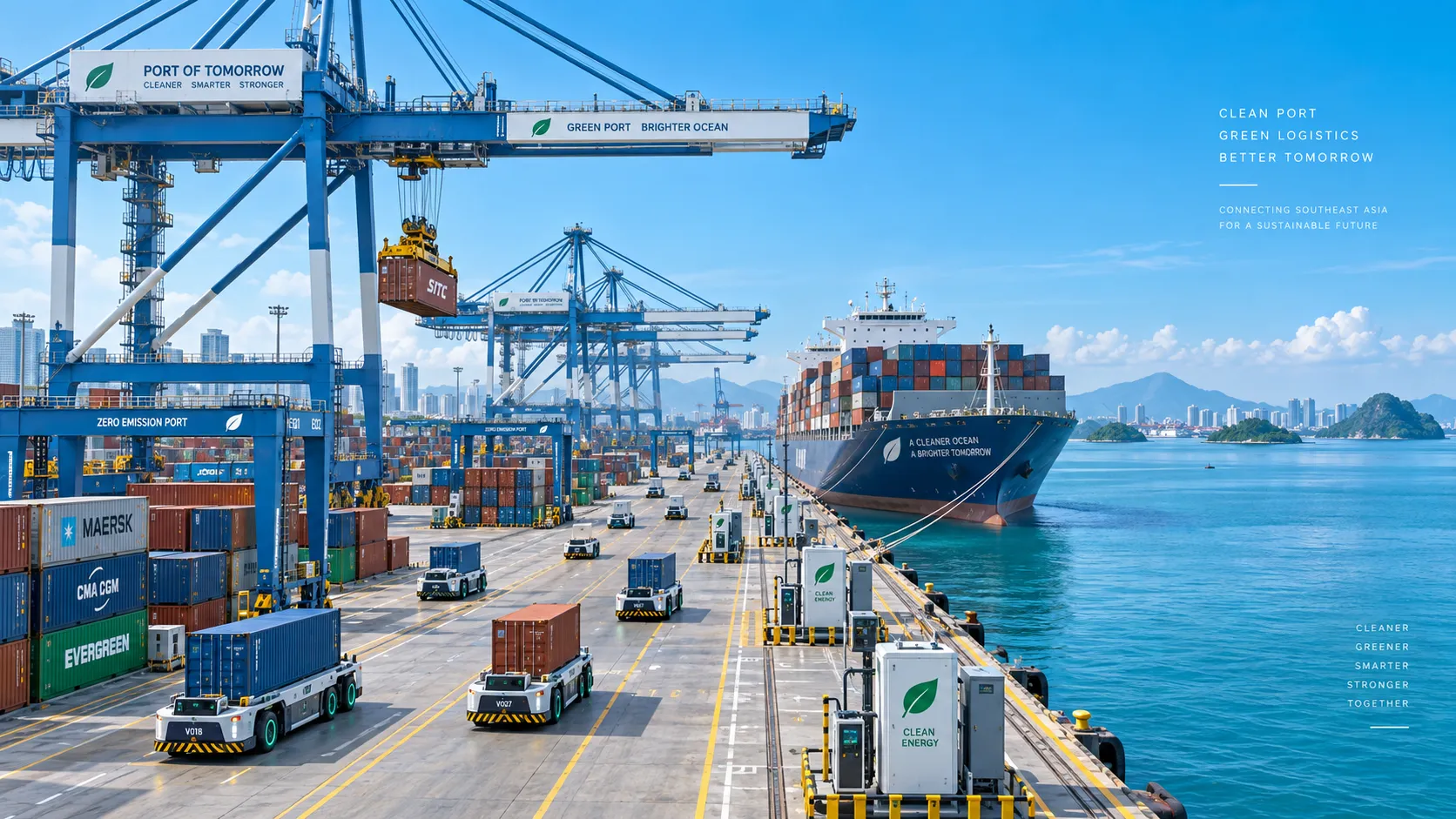
Smart Port Systems in Southeast Asia: Investment Priorities and Adoption Barriers
Smart port systems Southeast Asia: discover investment priorities, adoption barriers, and practical steps to build resilient, connected, high-performing terminals.
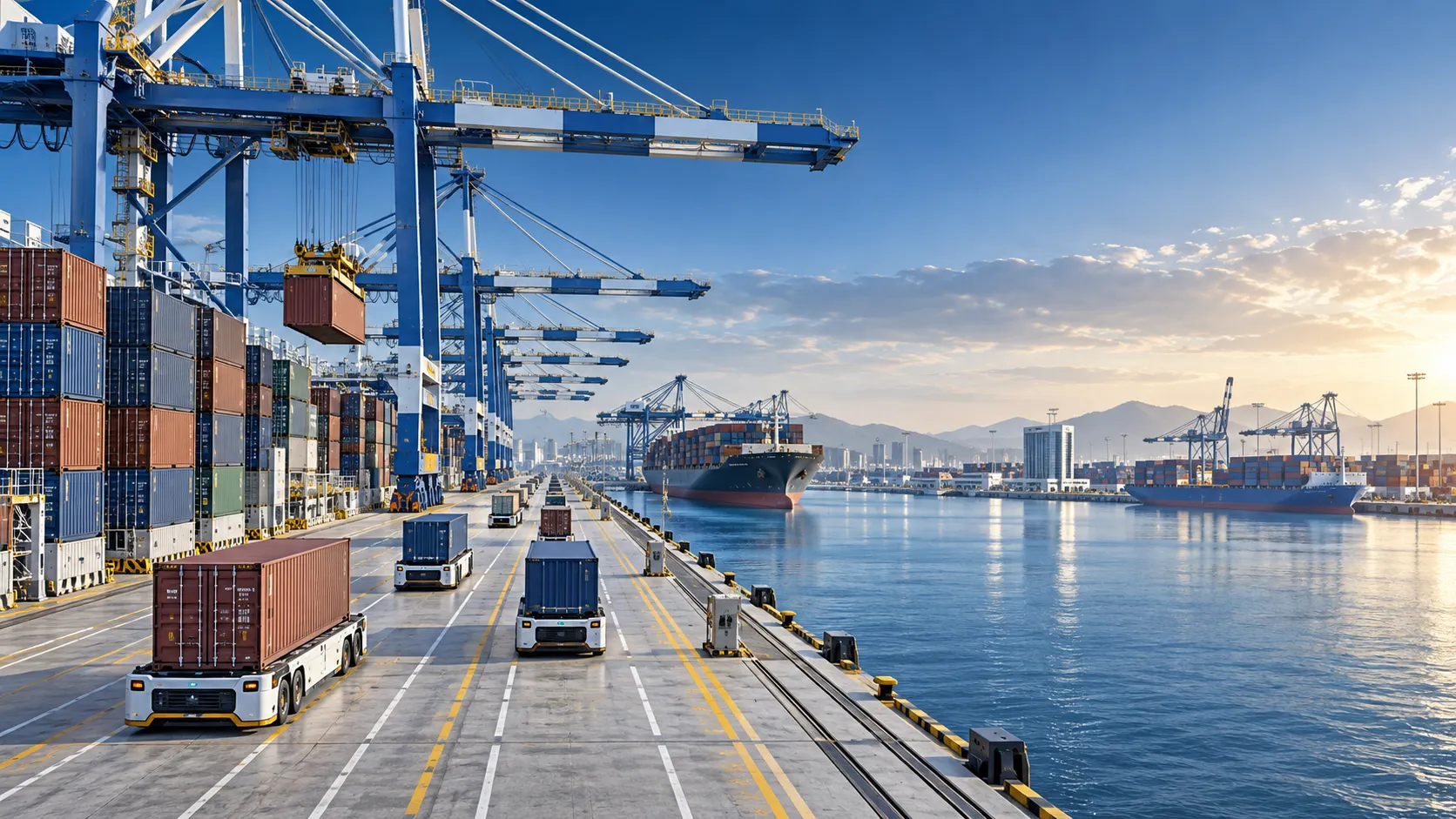
How to Evaluate Terminal Efficiency Solution Suppliers for High-Throughput Operations
Choose a terminal efficiency solutions supplier with confidence. Explore proven criteria for throughput, integration, lifecycle cost, safety, and reliable delivery.
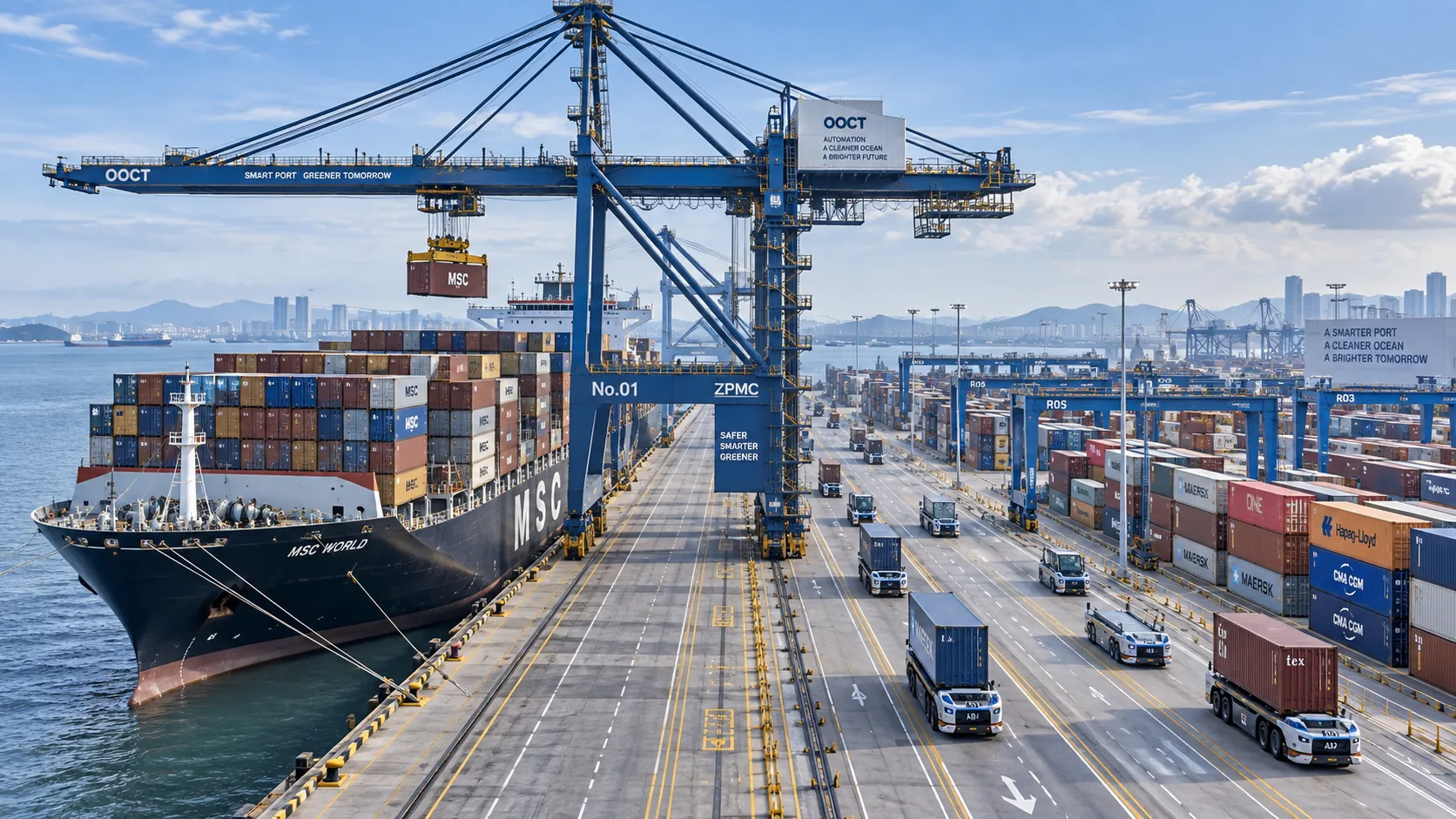
How to Specify a Quay Crane for Container Terminals by Vessel Size and Throughput?
Quay crane for container terminals: learn how to match outreach, lift height, capacity, automation, and cycle performance to vessel size and throughput goals.
What Dredging Equipment Is Needed for Channel Deepening?
What dredging equipment is needed for channel deepening? Explore dredgers, pipelines, survey tools, and planning strategies for safer, more efficient port access.
Which Bulk Handling Equipment Suits High-Moisture Cargo?
Which bulk handling equipment suits high-moisture cargo? Compare belt, apron, screw, drag, and slurry systems for reliable flow, less carryback, and higher terminal uptime.
How Can Port Equipment Lead-Time Risk Be Managed?
How can port equipment lead-time risk be managed? Explore practical strategies to control critical paths, suppliers, transport, site readiness, and commissioning delays.
Terminal Automation Technologies That Raise Container Throughput Without Yard Disruption
Terminal automation technology that increases container throughput without disrupting yard flow. Explore smarter integration, resilient workflows, and phased deployment strategies.
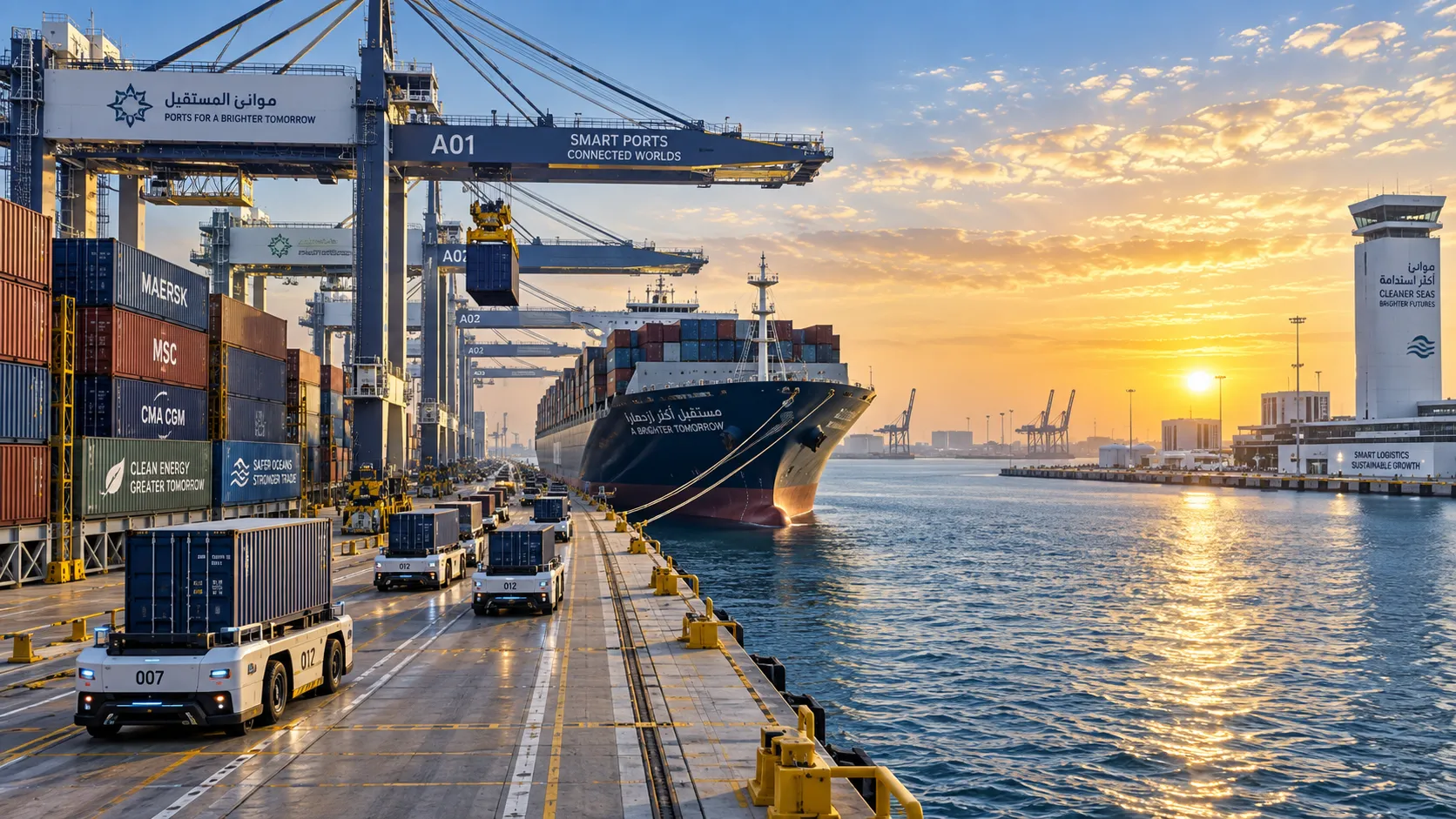
Middle East Port Automation: Key Market Drivers, Projects, and Investment Risks
Port automation systems Middle East: explore market drivers, flagship projects, integration challenges, and investment risks shaping smarter, resilient terminals.
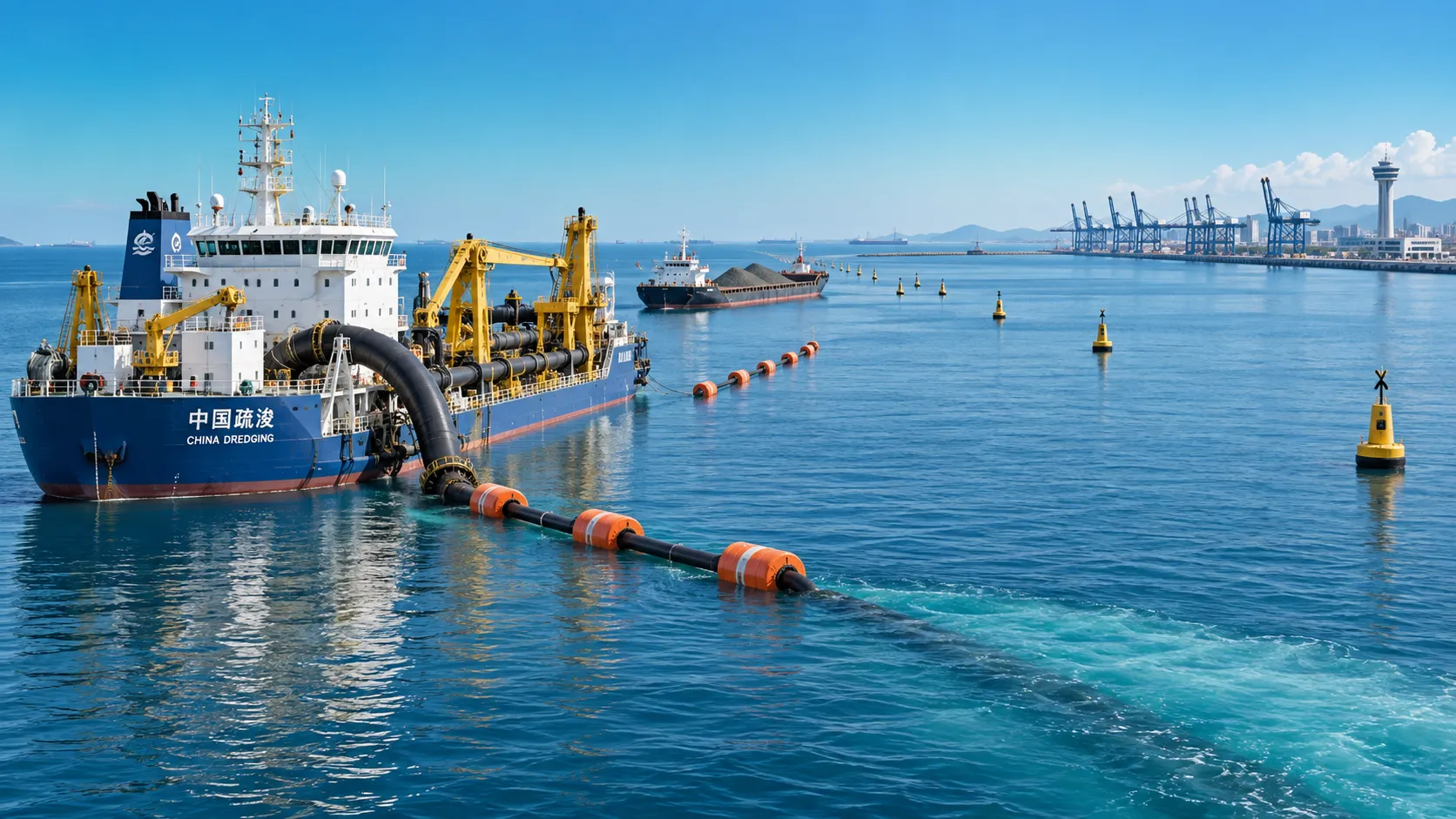
Planning Offshore Dredging Operations: Key Risks, Methods, and Project Controls
Offshore dredging operations demand smart planning. Explore key risks, proven methods, environmental controls, and project strategies for reliable delivery.