Related News
- 00
0000-00
How Can Port Equipment Lead-Time Risk Be Managed? - 00
0000-00
Maritime Logistics Operations: How Ports Can Reduce Container Dwell Time - 00
0000-00
What Does Logistics Node Monitoring Cost Across Warehouses and Transport Hubs? - 00
0000-00
How Can IoT Smart Port Solutions Improve Container Tracking and Yard Efficiency? - 00
0000-00
How Real-Time Port Logistics Intelligence Improves Container Yard Efficiency
How Global Supply Chains Are Reshaping Port Equipment Sourcing and Lead Times
Global supply chains are no longer a stable backdrop for port investment. They now shape where equipment comes from, how long projects wait, and whether terminal upgrades stay on budget. In heavy port machinery, that shift is especially visible because cranes, yard systems, bulk handlers, control platforms, and dredging assets depend on cross-border engineering, specialized components, and long production sequences. What once looked like a procurement task has become a strategic decision tied to trade flows, resilience, and automation timing.
Why sourcing pressure has intensified
Port equipment sits at the intersection of steel, power electronics, software, hydraulics, and marine construction. Each layer has its own supplier map, certification cycle, and logistics bottleneck.
That complexity matters more today because global supply chains have become more fragmented. Trade realignment, geopolitical screening, freight volatility, and capacity constraints are stretching procurement windows across multiple equipment categories.
Lead time inflation is not caused by one delayed shipment alone. It usually builds across design review, component allocation, fabrication slots, transport planning, commissioning support, and digital integration.
For ports and logistics investors, the result is straightforward: the equipment decision now carries schedule risk far earlier than before.
What is changing inside global supply chains
Several structural shifts are reshaping sourcing conditions for terminal assets.
- Supplier concentration leaves certain crane systems, automation modules, and marine components exposed to a limited number of qualified producers.
- Regionalization is pushing buyers to balance cost with political alignment, after-sales access, and local compliance.
- Electrification and automation increase dependence on semiconductors, sensors, drives, network hardware, and control software.
- Shipping route disruption can alter inbound timing for oversized structures and high-value subassemblies.
- Net-zero targets are changing equipment specifications, which can reopen design decisions and extend approval cycles.
In other words, global supply chains are affecting not only delivery dates, but also supplier selection logic and the technical scope of the purchase itself.
The categories most exposed to longer lead times
Not every port asset faces the same sourcing profile. Exposure varies by engineering depth, transport difficulty, and system integration demands.
This is why a port expansion plan can remain financially approved while still slipping operationally. The missing variable is often not funding, but synchronized availability across the full supply chain stack.
Why this matters beyond procurement
Longer lead times affect much more than delivery calendars. They influence berth utilization assumptions, contractor mobilization, financing windows, and customer service commitments.
If a crane arrives late, a civil package may sit idle. If an automation layer is delayed, manual fallback may continue longer than planned. If dredging support arrives out of sequence, channel readiness can hold back terminal activation.
That is why global supply chains are now a board-level issue in port infrastructure. The risk is no longer limited to buying at the wrong price. It includes entering service later than the market window allows.
A more realistic view of sourcing strategy
In practice, the best sourcing approach is rarely the cheapest single-origin option. It is the option that protects throughput, maintainability, and commissioning certainty over the project lifecycle.
This is where market intelligence becomes useful. A platform such as PS-Nexus adds value not by pushing a product pitch, but by linking equipment trends with trade routes, logistics node changes, automation evolution, and engineering dependencies.
That perspective is especially relevant in five areas: mega terminal gear, bulk handling machinery, specialized container handling, port automation systems, and dredging engineering equipment.
Seen together, these categories reveal how global supply chains influence both physical machinery and the digital control layer that increasingly determines terminal performance.
The hidden role of software and controls
Lead time discussions often focus on steel structures and transport. Yet delays also come from remote-control architecture, AGV path-planning logic, communications hardware, and testing environments.
A terminal can receive hardware on time and still miss launch dates if the control ecosystem is not fully integrated. In automated environments, software readiness is part of sourcing readiness.
How to evaluate suppliers under current conditions
A stronger evaluation framework usually starts with questions that go beyond quoted lead time.
- How dependent is the supplier on a narrow group of upstream component makers?
- Can the supplier support local commissioning, training, and maintenance without cross-border delay?
- Are spare parts standardized, or tied to proprietary modules with long replenishment cycles?
- How mature is the integration path with existing TOS, yard logic, and remote operations systems?
- What happens if trade policy or shipping disruption affects one source country?
These questions help distinguish a supplier with headline capacity from one with true execution resilience.
Common scenarios where delays become strategic
Three situations deserve closer attention.
Terminal automation upgrades
Retrofits often depend on old and new systems working together. If digital interfaces are underestimated, the schedule risk can exceed the hardware delay risk.
Greenfield port expansion
Large new facilities require civil works, power systems, yard design, cranes, and control platforms to align. A delay in one imported subsystem can disrupt the entire startup sequence.
Dredging-linked capacity projects
When berth deepening and equipment installation are interdependent, marine engineering timelines directly affect equipment utilization plans and revenue assumptions.
What to do next with this market reality
The practical response is not to wait for global supply chains to return to an older pattern. That is unlikely to happen in a simple way.
A better path is to rebuild sourcing decisions around visibility, modularity, and scenario planning. That means mapping critical components earlier, testing alternative supplier paths, and separating essential specifications from optional complexity.
It also means using intelligence sources that connect freight signals, equipment evolution, and terminal operations rather than viewing them as separate issues. That is where a maritime intelligence lens becomes more useful than a narrow purchasing lens.
For any upcoming port equipment program, the next smart step is to review sourcing assumptions alongside commissioning milestones, automation dependencies, and service support geography. In the current market, lead times are no longer a footnote to the contract. They are part of the operating strategy.
Related News
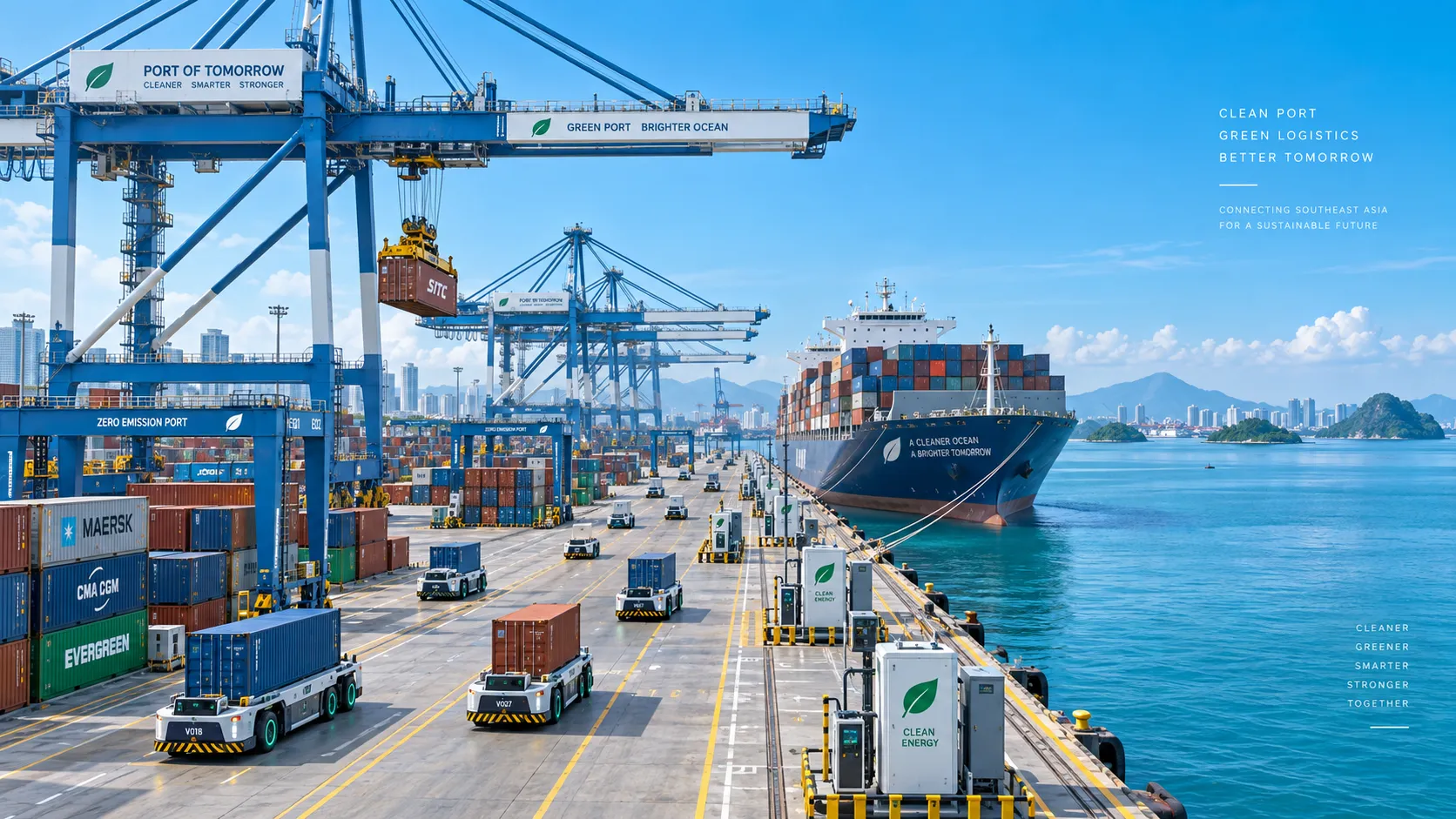
Smart Port Systems in Southeast Asia: Investment Priorities and Adoption Barriers
Smart port systems Southeast Asia: discover investment priorities, adoption barriers, and practical steps to build resilient, connected, high-performing terminals.
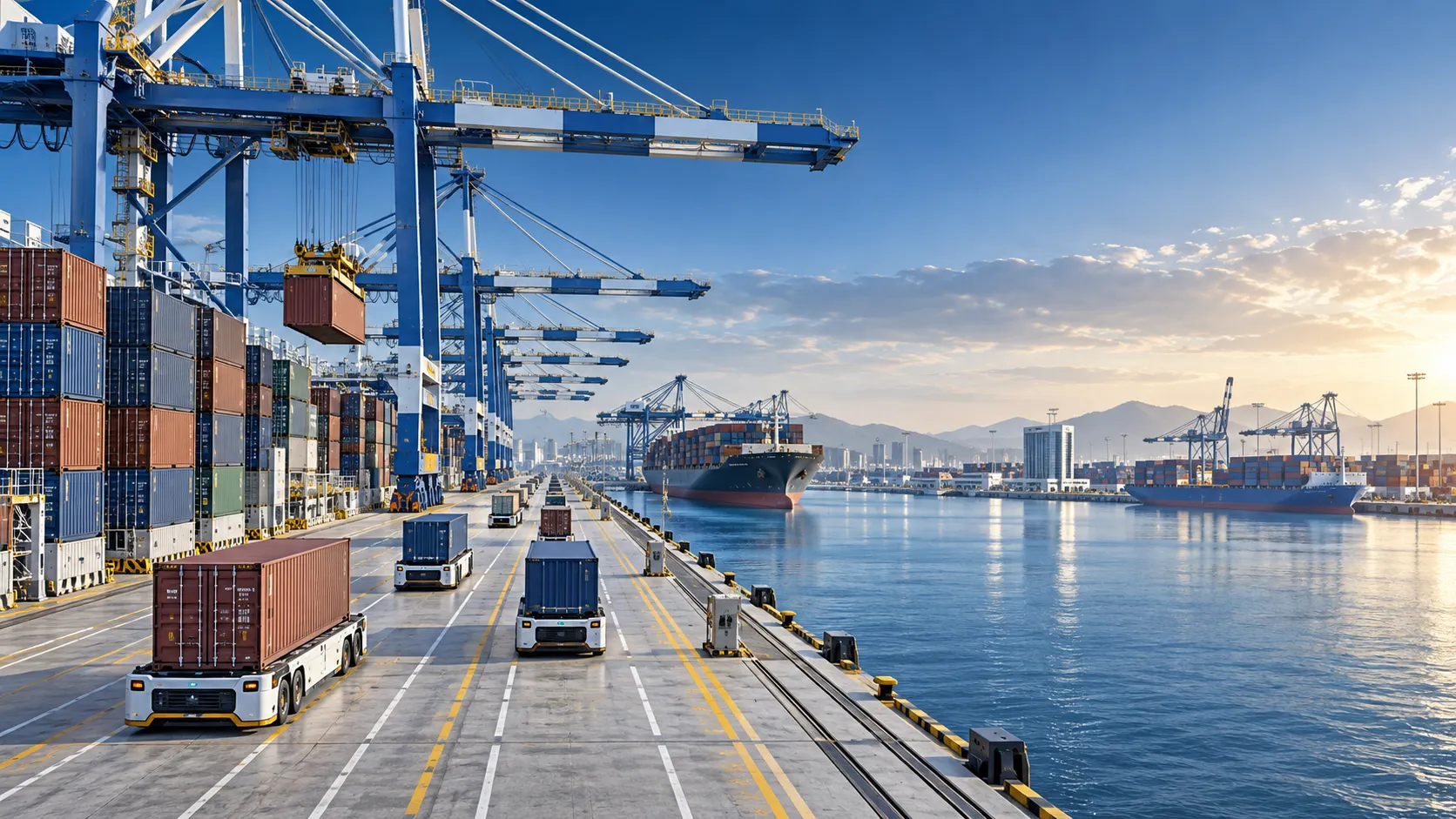
How to Evaluate Terminal Efficiency Solution Suppliers for High-Throughput Operations
Choose a terminal efficiency solutions supplier with confidence. Explore proven criteria for throughput, integration, lifecycle cost, safety, and reliable delivery.
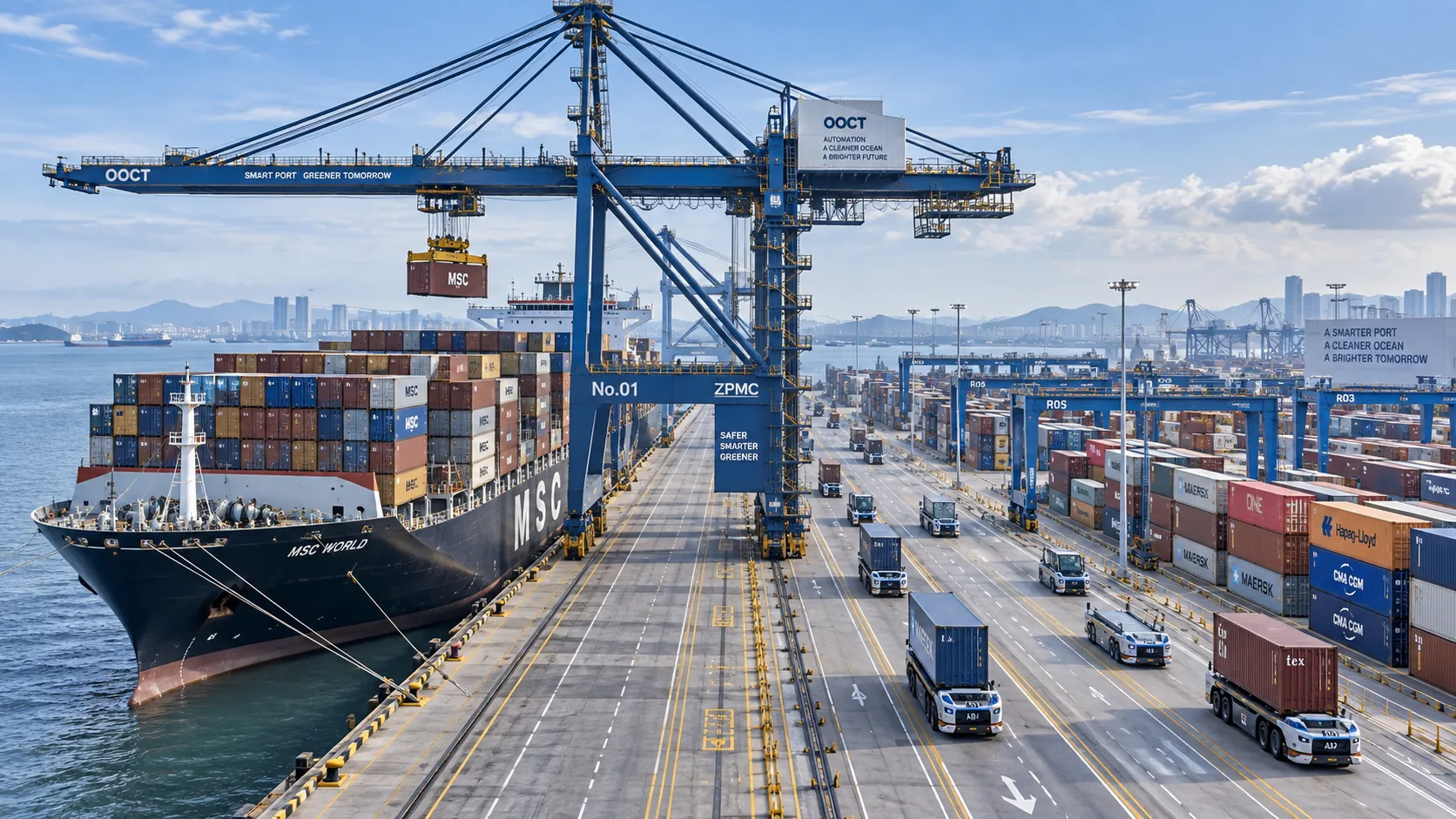
How to Specify a Quay Crane for Container Terminals by Vessel Size and Throughput?
Quay crane for container terminals: learn how to match outreach, lift height, capacity, automation, and cycle performance to vessel size and throughput goals.
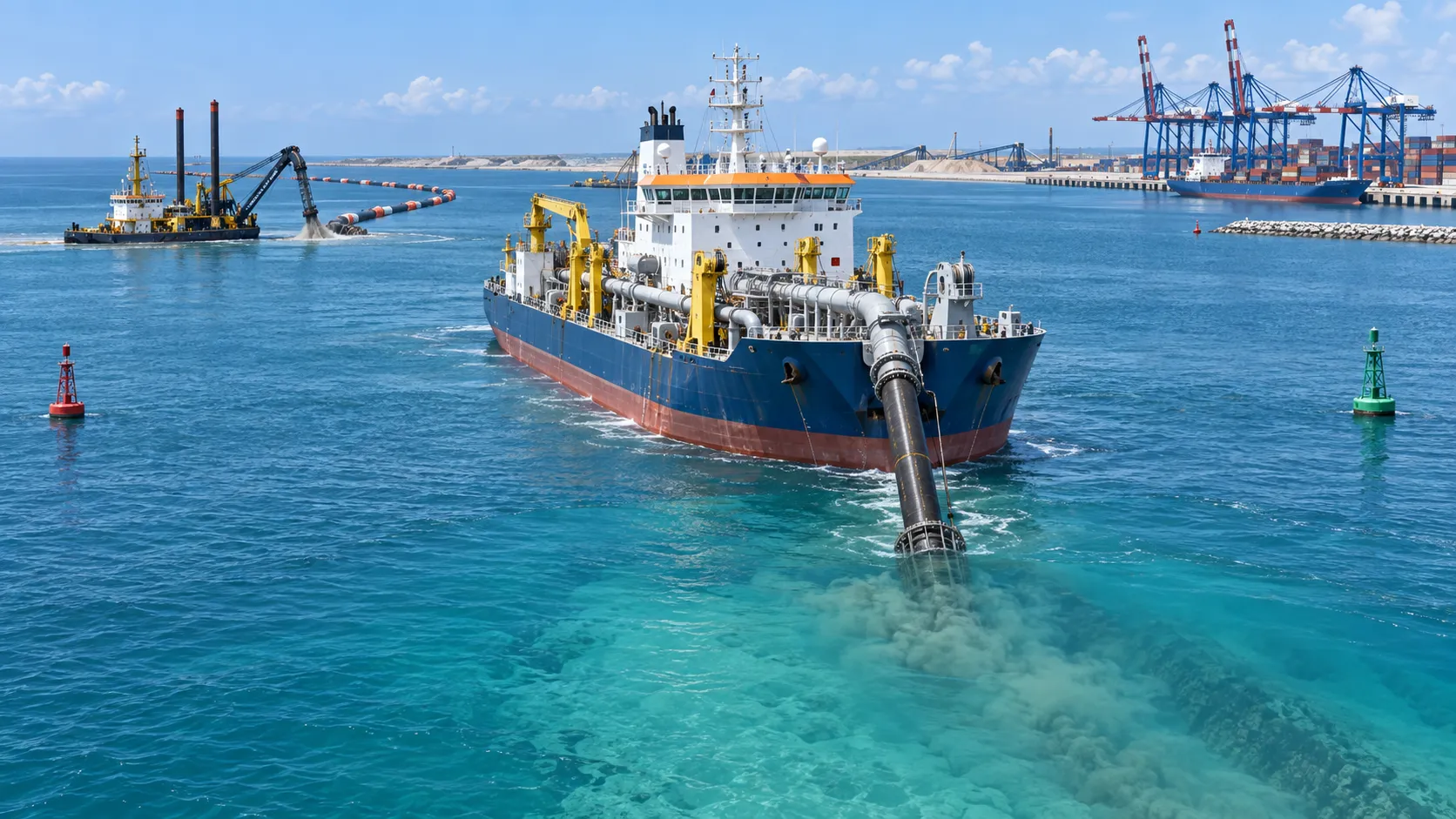
What Dredging Equipment Is Needed for Channel Deepening?
What dredging equipment is needed for channel deepening? Explore dredgers, pipelines, survey tools, and planning strategies for safer, more efficient port access.
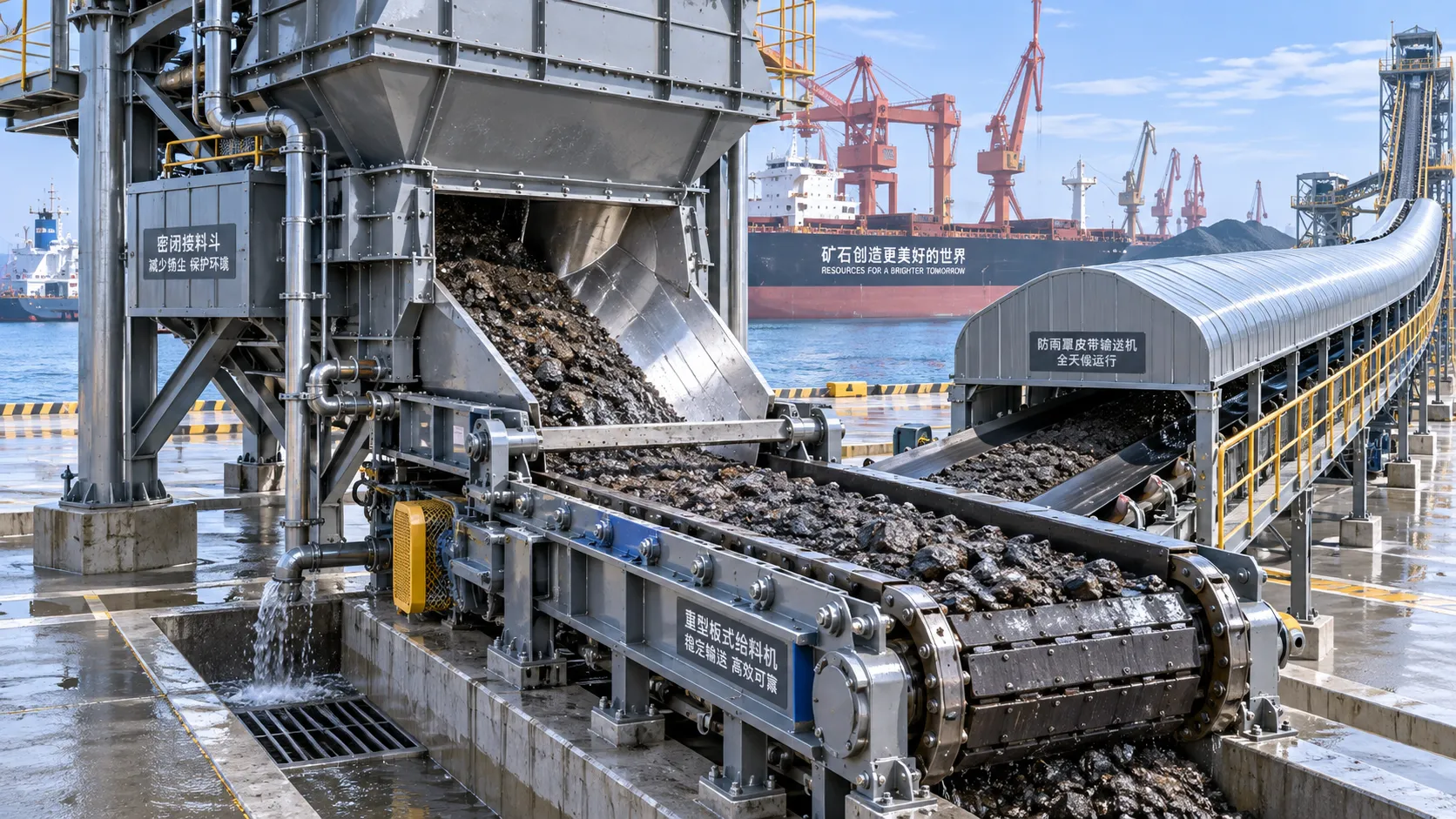
Which Bulk Handling Equipment Suits High-Moisture Cargo?
Which bulk handling equipment suits high-moisture cargo? Compare belt, apron, screw, drag, and slurry systems for reliable flow, less carryback, and higher terminal uptime.
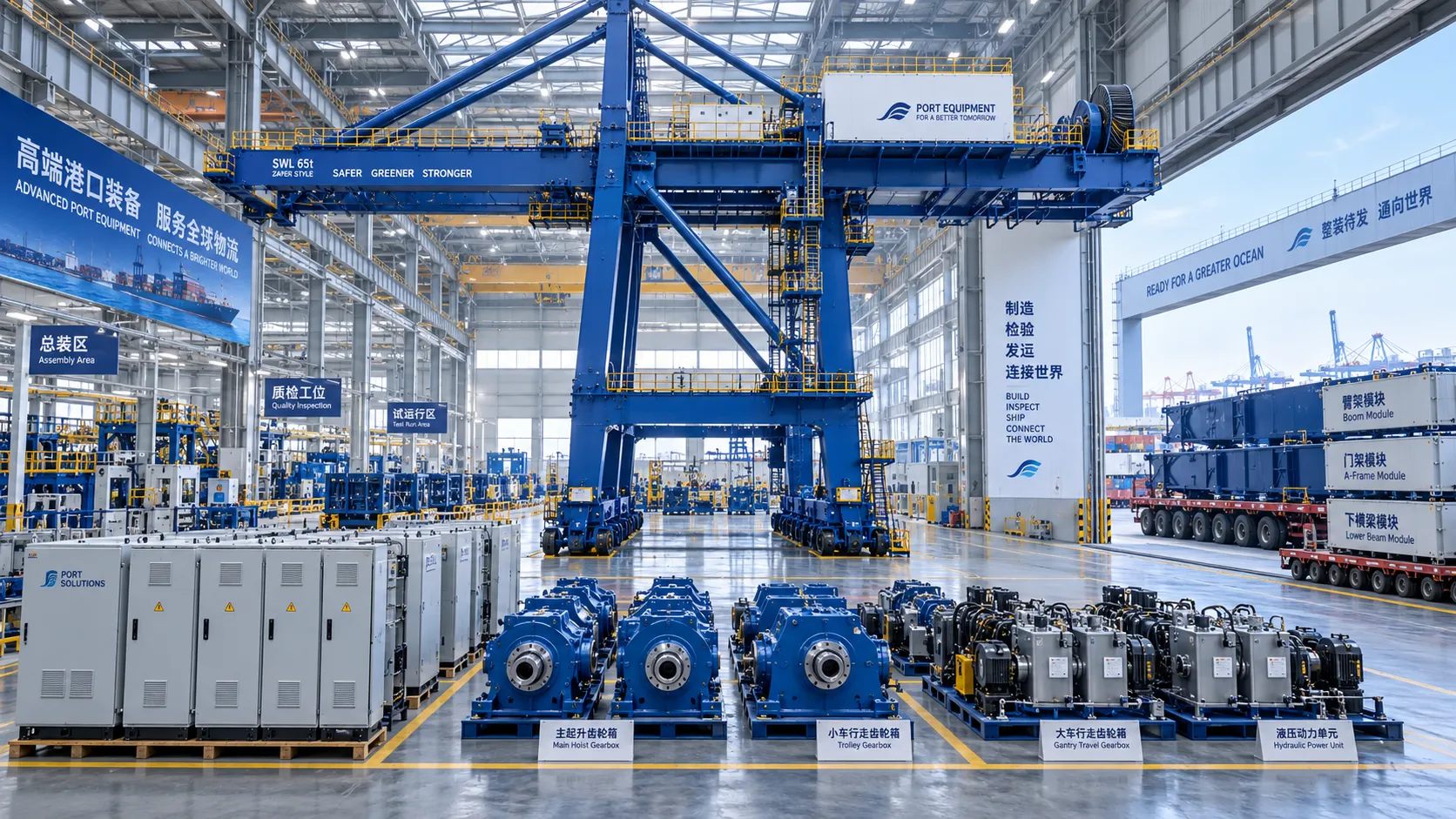
How Can Port Equipment Lead-Time Risk Be Managed?
How can port equipment lead-time risk be managed? Explore practical strategies to control critical paths, suppliers, transport, site readiness, and commissioning delays.
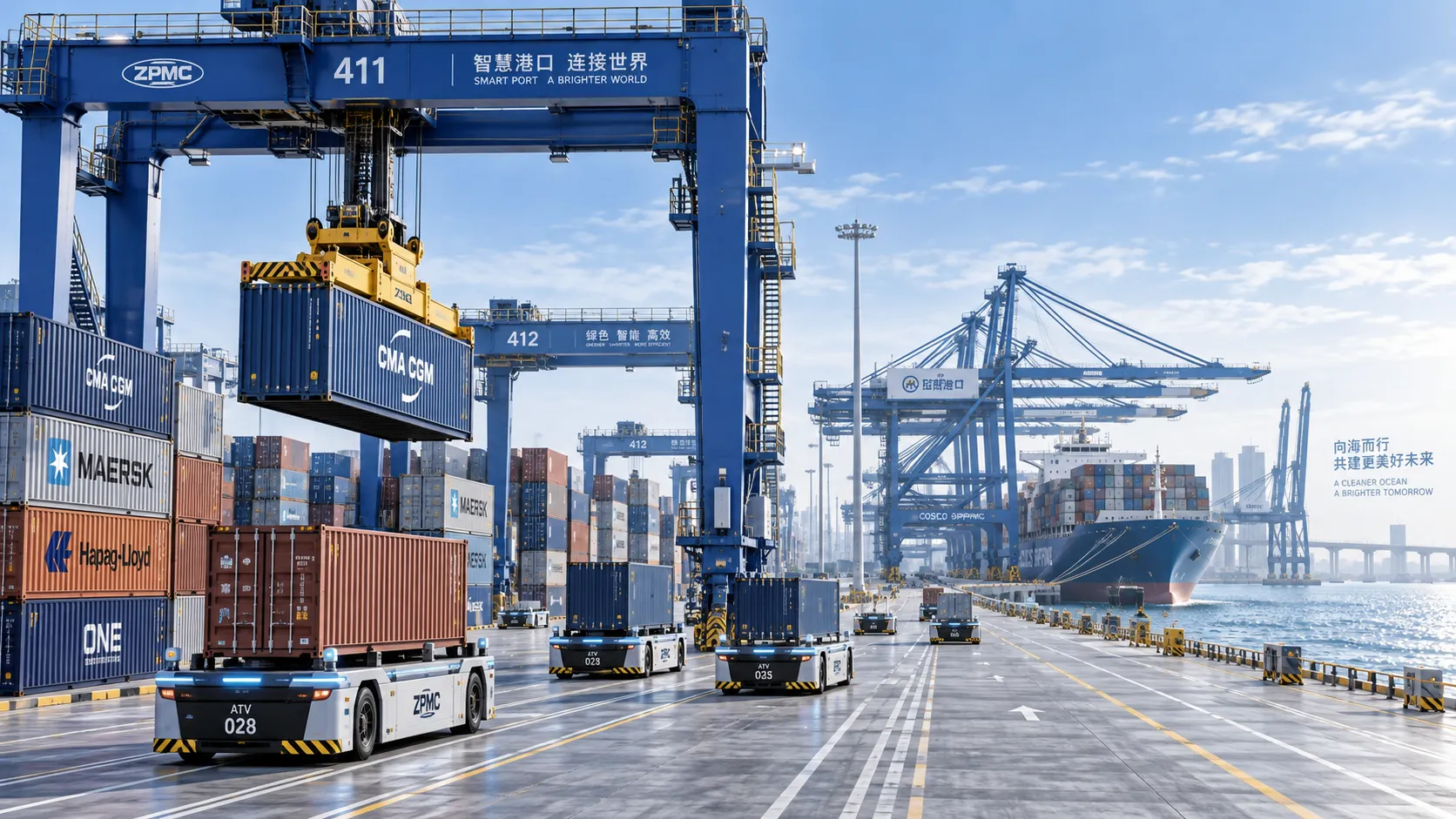
Terminal Automation Technologies That Raise Container Throughput Without Yard Disruption
Terminal automation technology that increases container throughput without disrupting yard flow. Explore smarter integration, resilient workflows, and phased deployment strategies.
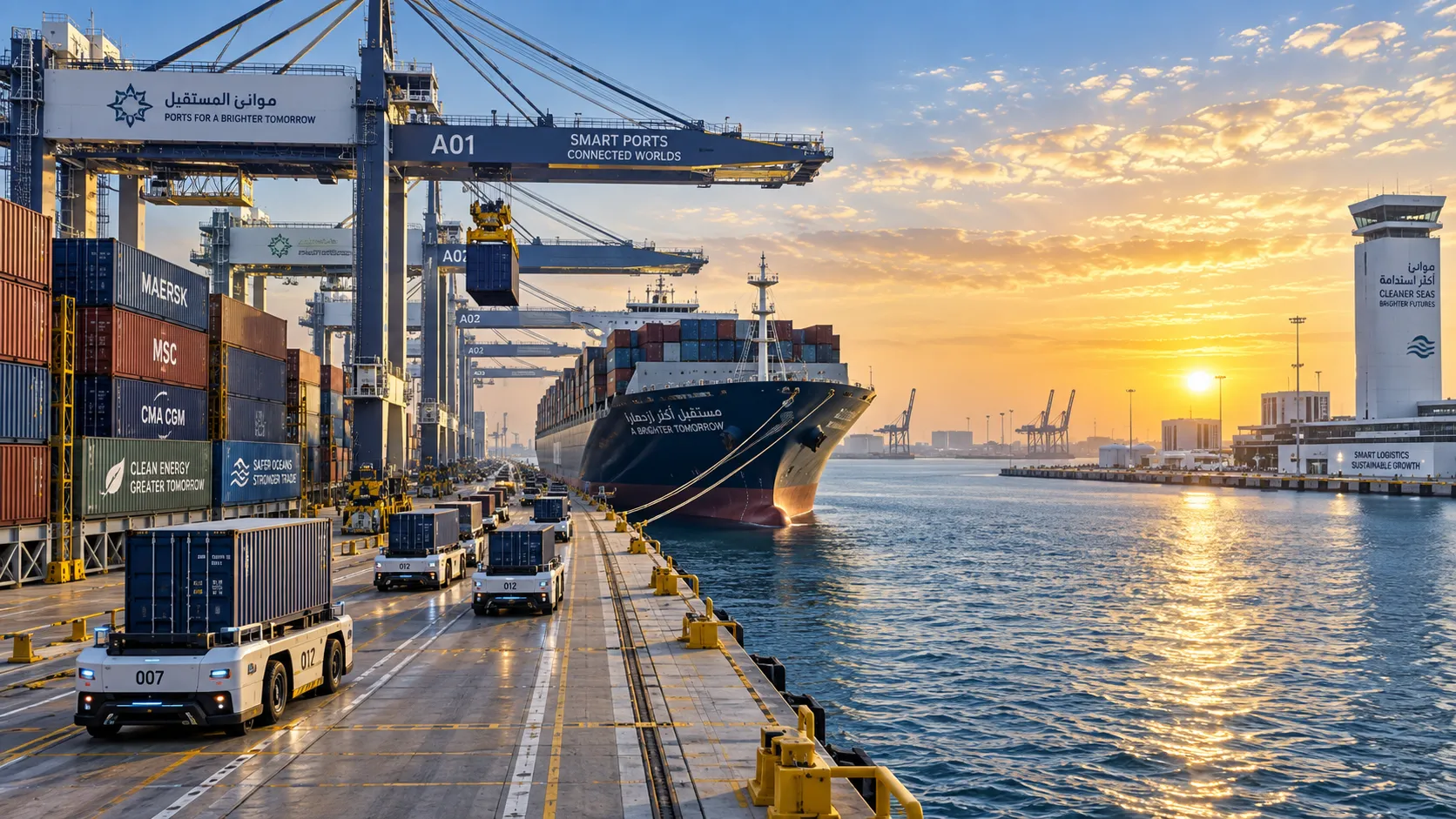
Middle East Port Automation: Key Market Drivers, Projects, and Investment Risks
Port automation systems Middle East: explore market drivers, flagship projects, integration challenges, and investment risks shaping smarter, resilient terminals.
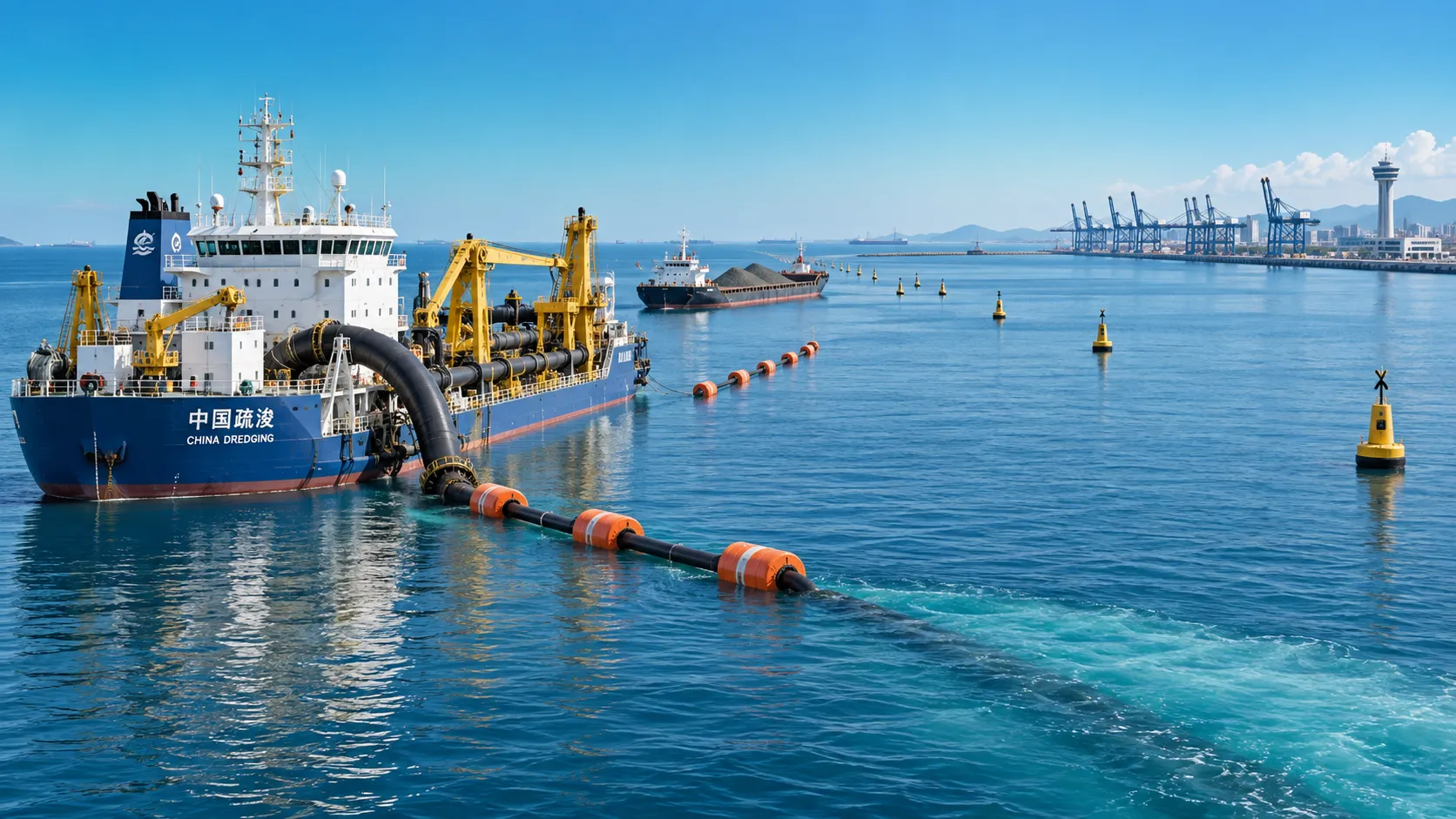
Planning Offshore Dredging Operations: Key Risks, Methods, and Project Controls
Offshore dredging operations demand smart planning. Explore key risks, proven methods, environmental controls, and project strategies for reliable delivery.