Related News
- 00
0000-00
How Can Port Equipment Lead-Time Risk Be Managed? - 00
0000-00
Maritime Logistics Operations: How Ports Can Reduce Container Dwell Time - 00
0000-00
What Does Logistics Node Monitoring Cost Across Warehouses and Transport Hubs? - 00
0000-00
How Can IoT Smart Port Solutions Improve Container Tracking and Yard Efficiency? - 00
0000-00
How Real-Time Port Logistics Intelligence Improves Container Yard Efficiency
Global Supply Chains in 2025: What Is Changing for Industrial Sourcing and Lead Times?
Global supply chains in 2025 are changing at the operating level
In 2025, global supply chains are no longer shaped only by freight rates or factory output.
The bigger shift is operational.
Trade routes are adjusting faster, delivery promises are getting tighter, and sourcing decisions now depend on port performance, digital visibility, and regional risk.
That makes industrial sourcing more complex than it looked even two years ago.
Lead times still matter, but the old question was simple: how many weeks from order to arrival?
Now the better question is where delay is most likely to emerge.
For heavy equipment, terminal machinery, bulk handling systems, and automation-linked components, the answer often starts at maritime nodes.
This is why global supply chains increasingly need to be read through port capacity, inland handoff quality, and equipment uptime.
From the perspective of PS-Nexus, the signal is clear.
Heavy terminal gear, automated container handling, and dredging engineering are no longer niche indicators.
They now reveal how resilient, predictable, and scalable global supply chains really are.
Why sourcing risk is moving closer to ports and corridors
One noticeable change is that sourcing risk is becoming more infrastructure-dependent.
Factory capability still matters, but port congestion, berth productivity, customs sequencing, and inland transfer reliability now shape total delivery more directly.
This is especially visible in industrial categories with oversized cargo, specialized steel structures, electrical systems, and project-bound mechanical assemblies.
Global supply chains once relied on scale concentration because scale lowered unit cost.
In 2025, concentration often raises interruption exposure.
A single policy shift, labor issue, drought condition, or channel disruption can extend lead times far beyond the supplier’s factory schedule.
That is also why maritime logistics has become a board-level sourcing variable rather than a downstream transport detail.
- Route security concerns are pushing more volume into alternative corridors.
- Port automation is improving throughput, but not evenly across regions.
- Climate-linked dredging and waterway maintenance are affecting vessel access windows.
- Inventory buffers are returning, but in more selective and data-driven forms.
These shifts explain why global supply chains are becoming less linear and more network-sensitive.
Lead times now reflect system coordination, not only production speed
Many delivery delays in 2025 do not begin on the shop floor.
They appear when schedules cross terminals, yards, inspection points, feeder links, and inland dispatch windows.
This is a major shift in how global supply chains should be evaluated.
For complex industrial sourcing, a quoted lead time can still look stable while actual delivery risk rises underneath.
More useful assessment now comes from asking whether the supplier is connected to reliable logistics nodes.
It also helps to examine how cargo is staged, how exceptions are handled, and whether substitute routing is realistic.
In port-linked sectors, automation is becoming a strong differentiator.
Remote-controlled cranes, AGV path planning, and yard orchestration systems reduce variability where manual handoffs once caused hidden delay.
That does not remove disruption.
It changes where disruption can be predicted and managed.
Diversification is growing, but not every alternative reduces risk
Supplier diversification remains one of the strongest themes in global supply chains.
Still, diversification is often misunderstood as a simple geographic spread.
In practice, 2025 is showing that not all second-source strategies improve resilience.
A new supplier in a different country may share the same vulnerable port corridor, the same component sub-tier, or the same compliance bottleneck.
That means global supply chains need deeper mapping than country labels alone.
From recent sourcing patterns, the more successful moves are not always dramatic relocations.
They are selective combinations of nearshoring, dual-port access, modular component stocking, and regional finishing capacity.
This approach is particularly relevant for bulk handling machinery, terminal systems, and marine engineering projects.
Those categories involve long fabrication cycles, large transport footprints, and strict installation windows.
The best sourcing structure is often the one with fewer synchronization failures, not simply the lowest quoted cost.
What deserves closer checking before calling a source “safer”?
- Port pair reliability between export origin and destination region
- Dredging status or draft limits affecting heavy-lift access
- Availability of automated yards during peak transfer periods
- Local power, labor, and digital control stability for continuous operations
- Sub-tier exposure for drives, sensors, hydraulics, and control modules
The port technology layer is becoming a sourcing signal
One of the more important shifts in global supply chains is the rising value of port intelligence.
This goes beyond vessel tracking.
It includes terminal equipment productivity, yard logic, maintenance visibility, and the digital discipline behind cargo flow.
PS-Nexus operates in this exact layer of observation.
Its focus on mega port terminal gear, specialized container handling, port automation, and dredging engineering reflects where supply chain reliability is now being decided.
More clearly than before, the strategic pulse of trade sits in how hardware, algorithms, and marine infrastructure work together.
When a quay crane network runs efficiently, when AGV dispatching is optimized, and when channels are maintained for larger vessels, lead time pressure eases across the system.
When these layers fail, even strong suppliers struggle to keep commitments.
That is why global supply chains in 2025 should be judged not only by production geography, but by node intelligence.
Where the impact shows up across industrial evaluation
The impact is not limited to shipping teams.
It affects capital timing, project sequencing, supplier scoring, and risk-adjusted value calculations.
For industrial sourcing, three practical changes stand out.
- Quoted lead times need separation into fabrication time, port handling time, and corridor uncertainty.
- Supplier comparison should include logistics-node maturity, not only product specification and price.
- Project planning should treat maritime access and equipment handling as early-stage variables.
This is especially relevant where cargo is oversized, highly customized, or installation-critical.
In such cases, a two-week terminal disruption can erase the savings of a cheaper sourcing decision.
More evaluators are therefore moving toward scenario-based reviews.
Instead of asking whether a supplier can deliver, they ask under which conditions delivery remains credible.
The next useful signals are practical, not abstract
Looking ahead, global supply chains are unlikely to return to a simpler, single-optimization model.
Cost, speed, and resilience will continue to trade off against each other.
The better response is not broad caution.
It is sharper observation.
Useful next steps include reviewing origin-port dependency, checking whether alternative routes are truly independent, and testing lead time assumptions against recent corridor behavior.
It also helps to monitor where automation upgrades, dredging activity, and terminal modernization are improving flow reliability.
Those are early signals of which trade nodes may gain strategic importance.
For anyone interpreting global supply chains in 2025, the central insight is straightforward.
Lead times are no longer just a calendar metric.
They are the visible outcome of a much deeper system.
Following that system more closely, especially through maritime infrastructure and port intelligence, leads to better sourcing judgment and lower-risk decisions.
Related News
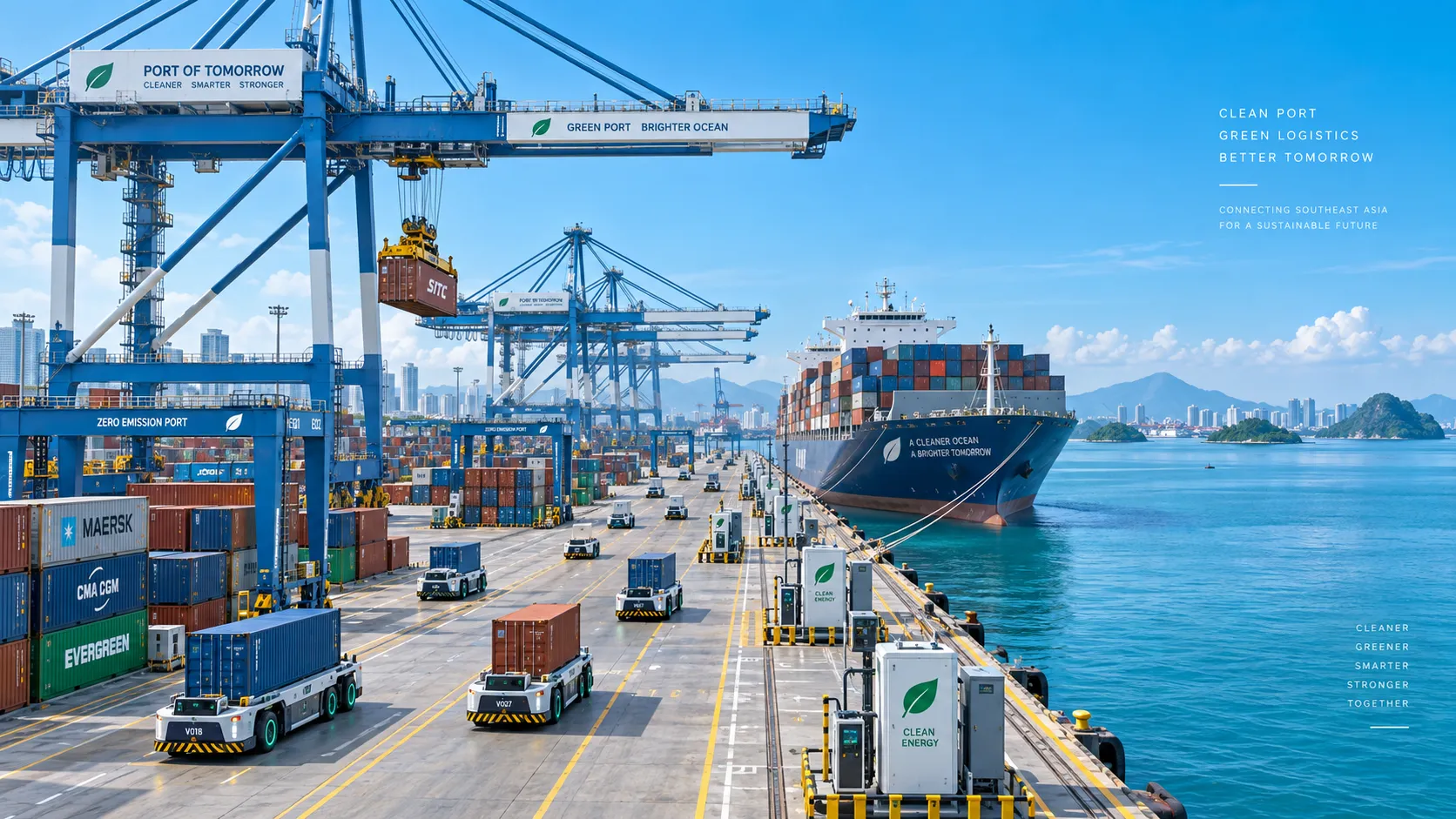
Smart Port Systems in Southeast Asia: Investment Priorities and Adoption Barriers
Smart port systems Southeast Asia: discover investment priorities, adoption barriers, and practical steps to build resilient, connected, high-performing terminals.
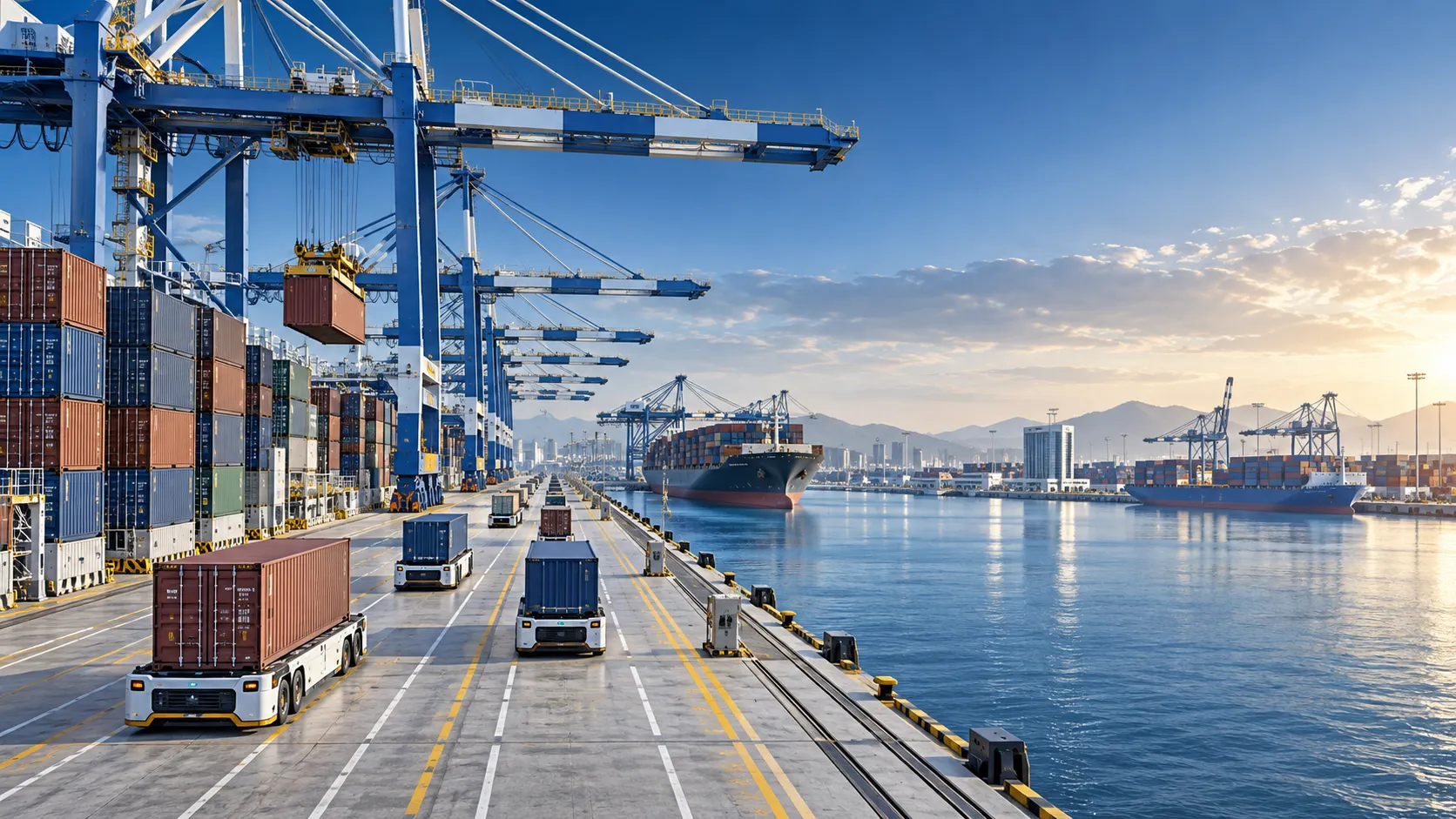
How to Evaluate Terminal Efficiency Solution Suppliers for High-Throughput Operations
Choose a terminal efficiency solutions supplier with confidence. Explore proven criteria for throughput, integration, lifecycle cost, safety, and reliable delivery.
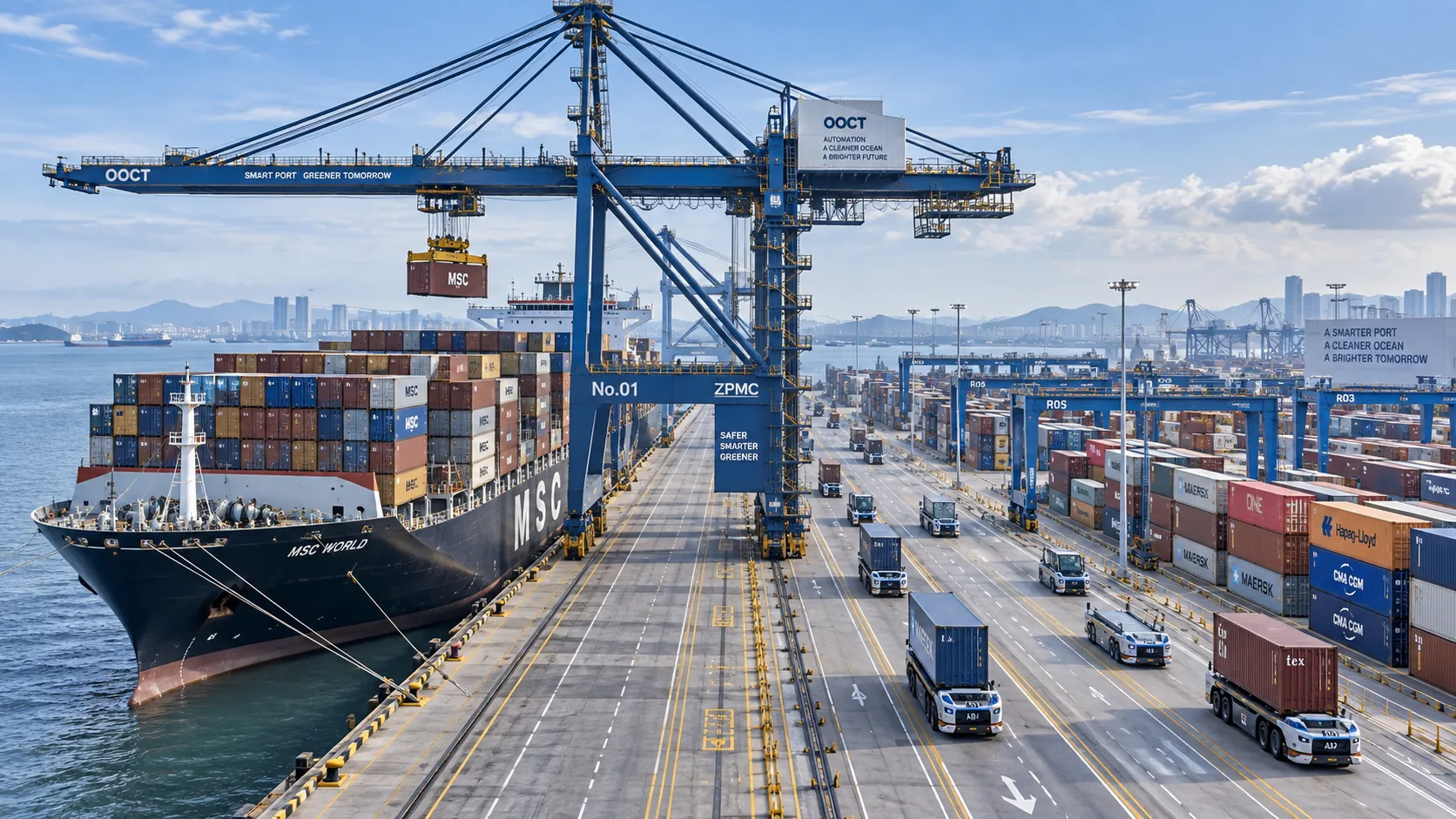
How to Specify a Quay Crane for Container Terminals by Vessel Size and Throughput?
Quay crane for container terminals: learn how to match outreach, lift height, capacity, automation, and cycle performance to vessel size and throughput goals.
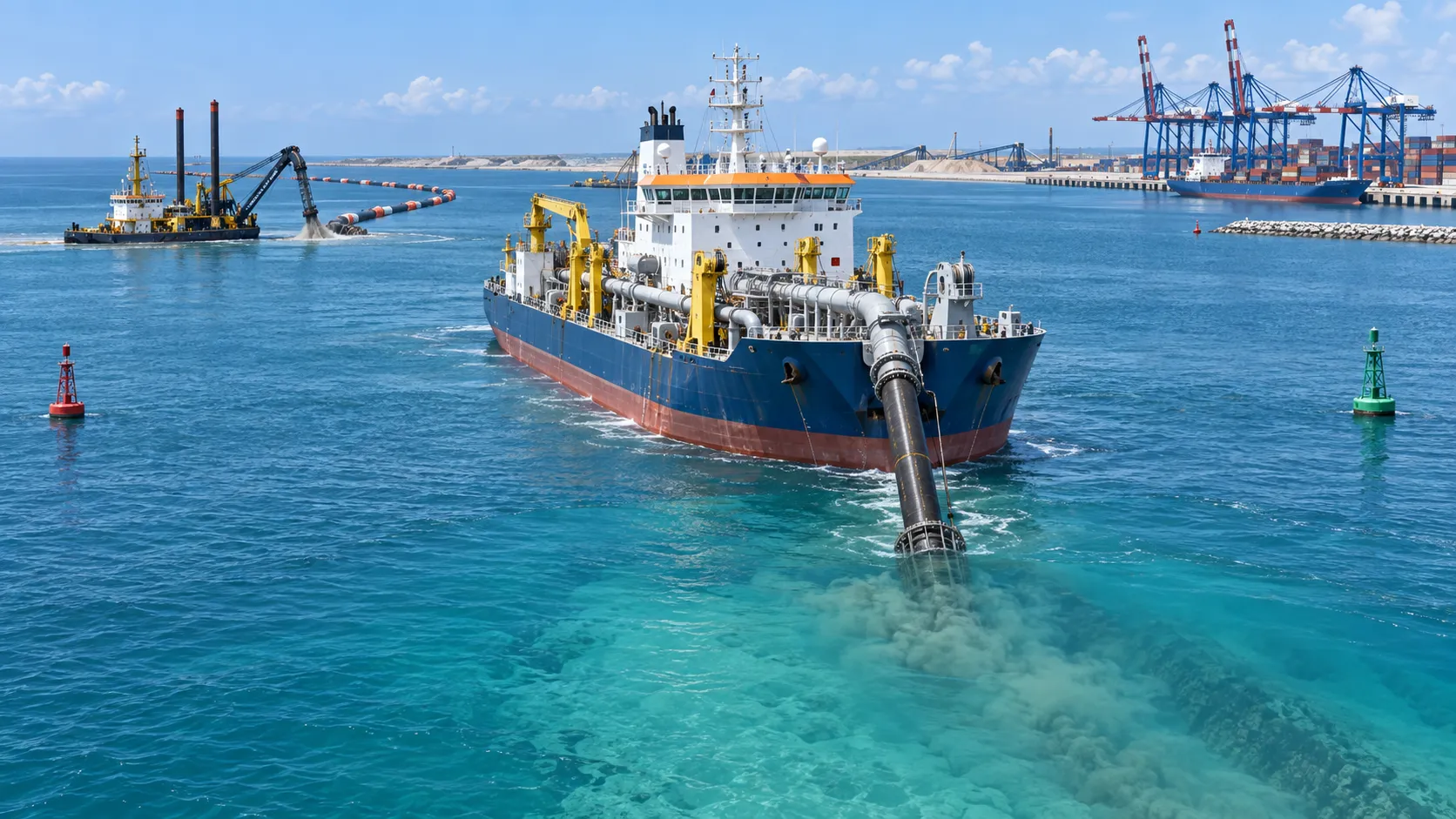
What Dredging Equipment Is Needed for Channel Deepening?
What dredging equipment is needed for channel deepening? Explore dredgers, pipelines, survey tools, and planning strategies for safer, more efficient port access.
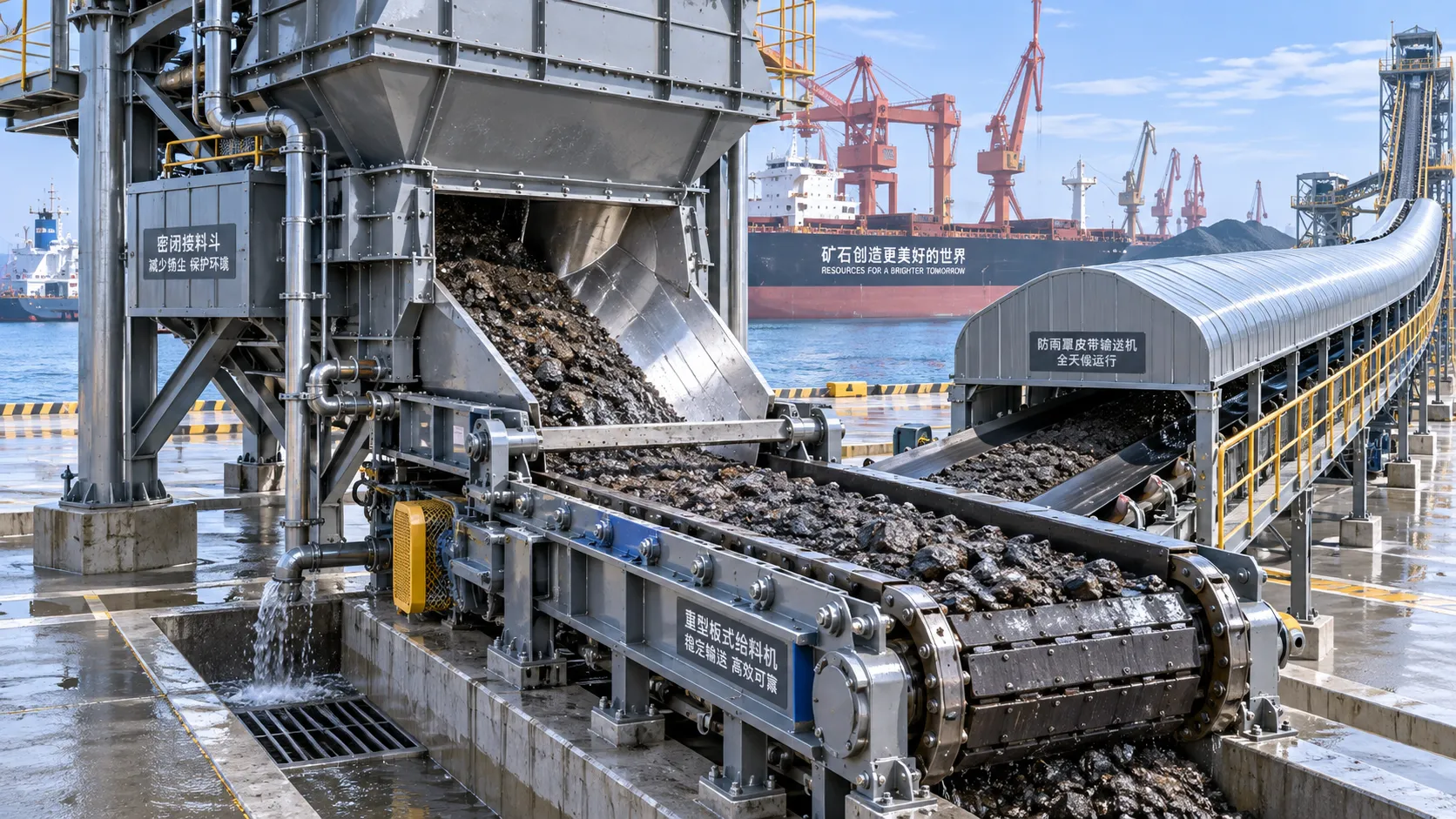
Which Bulk Handling Equipment Suits High-Moisture Cargo?
Which bulk handling equipment suits high-moisture cargo? Compare belt, apron, screw, drag, and slurry systems for reliable flow, less carryback, and higher terminal uptime.
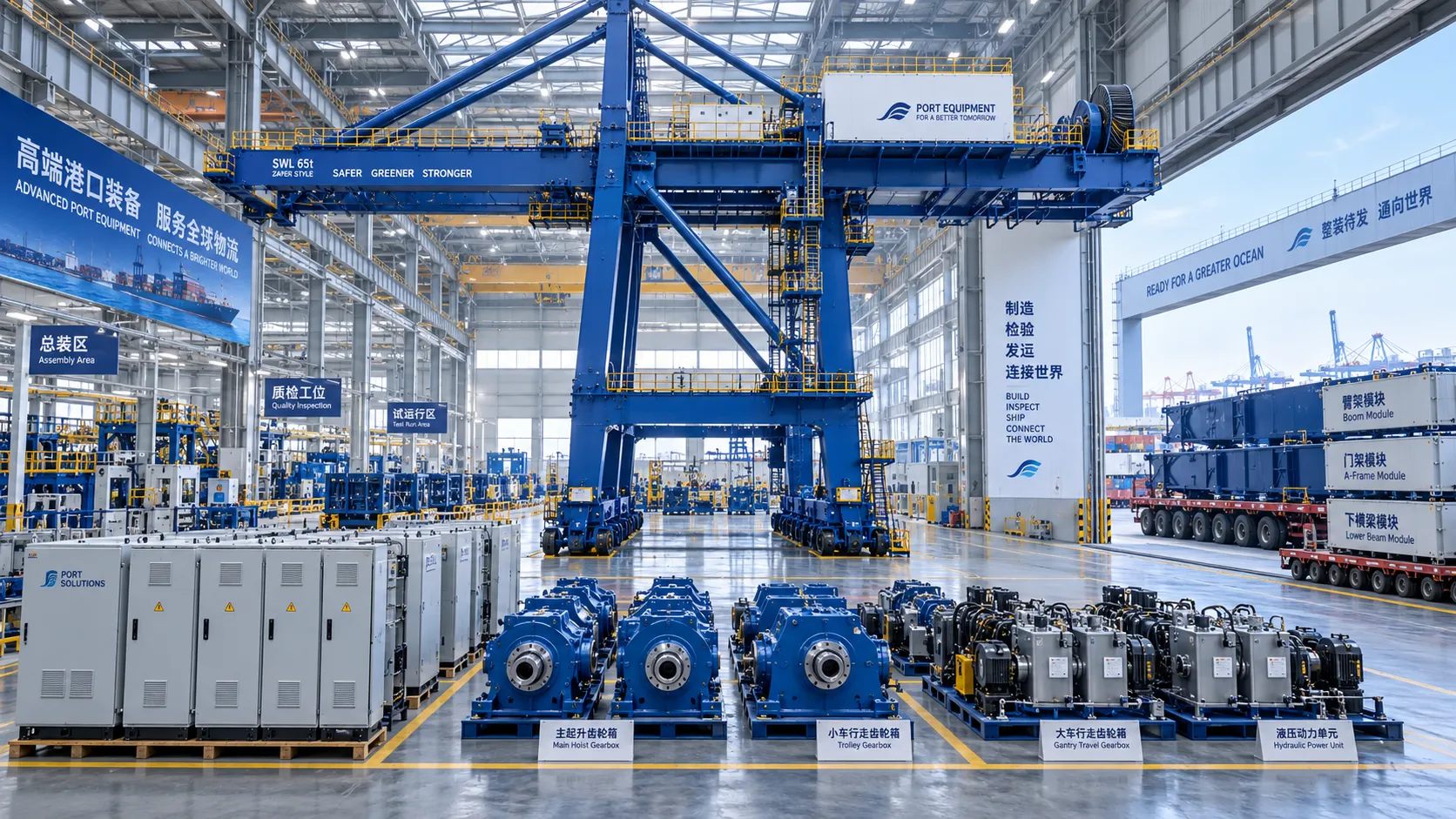
How Can Port Equipment Lead-Time Risk Be Managed?
How can port equipment lead-time risk be managed? Explore practical strategies to control critical paths, suppliers, transport, site readiness, and commissioning delays.
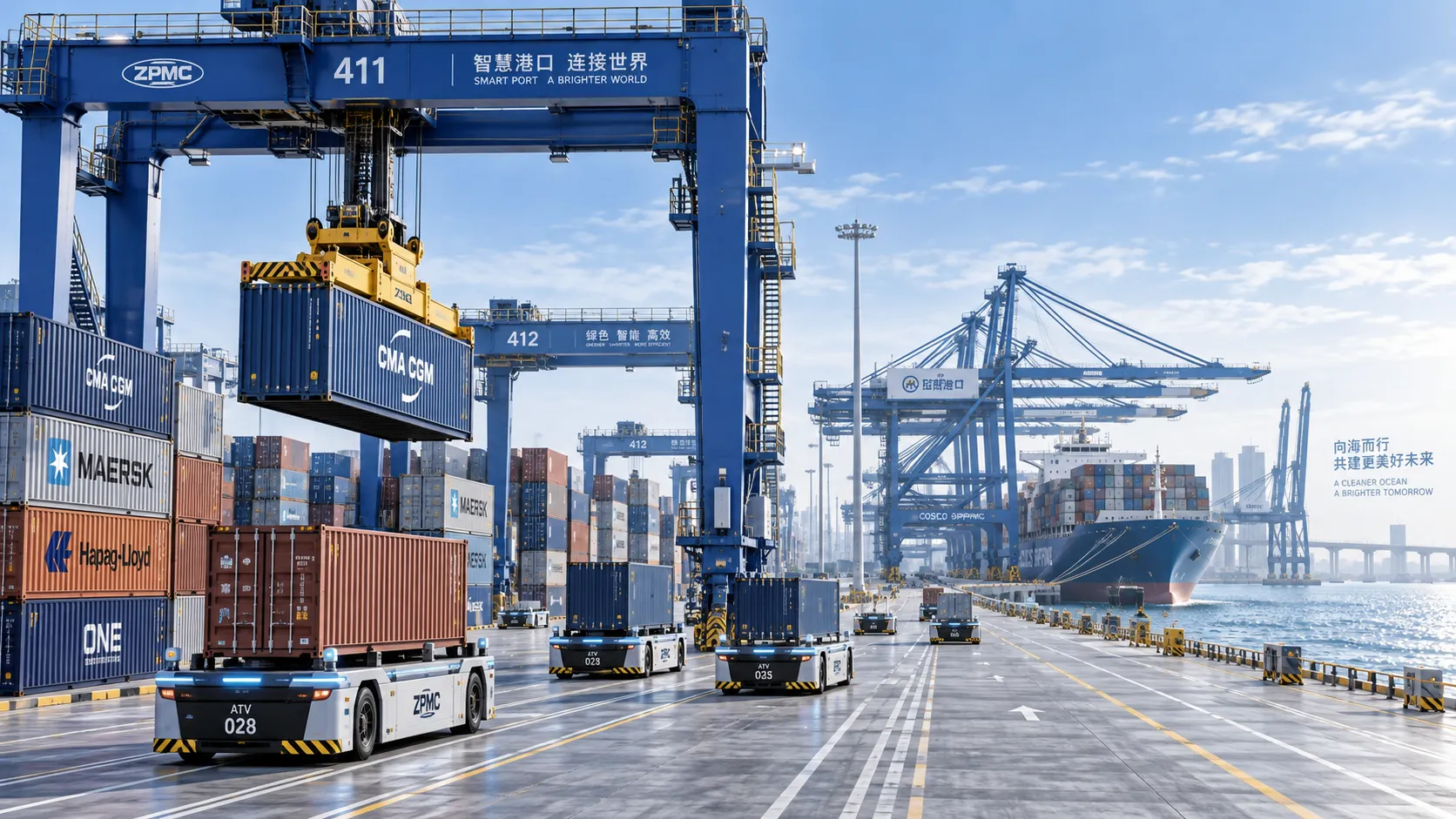
Terminal Automation Technologies That Raise Container Throughput Without Yard Disruption
Terminal automation technology that increases container throughput without disrupting yard flow. Explore smarter integration, resilient workflows, and phased deployment strategies.
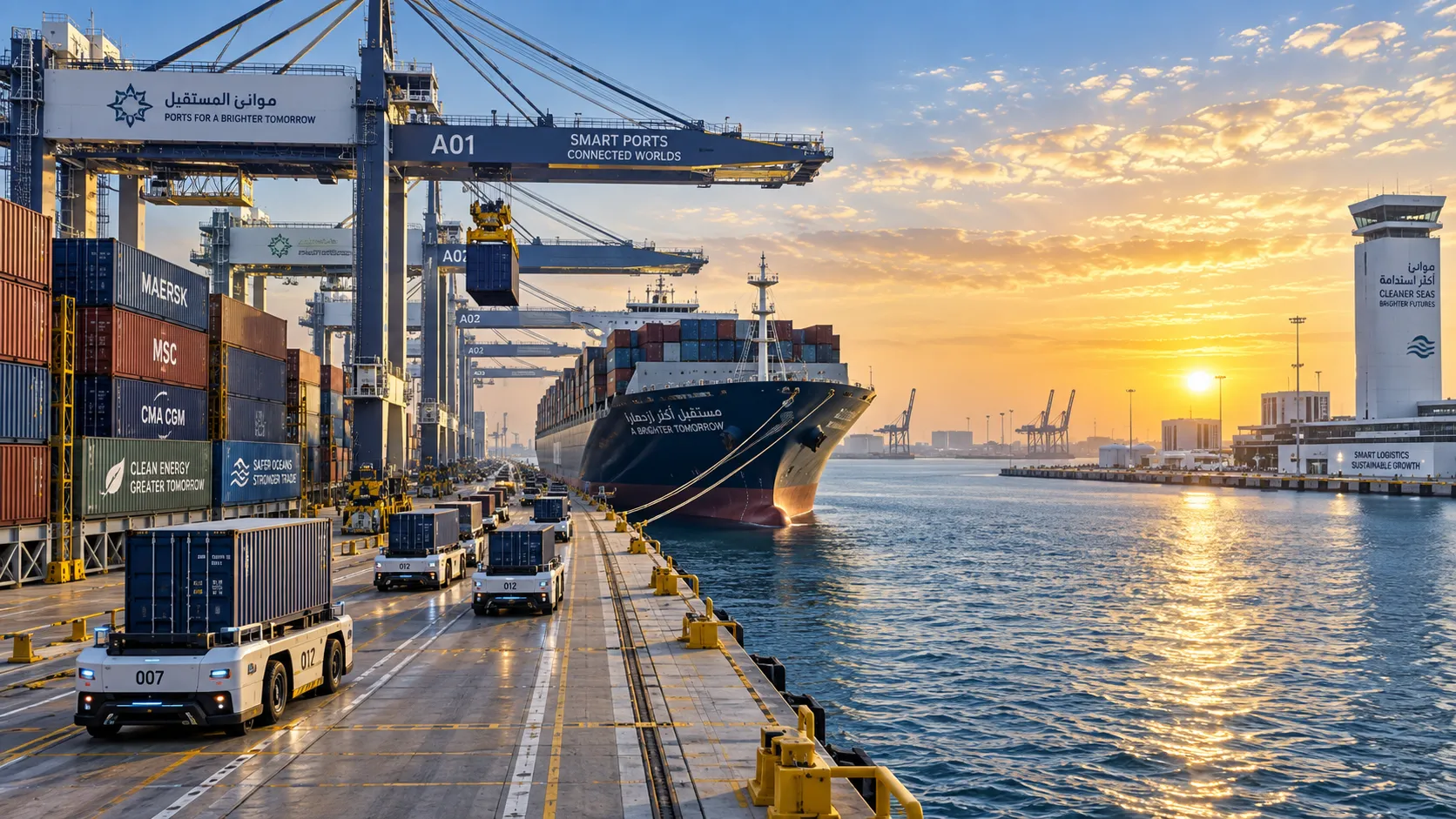
Middle East Port Automation: Key Market Drivers, Projects, and Investment Risks
Port automation systems Middle East: explore market drivers, flagship projects, integration challenges, and investment risks shaping smarter, resilient terminals.
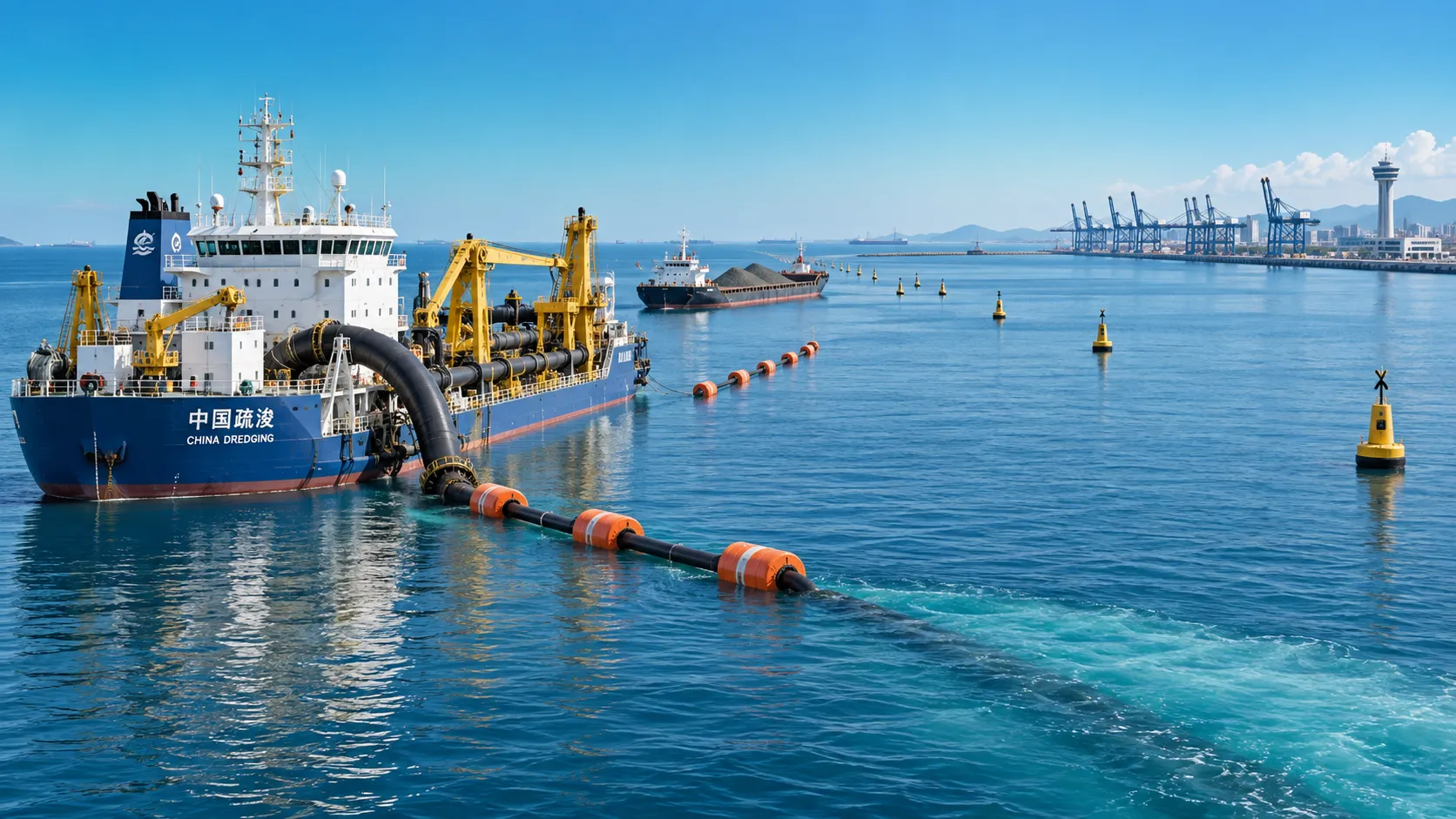
Planning Offshore Dredging Operations: Key Risks, Methods, and Project Controls
Offshore dredging operations demand smart planning. Explore key risks, proven methods, environmental controls, and project strategies for reliable delivery.