Related News
- 00
0000-00
How to Specify a Quay Crane for Container Terminals by Vessel Size and Throughput? - 00
0000-00
Which Bulk Handling Equipment Suits High-Moisture Cargo? - 00
0000-00
Terminal Automation Technologies That Raise Container Throughput Without Yard Disruption - 00
0000-00
Planning Offshore Dredging Operations: Key Risks, Methods, and Project Controls - 00
0000-00
Where Do Automated Guided Vehicles Deliver the Fastest Warehouse Gains in the Middle East?
How Enclosed Bulk Cargo Handling Systems Reduce Dust, Loss, and Port Cleanup Costs
How Enclosed Bulk Cargo Handling Systems Reduce Dust, Loss, and Port Cleanup Costs
For project managers under pressure to improve port efficiency while cutting environmental and maintenance costs, enclosed bulk cargo handling systems offer a practical, scalable answer. By limiting fugitive dust, reducing material spillage, and minimizing costly cleanup across quays, conveyors, and transfer points, these systems help terminals strengthen compliance and daily performance. This article explores how enclosed designs support cleaner operations, lower cargo loss, and smarter long-term infrastructure planning.
If you are evaluating enclosed bulk cargo handling systems, the real question is not whether enclosure looks cleaner on a layout drawing. It is whether the system will keep working when the berth is busy, the wind shifts, the material changes, and the maintenance crew is already overloaded. That is where good projects are won or lost.
Below is the checklist I would use before approving a scheme, expanding an existing conveyor route, or replacing open transfer points that are driving complaints, cargo loss, and endless sweeping.
Start with the material, not the enclosure brochure
Different bulk cargoes behave very differently. Coal, clinker, sulfur, fertilizer, grain, petcoke, and metal concentrates do not create the same dust pattern, do not absorb moisture the same way, and do not tolerate the same transfer velocity. A common mistake is selecting an enclosure package based on belt width and throughput alone.
- Check the particle size range and moisture variability of the cargo.
- Ask where dust is actually being generated: loading, discharge, transfer towers, stockpile reclaim, or truck/rail interface.
- Confirm whether the cargo cakes, corrodes, self-heats, or creates an explosive dust atmosphere. That last point needs site-specific hazard review, not assumptions.
- Look at seasonal behavior. A system that performs well in dry weather can become a plugging problem during humid periods.
If your team has not yet mapped cargo behavior by route segment, do that first. It usually reveals that only some transfer points need full enclosure, while other areas need better skirt sealing, chute redesign, or extraction support.
Do not treat “enclosed” as a single solution
In port work, enclosed bulk cargo handling systems can mean pipe conveyors, covered belt conveyors, enclosed galleries, sealed transfer towers, telescopic ship loaders with dust control features, or partially enclosed receiving and discharge stations. They solve different problems at different costs.
The practical point: buy the level of enclosure that matches the dust source. Full route enclosure is not always the smartest spend. But half-measures around a badly designed chute rarely hold up either.
Check the transfer points harder than everything else
Most ports that complain about dust from “the conveyor” are really dealing with transfer-point problems. Turbulence, impact, off-center loading, worn liners, bad skirt sealing, and uncontrolled drop height create more trouble than the cover itself can fix.
When reviewing design drawings or vendor proposals, check these points closely:
- Is the chute geometry designed to control material stream direction rather than just contain it?
- Will the receiving belt be loaded centrally and at a compatible speed?
- Is there enough skirt length to settle material before it reaches the first idlers?
- Are wear liners and sealing systems maintainable without excessive shutdown time?
- Has anyone checked how the tower will be cleaned when spillage still happens, because it will?
If a proposal promises low dust but says little about chute design, be careful. That usually means the enclosure is being asked to hide a flow problem instead of solving it.
Measure savings in three buckets, not one
Project teams often justify enclosed bulk cargo handling systems on environmental grounds alone. That is valid, but it leaves money on the table when you prepare the business case. The value usually shows up in three places at once.
- Lower cargo loss: Less wind blow-off, less spillage at transfer zones, less contamination of neighboring surfaces.
- Lower cleanup cost: Fewer labor hours spent sweeping galleries, quays, and drainage areas; less mobile cleaning equipment tied up after every shift.
- Lower disruption cost: Fewer complaints, fewer weather-related operating restrictions, and fewer emergency maintenance interventions caused by buildup.
Try to pull actual housekeeping logs, spillage incident records, and maintenance callouts from the last 12 months before running the capex comparison. Without that baseline, most benefit discussions stay vague. With it, the argument becomes operational instead of theoretical.
Account for the wind and salt environment early
Ports are unforgiving places. Wind uplift, salt-laden air, corrosion, vibration, and access limitations all affect whether an enclosed system stays sealed over time. A neat enclosure detail on paper can become a rattling maintenance item within a year if marine exposure was underestimated.
Ask practical questions. What is the corrosion protection strategy for covers, fasteners, supports, and inspection doors? How will seals age in UV and salt spray conditions? Are there enough inspection openings to detect buildup before it turns into a blockage? The answer should be tied to your site conditions and material handling duty, not just vendor standard practice.
If the route crosses exposed quay areas, review wind loading and structural support assumptions with the engineering team. That is not a decorative add-on issue. It affects uptime.
Make maintenance access part of the dust-control decision
A system that is beautifully enclosed but painful to inspect will drift out of performance. Then dust returns, and everyone says the concept failed, when the real problem was maintainability.
Before sign-off, verify safe access to idlers, belt cleaners, chutes, skirt seals, samplers, and extraction components where used. Look at how long it takes to open and reclose covers during routine work. Check whether housekeeping can be done without improvised tools or awkward confined positions. In marine terminals, small delays in maintenance usually become large delays later because shutdown windows are tight.
One blunt rule: if your maintenance supervisor dislikes the arrangement during design review, listen carefully.
Do not overpromise on compliance without site review
Enclosure helps with emissions control, but compliance claims should stay disciplined. Air quality obligations, occupational exposure requirements, stormwater management rules, and combustible dust precautions vary by jurisdiction and cargo type. It is better to say that enclosed bulk cargo handling systems support cleaner compliance pathways than to imply they automatically solve every regulatory issue.
Where standards, permits, or dust hazard assessments apply, confirm them with the owner’s EHS team and local advisors. If a supplier references certification, test performance, or statutory acceptance, ask for the exact document and scope. If that evidence is not available, mark it as 【待核实】 and keep it out of the decision summary until confirmed.
Look for hidden cleanup costs outside the conveyor line
Some of the most expensive dust and spillage problems show up away from the conveyor itself: quay drains, wheel paths, rail interfaces, fender zones, shiploader travel rails, and nearby equipment platforms. When cargo fines migrate into these areas, the cost is not just cleaning. You also get corrosion, slip risk, premature wear, and occasional drainage trouble.
During site walks, follow the cleanup crews and ask where they spend the most time. That field view often tells you more than the formal defect log. If dust is settling far from the source, the fix may require a combination of enclosure, transfer redesign, and better discharge control at the vessel or receiving interface.
For retrofit projects, check what the old structure can really carry
Retrofit work is where budgets get surprised. Covers, galleries, access platforms, extraction equipment, and modified transfer towers add weight, change wind exposure, and alter maintenance routes. Existing supports may need reinforcement. Cable routes, fire systems, and service access may also need relocation.
Do not let anyone classify this as a “simple enclosure package” until structural review is done. In older terminals, original drawings can be incomplete, and site conditions may have drifted from the record set. That does not make the project unattractive. It just means the survey phase deserves real attention.
Ask vendors how performance will be verified after commissioning
A useful question during procurement is simple: once the system is live, how will we know it is doing what was promised? Good answers usually mention inspection criteria, spillage observation, sealing adjustments, transfer tuning, and operator training. Weak answers rely on generic product claims.
If possible, build an acceptance checklist around visible dust escape points, recurring spillage locations, access usability, and cleanup hours during an initial operating period. You may also need cargo-specific observations under different weather conditions. A calm day test tells you less than people think.
What usually separates a solid project from an expensive one
The better enclosed bulk cargo handling systems are rarely the ones with the most impressive renderings. They are the ones where the team understood the cargo, fixed the transfer points, respected the marine environment, and made maintenance realistic from day one.
For project managers, the decision usually comes down to discipline. Use actual spillage and cleanup records. Walk the route. Challenge vague compliance claims. Review structural implications before calling it a retrofit quick win. And keep asking the uncomfortable question: are we containing dust, or are we just enclosing a bad flow path?
That question alone will save time, budget, and a lot of avoidable quay cleanup later.
Related News
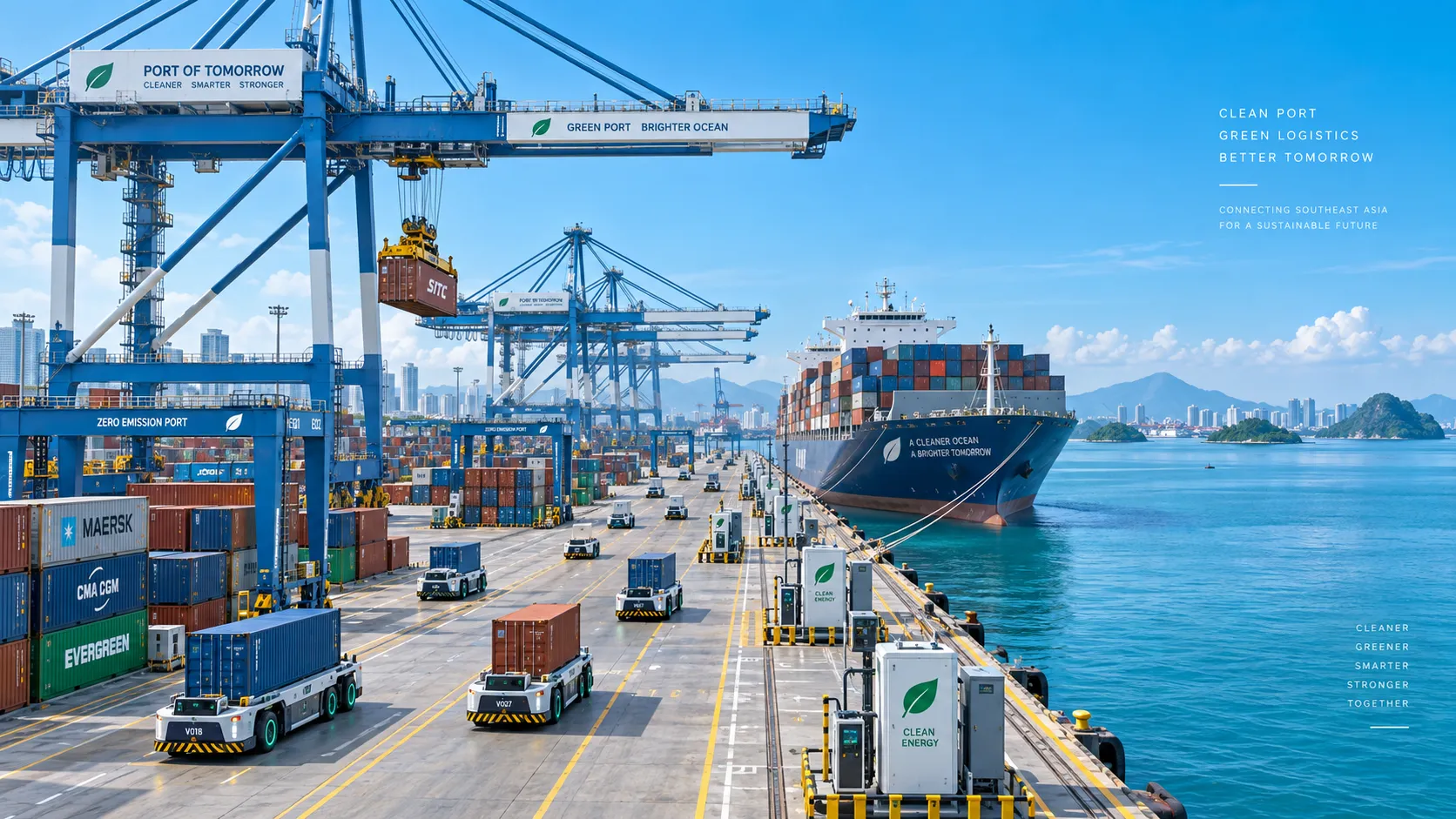
Smart Port Systems in Southeast Asia: Investment Priorities and Adoption Barriers
Smart port systems Southeast Asia: discover investment priorities, adoption barriers, and practical steps to build resilient, connected, high-performing terminals.

How to Evaluate Terminal Efficiency Solution Suppliers for High-Throughput Operations
Choose a terminal efficiency solutions supplier with confidence. Explore proven criteria for throughput, integration, lifecycle cost, safety, and reliable delivery.
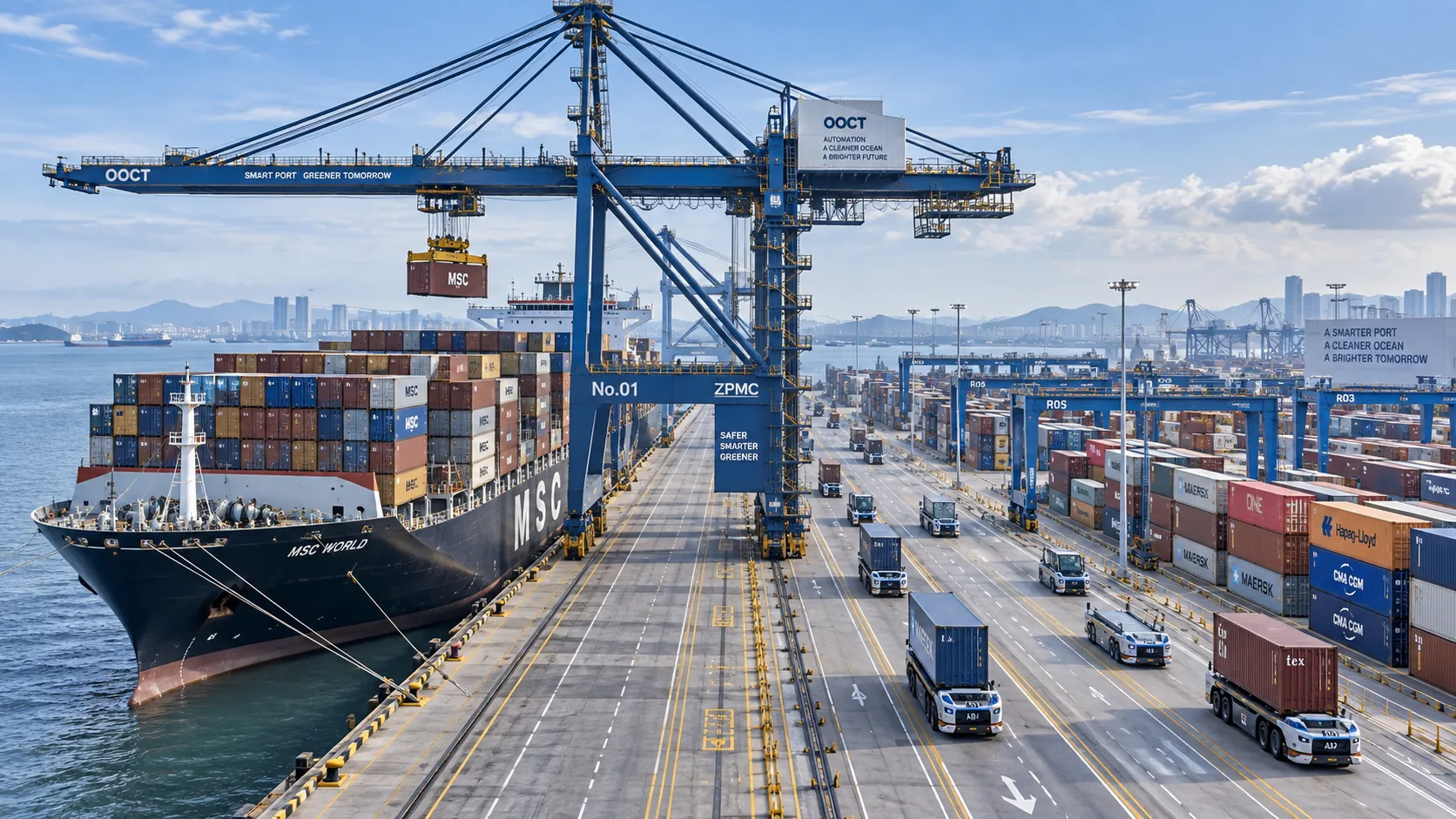
How to Specify a Quay Crane for Container Terminals by Vessel Size and Throughput?
Quay crane for container terminals: learn how to match outreach, lift height, capacity, automation, and cycle performance to vessel size and throughput goals.
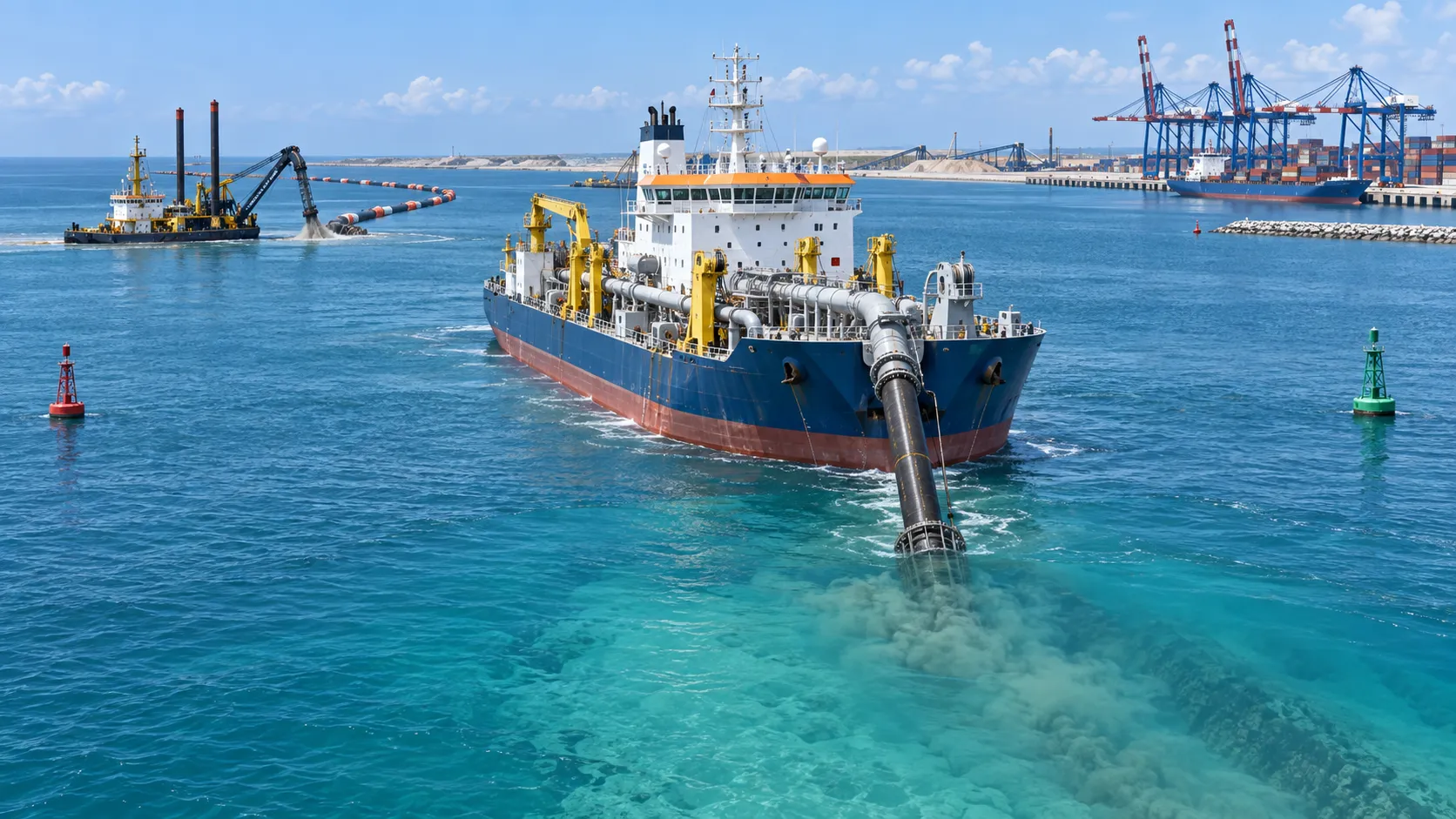
What Dredging Equipment Is Needed for Channel Deepening?
What dredging equipment is needed for channel deepening? Explore dredgers, pipelines, survey tools, and planning strategies for safer, more efficient port access.
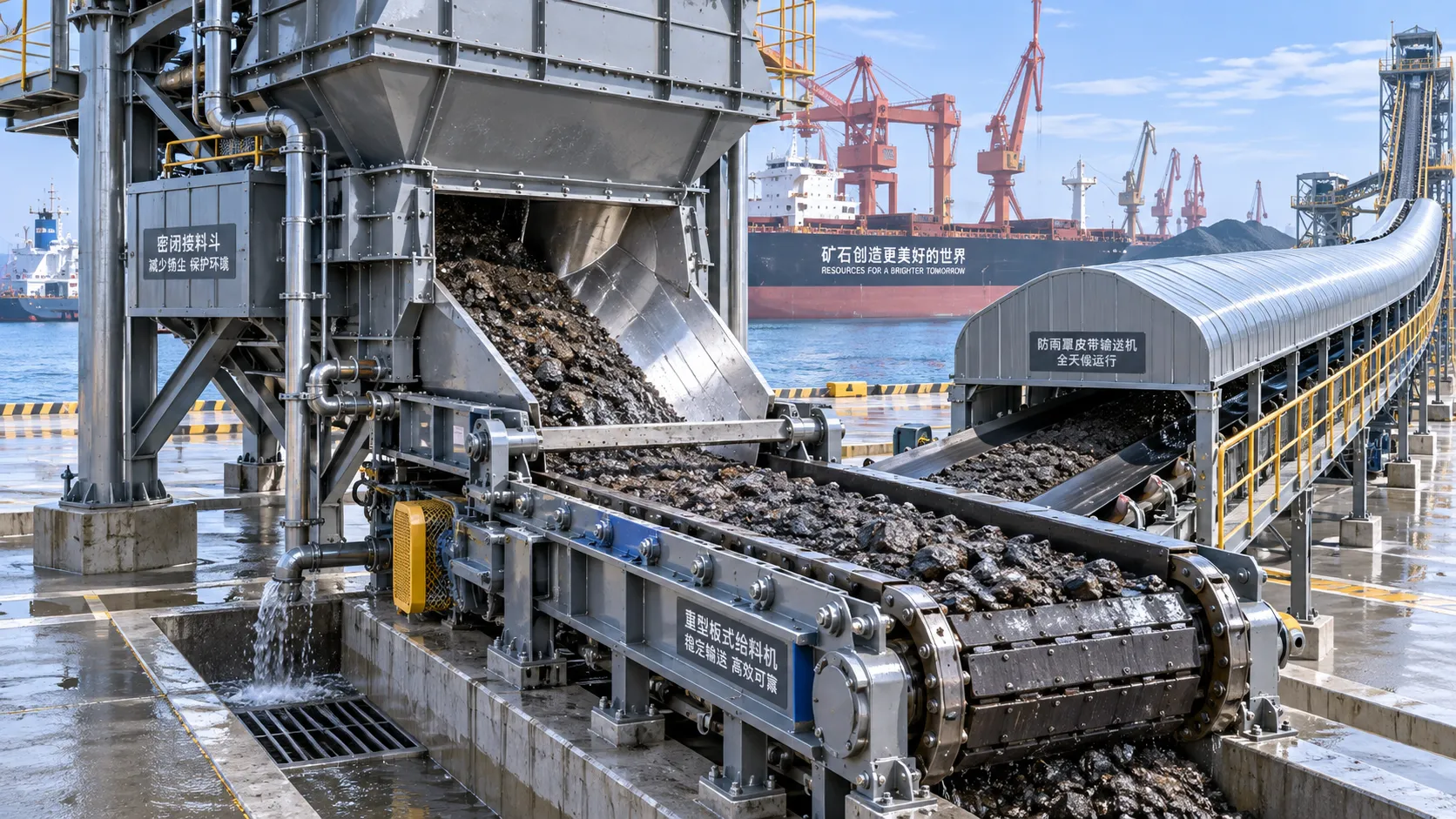
Which Bulk Handling Equipment Suits High-Moisture Cargo?
Which bulk handling equipment suits high-moisture cargo? Compare belt, apron, screw, drag, and slurry systems for reliable flow, less carryback, and higher terminal uptime.
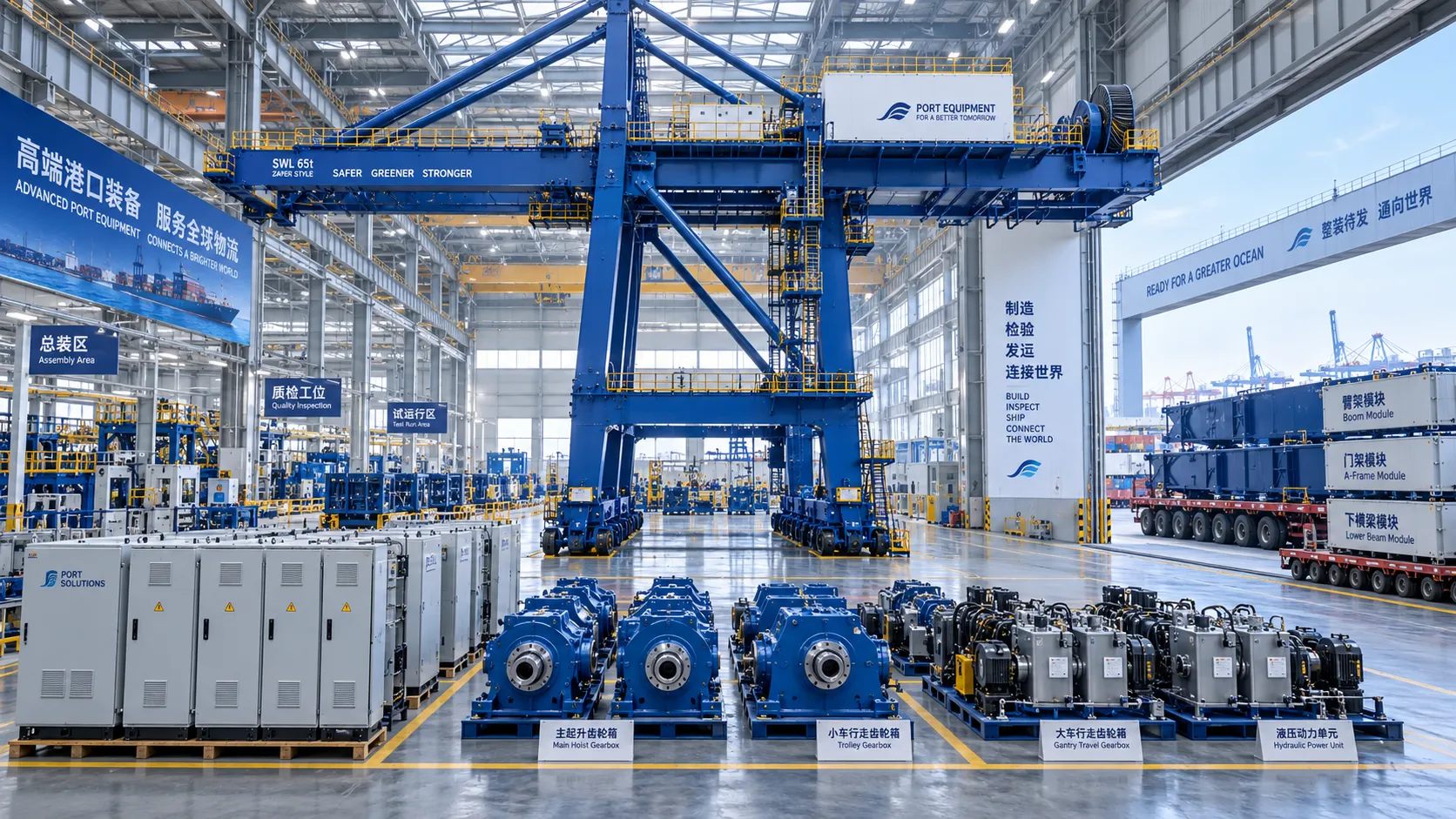
How Can Port Equipment Lead-Time Risk Be Managed?
How can port equipment lead-time risk be managed? Explore practical strategies to control critical paths, suppliers, transport, site readiness, and commissioning delays.
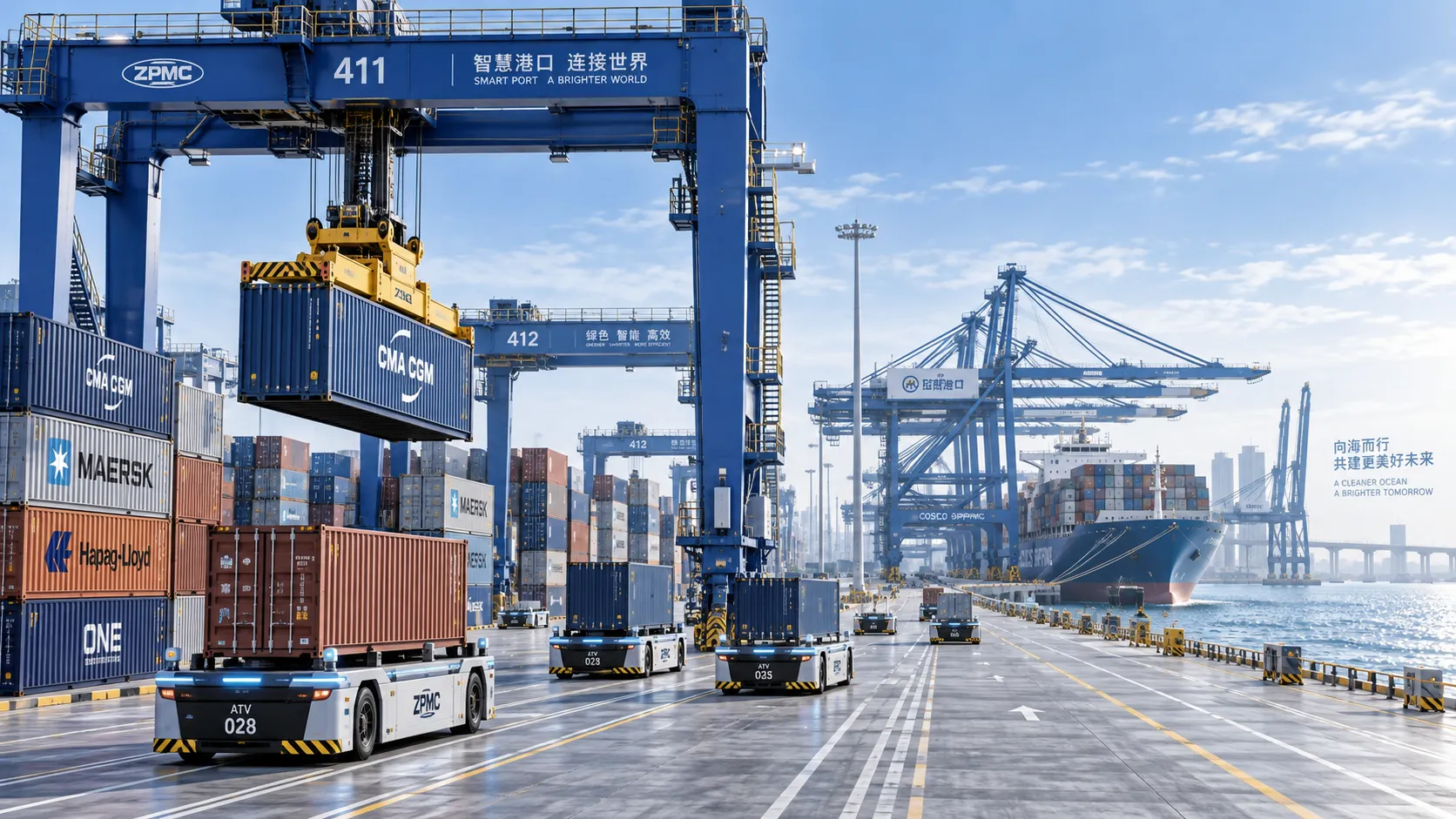
Terminal Automation Technologies That Raise Container Throughput Without Yard Disruption
Terminal automation technology that increases container throughput without disrupting yard flow. Explore smarter integration, resilient workflows, and phased deployment strategies.
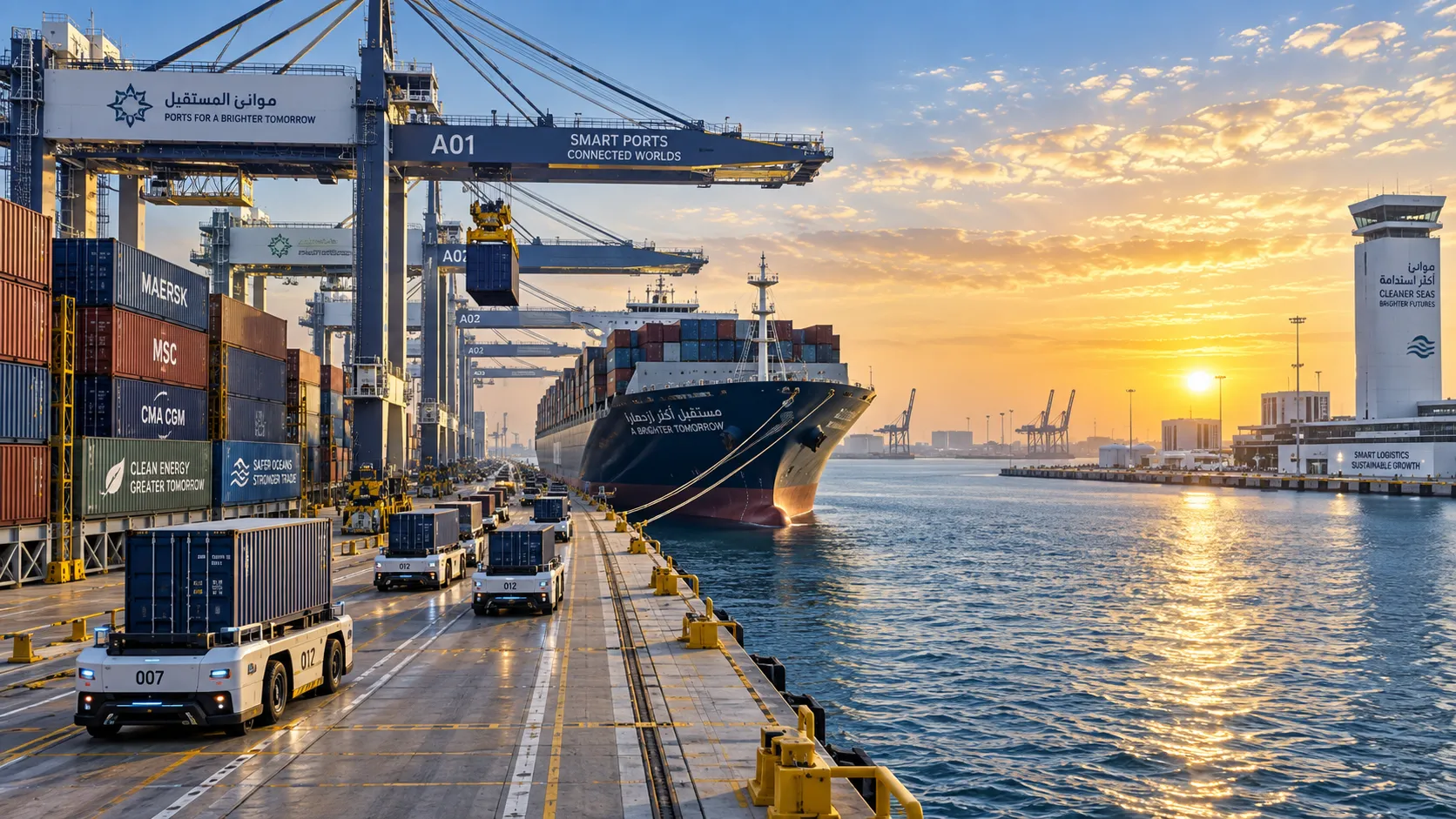
Middle East Port Automation: Key Market Drivers, Projects, and Investment Risks
Port automation systems Middle East: explore market drivers, flagship projects, integration challenges, and investment risks shaping smarter, resilient terminals.
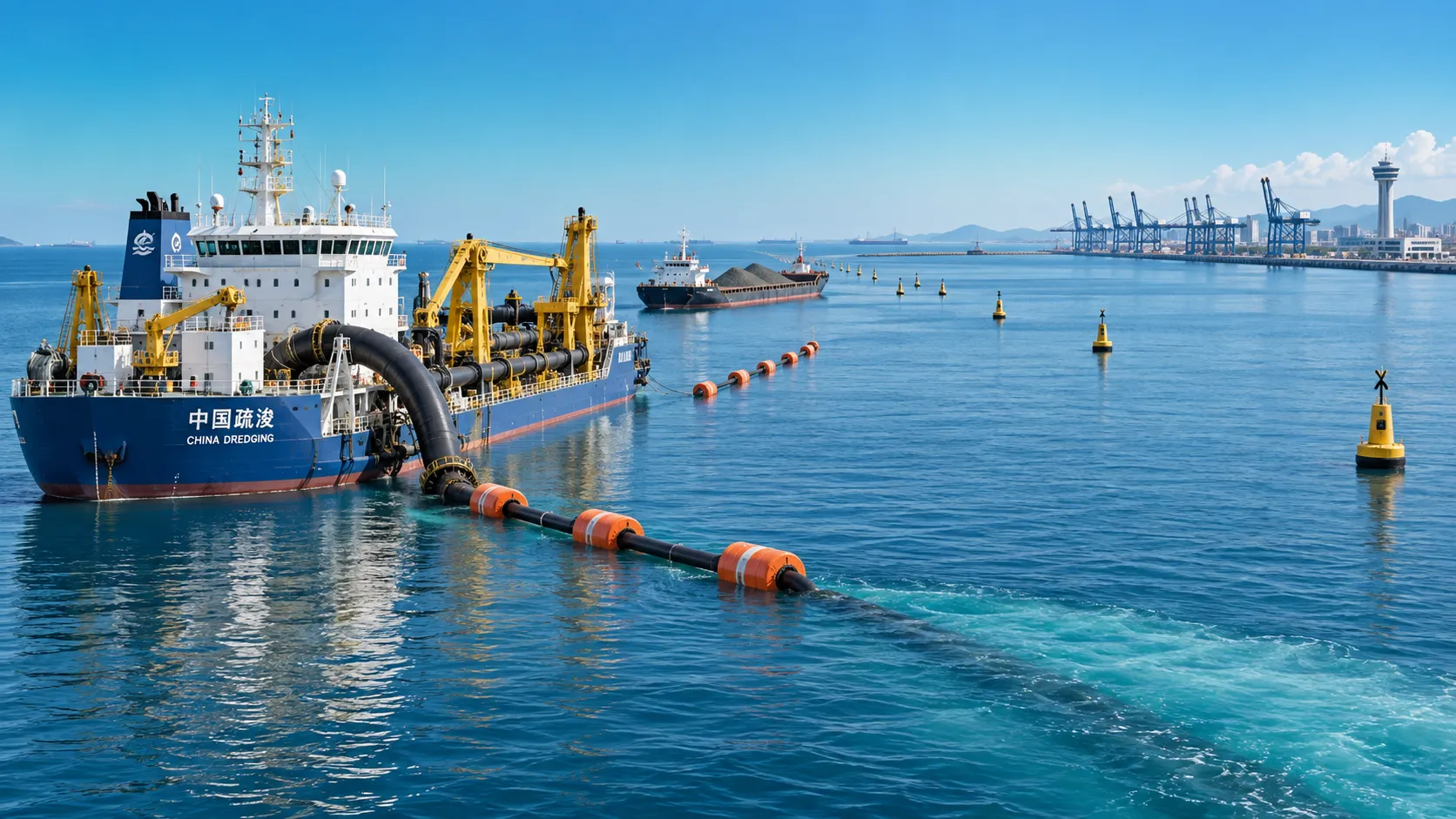
Planning Offshore Dredging Operations: Key Risks, Methods, and Project Controls
Offshore dredging operations demand smart planning. Explore key risks, proven methods, environmental controls, and project strategies for reliable delivery.