
Related News
- 00
0000-00
How to Specify a Quay Crane for Container Terminals by Vessel Size and Throughput? - 00
0000-00
Which Bulk Handling Equipment Suits High-Moisture Cargo? - 00
0000-00
Terminal Automation Technologies That Raise Container Throughput Without Yard Disruption - 00
0000-00
Planning Offshore Dredging Operations: Key Risks, Methods, and Project Controls - 00
0000-00
Where Do Automated Guided Vehicles Deliver the Fastest Warehouse Gains in the Middle East?
How Smart Port Solutions Improve Gate Operations Efficiency and Truck Turnaround
How Smart Port Solutions Improve Gate Operations Efficiency and Truck Turnaround
For project managers and engineering leaders, improving gate performance is no longer just about faster entry and exit. At busy terminals, the gate has become a control point where truck arrival patterns, yard readiness, customs status, equipment availability, and data quality all collide. That is why smart port solutions for gate operations are drawing so much attention. They do not simply automate a checkpoint. They change how the terminal absorbs truck traffic, validates transactions, and prevents gate-side congestion from spilling into the yard or back onto public roads.
The practical question is not whether digital gate tools sound efficient on paper. The real question is where they fit, what operating conditions they depend on, and where ports misjudge them. A terminal handling mixed import pickups, empties, reefer transactions, and exception cargo faces a very different gate logic from a highly standardized automated container terminal. In one case, the gate solution must manage variability and human intervention. In the other, it must preserve timing precision between truck appointments, OCR capture, TOS instructions, and yard equipment dispatch. The same software label may appear in both projects, but the application logic is not the same.
Where Gate Delays Actually Start
Truck turnaround is often blamed on the queue visible at the gate lane, yet that queue is usually the result of an earlier mismatch. The truck may have arrived without a clean appointment window. The box may not be customs-cleared. The container might still be buried under unproductive yard stacks. A damaged unit may require manual inspection. A driver may present inconsistent booking or chassis information. When terminals install automation without cleaning these upstream conditions, they get a faster gate transaction log but not a faster truck cycle.
This is why the better smart port deployments treat the gate as part of a larger orchestration layer. OCR portals, RFID, license plate recognition, appointment systems, mobile pre-check workflows, weighbridge integration, and TOS connectivity matter less as standalone features than as a timing chain. If one link is late or inaccurate, the gate becomes a place where exceptions accumulate. Ports that have learned this the hard way tend to redesign process ownership at the same time as they add technology. Someone has to own data accuracy before the truck arrives, not after it stops at the pedestal.
The Difference Between High-Volume Standardization and Mixed Cargo Reality
In a highly repetitive container gateway, the strongest gains usually come from pre-arrival validation and lane automation. If most truck moves follow predictable document rules and container conditions, smart gate systems can push more decisions upstream. Drivers receive appointment confirmation, transaction status is checked before arrival, and lane hardware verifies identity and unit data in seconds. In that environment, the gate no longer spends its time asking what the truck wants to do. It confirms that the move is already authorized and physically consistent.
A mixed terminal is less forgiving. It may process export drop-offs, empty returns governed by changing depot rules, oversize cargo requiring manual review, and import pickups with frequent holds or document amendments. Here, smart port solutions for gate operations still help, but not by pretending every move can be fully automated. The more credible design is a layered one: automated screening for clean transactions, fast exception routing for problematic ones, and visible decision rules so supervisors can intervene without freezing the entire lane group. Many projects underperform because they over-automate the happy path and under-design the exception path.
That distinction affects civil layout as well. A terminal with tight frontage and limited queuing apron cannot tolerate exception trucks blocking OCR lanes. It needs physical bypass logic, not just digital logic. If there is no room for reinspection pockets, secondary checks, or safe driver communication zones, technology alone will not protect throughput during peak arrivals.
What Usually Works Best at the Gate
The most resilient gate systems tend to combine four capabilities.
None of these are exotic. What makes them effective is the quality of integration. PS-Nexus has consistently observed across terminal modernization programs that gate performance is tightly tied to how well field devices, control systems, and operations teams share decision timing. OCR without dependable TOS messaging becomes a camera network. Appointments without yard capacity discipline become a political promise to truckers that operations cannot support.
Site Conditions That Change the Business Case
Some terminals pursue gate automation mainly to reduce transaction time. Others do it because land is constrained, labor deployment is inconsistent, or truck congestion is becoming a community and regulatory issue. Those drivers lead to different solution priorities.
If the site has generous staging space but inconsistent document quality, the first priority is not adding more lanes. It is improving data confidence before arrival. If frontage is limited and queues spill toward city roads, arrival smoothing and exception segregation usually deserve more attention than raw lane count. In export-heavy gateways with sharp cut-off periods, the gate may need dynamic slot release tied to vessel windows rather than static appointments. In terminals with a growing share of remote-controlled yard equipment, the gate becomes more sensitive to dispatch timing because the truck handoff is no longer buffered by informal manual workarounds.
Weather exposure matters too. Ports are harsh sensor environments. Salt, rain, glare, dust, container damage, and dirty license plates all erode capture reliability. Engineering teams that evaluate only software workflows often miss the maintenance burden of field hardware alignment, cleaning, spare parts, and communications resilience. A gate solution that looks efficient during a demo can become operationally fragile if image capture performance drops during night shifts or heavy weather.
Truck Turnaround Depends on Yard Readiness More Than Most Gate Projects Admit
There is a recurring mistake in port digitization: measuring gate success only by the entry transaction. A truck that clears the gate quickly but waits inside for container availability has not experienced a productive turnaround. This is especially relevant for import pickup operations. If the yard strategy does not align with truck appointments, the terminal simply relocates delay from the public-facing gate to the internal transfer system.
That is why the stronger smart port solutions connect gate intent with yard execution. Arrival predictions can help prepare the stack. Equipment dispatch logic can prioritize imminent truck work. Some terminals also use live milestone visibility to distinguish whether delay is caused by gate processing, travel distance, stack rehandle, or crane availability. Without that level of traceability, improvement efforts drift toward anecdotes, and the gate team gets blamed for bottlenecks created elsewhere.
For terminals moving toward automated container handling, this alignment becomes even more important. Automated yards operate well under disciplined instruction sets, but they are less tolerant of noisy truck arrival patterns. If appointment compliance is weak, AGV routing and ASC workload balancing can deteriorate. In that sense, gate digitization is not just a roadside convenience project. It is part of the control architecture for the whole terminal.
Questions Operators Usually Ask Too Late
Several practical questions tend to surface after procurement, when they should shape the design from the start.
How will the system treat drivers with valid appointments but incomplete data? Can they be rerouted without blocking lanes? How often do transaction rules change, and who maintains them? Does the terminal rely on external parties such as shipping lines, depots, or customs systems whose data quality is inconsistent? Is there enough local support for sensor calibration, network troubleshooting, and lane hardware replacement? During peak disruption, can operations temporarily degrade into assisted mode without losing audit visibility?
These are not edge cases. They define whether the gate remains productive under pressure. A smart gate is only as smart as its failure handling. When ports evaluate solutions, they should spend less time on polished dashboards and more time walking through exception traffic, night operations, peak vessel windows, and bad-weather recovery.
Choosing the Right Level of Automation
Full automation is not always the right first move. For some terminals, the highest return comes from sequencing the rollout: start with digital pre-advice, transaction validation, and appointment control; then add OCR and automated lane processing where transaction types are stable; then refine yard-gate synchronization once data quality improves. That staged approach is often more durable than a headline-grabbing deployment that tries to automate every gate movement before business rules are mature.
The choice also depends on workforce practice. Some ports have gate clerks and control teams with deep operational judgment but fragmented digital tools. In those environments, the best system does not erase human judgment. It channels it into faster decisions with cleaner visibility. Other terminals already operate with a high degree of process discipline and can push further toward unattended lanes and remote supervision.
For organizations following maritime logistics through the lens of PS-Nexus, the pattern is clear: smart port solutions for gate operations create the most value when they are treated as part of terminal systems engineering, not as standalone IT procurement. Their payoff appears in shorter truck turnaround, fewer avoidable gate stops, better yard preparation, and more reliable use of terminal assets. But those results depend on the fit between the solution and the site. Before selecting a platform, it is worth mapping transaction variability, exception frequency, frontage limits, sensor exposure, and yard response capability. That exercise usually reveals whether the project needs more automation, better orchestration, or simply stricter operational discipline before technology is asked to carry the load.
Related News
Smart Port Systems in Southeast Asia: Investment Priorities and Adoption Barriers
Smart port systems Southeast Asia: discover investment priorities, adoption barriers, and practical steps to build resilient, connected, high-performing terminals.
How to Evaluate Terminal Efficiency Solution Suppliers for High-Throughput Operations
Choose a terminal efficiency solutions supplier with confidence. Explore proven criteria for throughput, integration, lifecycle cost, safety, and reliable delivery.
How to Specify a Quay Crane for Container Terminals by Vessel Size and Throughput?
Quay crane for container terminals: learn how to match outreach, lift height, capacity, automation, and cycle performance to vessel size and throughput goals.
What Dredging Equipment Is Needed for Channel Deepening?
What dredging equipment is needed for channel deepening? Explore dredgers, pipelines, survey tools, and planning strategies for safer, more efficient port access.
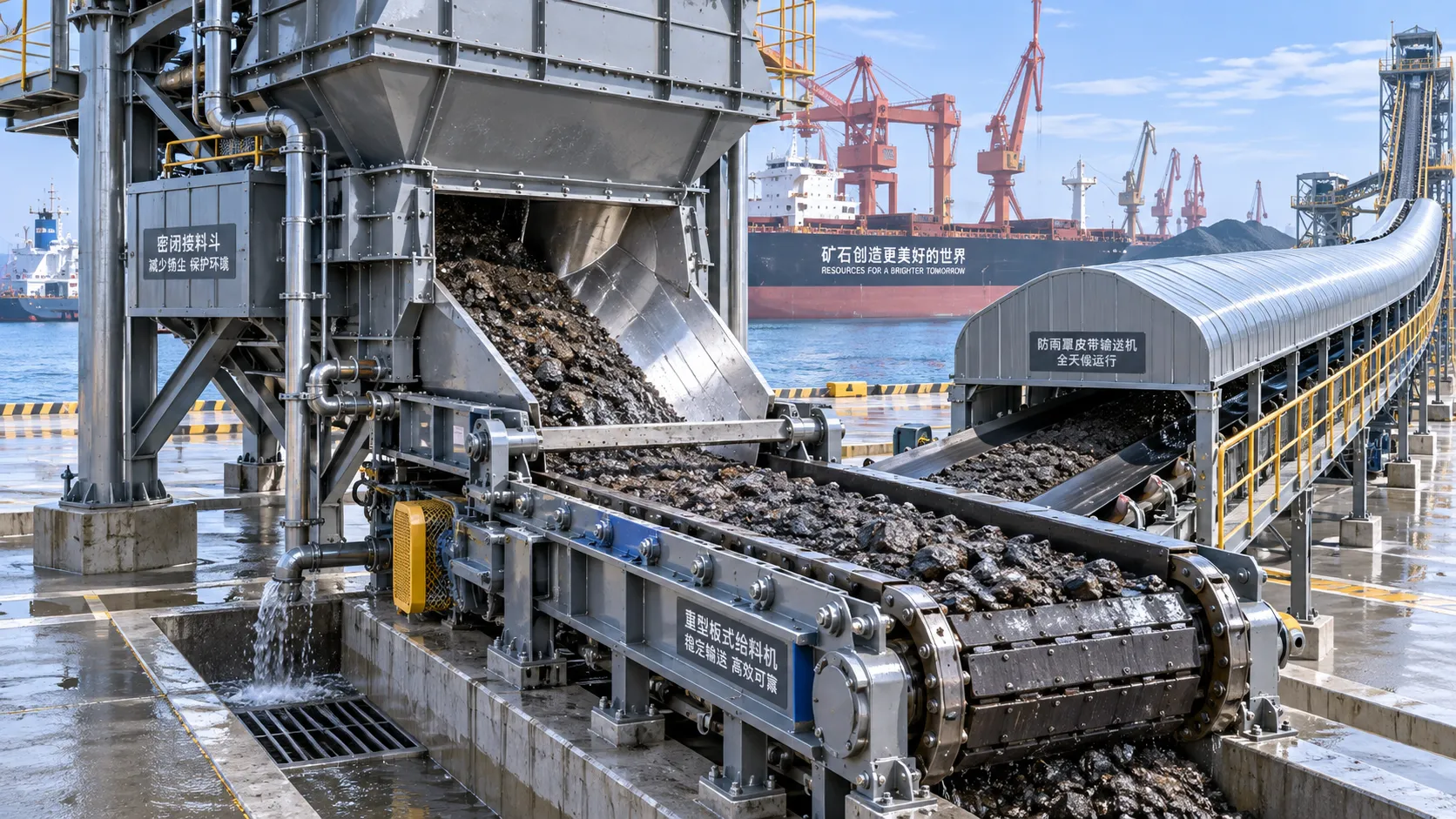
Which Bulk Handling Equipment Suits High-Moisture Cargo?
Which bulk handling equipment suits high-moisture cargo? Compare belt, apron, screw, drag, and slurry systems for reliable flow, less carryback, and higher terminal uptime.
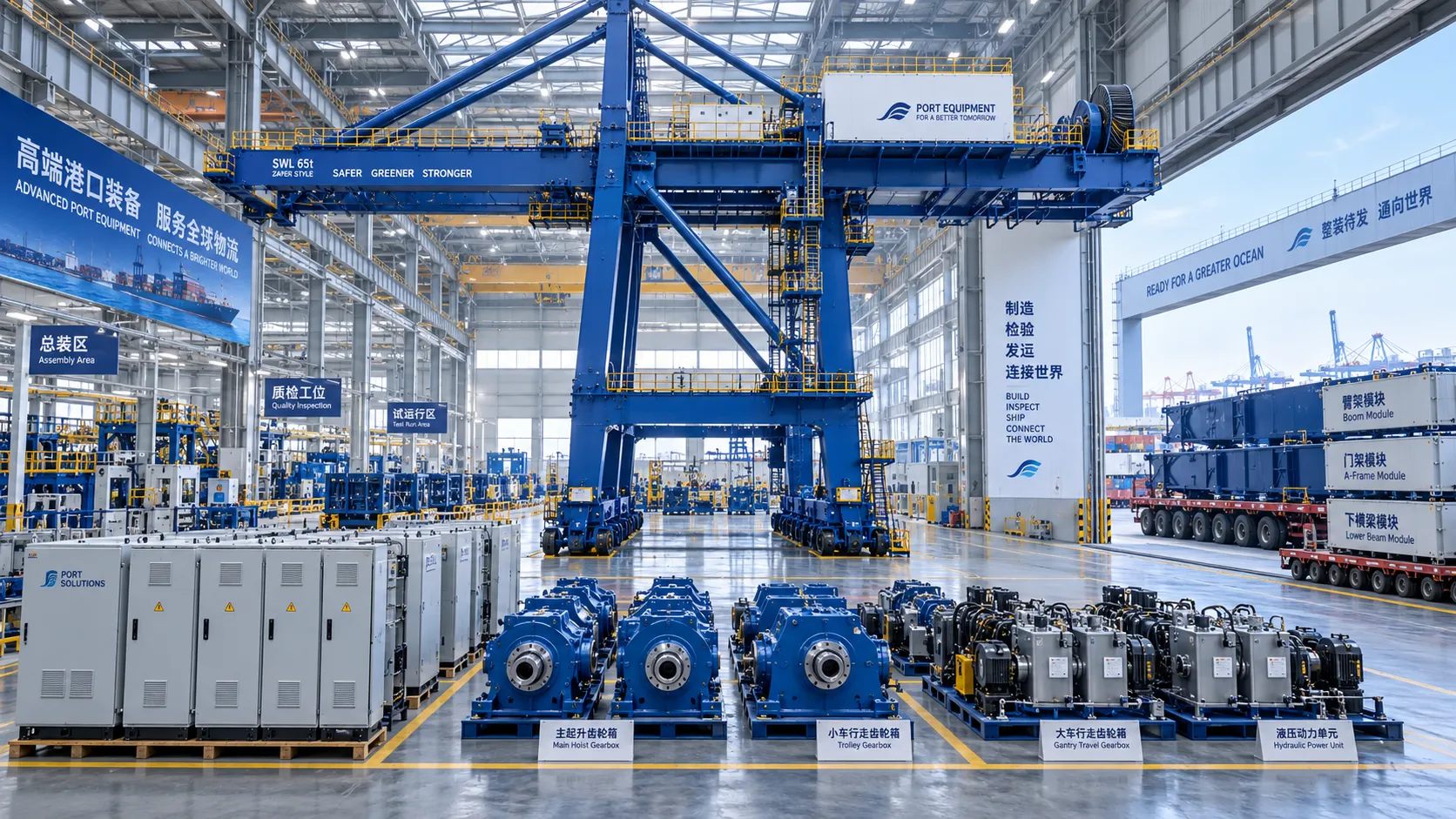
How Can Port Equipment Lead-Time Risk Be Managed?
How can port equipment lead-time risk be managed? Explore practical strategies to control critical paths, suppliers, transport, site readiness, and commissioning delays.
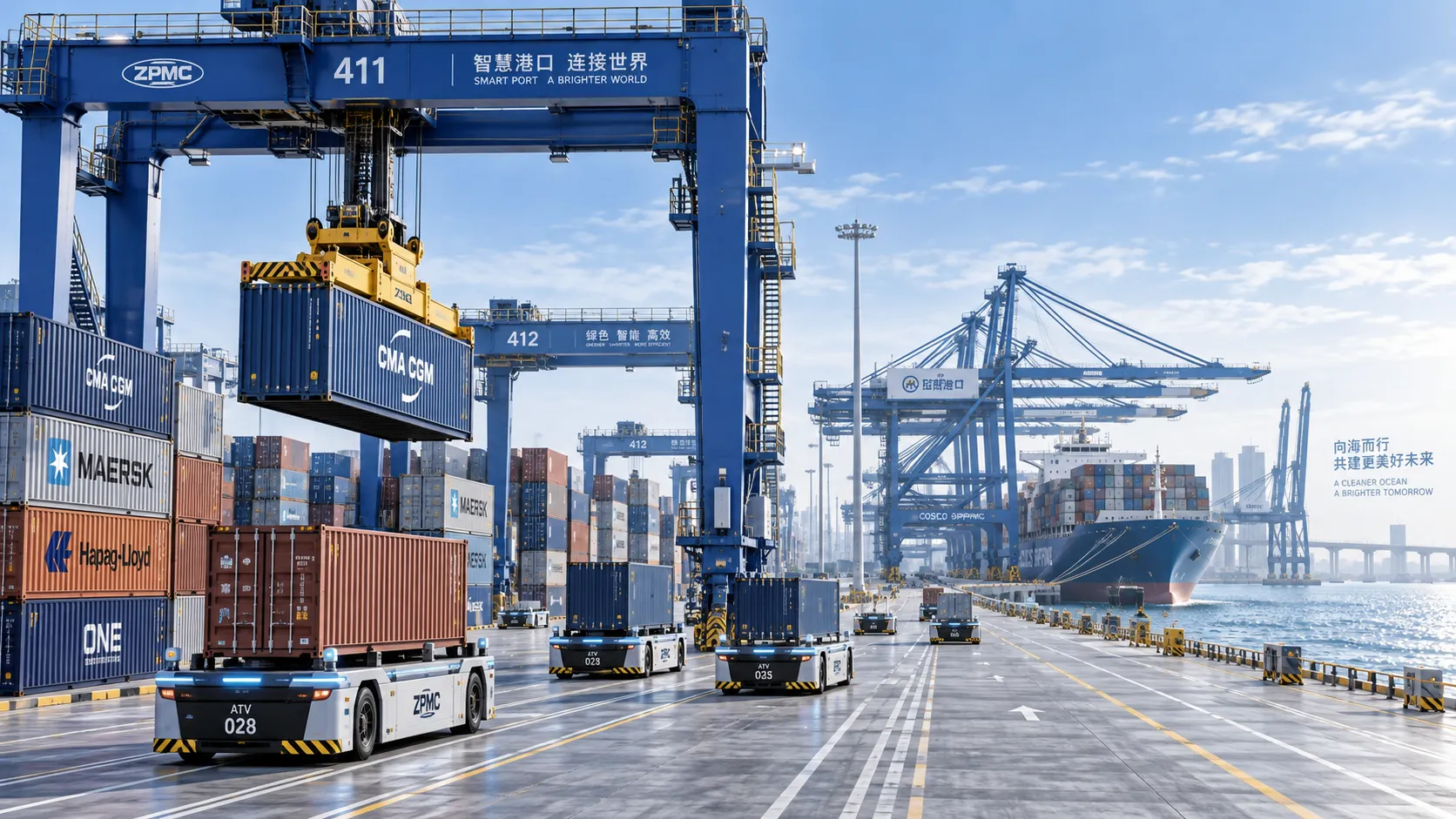
Terminal Automation Technologies That Raise Container Throughput Without Yard Disruption
Terminal automation technology that increases container throughput without disrupting yard flow. Explore smarter integration, resilient workflows, and phased deployment strategies.
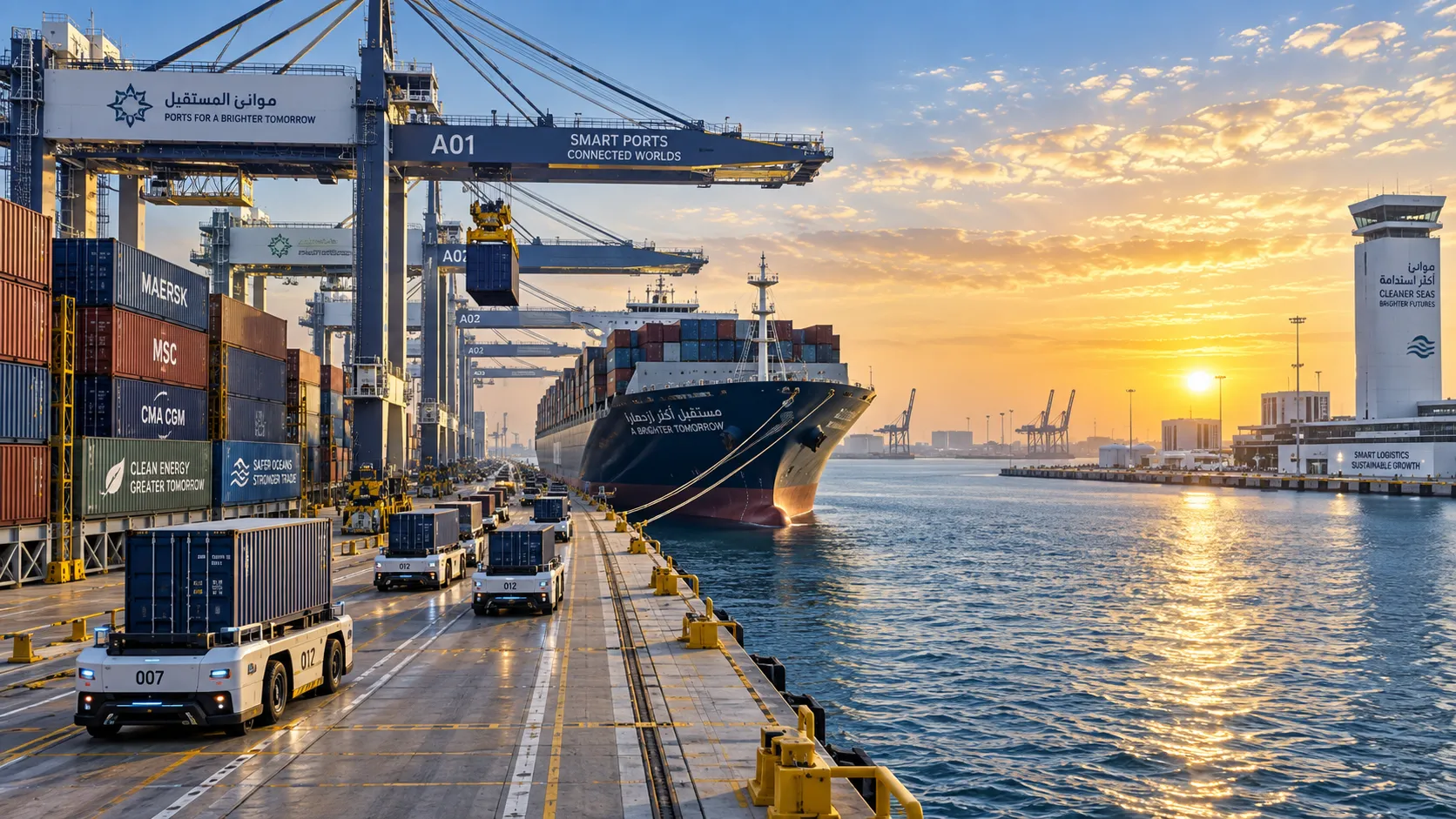
Middle East Port Automation: Key Market Drivers, Projects, and Investment Risks
Port automation systems Middle East: explore market drivers, flagship projects, integration challenges, and investment risks shaping smarter, resilient terminals.
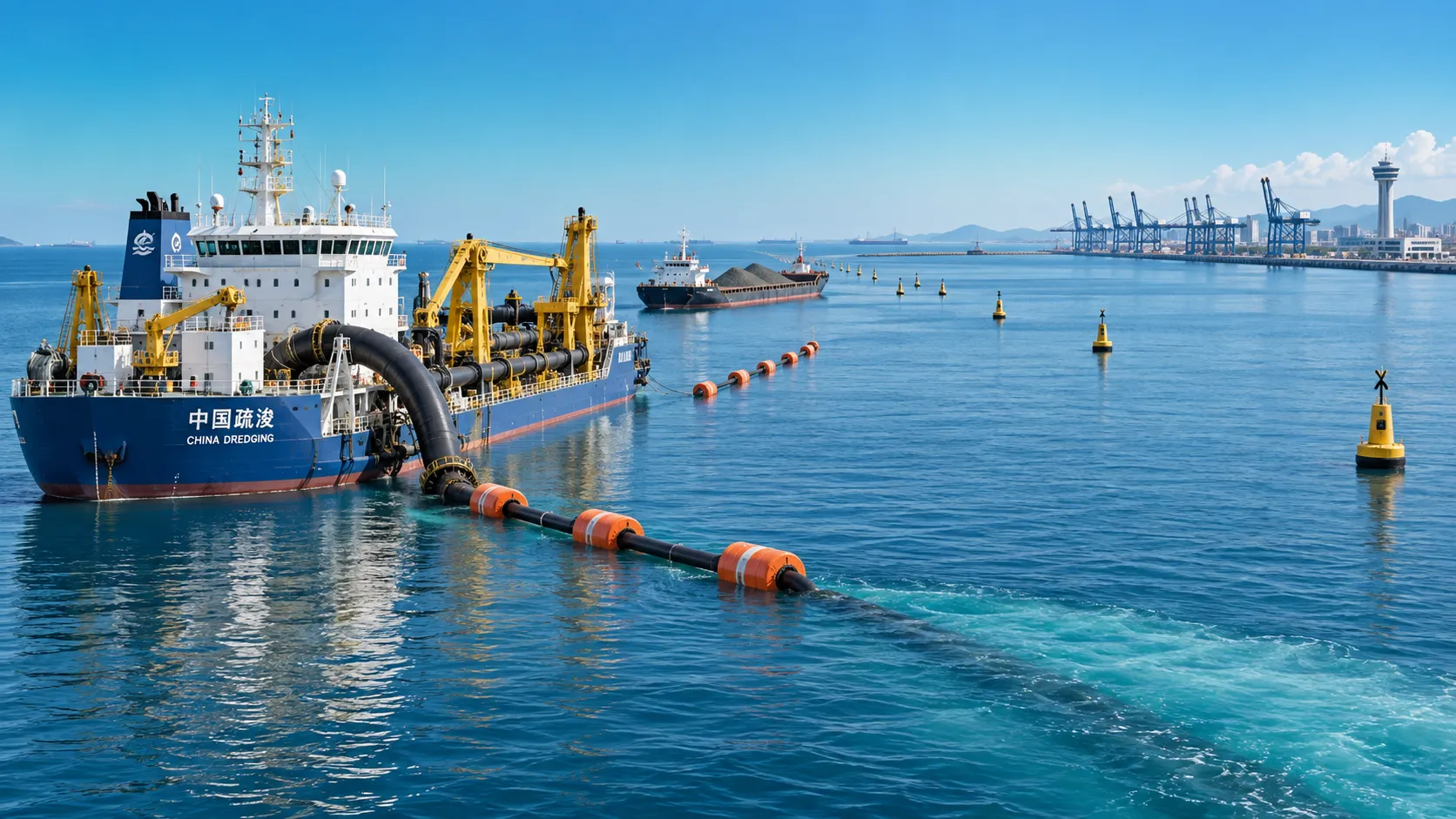
Planning Offshore Dredging Operations: Key Risks, Methods, and Project Controls
Offshore dredging operations demand smart planning. Explore key risks, proven methods, environmental controls, and project strategies for reliable delivery.