Related News
- 00
0000-00
How to Evaluate a Quay Crane Factory: Capacity, Quality and Delivery - 00
0000-00
How to Evaluate a Bulk Handling Equipment Exporter for Port and Plant Projects - 00
0000-00
How to Evaluate a Yard Mobility Solutions Manufacturer for High-Throughput Sites - 00
0000-00
How to Evaluate a Container Handling Equipment Exporter for Port and Yard Projects - 00
0000-00
Selecting Port and Terminal Cargo Handling Equipment by Cargo Mix and Duty Cycle
0000-00
How to Evaluate a Quay Crane Factory: Capacity, Quality and Delivery
Choosing a quay crane factory involves more than comparing prices and promised lead times. Procurement teams need evidence that a supplier can meet production requirements and maintain consistent quality.
Delivery logistics, commissioning support, and long-term service also affect project risk. The strongest supplier is the one that can substantiate its commitments across the entire project lifecycle.
Start by defining the terminal’s technical and commercial requirements, then verify capacity, inspect quality controls, and test the delivery plan against evidence from comparable projects.
What Should Procurement Teams Confirm First?
A competitive quotation is useful only when it covers the required scope. Confirm the crane configuration, applicable standards, delivery location, installation responsibilities, and acceptance criteria before comparing prices.
For a ship-to-shore quay crane, establish the required outreach, lift height, rail span, rated loads, operating speeds, and expected vessel sizes with terminal engineering and operations teams.
Clarify the handling arrangement, including single-lift or twin-lift operation, spreader requirements, and the load ratings applicable to each mode. These choices affect structural design and component selection.
Document site conditions such as wind, seismic exposure, ambient temperature, power supply, and corrosive marine conditions. The factory should identify design assumptions and any exclusions explicitly.
Also define the intended operating model: staffed cab, remote control, or a specified level of automation. Interfaces with terminal systems can materially affect cost and delivery.
Can the Factory Actually Build Your Cranes on Time?
Published annual output is a starting point, not proof of available capacity. Ask how many comparable cranes the factory has built and what capacity remains during your production window.
Request a project-specific schedule showing engineering, procurement, fabrication, assembly, testing, shipment, installation, and commissioning. Identify activities performed internally and those assigned to subcontractors.
Compare the proposed schedule with the supplier’s current order book. Where confidentiality limits disclosure, request an independently verifiable summary of workloads, production slots, and competing commitments.
During a factory visit, examine fabrication bays, lifting equipment, assembly space, and storage areas. Check whether their dimensions and lifting capacities suit your crane’s largest planned assemblies.
Ask how the factory manages simultaneous projects. A large facility can still face bottlenecks in welding, blasting, painting, electrical integration, or access to heavy-lift equipment.
For critical purchased items, request supplier names, indicative lead times, and procurement status. Typical schedule-sensitive components include drives, motors, gearboxes, electrical equipment, and spreaders.
Ask whether the proposed delivery date assumes existing stock, reserved production slots, or future purchase orders. Unverified assumptions should appear as schedule risks, not firm commitments.
Review examples of completed projects with similar crane size, configuration, and delivery conditions. Ask customers about actual milestone performance and how the manufacturer handled delays.
How Should Buyers Verify Quality Control?
Quality assessment should follow the crane from design through fabrication and commissioning. Request the proposed inspection and test plan, including hold points and required records.
Check the manufacturer’s quality management certification and its scope, validity, and issuing body. Certification supports an assessment but does not replace evidence from specific crane projects.
Review the design process with qualified technical specialists. The supplier should explain load cases, fatigue assessment, structural analysis, design verification, and the standards governing the contract.
Ask for sample material certificates and a traceability procedure linking major structural materials to purchase records, inspection results, and fabricated components throughout production.
For welded structures, review approved welding procedures, welder qualifications, inspection methods, and treatment of nonconformities. Confirm which welds require nondestructive testing and who performs it.
Inspect calibration records for measuring and testing equipment. The supplier should show how inspection results are recorded, reviewed, and retained for the project’s documentation package.
Corrosion protection deserves particular attention in marine environments. Check surface preparation, coating specifications, environmental controls, dry-film thickness testing, repair procedures, and warranty conditions.
For electrical and control systems, ask how the factory verifies wiring, protective functions, drive performance, software versions, cybersecurity responsibilities, and integration with third-party equipment.
Define factory acceptance testing before contract award. The test plan should state what can realistically be demonstrated at the factory and what requires final installation on site.
Witness rights and independent inspection can strengthen oversight. Specify notice periods, access arrangements, reporting deadlines, and procedures for resolving failed inspections without obscuring schedule consequences.
What Makes a Delivery Plan Credible?
A quay crane factory may complete fabrication on schedule yet miss the operational deadline. Transport approvals, port access, installation resources, and site readiness can all delay handover.
Ask the supplier to explain the proposed transport method, including whether cranes will ship fully assembled or in sections. Each approach changes lifting, routing, and site assembly requirements.
Review route surveys, vessel or heavy-lift availability, loading arrangements, weather restrictions, and destination berth constraints. Confirm who obtains permits and who bears associated costs and delays.
Use a named Incoterms rule and specify the delivery point in the contract. Separately define responsibilities for unloading, insurance, customs clearance, taxes, and onward movement where applicable.
The delivery schedule should identify interfaces with civil works, crane rails, power supply, communications, and terminal access. Assign an owner and required completion date to each dependency.
Request a commissioning plan covering mechanical completion, electrical checks, control integration, operator training, performance testing, and defect resolution. Confirm the personnel and equipment each party provides.
Distinguish shipment, delivery, mechanical completion, provisional acceptance, and final acceptance. Payment milestones and contractual remedies should correspond to clearly defined events and objective evidence.
For schedule protection, consider milestone reporting, escalation procedures, recovery plans, and appropriately negotiated delay remedies. Have legal and technical advisers review exclusions and liability limits.
Which Documents and Questions Reveal Supplier Risk?
Issue the same evidence request to shortlisted manufacturers so answers can be compared. Ask for current project-specific documents, not only marketing brochures or undated capability statements.
- Which comparable cranes have you delivered, and can we contact their operators?
- What production capacity and key subcontractor slots are available for our schedule?
- Which components have the longest lead times, and when will they be ordered?
- What inspection records, material certificates, and design deliverables will we receive?
- Which tests are included at the factory and at the terminal?
- Who is responsible for transport, installation, commissioning, permits, and site interfaces?
- What are the warranty exclusions, response times, and spare-parts commitments?
- How will changes, nonconformities, delays, and unresolved defects be managed?
Pay attention to inconsistencies between the quotation, schedule, technical offer, and contract. An item described as included in one document may be excluded or qualified elsewhere.
Warning signs include reluctance to arrange reference checks, vague subcontractor information, unsupported delivery dates, missing inspection records, and a refusal to identify assumptions or exclusions.
Acknowledge commercial confidentiality, but require enough independently verifiable evidence to assess material risks. Record unanswered questions and resolve critical gaps before selecting a preferred bidder.
How Should Buyers Compare Total Cost and Support?
Compare bids on a common scope and currency basis, using documented assumptions for freight, insurance, installation, commissioning, training, taxes, and any purchaser-supplied equipment.
Evaluate operating costs over an agreed assessment period. Consider expected energy use, maintenance labor, consumables, replacement components, downtime exposure, and major refurbishment requirements.
Use the same duty cycle and energy assumptions for every bidder. Supplier estimates are more useful when their boundaries, operating conditions, and calculation methods are disclosed.
Review service coverage at the terminal’s location, including technician availability, remote diagnostics, escalation contacts, and realistic response commitments. Distinguish response time from repair completion time.
Request a recommended spare-parts list with prices, lead times, storage requirements, and expected replacement intervals. Identify proprietary components and the availability of alternatives where technically appropriate.
For automated or remotely operated cranes, clarify software licensing, update support, access rights, backup procedures, and responsibilities for integration with existing terminal systems.
Warranty terms should define coverage periods, exclusions, defect reporting, remedy procedures, and responsibility for travel or replacement parts. Check whether repaired components receive additional coverage.
How Can a Scorecard Support the Final Decision?
Use mandatory pass-or-fail requirements for essential safety, technical, and contractual conditions. A low price should not compensate for an unresolved failure against a critical requirement.
For qualified bids, score production capacity, quality evidence, delivery credibility, lifecycle cost, and service support. Set weightings before reviewing final prices to reduce selection bias.
For example, a project with a fixed terminal opening date may assign greater weight to schedule evidence and logistics. An established terminal may prioritize maintainability and integration.
Require evaluators to record evidence and confidence levels alongside scores. Where a claim remains unverified, document the risk, the proposed verification action, and its decision deadline.
Involve engineering, operations, maintenance, finance, and legal teams in the review. Their input helps expose interface costs and contractual gaps that a purchasing-only assessment may miss.
Make the Selection on Evidence, Not Promises
The right quay crane factory combines available production capacity, demonstrable quality controls, and a delivery plan that accounts for transport, installation, commissioning, and terminal dependencies.
Use comparable project references, documented inspections, and a common cost model to challenge each proposal. Resolve critical uncertainties before commitment and carry agreed controls into the contract.
Related News

Real-Time Container Yard Systems: How to Evaluate Tracking and TOS Integration
Evaluate real time container yard systems with confidence. Discover how to assess tracking accuracy, TOS integration, latency, and operational resilience.
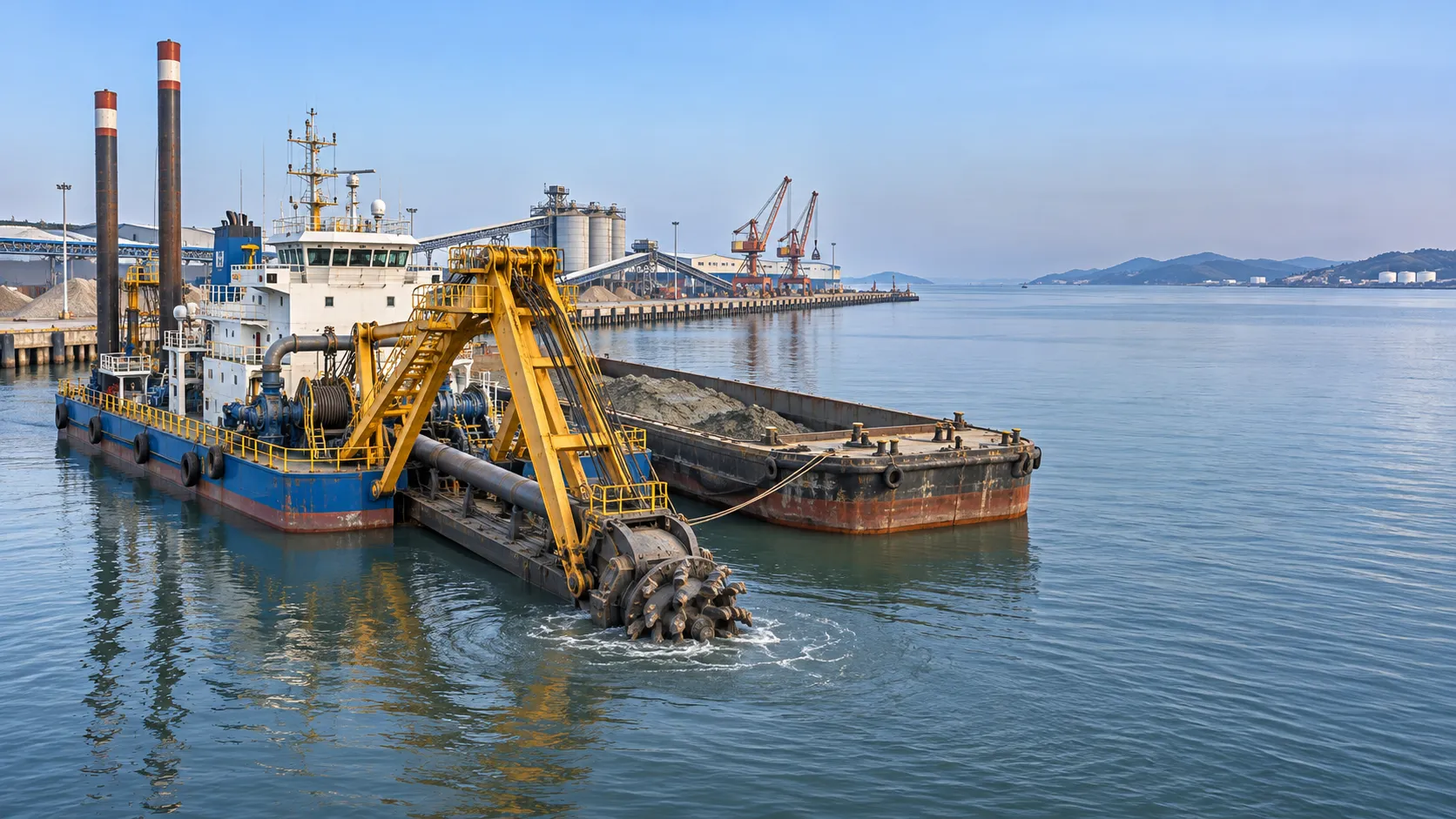
Marine Engineering Solutions for Dredging in Ports: Key Design Factors
Explore marine engineering solutions for dredging ports, from equipment selection and sediment management to safe navigation and survey verification.

What Data Does a Smart Port Control Architecture Need to Operate?
What data is needed for a smart port control architecture? Discover the essential operational feeds, integration requirements and safety checks.
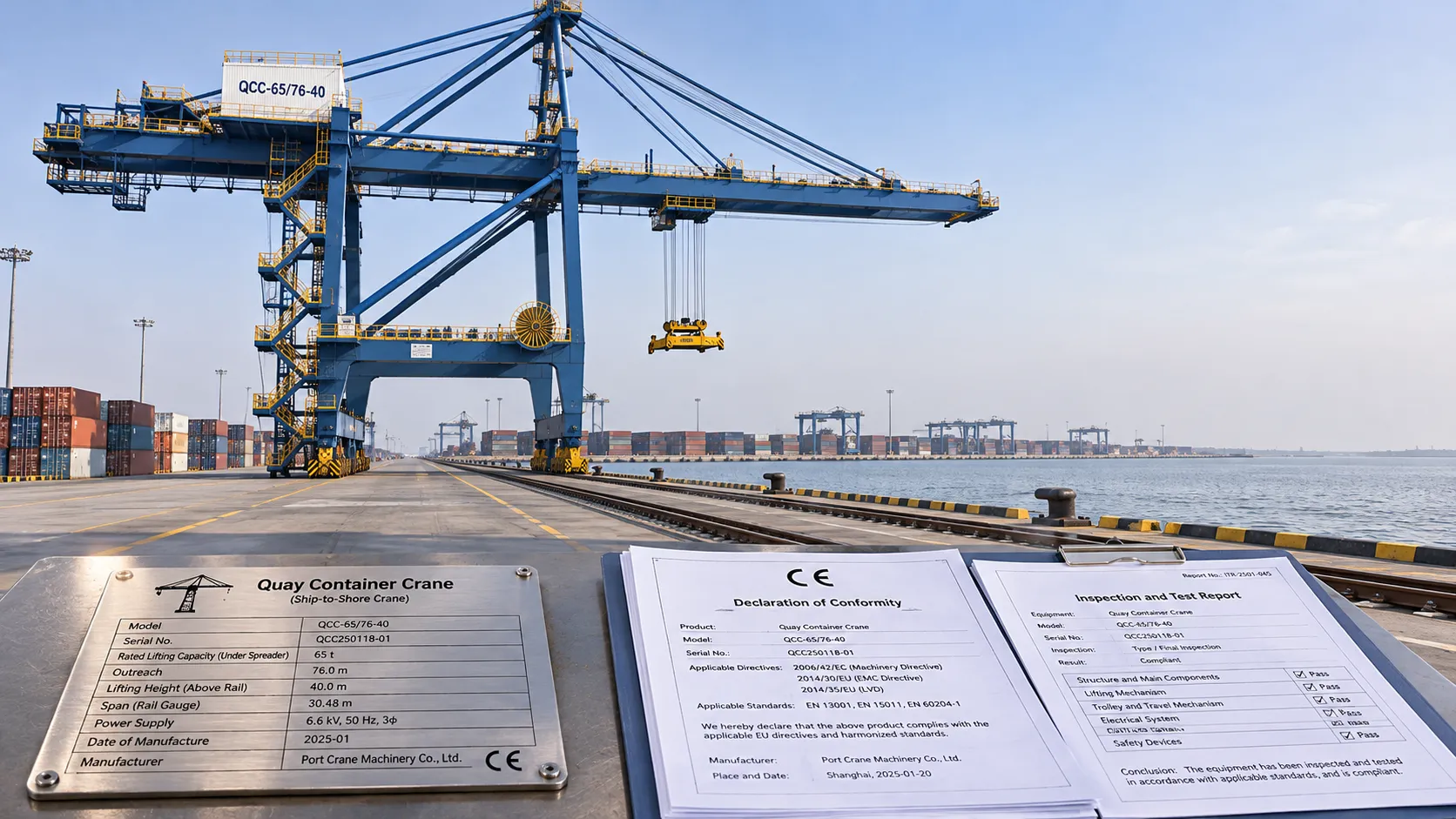
CE-Marked Quay Cranes: How to Verify Compliance Documents
Quay crane CE certified? Learn how to verify declarations, risk assessments and test records for the complete machine before acceptance.

Port Automation Systems in Latin America: Choosing the Right Solution
Explore port automation systems Latin America terminals can use to reduce congestion, assess integration risks, and choose the right solution with confidence.

Scalable Automated Port Systems: Planning for Terminal Capacity Growth
Discover how scalable automated port systems support phased terminal growth, reduce bottlenecks and guide smarter capacity investments.

Europe's Coastal Economies: Key Industries, Jobs and Climate Risks
Explore coastal economics in Europe: discover key industries and jobs, the climate risks they face, and how coastal communities can adapt.

Bulk Cargo Handling Equipment for Ports: Choosing by Cargo and Capacity
Choose bulk cargo handling equipment for ports with confidence. Compare cargo types, realistic throughput, equipment options, and lifecycle costs.

What Affects Container Terminal Efficiency in Southeast Asia?
Discover what affects terminal efficiency in Southeast Asia, from berth planning and yard congestion to inland access, and learn how to assess performance.