Related News
- 00
0000-00
Real-Time Container Yard Systems: How to Evaluate Tracking and TOS Integration - 00
0000-00
Marine Engineering Solutions for Dredging in Ports: Key Design Factors - 00
0000-00
What Data Does a Smart Port Control Architecture Need to Operate? - 00
0000-00
CE-Marked Quay Cranes: How to Verify Compliance Documents - 00
0000-00
Port Automation Systems in Latin America: Choosing the Right Solution
0000-00
Real-Time Container Yard Systems: How to Evaluate Tracking and TOS Integration
Evaluating real time container yard systems requires more than comparing tracking dashboards. Technical teams must determine how accurately and quickly each platform locates containers, equipment, and assets—and how reliably it exchanges data with the terminal operating system (TOS).
Integration architecture, event latency, data quality, and operational resilience can all influence yard visibility and scheduling decisions. This guide outlines the technical criteria and practical questions to help evaluators assess tracking performance and TOS integration in real terminal environments.
The strongest evaluation tests the complete operational chain: detect a move, associate it with the right container, update the TOS, and resolve exceptions before they affect execution.
Start With the Decisions the System Must Support
Define the operational decisions before selecting tracking technology. A system designed for equipment visibility may not provide the container-level certainty needed to automate inventory updates.
Typical use cases include confirming container placement, locating misplaced units, validating crane moves, monitoring equipment positions, and identifying discrepancies between the physical yard and TOS records.
For each use case, specify the required location granularity, update frequency, confidence level, and permitted delay. A search dashboard and automated dispatch may need very different performance.
Also identify which system owns each decision. The tracking platform may supply observations, while the TOS remains responsible for inventory, work instructions, and operational state.
Document the consequences of a wrong or late update. A stale position may inconvenience a supervisor; an incorrect automated move confirmation can corrupt inventory and disrupt downstream work.
Use these consequences to set acceptance criteria with operations, IT, and automation teams. Avoid selecting thresholds solely because a vendor lists them in a product brochure.
How Accurately Can the System Identify a Container’s Location?
Location accuracy must be assessed against the yard’s physical layout. Knowing that a container is within several meters may be insufficient when adjacent slots are closely spaced.
Ask whether the system reports coordinates, a yard block, a stack position, or a complete bay-row-tier location. Confirm how coordinates are translated into the terminal’s slot model.
A usable position also requires the correct container identity. Examine how the platform associates an observed move with a container number, equipment identifier, and work instruction.
Potential evidence sources include equipment positioning, crane sensors, optical character recognition, radio-frequency identification, and operator confirmation. Each introduces different coverage, maintenance, and error characteristics.
For example, equipment position alone may indicate where a crane is operating without proving which container it handled. The association logic and its exception handling deserve separate tests.
Stack height creates another distinction. A solution that reliably identifies a horizontal slot may still need crane data or move history to determine the correct tier.
Ask vendors to disclose how they handle blocked sightlines, metal interference, poor weather, damaged labels, and changes to yard geometry. Request evidence from comparable operating environments.
Measure both correct results and unresolved cases. A high accuracy figure can hide operational problems if ambiguous observations are excluded from its calculation without clear disclosure.
Define the denominator for every metric: all attempted moves, observable moves, or only automatically accepted moves. Report missing, incorrect, and low-confidence results separately.
Check whether confidence scores are calibrated against actual outcomes. A score is useful only if operators can understand what it means and how thresholds affect decisions.
What Does “Real Time” Mean for an Operational Move?
Real time should be expressed as an end-to-end latency target, not a claim about sensor refresh rates. Measure from the physical event to usable TOS state.
The path can include detection, local processing, wireless transmission, event matching, integration middleware, TOS validation, and database update. Each stage can introduce delay or failure.
Record timestamps at these boundaries using synchronized clocks, and define precisely when a move is considered complete. Without consistent timestamps, latency comparisons can be misleading.
Report the median and upper-percentile latency alongside the maximum observed delay. Tail latency matters because a small number of late updates can affect time-sensitive dispatch decisions.
Measure freshness separately from latency. A position can arrive quickly when connectivity exists but remain stale during an outage; the interface should expose its observation time.
Test under representative peak loads, including concurrent crane moves, equipment handovers, shift changes, and bursts of delayed messages after connectivity returns.
Set different thresholds where appropriate. A monitoring screen may tolerate a longer delay than an automated workflow that must validate a move before issuing another instruction.
Ask how the platform flags stale data, whether it can suppress automated actions when freshness limits are exceeded, and who receives the resulting alerts.
How Should Tracking Data Integrate With the TOS?
Start by mapping the integration flows in both directions. Tracking platforms may need TOS work instructions and yard definitions, while the TOS receives observations or move confirmations.
For every message, document the producer, consumer, business meaning, required fields, and expected response. Include container identity, equipment identity, location, event time, and correlation identifiers.
Confirm which application is authoritative for container identity, planned moves, actual position, and exception status. Conflicting ownership rules can create loops or overwrite valid operational corrections.
Some terminals use the TOS as the authoritative inventory record and treat tracking data as evidence. Others permit automatic updates when defined confidence and validation conditions are met.
Choose the update model explicitly. For each event type, state whether the platform proposes a change, confirms an instructed move, or can initiate an inventory correction.
Inspect the available interfaces, including APIs, event streams, message queues, or vendor-supported adapters. Verify compatibility with the deployed TOS version and any planned upgrade.
Interface availability alone does not establish interoperability. Request field definitions, sample payloads, authentication requirements, error codes, rate limits, and documentation for version changes.
Evaluate whether updates are synchronous or asynchronous, how acknowledgments work, and what happens when the TOS accepts a message but rejects the associated business transaction.
Duplicate delivery is common in distributed systems. Require stable event identifiers and idempotent processing so a retry cannot create duplicate moves or repeat a correction.
Test out-of-order events as well. A delayed pickup event arriving after a placement event must not silently replace a newer, validated container position.
Agree on ordering rules, time sources, and conflict resolution. Where available, use transaction references or sequence information rather than relying on timestamps alone.
Finally, establish an audit trail linking the observation, matching decision, message, TOS response, and any operator override. Investigators should be able to reconstruct disputed moves.
How Will the Platform Handle Missing or Conflicting Data?
Real terminal operations produce incomplete observations. Equipment can lose connectivity, identification can fail, and manual interventions may occur outside the expected sequence.
Ask the vendor to demonstrate what happens when a container is moved but its identifier cannot be read. The system should preserve uncertainty instead of inventing certainty.
Define how unmatched observations enter an exception queue, what context operators receive, and whether corrections require one person or a second approval for higher-impact cases.
When tracking and TOS positions disagree, compare the evidence behind each record. The latest message is not automatically correct, particularly after delayed delivery or manual corrections.
Agree on reconciliation rules for each discrepancy type, including missing moves, duplicate moves, impossible slot assignments, and containers recorded in occupied positions.
Measure exception volume, time to resolution, and recurrence. A platform that improves automated matching but overwhelms supervisors with ambiguous cases may offer limited operational benefit.
Check whether corrected cases improve configuration or matching rules, and whether changes are controlled, tested, and traceable. Do not assume every platform learns automatically.
Can the System Remain Reliable During Network and Equipment Failures?
Yard networks face coverage gaps, interference, maintenance windows, and infrastructure failures. Test the actual wireless design across blocks, equipment types, and expected traffic levels.
Determine which functions operate locally when connectivity is lost. Ask whether devices buffer observations, how much they can store, and what happens when buffers fill.
When service returns, verify that buffered events are replayed safely, ordered where necessary, and reconciled with TOS changes made during the outage.
Define recovery time and acceptable data loss for each critical workflow. Validate these objectives through failure tests rather than relying solely on contractual availability percentages.
Include sensor failure, positioning drift, TOS downtime, message broker failure, and loss of a network segment. Record both automatic recovery and required operator actions.
Ask how monitoring distinguishes an inactive asset from a failed device or stale feed. Operations teams need actionable alerts, ownership, and escalation procedures.
Review access controls, encryption in transit, credential management, patching responsibilities, and remote support arrangements. Integration accounts should receive only the permissions their workflows require.
Where technology affects equipment control or safety functions, involve the responsible engineering teams. Tracking evidence should not bypass established safety controls or operational approval processes.
Run a Pilot That Reflects Real Yard Operations
A useful pilot includes representative blocks, equipment, shifts, container types, and environmental conditions. Select a scope large enough to expose integration and exception-handling problems.
Establish a baseline before deployment: current inventory discrepancies, search time, move confirmation delays, manual corrections, and the labor needed to investigate exceptions.
Use an independently verified sample of physical moves as ground truth. Record how the sample was selected and include difficult cases, not just easily observed moves.
Compare each observed move with the verified container identity, slot, tier where required, event time, and TOS outcome. Track cases the system cannot classify.
Agree in advance on acceptance thresholds for identification, slot accuracy, latency, completeness, and recovery. Set thresholds according to the intended workflow and terminal risk tolerance.
For automated updates, test the whole transaction: a physical move occurs, evidence is matched, the TOS validates the message, and the resulting inventory is correct.
Include negative tests for unreadable identifiers, incorrect work instructions, duplicated messages, stale positions, conflicting corrections, and communication interruptions. Verify that exceptions reach the right people.
Run the pilot long enough to observe representative operating patterns and investigate failures. Document seasonal or unusual conditions that were not covered before extrapolating results.
Review results by scenario and equipment type, not only as a single aggregate score. A strong overall result may conceal a weak block or unreliable move category.
What Should Evaluators Compare Before Selecting a Vendor?
Use a weighted scorecard tied to operational requirements. Give the highest weight to measurable tracking performance, TOS transaction integrity, exception handling, and resilience.
Compare lifecycle costs as well as initial pricing. Include installation, network changes, device maintenance, software licenses, integration development, testing, support, and future TOS upgrades.
Request a clear division of responsibilities among the tracking supplier, TOS provider, network team, and terminal. Identify who diagnoses failures that cross system boundaries.
Examine implementation dependencies, including equipment access, yard mapping, sensor calibration, interface approvals, and operational downtime. These can determine deployment feasibility more than feature lists.
Check data ownership, retention, export formats, and access to event history. Confirm how the terminal can retrieve its operational data if the service or contract changes.
Ask for references using a comparable TOS and operating model, then validate claims against the pilot. Contractual service levels should specify measurement, exclusions, and remedies.
Make the Decision on Verified Operational Outcomes
The best real time container yard systems deliver trustworthy, timely evidence that the TOS and operators can use safely. Their value depends on the entire workflow.
Choose a solution only after verifying location and identity performance, integration behavior, exception workload, and recovery against agreed criteria in representative terminal conditions.
A successful evaluation makes uncertainty visible, assigns ownership for every update, and demonstrates that the terminal can maintain accurate inventory when normal operations are disrupted.
Related News
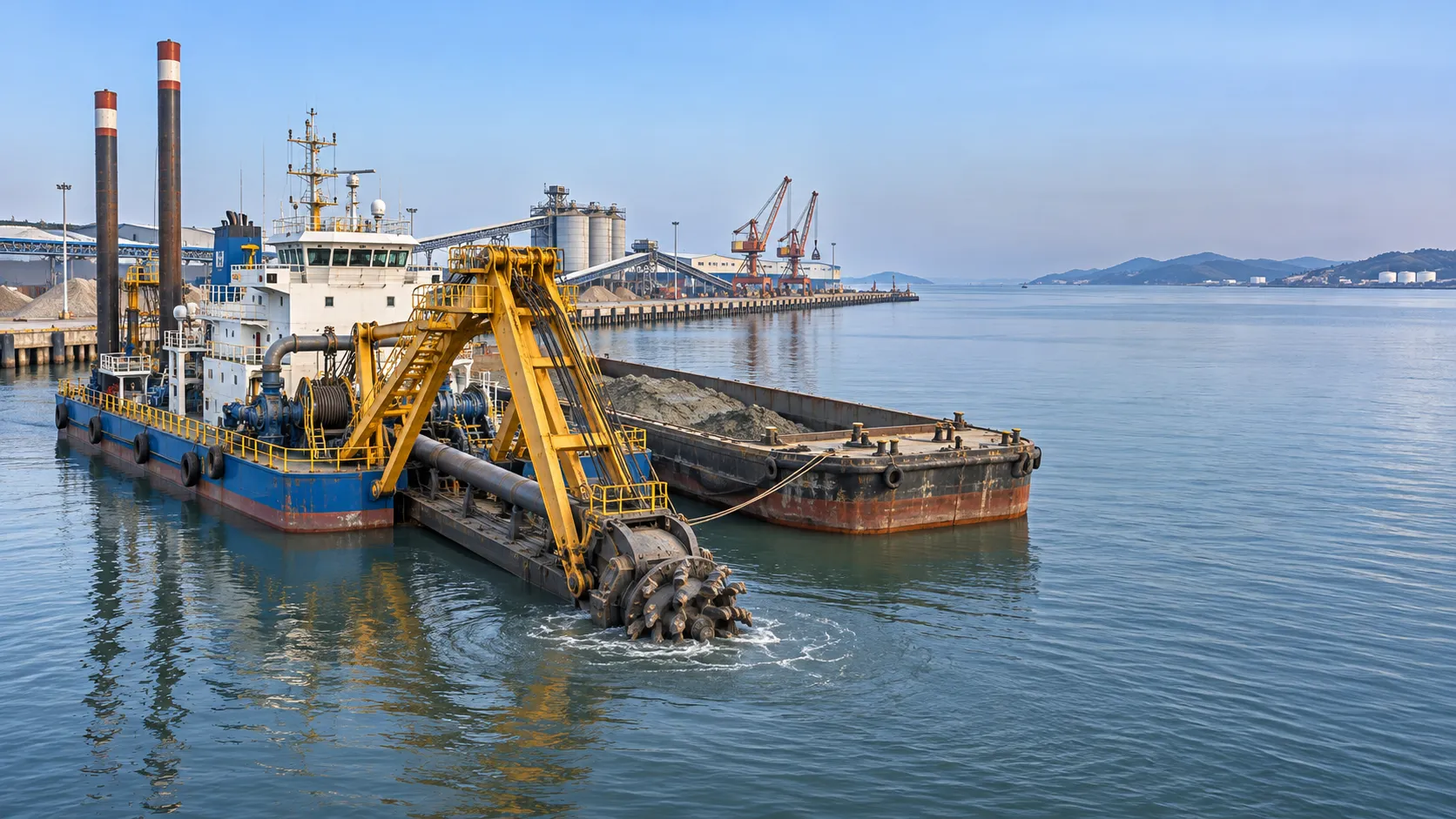
Marine Engineering Solutions for Dredging in Ports: Key Design Factors
Explore marine engineering solutions for dredging ports, from equipment selection and sediment management to safe navigation and survey verification.
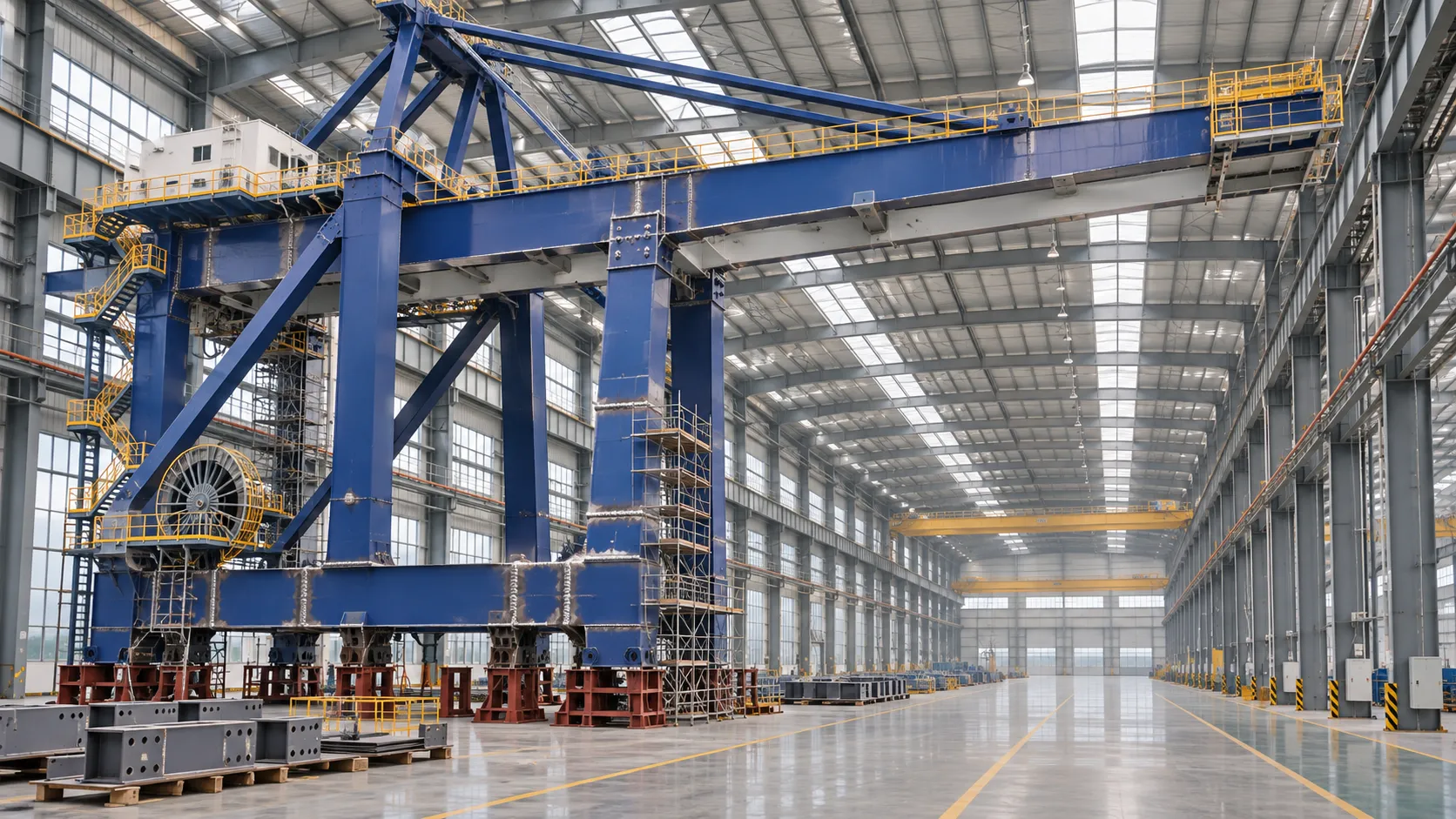
How to Evaluate a Quay Crane Factory: Capacity, Quality and Delivery
Evaluate a quay crane factory with confidence. Learn how to verify production capacity, quality controls, delivery plans, and lifecycle costs before you commit.
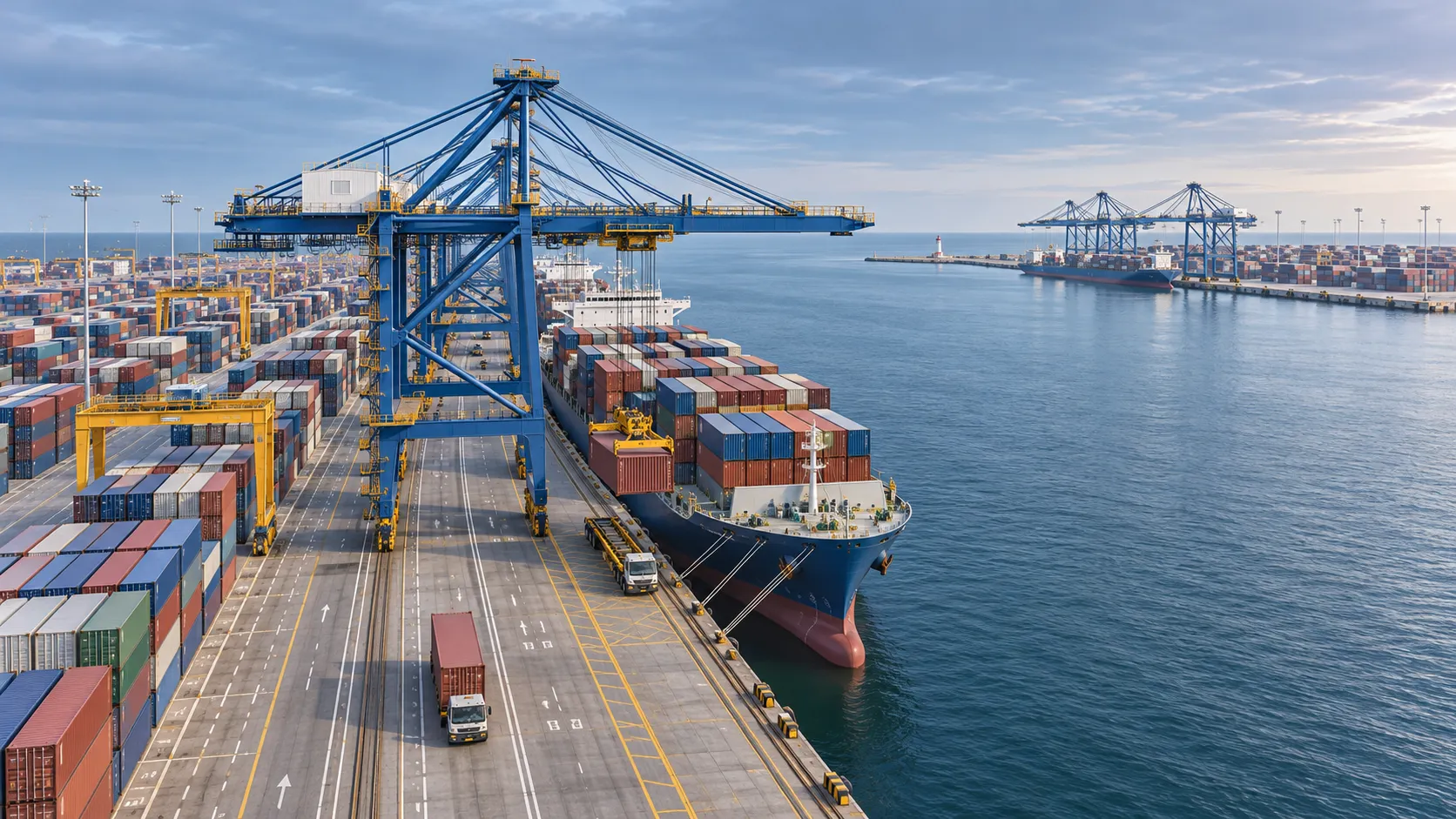
What Data Does a Smart Port Control Architecture Need to Operate?
What data is needed for a smart port control architecture? Discover the essential operational feeds, integration requirements and safety checks.
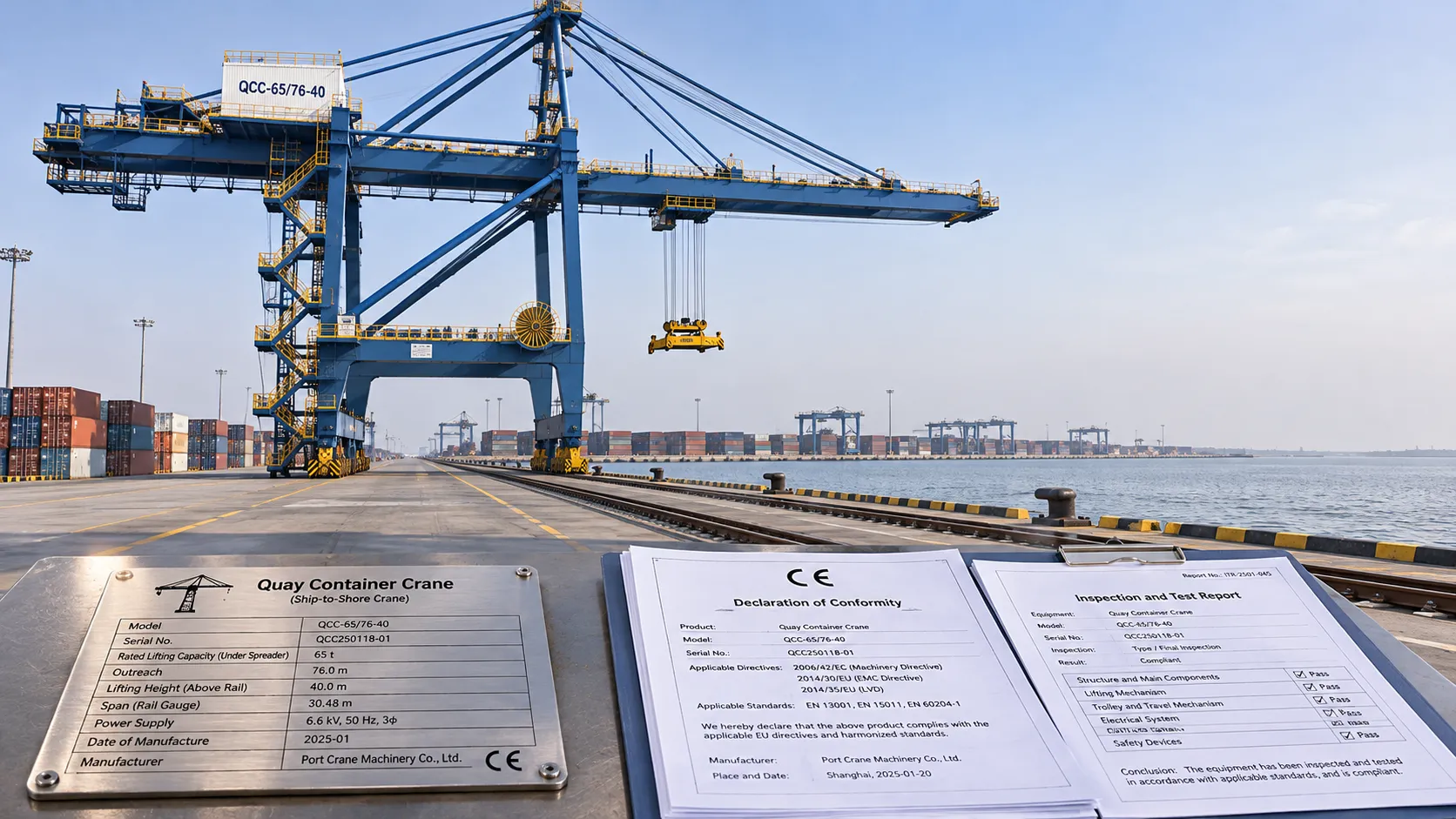
CE-Marked Quay Cranes: How to Verify Compliance Documents
Quay crane CE certified? Learn how to verify declarations, risk assessments and test records for the complete machine before acceptance.
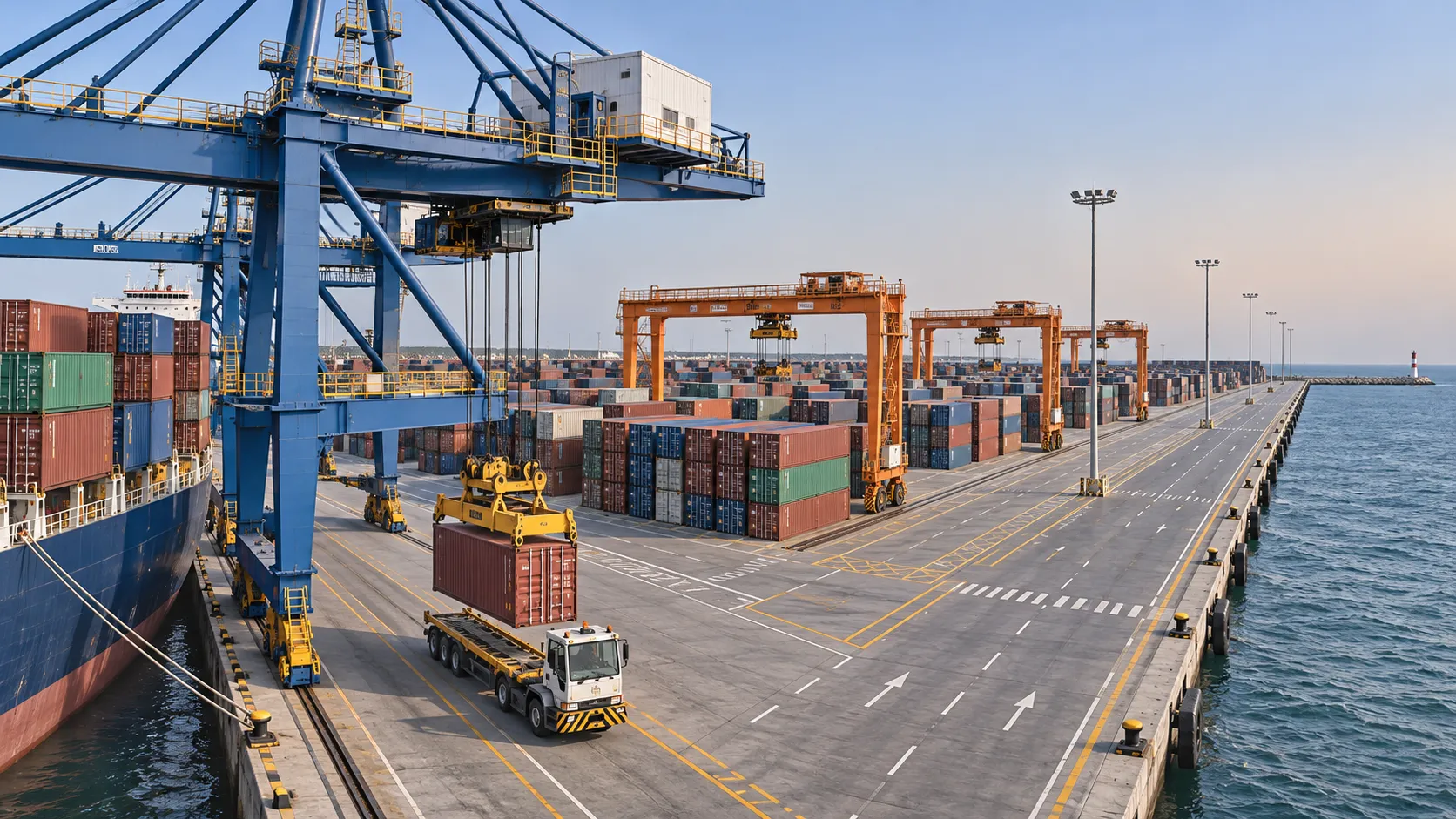
Port Automation Systems in Latin America: Choosing the Right Solution
Explore port automation systems Latin America terminals can use to reduce congestion, assess integration risks, and choose the right solution with confidence.

Scalable Automated Port Systems: Planning for Terminal Capacity Growth
Discover how scalable automated port systems support phased terminal growth, reduce bottlenecks and guide smarter capacity investments.

Europe's Coastal Economies: Key Industries, Jobs and Climate Risks
Explore coastal economics in Europe: discover key industries and jobs, the climate risks they face, and how coastal communities can adapt.

Bulk Cargo Handling Equipment for Ports: Choosing by Cargo and Capacity
Choose bulk cargo handling equipment for ports with confidence. Compare cargo types, realistic throughput, equipment options, and lifecycle costs.
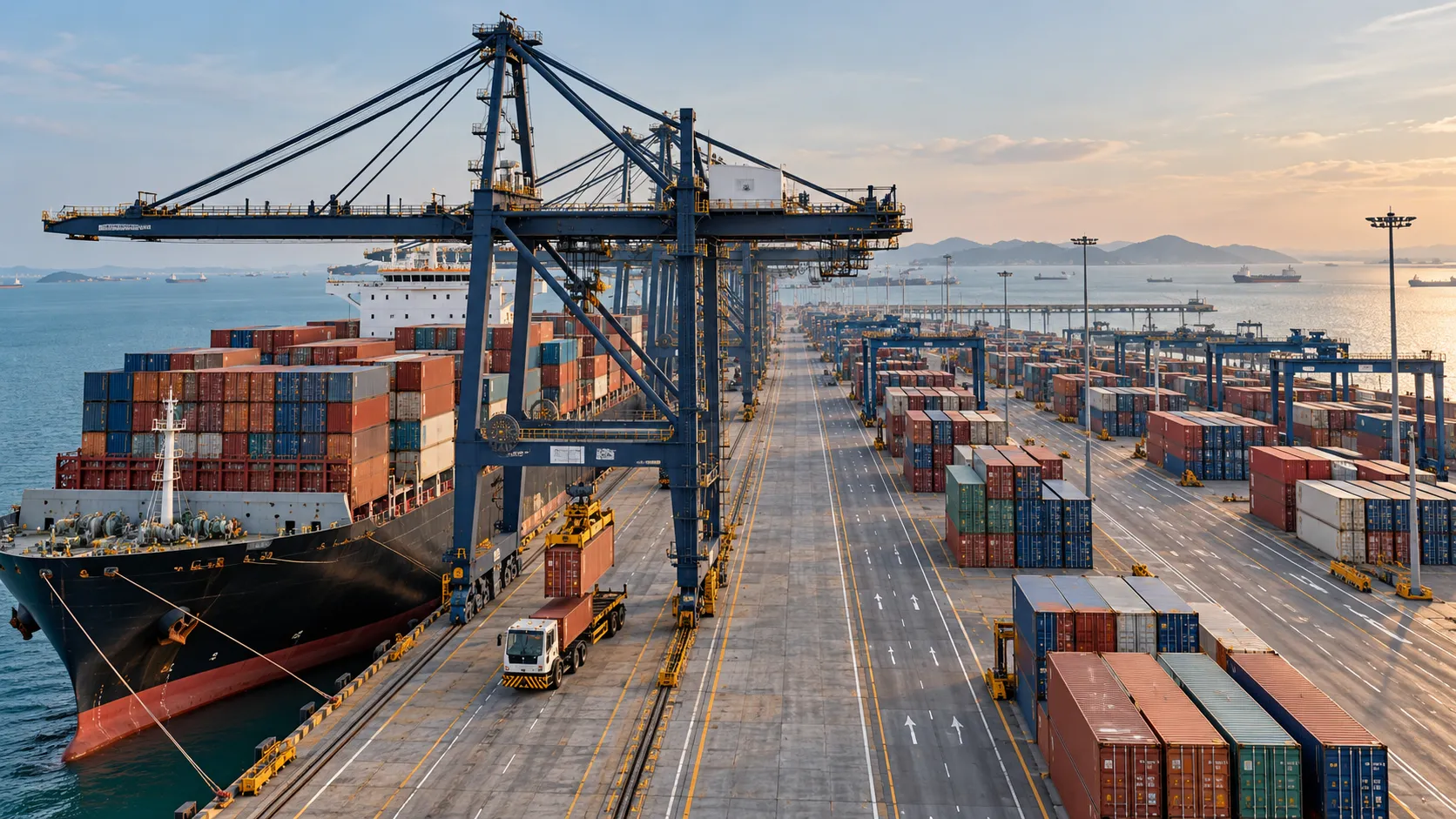
What Affects Container Terminal Efficiency in Southeast Asia?
Discover what affects terminal efficiency in Southeast Asia, from berth planning and yard congestion to inland access, and learn how to assess performance.