Related News
- 00
0000-00
How to Evaluate a Yard Mobility Solutions Manufacturer for High-Throughput Sites - 00
0000-00
How to Evaluate a Container Handling Equipment Exporter for Port and Yard Projects - 00
0000-00
Selecting Port and Terminal Cargo Handling Equipment by Cargo Mix and Duty Cycle - 00
0000-00
How to Assess a Smart Port Solution Supplier for Integration, Security, and Support - 00
0000-00
How to Evaluate a Port Logistics Solutions Supplier for Terminal Uptime and Scalability
How to Evaluate a Yard Mobility Solutions Manufacturer for High-Throughput Sites
A high-throughput terminal does not buy yard mobility equipment as a standalone asset. It buys a constraint—or relief from one—within a container-flow system. A terminal tractor, shuttle carrier, straddle carrier, automated guided vehicle, electric yard truck, or hybrid transfer platform can meet a stated payload and speed requirement yet still create bottlenecks through poor dispatch integration, slow charging recovery, limited service response, or incompatible operating logic.
That is why evaluating a yard mobility solutions manufacturer begins before comparing machine specifications. The central question is whether the supplier can support the terminal’s required container moves under its actual operating conditions: traffic density, travel distances, shift structure, weather exposure, quay-to-yard interface, maintenance windows, labor model, energy infrastructure, and existing control systems. For high-throughput sites, the cost of a weak manufacturer decision is not confined to repair invoices. It appears as lost berth productivity, stacking congestion, unplanned fleet substitutions, and reduced confidence in automation investments.
Define the operating problem before issuing the specification
Procurement documents often begin with a requested fleet size and a list of technical minimums. That approach can narrow the choice too early. The useful starting point is a movement profile: where containers originate, where they are handed over, how far they travel, where queues form, and what conditions create peak demand.
A manufacturer should be able to work from this profile rather than merely confirm that its published model has sufficient rated capacity. The relevant questions differ substantially between a compact terminal with short loops and a large facility where tractors travel long distances between quay cranes, stacking blocks, rail interfaces, inspection areas, and empty-container zones.
- What container flow must the fleet sustain during the busiest operating periods, not merely on an average day?
- Are vehicle cycles constrained by crane productivity, gate traffic, block handover points, or road intersections?
- What proportion of moves are laden, empty, twin-lift, reefer-related, or exception moves?
- How much idle time is genuine operational slack, and how much is queueing caused by other assets?
- Which routes have gradients, uneven pavement, tight turning areas, drainage issues, wind exposure, or shared traffic?
- How will the fleet operate during peak season, vessel bunching, or equipment outages elsewhere in the yard?
These inputs reveal whether the manufacturer understands throughput as a system outcome. A supplier that responds only with nominal travel speed, engine power, battery size, or lifting capacity has not yet demonstrated that its solution will perform in the operating environment being purchased.
The distinction matters especially when replacing diesel equipment with battery-electric units. The comparison cannot stop at claimed runtime. Energy use is shaped by payload, acceleration, route length, auxiliary loads, ambient temperature, driving behavior, road condition, and waiting patterns. A manufacturer should explain its duty-cycle assumptions in enough detail for them to be challenged against the terminal’s data.
Assess engineering capability through design choices, not brochures
A yard mobility solutions manufacturer should be evaluated on how it has engineered the machine for maintainability, durability, and recoverability under repetitive terminal duty. Published specifications indicate the outer boundary of a product; design details indicate whether the machine can remain productive inside that boundary.
For conventional and electric terminal tractors, examine the powertrain layout, cooling strategy, protected routing of hoses and harnesses, access to daily service points, brake and coupling system design, corrosion protection, and the ease of replacing high-wear components. For container-carrying equipment, the inspection should extend to structural design, spreader or lifting interfaces, hydraulic system accessibility, load-sensing arrangements, and the safeguards used to prevent repeated shock loading from becoming a chronic reliability issue.
Electric equipment requires additional scrutiny. Battery capacity alone says little about operational suitability. Buyers need clarity on usable energy, thermal management, charge acceptance, battery warranty conditions, performance derating, charging connector standards, diagnostics, isolation procedures, and the consequences of a failed battery module or power electronics component. If the supplier proposes battery swapping, the evaluation must include swap station layout, handling equipment, battery inventory, workflow impact, and safe storage arrangements. A fast swap is not automatically efficient if it introduces a new queue or depends on limited specialist support.
Ask the manufacturer to distinguish between standard production configuration and site-specific engineering. Customization may be necessary, but excessive redesign can introduce procurement risk: longer validation, unique spare parts, uncertain warranty boundaries, and dependence on one factory engineering team. The strongest proposals identify which elements are proven modules and which require adaptation for the site.
Demand evidence of performance under comparable duty cycles
Reference lists are useful only when the comparison is meaningful. A machine operating in a lightly loaded inland depot is not evidence that it will tolerate continuous service in a marine terminal with salt exposure, high traffic density, demanding shift patterns, and limited downtime.
Comparable evidence should be examined across several dimensions: equipment type, annual utilization, climate, operating surface, cargo mix, automation level, maintenance model, and fleet size. The manufacturer does not need to disclose another operator’s confidential data, but it should be able to describe the conditions under which the referenced configuration was supplied and explain what lessons changed the product design or support model.
Procurement teams should also separate fleet availability from isolated machine reliability claims. A supplier may cite a high availability figure without defining whether planned maintenance is excluded, whether standby machines are counted, how partial functional restrictions are treated, or how long vehicles remain unavailable while awaiting parts. Contract language should establish the measurement method before a performance figure becomes part of a commercial comparison.
Where a new technology is involved, a structured site trial or a phased deployment may be more valuable than an aggressive fleet commitment. The trial should test the terminal’s real duty cycle, dispatch behavior, charging or fueling process, maintenance intervention time, operator acceptance, and recovery after faults. A demonstration on a simplified route does not answer the same question.
Integration capability is part of the equipment purchase
In a high-throughput yard, mobility assets interact with terminal operating systems, fleet management tools, maintenance platforms, traffic-control rules, gate systems, cranes, and—in automated environments—equipment control layers. The physical machine and the data environment cannot be evaluated separately.
Manufacturers should be able to specify what data their vehicles generate, who owns it, how it can be accessed, and which interfaces are available. Relevant data may include operating hours, energy consumption, fault codes, location, travel time, idling, battery status, charging events, impact records, and condition-monitoring signals. The practical value lies not in data volume but in whether information can support dispatch decisions, preventive maintenance, root-cause analysis, and lifecycle planning.
For automated or remotely supervised operations, interface responsibility needs particular attention. The manufacturer may provide the vehicle, onboard controls, safety systems, and vehicle management software, while another party supplies fleet orchestration or terminal operating system integration. Gaps often emerge at those boundaries: a vehicle responds correctly to a command, but the command logic, network coverage, geofencing configuration, or exception-handling process is incomplete.
Request a clear responsibility matrix covering software interfaces, cybersecurity updates, functional safety validation, network dependencies, commissioning, alarm management, and incident investigation. Statements that a solution is “automation-ready” should be translated into verifiable capabilities: supported navigation method, localization requirements, obstacle-detection limitations, safe-stop behavior, remote intervention process, and compatibility with the intended operating architecture.
Evaluate service capacity where the equipment will actually operate
Service coverage is frequently treated as a commercial appendix, even though it determines whether a fleet remains useful after commissioning. High utilization magnifies the effect of delayed diagnosis, unavailable parts, and weak technical escalation.
A credible manufacturer or authorized service partner should define the local support model rather than offer a general assurance of global presence. Important details include the location and scope of parts inventory, the number and qualifications of field technicians, hours of coverage, remote diagnostic capability, escalation routes to factory engineering, workshop requirements, and arrangements for specialist interventions such as high-voltage service.
Parts support should be assessed by criticality, not by catalogue breadth. Identify the components that could immobilize equipment for extended periods: control modules, traction inverters, battery components, charging hardware, axles, hydraulic pumps, sensors, communications devices, and proprietary mechanical assemblies. Then determine expected replenishment routes, stocking responsibilities, repair options, and whether substitutions are permitted.
It is also important to understand how the supplier handles software-dependent faults. A terminal may have spare filters and tires on site but still face a lengthy outage if a vehicle requires remote authorization, restricted diagnostic tools, or factory-level access to reset a control system. Serviceability is therefore both a mechanical and a digital question.
Compare lifecycle cost on an operational basis
Lowest acquisition price is a weak proxy for lowest cost of ownership. The correct comparison includes energy or fuel, scheduled maintenance, unscheduled repair exposure, consumables, tires, operator efficiency, charging or fueling infrastructure, spare-parts stock, training, software subscriptions, and residual-value uncertainty. The weighting of these items depends on the terminal’s operating model.
Electric fleet proposals require particular discipline because infrastructure costs can be allocated in different ways. Chargers, transformers, civil works, cable routes, energy-management systems, backup arrangements, and grid-connection upgrades may sit outside the vehicle quotation. A low equipment price can therefore obscure a high site implementation cost. Conversely, a higher-priced vehicle may require fewer chargers or less operational disruption if its energy use and charge strategy fit the duty cycle better.
Manufacturers should state assumptions behind lifecycle calculations: annual hours, electricity or fuel price, maintenance intervals, labor rates, battery replacement assumptions, utilization, and expected availability. These assumptions should be normalized across bidders. Without that normalization, lifecycle models become marketing tools rather than decision tools.
It is equally important to price downtime realistically. The financial effect of one unavailable vehicle varies according to fleet redundancy, vessel schedule, equipment pooling arrangements, and whether the asset serves a critical handover point. A maintenance contract with a higher fixed price may be justified when it reduces exposure to operational interruptions that would otherwise be disproportionately costly.
Test delivery discipline and change-control maturity
Delivery risk extends beyond manufacturing lead time. A yard mobility project may require site surveys, traffic studies, civil works, charging installation, communications coverage, operator training, maintenance training, spare-parts provisioning, system integration, acceptance testing, and operational ramp-up. A manufacturer that quotes equipment delivery without showing how these dependencies will be coordinated leaves substantial execution risk with the buyer.
Review the proposed project governance: named technical contacts, document-control procedures, design-freeze points, factory acceptance criteria, site acceptance criteria, commissioning sequence, defect-resolution process, training records, and handover documentation. The clarity of these elements is often more revealing than a polished presentation.
Change control deserves special attention. Terminals commonly refine routes, charging positions, operating rules, or software requirements after detailed engineering begins. The supplier should identify what constitutes a variation, how it affects performance commitments, and how changes will be tested before entering live operations. Ambiguity here can produce disputes precisely when schedule pressure is greatest.
Use compliance as a verification exercise, not a declaration
Equipment entering port environments may be subject to machinery, electrical, radio, battery transport, occupational safety, emissions, and local operating requirements depending on the jurisdiction and technology selected. The applicable framework cannot be reduced to a generic statement that equipment is “certified.”
Procurement documentation should request the relevant declarations, test reports, manuals, safety documentation, labeling information, and traceability records for the delivery jurisdiction. For automated functions, evaluate the evidence supporting the safety concept, including defined operating boundaries and procedures for degraded modes. For lithium-ion systems, require clear documentation covering battery handling, emergency response, isolation, storage, transport where relevant, and technician competence.
Compliance review should also include the terminal’s own obligations. A compliant machine may still require changes to site traffic management, emergency planning, electrical installation, maintenance facilities, or operator procedures. The manufacturer’s willingness to identify these interfaces early is a sign of maturity, not an attempt to shift responsibility.
Turn the evaluation into enforceable commitments
The final selection should not rest on a weighted score alone. Scoring helps structure comparisons, but it can conceal a serious weakness when a supplier performs well in many minor categories and poorly in one operationally critical area. Critical requirements—such as local service capability, system-interface compatibility, defined energy performance, or essential spare-parts availability—should be treated as gates or explicit contractual conditions.
Performance commitments need measurable definitions. If availability is required, define the fleet, operating hours, exclusions, notification process, repair clock, reporting method, and remedies. If energy consumption or duty-cycle capability matters, specify the route, payload, ambient conditions, charging method, and measurement protocol. If integration is included, document the interface scope, acceptance tests, responsibility boundaries, and obligations after software updates.
The strongest manufacturer is not necessarily the one offering the most advanced vehicle or the lowest initial quotation. It is the one that can demonstrate a credible fit between machine design, duty-cycle performance, digital integration, service infrastructure, and project execution. For a high-throughput terminal, that fit determines whether yard mobility equipment becomes a dependable part of the flow system or a recurring source of operational friction.
Related News
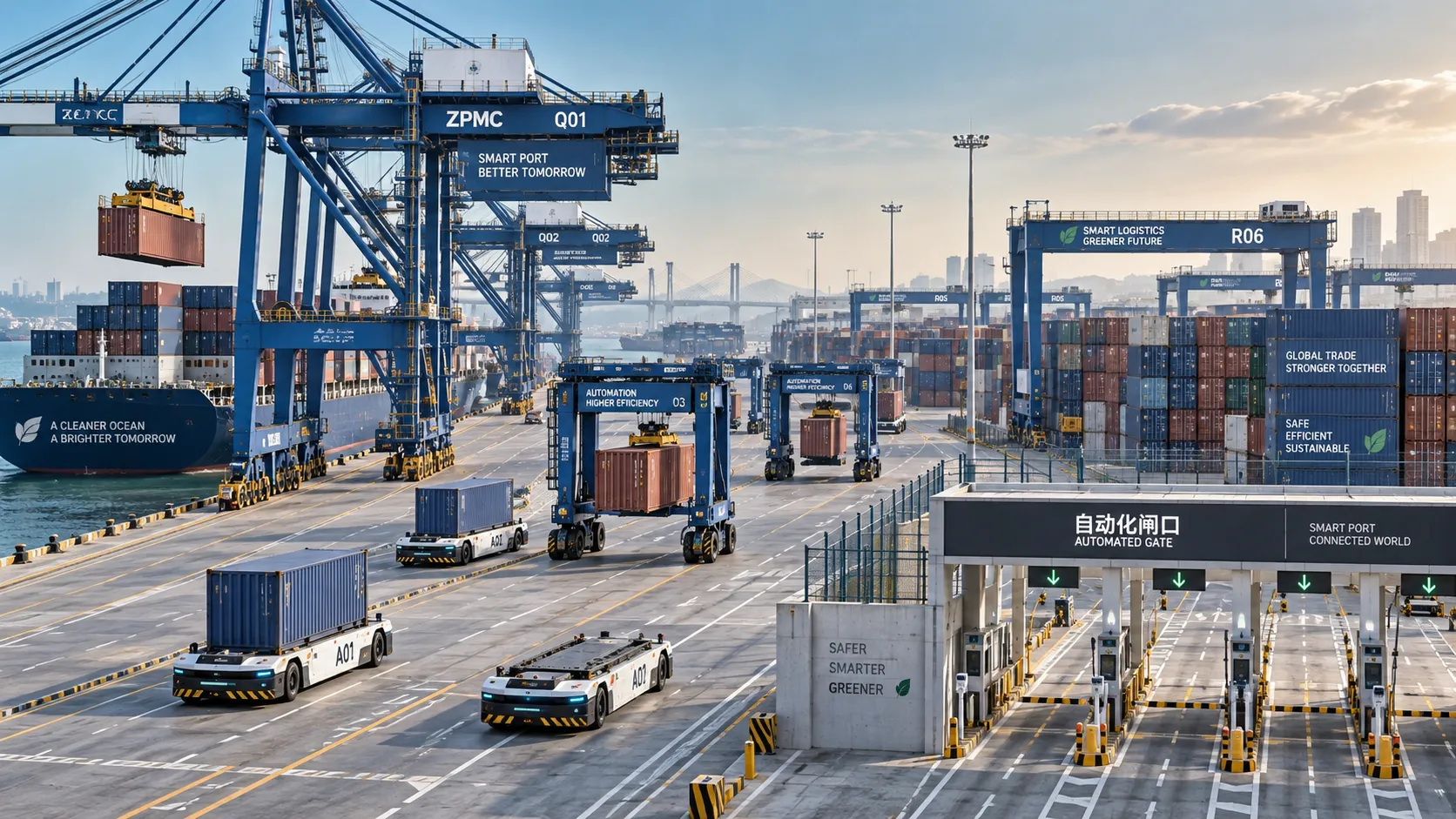
Automated Port Systems in Latin America: Investment Priorities for Container Terminals
Automated port systems Latin America: discover investment priorities for container terminals, from smart gates and remote cranes to resilient digital control layers.
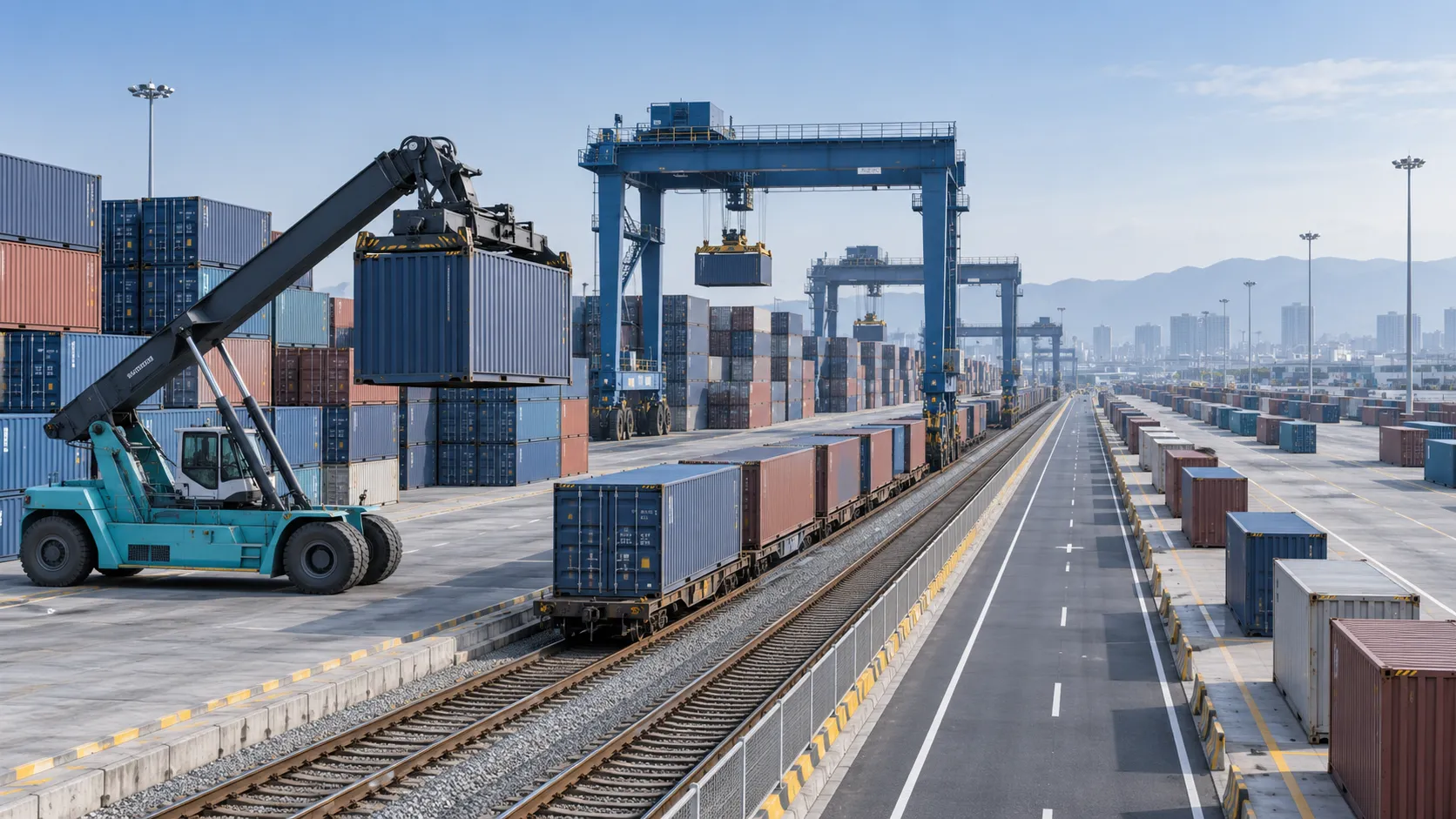
Selecting Intermodal Yard Equipment for Fast, Safe Container Transfers
Container handling equipment for intermodal yards: compare reach stackers, RTGs, automation, safety planning, and lifecycle costs to build faster, safer container flow.
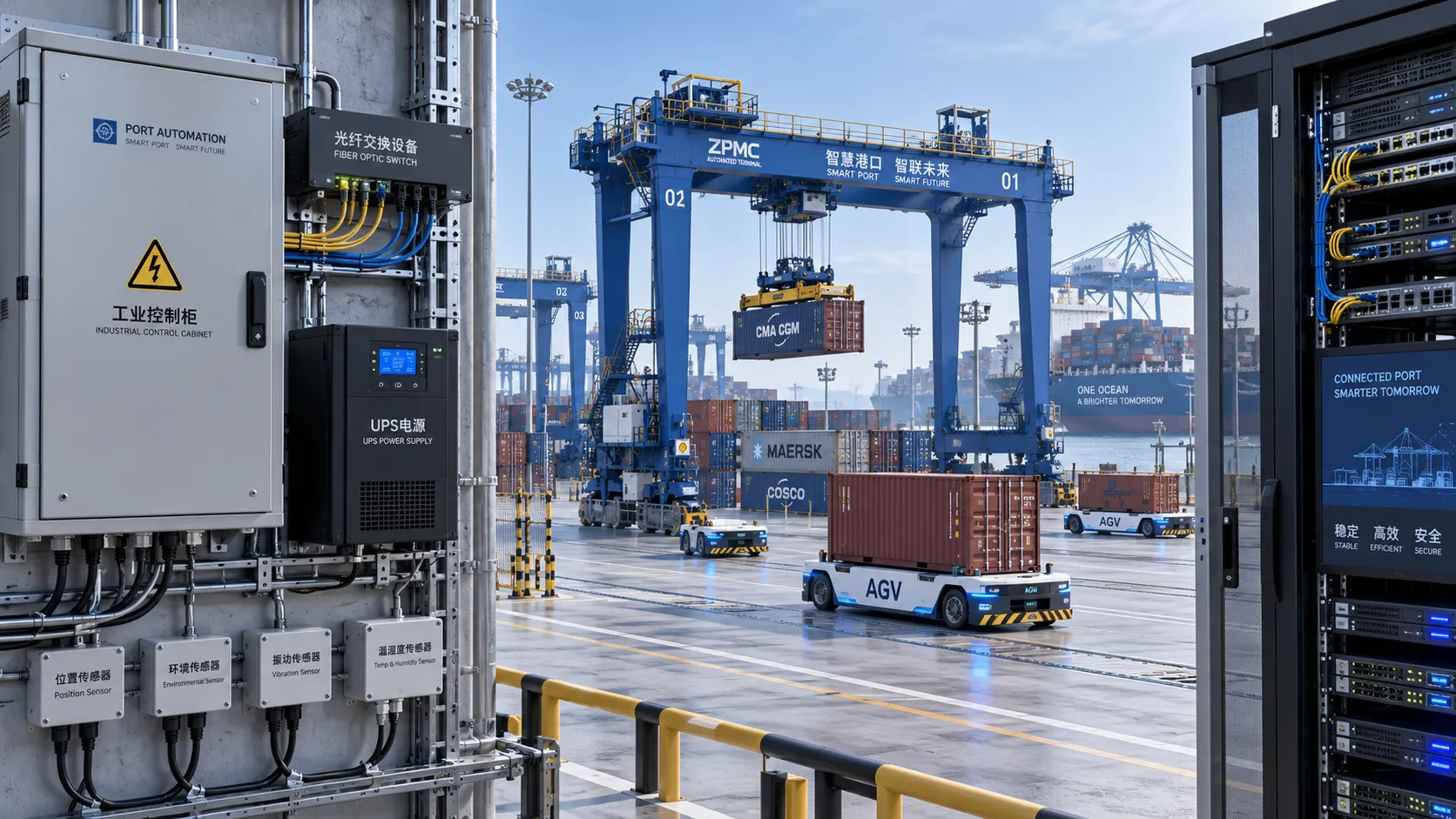
Terminal Control System Costs: Budgeting Hardware, Integration, and Lifecycle Support
Terminal control systems cost explained: budget hardware, integration, safety, cybersecurity, commissioning, and lifecycle support for resilient terminal operations.
Smart Operations in the Middle East: Where Industrial Investment Is Growing
Smart operations Middle East investment is reshaping ports, industrial corridors, and logistics networks through connected data, automation, resilience, and smarter asset performance.
How to Select Harbor Structures for Quay Walls Under Berthing and Wave Loads
Harbor structure for quay wall selection: evaluate berthing energy, wave loads, soil conditions, durability, and lifecycle risk to build safer, adaptable terminals.
Selecting Smart Terminal Software for Multi-Site Field Service Operations
Smart terminal solutions software helps multi-site field service teams unify asset history, mobile maintenance, integrations, and reporting for safer, faster terminal operations.
How to Specify Heavy-Duty Marine Engineering Equipment for Offshore Projects
Heavy duty marine engineering equipment: learn how to specify reliable offshore assets for safety, uptime, integration, lifecycle cost, and project success.
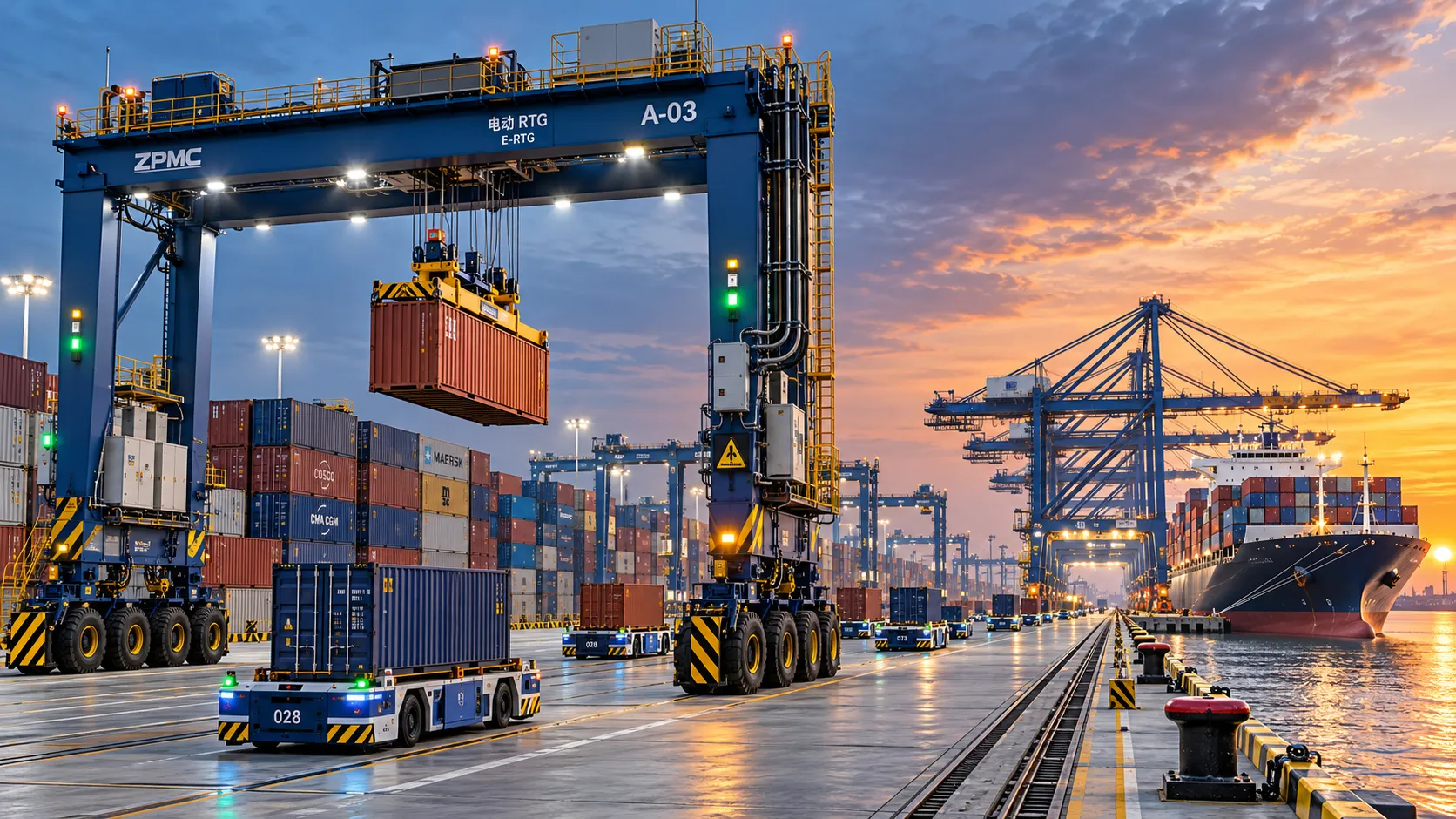
How to Evaluate a Container Handling Equipment Exporter for Port and Yard Projects
Choose the right container handling equipment exporter with a practical guide to compliance, automation, service support, delivery reliability, and lifecycle value.

How to Select Automated Terminal Systems for High-Throughput Cargo Terminals
Automated terminal systems for cargo terminals: learn how to select scalable, resilient solutions that boost throughput, streamline integration, and control lifecycle risk.