Related News
- 00
0000-00
Selecting Intermodal Yard Equipment for Fast, Safe Container Transfers - 00
0000-00
How to Select Harbor Structures for Quay Walls Under Berthing and Wave Loads - 00
0000-00
Selecting Smart Terminal Software for Multi-Site Field Service Operations - 00
0000-00
How to Specify Heavy-Duty Marine Engineering Equipment for Offshore Projects - 00
0000-00
How to Select Automated Terminal Systems for High-Throughput Cargo Terminals
Selecting Intermodal Yard Equipment for Fast, Safe Container Transfers
An intermodal yard rarely fails because one machine is inherently “wrong.” More often, the failure begins earlier: equipment is selected around a peak-throughput target, a familiar brand, or a low purchase price, while the real operating pattern remains only partly defined. Six months after commissioning, the yard discovers that empty-container moves are consuming productive lift time, truck queues are blocking rail circulation, operators are working with poor sightlines, or maintenance access was treated as an afterthought.
Selecting container handling equipment for intermodal yards is therefore a systems decision, not a single-equipment purchase. Project leaders need to balance transfer speed with traffic separation, lift capacity with pavement loading, automation ambitions with exception handling, and today’s budget with the yard’s likely expansion path. The best configuration is the one that keeps containers moving safely through the full chain: gate, buffer zone, stacking block, rail interface, truck lane, inspection point, and outbound transfer.
For project managers responsible for new terminals, inland depots, rail-linked logistics parks, or brownfield upgrades, the central question is not “Which machine has the highest rated performance?” It is: Which combination of machines, infrastructure, controls, and operating rules will deliver predictable container flow under real-world variability?
Begin with the transfer pattern, not the equipment catalogue
Before comparing reach stackers, rubber-tired gantry cranes, terminal tractors, straddle carriers, or automated systems, map how a container actually travels through the site. Intermodal operations have distinct rhythms. A rail ramp may experience concentrated train arrivals followed by intense discharge and loading windows. A regional distribution yard may have a steadier road-truck profile but frequent chassis exchanges. A port-adjacent depot may handle a volatile mix of laden import boxes, reefers, empties, inspections, and damaged-container exceptions.
These patterns determine where queues form and what “fast” really means. A high lift rate at the stack does little good if the gate has no pre-staging capacity or if outbound trucks must cross active rail tracks. In many projects, the critical performance measure is not lifts per hour for an individual machine; it is container dwell time from handoff to release, including waiting, identification, positioning, and exceptions.
Build the operating model around several questions:
- How many containers arrive and depart during normal, peak, and disrupted periods?
- What share of moves is rail-to-yard, truck-to-yard, yard-to-truck, empty repositioning, or inspection-related?
- What stacking density is required, and how often must containers be reshuffled to retrieve the correct unit?
- Which flows must remain segregated: pedestrians, external trucks, internal tractors, rail operations, hazardous cargo, and maintenance vehicles?
- How much variability is expected in arrival times, container condition, documentation status, and customs release?
- Will the site need to expand in phases without replacing the entire handling concept?
A useful planning discipline is to distinguish between designed capacity and recoverable capacity. Designed capacity describes what the system can do under favorable conditions. Recoverable capacity describes how quickly it regains control after a late train, equipment outage, weather interruption, or gate surge. Intermodal yards live with disruption. Equipment selection should acknowledge that reality.
Choose the handling philosophy before choosing the machine
Different equipment families create different yard geometries, labor models, maintenance demands, and safety exposures. There is no universal winner. The decision becomes clearer when each option is judged against the operating profile rather than against a brochure specification.
Reach stackers: flexible, practical, and sensitive to stack discipline
Reach stackers are common in lower- to medium-volume intermodal yards because they can perform lifting, stacking, truck loading, and rail-side work with relatively limited fixed infrastructure. They are especially useful when a project needs a quick start-up, mixed cargo handling, or a phased expansion strategy.
The trade-off is that they require broad travel aisles and can impose significant wheel loads on pavement. Their productivity also changes with stack depth, lift height, travel distance, and the number of rehandles required. A reach stacker fleet can look economical on day one but become constrained if the yard grows denser without a disciplined stack plan. Project teams should evaluate turning radii, operator visibility around truck lanes, surface durability, and whether the proposed stacking arrangement creates excessive unproductive travel.
Rubber-tired gantry cranes: structure for dense, repeatable flow
RTGs suit yards where stacking density and predictable block operations matter more than unrestricted mobility. They can support organized container blocks and controlled truck interfaces, often reducing the random cross-yard movement associated with mobile lifting equipment. Electrified or hybrid configurations may also align with emissions and energy-management objectives.
However, an RTG yard demands careful civil and operational planning. Block layout, lane geometry, power supply arrangements, transfer zones, and grounding conditions all influence performance. If truck arrivals are irregular or the gate process is weak, cranes may spend too much time waiting for the next correct move. The equipment should not be treated as a standalone productivity answer; it needs a credible appointment, dispatching, and stacking logic behind it.
Straddle carriers and shuttle systems: speed through separation
Straddle carriers can provide strong transfer performance where containers must move rapidly between interfaces and where the yard is designed around their circulation patterns. They may reduce reliance on separate lifting and horizontal transport stages, but they demand disciplined route design, surface quality, maintenance capability, and robust safety controls.
In larger, more structured operations, terminal tractors and trailers or automated horizontal transport can separate long-distance movement from stacking activity. This division of labor can improve flow, particularly when rail, gate, and stack interfaces are physically distant. The operational challenge shifts to handoff coordination: every transfer point introduces the possibility of delay, miscommunication, or container misidentification.
Automated yard systems: evaluate the exceptions, not just the nominal flow
Automation can bring consistency to repetitive routes, lower exposure in hazardous zones, and support more precise asset scheduling. Automated stacking cranes, AGVs, remote-controlled equipment, and yard management platforms are increasingly relevant where labor availability, safety objectives, or 24-hour operating requirements shape the business case.
Yet automation is not simply a decision to remove operators from machines. It requires reliable positioning, communication coverage, geofencing, accurate inventory data, cybersecurity governance, recovery procedures, and people who can manage exceptions without creating a new bottleneck. Damaged boxes, twist-lock issues, chassis misalignment, unreadable markings, and unscheduled vehicles still occur. A credible automated-yard design makes room for these events rather than assuming they will disappear.
Safety is a layout outcome as much as an equipment feature
Modern container handlers can include cameras, proximity sensing, load monitoring, anti-collision functions, and operator-assistance tools. These features are valuable, but they cannot compensate for an unsafe traffic plan. The most consequential safety decisions are often made on the drawing board: where routes intersect, where people leave vehicles, where inspectors stand, and whether external truck drivers need to enter active handling areas.
A strong intermodal yard concept establishes clear zones for external vehicles, internal transport, lifting operations, rail activity, maintenance, and pedestrian access. It limits unnecessary reversing, uses predictable one-way circulation where feasible, and creates protected locations for seal checks, damage inspections, driver paperwork, and equipment refueling or charging. Visibility must be tested at the level of a real operator—not only from a plan view. Blind corners, stacked-container shadows, rain, night shifts, and glare can change risk conditions quickly.
When assessing container handling equipment for intermodal yards, ask suppliers and designers to demonstrate how safety systems behave in mixed traffic. Can the machine detect, warn, or slow down around intrusions? How are alarms prioritized so that operators are not overwhelmed? Is the emergency-stop philosophy coherent across vehicles, cranes, gates, and control software? Most importantly, what is the safe recovery process when a sensor, communication link, or positioning function is unavailable?
The hidden constraint: civil works, energy, and maintainability
Equipment selection is frequently discussed as a capital expenditure line item, while the surrounding infrastructure is treated as a separate engineering package. That separation can create expensive surprises. A heavier machine may require upgraded pavement, drainage design, subgrade treatment, or reinforced operating lanes. Crane blocks need tolerances and foundations suited to their travel systems. Electrified equipment needs charging strategy, cable routing, substations, and a plan for peak demand. Fuel-based fleets need safe fueling arrangements, environmental controls, and service access.
Maintenance deserves the same early attention. An intermodal yard cannot afford to discover that a critical spreader, tire assembly, battery pack, or drive component has a long replacement lead time after operations begin. Review local service coverage, diagnostic access, recommended preventive-maintenance intervals, spare-parts stocking, and the skills required from the site team. Equipment with sophisticated controls can offer useful condition monitoring, but only if alarms are translated into work orders and management decisions.
For projects pursuing lower emissions, compare the complete operating context rather than assuming one power source is automatically superior. Battery-electric equipment may suit predictable duty cycles and available charging windows. Hybrid systems may offer transitional flexibility. Grid electrification can lower local emissions but brings power-quality and resilience questions. The practical answer depends on shift pattern, climate, charging opportunity, utility capacity, equipment utilization, and expansion plans.
Use a decision matrix that exposes trade-offs
A structured evaluation prevents the loudest stakeholder preference from becoming the selection criterion. The matrix should include technical, operational, safety, infrastructure, commercial, and organizational factors. Weighting may differ by project: a constrained urban inland terminal will likely value footprint and emissions differently from a large greenfield rail hub.
Test the concept with operational scenarios
Rather than reviewing a proposal only through average daily volumes, run scenario workshops with operations, engineering, safety, IT, maintenance, finance, and rail or trucking partners. Use realistic situations: a train arrives late while gate volume is high; a key handler is down for service; a reefer requires immediate access; a customs hold changes the retrieval sequence; rain slows operations; an automated lane is unavailable; or a customer requests an unexpected priority release.
These exercises reveal whether the selected equipment fleet has meaningful redundancy, whether dispatch rules are understandable, and whether the layout can absorb disruption without creating unsafe improvisation. They also expose a common problem in early-stage designs: the assumed “buffer” is not truly operational space because it is needed for truck turning, inspection, or emergency access.
Digital modeling can make this process more rigorous. Yard simulation, fleet telemetry from comparable operations, and terminal operating system data can help test equipment utilization and queue behavior before procurement is finalized. For automated or remotely operated environments, communications architecture and control-system latency should be evaluated as core operational variables, not as background IT topics. The physical yard and the decision logic increasingly operate as one system.
Procurement should protect flexibility, not just secure delivery
Equipment specifications should state the required duty cycle, container mix, attachment needs, environmental conditions, performance assumptions, operator-assistance features, and interface requirements. Avoid writing specifications so narrowly that they merely mirror one supplier’s configuration unless there is a clear technical reason. At the same time, vague specifications invite optimistic interpretations that become disputes during commissioning.
Ask bidders to identify assumptions explicitly: pavement condition, ambient temperature range, average travel distance, stacking profile, charging windows, network availability, and operator competence. Request a commissioning plan that includes acceptance testing under representative operating conditions, not just no-load demonstrations. Training should cover normal operation, safe isolation, emergency response, inspection routines, and the practical use of digital reporting tools.
For phased projects, consider how a first-stage fleet can remain useful after later automation, electrification, or capacity expansion. A short-term solution that cannot integrate with the future yard may create stranded assets. Conversely, building a highly automated system before traffic volumes and processes have stabilized can burden the project with unnecessary complexity. The right level of sophistication is the level the organization can safely operate, maintain, and improve.
A better selection decision creates a calmer yard
The visible outcome of good equipment selection is faster container transfer. The less visible outcome is just as important: fewer conflict points, clearer work instructions, more reliable planning, and a team that can respond to pressure without abandoning safe practices. That is what project leaders should seek from a container-handling strategy.
PS-Nexus follows the link between heavy terminal machinery, yard control logic, and the broader movement of global trade because intermodal performance is never created by hardware alone. It is created when machine capability, infrastructure, operational discipline, and intelligent scheduling are aligned. For any yard investment, start with the flow, test the disruption scenarios, and choose equipment that supports the operating model you can sustain for years—not only the opening-day demonstration.
Related News
Terminal Control System Costs: Budgeting Hardware, Integration, and Lifecycle Support
Terminal control systems cost explained: budget hardware, integration, safety, cybersecurity, commissioning, and lifecycle support for resilient terminal operations.
Smart Operations in the Middle East: Where Industrial Investment Is Growing
Smart operations Middle East investment is reshaping ports, industrial corridors, and logistics networks through connected data, automation, resilience, and smarter asset performance.
How to Select Harbor Structures for Quay Walls Under Berthing and Wave Loads
Harbor structure for quay wall selection: evaluate berthing energy, wave loads, soil conditions, durability, and lifecycle risk to build safer, adaptable terminals.
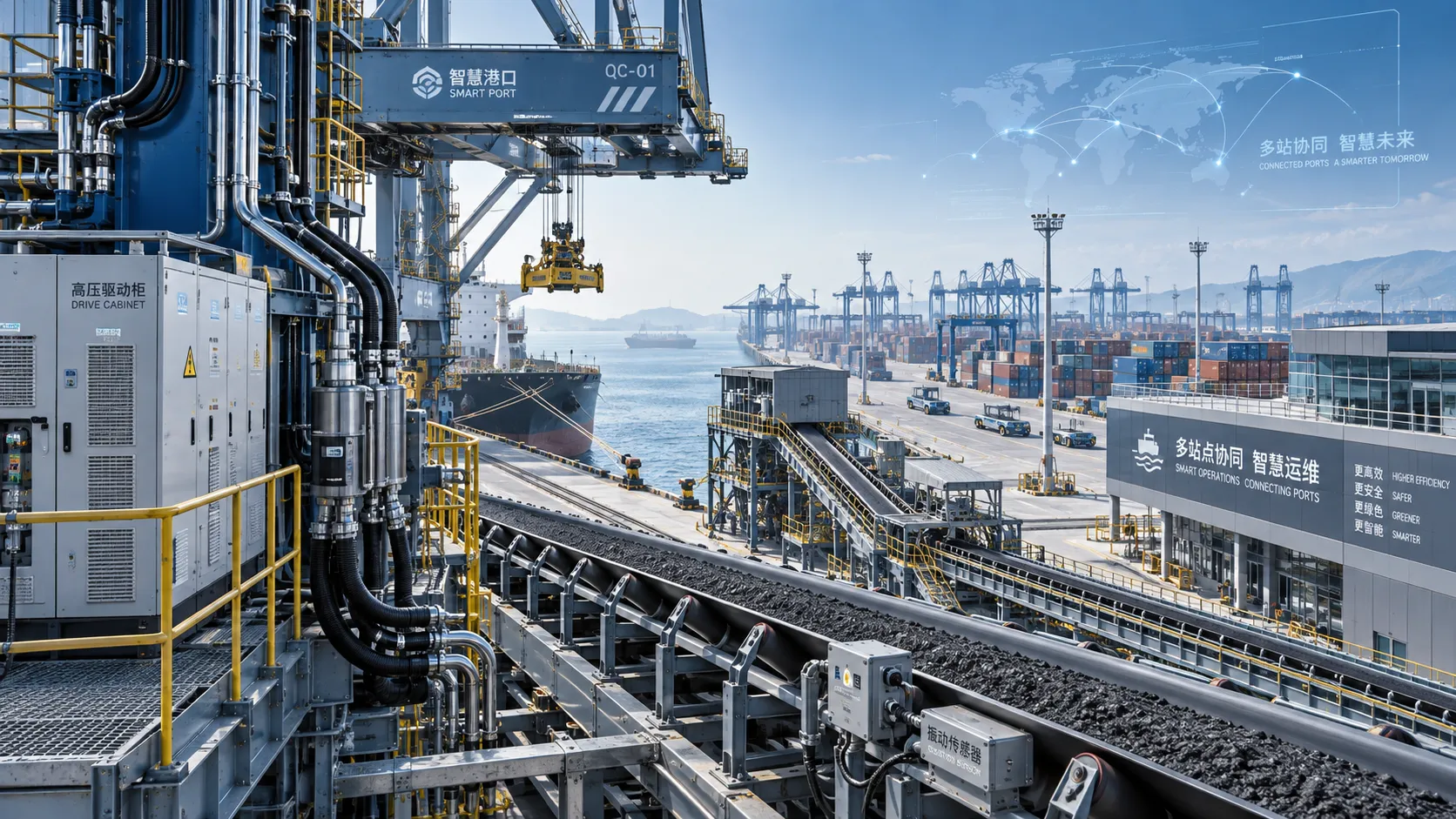
Selecting Smart Terminal Software for Multi-Site Field Service Operations
Smart terminal solutions software helps multi-site field service teams unify asset history, mobile maintenance, integrations, and reporting for safer, faster terminal operations.
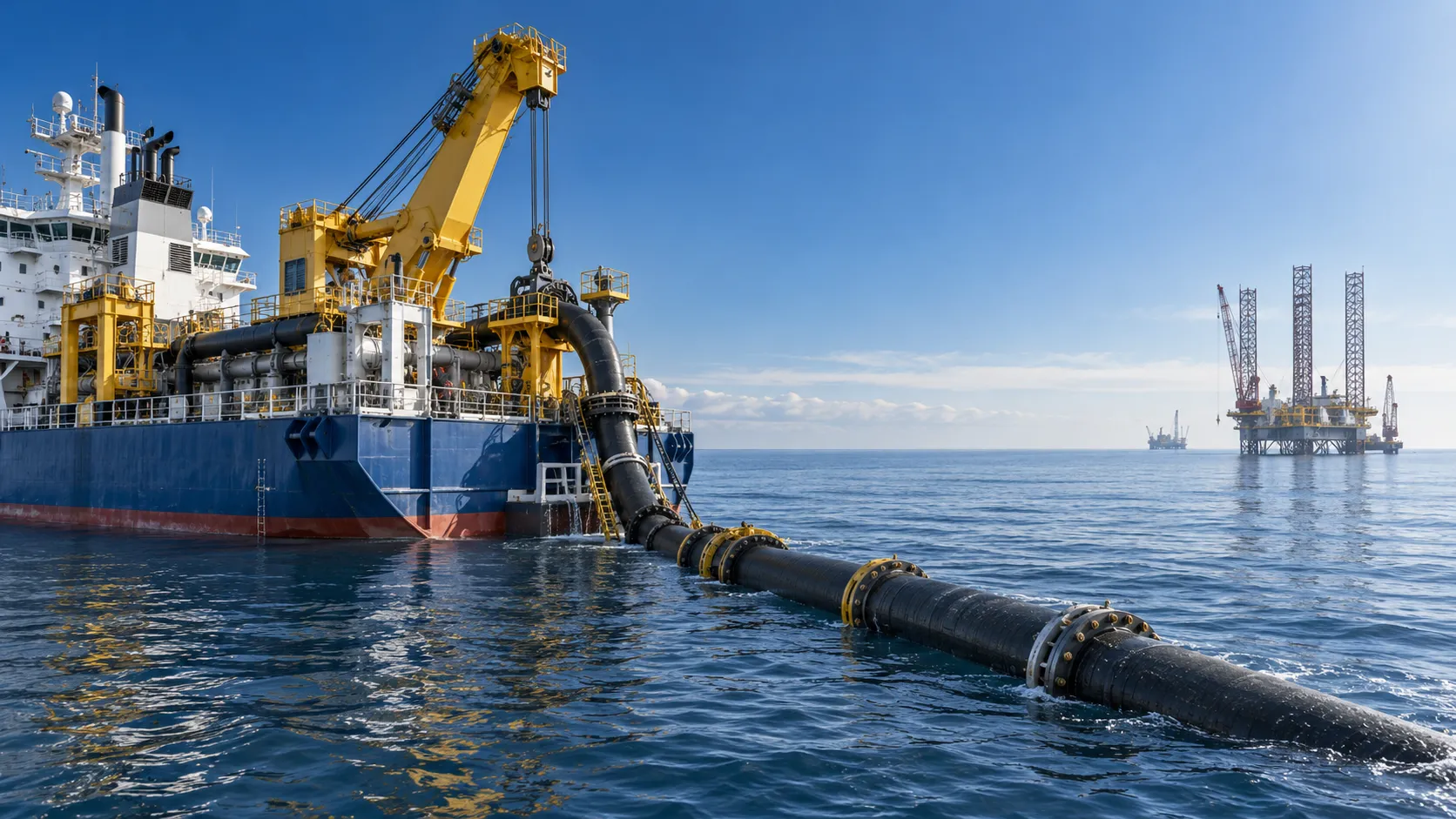
How to Specify Heavy-Duty Marine Engineering Equipment for Offshore Projects
Heavy duty marine engineering equipment: learn how to specify reliable offshore assets for safety, uptime, integration, lifecycle cost, and project success.
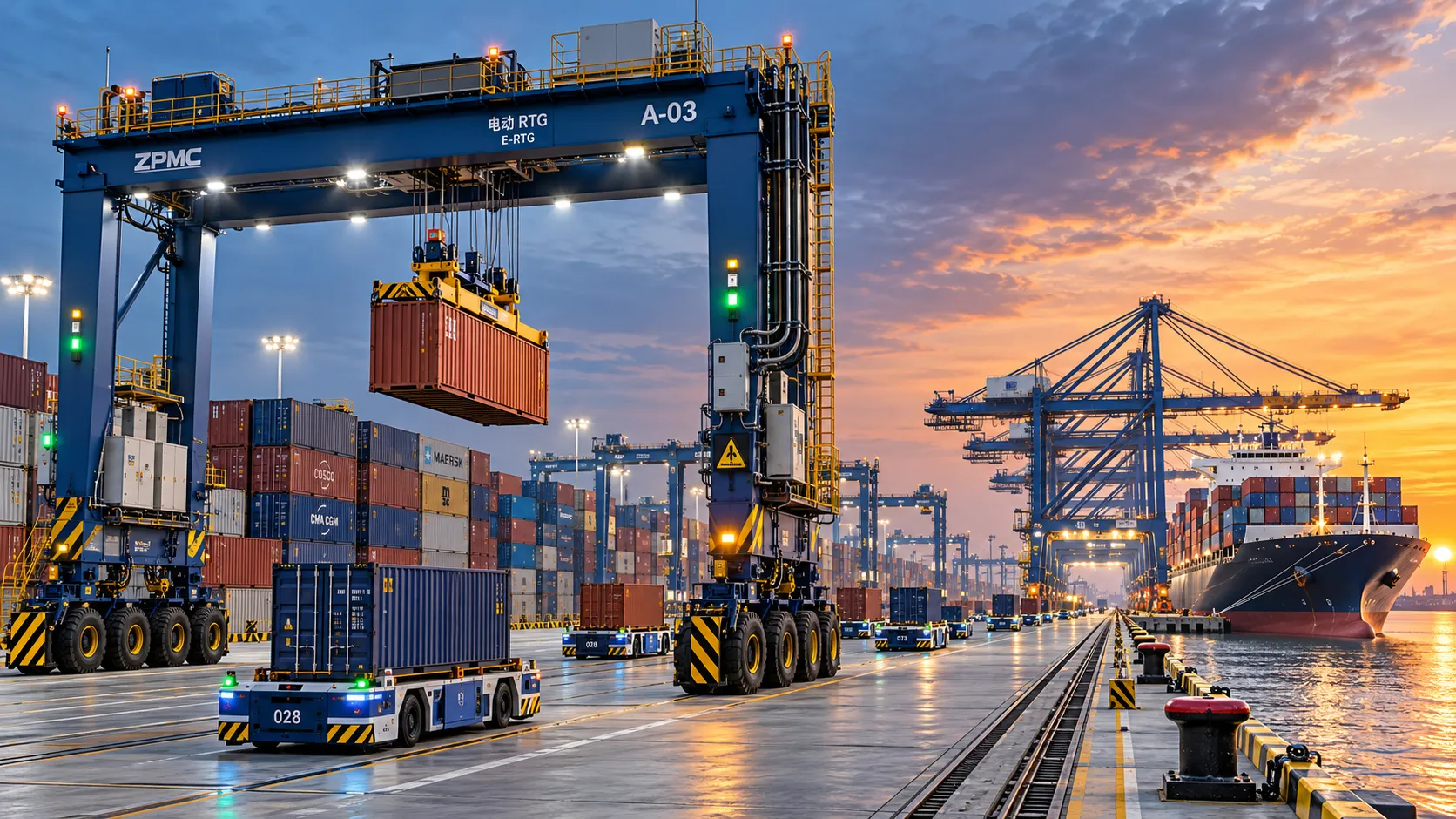
How to Evaluate a Container Handling Equipment Exporter for Port and Yard Projects
Choose the right container handling equipment exporter with a practical guide to compliance, automation, service support, delivery reliability, and lifecycle value.
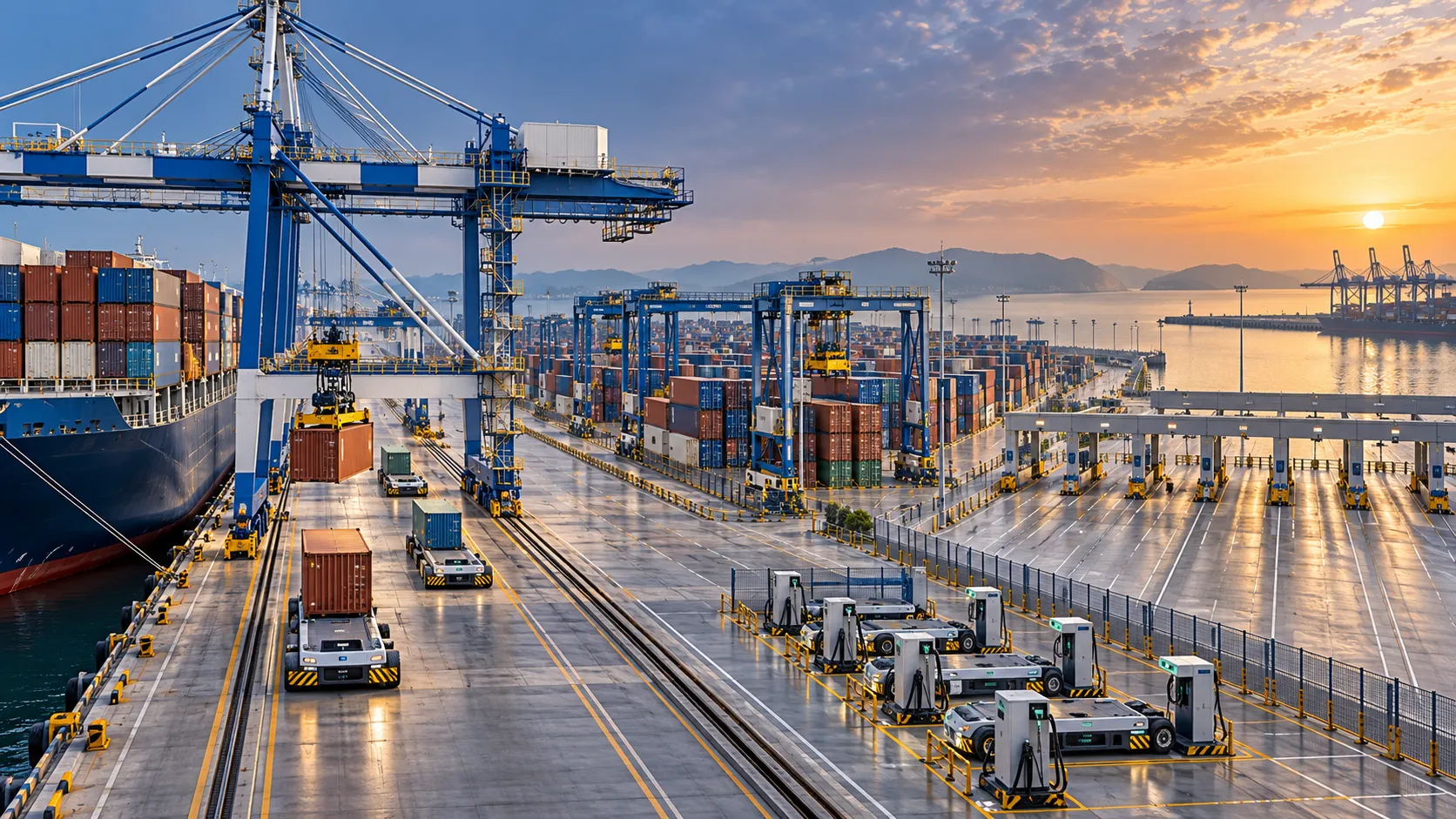
How to Select Automated Terminal Systems for High-Throughput Cargo Terminals
Automated terminal systems for cargo terminals: learn how to select scalable, resilient solutions that boost throughput, streamline integration, and control lifecycle risk.
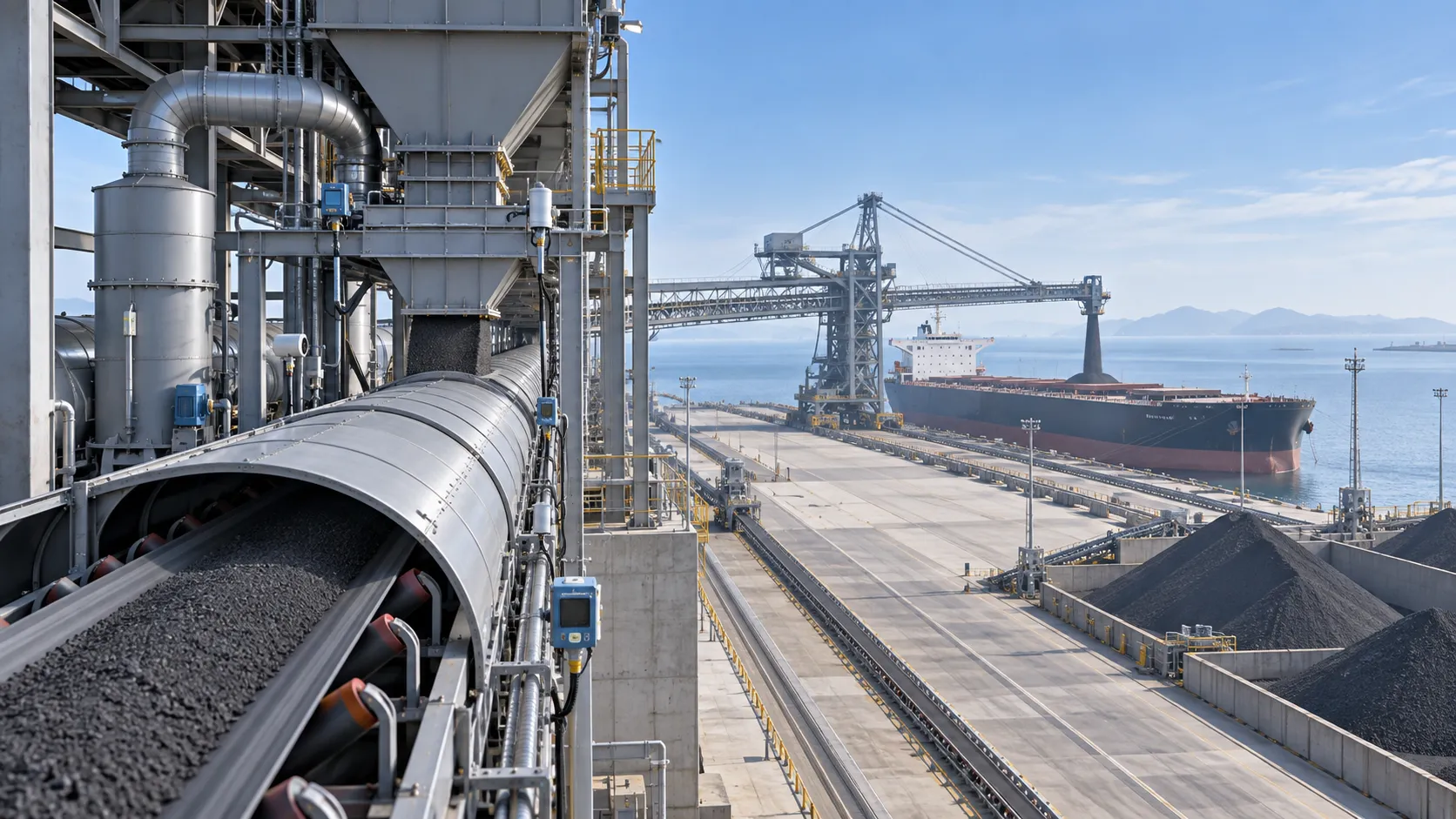
How Automated Bulk Cargo Handling Reduces Dust, Spillage, and Port Downtime
Automated cargo handling for bulk cargo cuts dust, spillage, and port downtime through stable flow control, smart sensing, and coordinated recovery.
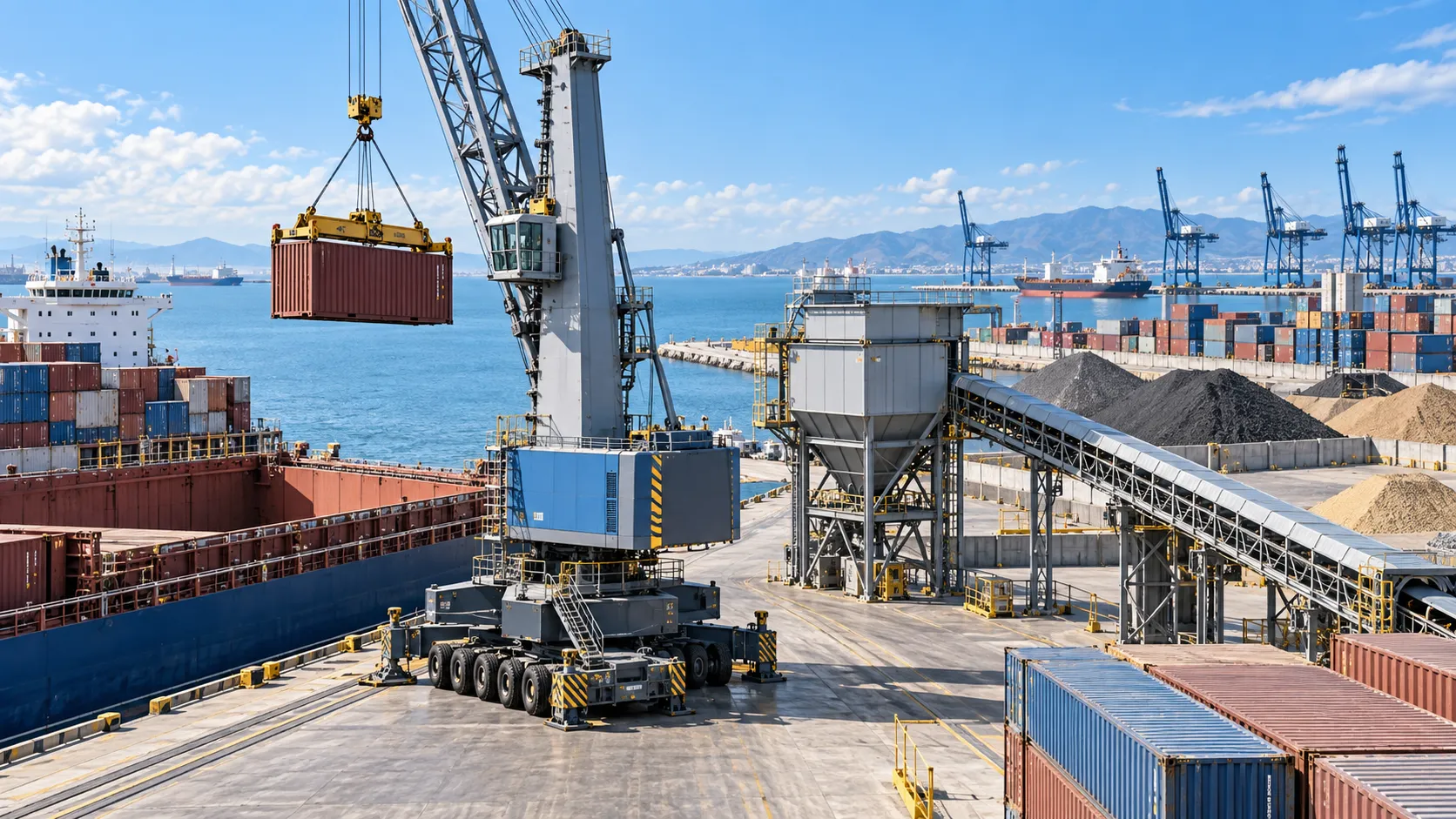
Selecting Port and Terminal Cargo Handling Equipment by Cargo Mix and Duty Cycle
Port/terminal cargo handling equipment selection guide: match cargo mix, duty cycle, throughput, energy, and lifecycle costs to improve terminal performance.